
Reviewed · WALKING TOURS
Private Nippori Fabric Town Walking Tour
Nippori Fabric Town is the sort of place that can make a sewing enthusiast forget lunch. Shop after shop offers cloth, leather, buttons, notions, and other supplies, but the sheer choice can be a bit much. This private walk with Momo-san gives you a clear path through the district and help finding the goods that fit your project.
I like two things here. First, the route changes to match your interests, from quilting and dress fabric to sashiko, leather, or home textiles. Second, Momo-san can help with shopping and transactions, a real benefit when labels and shop routines are unfamiliar. The main consideration is simple: this is a shopping walk, not a broad Tokyo sightseeing tour, and your purchases are not included in the $98.53 price.
In This Review
- Key points at a glance
- Why Nippori Fabric Town deserves a place on your Tokyo plan
- Meeting Momo-san at Nippori Station
- Choosing the right shops for your sewing style
- How the wholesale-style district works
- What the 2.5-hour walk feels like
- The guide’s personal attention is the main value
- What this tour does not include
- Who will get the most from this experience
- Practical planning before you book
- Should you book the Nippori fabric walk?
- FAQ
- Where does the Private Nippori Fabric Town Walking Tour start?
- What time does the tour begin?
- How long does the experience last?
- How far do you walk?
- Is the tour private?
- What kinds of shops can you visit?
- Is transportation included?
- What is included in the price?
- Can you cancel for a full refund?
Key points at a glance
- Private, interest-led route: Only your group joins, and the visit can focus on quilting, sashiko, dressmaking, leather, buttons, or other textile needs.
- About 2.5 hours on foot: You walk roughly 2 kilometers through Nippori’s long fabric district.
- Momo-san’s practical help: The guide can point out which shops suit different materials and assist with shopping across the language gap.
- A good first visit to Fabric Town: You learn how the wholesale-style district works instead of wandering from store to store.
- Easy starting point: Meet at Nippori Station at 10:30 a.m., near public transportation.
- Strong fit for serious makers: The tour is most useful if you already sew, quilt, work with textiles, or have a clear shopping list.
Why Nippori Fabric Town deserves a place on your Tokyo plan
Nippori Fabric Town is not one shop or a single indoor market. It is a district of fabric and craft stores spread along roughly 1 kilometer, with shops on both sides of the street. The tour covers about 2 kilometers, so you get a useful sample without trying to inspect every roll of cloth in the neighborhood.
That distinction matters. If you walk alone, you may spot a dazzling display and still have no idea where to find quilting cotton, Japanese sashiko cloth, leather, or buttons. A guide who knows the stores can save you time and help you spend your energy on choosing rather than searching.
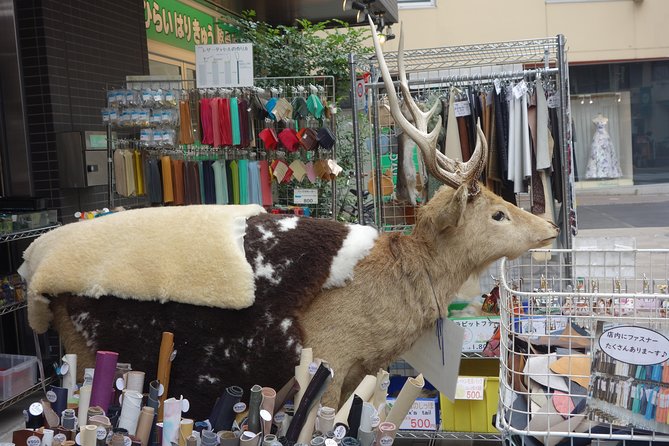
The area also gives you a look at a working shopping district rather than a staged craft attraction. Some stores are general shops. Others focus on particular kinds of fabric or sewing supplies. You get to compare the character of each store and see how a wholesale-oriented district serves people who make clothing, quilts, bags, and household goods.
This is best treated as a specialist outing. It will not replace Tokyo’s temples, museums, or food neighborhoods. For anyone who works with fabric, though, it may be one of the city’s most memorable stops.
More walking routes in Tokyo:
- Tokyo Tsukiji Fish Market Food and Culture Walking Tour
★ 5.0 · 3,184 reviews - Tokyo: Imperial Palace and Shogun Historical Walking Tour
★ 5.0 · 2,251 reviews - Tokyo: Shinjuku Local Bar and Izakaya Guided Walking Tour
★ 4.9 · 1,794 reviews
Meeting Momo-san at Nippori Station
The tour starts at Nippori Station at 10:30 a.m. The listed meeting address is 2 Chome-19 Nishinippori, Arakawa City, Tokyo 116-0013. Since the activity begins at a station, you avoid the hassle of finding a shop in an unfamiliar side street.
From there, Momo-san leads you into the fabric district and sets the pace for your group. The private format is important. You are not being moved through a fixed program with strangers who may want entirely different things. You can explain what you sew, what you hope to buy, and what kind of material you want to find.
The guide’s role is more useful here than it might be on a standard sightseeing walk. You may need help identifying the right shop, comparing materials, or completing a purchase. The experience is designed to make those small moments less awkward.
The tour ends back at the meeting point. That gives you a known place to finish, although you should plan your onward route and any extra shopping time after the scheduled walk.
Choosing the right shops for your sewing style
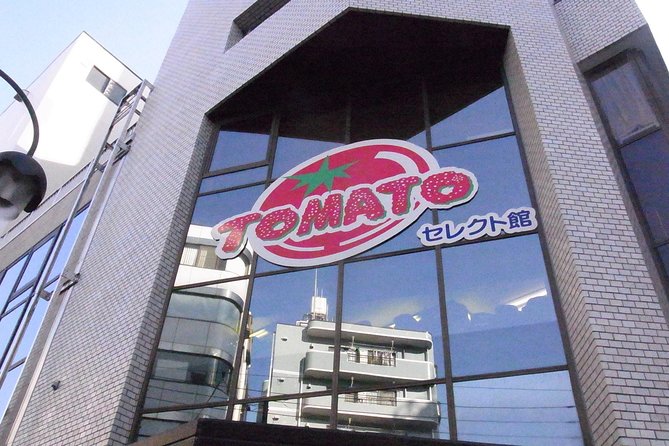
The heart of the experience is the shop-by-shop walk through Fabric Town. The route can include specialty and general stores, with woven and knitted fabric, buttons, leather, and other sewing goods. The exact mix depends on your interests and the products you want to find.
For a quilter, that may mean focusing on suitable quilting fabric and a particular store. One person used the tour to locate quilting material and buy from a specific shop. That is a good example of how to get the most from a private guide: arrive with a clear target, even if you also want time for browsing.
Sashiko enthusiasts have another reason to come. A visit can include shops with Japanese cloth and supplies connected to this traditional form of stitching. The information provided does not promise a dedicated sashiko lesson, so book this as a shopping and orientation tour, not a workshop. Still, the guide can help you identify appropriate materials and point out stores that fit your interests.
Dressmakers may prefer stores with dress fabrics, while bag makers could spend more time looking at leather or heavier materials. If you sew home goods, you may find stores with furnishing fabrics and related products. Buttons and notions add another layer to the visit, especially if you are trying to complete a project rather than buy only one length of cloth.
The guide’s value comes from connecting your needs to the right places. You can ask for help with the kind of fabric, pattern, color, or supply you have in mind, then make your own choices.
How the wholesale-style district works
One of the most useful parts of the tour is learning how to shop in a wholesale district. You are not simply being shown pretty fabric. You are getting tips on how to handle a cluster of stores that may each have its own focus, layout, and way of selling goods.
That guidance helps in two ways. First, you can avoid spending the entire morning in the first store you enter. Second, you can compare prices and selection with a better sense of what each shop does best.
The district’s wholesale character also means you should think ahead about purchases. Bring a shopping list if you have one, and know the basic quantities or colors you need. If you plan to buy a lot, pack an extra bag. One person specifically wished they had done so after making many purchases.
There is a pleasant danger here: you may leave with far more fabric than planned. The tour price does not include your purchases, so set a material budget before you arrive. A private guide can help you shop efficiently, but no guide can protect you from a beautiful bolt of cloth that seems to call your name.
A few more Tokyo bookings worth comparing
- Mt Fuji and Hakone 1-Day Bus Tour Return by Bullet Train
★ 5.0 · 26,383 reviews - 1-Day Tokyo Bus Tour
★ 5.0 · 14,250 reviews - Tokyo: TOKYO SKYTREE® Admission ticket
★ 4.5 · 11,192 reviews - Tokyo: teamLab Planets TOKYO Digital Art Museum Entry Ticket
★ 4.6 · 9,779 reviews
What the 2.5-hour walk feels like
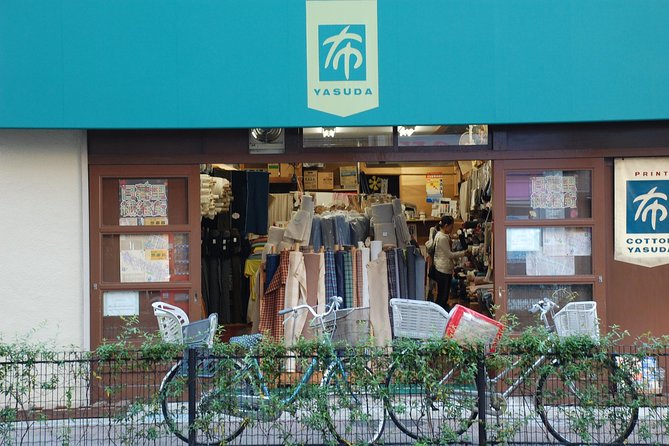
The activity lasts about 2 hours and 30 minutes and covers roughly 2 kilometers. This is not a strenuous hike, but you are on your feet and moving between stores. Comfortable shoes will make the visit easier, especially if you stop often to inspect fabric.
The pace can be adjusted to your group. If you are a careful shopper, you can spend time comparing materials. If you already know what you want, the route can focus on finding it. That flexibility is one of the strongest reasons to choose a private tour instead of trying to follow a general shopping route.
The schedule begins at 10:30 a.m., which gives you a full morning without requiring an early start. Two and a half hours is long enough to visit several different shops, but it is not an unlimited buying session. If you want to return to favorite stores after the tour, leave additional time in your day.
There are cafes nearby for a break after the walk. Food and drinks are not part of the tour, so treat them as an easy option before your next Tokyo activity rather than a scheduled stop.
The guide’s personal attention is the main value
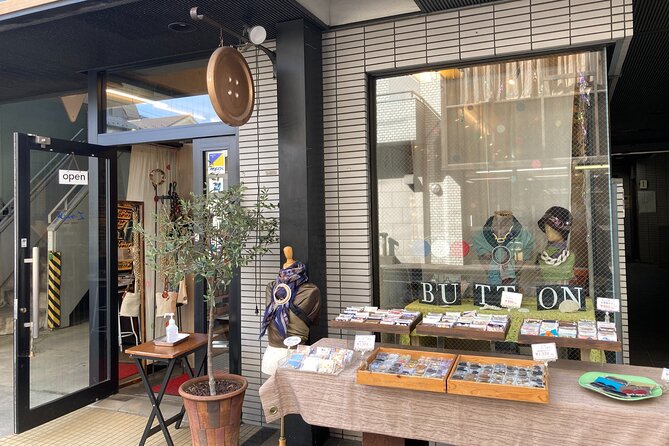
At $98.53 per person, this is not the cheapest way to browse fabric. You are paying for a private guide, local direction, language support, and time saved. The value rises if you have a specific project, limited time in Tokyo, or a long list of materials to find.
It is harder to justify the cost if you simply enjoy looking at textiles and are happy to wander without buying. You can visit Nippori independently, and the district is near public transportation. The tour earns its price through assistance and focus, not through admission to a special attraction.
Momo-san receives repeated praise for tailoring the route to each person’s sewing style and for explaining what different stores carry. The guide also shares information about the area and how the district operates today. That makes the outing more than a shopping escort, though shopping remains its clear purpose.
Personal attention also helps if you are buying many different items. You can ask where to look for a certain product, avoid repeating the same search in several stores, and get help at the counter when needed. For a specialist shopper, that can be worth more than the cost of a general sightseeing activity.
What this tour does not include
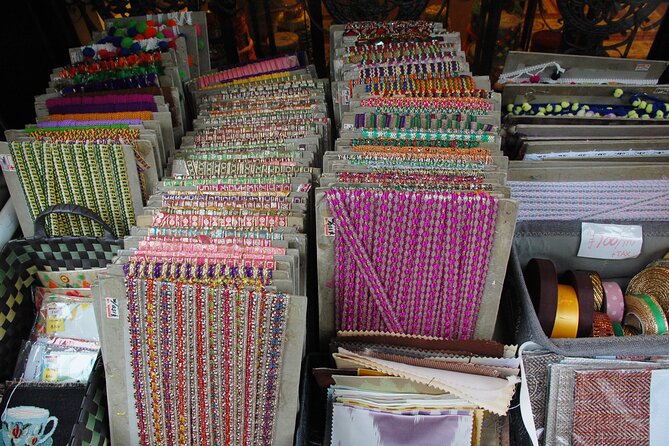
Private transportation is not included. You meet at Nippori Station and travel around the district on foot. Since the meeting point is near public transportation, getting there is straightforward, but you handle your own transport to and from Nippori.
Your fabric and craft purchases are also extra. This is worth stressing because the district encourages impulse buying. Your final cost could rise quickly if you find Japanese textiles, leather, buttons, and other supplies you cannot resist.
There is no listed class, sewing demonstration, meal, or separate attraction admission. The included service is the professional national licensed guide and the guided walk through Fabric Town. Book it for shopping advice and orientation, not for hands-on instruction.
The tour is private, so only your own group participates. That is a plus for couples, families, or friends with shared textile interests. It may be less appealing if you prefer the social feel of a larger group tour.
Who will get the most from this experience
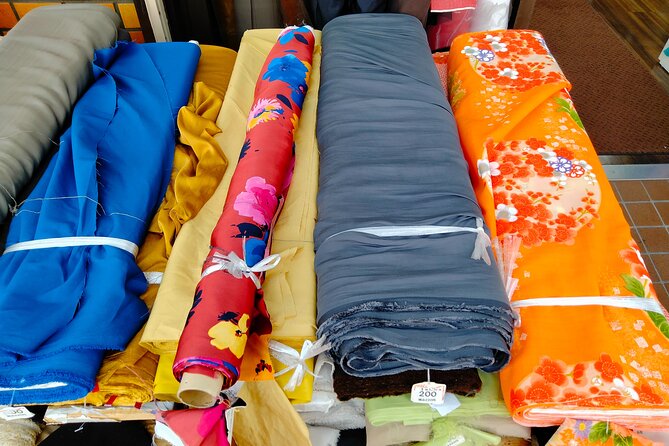
I would recommend this tour first to people who sew, quilt, embroider, make clothing, work with leather, or collect Japanese textiles. It is especially useful for a first visit to Nippori, when the number of stores and materials might otherwise slow you down.
It also suits a partner who does not sew but wants to support someone who does. A private guide can keep the outing focused and make the shopping easier for both people. The experience has also worked well for couples visiting together.
You do not need to be a professional. The tour is suitable for hobbyists, but you will get more from it if you can explain your interests. Tell Momo-san what you make, what fabric you need, and whether you are hunting for something specific or simply want to see the district.
This is not the best choice for a general Tokyo visitor with no interest in textiles. You might enjoy seeing a different side of the city, but the tour’s real strength is its specialist shopping help.
Practical planning before you book
The tour is available on weekdays as well as other dates, and you can contact the provider about specific dates. It is often booked well ahead, with an average booking lead time of about 50 days, so do not leave it until the last morning of your Tokyo stay if the timing matters.
Wear shoes suitable for a 2-kilometer walk. Bring a roomy bag or plan to buy one, especially if you expect to purchase fabric. A written list, a phone note with preferred colors or materials, and a rough spending limit can keep the shopping productive.
Think about when you want the tour in your itinerary. A morning start leaves the afternoon open for more shopping, sightseeing, or a cafe stop. If you are visiting mainly to buy fabric, scheduling this early in your trip may give you time to return to the stores later.
The tour has free cancellation if you cancel at least 24 hours before the 10:30 a.m. start. Cancellations or changes made less than 24 hours in advance are not refunded or accepted, and cut-off times use Tokyo local time.
Should you book the Nippori fabric walk?
Book it if Nippori is a major reason for your Tokyo visit, or if you want to buy materials but do not want to figure out the district alone. Momo-san’s personal help, store knowledge, and flexible route make the $98.53 cost easier to defend for serious textile shoppers.
Skip it if you are content to browse independently, have no sewing or craft interest, or want a broad cultural tour of Tokyo. You can still visit Nippori on your own, but you will give up the help that makes this experience useful.
For the right person, this is a focused and practical half-day. Come with comfortable shoes, an extra bag, and a little restraint. Or do not. Nippori may test that last part.
FAQ
Where does the Private Nippori Fabric Town Walking Tour start?
The tour starts at Nippori Station, at 2 Chome-19 Nishinippori, Arakawa City, Tokyo 116-0013, Japan.
What time does the tour begin?
The scheduled start time is 10:30 a.m.
How long does the experience last?
The walk lasts approximately 2 hours and 30 minutes.
How far do you walk?
The tour covers about 2 kilometers through Nippori Fabric Town.
Is the tour private?
Yes. Only your group participates in the activity.
What kinds of shops can you visit?
The walk can include specialty and general shops selling woven and knitted fabric, buttons, leather, and other sewing-related goods.
Is transportation included?
No. Private transportation is not included. You meet at Nippori Station and walk through the district.
What is included in the price?
The price includes a professional national licensed guide. Your fabric, leather, buttons, and other purchases are not included.
Can you cancel for a full refund?
Yes. You can cancel up to 24 hours before the experience start time for a full refund. Changes or cancellations made less than 24 hours before the start are not accepted or refunded.
New on our Tokyo list
- Tokyo : Kamikaze Street Drift Ride★ 5.0 · 3 reviews
- Private Zen Meditation in English in Shinjuku, Tokyo★ 5.0 · 3 reviews
- Sumi-e Experience in a relaxing green tea shop in Tokyo★ 5.0 · 3 reviews
- Onsen Spa in Tokyo and Asakusa Bar Hopping with Local Guide★ 5.0 · 3 reviews
- Easy for everyone! Now you can play handmade mini shamisen and show off to everyone! Musical instruments, sweets and live music★ 5.0 · 3 reviews
- Tokyo: Private Tsukiji Street Food & Sake with Local Guide★ 5.0 · 3 reviews
- Mt Fuji Exploration Tour with Free Japanese Kusa Mochi from Tokyo★ 4.5 · 3 reviews
- Tokyo Tsukiji Fish Market Walking and Exploring Hidden Gems Tour★ 5.0 · 3 reviews
Walking Tours, compared.
Tokyo Tsukiji Fish Market Food and Culture Walking Tour
Read our review →
Imperial Palace and Shogun Historical Walking Tour
Read our review →
Shinjuku Local Bar and Izakaya Guided Walking Tour
Read our review →

Asakusa Walking Tour with Sensoji Temple Visit
Read our review →
Tokyo Castle & Imperial PalaceーShogun Walking Tour
Read our review →
Browse the lists this tour appears in