
Reviewed · SUSHI EXPERIENCES
Private Sushi Making with a Sushi Master
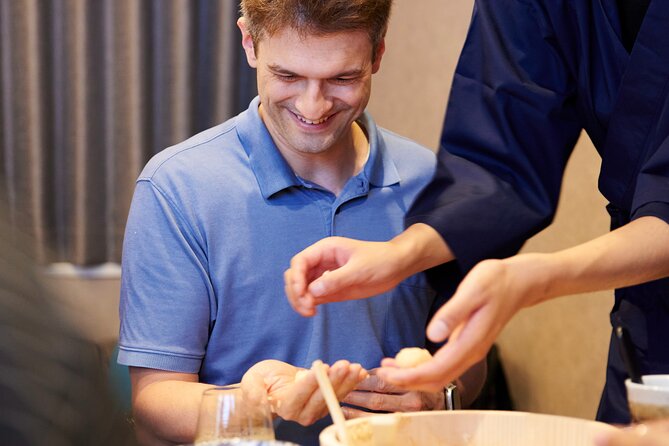
Tokyo has no shortage of places to eat excellent sushi, but this private class lets you learn how the pieces come together. You make three classic styles, including nigiri, maki rolls, and gunkan, then sit down to eat what you prepared.
I like the one-to-one attention and the quality of the ingredients. The sushi master demonstrates each step, while staff members such as Rin help keep the class friendly and clear in English. The main consideration is the price: at $130.81 per person, this is more than a casual sushi meal, though it includes instruction, ingredients, and a full meal.
I also like that the class has more than simple rolling practice. You get a short lesson on sushi history, a quiz, a demonstration, time to make your own sushi, and a photo session. If you arrive late, take the start time seriously: after five minutes without contact, the booking can be treated as a no-show.
In This Review
- Key points to know before booking
- What happens during the 1-hour-45-minute class
- Learning nigiri, maki, and gunkan
- The value of learning from a sushi master
- The people who shape the experience
- A Michelin-starred restaurant setting
- Meeting in Nishiazabu
- Food restrictions and special requests
- Soup, green tea, and the final photo session
- Is $130.81 per person a fair price?
- Who should book this sushi class?
- Cancellation and booking advice
- Should you book Private Sushi Making with a Sushi Master?
- FAQ
- Where does the sushi-making class begin?
- How long does the experience last?
- Which types of sushi will I make?
- Is this a private activity?
- Can dietary restrictions be accommodated?
- What is the cancellation policy?
Key points to know before booking
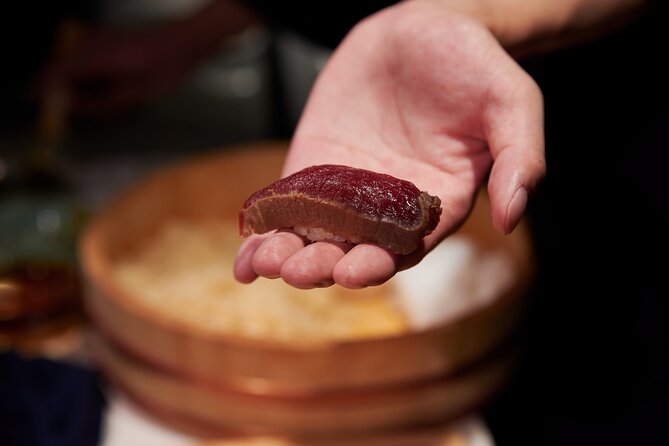
- Three sushi styles in one class: Make nigiri, seaweed-wrapped maki, and gunkan, the battleship-shaped pieces topped with ingredients.
- Private instruction: Only your own group takes part, so the sushi master can give direct help.
- Michelin-starred setting: The workshop takes place inside a Michelin-starred sushi restaurant.
- English-friendly team: Chef Riku and staff member Rin have been praised for clear help and a warm approach.
- A meal at the end: You eat your handmade sushi, with soup and green tea included according to class feedback.
- Dietary requests are accepted: Vegetarian, vegan, gluten-free, and allergy-related needs can be accommodated.
What happens during the 1-hour-45-minute class
The class follows a clear five-part plan, so you are not simply handed ingredients and left to guess. It begins with an introduction to sushi history, followed by a quiz, a demonstration, hands-on preparation, and time to photograph and eat your work.
That structure matters. A short lesson gives the food some context, while the quiz adds a light, social break before the practical work begins. The demonstration lets you watch the sushi master handle the rice, seaweed, fish, and toppings before you try the same movements.
You should arrive hungry. The point is not just to practice with sample ingredients. You will eat the sushi you make, along with the meal served at the end of the class.
More sushi mornings and classes:
- Sushi Making Tokyo Roll and Authentic Japanese Sushi Class
★ 5.0 · 3,971 reviews - Tokyo: Roll and Authentic Sushi Making Class in Asakusa
★ 4.9 · 1,957 reviews - Make Sushi and Create Unforgettable Memories in Tokyo
★ 5.0 · 1,413 reviews
Learning nigiri, maki, and gunkan
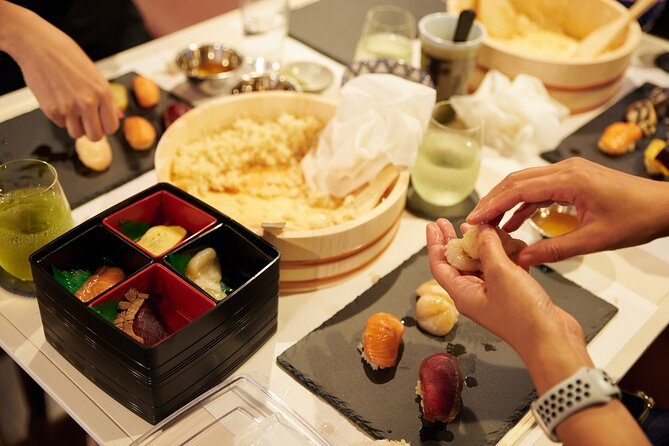
Nigiri is the most familiar form to many people: a compact piece of sushi rice with a slice of fish placed on top. It looks simple, but shaping the rice and placing the fish neatly takes care. This is a useful style to learn because it shows how much the balance of rice, fish, and seasoning affects each bite.
Maki is the traditional roll wrapped in seaweed. Here you learn how to spread and shape the filling, then roll it into a firm cylinder before cutting it into pieces. The process is hands-on, and the sushi master can correct your technique as you work.
Gunkan, or battleship-style sushi, uses seaweed wrapped around the rice to make a small cup. The top is then filled with other ingredients. It is visually distinctive and gives you a different challenge from both nigiri and maki, since the seaweed must hold the topping in place.
The class uses ingredients selected by the sushi master and prepared in pristine condition. That is important for a raw-fish workshop, especially if you are cautious about food quality. You are not choosing fish from a market or handling an unknown home kit. The ingredients are prepared for the class in a professional restaurant setting.
The value of learning from a sushi master
Sushi can look easy from across a counter. A chef places rice in one hand, adds fish, and produces a finished piece in seconds. Trying it yourself shows why training and repetition matter.
The value here is the direct demonstration. You can watch the sushi master’s hand movements, then attempt them while the steps are still fresh. A private class also gives your group room to ask questions and receive corrections without sharing the session with strangers.
That private format is especially useful for beginners, families, couples, and solo participants who want personal help. It also suits anyone who enjoys food but does not want a long formal cooking course. The class lasts about 105 minutes, enough time to learn several techniques without taking an entire day from your Tokyo plans.
One solo participant with professional cooking experience found the class useful for understanding the flavors and precision behind sushi. You do not need to be a chef, but people with cooking experience may appreciate the attention to balance and technique.
The people who shape the experience
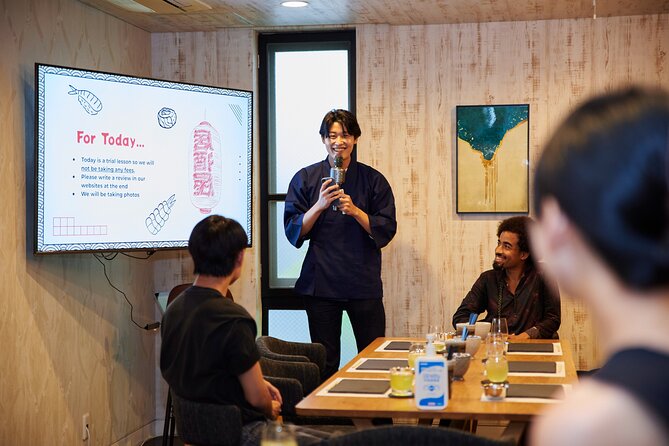
Chef Riku is identified as the sushi chef, while Rin has been praised for helpful support during the class. The team speaks English well, which removes a common worry in a technical food workshop.
That language support is not a minor detail. Sushi making involves small instructions about pressure, placement, cutting, and rolling. Clear communication lets you focus on your hands instead of trying to work out what to do next.
The atmosphere also appears to be relaxed rather than stiff. The class includes a quiz and photo time, and the staff are described as kind and fun. That makes this a good choice if you want a food activity with some conversation and laughter, not just a silent demonstration.
The private format can also help if members of your group have different confidence levels. One person may want to move quickly, while another needs more help shaping rice or rolling maki. A sushi master can respond to the group in a way a large class cannot.
A few more Tokyo bookings worth comparing
- Mt Fuji and Hakone 1-Day Bus Tour Return by Bullet Train
★ 5.0 · 26,383 reviews - 1-Day Tokyo Bus Tour
★ 5.0 · 14,250 reviews - Tokyo: TOKYO SKYTREE® Admission ticket
★ 4.5 · 11,192 reviews - Tokyo: teamLab Planets TOKYO Digital Art Museum Entry Ticket
★ 4.6 · 9,779 reviews
A Michelin-starred restaurant setting
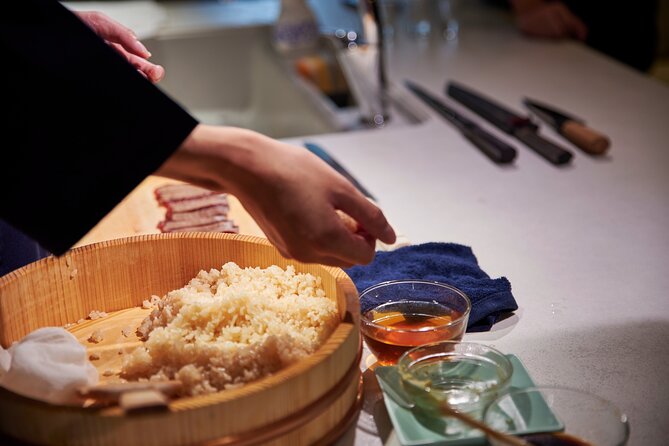
The workshop takes place at a Michelin-starred sushi restaurant, giving the class a more serious food setting than a basic tourist cooking studio. You get to learn in the same kind of professional environment where presentation, ingredient quality, and careful preparation matter.
Still, keep your expectations in check. The description confirms the Michelin-starred setting, but it does not promise a full formal omakase meal or a seat at a famous sushi counter after the class. The main focus is instruction and eating the sushi you prepare.
That distinction helps explain the price. You are paying for a private activity, a sushi master’s time, prepared ingredients, a meal, and the chance to work in a high-end restaurant environment. If you only want to eat inexpensive sushi, this will not be the best value. If you want a memorable food lesson with your meal included, the cost is easier to justify.
The class has been booked five or more times in a recent week, so popular time slots may be worth arranging ahead of your visit. Confirmation is normally provided at booking, though reservations made within one day of the activity are confirmed as soon as possible, subject to availability.
Meeting in Nishiazabu
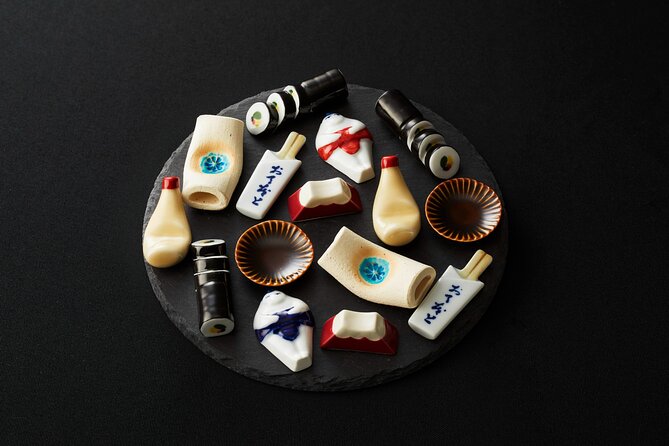
The meeting point is A-PULSE AZABU STUDIO, at 3-chōme-8-18 Nishiazabu in Minato City, Tokyo. The activity ends at the same location, so you do not need to coordinate a separate return transfer.
The studio is near public transportation, but the supplied details do not identify a specific station or walking time. Check the exact route before leaving your hotel, and allow extra time for Tokyo’s large stations and busy connections.
Arriving early is wise. The no-show rule is strict: if the operator receives no contact within five minutes after the scheduled start, the reservation may be treated as a no-show with no refund. A delayed flight caused one participant to arrive an hour late, and the team made an exception, but you should treat that as kind assistance rather than a guaranteed policy.
The mobile ticket is convenient. Keep it available on your phone, and make sure your group knows the meeting address before setting out.
Food restrictions and special requests
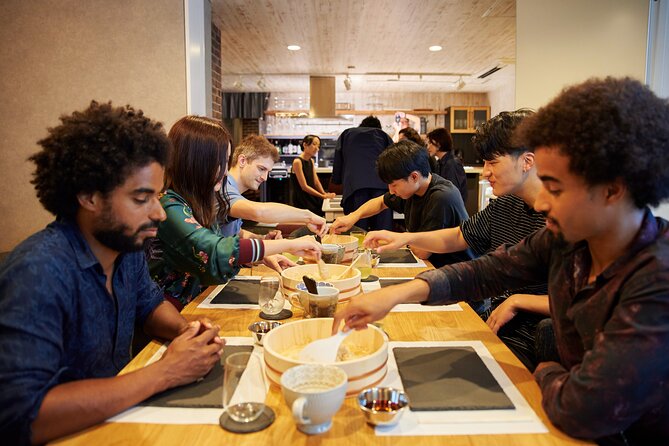
Vegetarian, vegan, gluten-free, and allergy-related requests can be accommodated. You should provide those details when booking and confirm them in advance, especially if your needs are serious or medically important.
The information does not list the exact replacement ingredients or menu for each diet. That means you should ask what your particular version will include rather than assume that every substitute will be identical to the standard class.
For most people, the attraction is the quality of the ingredients and the chance to handle the food yourself. A dietary request should not prevent you from taking part, but it may change which sushi styles or toppings you make.
Soup, green tea, and the final photo session
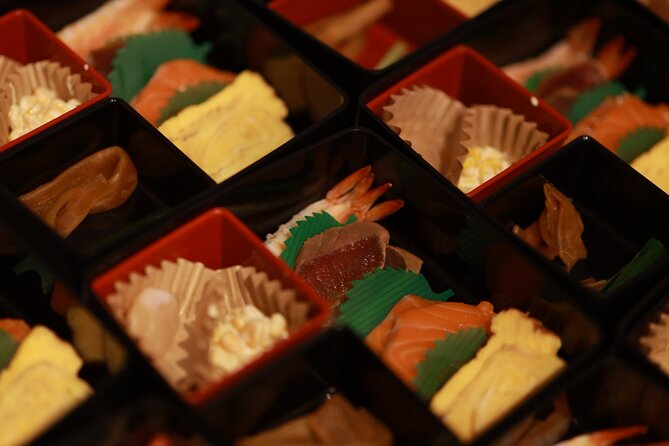
The class ends with time to photograph your creations and eat them. This is a small but useful touch: you get a record of the finished sushi before the pieces disappear.
Soup and green tea have also been served with the meal. They add a simple finish and make the class feel more like a complete food experience than a short demonstration followed by a few samples.
Do not expect every piece to look like the chef’s. That is part of the fun. Your first roll may be uneven, and your nigiri may not have the perfect shape. The point is to understand the process and enjoy the food you made, not to produce restaurant-perfect sushi on the first attempt.
The class may also send a recipe afterward, giving you a way to try the techniques at home. That makes the experience more useful after your Tokyo visit, though your home ingredients and tools may differ from those used in the restaurant.
Is $130.81 per person a fair price?
At $130.81 per person, this is a premium activity. You can eat sushi in Tokyo for much less, so the price only makes sense if you want the lesson and private attention as much as the meal.
I see three parts of the value:
- You receive about 1 hour and 45 minutes of guided instruction.
- Your group has a private sushi master rather than joining a large public workshop.
- The fee covers prepared ingredients and the sushi you make, with soup and green tea also reported as part of the meal.
The Michelin-starred setting and English-speaking support add to the appeal. Chef Riku’s careful instruction and Rin’s help are particularly useful if you are new to sushi making or want to ask plenty of questions.
This is a better buy for a food-focused visit, a special occasion, or a small group that wants a shared activity. It is less appealing for a tight budget, a visitor who only wants to eat, or someone already taking several expensive Tokyo food tours.
The 100 percent recommendation rate and five-star rating from 102 reviews point to consistently strong satisfaction, especially with the staff, food quality, and personal instruction. Ratings are never a substitute for matching the activity to your interests, but here the praised features align closely with what the class promises to provide.
Who should book this sushi class?
I would recommend it to first-time sushi makers who want clear instruction in a private setting. You can learn three different forms in one sitting and leave with techniques you may try at home.
It also suits solo visitors. You do not need to assemble a group, and the private format means you receive attention rather than being folded into a large class. The warm staff and English support make it easier to take part on your own.
Families and couples can use it as a shared Tokyo memory, though the supplied information does not specify a minimum age. If you are booking for children, confirm the age rules before paying.
Food professionals and serious home cooks may enjoy the lesson for a different reason. Watching a sushi master work with selected ingredients, rice, fish, and presentation can sharpen your understanding of the craft.
I would be cautious if you have a strict schedule on the day of the class. The experience itself is under two hours, but late arrival can cost you the booking. I would also confirm dietary details before booking if your needs are complex.
Cancellation and booking advice
Free cancellation is available when you cancel at least 24 hours before the local start time. Cancellations made less than 24 hours before the activity, along with late changes, are not refunded or accepted.
Book early if your Tokyo dates are fixed, particularly if you want a certain time. If you book within one day of travel, confirmation is subject to availability and may arrive as soon as possible rather than immediately.
Bring your mobile ticket and arrive before the start time. If an unexpected delay occurs, contact the operator at once rather than simply arriving late.
Should you book Private Sushi Making with a Sushi Master?
Book it if you want more than a sushi dinner. The combination of a private sushi master, three sushi styles, a Michelin-starred restaurant setting, a hands-on meal, and English-speaking help gives you a useful and enjoyable food lesson.
Skip it if your main goal is the lowest-cost sushi in Tokyo or a long, formal chef’s tasting. At $130.81, the class earns its price through instruction and personal attention, not quantity alone.
For most visitors who enjoy Japanese food and want a practical memory to take home, this is a strong pick. Just arrive on time, tell the team about dietary needs in advance, and leave room in your appetite for the sushi you make yourself.
FAQ
Where does the sushi-making class begin?
The class begins at A-PULSE AZABU STUDIO, located at 3-chōme-8-18 Nishiazabu, Minato City, Tokyo 106-0031, Japan.
How long does the experience last?
The workshop lasts approximately 1 hour and 45 minutes.
Which types of sushi will I make?
You will make nigiri, maki, and gunkan. Nigiri has fish on top of rice, maki is wrapped in seaweed, and gunkan is battleship-style sushi with seaweed around the rice and toppings above.
Is this a private activity?
Yes. Only your group participates in the activity, allowing for personalized attention from the sushi master.
Can dietary restrictions be accommodated?
Yes. Vegetarian, vegan, gluten-free, and allergy-related requests can be accommodated. Provide your requirements when booking and confirm the details in advance.
What is the cancellation policy?
You can cancel for a full refund up to 24 hours before the local start time. Cancellations or changes made less than 24 hours before the experience are not accepted or refunded.
New on our Tokyo list
- Tokyo Spectacular View Day-Cruise in 90 Minutes★ 5.0 · 25 reviews
- From Tokyo: Mount Fuji & Hakone Full Day Private Tour★ 4.9 · 25 reviews
- Real Tokyo Runner Club : Daikoku Car Meet Night Tour with JDM Car★ 5.0 · 25 reviews
- 2.5 Hour-Guided Cycle Tour in the Central Tokyo★ 5.0 · 25 reviews
- Ramen Making from Scratch +Akihabara Tour –Cooking Class★ 5.0 · 25 reviews
- [Self-Drive] Tokyo & Daikoku Custom Car Driving Tour★ 4.9 · 25 reviews
- Tokyo: 2-Hour Night Bike Tour of the City’s Hidden Gems★ 4.9 · 25 reviews
- Samurai themed Entertainment show in Shinjuku★ 4.5 · 25 reviews
Sushi Experiences, compared.
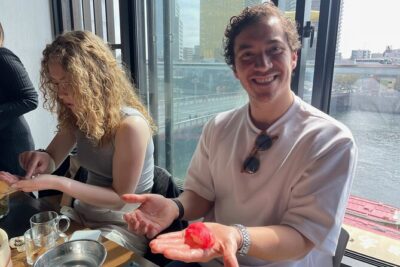
Sushi Making Tokyo Roll and Authentic Japanese Sushi Class
Read our review →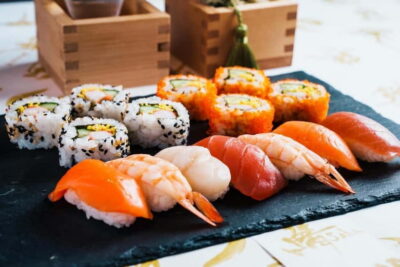
Roll and Authentic Sushi Making Class in Asakusa
Read our review →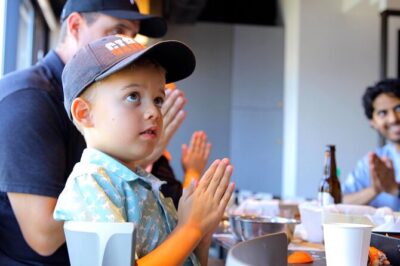
Make Sushi and Create Unforgettable Memories in Tokyo
Read our review →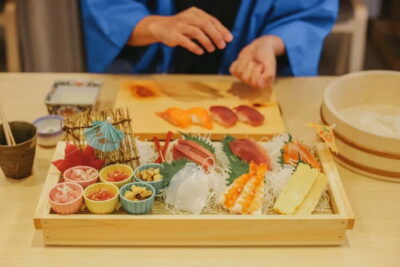
Sushi Making Class in a Happi Coat near a Famous Spot
Read our review →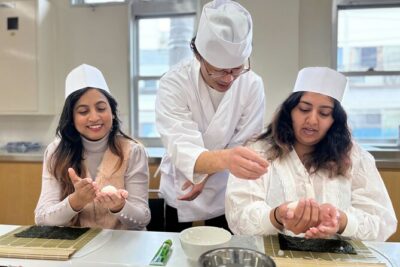
Tokyo Sushi Making Class in Tsukiji with Professional Chef
Read our review →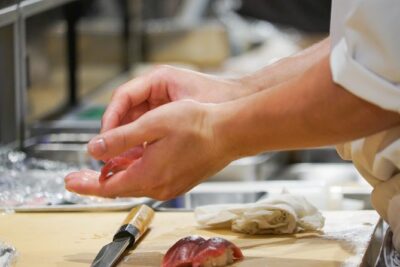
Tokyo Night Foodie Tour in Shinjuku – Seasonal Sushi, Wagyu Beef
Read our review →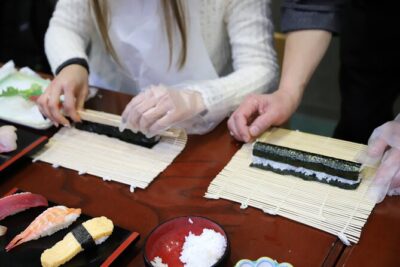
Tsukiji Fish Market Guided Tour and Sushi Making with Pro Chef
Read our review →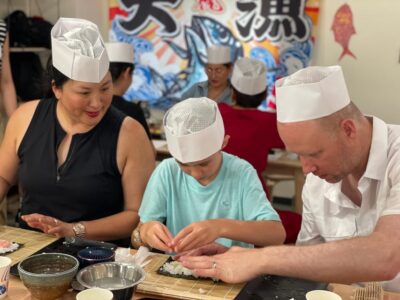
Tsukiji Fish Market Sushi Making Class with Pro Chef
Read our review →Browse the lists this tour appears in