
Reviewed · WALKING TOURS
Private Tokyo Walking Tour with A Guide: Higlights & Customizable
Tokyo is a city best understood one neighborhood at a time, and this private tour lets you choose which pieces matter most. You can ask your guide about daily life, food, customs, and local routines while visiting major sights such as Sensō-ji and Meiji Jingu.
I like the private format, since your group can set the pace and ask questions without waiting for strangers. I also like the hotel pickup, wheelchair accessibility, and choice of four guide languages. The main catch is time: two hours is not enough to properly visit all eight listed stops, and local transportation costs extra.
In This Review
- Key points at a glance
- What this private Tokyo walk really offers
- Tsukiji Outer Market for food and local context
- Sensō-ji and the old streets of Asakusa
- Meiji Jingu for a quieter side of Tokyo
- Akihabara for electronics, anime, and gaming
- Tokyo Skytree and the limits of the listed visit
- Ginza for polished shopping and dining
- Ueno Park and Roppongi Hills
- Why the private format matters
- Two hours, eight stops, and realistic planning
- Is $52.86 per person good value?
- Who should book this Tokyo experience?
- Should you book it?
- FAQ
- How long does the private Tokyo walking tour last?
- Is hotel pickup included?
- Is transportation between neighborhoods included?
- Can I choose the places I visit?
- Is the tour private?
- Can wheelchair users participate?
Key points at a glance
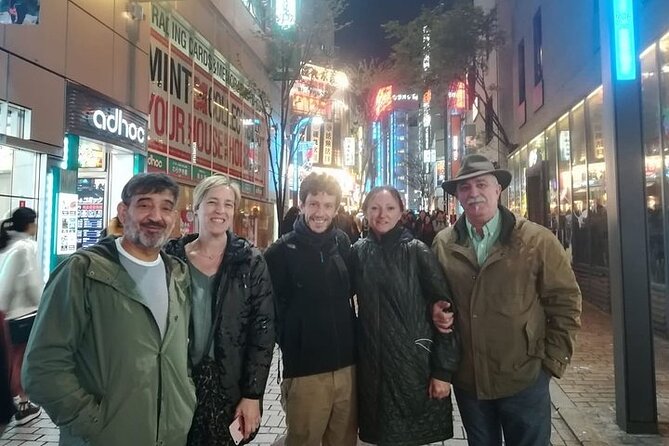
- Choose your Tokyo: Shape the walk around famous sights, shopping, food, culture, or neighborhood life.
- Private guide: Your group gets exclusive attention, with no other participants added.
- Hotel pickup included: Pickup is available from accommodations located in Tokyo city.
- Eight possible stops: Tsukiji, Asakusa, Meiji Jingu, Akihabara, Tokyo Skytree, Ginza, Ueno, and Roppongi are all named as options.
- Plan transport carefully: The experience is described as a walking tour, but these areas are spread widely across Tokyo.
- Good for first visits: A local guide can help you make sense of customs, transit areas, food markets, and major landmarks in a short time.
What this private Tokyo walk really offers
At $52.86 per person, this tour is priced as an affordable introduction to Tokyo, especially if you are traveling with family or friends and can share the value of a private guide. The price covers the guide, customization, and hotel pickup within the city. It does not cover meals, drinks, tips, or transportation between neighborhoods.
That last point matters. Tokyo’s major sights are not clustered in one compact walking district. Tsukiji is near Ginza, but Sensō-ji is in Asakusa, Meiji Jingu is near Harajuku, and Roppongi is elsewhere again. You should treat the eight-stop list as a menu of possibilities, not a promise that you will see all eight in two hours.
I would contact the provider before the day of the tour and name your top two or three priorities. If you want temples and traditional Tokyo, Sensō-ji and Meiji Jingu make sense. If you prefer food and shopping, Tsukiji and Ginza are a better pair. If you want modern pop culture, Akihabara deserves the time. A focused plan will give you a far better experience than trying to race across town.
More walking routes in Tokyo:
- Tokyo Tsukiji Fish Market Food and Culture Walking Tour
★ 5.0 · 3,184 reviews - Tokyo: Imperial Palace and Shogun Historical Walking Tour
★ 5.0 · 2,251 reviews - Tokyo: Shinjuku Local Bar and Izakaya Guided Walking Tour
★ 4.9 · 1,794 reviews
Tsukiji Outer Market for food and local context
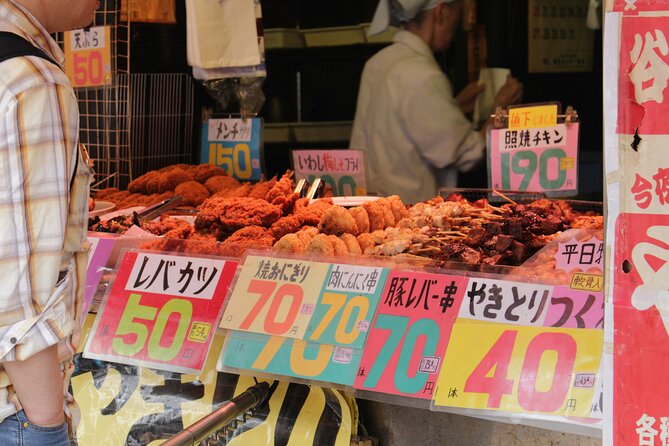
Tsukiji Outer Market is a practical choice if you want Tokyo explained through food. The guide can help you understand the seafood stalls, street food, and the role the market plays in the city’s eating culture. You can also ask about unfamiliar ingredients instead of simply pointing at something and hoping for the best.
The planned time here is listed as 15 minutes, which is short. That may be enough for a quick orientation and a small taste, but not enough for a relaxed food stop if you want to browse, eat, and ask questions. Food and drinks are not included, so bring a payment method and budget extra for anything you sample.
Tsukiji works especially well as part of a food-focused walk with Ginza nearby. It is less practical to combine it with far-flung areas such as Ueno or Roppongi during a two-hour booking. Ask your guide to help you choose a realistic route.
Sensō-ji and the old streets of Asakusa
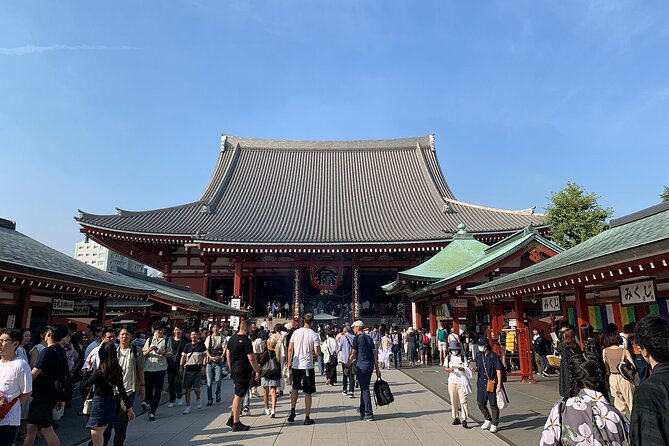
Sensō-ji gives you a strong look at traditional Tokyo. The guide can explain the temple’s past, walk you through the Thunder Gate, and show you how to take part in customary rituals. For a first visit, that guidance can make the difference between simply seeing a large temple and understanding what you are looking at.
The listed 15-minute stop is enough for a brisk introduction, but it will not allow much lingering. You may want time for the approach to the temple, photographs, nearby shops, and a closer look at the rituals. If Sensō-ji is one of your main reasons for booking, tell the guide in advance that you want this to be a central part of the walk.
I would pair Sensō-ji with either Ueno Park or Akihabara only if transportation is arranged efficiently. All local transport is your responsibility, and this is not a car tour. The private format helps here because you can make small changes rather than follow a fixed group schedule.
Meiji Jingu for a quieter side of Tokyo
Meiji Jingu offers a change of mood from markets and shopping streets. Your guide can explain Shinto customs, the meaning of the torii gate, and the forest around the shrine. That cultural background is useful because the site is not just a photo stop. You will get more from it if you understand how to behave and what the rituals mean.
Again, 15 minutes is a quick visit. The shrine setting is spacious, and the walk itself forms part of the experience. If you are hoping for a slower visit, ask how much time will be spent walking to and around the shrine rather than only standing at the entrance.
Meiji Jingu is a sensible choice for visitors who want culture without committing the whole tour to shopping or food. It can also pair well with a modern Tokyo stop, though the tour’s short duration means you should avoid an overstuffed schedule.
A few more Tokyo bookings worth comparing
- Mt Fuji and Hakone 1-Day Bus Tour Return by Bullet Train
★ 5.0 · 26,383 reviews - 1-Day Tokyo Bus Tour
★ 5.0 · 14,250 reviews - Tokyo: TOKYO SKYTREE® Admission ticket
★ 4.5 · 11,192 reviews - Tokyo: teamLab Planets TOKYO Digital Art Museum Entry Ticket
★ 4.6 · 9,779 reviews
Akihabara for electronics, anime, and gaming
Akihabara is the most specialized stop on the list. A guide can help you make sense of the electronics shops, anime stores, and gaming culture, while pointing out places you might miss on your own. This is where a private guide has clear value if you have a particular interest and want more than a quick walk past colorful signs.
The area can easily absorb two hours by itself, especially if you want to browse stores. The stated 15-minute stop should be treated as a brief introduction. You may get a useful orientation and advice on where to return later, rather than a full shopping session.
I would choose Akihabara if it is high on your personal list, not simply because it appears among the possible stops. Tell your guide whether you care more about electronics, anime, gaming, or general neighborhood context. The customization should work best when you give clear preferences.
Tokyo Skytree and the limits of the listed visit
The Tokyo Skytree stop is described as a chance to learn about the tower’s construction and importance while taking in city views from the observation decks. That wording needs careful reading. The stop is listed as 15 minutes, and admission is shown as free, but the tour information does not say that observation-deck admission is included.
You should confirm the exact plan before booking if going up the tower is important to you. A 15-minute stop may mean viewing the tower from outside or receiving an orientation, rather than having time for a full observation-deck visit. The tour also does not include local transportation, so getting to Skytree from another district adds both cost and travel time.
For a short private walk, I would choose Skytree only if the guide confirms that the visit fits your schedule and expectations. Otherwise, you may spend too much of your two hours moving between places.
Ginza for polished shopping and dining
Ginza gives the tour a modern, upscale angle. Your guide can explain the district’s development, point out shopping and entertainment options, and help you find places to eat or browse. This is a useful stop if you want Tokyo beyond temples and markets.
The guide may also help you focus your time. Ginza has plenty to see, but a short walk should have a clear purpose. You might choose department-store shopping, architecture, dining suggestions, or a quick look at the district’s main streets. Food and drinks are not included, so any meal or snack is paid separately.
Ginza pairs naturally with Tsukiji because the two areas are closer than many of the other named stops. That combination gives you a practical half-day idea in miniature: market food followed by polished city shopping. In two hours, you will still need to keep the pace brisk.
Ueno Park and Roppongi Hills
Ueno Park is the strongest choice for museums, public gardens, and a more open city setting. Your guide can point out museums and other attractions, explain why the park matters, and direct you toward good cherry blossom viewing areas. The tour data does not include museum admission, so ask before entering any paid attraction.
Roppongi Hills provides a different kind of Tokyo experience, with art, shopping, entertainment, and modern architecture. Your guide can discuss the area’s design and cultural events, and may include the Mori Art Museum if that fits your plan. The information does not state that museum entry is included, so you should expect to pay separately for any admission.
These two areas are not sensible partners for a short walk unless you are using local transport and accepting a quick overview. Pick one based on your interests. Ueno suits museums and park scenery. Roppongi Hills suits modern art, shopping, and city views.
Why the private format matters
A private tour is most useful when you have a clear question or a specific goal. You can ask about Tokyo life, local customs, food, shopping, neighborhoods, and the practical details that do not always appear in guidebooks. You also avoid the stop-and-start rhythm of a large group.
The guide can adjust the pace for your group, which is helpful for families, older visitors, and anyone using a wheelchair. The experience is described as wheelchair accessible, and most people can participate. Still, you should explain your mobility needs when booking, especially because the route is on foot and may include busy public areas.
The tour is offered in four languages, though the supplied information does not name those languages. If language is important, confirm that your preferred option is available before you pay. Hotel pickup is offered from accommodations located in Tokyo city, which saves you the task of finding a meeting point. If your accommodation is outside the city, confirm whether pickup applies.
Two hours, eight stops, and realistic planning
The biggest issue is the mismatch between the duration and the list of sights. Each of the eight stops is shown with 15 minutes, which totals two hours before allowing time for walking, questions, hotel pickup, or transport. Since the districts are spread around Tokyo, visiting every place in one booking is not realistic.
Think of the tour as a flexible starting session. You are paying for a guide to help you understand Tokyo and make good use of a short window, not for a full city tour. The best plan is probably one neighborhood, or two nearby areas with a very clear focus.
Before the tour, send a short list such as:
- Tsukiji and Ginza for food and shopping
- Sensō-ji and Ueno for traditional sights and museums
- Meiji Jingu and a nearby modern district
- Akihabara for anime, gaming, and electronics
Keep one backup choice in case weather, crowds, or timing changes your plan. Since transportation is not included, ask the guide which route makes sense and how much time you should allow between areas.
Is $52.86 per person good value?
The price is reasonable if you are traveling as a small private group and want personal guidance rather than a fixed route. A private guide can save you time, explain customs, and help you avoid wasting your short booking on the wrong neighborhood. Hotel pickup adds convenience, particularly on your first day in Tokyo.
The value drops if you expect admission tickets, food, drinks, or car transport to be part of the price. None of those are included. You should also account for train or subway fares if your custom plan links distant districts.
For a first visit, I see the strongest value in using this as a city orientation. Ask the guide to show you how a neighborhood works, explain what to return to later, and answer the questions you have collected before arrival. If you already know Tokyo well, the tour is worthwhile only if you can set a specific theme and gain local help in an area you have not explored.
Who should book this Tokyo experience?
I would recommend it to first-time visitors who want a private introduction, couples who prefer a flexible pace, families that need a customized route, and visitors who care about asking questions. It also suits people who are unsure how to choose between Tokyo’s many districts.
It is less suitable if you want a full-day sightseeing program, included transportation, or guaranteed entry to museums and observation decks. It is also a poor fit for anyone hoping to cover all eight listed areas in one session.
The tour is booked an average of 76 days in advance, so planning ahead is sensible. Free cancellation is available if you cancel at least 24 hours before the start time. Changes or cancellations made inside that window are not refunded.
Should you book it?
Book this tour if you want a private, flexible orientation and are willing to narrow your plan to one or two realistic areas. The hotel pickup, four language options, and wheelchair accessibility add practical value, while the guide’s local perspective can help you understand Tokyo rather than simply photograph it.
Skip it if you want a long visit at every major sight or expect a package with transport, meals, and admission included. For the best result, choose your top priorities before arrival and ask the guide to build a sensible route around them.
FAQ
How long does the private Tokyo walking tour last?
The experience lasts approximately two hours.
Is hotel pickup included?
Yes. Pickup is included from your accommodation if it is located within Tokyo city.
Is transportation between neighborhoods included?
No. Local transportation is not included. This is described as a walking tour, so you should budget separately for any train, subway, or other local transport your chosen route requires.
Can I choose the places I visit?
Yes. The tour is customizable. Possible stops include Tsukiji Outer Market, Sensō-ji, Meiji Jingu, Akihabara, Tokyo Skytree, Ginza, Ueno Park, and Roppongi Hills.
Is the tour private?
Yes. Only your group participates, and no other people are added to your booking.
Can wheelchair users participate?
Yes. The experience is listed as wheelchair accessible, and most people can participate.
New on our Tokyo list
- Sumi-e Experience in a relaxing green tea shop in Tokyo★ 5.0 · 3 reviews
- Tokyo : Kamikaze Street Drift Ride★ 5.0 · 3 reviews
- Private Zen Meditation in English in Shinjuku, Tokyo★ 5.0 · 3 reviews
- Onsen Spa in Tokyo and Asakusa Bar Hopping with Local Guide★ 5.0 · 3 reviews
- Easy for everyone! Now you can play handmade mini shamisen and show off to everyone! Musical instruments, sweets and live music★ 5.0 · 3 reviews
- Tokyo: Private Tsukiji Street Food & Sake with Local Guide★ 5.0 · 3 reviews
- Mt Fuji Exploration Tour with Free Japanese Kusa Mochi from Tokyo★ 4.5 · 3 reviews
- Tokyo Tsukiji Fish Market Walking and Exploring Hidden Gems Tour★ 5.0 · 3 reviews
Walking Tours, compared.
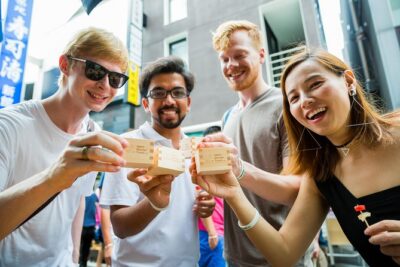
Tokyo Tsukiji Fish Market Food and Culture Walking Tour
Read our review →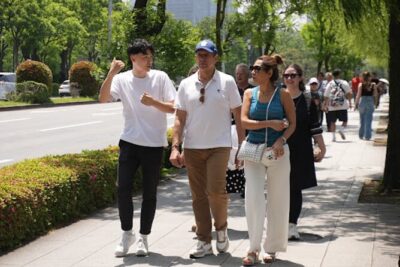
Imperial Palace and Shogun Historical Walking Tour
Read our review →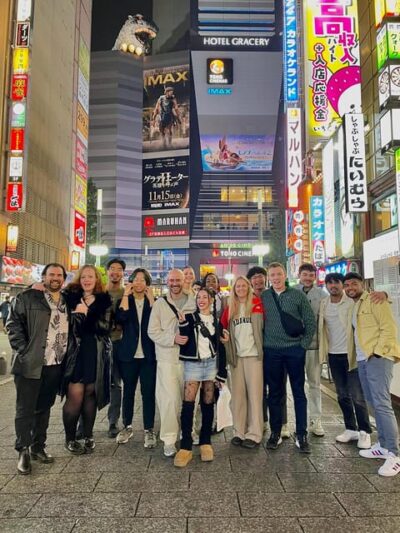
Shinjuku Local Bar and Izakaya Guided Walking Tour
Read our review →
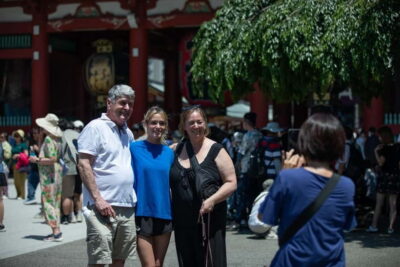
Asakusa Walking Tour with Sensoji Temple Visit
Read our review →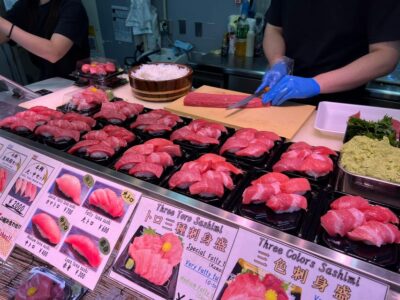
Tokyo Castle & Imperial PalaceーShogun Walking Tour
Read our review →
Browse the lists this tour appears in