Reviewed · PRIVATE
Private Tour – Thousands of lucky cats! Go by tram, Gotokuji Tour
Gotokuji Temple is famous for one unforgettable sight: rows upon rows of maneki neko, the small beckoning-cat figures linked with good luck and business success. This private tour reaches that temple by way of quiet Setagaya, taking you far from Tokyo’s neon-heavy center and into shrines, neighborhood shops, old homes, and local history.
I like the private format, since your guide can adjust the pace and explain the places that interest you most. I also like the route itself: Shoin Shrine, a traditional mansion, and a local museum give Gotokuji more meaning than a quick cat-photo stop. The main drawback is that the tour is not all-inclusive. You pay about 380 yen per person for transportation, and some places may close without warning.
In This Review
- Key Points at a Glance
- Why Setagaya Makes a Good Break from Central Tokyo
- Shoin Shrine and the Story of Yoshida Shoin
- A Local Shopping Street with Time to Look Around
- Stepping into the Setagaya Daikan Residence
- Setagaya Local History Museum: A Useful Context Stop
- Gotokuji Temple and the Famous Maneki Neko
- What the Private Guide Changes
- Is the $68.64 Price Good Value?
- Timing, Weather, and Small Practical Details
- Who Should Book This Setagaya Walk?
- Should You Book the Gotokuji Tour?
- FAQ
- How long does the private Gotokuji tour last?
- Where does the tour begin?
- Where does the tour finish?
- Is the tour private?
- Is an English-speaking guide included?
- Are transportation and entrance fees included?
- Is lunch included?
- Can the tour be canceled for a full refund?
Key Points at a Glance
- Thousands of lucky cats at Gotokuji: See the temple associated with maneki neko and learn how these familiar figures connect to Japanese culture.
- A quieter side of Tokyo: Walk through Setagaya, a residential part of the city that feels removed from central Tokyo’s noise and crowds.
- A genuinely private outing: Only your group participates, with an English-speaking guide and room to adjust the route.
- Several kinds of history: The tour moves from a religious site to a shopping street, an Edo-period residence, a museum, and a Zen temple.
- Easy one-way planning: Start at Sangenjaya Station and finish near Gotokuji Station, so you do not need to retrace your steps.
- Good for families: A guide once kept a ten-year-old fully engaged, which is a useful sign for parents planning a cultural outing.
Why Setagaya Makes a Good Break from Central Tokyo
Tokyo can feel like a city of giant crossings, packed trains, department stores, and bright signs. Setagaya offers a different rhythm. You still have the convenience of public transportation, but the focus shifts to local streets, neighborhood shops, religious sites, and small pieces of the past.
The tour begins at Sangenjaya Station and ends at Gotokuji Station. That one-way design works well for a half-day plan. You can continue exploring Gotokuji afterward or head elsewhere without returning to the starting point.
The route lasts about three and a half hours. The planned stops account for roughly two hours and five minutes, leaving time for transportation, walking, explanations, and pauses. You should still wear comfortable shoes. This is a walking tour, not a vehicle-based sightseeing loop.
The quiet setting is part of the appeal, but it also means the tour is best for someone who wants local atmosphere rather than Tokyo’s biggest headline sights. If this is your first day in the city and you want Shibuya Crossing, Asakusa, or the Imperial Palace, choose those first. If you already know the main sights, Setagaya gives you a calmer and more personal outing.
A few more Tokyo bookings worth comparing
- Mt Fuji and Hakone 1-Day Bus Tour Return by Bullet Train
★ 5.0 · 26,383 reviews - 1-Day Tokyo Bus Tour
★ 5.0 · 14,250 reviews - Tokyo: TOKYO SKYTREE® Admission ticket
★ 4.5 · 11,192 reviews
Shoin Shrine and the Story of Yoshida Shoin
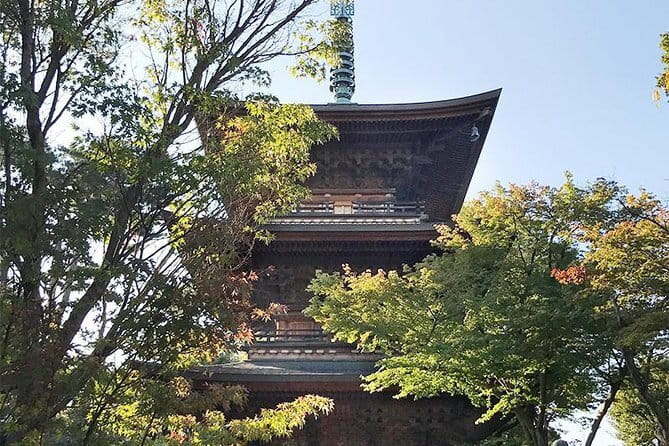
The first stop is Shoin Shrine, dedicated to Yoshida Shoin, a nineteenth-century educator and philosopher. The shrine has stone lanterns and a stage used for music offered to the gods, giving the visit a clear sense of place rather than treating it as a quick photo stop.
Your guide can explain why Yoshida Shoin matters and help you read the setting in cultural terms. Without that context, a Japanese shrine can look like a collection of gates, lanterns, and wooden buildings. With a guide, the details have a better chance of making sense.
The stop lasts about 25 minutes and admission is free. That is enough time to take in the grounds without turning the visit into a long formal lecture. I would pay attention to the guide here, since this opening stop sets up the historical side of the morning.
A Local Shopping Street with Time to Look Around
Next comes the Shōin Shrine Avenue shopping district, also known as the Shōei-kai Shopping Street. This is not presented as a grand shopping destination. Its value is more ordinary and more useful: it shows you the kind of commercial street that serves local residents.
The area includes long-established shops and stores with interesting items. The schedule allows about 30 minutes, so you have time to look into a few places rather than simply walk past them. The guide can point out shops worth noticing and explain details you might miss on your own.
Do not expect a major market or a long shopping session. Thirty minutes goes quickly, and any purchases are your responsibility. Some places visited during the tour do not accept credit cards, so carrying cash in Japanese yen is sensible.
This stop also gives the tour a welcome change of pace. After the shrine, you move into an active neighborhood setting. You see how local religious sites and everyday shopping streets fit into the same part of Tokyo.
Stepping into the Setagaya Daikan Residence
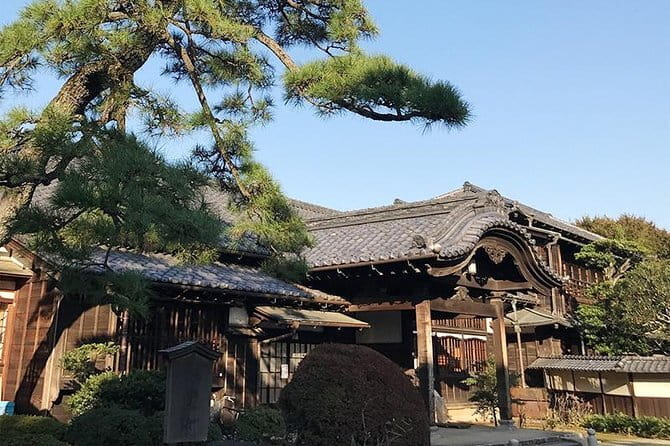
The Site of Setagaya Daikan’s Residence offers a look at a traditional mansion connected with the clan that ruled the area during the Edo era, roughly 1700 to 1900. The setting is intended to feel like stepping into an earlier Japanese home, rather than visiting a large palace or formal museum.
That distinction matters. The residence helps you picture how authority and daily life operated at a local level. It is a smaller-scale experience, which makes it easier to connect the building with the surrounding neighborhood.
The visit lasts about 20 minutes and admission is free. This is one of the places where a private guide adds real value. You can ask about the residence, the people connected with it, or the period itself without waiting for a group to move on.
The drawback is that the stop may feel brief if old houses are your main interest. The tour has several subjects to cover, so you are getting an introduction rather than a long architectural study.
Same corner of Tokyo, a completely different plan:
- Tokyo: teamLab Planets TOKYO Digital Art Museum Entry Ticket
★ 4.6 · 9,779 reviews - Mt Fuji & Hakone Cruise, Drum Show Bullet Train 1 Day from Tokyo
★ 4.0 · 7,413 reviews - Tokyo: Sumo Show Experience with Chicken Hot Pot and a Photo
★ 4.8 · 6,678 reviews - Tokyo: Shinjuku Food Tour (13 Dishes at 4 Local Eateries)
★ 5.0 · 6,603 reviews
Setagaya Local History Museum: A Useful Context Stop
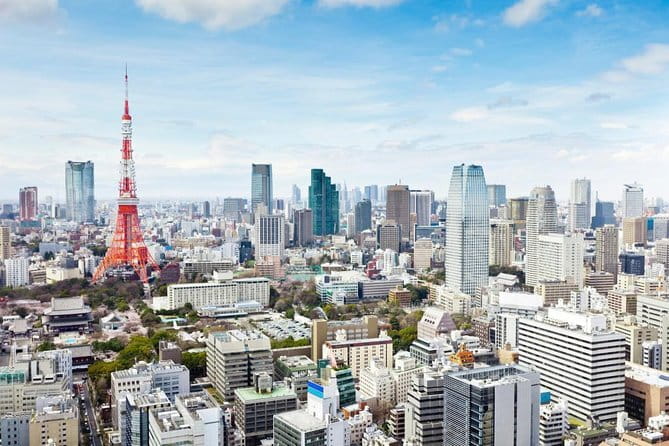
The Setagaya Local History Museum sits next to the traditional residence. It covers Setagaya’s past, including literature and paintings from the Edo era and the wider history of the area.
I like the pairing of the museum and mansion. The residence gives you a physical setting, while the museum provides objects and background. Together, they help connect local history with the buildings and streets you have just seen.
The planned museum visit is about 20 minutes, with no admission fee. That is enough for a focused introduction, but not enough to study every display in detail. If museums are your priority, you may want to ask the guide how much time can be spent there before booking.
There is one practical warning here. The museum can close for a holiday or temporary reason, and the route may not always be updated in time. One group walked to the museum only to find it closed. The provider apologized, but the experience shows why it is worth confirming the day’s stops with your guide at the start. If the museum is unavailable, the itinerary may change to another location.
Gotokuji Temple and the Famous Maneki Neko
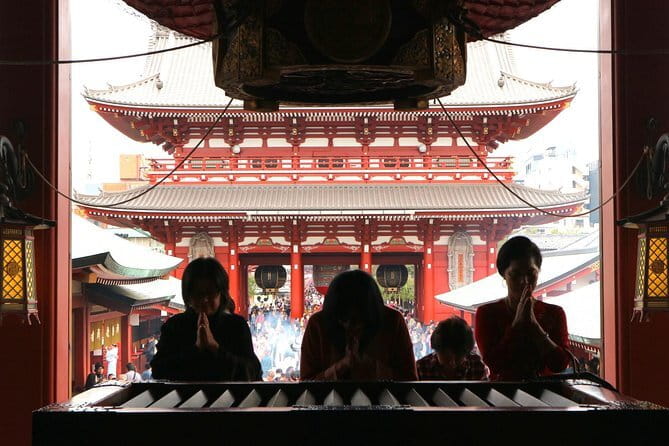
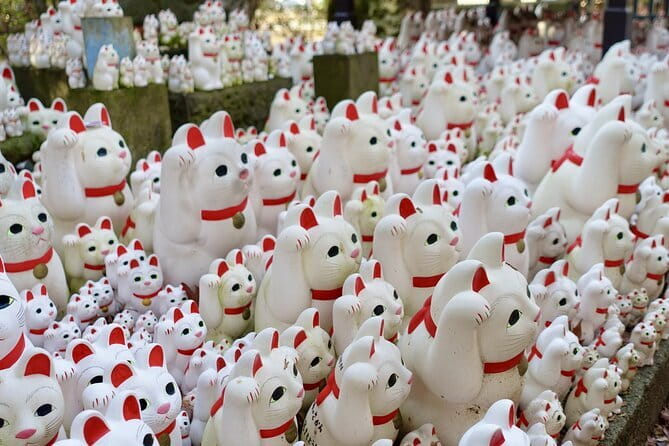
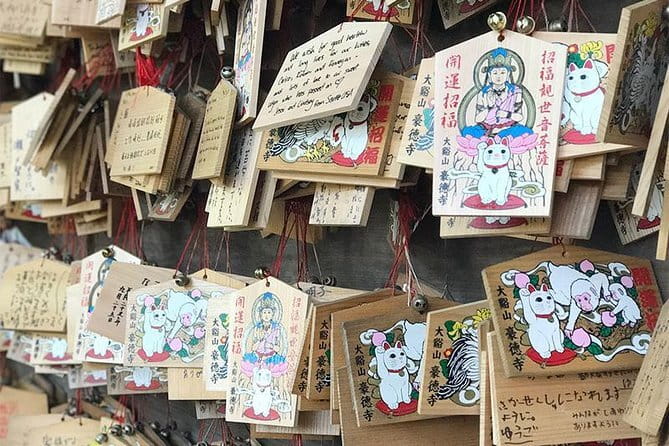
The final major stop is Gotokuji Temple, a Zen temple with about 600 years of history. Its main attraction for most people is the collection of maneki neko, the raised-paw cat figures often associated with luck, prosperity, and success in business.
The number of cats is what makes the visit memorable. Instead of seeing one small figurine in a shop window, you encounter a large group of them gathered at the temple. The sight is playful, but it also gives your guide a chance to explain how the maneki neko tradition fits into Japanese religious and commercial culture.
The temple visit is scheduled for about 30 minutes. That should give you time to see the cat figures, take photographs, and listen to the explanation. The timing may feel short if you want to study every corner of the temple grounds, but it keeps the tour moving and leaves you near Gotokuji Station at the end.
The temple is free to enter, though donations or purchases are your own expense. As with the other stops, bring cash. Do not assume every nearby shop or site will take a card.
Gotokuji is best understood as the payoff to the whole route. The cats are the easy hook, but the earlier stops give you a better sense of the Setagaya neighborhood that surrounds them. You are not simply being taken to a famous photo spot and sent away.
What the Private Guide Changes
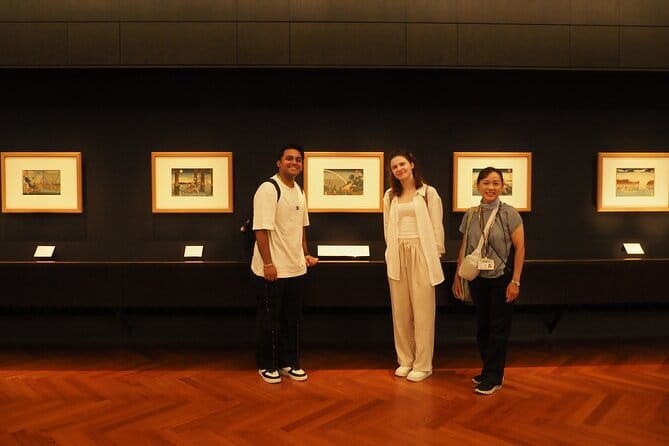
This is a private tour, so only your group participates. That makes the experience more flexible than a fixed group walk. You can ask questions, slow down at the residence, spend less time in the shopping district, or request a different finishing point.
The guide speaks English and handles the necessary guide expenses. The route can also be customized to suit your needs, although changes depend on the day’s conditions and what is open.
A private format is especially useful for families. A ten-year-old stayed engaged throughout one outing, which suggests that the guide can explain the history in a way that works for younger visitors. You should still tell the provider about your group’s interests in advance if you want the pace or content adjusted.
The private setup also helps if your group has mixed interests. One person can ask about temple customs, another can focus on old Tokyo, and children can concentrate on the cats and shopping street. You are not trying to keep up with strangers or fit into someone else’s question period.
Is the $68.64 Price Good Value?
The listed price is $68.64 per person. You also need to budget about 380 yen per person for transportation. Admission fees are listed as zero, and meals are not included.
That price makes the most sense for people who value explanation and flexibility. You are paying for an English-speaking guide, a private group experience, and a route that brings together several small sights. If you visited Gotokuji alone, you could spend less, but you would also have to arrange the route, understand the local history on your own, and decide how the various stops connect.
For one person or a couple, the cost may feel high compared with taking public transportation independently. For a family or small group, the private pricing can be more reasonable, particularly if everyone wants the same pace.
There are no included meals, and the tour does not cover personal transportation or purchases. Eat before you begin or plan food afterward. You should also carry cash for places that do not accept credit cards.
Group discounts are available, so check the current price for your party size before booking. Since the experience is often booked about 72 days ahead, popular dates may require planning.
Timing, Weather, and Small Practical Details
The tour begins at Sangenjaya Station, at 2 Chome-15 Taishido in Setagaya City. It ends at Gotokuji Station, at 1 Chome-43 Gotokuji. The finishing point is different from the start, which is helpful if you plan to continue your day in the Gotokuji area.
You can ask to change the finishing point, but make that request to the guide. Do not assume the route can be altered at the last minute without affecting the schedule.
Bad weather can change the transportation, destinations, and walking route. That is important because much of the appeal lies in moving through the neighborhood on foot. A rainy day may produce a different version of the experience, with alternate stops or a modified route.
The tour is near public transportation, and most people can participate. Still, the route includes walking between several locations, so comfortable footwear is the sensible choice. Confirmation is provided at booking, and free cancellation is available up to 24 hours before the start time. Cancellations or changes made later are not accepted for a refund.
Who Should Book This Setagaya Walk?
I would recommend this outing to you if you want to see a quieter side of Tokyo and enjoy having local history explained as you go. It suits repeat visitors particularly well, but it can also work for first-time visitors who have already scheduled the city’s major sights.
Families should take a close look at it. The maneki neko give children an immediate point of interest, while the private guide can adapt explanations and pacing. The earlier shrine, shopping street, mansion, and museum keep the morning from becoming a single-theme temple visit.
It is also a good choice for people who dislike rushed group tours. You have the guide’s attention and can shape the outing around your group.
I would think twice if you want a food-focused tour, a full museum visit, or a day packed with major Tokyo landmarks. Lunch is not included, and each historical stop is relatively short. The experience works best as a calm half-day neighborhood walk, not as a checklist of famous attractions.
Should You Book the Gotokuji Tour?
Book it if the idea of seeing thousands of lucky cats appeals to you, but you also want to understand the neighborhood around the temple. The strongest part is the combination of a private English-speaking guide, a manageable three-and-a-half-hour route, and several free historical stops.
Before you commit, confirm the day’s museum and temple arrangements, ask about your preferred pace, and carry cash. If you accept the possibility of weather-related changes and a missed stop due to temporary closure, this is a thoughtful way to spend part of a Tokyo day away from the central crowds.
FAQ
How long does the private Gotokuji tour last?
The tour lasts approximately 3 hours and 30 minutes.
Where does the tour begin?
The tour begins at Sangenjaya Station, at 2 Chome-15 Taishido, Setagaya City, Tokyo 154-0004, Japan.
Where does the tour finish?
The planned finishing point is Gotokuji Station, at 1 Chome-43 Gotokuji, Setagaya City, Tokyo 154-0021, Japan.
Is the tour private?
Yes. Only your group participates in the private tour.
Is an English-speaking guide included?
Yes. A tour guide and the necessary expenses for the guide are included.
Are transportation and entrance fees included?
The tour price does not include transportation. Estimated transportation costs are 380 yen per person. Admission fees are listed as zero, but any costs incurred at visited locations are paid by you.
Is lunch included?
No. Lunch and other food and drink costs are not included.
Can the tour be canceled for a full refund?
Yes. You can cancel up to 24 hours before the experience start time for a full refund. Changes or cancellations made less than 24 hours before the start time are not accepted.
New on our Tokyo list
- Sumi-e Experience in a relaxing green tea shop in Tokyo★ 5.0 · 3 reviews
- Tokyo : Kamikaze Street Drift Ride★ 5.0 · 3 reviews
- Private Zen Meditation in English in Shinjuku, Tokyo★ 5.0 · 3 reviews
- Onsen Spa in Tokyo and Asakusa Bar Hopping with Local Guide★ 5.0 · 3 reviews
- Easy for everyone! Now you can play handmade mini shamisen and show off to everyone! Musical instruments, sweets and live music★ 5.0 · 3 reviews
- Tokyo: Private Tsukiji Street Food & Sake with Local Guide★ 5.0 · 3 reviews
- Mt Fuji Exploration Tour with Free Japanese Kusa Mochi from Tokyo★ 4.5 · 3 reviews
- Tokyo Tsukiji Fish Market Walking and Exploring Hidden Gems Tour★ 5.0 · 3 reviews
Private, compared.
Tokyo 6hr Private Tour with Government-Licensed Guide
Read our review →
Private Tour to Mt. Fuji and Hakone (Fully Licenced Operator)
Read our review →
Tokyo Customized Private Tour (Must See Places in 1 Day)
Read our review →
Mount Fuji Full-Day Private Tour from Tokyo (Customizable)
Read our review →
Private City Highlights Tour with Local Guide
Read our review →
Tokyo 4hr Private Tour with Government-Licensed Guide
Read our review →