Reviewed · PRIVATE
Private Ueno Park Architecture Tour
Ueno Park is more than a place for museums and spring blossoms. It is a walk through Japan’s modern architectural story, beginning with Western influence in the late 1800s and ending with bold museum design from the 20th century. The key stop is the National Museum of Western Art, designed by Le Corbusier and recognized by UNESCO for its architectural importance.
I like the way this tour connects buildings that sit within easy walking distance of one another, and I like the contrast between Le Corbusier’s international style and Kunio Maekawa’s distinctly Japanese response to it. The private format also gives you room to ask questions, especially if you book with Mari, a warm and engaging guide with strong English skills.
The main drawback is time. Three and a half hours can feel short for Ueno Park, particularly if you want to study every building or spend much time inside the museums. The tour is best for visitors who want a focused architectural walk, not a full survey of every collection in the park.
In This Review
- Key points about the Ueno Park architecture walk
- Why Ueno Park is the right place for an architecture tour
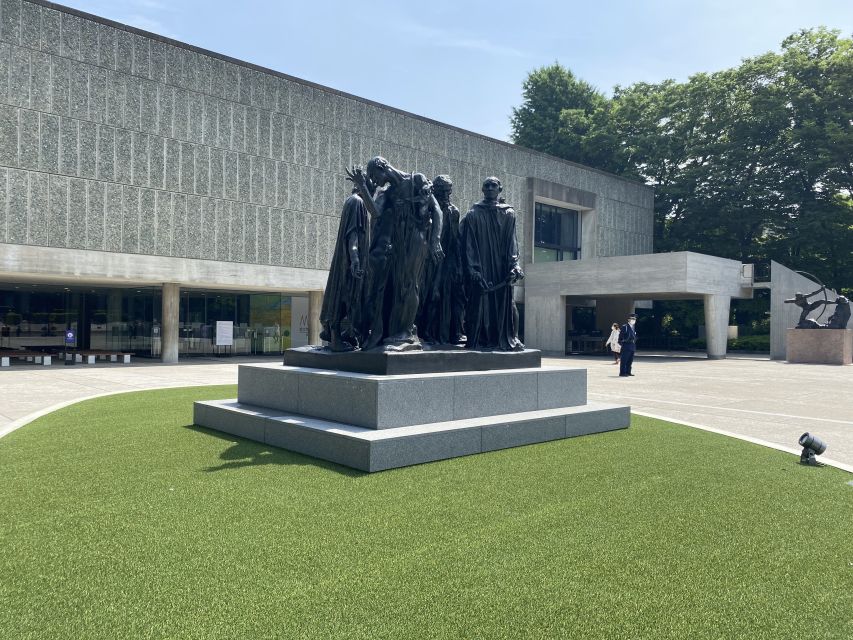
- Starting at Le Corbusier’s National Museum of Western Art
- Across the way at Tokyo Bunka Kaikan
- The International Library of Children’s Literature and its new annex
- Four eras at the Tokyo National Museum
- Hyokei-kan
- Hon-kan
- Toyo-kan
- Gallery of Horyuji Treasure
- What a private guide adds to the experience
- Daytime or nighttime: choosing the right mood
- Is $158 per person good value?
- Who should book this Ueno architecture tour?
- Should you book the Private Ueno Park Architecture Tour?
- FAQ
- Where does the Private Ueno Park Architecture Tour start?
- Where does the tour end?
- How long does the tour last?
- Which languages are available?
- Is the tour private?
- What is included in the price?
Key points about the Ueno Park architecture walk
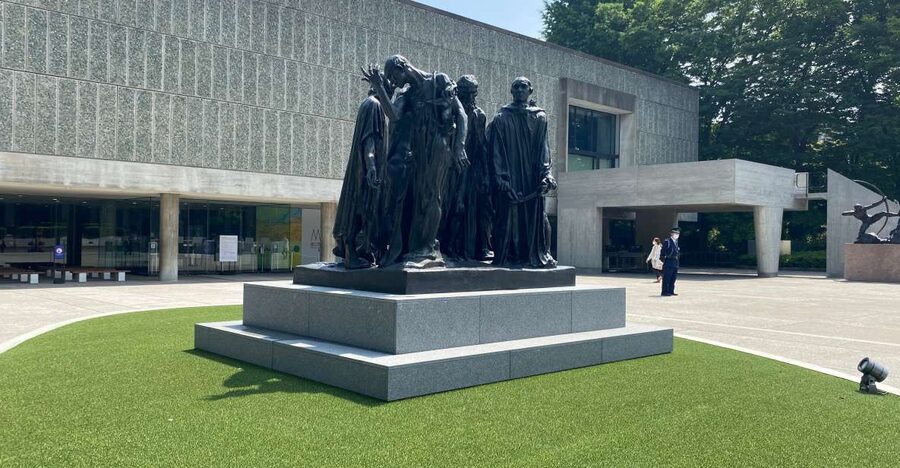
- Le Corbusier’s only work in Japan: Begin at the National Museum of Western Art, a UNESCO-recognized building and the tour’s architectural centerpiece.
- Maekawa’s tribute to his mentor: Compare Tokyo Bunka Kaikan with Le Corbusier’s museum across the way.
- Four museum buildings in one final stop: See the Hyokei-kan, Hon-kan, Toyo-kan, and Gallery of Horyuji Treasure at the Tokyo National Museum.
- A private English-language experience: Ask questions freely and shape the discussion around your interests.
- Night tours offer a different view: Evening light can change how you read the buildings, though museum access and opening hours should be confirmed.
- Admission is included: The price covers entry to the Tokyo National Museum, along with a guide and a drink break.
Why Ueno Park is the right place for an architecture tour
Many Tokyo visitors know Ueno Park for its art museums, zoo, temples, and seasonal flowers. Fewer realize how neatly its buildings chart Japan’s changing relationship with the outside world.
The park brings together Western-inspired architecture, early modern Japanese design, postwar public buildings, and late 20th-century museum work. You do not need a degree in architecture to enjoy the walk. A good guide helps you notice proportions, materials, entrances, courtyards, and the way each building responds to the one beside it.
This is also a useful counterpoint to Tokyo’s famous shopping districts. Ginza, Omotesando, and Daikanyama show you polished commercial design and high-end retail. Ueno gives you public buildings shaped by education, art, national identity, and cultural exchange.
I like that distinction. The tour is not about stylish storefronts or Instagram-ready streets. It is about how Japan used architecture to express changing ideas about culture and modern life.
A few more Tokyo bookings worth comparing
- Mt Fuji and Hakone 1-Day Bus Tour Return by Bullet Train
★ 5.0 · 26,383 reviews - 1-Day Tokyo Bus Tour
★ 5.0 · 14,250 reviews - Tokyo: TOKYO SKYTREE® Admission ticket
★ 4.5 · 11,192 reviews
Starting at Le Corbusier’s National Museum of Western Art
Meet your guide in front of the National Museum of Western Art, at Uenokōen 7-7. This is the strongest possible starting point because the building itself explains why the tour matters.
Le Corbusier was one of the major figures in modern architecture, and this Tokyo museum is one of the works connected to his architectural legacy. Its modern design earned UNESCO World Cultural Heritage recognition in 2016, not because it is simply old or famous, but because of its importance to 20th-century architectural thought.
Your guide will introduce the building and help you read details that are easy to miss when you arrive only to see the art inside. Look for the relationship between the exterior form and the movement through the museum. The point is not just to admire a striking facade. You are learning how the building directs your body and your eye.
The museum is the tour’s main highlight, so allow yourself time to look closely. The experience is strongest when your guide explains how Le Corbusier’s ideas traveled to Japan and how Japanese architects adapted them rather than copying them without change.
The supplied schedule notes a past closure period from January 23 to February 28, 2023, when the interior could not be visited and guidance took place outside. That date has passed, but it is still sensible to check current opening conditions before booking. The tour can continue with exterior explanations if access changes, but the indoor experience will naturally be less complete.
Across the way at Tokyo Bunka Kaikan
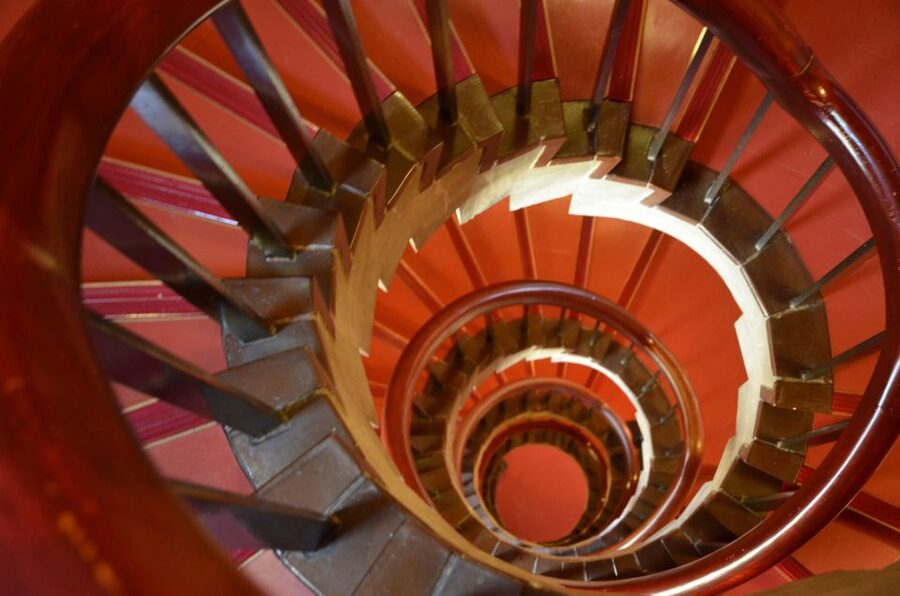
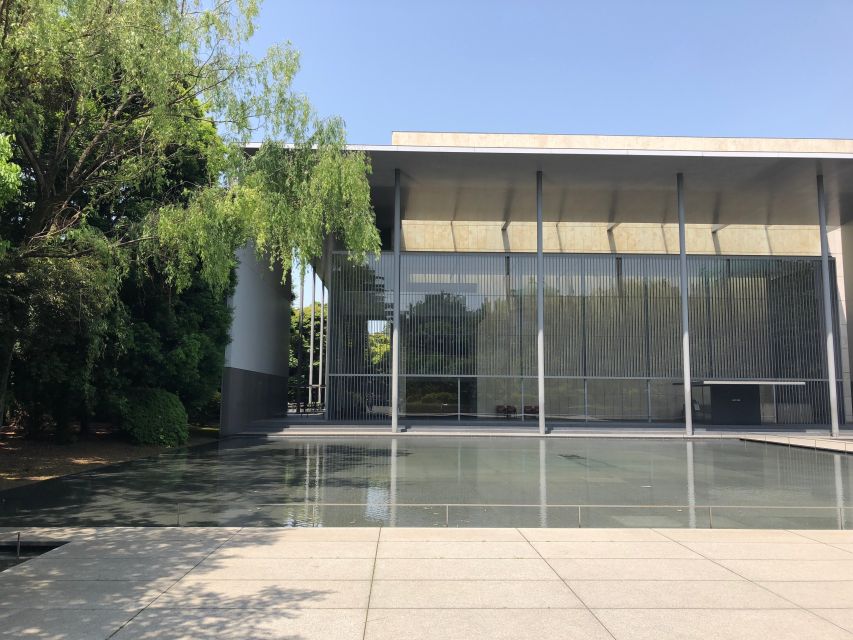
From the National Museum of Western Art, the group moves across to Tokyo Bunka Kaikan. Its location makes the comparison especially useful. You can look from one building to the other and consider how Kunio Maekawa responded to his teacher and mentor.
Maekawa was one of Le Corbusier’s three local apprentices. Tokyo Bunka Kaikan lets you see an architect developing his own voice while keeping a visible respect for modern architectural principles.
This pairing is one of the tour’s most valuable features. A lecture about influence can feel abstract. Here, the buildings are close enough for you to compare them directly. Your guide can point out shared ideas, changes in scale, and places where Maekawa’s work feels more suited to Japan’s own cultural setting.
I would pay close attention to the transition between the two stops. The lesson is not simply that Maekawa studied under Le Corbusier. It is that architectural ideas change when they move between countries, clients, climates, and traditions.
Tokyo Bunka Kaikan also broadens the story beyond a single famous name. Le Corbusier provides the international reference point, but Maekawa shows how Japanese architecture became more confident in its own right.
The International Library of Children’s Literature and its new annex
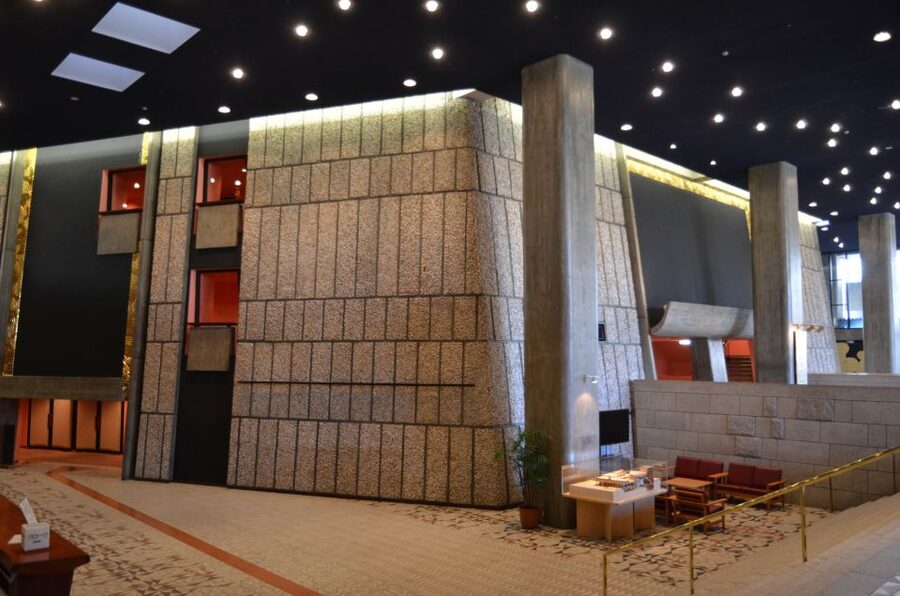
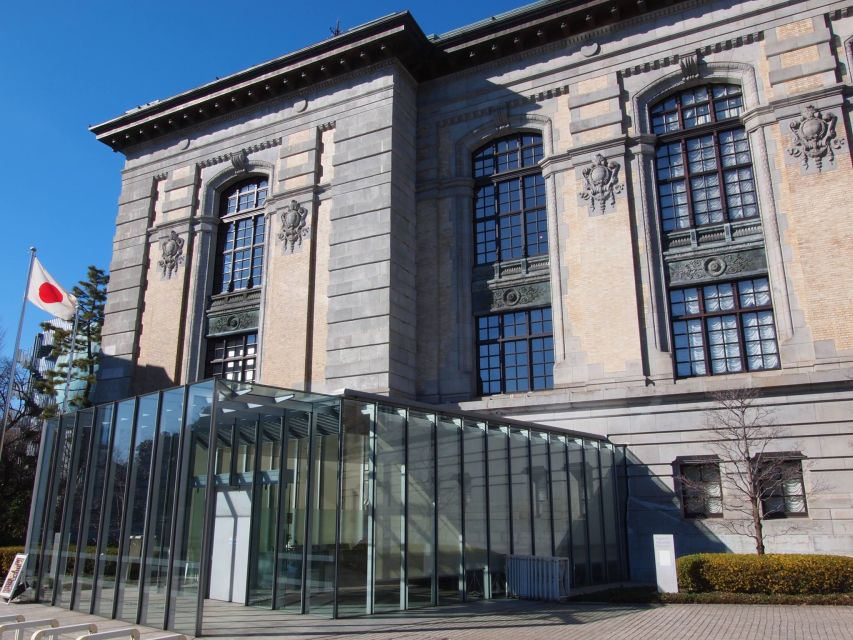
The next stop is the International Library of Children’s Literature. The focus here is not only on the original building, but also on preservation, renovation, and the newer arch-shaped annex.
That combination makes this a practical lesson in how cities handle older architecture. Preservation is rarely as simple as leaving a building untouched. A working library needs updated facilities and additional space, yet the original structure still carries design and cultural value.
The new annex gives you a chance to consider how a contemporary addition can sit beside an older building. Its arch shape provides a clear visual contrast with the earlier structure. Your guide will explain the renovation work and help you see the connection between keeping the past and building for present use.
This stop may appeal most to visitors who care about restoration and adaptive reuse. It is less about a single famous architect and more about the choices made when a public building must continue serving people.
The children’s library also adds a human scale to the tour. After two major architectural statements connected with professional architects and national cultural institutions, you see how design decisions affect an everyday educational facility.
Same corner of Tokyo, a completely different plan:
- Tokyo: teamLab Planets TOKYO Digital Art Museum Entry Ticket
★ 4.6 · 9,779 reviews - Mt Fuji & Hakone Cruise, Drum Show Bullet Train 1 Day from Tokyo
★ 4.0 · 7,413 reviews - Tokyo: Sumo Show Experience with Chicken Hot Pot and a Photo
★ 4.8 · 6,678 reviews - Tokyo: Shinjuku Food Tour (13 Dishes at 4 Local Eateries)
★ 5.0 · 6,603 reviews
Four eras at the Tokyo National Museum
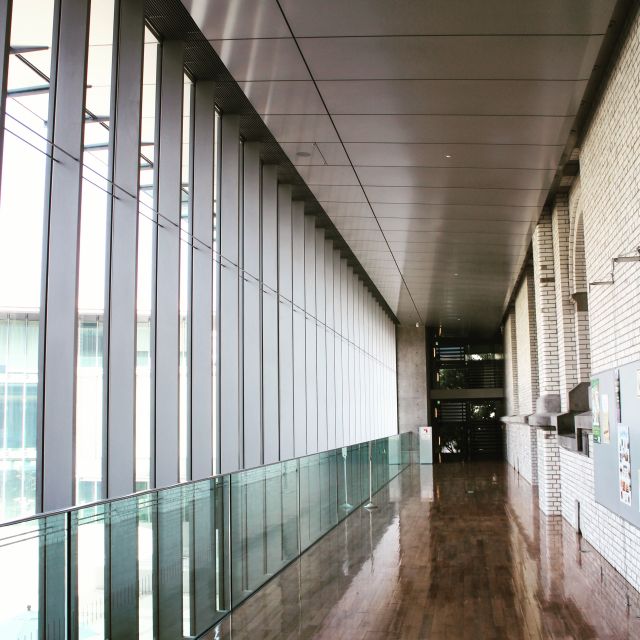
The final major stop is the Tokyo National Museum, where admission is included. This is not just a quick look at one facade. You will see four important buildings: the Hyokei-kan, Hon-kan, Toyo-kan, and Gallery of Horyuji Treasure.
Together, they reflect changing architectural thinking from 1908 through 1999. That time span gives the tour a useful ending because you can compare several periods in one location rather than discussing each era in isolation.
Hyokei-kan
The Hyokei-kan represents an earlier period in the museum complex. Its presence helps you understand the formal architecture associated with the early 20th century and the way Japan presented national culture through public institutions.
Hon-kan
The Hon-kan adds another major chapter to the museum grounds. It is part of the visual conversation between Japanese identity and modern museum planning. Your guide can explain what changed from one period to another and why the building looks and feels different from the earlier structures.
Toyo-kan
The Toyo-kan brings another phase of museum design into view. Its presence makes the final stop more than a march through old buildings. You are comparing functions, dates, architectural approaches, and the way museums were expected to serve the public.
Gallery of Horyuji Treasure
The Gallery of Horyuji Treasure completes the sequence with a later work. It gives you a clear endpoint for the architectural timeline and shows how museum design continued to change by the late 20th century.
The strength of this stop is variety. Four buildings can sound like a lot, but the guide gives you a structure for understanding them. Without context, you might see several attractive museums. With context, you can read them as evidence of changing ideas about history, art, education, and public space.
Once the guided portion ends, you can explore the Tokyo National Museum collection at your own pace. This is a real advantage. You are not forced to rush through the galleries behind the guide, and you can choose whether to spend your remaining time with art, architecture, or both.
What a private guide adds to the experience
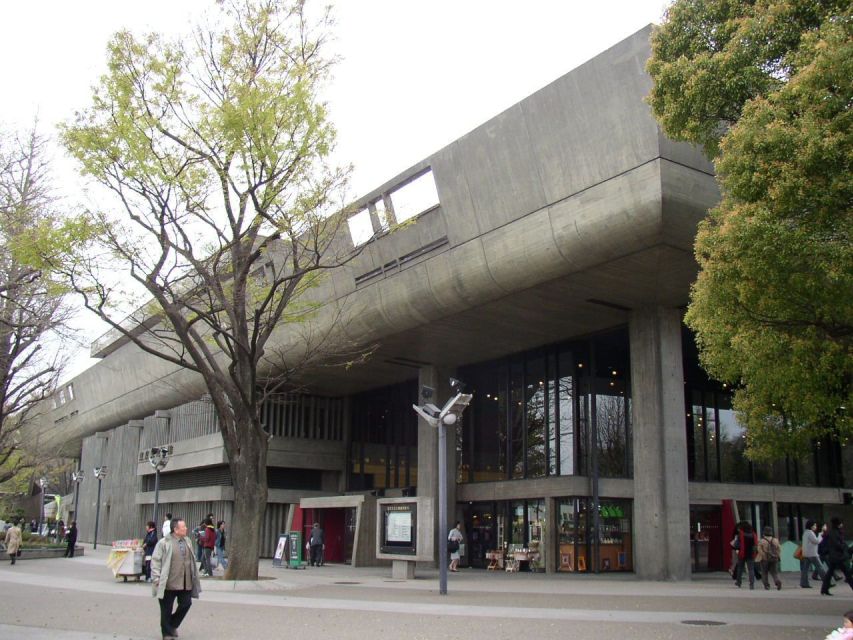
The private format is important here. Architecture tours work best when you can stop, look up, ask a question, and return to a detail without worrying about a large group.
The guide speaks Japanese and English, and the tour is designed for a private group. If you are booking in English, Mari is a guide to look for. She is described as warm, funny, and passionate about Ueno’s architecture. Her strong English and ability to answer questions make her a good match for visitors who want discussion rather than a memorized speech.
A private tour also lets you set the level of detail. You can ask for more background on Le Corbusier, focus on Japanese architectural history, or spend extra time comparing Maekawa with his mentor. If your group includes both architecture fans and casual museum visitors, this flexibility can help keep the walk enjoyable for everyone.
There is one point to clarify when booking. The advertised duration is 3.5 hours, while one account describes an outing of about two hours. That may reflect a shorter version, different pacing, or time spent in particular locations. Ask the provider to confirm the expected schedule if the length matters to you.
Daytime or nighttime: choosing the right mood
The tour can be taken at night, according to the available starting times. Evening light can change the appearance of modern buildings, especially when shadows and artificial lighting emphasize structure rather than surface detail.
A night outing may suit you if you have already spent your days visiting Tokyo’s museums or if you enjoy seeing architecture from a less familiar angle. It can also make the park feel different from the daytime museum routine.
Daytime is the safer choice if you want to study building details clearly or spend time inside the museums. The National Museum of Western Art and Tokyo National Museum have their own opening schedules, so a nighttime booking may focus more heavily on exterior architecture. Check availability and access before choosing an evening start.
The best choice depends on your priority. Pick daytime for interior visits and close observation. Pick night if the mood and changing views matter more to you.
Is $158 per person good value?
At $158 per person, this is not a budget walking tour. You are paying for a private guide, an English-language discussion, a 3.5-hour format, a drink break, and admission to the Tokyo National Museum.
The price makes the most sense for a small group that would otherwise need to research the buildings independently. You get a clear route and an explanation of how the sites connect. That saves preparation time and gives you access to a specialist conversation rather than a general tour of Ueno Park.
The value is weaker if you only want to see the buildings from outside. Much of Ueno Park can be explored independently, and visitors with a strong architecture background may prefer to study the sites at their own pace.
For a first visit to Tokyo, the tour is particularly useful if you want cultural context without spending a full day inside several museums. It combines outdoor walking with one included museum admission, and it ends with free time to explore the Tokyo National Museum on your own.
The drink break is a small but welcome inclusion during a three-and-a-half-hour outing. Hotel pickup and drop-off are not included, so you need to reach the starting point yourself and return from there after the tour.
Who should book this Ueno architecture tour?
I would recommend it to you if you enjoy buildings as much as paintings, or if you want a different way to understand Tokyo. It also suits repeat visitors who have already seen the major shopping streets and want a more focused cultural afternoon.
Architecture students, design professionals, museum fans, and curious first-time visitors will get the most from the route. The private format is also helpful for families or mixed-interest groups, since you can ask the guide to explain technical points in plain language.
You may want to skip it if your main goal is shopping, gardens, or a broad introduction to every sight in Ueno Park. Three and a half hours is enough for a focused architectural story, but not enough to cover every museum, temple, and path in the area.
Wear comfortable shoes and leave room in your schedule for the Tokyo National Museum after the guided walk. The itinerary ends back at the meeting point, and the museum collection is best enjoyed without watching the clock.
Should you book the Private Ueno Park Architecture Tour?
Book it if you want to understand why Ueno’s buildings belong together, not just photograph them one by one. The combination of Le Corbusier, Maekawa, preservation work, and four Tokyo National Museum buildings gives you a clear route through more than 90 years of Japanese architectural change.
The strongest reasons to go are the private guide, the direct comparison between the National Museum of Western Art and Tokyo Bunka Kaikan, and the included time at the Tokyo National Museum. Mari’s warm style and clear English are further reasons to request her if she is available.
Skip it if $158 feels high for a walking tour or if you prefer to explore museums without a guide. For the right visitor, though, this is a thoughtful way to see Ueno Park, and it offers a useful architectural lens on Tokyo that a standard sightseeing walk usually misses.
FAQ
Where does the Private Ueno Park Architecture Tour start?
The tour starts in front of the National Museum of Western Art at Uenokōen 7-7, Taitō-ku, Tokyo 110-0007, Japan.
Where does the tour end?
The activity ends back at the meeting point in front of the National Museum of Western Art.
How long does the tour last?
The stated duration is 3.5 hours. Starting times depend on availability.
Which languages are available?
The live guide is available in English and Japanese.
Is the tour private?
Yes. The activity is arranged for a private group.
What is included in the price?
The price includes admission to the Tokyo National Museum, an English-speaking guide, and a break with drinks. Hotel pickup and drop-off are not included.
New on our Tokyo list
- Sumi-e Experience in a relaxing green tea shop in Tokyo★ 5.0 · 3 reviews
- Tokyo : Kamikaze Street Drift Ride★ 5.0 · 3 reviews
- Private Zen Meditation in English in Shinjuku, Tokyo★ 5.0 · 3 reviews
- Onsen Spa in Tokyo and Asakusa Bar Hopping with Local Guide★ 5.0 · 3 reviews
- Easy for everyone! Now you can play handmade mini shamisen and show off to everyone! Musical instruments, sweets and live music★ 5.0 · 3 reviews
- Mt Fuji Exploration Tour with Free Japanese Kusa Mochi from Tokyo★ 4.5 · 3 reviews
- Tokyo Tsukiji Fish Market Walking and Exploring Hidden Gems Tour★ 5.0 · 3 reviews
- Tokyo: Private Tsukiji Street Food & Sake with Local Guide★ 5.0 · 3 reviews
Private, compared.
Tokyo 6hr Private Tour with Government-Licensed Guide
Read our review →
Private Tour to Mt. Fuji and Hakone (Fully Licenced Operator)
Read our review →
Tokyo Customized Private Tour (Must See Places in 1 Day)
Read our review →
Mount Fuji Full-Day Private Tour from Tokyo (Customizable)
Read our review →
Private City Highlights Tour with Local Guide
Read our review →
Tokyo 4hr Private Tour with Government-Licensed Guide
Read our review →