
Reviewed · SUSHI EXPERIENCES
Cozy Tokyo Class: Ramen, Sushi, Sake Pairing & Cultural Exchange
Tokyo’s best food memories do not always come from a famous restaurant. Sometimes they come from sitting at a small table, folding gyoza, shaping sushi, and learning why a simple bowl of ramen matters. This three-hour cooking class brings that kind of food culture into a friendly setting, with English-friendly Japanese hosts and plenty of time to ask questions.
I like the very small class size, which makes it easier to follow each step and chat with the instructors. I also like that you receive recipes to use at home, rather than leaving with nothing but a full stomach. The main point to check is the exact menu: the information describes ramen and sushi, with optional gyoza in some places, so confirm the day’s dishes when booking.
In This Review
- Key points at a glance
- Why a Tokyo cooking class can be worth your time
- Arriving at HAUS Tsukishima in Tsukuda
- The welcome: food, conversation, and cultural exchange
- Making ramen, the bowl that anchors the class
- Sushi or gyoza: clarify the second dish
- Sake, beer, and non-alcoholic choices
- What the three hours feel like
- The small-group advantage, with one important question
- Who will get the most from this class
- Practical value at $79
- Booking, cancellation, and the details to confirm
- Should you book Ramen and Sushi Cooking Tokyo?
- FAQ
- How long does the cooking class last?
- Where does the activity meet?
- Where does the activity end?
- What dishes will I make?
- Are drinks included?
- What is the cancellation policy?
Key points at a glance
- Ramen and sushi from scratch: You work on two well-known Japanese dishes rather than simply watching a demonstration.
- A class capped at four in the main description: A later note lists a maximum of eight, so ask about the group size for your date.
- Hosts who make conversation part of the class: Umi, Kou, Risa, Namiko, Komi, and Alissa are named among the instructors and hosts.
- Sake pairing included: You can enjoy unlimited sake pairings, Japanese beer, or non-alcoholic drinks during the class.
- Recipes to take home: The class is designed to help you repeat the dishes after returning home.
- Easy for mixed skill levels: Families, couples, friends, beginners, and experienced home cooks are all welcome.
Why a Tokyo cooking class can be worth your time
A food class gives you something a restaurant meal cannot: a look at the work behind the dish. You learn how ingredients come together, hear stories about Japanese food customs, and then eat what you helped prepare. That makes the meal more memorable, even if your final sushi roll is not quite picture-perfect.
At $79 for about three hours, this is a fair midrange activity in Tokyo. The price includes the class, food, all fees and taxes, and drinks. You are not paying only for a meal. You are paying for instruction, conversation, a hands-on activity, and recipes that may save you from guessing at the process later.
I would especially consider it if your Tokyo schedule is tight. You get a meal and a cultural activity in one booking. It also works well on a rainy day, for a family afternoon, or for anyone who wants a break from temples, department stores, and long walks.
The class is not the right pick if you want a formal chef-led lesson focused on advanced technique. The tone is relaxed and social. The strongest appeal is personal contact, simple explanations, and the chance to make familiar Japanese foods yourself.
More sake and whisky sessions:
- Ramen and Sushi Cooking Class with Sake Pairing Set in Tokyo
★ 5.0 · 291 reviews - Sake Tasting Masterclass in Shinjuku (8+ Varieties with a Pro)
★ 5.0 · 271 reviews - Sake Omakase in Tokyo: Guided Tasting by Certified Sommeliers
★ 5.0 · 239 reviews
Arriving at HAUS Tsukishima in Tsukuda
The class meets at HAUS Tsukishima, at 2-chome 13-5 Tsukuda, Chuo City, Tokyo 104-0051. The meeting point is near public transportation, but the supplied details do not name a specific station or give walking directions. I would save the full address before leaving your hotel and allow a little extra time to find the building.
The activity ends at the same meeting point. That makes planning easy, since you do not need to arrange a separate return transfer. Transportation to and from the class is not included, so you will handle your own train or taxi fare.
The setting is meant to feel cozy rather than commercial. The small room matters here. You can hear the instructions, watch the food preparation, and ask questions without trying to catch a chef’s words from the back of a crowded room.
One detail needs attention before you book. The main description says the class is capped at four people, while the additional information gives a maximum of eight. Those numbers may reflect different booking setups, so I would confirm the expected group size if privacy or quiet instruction is important to you.
The welcome: food, conversation, and cultural exchange
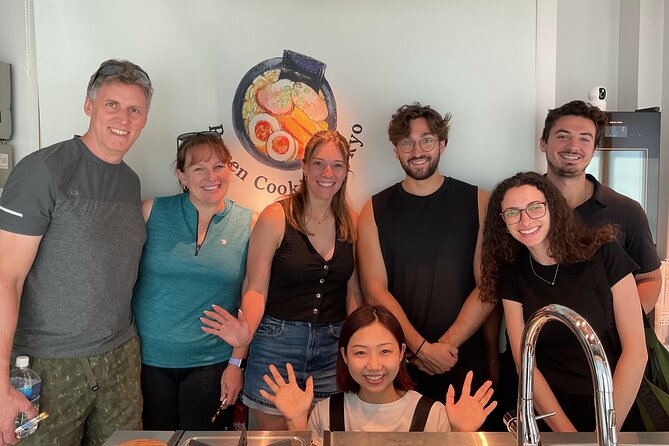
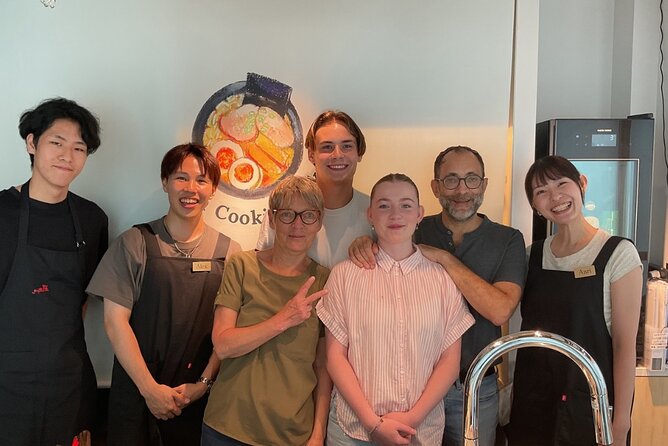
The class begins with a welcome from English-friendly Japanese hosts. Names connected with the experience include Umi, Kou, Risa, Namiko, Komi, and Alissa. The exact teaching team may vary, but the class is built around hosts who explain the food and encourage conversation.
That cultural exchange is not just a slogan. You can ask about Japanese cooking traditions while preparing the meal, and the hosts share stories connected with the dishes. The result should feel more like cooking with friendly local instructors than attending a stiff school lesson.
The pace is relaxed. This helps beginners, children, and anyone who feels nervous about handling unfamiliar ingredients. It also means experienced cooks may want to treat the class as a social introduction to Japanese home cooking rather than a technical masterclass.
The personal attention is one of the best reasons to choose this activity. The hosts are described as warm, funny, supportive, and generous with explanations. Several instructors have been praised for using clear English and giving directions at a comfortable pace. That is useful when you are learning several steps at once.
Making ramen, the bowl that anchors the class
Ramen is one of Japan’s most recognizable dishes, but the finished bowl can hide a lot of work. In this class, you learn to prepare it rather than simply ordering it at a restaurant. The exact broth and toppings are not specified, so I would not book expecting a particular regional style.
What you can expect is a practical lesson in assembling a dish with several parts. You work through the process with guidance, then taste the result during the class. For a first-time cook, the value is in seeing how separate ingredients become a complete meal.
Ramen also gives the class a useful home-cooking angle. You leave with a recipe, and the instructions are intended to be clear enough for you to repeat the dish later. You may not recreate a specialist ramen shop in your own kitchen, but you should leave with a better sense of the basic method and the confidence to try.
The food quality sounds like a strong part of the experience. The ingredients are described as fresh, and the finished ramen is consistently singled out as tasty. That matters because a cooking lesson can feel disappointing if the meal at the end is merely acceptable. Here, eating the result is part of the reward.
More sushi mornings and classes:
- Sushi Making Tokyo Roll and Authentic Japanese Sushi Class
★ 5.0 · 3,971 reviews - Tokyo: Roll and Authentic Sushi Making Class in Asakusa
★ 4.9 · 1,957 reviews - Make Sushi and Create Unforgettable Memories in Tokyo
★ 5.0 · 1,413 reviews - Tokyo: Sushi Making Class in a Happi Coat near a Famous Spot
★ 4.9 · 1,377 reviews
Sushi or gyoza: clarify the second dish
The menu needs a little care. The experience title and detailed description focus on ramen and sushi, while the overview and highlights describe ramen and gyoza. One section says you will make ramen and sushi, or optional gyoza. The safest approach is to ask the provider which combination is offered on your date.
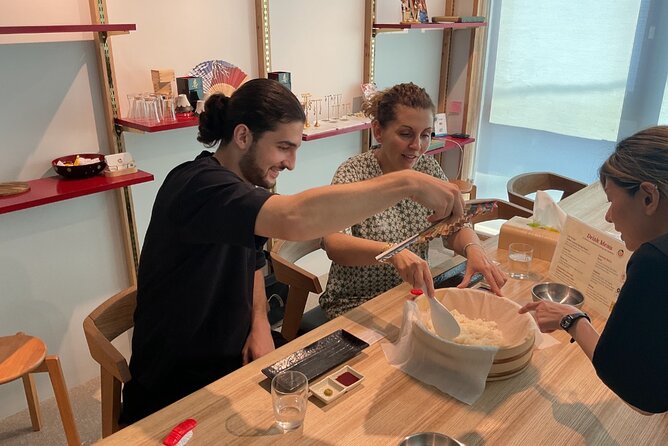
Sushi makes the class feel especially connected to Japanese food culture. You get to work with a dish that many visitors associate with Japan, then eat it soon after preparing it. The lesson is suitable for beginners, so you do not need previous sushi-making practice.
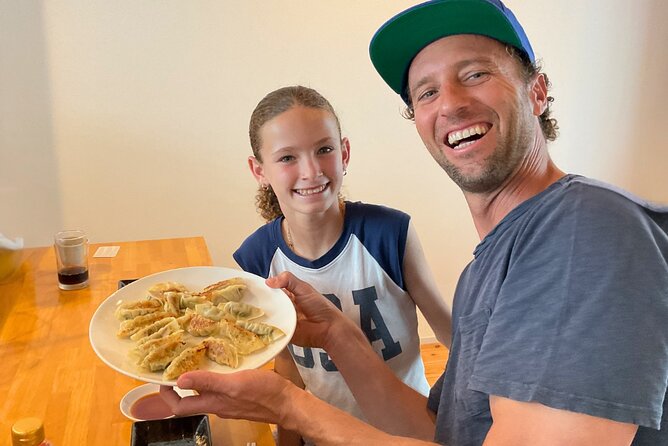
Gyoza offers a different kind of hands-on work. Folding dumplings is social, tactile, and easy to turn into a friendly challenge among family members or friends. If that is the dish you most want to learn, confirm it in advance rather than assuming it is included.
The class is not described as a high-level sushi course, and there is no detailed list of fish, fillings, or knife techniques. That is a benefit for first-time cooks, but a limitation for anyone hoping to study professional sushi skills. You are here to make a tasty meal and understand the basics, not train as a sushi chef.
Sake, beer, and non-alcoholic choices
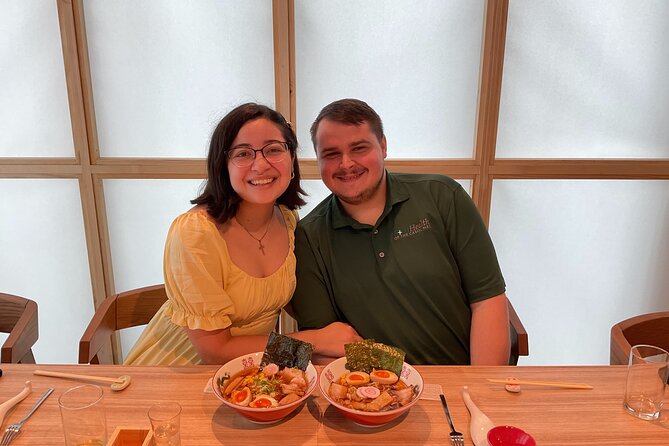
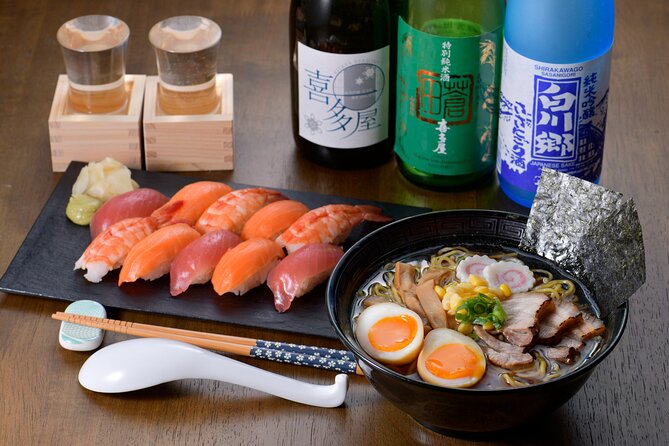
Drinks are included, which improves the value of the $79 price. You can have unlimited sake pairings, Japanese beer, or non-alcoholic drinks while cooking and eating. The sake is presented as part of the food experience rather than a separate bar stop.
If you enjoy sake, this adds a pleasant layer to the class. You can connect the drink with the meal and ask questions as the evening unfolds. The available information does not identify the sake labels or explain a formal tasting format, so think of this as a relaxed pairing opportunity, not a specialist sake seminar.
Non-alcoholic drinks make the class workable for children, drivers, and anyone who does not drink. This is important for families and mixed groups, since nobody has to sit out while others enjoy sake or beer.
The phrase unlimited should still be read sensibly. You have drink options throughout the experience, but the point is cooking and cultural exchange, not a drinking session. Pace yourself so you can enjoy the food and remember the recipe.
What the three hours feel like
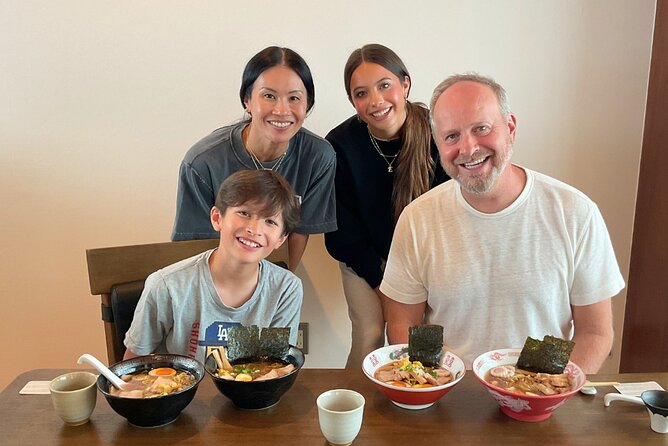
The three-hour length gives the class room to breathe. You are not rushed through a short demonstration, yet the activity should fit neatly into a Tokyo day. A likely rhythm is welcome and introductions, instruction for the dishes, hands-on preparation, conversation about Japanese food, and a shared meal with drinks.
The exact order is not provided, so I would keep your schedule flexible around the start and end time. The class ends back at the meeting point, but no separate transportation is supplied.
The time also helps mixed groups. A child can take part without needing advanced cooking skills, while an experienced home cook can ask about methods and ingredients. The instructors are described as patient and easy to follow, which should help when several people are working at once.
This is also a good choice for a special occasion. Birthdays and honeymoons are specifically mentioned as popular uses for the class. The private-feeling room, shared meal, and sake option give the experience a celebratory mood without requiring an expensive restaurant reservation.
The small-group advantage, with one important question
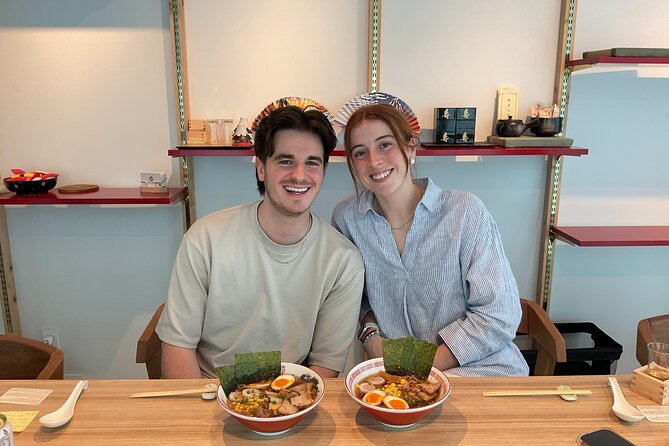
A class of four can feel almost like a private lesson. You can hear the instructor clearly, get help when a step feels awkward, and take part in conversation without competing with a large crowd. That is a major advantage over cooking classes held in big demonstration kitchens.
The instructors are praised for being funny, kind, supportive, and generous with their time. Those traits matter more than fancy equipment in a short class. Clear guidance keeps the food moving and prevents beginners from feeling lost.
Still, the group-size information is not fully consistent. The main highlights say four people, while the additional details allow up to eight. Eight is still a small class by many cooking-tour standards, but it is a different feel from four. Ask the provider to confirm the number for your booking if you are choosing this experience for its intimate format.
The class is not described as a private booking by default. If you need exclusive use of the space, do not assume it is included. Confirm the arrangement before paying.
Who will get the most from this class
I would recommend this experience to:
- Couples wanting a shared activity beyond sightseeing
- Families looking for something children can take part in
- Friends who enjoy food and casual conversation
- First-time cooks who want clear, friendly instruction
- Experienced home cooks seeking a simple introduction to ramen and sushi
- Visitors with limited time who want food, culture, and a meal in one outing
The class is particularly good for people who like to ask questions. The cultural exchange is a central part of the experience, and the small format gives you room to talk with the hosts.
I would be more cautious if you have strict dietary requirements. The supplied information does not describe vegetarian, vegan, gluten-free, allergy-friendly, or halal options. Contact the provider before booking if ingredients are a serious concern.
I would also choose another activity if your main goal is a detailed professional lesson. There is no promise of advanced knife work, regional ramen theory, or a formal sake education. This is a welcoming introduction with food to eat and recipes to repeat.
Practical value at $79
The price covers more than ingredients. You receive roughly three hours of instruction, a prepared meal, drinks, cultural conversation, and recipes. Since all fees and taxes are included, the advertised price is easier to judge than a low headline price with several additions later.
The value is strongest when you would otherwise pay separately for lunch or dinner. You get the meal as part of the class, plus an activity that can become one of your trip’s personal stories. The recipe also gives the experience a life beyond Tokyo.
The price feels less compelling if you are only looking for a cheap meal. You can eat ramen or sushi for less than $79 in Tokyo, but you would not receive the hands-on instruction or time with local hosts. This is an experience purchase, not a bargain restaurant meal.
Because drinks are included, sake and beer drinkers may find the cost especially reasonable. Non-drinkers still receive value from the food and lesson, and non-alcoholic options are available.
Booking, cancellation, and the details to confirm
You receive confirmation at booking, and free cancellation is available if you cancel at least 24 hours before the local start time. Cancel within 24 hours, or request changes during that period, and you should expect no refund.
Before booking, I would confirm three things: the exact second dish, the expected group size, and any food restrictions the provider can accommodate. The published information uses both sushi and gyoza descriptions, and it gives both four and eight as possible group limits.
The meeting point is in Tsukuda, Chuo City, at HAUS Tsukishima. Public transportation is nearby, but private transportation is not included. Keep the address handy and plan your own route.
Should you book Ramen and Sushi Cooking Tokyo?
Book it if you want to do more than take photos of Japanese food. The best parts are the personal setting, warm English-friendly hosts, fresh ingredients, clear instruction, and the chance to sit down with the dishes you made. The recipe gift gives the class lasting value.
It is also a smart choice for families, couples, and friends who want a shared activity with a gentle pace. The main thing to settle first is the menu. Ask if your session includes sushi, gyoza, or both, and confirm whether the group will have four or up to eight people.
If those details match what you want, $79 is a reasonable price for three hours of cooking, food, drinks, and cultural conversation in Tokyo.
FAQ
How long does the cooking class last?
The class lasts approximately three hours.
Where does the activity meet?
It meets at HAUS Tsukishima, Japan, 104-0051 Tokyo, Chuo City, Tsukuda, 2-chome 13-5.
Where does the activity end?
The class ends back at the meeting point.
What dishes will I make?
The detailed description says you will make ramen and sushi, with optional gyoza. Other parts of the information mention ramen and gyoza, so confirm the exact menu for your date.
Are drinks included?
Yes. Unlimited sake pairings, Japanese beer, and non-alcoholic beverages are included.
What is the cancellation policy?
You can receive a full refund if you cancel at least 24 hours before the experience start time. Cancellations or changes made within 24 hours are not refunded or accepted.
More Drinking Tours in Tokyo
- Tokyo Bar Hopping Tour in Shinjuku (All-You-Can-Drink + Dinner)
★ 5.0 · 3,587 reviews - Best of Shinjuku: Izakaya Food Tour (4 Stops, 14+ Tastings)
★ 5.0 · 1,863 reviews - Tokyo: Shinjuku Local Bar and Izakaya Guided Walking Tour
★ 4.9 · 1,794 reviews - Shibuya Meltdown Nightlife Tour: All-You-Can-Drink Bar Hopping
★ 5.0 · 1,058 reviews
More Ramen Stops
- Eat and Drink Like a Local: Tokyo Ueno Food Tour-Taverns&Ramen
★ 5.0 · 957 reviews - Ramen & Gyoza Cooking Class in Tokyo with Local Supermarket Visit
★ 5.0 · 823 reviews - Tokyo: Ramen Tasting Tour with 6 Mini Bowls of Ramen
★ 4.9 · 432 reviews - Tokyo: Easy Ramen Cooking Experience in Kabukicho, Shinjuku
★ 4.6 · 321 reviews
New on our Tokyo list
- From Tokyo: Mount Fuji & Hakone Full Day Private Tour★ 4.9 · 25 reviews
- Tokyo Spectacular View Day-Cruise in 90 Minutes★ 5.0 · 25 reviews
- Real Tokyo Runner Club : Daikoku Car Meet Night Tour with JDM Car★ 5.0 · 25 reviews
- 2.5 Hour-Guided Cycle Tour in the Central Tokyo★ 5.0 · 25 reviews
- Ramen Making from Scratch +Akihabara Tour –Cooking Class★ 5.0 · 25 reviews
- [Self-Drive] Tokyo & Daikoku Custom Car Driving Tour★ 4.9 · 25 reviews
- Tokyo: 2-Hour Night Bike Tour of the City’s Hidden Gems★ 4.9 · 25 reviews
- Samurai themed Entertainment show in Shinjuku★ 4.5 · 25 reviews
Sushi Experiences, compared.
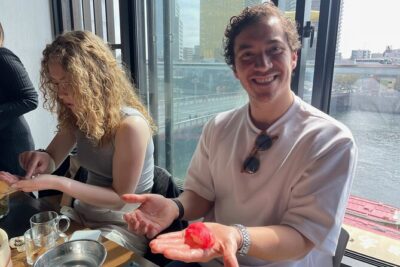
Sushi Making Tokyo Roll and Authentic Japanese Sushi Class
Read our review →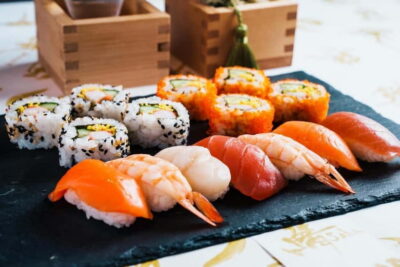
Roll and Authentic Sushi Making Class in Asakusa
Read our review →
Make Sushi and Create Unforgettable Memories in Tokyo
Read our review →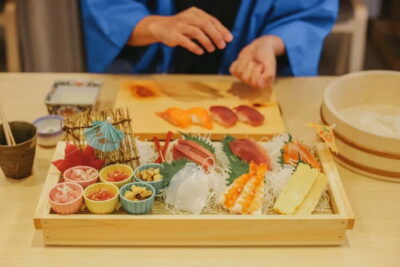
Sushi Making Class in a Happi Coat near a Famous Spot
Read our review →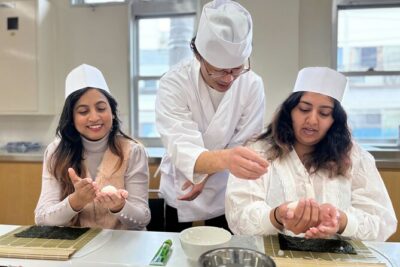
Tokyo Sushi Making Class in Tsukiji with Professional Chef
Read our review →
Tokyo Night Foodie Tour in Shinjuku – Seasonal Sushi, Wagyu Beef
Read our review →
Tsukiji Fish Market Guided Tour and Sushi Making with Pro Chef
Read our review →
Tsukiji Fish Market Sushi Making Class with Pro Chef
Read our review →Browse the lists this tour appears in