
Reviewed · SAMURAI & NINJA EXPERIENCES
Samurai Experience – Learn Bushido through Kendo, in Tokyo
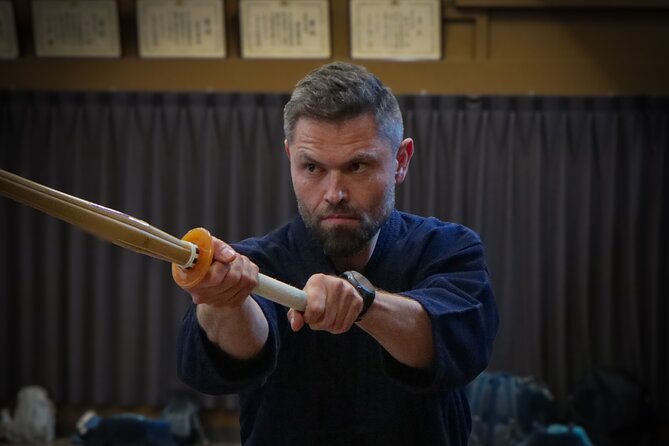
Kendo begins with a bow, not a sword. In this two-hour Tokyo experience, you learn why respect, focus, footwork, and controlled intent matter before you pick up a bamboo blade. Then the lesson builds toward a match with an instructor and a powerful demonstration by the teachers.
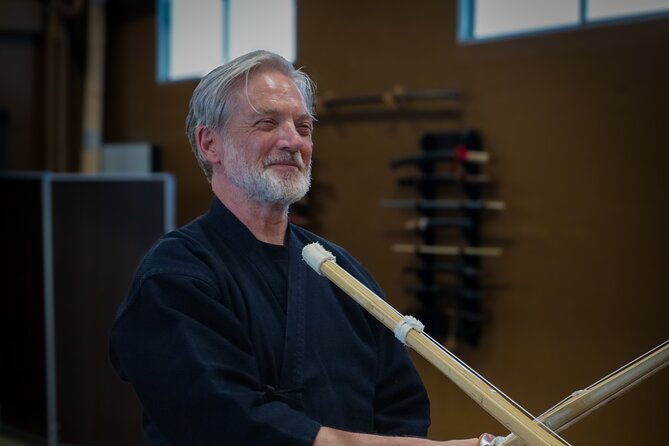
I like the small groups of up to eight, which give Daichi, Makoto, and the other instructors room to correct your stance and pace the lesson for beginners. I also like that the session treats kendo as more than a sword-themed photo opportunity. You learn its purpose, vocabulary, and discipline, then put the ideas to work.
The main consideration is physical effort. Once you add the protective gear and repeat the footwork and strikes, this can feel like a proper workout, especially in a warm dojo. Cold drinks and rest periods are provided, but wear clothes suitable for exercise.
In This Review
- Key points to know before you book
- Kendo near Tokyo Station, with substance behind the costume
- First, calm your mind and bow
- Ki, tai, and ken: the lesson’s useful structure
- Putting on the gear and facing an instructor
- The match is the moment everything clicks
- The final demonstration shows what practice can become
- What the two hours feel like
- Small groups make a real difference
- Is $103 a fair price?
- Who should book this experience?
- Practical details that help you plan
- Should you book Kendo Spirit?
- FAQ
- How long does the kendo experience last?
- How much does the experience cost?
- Is the experience suitable for complete beginners?
- Is the session taught in English?
- What equipment is provided?
- Will I receive photos or videos?
- Can I book a private session?
- Can I cancel for a refund?
Key points to know before you book
- The lesson starts with etiquette and Bushido, including the meaning of bowing, respect, and focused intent.
- You practice the three-part foundation of kendo, known as ki, ken, and tai: spirit, sword, and body.
- Daichi and Makoto teach in English and Japanese, making the class approachable for first-time participants.
- The dojo is about 15 minutes from Tokyo Station, useful if you want a martial arts activity without a long journey across the city.
- You receive kendo attire, a bamboo sword, drinks, souvenirs, and follow-up photos and videos at no extra charge.
- The final instructor demonstration is not a staged costume display, but a serious display of timing, control, and presence.
Kendo near Tokyo Station, with substance behind the costume
Tokyo offers many ways to look at samurai culture. You can visit museums, admire armor, or pose with a sword. This experience takes a different route: you learn the physical habits and rules that give the tradition meaning.
Kendo developed from samurai sword training and later changed into a modern martial art that preserves Bushido through practice. You are not being trained to become a historical warrior in two hours. You are being shown how discipline, posture, attention, and respect are expressed through the body.
That distinction matters. The session is designed for people who want more than a quick photograph in armor. You still get the fun of wearing kendo equipment and handling a shinai, but those elements come after an explanation of what you are doing and why.
I find the location especially practical. The dojo is within roughly 15 minutes of Tokyo Station, so this fits neatly into a day built around central Tokyo. The exact travel time will depend on where you start and the meeting details, but you are not committing to a long trip into the suburbs.
More dojo sessions:
- Tokyo: Samurai Sword & Archery Class from Samurai Descendant
★ 5.0 · 603 reviews - Tokyo:Samurai sword and archery class from a samurai descendant
★ 5.0 · 121 reviews - Tokyo 2-Hour Genuine Samurai Experience: Kendo in Japan
★ 5.0 · 112 reviews
First, calm your mind and bow
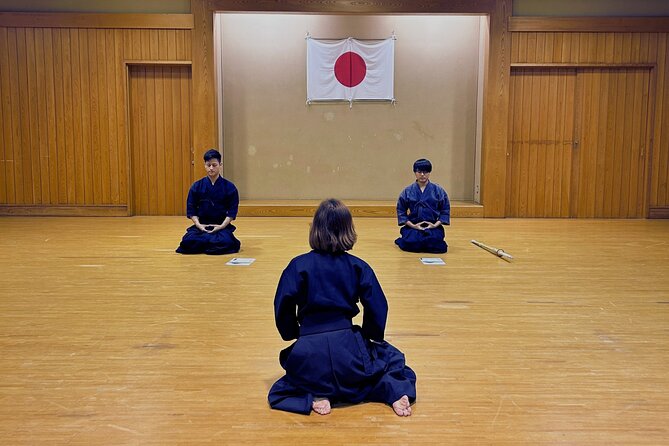
The opening is quiet and formal. Before any sword work, you learn how to greet the dojo and the people training with you. The bow is not treated as a decorative Japanese custom. It marks the beginning of practice and sets the tone for everything that follows.
You also learn some of the language and rules of kendo. One participant described learning how to greet properly, draw and fold the shinai, and understand the basic points of attack. Those small details help you feel less like you have been handed equipment for a staged activity.
The instructors explain the meaning behind kendo’s conduct. You are asked to pay attention, respect your partner, and control your actions. That can feel unfamiliar if your idea of sword practice comes from films, where speed and drama come first.
Here, control comes first. The lesson asks you to be present and precise, even when you are still trying to remember which foot moves first.
Ki, tai, and ken: the lesson’s useful structure
The teaching follows a clear progression. You first work with ki, or spirit. In this setting, that means focused energy and presence, not anger or shouting for its own sake.
Next comes tai, the body. You practice footwork that keeps you balanced, grounded, and ready to move. This is where the session begins to feel less like a lecture and more like training. Simple steps can be surprisingly demanding when you must coordinate them with posture and timing.
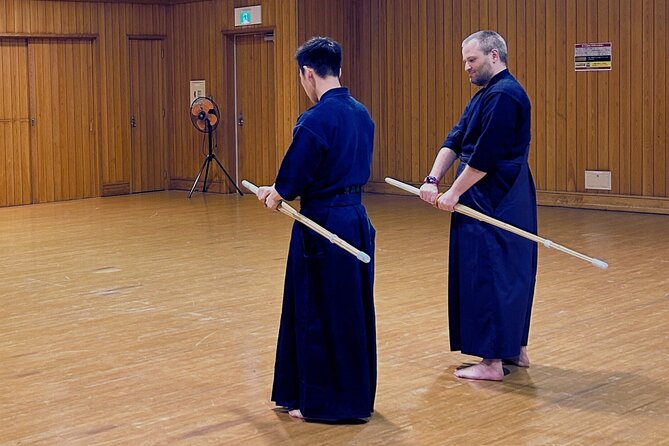
Only after that do you work with ken, the sword. The bamboo sword, or shinai, is provided for you. You learn how to hold it, swing it, and connect the arm movement with the steps you have already practiced.
The larger idea is called ki-ken-tai-itchi, the union of spirit, sword, and body. A strike is not simply an arm movement. It requires intent, correct footwork, and a body position that supports the action.
I like this teaching order because it gives the activity a logical backbone. You are not asked to copy a move without context. You can see how the parts fit together, even if you are still a beginner by the end.
Putting on the gear and facing an instructor
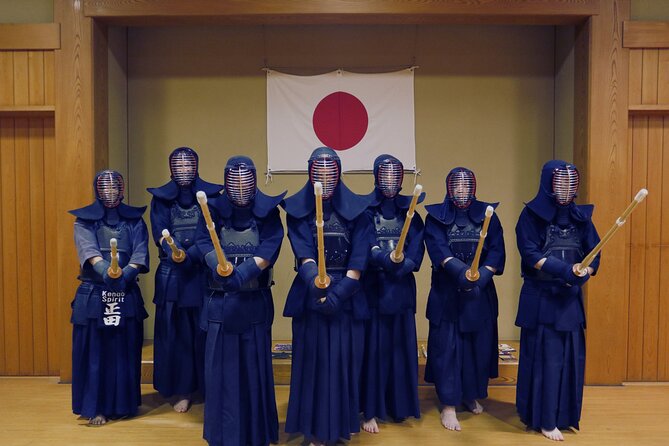
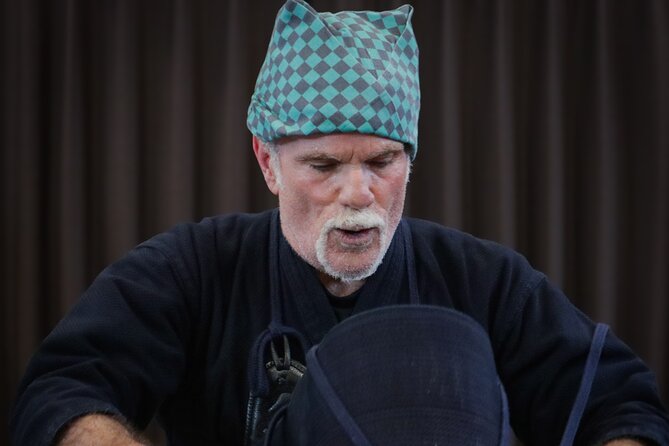
As the lesson progresses, you put on more of the kendo equipment. Several participants specifically enjoyed wearing the protective armor and helmet, since it changed the feel of the practice from a demonstration into something more physical.
The equipment also creates a practical challenge. It can become warm, particularly when combined with repeated footwork and strikes. One participant who disliked heat called this the only real drawback, while noting that cold water and rest periods helped.
You do not need to be athletic or have martial arts experience. The class is paced for beginners, and the small group format allows the instructors to guide people at different speeds. Still, you should arrive ready to move. This is not a seated cultural talk with a brief sword pose at the end.
The exact amount of armor you wear may depend on the training sequence and instructor guidance, but the activity clearly builds toward protected practice. You should expect to bend, step, swing, and concentrate for much of the session.
Wear comfortable clothing suitable for exercise. The provider supplies the kendo attire, shinai, and equipment, so you do not need to pack protective gear or a practice sword.
More samurai and ninja sessions:
- Tokyo: Samurai Ninja Museum Guided tour and Experience
★ 4.6 · 1,010 reviews - Best Samurai Experience in Tokyo
★ 5.0 · 458 reviews - Ninja Experience (Family Friendly) at Samurai Ninja Museum TOKYO
★ 5.0 · 441 reviews - Tokyo: Samurai Entertainment Night Show in Kanda Shrine
★ 4.6 · 417 reviews
The match is the moment everything clicks
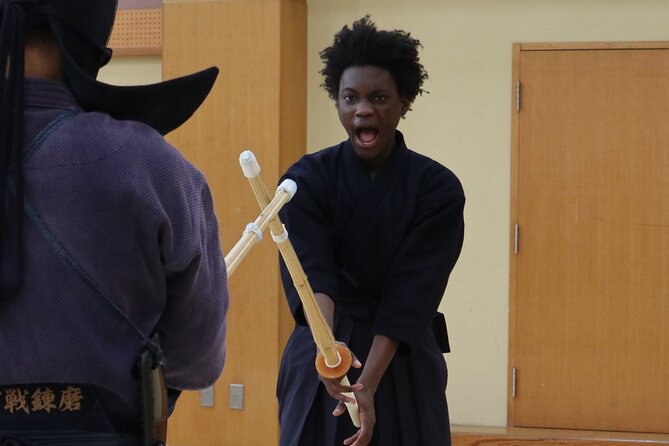
The friendly match gives you a chance to use the skills from the lesson. You face an instructor, follow the basic rules, and try to coordinate your movement under pressure.
This is where kendo’s mental side becomes easy to understand. A sword pointed toward you can make even a simple step disappear from your mind for a second. One participant described freezing briefly when the instructor’s sword came forward. That reaction is useful: it shows how much focus and composure the practice demands.
Do not expect a competitive tournament. The instructors adjust the encounter for beginners and keep it safe and manageable. The point is to feel the timing and pressure of a kendo exchange, not to defeat a trained teacher.
I would especially recommend this part to anyone who wants an activity rather than a passive cultural presentation. You are not merely watching a martial art. You are asked to make decisions, move correctly, and maintain your attention while another person is moving toward you.
The class can also work well for families with older children. One recorded booking paired a 54-year-old parent with a 15-year-old daughter. The listed restrictions exclude babies under one year, pregnant women, and people over 95, but no minimum age is provided beyond those conditions.
The final demonstration shows what practice can become
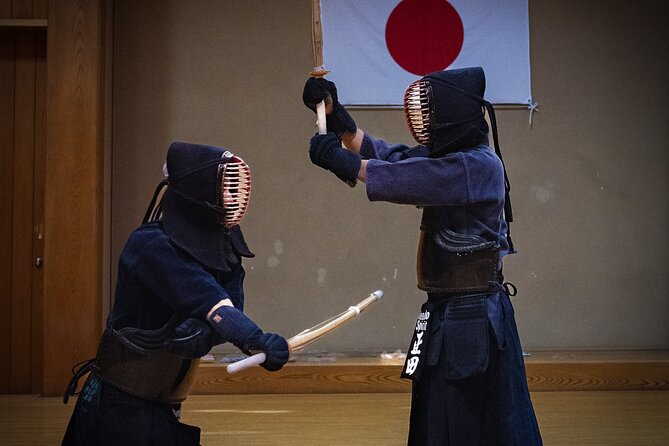
After your own match, the instructors perform a kendo bout. This is one of the strongest parts of the experience because you can now recognize some of the elements you have been trying to learn.
You have already worked on steps, sword position, attacks, and etiquette. When Daichi and Makoto, or other instructors, move at full skill, the speed and control make more sense. The sounds, pauses, distance, and sudden strikes are not random theatrics. They show the results of long practice.
The demonstration is also a helpful reality check. Your own two-hour lesson will introduce the basics, but it will not make you an expert. Seeing experienced practitioners afterward gives you a better idea of the precision behind every movement.
Several participants singled out the final bout as a highlight. I can understand why. It supplies the dramatic finish, but the drama comes after the teaching, not in place of it.
What the two hours feel like
The session has a steady rhythm:
- An introduction to kendo, Bushido, and its place in Japanese martial tradition
- Opening etiquette and bowing
- Basic terms, rules, and movement
- Footwork and body balance
- Shinai handling and sword technique
- Combined spirit, body, and sword practice
- Protective equipment and a beginner match
- Instructor demonstration
- Closing bow and farewell
That sequence gives you a real sense of progression. You begin by learning how to enter the practice, then work through its building blocks, and finally test those elements in a controlled encounter.
The pace appears to be one of the activity’s strong points. It covers a lot in two hours without requiring prior knowledge. The instructors explain and demonstrate each new action rather than assuming you already understand martial arts terminology.
English is available throughout the experience, with Japanese also spoken. You can ask questions during the session, which is important when the lesson includes unfamiliar words and formal movements.
Small groups make a real difference
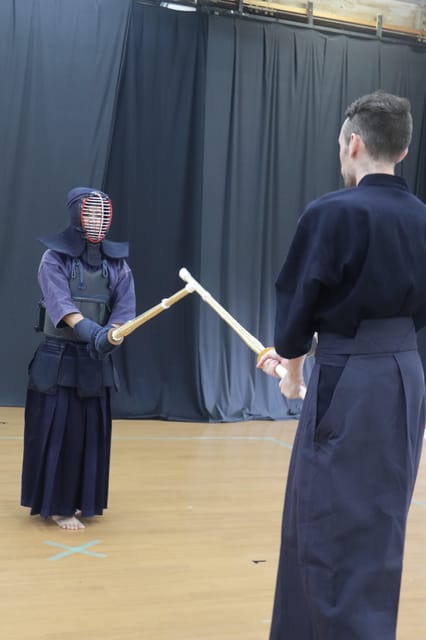
The maximum group size is eight. That does not guarantee a private lesson, but it is small enough for the instructors to keep an eye on basic technique and help nervous beginners.
Some sessions may be much smaller. One participant trained in a group of three with two instructors, which allowed close attention and frequent correction. If you are choosing between a large demonstration and this format, the small group is the better choice for actually learning the movements.
A private session is also possible if you request the Exclusive Private Session add-on before payment. It is available only on dates that still show eight open spots, and only one private-session add-on can be booked per group.
Large groups can be arranged in advance. That may suit families, school groups, or corporate outings, but you should contact the provider rather than assume a standard booking will handle a large party.
Is $103 a fair price?
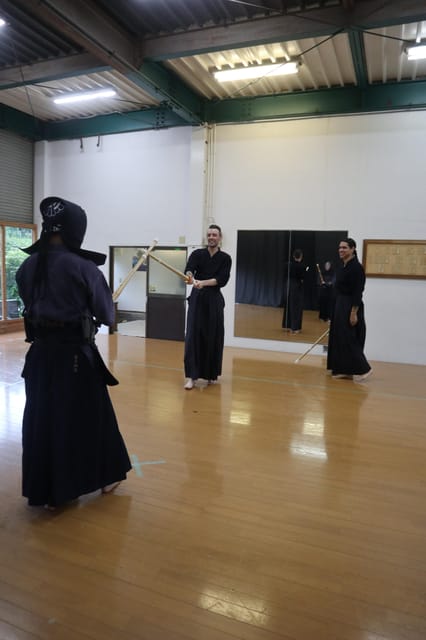
At $103 per person, this is not a bargain-bin Tokyo activity. It is also more than a simple costume rental or short photo session. The value depends on what you want from the experience.
The price includes two hours of instruction, kendo attire, a shinai, drinks, souvenirs, and photos and videos taken during the session and sent by email afterward. You are paying for teaching time, equipment, a small group setting, and the chance to practice with instructors rather than simply watch them.
For me, the strongest value comes from the structure. You get cultural context, physical instruction, a match, and a demonstration in one compact activity. If you already practice kendo, the introductory level may not justify the price. If you are new to martial arts and want a serious first look at kendo, the package is easier to defend.
The free cancellation policy also gives you some flexibility. You can cancel up to 24 hours before the activity for a full refund, and you can reserve now and pay later. Starting times vary, so check availability against your Tokyo plans.
Who should book this experience?
I would choose this for you if you:
- Want to understand Japanese martial culture through action
- Have little or no kendo experience
- Enjoy structured activities with rules and etiquette
- Are curious about samurai history but do not want a museum-only visit
- Can handle two hours of light to moderate physical work
- Prefer a small group and English instruction
- Want photos and videos of the experience afterward
I would think twice if you want a relaxed activity, dislike heat, or mainly want a polished samurai photo. The armor and sword are part of the appeal, but the lesson requires concentration and repeated movement.
This is also not a replacement for formal kendo training. In two hours, you learn the foundation and get a taste of the discipline. You do not gain the skill of a long-term practitioner.
Practical details that help you plan
The dojo is located within about 15 minutes of Tokyo Station. That makes it convenient to pair with other central Tokyo plans, though you should leave enough time to find the training venue and arrive punctually.
Bring an open mind and exercise-friendly clothing. All listed equipment is supplied, including the bamboo sword and kendo attire. Drinks are provided, which is useful because the protective gear can make the session warm.
Alcohol and drugs are not allowed. The activity is not suitable for pregnant women, babies under one year, or people over 95 years old.
The group language is English and Japanese. You do not need to speak Japanese to participate. If your schedule does not match the listed dates, the provider may be able to arrange another time, so contact Kendo Spirit before giving up on the idea.
Should you book Kendo Spirit?
Book it if you want to meet Japan through discipline, not just decoration. The strongest parts are the careful progression from etiquette to movement, the chance to face an instructor, and the final demonstration that puts your beginner practice in context.
The price is reasonable for a small, equipment-heavy lesson with English instruction, but it is not aimed at someone seeking the cheapest activity in Tokyo. Set aside the idea of a quick sword photo, wear clothes you can exercise in, and expect to sweat a little.
If that sounds appealing, this is a memorable way to spend two hours near Tokyo Station. If you want a quiet cultural visit, choose a museum instead.
FAQ
How long does the kendo experience last?
The experience lasts two hours. Starting times vary, so check availability when choosing a date.
How much does the experience cost?
The listed price is $103 per person.
Is the experience suitable for complete beginners?
Yes. No previous kendo or martial arts experience is required, and most participants are beginners. Instruction is paced carefully for newcomers.
Is the session taught in English?
Yes. The experience is conducted in English, and Japanese is also available. You can ask questions during the session.
What equipment is provided?
Kendo attire and a bamboo sword called a shinai are provided. Drinks and souvenirs are also included.
Will I receive photos or videos?
Yes. The team takes photos and videos during the experience and sends the files to you by email afterward.
Can I book a private session?
Yes. You must add Exclusive Private Session before payment, with one add-on per group. Private sessions are available only on dates showing eight available spots.
Can I cancel for a refund?
You can cancel up to 24 hours in advance for a full refund. You can also reserve now and pay later.
New on our Tokyo list
- Tokyo Spectacular View Day-Cruise in 90 Minutes★ 5.0 · 25 reviews
- From Tokyo: Mount Fuji & Hakone Full Day Private Tour★ 4.9 · 25 reviews
- Real Tokyo Runner Club : Daikoku Car Meet Night Tour with JDM Car★ 5.0 · 25 reviews
- 2.5 Hour-Guided Cycle Tour in the Central Tokyo★ 5.0 · 25 reviews
- Ramen Making from Scratch +Akihabara Tour –Cooking Class★ 5.0 · 25 reviews
- [Self-Drive] Tokyo & Daikoku Custom Car Driving Tour★ 4.9 · 25 reviews
- Tokyo: 2-Hour Night Bike Tour of the City’s Hidden Gems★ 4.9 · 25 reviews
- Samurai themed Entertainment show in Shinjuku★ 4.5 · 25 reviews
Samurai & Ninja Experiences, compared.
Samurai Ninja Museum Guided tour and Experience
Read our review →
Samurai Sword & Archery Class from Samurai Descendant
Read our review →
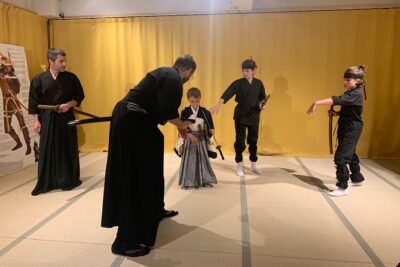
Ninja Experience (Family Friendly) at Samurai Ninja Museum TOKYO
Read our review →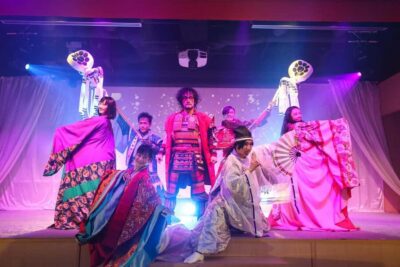
Samurai Entertainment Night Show in Kanda Shrine
Read our review →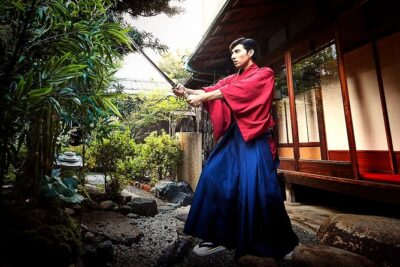
Tokyo Sword Experience – includes Museum Ticket/Ninja Experience
Read our review →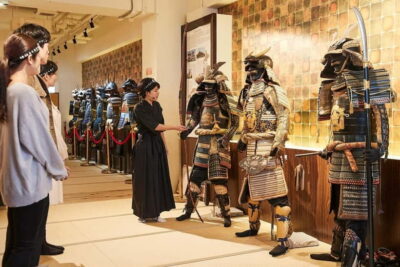
Samurai Ninja Museum Asakusa: Samurai Sword Lesson & Tour
Read our review →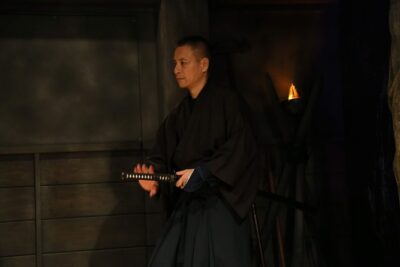
Ninja Samurai 2-hour hands-on lesson by Japanese master in Tokyo
Read our review →Browse the lists this tour appears in