
Reviewed · SAMURAI & NINJA EXPERIENCES
Samurai Experience – Learn Bushido through Kendo, in Tokyo
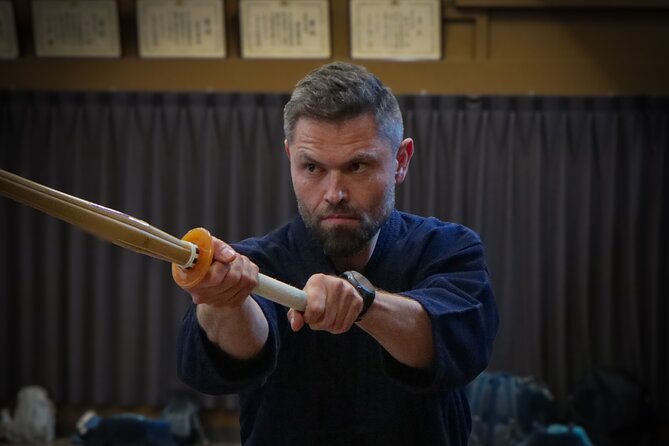
The most interesting part of this Tokyo experience is that you do not just look at samurai armor or hear a story about Bushido. You enter a working dojo, put on kendo clothing, take up a bamboo sword, and learn how focus, posture, timing, and controlled force come together.
I like the small group of no more than eight, since Daichi and his assistants can give real attention to each participant. I also like the practical touch: you receive clothing, equipment, water, a souvenir, and photos and video afterward.
The main consideration is physical effort. This is a hands-on martial arts session, not a seated cultural talk. You do not need experience or athletic ability, but you should be ready to stand, move, swing, and concentrate for two hours.
In This Review
- Key Points at a Glance
- Why This Is More Than a Samurai Dress-Up Session
- Meeting Daichi at the Nihonbashi Dojo
- Changing Into Kendo Attire
- Learning Footwork, Posture, and the First Strikes
- The Mental Side of Bushido
- The Practice Match at the End
- Photos, Video, and the Souvenir
- What the $132.14 Price Covers
- Who Will Get the Most From This Experience
- Practical Details for a Smooth Morning
- FAQ
- How long does the Samurai Experience last?
- What time does the activity begin?
- Where does the experience meet?
- Is the activity conducted in English?
- Do I need previous kendo or martial arts experience?
- What equipment is included?
- Do I need to bring special clothing?
- Are photos and videos included?
- How many people can join the activity?
- Can I cancel for a full refund?
- Should You Book This Kendo Experience?
Key Points at a Glance
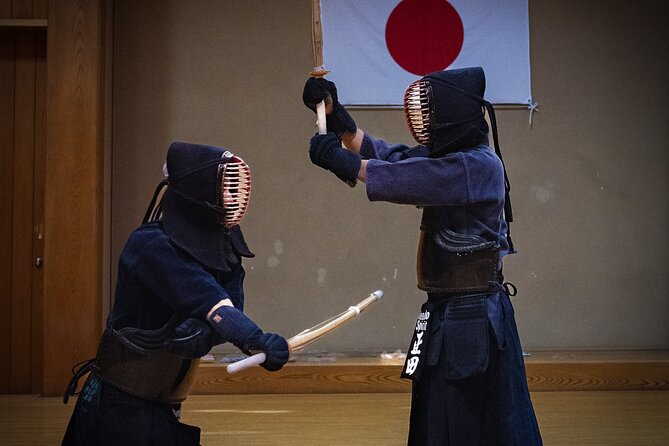
- Train inside a working Tokyo dojo: You practice where Japanese kendo practitioners continue their own training.
- Learn from Daichi: He has 19 years of kendo experience and speaks fluent English.
- Start as a complete beginner: More than 90 percent of participants are beginners, and instruction moves slowly and carefully.
- Use real kendo equipment: Your package includes a kendo uniform, clothing to wear underneath, and a bamboo sword called a shinai.
- Finish with a spirited practice match: After learning the basic movements, you get a chance to put them together in a more exciting exchange.
- Take home a record of the session: A photographer takes photos and video, which are sent to you by email afterward.
Why This Is More Than a Samurai Dress-Up Session
Tokyo has plenty of cultural activities designed for quick photographs. This one asks more of you, and that is its strength. You are not simply handed a costume and posed beside a prop sword. You learn a disciplined practice that is still used in Japan today.
Kendo means the way of the sword. The modern practice uses a bamboo sword rather than a metal blade, but the lesson is not only about striking. You work on stance, movement, attention, timing, and the mental pressure of facing another person. That gives Bushido a practical shape.
I especially like that the experience connects old ideas with modern practice. You can hear about samurai values in a museum, but it is harder to understand calm judgment and controlled movement until you try to make your body follow those rules.
The training also gives you a better sense of why kendo is called an art as well as a sport. A strong hit is not just a matter of swinging hard. You must coordinate your body, sword, voice, and timing. That combination takes focus, even at a beginner level.
More dojo sessions:
- Tokyo: Samurai Sword & Archery Class from Samurai Descendant
★ 5.0 · 603 reviews - Tokyo:Samurai sword and archery class from a samurai descendant
★ 5.0 · 121 reviews - Tokyo 2-Hour Genuine Samurai Experience: Kendo in Japan
★ 5.0 · 112 reviews
Meeting Daichi at the Nihonbashi Dojo
The meeting point is at 2-9 Nihonbashikobunacho, Chuo City, Tokyo 103-0024, inside the Sec Nihonbashi Building area. The activity begins at 10 a.m. and ends back at the same meeting point, making it easy to plan as a morning activity.
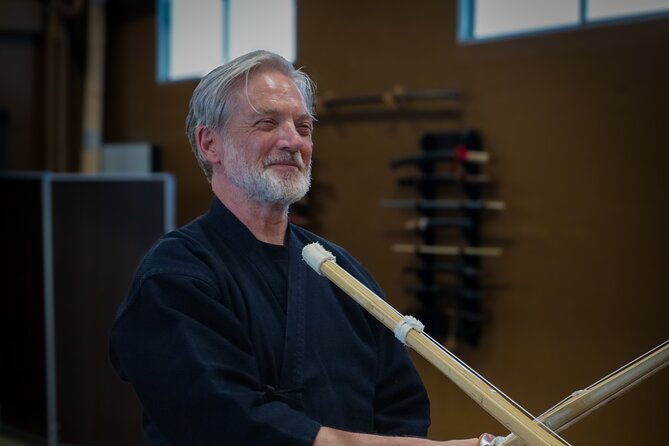
Daichi leads the session. He has trained in kendo for 19 years and remains an active practitioner. That matters because he is not presenting a stage version of swordsmanship. His instruction comes from ongoing practice in the discipline.
English speakers should feel comfortable asking questions. Daichi has overseas work experience and speaks fluent English. Assistants may have limited English, but their help is part of the physical instruction, and the session is designed to work for international participants.
The location is near public transportation, though the supplied information does not name a specific station. I would allow enough time to find the building and arrive ready for a prompt 10 a.m. start. Tokyo addresses can be precise but still take a moment to match with the right entrance.
Changing Into Kendo Attire
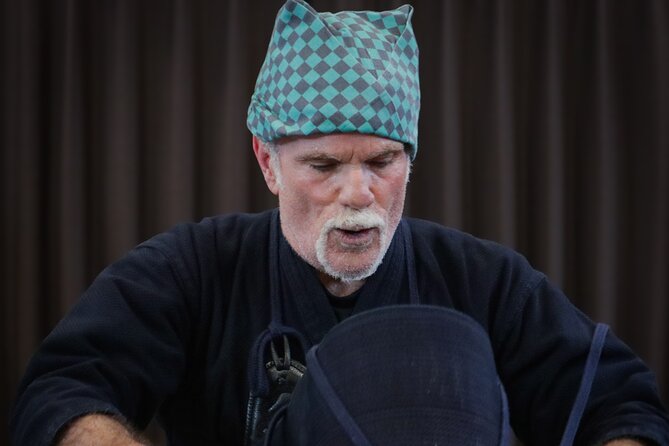
You do not need to pack special equipment. Kendo clothing and a bamboo shinai are provided, as are a T-shirt and pants to wear under the uniform. Bottled water is included as well.
This makes the activity easy to fit into a sightseeing day. You can arrive without a bag full of martial arts gear, and you do not need prior knowledge of how to wear the equipment. The clothing also helps shift the mood from ordinary sightseeing to formal practice.
The outfit is not just a costume. Kendo has rules of conduct and a strong sense of respect, so changing into the uniform helps you enter the setting properly. You are taking part in a real practice, not simply acting out a movie scene.
The experience provider does not list snacks among the inclusions. Eat beforehand if you know you need food during an active morning, since the package includes water but no snacks.
Learning Footwork, Posture, and the First Strikes
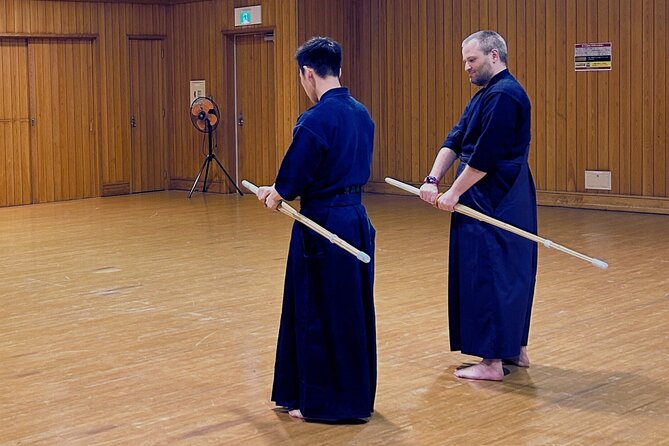
The session begins at a beginner-friendly level. You learn the basic position, how to hold the shinai, and how to move with control. Reviews of the session repeatedly point to the clear progression from fundamentals to stronger, more confident strikes.
That progression is important. A bamboo sword may look simple, but effective kendo movement depends on several details working together. Your feet, hands, body position, and attention must stay connected. The instructors break the movements into manageable parts before asking you to combine them.
You may find that previous experience in another martial art or fencing helps with footwork or concentration, but it is not required. Participants have joined with no martial arts background, and more than 90 percent of the people who take this experience are beginners.
The teaching style is active and encouraging. One participant with Taekwondo experience found the footwork slightly useful, while another with fencing experience enjoyed comparing the two forms. Those details suggest that the session can work for both complete beginners and people who already understand a little about combat sports.
Still, do not expect to master kendo in two hours. The value is in learning the foundations, feeling how the movements work, and deciding if you want to continue.
More samurai and ninja sessions:
- Tokyo: Samurai Ninja Museum Guided tour and Experience
★ 4.6 · 1,010 reviews - Best Samurai Experience in Tokyo
★ 5.0 · 458 reviews - Ninja Experience (Family Friendly) at Samurai Ninja Museum TOKYO
★ 5.0 · 441 reviews - Tokyo: Samurai Entertainment Night Show in Kanda Shrine
★ 4.6 · 417 reviews
The Mental Side of Bushido
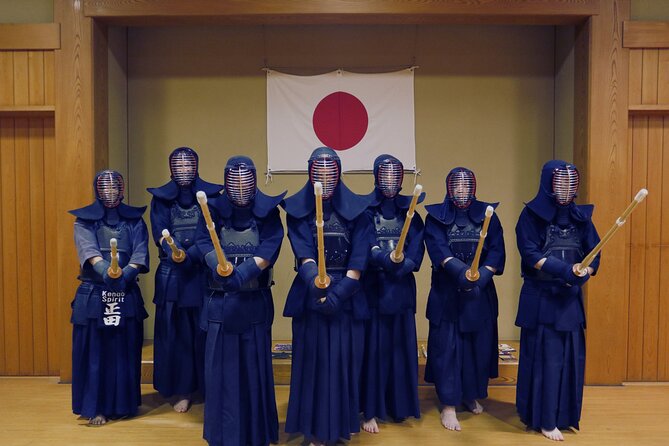
The physical practice is only half of the lesson. Kendo places attention on spirit, discipline, and judgment. You learn to keep your mind steady while facing another person, then act at the right moment rather than simply rushing forward.
The word Bushido is often used loosely in tourism, but this session gives you something more concrete. You practice respect, alertness, posture, and restraint through movement. You also learn that intensity does not mean losing control.
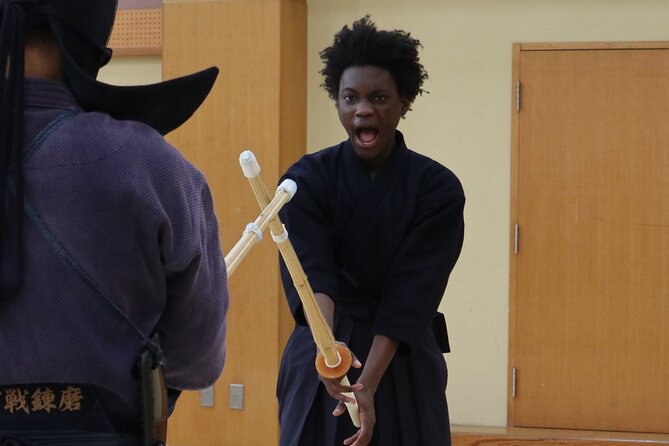
The kiai, or forceful shout used during a strike, is part of the experience. It can feel unfamiliar at first, but it helps connect breath, intention, and action. Participants have described becoming more energetic and focused as the session progressed.
I like this part because it gives the activity a purpose beyond learning how to swing a shinai. You are asked to use your body, but also to pay attention to your attitude. That makes the practice feel closer to a living cultural tradition than to a simple tourist demonstration.
The Practice Match at the End
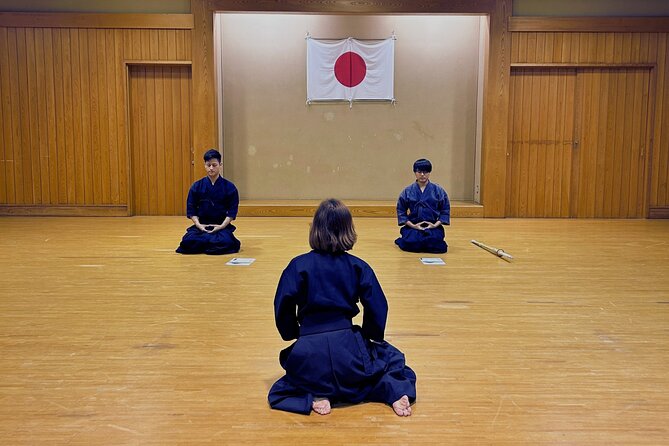
After working through the basic movements, you get a chance to face an instructor or assistant in a practice match. This is the point where the earlier lessons become useful. You must watch, react, keep your stance, and attempt a clean strike under pressure.
The match adds excitement, but it should not be confused with a full competitive kendo bout. The session is built for beginners, and instruction remains careful. The goal is to give you the feeling of an exchange and let you apply what you learned.
This final section has been a highlight for people who wanted more than a demonstration. It also gives you a clear sense of why timing matters. A powerful swing is not enough if your feet are out of position or your attention wanders.
You may even surprise yourself. One participant from China joked about winning against an assistant, while others simply enjoyed the challenge of putting the new skills together. The outcome matters less than the experience of moving from practice drills to a live exchange.
Photos, Video, and the Souvenir
A photographer takes photos and videos during the session. The files are sent to you by email afterward, so you do not have to rely on a friend standing at the side with a phone.
That is a useful feature for this kind of activity. Your hands are occupied, and stopping to take pictures would interrupt the practice. The photos also preserve the details that are hard to remember later, such as your first attempt at a strike or the moment you face an instructor.
A souvenir is included too. The supplied information does not specify what the souvenir is, so I would treat it as a pleasant extra rather than choose the activity for that item.
What the $132.14 Price Covers
At $132.14 per person, this is not the cheapest two-hour activity in Tokyo. The price makes more sense when you count what is included: instruction, a small group capped at eight people, kendo attire, underclothes, shinai rental, cultural tools, bottled water, a souvenir, and photographs and video sent afterward.
The small group is the biggest value point. In a large class, you could spend much of the session watching other people practice. With up to eight participants, the instructors have a better chance to correct your movements and keep you involved.
You are also paying for access to a working dojo and instruction from an active practitioner with 19 years of experience. That is different from a short stage show or a basic photo stop. If you want a physical cultural activity and hope to continue kendo after returning home, the cost is easier to justify.
The value is weaker if you only want a quick samurai photograph or a broad introduction to Japanese history. In that case, the two-hour physical session may be more than you need. This is best for someone who wants to participate, not just watch.
Who Will Get the Most From This Experience
I would choose this activity for you if you want a break from temples, shopping, and observation. It suits people who enjoy learning by doing and who like the idea of carrying a new skill home.
It is also a good choice for families with older children or teenagers who can follow careful instructions. A 12-year-old participant joined with a parent, and the experience included enough focus and movement to hold their attention. The information does not provide a formal minimum age, so families should confirm any age questions before booking.
Martial artists and fencers may enjoy the comparisons, but previous training is not necessary. The instructors expect beginners and teach from the ground up.
You should think twice if you have an injury or condition that makes standing, moving, or swinging difficult. The activity says most people can participate, but it remains a physical session. The provider does not give detailed medical guidance, so ask before booking if you have a concern.
Practical Details for a Smooth Morning
The session starts at 10 a.m. and lasts about two hours. Since it ends at the meeting point, you can plan lunch or another Nihonbashi activity afterward without arranging a separate return transfer.
Wear something comfortable for changing and moving. You do not need to bring kendo clothing or a shinai. The provider supplies those items, along with a T-shirt and pants for use beneath the uniform.
A mobile ticket is available, and booking confirmation arrives at the time of booking. The activity is near public transportation, but the exact station is not stated, so check your map carefully and leave a little extra time.
Free cancellation is available if you cancel at least 24 hours before the local start time. Changes or cancellations made within 24 hours are not accepted for a refund.
FAQ
How long does the Samurai Experience last?
The experience lasts approximately two hours.
What time does the activity begin?
The start time is 10 a.m.
Where does the experience meet?
It meets at Japan, 103-0024 Tokyo, Chuo City, Nihonbashikobunacho, 2-9 Sec Nihonbashi Building. The activity ends back at the meeting point.
Is the activity conducted in English?
Yes. Instructor Daichi has overseas work experience and speaks fluent English.
Do I need previous kendo or martial arts experience?
No. More than 90 percent of participants are beginners, and the instructors teach slowly and carefully.
What equipment is included?
Kendo attire, a bamboo sword called a shinai, and Japanese cultural experience tools are included.
Do I need to bring special clothing?
No. T-shirts and pants to wear under the kendo uniform are provided.
Are photos and videos included?
Yes. A photographer takes photos and video during the session, and the files are sent to you by email afterward.
How many people can join the activity?
The maximum group size is eight travelers.
Can I cancel for a full refund?
Yes, if you cancel at least 24 hours before the experience start time. Cancellations made less than 24 hours before the start are not refunded.
Should You Book This Kendo Experience?
Book it if you want to feel Japanese culture through your own movement. The strongest reasons are the working dojo, Daichi’s long kendo practice, the small group, the English instruction, and the chance to finish with a practice match.
Skip it if you want a quiet morning, a history lecture, or a quick costume photograph. At $132.14, this is a serious two-hour activity, but it offers more than a souvenir picture. You learn basic skills, test your focus, and get a direct look at how kendo turns Bushido ideas into disciplined action.
New on our Tokyo list
- From Tokyo: Mount Fuji & Hakone Full Day Private Tour★ 4.9 · 25 reviews
- Tokyo Spectacular View Day-Cruise in 90 Minutes★ 5.0 · 25 reviews
- Real Tokyo Runner Club : Daikoku Car Meet Night Tour with JDM Car★ 5.0 · 25 reviews
- 2.5 Hour-Guided Cycle Tour in the Central Tokyo★ 5.0 · 25 reviews
- Ramen Making from Scratch +Akihabara Tour –Cooking Class★ 5.0 · 25 reviews
- [Self-Drive] Tokyo & Daikoku Custom Car Driving Tour★ 4.9 · 25 reviews
- Tokyo: 2-Hour Night Bike Tour of the City’s Hidden Gems★ 4.9 · 25 reviews
- Samurai themed Entertainment show in Shinjuku★ 4.5 · 25 reviews
Samurai & Ninja Experiences, compared.
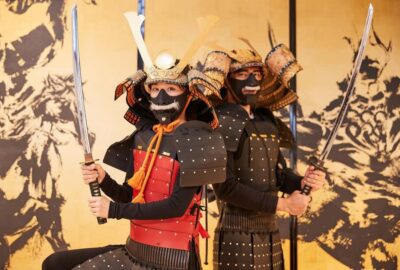
Samurai Ninja Museum Guided tour and Experience
Read our review →
Samurai Sword & Archery Class from Samurai Descendant
Read our review →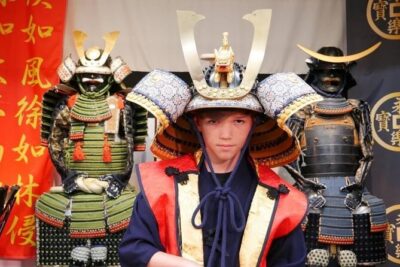
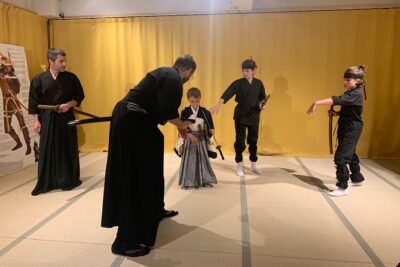
Ninja Experience (Family Friendly) at Samurai Ninja Museum TOKYO
Read our review →
Samurai Entertainment Night Show in Kanda Shrine
Read our review →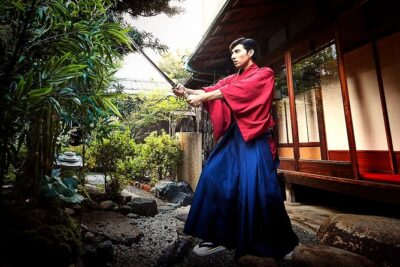
Tokyo Sword Experience – includes Museum Ticket/Ninja Experience
Read our review →
Samurai Ninja Museum Asakusa: Samurai Sword Lesson & Tour
Read our review →
Ninja Samurai 2-hour hands-on lesson by Japanese master in Tokyo
Read our review →Browse the lists this tour appears in