
Reviewed · TOKYO FOOD TOURS
Shinjuku: Food Tour – 15 Dishes at 4 Eateries
Shinjuku’s best food is often found behind an unassuming door, down a narrow lane, or inside a small izakaya where you would not know what to order. This three-hour walk takes you through Kabukicho, Omoide Yokocho, and Nishishinjuku, pairing local food with stories about Tokyo’s nightlife and customs.
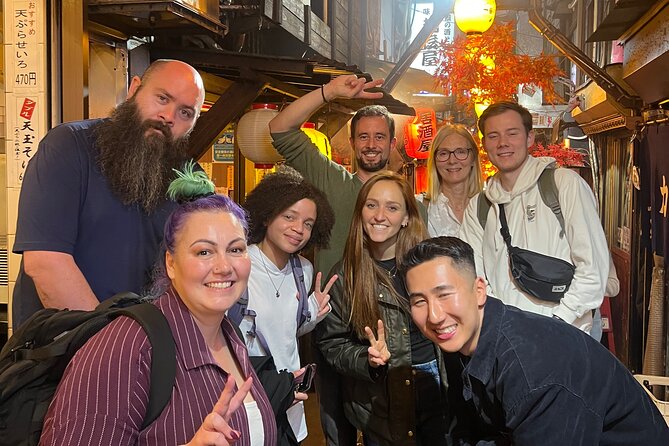
I like the 15 included dishes and drinks, which give you a broad taste instead of one large meal. I also like the small group limit of 10, since guides such as Dai, Mak, Lisa, Naoya, and Haydn can usually keep the conversation personal and help explain unfamiliar dishes.
The main caution is the walking. The stops are spread across Shinjuku, and one food stop may impress you more than another. If you want a slow evening in one excellent restaurant, this is not the right format.
In This Review
- Key points to know before booking
- Why this Shinjuku food walk works
- Starting near Nishishinjuku Station
- Kabukicho: food beside Tokyo nightlife
- Omoide Yokocho and the old izakaya atmosphere
- Nishishinjuku: the quieter restaurant side
- What you may eat and drink
- The guides make the difference
- Walking, timing, and comfort
- Is $77.60 a fair price?
- Who should book this food tour?
- My recommendation for Shinjuku evenings
- FAQ
- How long does the Shinjuku food tour last?
- How many dishes are included?
- Are drinks included?
- Where does the tour start?
- Where does the tour end?
- How large is the group?
- Which parts of Shinjuku does the route visit?
- Is the tour near public transportation?
- Can I cancel for a full refund?
Key points to know before booking
- Four eateries, 15 samples: You get a wide range of food rather than a single sit-down dinner.
- Three distinct Shinjuku areas: Kabukicho supplies the nightlife setting, Omoide Yokocho adds old Tokyo atmosphere, and Nishishinjuku brings you to local restaurants.
- Okinawan food may be on the menu: Several guides have included distinctive Okinawan dishes and sake sours.
- Small groups matter: The maximum is 10 people, a useful size for crowded streets and shared plates.
- Expect a filling evening: Food and drinks are included, and several people found the portions ample.
- The pace can be brisk: Wear comfortable shoes and stay close to the guide.
Why this Shinjuku food walk works
Shinjuku can feel like several cities packed into one district. It has one of the world’s busiest railway stations, more than 10,000 restaurants, luxury shops, office towers, narrow food alleys, and a famous entertainment quarter. That abundance is exciting, but it also makes dinner decisions hard.
This tour solves part of that problem. Instead of spending your first night staring at menus you cannot read, you follow a local guide to four places selected for the evening. You taste many small portions, learn how the food fits into Japanese life, and leave with a better sense of where you might want to eat later.
The strongest part is the combination of eating and walking. You are not simply moved from restaurant to restaurant. The route brings you through parts of Shinjuku that look very different from one another, with food stops acting as pauses between the stories.
The experience lasts about three hours and returns to the starting point. It is a useful choice early in a Tokyo stay because the guide can help you get your bearings, introduce dishes you may otherwise skip, and show you how different parts of Shinjuku connect.
More Tokyo food crawls:
- Tokyo: Shinjuku Food Tour (13 Dishes at 4 Local Eateries)
★ 5.0 · 6,603 reviews - Tokyo: Shinjuku Food Tour (15 Dishes and 4 Eateries)
★ 4.9 · 2,033 reviews - Best of Shinjuku: Izakaya Food Tour (4 Stops, 14+ Tastings)
★ 5.0 · 1,863 reviews
Starting near Nishishinjuku Station
The meeting point is AOKI Shinjukunishiguchi Honten at 1-chome-8-5 Nishishinjuku, Shinjuku City. The location is near public transportation, but Shinjuku Station is large enough to make a simple meeting point feel less simple than expected.
Give yourself extra time to reach the address. Keep the meeting details on your phone, since the tour uses a mobile ticket, and arrive ready to walk. Once the group is together, the guide leads you through the district rather than keeping you in one neighborhood.
A group capped at 10 is a real advantage here. Shinjuku’s sidewalks and lanes can be tight, and a very large group would make conversation and restaurant entry awkward. With a smaller party, you have a better chance to ask about ingredients, ordering customs, and the meaning behind the places you pass.
The guides named in the supplied material include Dai, Mak, Lisa, Naoya, Haydn, Yota, Alma, Naruto, Izzy, Fu, Akia, Agathe, Kaira, Lloyd, and Noah. Their styles will differ, but the best accounts describe guides who explain food, culture, and neighborhood history while keeping the evening moving.
Kabukicho: food beside Tokyo nightlife
The first major stop is Kabukicho, one of Tokyo’s largest entertainment districts. Neon signs, restaurants, bars, and late-night venues give this part of Shinjuku its famous look. The area is more than a photo stop, since the tour includes a meal at a local restaurant here.
Kabukicho can seem flashy and loud from the main streets, but the food experience usually takes place at a more ordinary local establishment. That contrast is useful. You see the public face of the district, then step into the smaller spaces where people actually eat and drink.
This is also where guides may discuss the area’s nightlife, red-light history, and connections to organized crime. Naruto, for example, was praised for explaining a narrow alley and a street associated with the yakuza era. That material may interest you, but it can also shape the tone of the tour. If you want a pure food lesson with little discussion of nightlife, ask your guide what the evening will emphasize.
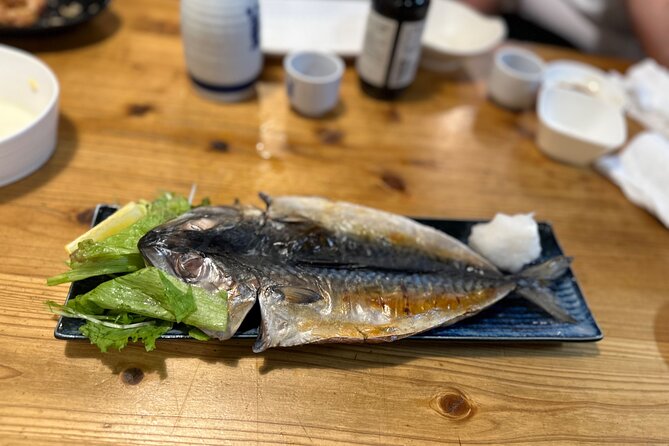
Food at this stage has included seafood, sashimi, and drinks such as sake sours. One especially strong account described about seven kinds of sashimi as fresh and filling. The exact dishes are not fixed in the information provided, so you should expect variety rather than a guaranteed menu.
The first stop is important for another reason: it sets the meal’s rhythm. You are tasting, not ordering a full plate for yourself. Shared dishes make it easier to try something new, though diners with strong allergies or strict dietary needs should confirm suitability before booking.
Omoide Yokocho and the old izakaya atmosphere
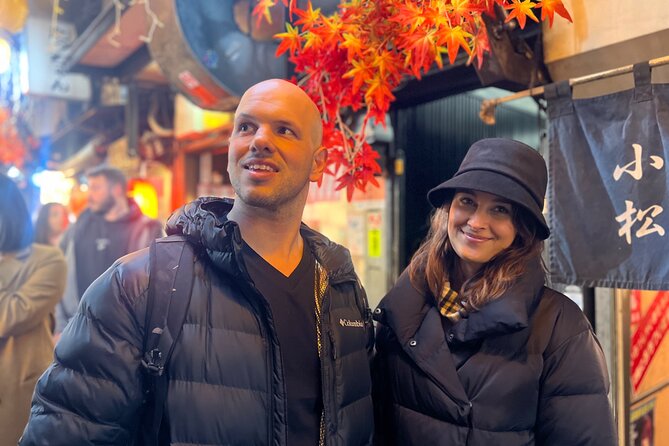
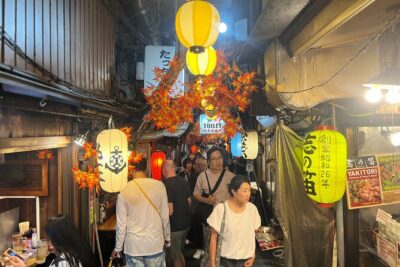
The route then passes Omoide Yokocho, often called Memory Lane. This narrow street is lined with old izakayas and restaurants dating to the postwar period, including the 1950s era.
You may not spend a full meal here, but the walk is one of the most atmospheric parts of the route. Tiny counters, closely packed seating, and cooking smells give you a sense of how informal Japanese drinking and dining can be. It is a place to look closely rather than rush through with your phone held up.
The stop is listed at about 15 minutes. That tells you what to expect: a short walk and introduction, not a long restaurant visit. The lane can be crowded, so listen carefully and stay close. A guide who explains the setting adds much more value than a guide who simply points at the signs.
This is also a good moment to ask practical questions about izakaya manners. How do shared plates work? What does a typical drink order look like? When is it polite to begin eating? The tour’s value is not just in the calories. It helps you feel less awkward when you return to a small Japanese restaurant on your own.
More Shinjuku nights and walks:
- Tokyo Bar Hopping Tour in Shinjuku (All-You-Can-Drink + Dinner)
★ 5.0 · 3,587 reviews - Tokyo: Shinjuku Local Bar and Izakaya Guided Walking Tour
★ 4.9 · 1,794 reviews - Tokyo Shinjuku Chopsticks Making Class
★ 5.0 · 1,763 reviews - Tokyo Shinjuku Sumo Show & Experience with Photo
★ 5.0 · 1,750 reviews
Nishishinjuku: the quieter restaurant side
The walk continues into Nishishinjuku, an area with many local restaurants that international visitors can easily miss. Here you dine at a local favorite, according to the planned route.
Nishishinjuku gives the evening a useful change of mood. Kabukicho is known for entertainment, while this part of the district feels more connected to everyday dining. You may find the food here less theatrical and more focused on what people order for a normal night out.
The menu can include Okinawan food, which several guides presented as a memorable part of the evening. Okinawan cooking adds variety to a Tokyo food tour because it draws on the southern islands’ own ingredients and traditions rather than repeating the most familiar sushi and ramen choices.
Pork tonkatsu has also been singled out as a particularly good dish. Other food may be simply solid rather than exceptional. That balance matters. Fifteen samples sound impressive, but not every item will match your favorite meal in Japan. The advantage is range: one dish may be seafood, another fried food, another a regional specialty, and the drinks can help tie the meal together.
The included food is generally meant to be substantial. Several descriptions say you will not leave hungry, and one calls the tour a good bargain because the food is plentiful and drinks are included at some stops. Still, the exact number of drinks and dishes at each restaurant can depend on the guide and the evening’s arrangements.
What you may eat and drink
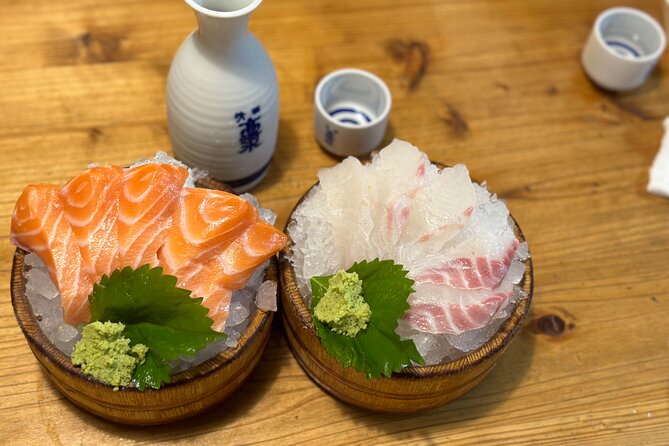
The tour promises 15 dishes at four eateries, but the exact menu is not published. That is normal for a food walk built around local restaurants, but it means you should book for discovery rather than for one specific dish.
The foods named in the supplied details include:
- Sashimi, with one evening offering around seven varieties
- Seafood
- Pork tonkatsu
- Okinawan dishes
- Other Japanese restaurant specialties
- Sake sours and other included drinks
The mix is one of the tour’s best features. You can compare textures and styles without committing to a whole serving. If you are new to Japanese food, a guide can explain what you are eating and how it is normally served.
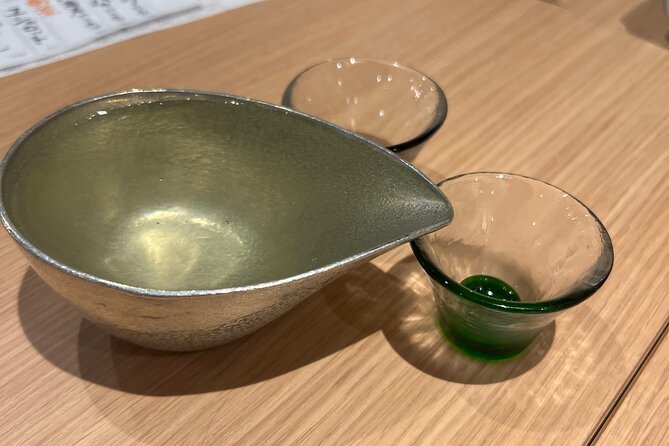
The drinks are part of the experience, not just an add-on. Sake sours have appeared on the route, and drink choices were available at two stops in one account. If you do not drink alcohol, tell the guide. One person who skipped alcohol could not comment on the drinks, but the tour still included plenty of food.
Do not assume every stop will have the same quality. One account praised the first eatery but found the later places less worthwhile. Another found the food average apart from excellent tonkatsu. That is the tradeoff of a multi-stop food walk: you gain range and access, but you give up control over every restaurant choice.
The guides make the difference
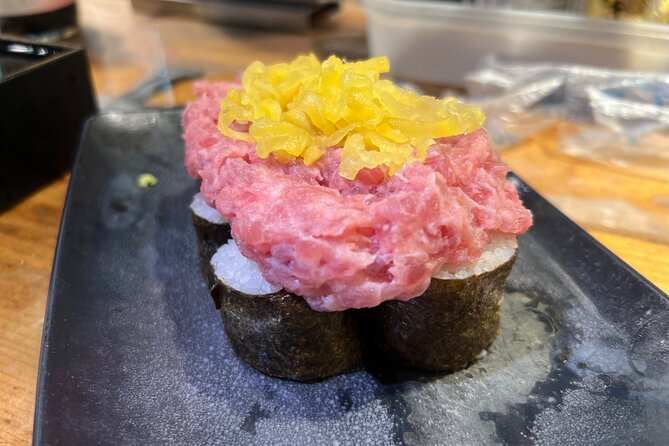
The guide is the most important variable in this experience. The food is fixed only in broad terms, while the guide determines how well the evening holds together.
Dai received repeated praise for being friendly, punctual, helpful, and good at adding historical and cultural details between meals. Mak was described as enthusiastic and well informed about Shinjuku and its foods. Lisa was noted for finding places visitors might not locate alone and for offering a good range of authentic dishes.
Other guides have their own strengths. Alma was described as entertaining with excellent English. Naruto brought a broad cultural view and explained Shinjuku’s darker historical side. Yota was praised for his food and drink explanations, while Naoya was credited with choosing stops that showed Tokyo’s range.
Haydn was especially useful for travelers who wanted more than eating. His approach included the area’s sights, history, culture, and food, with some flexibility when friends needed to join the same group. Lloyd and Noah were described as fun hosts with interesting local details.
These different accounts point to a practical truth: the same tour may feel different from one date to another. A strong guide will keep the group together, explain the dishes clearly, and make the walking feel purposeful. A weaker guide may walk too fast or speak mainly to the people nearest him. Stay near the guide, and speak up if you cannot hear.
Walking, timing, and comfort
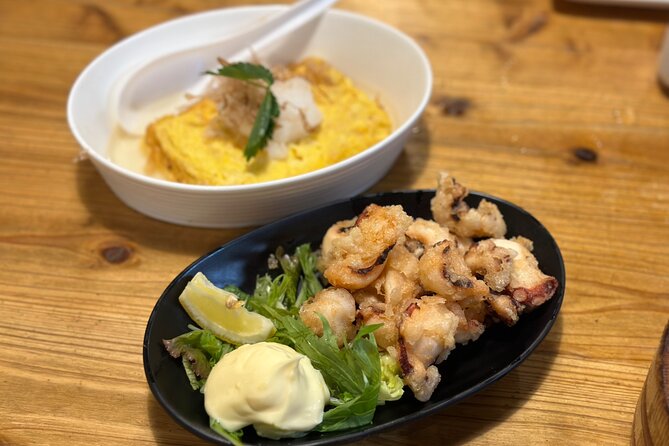
The tour takes about three hours, but it is not three hours at a table. You move through several parts of Shinjuku, with restaurant visits and neighborhood walks mixed together.
The distance between stops is the main physical concern. One account found the amount of walking excessive, even while praising the guides. Wear shoes you can walk in comfortably, and do not schedule a demanding activity immediately afterward.
A fast pace can also affect the social side of the tour. If the guide moves ahead, you may miss explanations or lose contact with the group. This is more likely to matter in Shinjuku, where busy streets and station areas can separate people quickly.
Most people can participate, and the activity is near public transportation. No special mobility details are provided, so contact the operator before booking if you have a condition that makes extended city walking difficult.
The route ends back at the meeting point. That is convenient if you want to continue exploring Shinjuku afterward, return to your hotel, or use the station to reach another part of Tokyo.
Is $77.60 a fair price?
At $77.60 per person, the price is not cheap by casual dinner standards. It becomes more reasonable when you count the three-hour guide service, 15 food and drink samples, four eateries, and the time saved finding suitable places in a huge district.
You are also paying for access and confidence. A guide can lead you into small restaurants that may be difficult to choose from outside, explain the menu, and make shared ordering simple. For a first night in Tokyo, that orientation has real value.
The price works best if you eat most of the included food and enjoy trying several styles. It works less well if you are a selective eater, do not drink, or would rather spend the same amount on one carefully chosen restaurant meal.
Gratuity is optional and not included. The tour is free to cancel up to 24 hours before the local start time for a full refund. Changes or cancellations inside that window are not accepted for a refund.
Who should book this food tour?
I would choose this tour for a first visit to Tokyo, especially if you are staying near Shinjuku or want an easy introduction to Japanese dining. It suits curious eaters who like small portions, local stories, and a social evening with a small group.
It is also a good fit for anyone nervous about ordering in tiny izakayas. The guide handles the route and food explanations, so you can focus on tasting and watching the neighborhood change around you.
Families with older children may enjoy the variety, though the nightlife setting and walking pace may not suit every family. Solo visitors and couples can also benefit from the group setting, since shared food naturally gives people something to discuss.
I would hesitate if your top goal is a high-end meal. The food can be very good, but the evening is designed around variety and access, not luxury. I would also think twice if you dislike walking or want to avoid any discussion of Kabukicho’s adult entertainment and yakuza history.
My recommendation for Shinjuku evenings
Book this experience if you want a practical introduction to Shinjuku food, nightlife, and local restaurant customs in one evening. The strongest reasons are the range of dishes, the chance to try Okinawan food and several sashimi varieties, and the small group size.
Book it early in your Tokyo stay if possible. You can use what you learn to plan later meals and return to the areas that interest you most. Stay close to your guide, wear good shoes, and keep your expectations focused on variety rather than four perfect restaurants.
Skip it if you want full control over the menu, minimal walking, or a single polished dinner. For everyone else, $77.60 buys a useful first taste of one of Tokyo’s most complicated food districts.
FAQ
How long does the Shinjuku food tour last?
The tour lasts approximately three hours.
How many dishes are included?
The experience includes 15 dishes at four eateries.
Are drinks included?
Yes. Food and drinks are included, with drink choices available at some of the stops.
Where does the tour start?
It starts at AOKI Shinjukunishiguchi Honten, 1-chome-8-5 Nishishinjuku, Shinjuku City, Tokyo 160-0023, Japan.
Where does the tour end?
The activity ends back at the meeting point.
How large is the group?
The tour has a maximum of 10 travelers.
Which parts of Shinjuku does the route visit?
The route includes Kabukicho, Omoide Yokocho, and Nishishinjuku.
Is the tour near public transportation?
Yes. The meeting area is near public transportation.
Can I cancel for a full refund?
Yes. You can cancel at least 24 hours before the local start time for a full refund. Cancellations or changes made less than 24 hours before the start are not accepted for a refund.
New on our Tokyo list
- From Tokyo: Mount Fuji & Hakone Full Day Private Tour★ 4.9 · 25 reviews
- Tokyo Spectacular View Day-Cruise in 90 Minutes★ 5.0 · 25 reviews
- Real Tokyo Runner Club : Daikoku Car Meet Night Tour with JDM Car★ 5.0 · 25 reviews
- 2.5 Hour-Guided Cycle Tour in the Central Tokyo★ 5.0 · 25 reviews
- Ramen Making from Scratch +Akihabara Tour –Cooking Class★ 5.0 · 25 reviews
- [Self-Drive] Tokyo & Daikoku Custom Car Driving Tour★ 4.9 · 25 reviews
- Tokyo: 2-Hour Night Bike Tour of the City’s Hidden Gems★ 4.9 · 25 reviews
- Samurai themed Entertainment show in Shinjuku★ 4.5 · 25 reviews
Tokyo Food Tours, compared.
Shinjuku Food Tour (13 Dishes at 4 Local Eateries)
Read our review →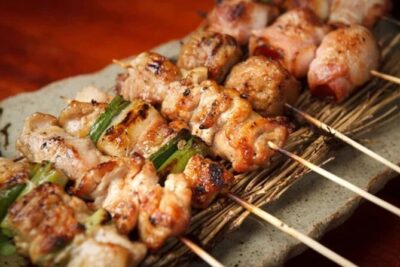
Shinjuku Food Tour (15 Dishes and 4 Eateries)
Read our review →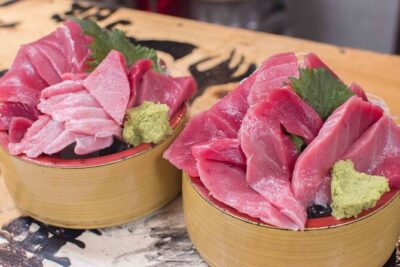
Best of Shinjuku: Izakaya Food Tour (4 Stops, 14+ Tastings)
Read our review →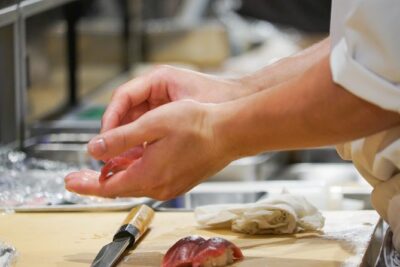
Tokyo Night Foodie Tour in Shinjuku – Seasonal Sushi, Wagyu Beef
Read our review →
Eat and Drink Like a Local: Tokyo Ueno Food Tour-Taverns&Ramen
Read our review →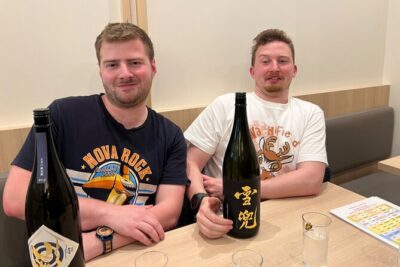
Tsukiji Fish Market: Street Food & Culture Walking Tour
Read our review →Shinjuku Food Tour – 15 Dishes, 3 Drinks, 4 Eateries
Read our review →Browse the lists this tour appears in