
Reviewed · SUSHI EXPERIENCES
Special sushi rolls only available in Japan Making Experience
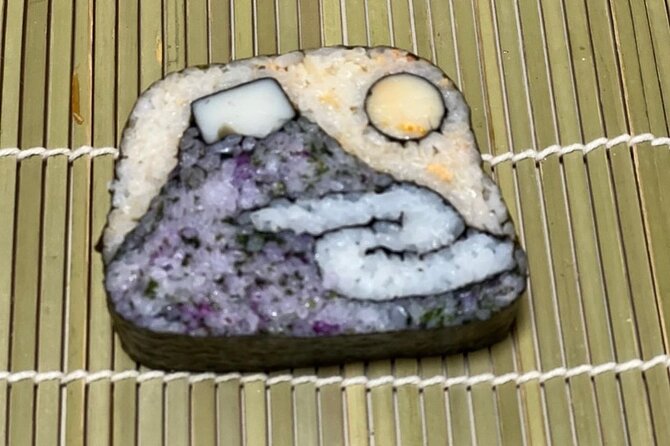
The clever trick here is that you do not simply learn to roll ordinary maki. You build picture sushi, layering colored rice, seaweed, and small decorations so the finished roll reveals a flower, animal, character, Santa, or even Mount Fuji when sliced. I like the one-to-one tuition and the chance to ask questions without holding up a group. I also like that your finished sushi is packed for takeout, so the class gives you both a meal project and a souvenir.
The main consideration is location. The meeting point is in Shinkashiwa, Kashiwa, Chiba, not central Tokyo. A Tokyo kitchen near Asakusa or Tokyo Skytree may be possible for an added rental fee, but you need to request that in advance.
In This Review
- Key points to know before booking
- The real attraction: sushi that tells a picture
- Meeting in Shinkashiwa, rather than central Tokyo
- A private class with room for questions
- How the two hours unfold
- Mixing colored rice
- Cutting seaweed and arranging the design
- Rolling and cutting
- Wrapping the sushi and taking a break
- What the price offers at $40.97
- Why the private format matters
- Best designs for different groups
- Who should book this sushi class?
- Booking details and cancellation
- Should you book it?
- FAQ
- Where does the sushi-making experience start?
- Does the activity take place in central Tokyo?
- How long does the class last?
- Is the class private?
- What kinds of sushi designs can I make?
- Can I take the sushi home?
Key points to know before booking
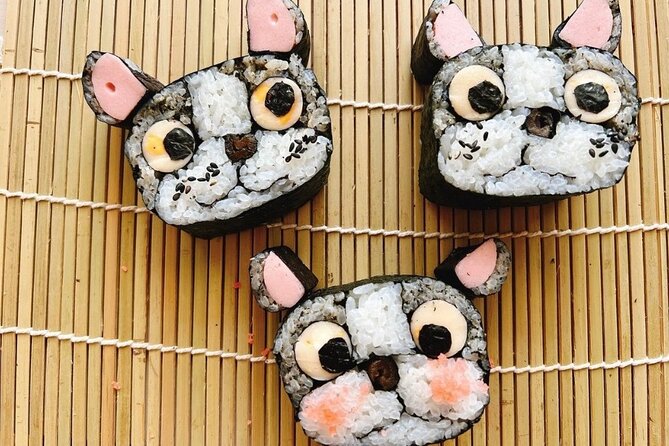
- Picture sushi, not just standard maki: Colored rice and careful layering create a design inside every slice.
- Private instruction with Yumi: Small bookings may take place at Yumi’s parents’ house, while larger groups use a communal kitchen.
- Good for first-timers: Yumi guides each stage, and no previous sushi-making experience is required.
- Choose a playful design: Options can include flowers, animals, cats, dogs, Minions, Mount Fuji, characters, or seasonal shapes such as Santa.
- Take your work home: Containers are provided after the rolls are cut and wrapped.
- Check the address carefully: The listed meeting point is Shinkashiwa Clinic in Kashiwa, Chiba, with the activity ending there.
The real attraction: sushi that tells a picture
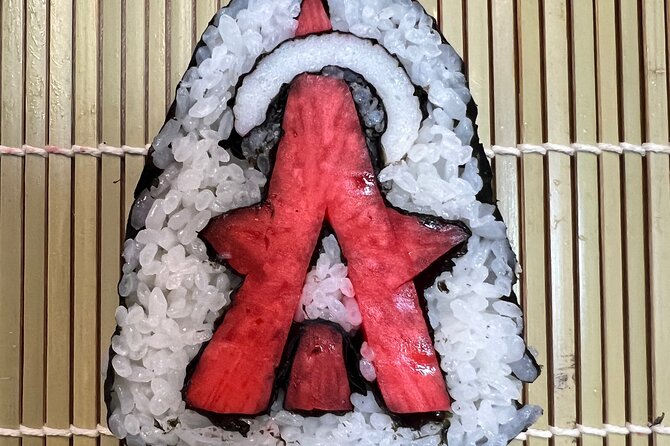
Most sushi classes teach you how to spread rice, place a filling, and roll it neatly. This experience takes a more playful route. You mix rice with ingredients that give it different colors, cut seaweed into useful shapes, add decorations, and arrange everything so the image appears only after the completed roll is sliced.
That reveal is the magic of the class. Before cutting, the roll can look like a tightly packed cylinder with no obvious design. Cut it into four pieces, and the internal pattern comes into view. You might see a flower, an animal, a character, Santa, or another chosen image.
I like this format because it gives you something specific to work toward. You are not simply practicing a technique and hoping the result looks presentable. You are following a small edible blueprint, with each strip of seaweed and patch of colored rice serving a purpose.
The result is also highly photogenic. That matters if you are looking for a Tokyo food activity that produces more than a quick meal. You can photograph the slices, then wrap the rolls and carry them away in the supplied containers.
More sushi mornings and classes:
- Sushi Making Tokyo Roll and Authentic Japanese Sushi Class
★ 5.0 · 3,971 reviews - Tokyo: Roll and Authentic Sushi Making Class in Asakusa
★ 4.9 · 1,957 reviews - Make Sushi and Create Unforgettable Memories in Tokyo
★ 5.0 · 1,413 reviews
Meeting in Shinkashiwa, rather than central Tokyo
The stated meeting point is Shinkashiwa Clinic, 1-chome-4-5 Shinkashiwa, Kashiwa, Chiba 277-0084. The activity returns to this same meeting point at the end.
This is the most important practical detail. The experience is described as a Tokyo activity, but the regular starting point is in Kashiwa, outside the central Tokyo sightseeing circuit. If you are staying around Asakusa, Ueno, Shinjuku, or Shibuya, allow extra time for the journey and check the route before booking.
A private kitchen in Tokyo may be arranged for an additional rental fee. Asakusa and the area near Tokyo Skytree are suggested choices, which could make the class easier to combine with sightseeing. You must add a special request stating where you would like the class to take place. Do not assume that a Tokyo kitchen is included in the advertised price.
The meeting point itself is listed as being near public transportation, which helps, but the supplied details do not give a precise station-to-station route. I would save the full address, confirm the meeting instructions after booking, and avoid planning a tight connection with another timed activity.
A private class with room for questions
The class lasts about two hours and is private, meaning only your group participates. That arrangement suits a hands-on activity particularly well. Sushi design requires small corrections, and you can stop to ask how much rice to use, where to place a seaweed strip, or how to keep the roll together.
Yumi is the named instructor associated with the class. The session is described as one-to-one tuition, though the exact format can vary with group size. Small groups may go to Yumi’s parents’ house. Larger groups are directed to a communal kitchen.
That setting difference is worth understanding. A small private group may get a more personal home-based experience, while a larger booking may have more space in a shared kitchen. The information does not promise a restaurant, formal culinary school, or professional studio, so book this for personal instruction and creative food-making, not for a polished chef demonstration.
The class also suits families. Yumi and her friends have been especially patient with two young daughters during one session, and a family group made Santa sushi together. Children who enjoy crafts, drawing, or building things may find the process easier to grasp than a conventional cooking lesson.
How the two hours unfold
A few more Tokyo bookings worth comparing
- Mt Fuji and Hakone 1-Day Bus Tour Return by Bullet Train
★ 5.0 · 26,383 reviews - 1-Day Tokyo Bus Tour
★ 5.0 · 14,250 reviews - Tokyo: TOKYO SKYTREE® Admission ticket
★ 4.5 · 11,192 reviews - Tokyo: teamLab Planets TOKYO Digital Art Museum Entry Ticket
★ 4.6 · 9,779 reviews
Mixing colored rice
The first working stage is preparing the rice and mixing in ingredients to create different colors. This step sets up the picture inside the roll.
You should expect the instructor to explain how the colored rice will be used in the design you choose. The color work is not just decoration placed on top. It forms the internal shapes that will become visible later, so the amount and placement matter.
This is also the part where you begin to see why picture sushi takes more care than a basic roll. A standard maki can be forgiving. A flower or animal needs the components to line up in the right order.
Cutting seaweed and arranging the design
Next comes cutting the seaweed, placing the colored rice, and adding other decorations. This is the most detailed part of the class.
You build the roll in stages rather than throwing all the ingredients onto a sheet and rolling it once. The instructor guides you through the order, which is useful if you have never made maki before. The private format means you can ask for help before a small mistake becomes a hidden problem inside the roll.
Design choices may include flowers, Minions, Mount Fuji scenes, dogs, cats, animals, or characters. Seasonal designs are possible too, with Santa sushi made during one class. Since the exact selection may depend on the session, include your preferred design in a special request if you have one in mind.
Rolling and cutting
Once the rice, seaweed, and decorations are in place, you roll the sushi into its final shape. The roll is then cut into four pieces.
This is the payoff. Only when the cylinder is sliced can you see whether the design has come together. The finished pattern may not be perfectly symmetrical, and that is part of the fun. You made it yourself, rather than receiving a display piece prepared by someone else.
For first-timers, the cutting stage can feel like a small test. Keep your expectations sensible. The aim is a creative lesson, not competition-level sushi presentation. The instructor’s step-by-step help makes the process approachable, but your result will still have a handmade look.
Wrapping the sushi and taking a break
After the rolls are cut, they are wrapped so you can take them home. Containers are provided, which is practical if you have more sightseeing planned or prefer to eat later.
The session ends with time for coffee, tea, and snacks. That gives you a chance to relax after the focused work of building the rolls. It also keeps the class from feeling like a rushed preparation line. Finally, you are taken back to the pickup point.
The supplied details do not specify how much sushi you make or whether a full meal is included. I would treat the class as a food-making activity with snacks afterward, not as a guaranteed restaurant lunch or dinner.
What the price offers at $40.97
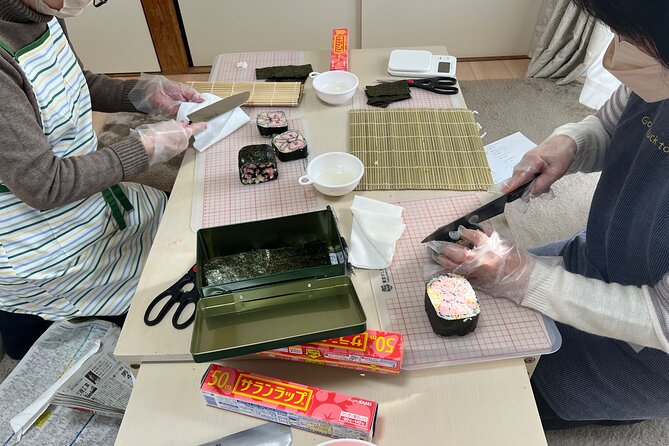
At $40.97 per person, this is reasonably priced for a private two-hour activity that includes instruction, ingredients, and takeout containers. The value comes from personal attention rather than a large quantity of food.
A regular sushi meal may cost less, especially if you are eating quickly at a casual restaurant. It will not give you the process, the design challenge, or the chance to ask an instructor how the roll is constructed. This class makes more sense if you value a skill and a memory as much as the food itself.
The price becomes harder to judge if you also pay for a private kitchen in Tokyo. That extra rental fee is not included in the listed per-person rate, so ask about the total cost before committing to a central Tokyo location.
I would see the experience as good value for couples, families, or a small group that wants a creative activity. Solo visitors should note that the class is private but may be priced per person, so the value depends on the booking arrangement and your interest in learning picture sushi.
The activity is commonly booked well ahead of time, with an average booking lead time of 56 days. That suggests planning early, especially if you want a particular date, a certain design, or a Tokyo kitchen rather than the regular Kashiwa location.
Why the private format matters
The strongest feature is the patient, personal guidance. Sushi looks simple until you try to make a design that must remain recognizable after cutting. Small changes in rice quantity or placement can change the final image.
Yumi’s teaching is especially useful for beginners. One family group with two young daughters found the pace accommodating, and another class included a son and husband with no maki-making experience. That points to a class built around participation, not prior cooking skill.
I would choose this over a large demonstration if you want to handle every stage yourself. You mix, cut, arrange, roll, and slice. You are not watching an expert perform the difficult work while you receive a prepared sample.
The tradeoff is that the private format may not deliver the social energy of a large cooking class. If you want to meet many other people, this is not the best match. Its strength is focus and flexibility.
Best designs for different groups
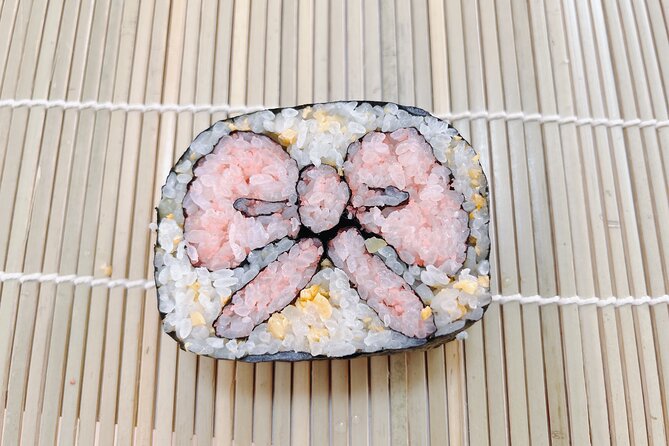
A flower design is a good choice if you want a classic picture-sushi result that photographs clearly. Animal shapes, cats, and dogs may work well for families or anyone who wants a cute souvenir.
Minions and character designs bring a playful pop-culture angle, while Mount Fuji gives the roll a specifically Japanese image. Santa sushi is a seasonal example, so ask what designs are available during your visit rather than assuming every option is offered year-round.
You can also use the class as a small celebration. The information does not list birthday or holiday packages, but the design-based format naturally suits a family day or a special occasion. Mention your preferred theme when booking and ask what can be prepared.
Because only the designs described by the instructor are supported, do not expect a completely free-form image request. The more detailed your design idea, the more important it is to confirm it in advance.
Who should book this sushi class?
I would recommend it most strongly to:
- Families with children who enjoy colorful, hands-on activities
- First-time sushi makers who want close guidance
- Couples seeking a creative food activity rather than another restaurant meal
- Small private groups who want to work at their own pace
- Visitors who enjoy photographing unusual food
- Anyone who wants to carry a homemade Japanese snack or souvenir away afterward
You may want to skip it if your schedule is packed around central Tokyo and you do not want to travel to Kashiwa. The possible Tokyo kitchen option helps, but it may raise the cost and requires a special request.
I would also choose another activity if your main goal is learning professional sushi-chef skills. This class focuses on decorative rolls, colored rice, and enjoyable construction. It is not described as a course in fish selection, knife skills, or traditional sushi-counter technique.
Booking details and cancellation
Confirmation is received at the time of booking, and mobile tickets are supported. The activity is private, with only your group participating.
Free cancellation is available if you cancel at least 24 hours before the local start time. Cancellations made less than 24 hours ahead are not refunded, and late changes are not accepted. That policy is straightforward, but the location request makes it wise to settle your transport plans before the final day.
Should you book it?
Book this class if you want to make something unusual, need a family-friendly activity, or like the idea of revealing a picture inside your sushi roll. Yumi’s patient step-by-step approach, the private setting, and the takeout containers make the experience practical as well as fun.
Before paying, check the address. If you are happy to travel to Shinkashiwa in Kashiwa, the $40.97 price offers a personal two-hour lesson with ingredients included. If you need central Tokyo, request a kitchen near Asakusa or Tokyo Skytree and confirm the added rental charge.
For a first sushi lesson, this is a good choice when creativity matters more than formal culinary training. Just bring realistic expectations: you are making charming handmade picture sushi, not training behind a Tokyo sushi counter.
FAQ
Where does the sushi-making experience start?
The regular meeting point is Shinkashiwa Clinic, 1-chome-4-5 Shinkashiwa, Kashiwa, Chiba 277-0084, Japan.
Does the activity take place in central Tokyo?
Not normally. The stated meeting point is in Kashiwa, Chiba. A kitchen near Asakusa or Tokyo Skytree may be possible for an added rental fee if you make a special request.
How long does the class last?
The experience lasts approximately two hours.
Is the class private?
Yes. Only your group participates in the activity. Small bookings may go to Yumi’s parents’ house, while larger groups may use a communal kitchen.
What kinds of sushi designs can I make?
Possible designs include flowers, animals, dogs, cats, Minions, Mount Fuji scenes, and characters. Santa sushi has also been made in a class. Your preferred design should be included as a special request.
Can I take the sushi home?
Yes. After cutting the rolls, they are wrapped and placed in takeout containers. Coffee, tea, and snacks are also provided before the activity ends back at the meeting point.
New on our Tokyo list
- Sumi-e Experience in a relaxing green tea shop in Tokyo★ 5.0 · 3 reviews
- Tokyo : Kamikaze Street Drift Ride★ 5.0 · 3 reviews
- Private Zen Meditation in English in Shinjuku, Tokyo★ 5.0 · 3 reviews
- Onsen Spa in Tokyo and Asakusa Bar Hopping with Local Guide★ 5.0 · 3 reviews
- Easy for everyone! Now you can play handmade mini shamisen and show off to everyone! Musical instruments, sweets and live music★ 5.0 · 3 reviews
- Tokyo: Private Tsukiji Street Food & Sake with Local Guide★ 5.0 · 3 reviews
- Mt Fuji Exploration Tour with Free Japanese Kusa Mochi from Tokyo★ 4.5 · 3 reviews
- Tokyo Tsukiji Fish Market Walking and Exploring Hidden Gems Tour★ 5.0 · 3 reviews
Sushi Experiences, compared.
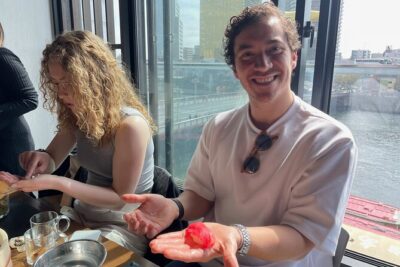
Sushi Making Tokyo Roll and Authentic Japanese Sushi Class
Read our review →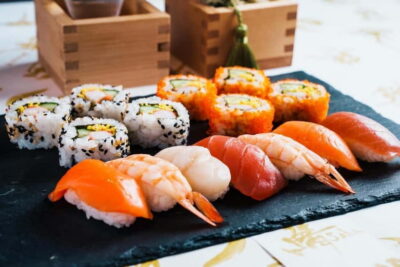
Roll and Authentic Sushi Making Class in Asakusa
Read our review →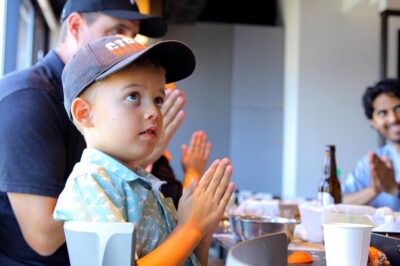
Make Sushi and Create Unforgettable Memories in Tokyo
Read our review →
Sushi Making Class in a Happi Coat near a Famous Spot
Read our review →
Tokyo Sushi Making Class in Tsukiji with Professional Chef
Read our review →
Tokyo Night Foodie Tour in Shinjuku – Seasonal Sushi, Wagyu Beef
Read our review →
Tsukiji Fish Market Guided Tour and Sushi Making with Pro Chef
Read our review →
Tsukiji Fish Market Sushi Making Class with Pro Chef
Read our review →Browse the lists this tour appears in