
Reviewed · TEMPLE & SHRINE TOURS
Sumida Riverside Walk: Garden &Temple Ritual (4 Meeting Points)
The most appealing part of this Tokyo outing is its change of pace. Instead of racing between famous sights, you walk beside the Sumida River, pause in Kiyosumi Garden, and spend time at a working temple where small rituals still shape ordinary life. Guide Hiroyuki also knows how to add local color, with one tour including an extra museum visit.
I like the small group size, capped at six, and the thoughtful mix of nature and religion. I also like that the tour leaves you time to look, ask questions, and continue your day. The main consideration is that the tour begins at 8:30 am and includes steady walking, so late risers and visitors wanting a major landmark checklist may find it too quiet.
In This Review
- Key points
- A quiet start beside the Sumida River
- Fukagawa Fudōson and the small actions of faith
- Kiyosumi Garden, stones, water, and a miniature Mount Fuji
- What Hiroyuki adds to the morning
- A three-hour plan that protects the rest of your day
- Is $48.86 a fair price?
- Who will enjoy this Tokyo walk most
- Practical details before you book
- Should you book the Sumida Riverside Walk?
- FAQ
- Where does the Sumida Riverside Walk begin?
- What time does the tour start?
- How long does the experience last?
- Where does the tour end?
- How far is the temple from public transportation?
- How many people can join the tour?
- Is admission to Kiyosumi Garden included?
- Is the tour available with a mobile ticket?
- Can I cancel for a full refund?
Key points
- A six-person maximum keeps the walk personal and makes questions easy.
- Kiyosumi Garden offers stones, water, bridges, and a miniature Mount Fuji in a calm city setting.
- Fukagawa Fudōson shows Japanese spirituality through omikuji, temple spaces, and possibly a powerful fire ritual.
- The Sumida River route gives you a slower look at Tokyo, including a historic iron bridge.
- Hiroyuki’s explanations connect old customs with present-day Japanese life.
- The $48.86 price is fair if you value a guide, cultural context, and a low-stress morning rather than a long list of paid admissions.
A quiet start beside the Sumida River
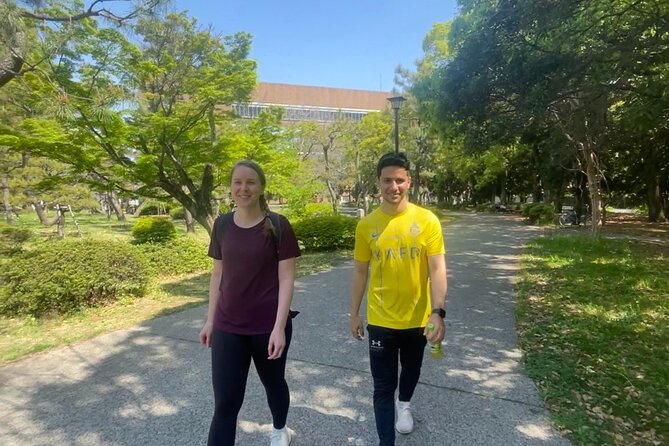
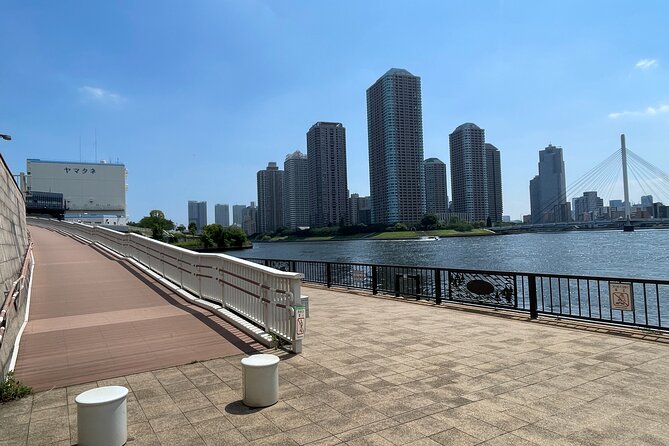
Tokyo is often presented as a city of neon streets, packed trains, and famous crossings. This walk offers a different morning. You begin near Fukagawa Fudōson in Koto City and head toward the Sumida River, where the first part of the outing sets a slower rhythm.
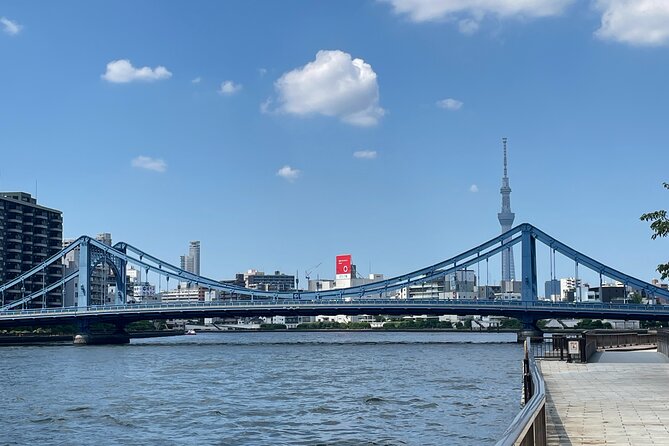
The river walk lasts about 35 minutes. Along the way, you pass a historic iron bridge and get your bearings in an older part of the city. The route also brings together the two major stops that follow: Kiyosumi Garden, with more than a century of history, and Fukagawa Fudōson, a temple with more than 300 years of history.
That combination matters. You are not simply moving from one attraction to another. The walk gives you a sense of how waterways, gardens, neighborhoods, and temples fit together in Tokyo. It also helps you notice the contrast between the city’s modern scale and its quieter local corners.
The river segment is not a long nature hike, and you should not expect a dramatic panorama at every step. Its value is in the pace and the setting. With Hiroyuki explaining what you are seeing, an ordinary bridge or riverside view can become part of a larger story about the area.
More temples and shrines near Tokyo:
- Tokyo: Meiji Shrine, Asakusa, Skytree Bus Tour and Cruise
★ 4.7 · 1,986 reviews - Tokyo: Asakusa Walking Tour with Sensoji Temple Visit
★ 4.8 · 1,583 reviews - Nikko: Kegon Falls, Lake Chuzenji & Toshogu Temple
★ 4.6 · 1,577 reviews
Fukagawa Fudōson and the small actions of faith
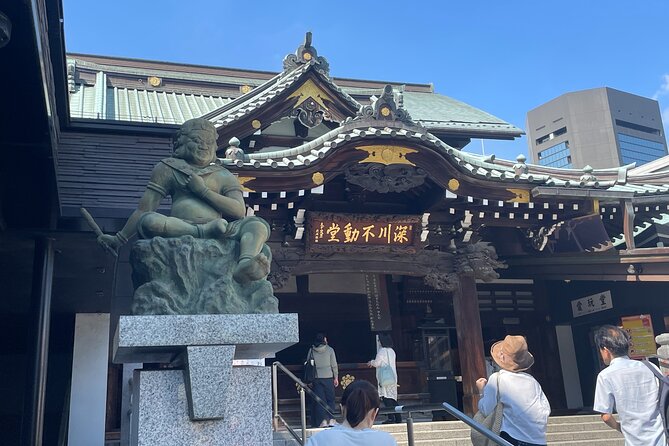
Fukagawa Fudōson is both the starting and ending point, making the tour simple to manage. The temple sits at 1-chōme-17-13 Tomioka in Koto City, and it is about a four-minute walk from Monzen-Nakachō Station.
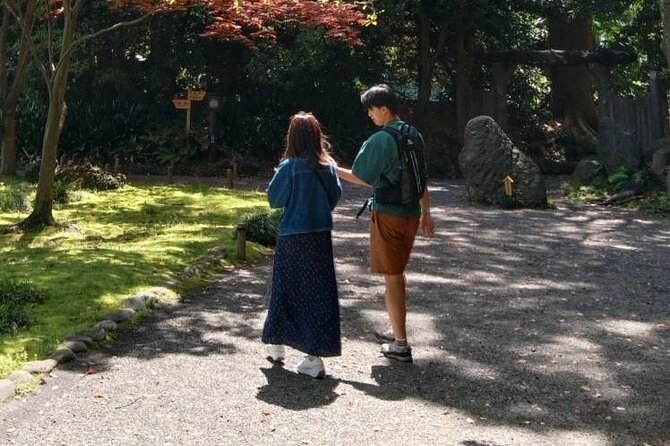
The temple visit lasts around an hour, longer than the garden visit. That extra time gives you room to look closely and ask questions instead of making a quick stop for photographs. The focus is on how people express spirituality through daily actions and quiet customs.
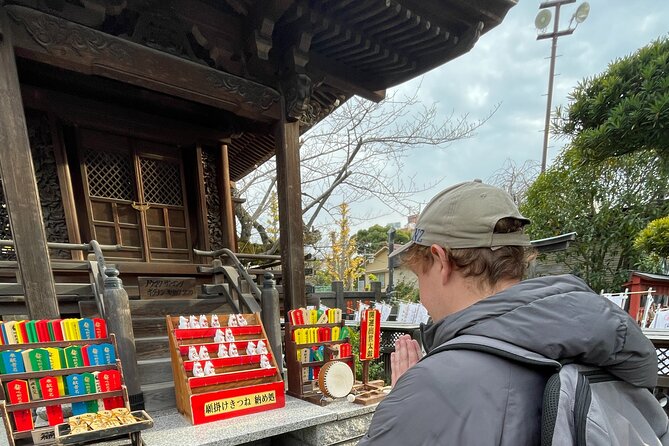
One example is omikuji, the traditional fortune slips found at many Japanese temples and shrines. You can learn how this practice fits into a visit and why these small acts matter. The experience is less about a formal lecture and more about seeing religion as something woven into ordinary routines.
Temple architecture also receives attention. The details may be easy to pass by when you visit alone, especially if you are unsure what is appropriate or what a particular feature means. A guide can point out the parts that deserve a closer look while helping you approach the space with respect.
A particularly memorable element may be the fire ritual. One person who took the tour singled it out as the favorite part of the morning. The supplied information does not promise that every departure will include the ritual, so treat it as a possible highlight rather than a guaranteed performance. If it is taking place, it can give the temple visit a more direct sense of ceremony and sound.
The temple is not presented as a museum piece. That is an important distinction. You are looking at a living religious place, where visitors may be praying, making offerings, drawing fortunes, or simply passing through. Hiroyuki’s role is useful here because he can explain customs without turning them into a display.
Kiyosumi Garden, stones, water, and a miniature Mount Fuji
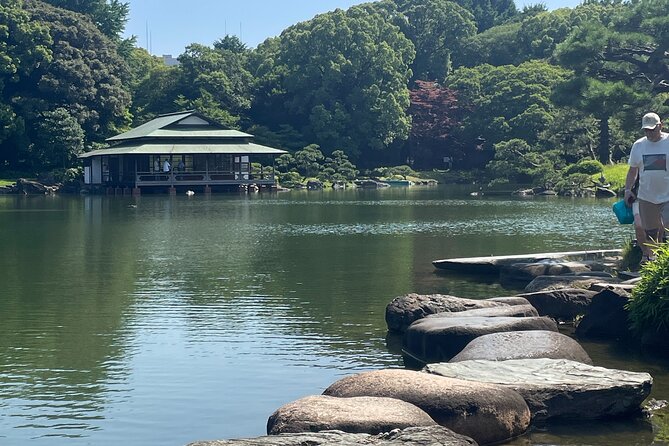
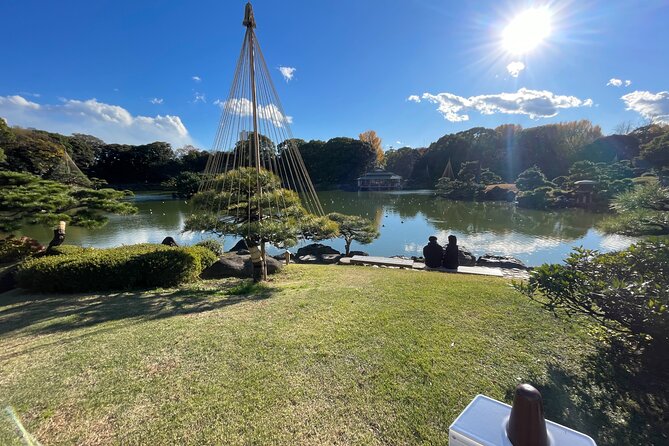
Kiyosumi Teien provides the tour’s quietest pause. The garden is over 100 years old and is shaped around Japanese ideas of balance, harmony, and respect for nature. The visit lasts about 40 minutes, with admission included in the tour price.
Expect a garden arranged around stones and water rather than a broad park made for fast walking. The appeal is in the careful placement of natural elements and the way silence changes your sense of time. You can slow down, take photographs, and notice how the garden frames small details.
A miniature Mount Fuji is one of the specific features that makes this stop memorable. It is not the real mountain, of course, but it adds a playful and symbolic touch to the garden’s design. If you are comparing this outing with a standard city tour, this is the kind of detail that gives the morning a distinct character.
The 40-minute visit is enough for a meaningful look, but not enough for an exhaustive study of every corner. That is both a benefit and a limit. You do not spend half your day in one garden, yet anyone hoping to sit for a long time or explore at an unhurried pace may want to return later on their own.
The garden also gives useful balance to the temple stop. At Fukagawa Fudōson, the focus is belief and ritual. At Kiyosumi Teien, the focus shifts to designed nature and quiet observation. Together, the two places show different sides of Japanese culture without forcing them into the same category.
What Hiroyuki adds to the morning
A garden and a temple can be visited without a guide. The question is what you gain by joining a small walking tour. Here, the answer is context and access to local details that are easy to miss.
Hiroyuki is described as friendly and attentive, and the experience is designed to leave enough time for questions. That matters in a cultural tour. You can ask about a custom as it appears in front of you rather than trying to remember questions for a later explanation.
The guide also appears willing to adjust the experience when the situation allows. One outing included an extra museum visit, though that should be viewed as a possible addition rather than part of the fixed plan. You should not book this tour expecting the museum stop, but it suggests that the morning may have some flexibility.
The strongest praise centers on learning. The tour connects old and new aspects of Japanese culture and explains local places that can be difficult to find without someone familiar with the neighborhood. That makes it particularly useful during a first Tokyo visit, when you may recognize major districts but still struggle to understand how local life works beyond the headline sights.
The group limit of six is another practical strength. A large group can make a temple explanation feel distant and can turn a garden walk into a follow-the-flag exercise. With six or fewer people, you have a better chance to hear clearly and get an answer tailored to your interests.
More walking routes in Tokyo:
- Tokyo Tsukiji Fish Market Food and Culture Walking Tour
★ 5.0 · 3,184 reviews - Tokyo: Imperial Palace and Shogun Historical Walking Tour
★ 5.0 · 2,251 reviews - Tokyo: Shinjuku Local Bar and Izakaya Guided Walking Tour
★ 4.9 · 1,794 reviews - Tokyo: Tsukiji Fish Market Food and Walking tour
★ 5.0 · 1,724 reviews
A three-hour plan that protects the rest of your day
The tour begins at 8:30 am and takes about three hours. It ends back at Fukagawa Fudōson, so you do not need to arrange a separate return transfer or work out where the route finishes.
The stated stops add up to roughly 35 minutes at the river, one hour at the temple, and 40 minutes in the garden. The remaining time allows for walking between places, explanations, questions, and the natural pauses that make a small group tour pleasant rather than rushed.
Finishing around late morning is useful. You can continue exploring Tokyo afterward, perhaps with lunch or another neighborhood visit. The tour does not consume the full day, which improves its value for people with limited time.
The early start is worth weighing. At 8:30 am, you need to reach Fukagawa Fudōson on time, and the morning schedule may not suit you after a late arrival or a long night. On the other hand, an early start can make the experience feel calmer and leaves your afternoon open.
The activity is near public transportation, and Monzen-Nakachō Station is only about four minutes away on foot. The mobile ticket is convenient, since you can keep the booking on your phone rather than arrange a printed voucher.
Is $48.86 a fair price?
At $48.86 per person, this is not simply an admission bundle. The paid garden entry is included, while the temple and river portions do not list separate admission charges. Much of the price pays for Hiroyuki’s time, route planning, translation of cultural details, and the ease of moving through several places in one morning.
I consider that reasonable for a maximum group of six. A private guide would usually cost more, while a large bus or walking group would offer less personal attention. The value is strongest if you want explanations and local orientation, not just access to a garden and temple.
The price may feel less attractive if you are comfortable visiting independently. Kiyosumi Garden and Fukagawa Fudōson can be placed into a self-guided day, and the river walk itself is free. In that case, you are paying mainly for the cultural interpretation and the chance to ask questions.
The extra value comes from the pairing. A garden visit alone can be lovely but brief. A temple visit alone can leave you uncertain about customs. The guide links them into a coherent morning, then leaves you with plenty of time for your own plans.
Who will enjoy this Tokyo walk most
I would recommend the experience to you if you want a calmer introduction to Tokyo and prefer local texture over a checklist of major sights. It suits first-time visitors who want help understanding Japanese customs, as well as repeat visitors looking for a different side of the city.
It is a good match for people interested in:
- Japanese gardens and design
- Temple customs and omikuji
- Small-group guiding
- Gentle city walks
- Local neighborhoods away from the usual crowds
- A morning activity that ends before the main part of the day
The tour may be less suitable if you want a high-energy route packed with famous landmarks. It also may not work well for anyone who dislikes early starts or walking between several stops.
Most people can participate, according to the supplied tour information, but you should still be comfortable walking for the duration of the outing. The experience is described as a walk rather than a seated sightseeing trip.
Practical details before you book
Meet at Fukagawa Fudōson, also called the Naritasan Tokyo branch temple, at 8:30 am. The address is 1-chōme-17-13 Tomioka, Koto City, Tokyo 135-0047, Japan.
The tour both starts and ends at the temple. That is helpful if you are using the activity as a simple morning plan, since you return to a known location near Monzen-Nakachō Station.
The maximum group size is six people. Booking confirmation is provided at the time of booking, and the mobile ticket makes arrival straightforward.
Free cancellation is available up to 24 hours before the local start time for a full refund. Cancellations or changes made less than 24 hours before the start are not refunded or accepted, so check your Tokyo plans before committing.
Should you book the Sumida Riverside Walk?
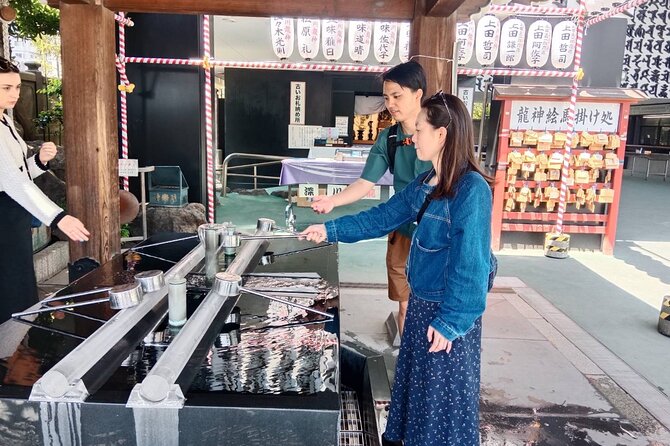
Book it if you want a gentle, informative morning built around ordinary Japanese religious practice, garden design, and a quieter river route. The small group, Hiroyuki’s personal explanations, and the possible fire ritual give it more substance than a basic sightseeing stroll.
Skip it if your priority is Tokyo’s biggest landmarks, shopping districts, or a full-day schedule with constant movement. For the right person, $48.86 buys something useful: a calm route, a small group, and help noticing what you might otherwise walk past.
FAQ
Where does the Sumida Riverside Walk begin?
The tour begins at Fukagawa Fudōson, also known as the Naritasan Tokyo branch temple, at 1-chōme-17-13 Tomioka, Koto City, Tokyo 135-0047, Japan.
What time does the tour start?
The start time is 8:30 am.
How long does the experience last?
The tour lasts approximately three hours.
Where does the tour end?
The tour ends at Fukagawa Fudōson, the same temple where it begins.
How far is the temple from public transportation?
Fukagawa Fudōson is about a four-minute walk from Monzen-Nakachō Station.
How many people can join the tour?
The group has a maximum of six participants.
Is admission to Kiyosumi Garden included?
Yes. Admission to Kiyosumi Garden is included in the tour price.
Is the tour available with a mobile ticket?
Yes. The experience includes a mobile ticket.
Can I cancel for a full refund?
Yes, if you cancel at least 24 hours before the local start time. Cancellations made less than 24 hours before the start are not refunded.
New on our Tokyo list
- Sumi-e Experience in a relaxing green tea shop in Tokyo★ 5.0 · 3 reviews
- Tokyo : Kamikaze Street Drift Ride★ 5.0 · 3 reviews
- Private Zen Meditation in English in Shinjuku, Tokyo★ 5.0 · 3 reviews
- Onsen Spa in Tokyo and Asakusa Bar Hopping with Local Guide★ 5.0 · 3 reviews
- Easy for everyone! Now you can play handmade mini shamisen and show off to everyone! Musical instruments, sweets and live music★ 5.0 · 3 reviews
- Tokyo: Private Tsukiji Street Food & Sake with Local Guide★ 5.0 · 3 reviews
- Mt Fuji Exploration Tour with Free Japanese Kusa Mochi from Tokyo★ 4.5 · 3 reviews
- Tokyo Tsukiji Fish Market Walking and Exploring Hidden Gems Tour★ 5.0 · 3 reviews
Temple & Shrine Tours, compared.
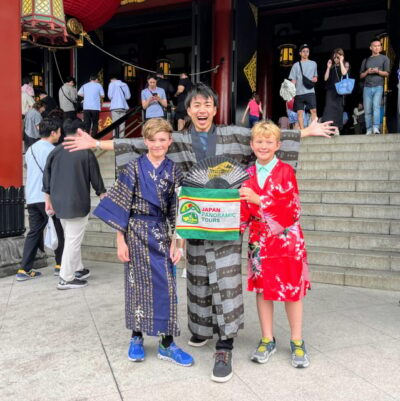
Meiji Shrine, Asakusa, Skytree Bus Tour and Cruise
Read our review →
Asakusa Walking Tour with Sensoji Temple Visit
Read our review →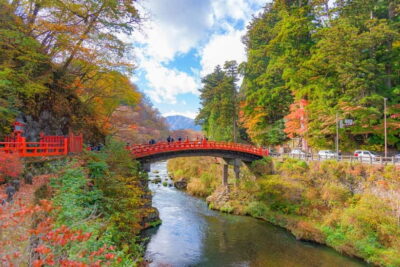
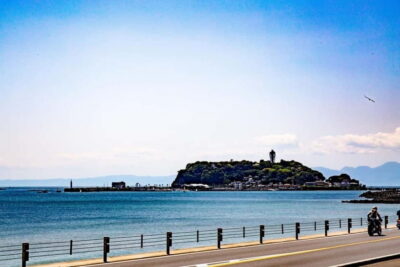
Kamakura & Enoshima Day Trip including Temple Tickets
Read our review →
Nikko Toshogu Shrine and Kegon Waterfall Tour
Read our review →
Tokyo Panoramic 1 Day: Meiji Shrine, Asakusa, Odaiba and SKYTREE®
Read our review →
Mt. Fuji Heritage Tour: Traditional Villages, Lakes & Shrine
Read our review →Browse the lists this tour appears in