
Reviewed · TEMPLE & SHRINE TOURS
Sumida Riverside Walk:Garden&Temple Ritual(4 Meeting Points)
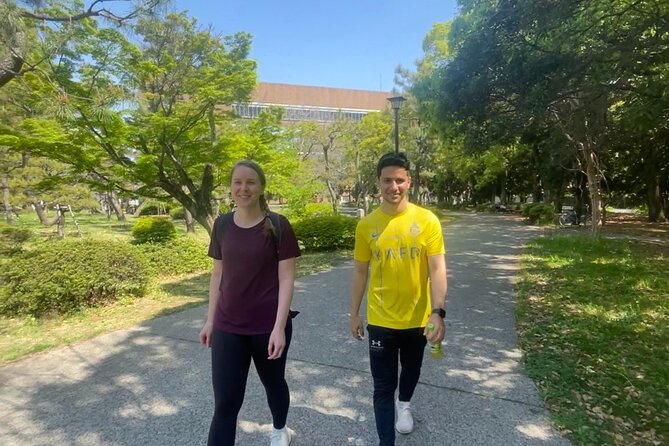
The most memorable part of this experience is the change of pace. You begin with a carefully designed garden, follow the Sumida River through quieter city streets, then enter Fukagawa Fudo-do, where religious practice is still part of daily life. The goma fire ritual gives the morning a strong finish rather than ending with another photo stop.
I like the small group limit of four, which makes it easier to ask questions and keep a steady walking pace. I also like the practical setup: your guide meets you at one of four central locations and travels with you by train to Kiyosumi Garden. The main consideration is timing. With three guided stops packed into three hours, you need to arrive on time, and anyone more than 10 minutes late may miss the group.
In This Review
- Key points at a glance
- Why this Tokyo morning feels different
- Starting from one of four Tokyo meeting points
- Kiyosumi Garden and the art of a quiet view
- Following the Sumida River for 40 minutes
- Entering Fukagawa Fudo-do and its active faith
- The goma fire ritual is the morning’s centerpiece
- What the guide and group size add
- Who should book this experience
- Practical value at $48 per person
- My call: book it for a slower side of Tokyo
- FAQ
- How long does the Sumida Riverside Walk experience last?
- What language is the tour conducted in?
- How many people can join the group?
- Where can I meet the guide?
- Does the guide travel with the group to Kiyosumi Garden?
- Is admission to Kiyosumi Garden included?
- Is admission to Fukagawa Fudo-do included?
- How much time is spent at Kiyosumi Garden?
- How much time is spent at the Sumida River?
- What happens if I arrive more than 10 minutes late?
Key points at a glance
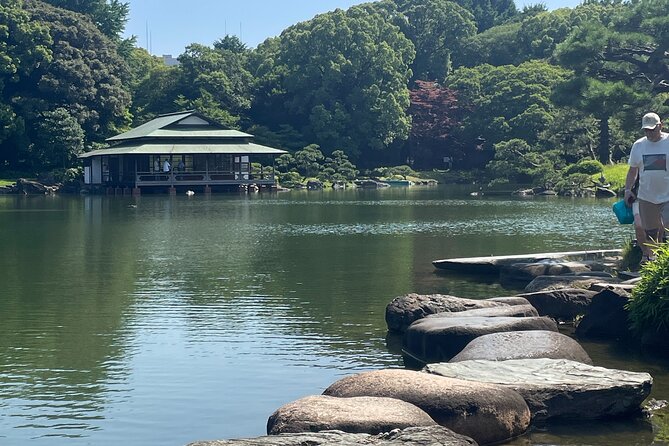
- Kiyosumi Garden for 40 minutes: See a traditional Japanese garden and learn how its plants, paths, and views were arranged.
- A calm Sumida River walk: Spend about 40 minutes beside the water, with passing boats and quieter city views.
- Fukagawa Fudo-do for 45 minutes: Visit a temple with more than 400 years of history and an active religious setting.
- A traditional goma fire ritual: Watch a ceremonial fire practice at Naritasan Fukagawa Fudo-do.
- Four meeting point choices: Meet at Shibuya TSUTAYA, UNIQLO Shinjuku West, Asakusa Culture Tourist Information Center, or Nissan Crossing.
- A genuinely small group: The tour is limited to four participants and is conducted in English.
Why this Tokyo morning feels different
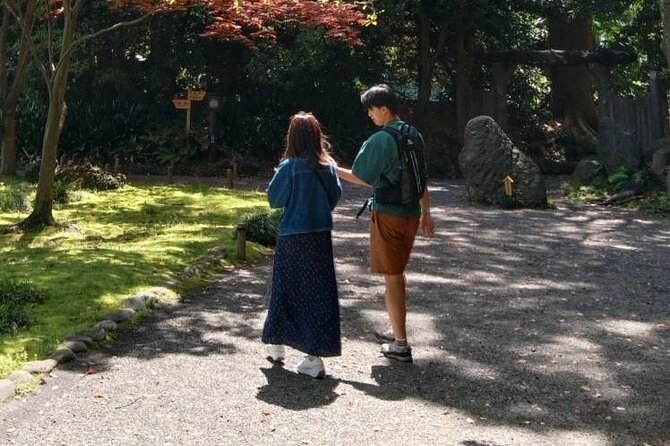
Tokyo can wear you out before lunchtime. Its major sights ask you to cross wide boulevards, squeeze through crowds, and keep checking your map. This experience takes another route. It links a garden, a river, and a temple in a part of the city where the morning feels less rushed.
I like that the tour is not built around a single famous monument. Kiyosumi Garden gives you a lesson in Japanese garden design. The Sumida walk gives you time to simply notice water, boats, and city sounds. Fukagawa Fudo-do then shows you a living place of worship, not just a photogenic building.
That mix matters. You are not only looking at old Tokyo from the outside. You are seeing how nature, neighborhood life, and religious practice fit together. The guide, born and raised in Tokyo, can explain the local setting in a way that helps the separate stops make sense.
The experience costs $48 per person. That price includes the garden entrance, temple entrance, guided walking tour, and your train ticket to the first destination. For a three-hour private-feeling outing capped at four people, the cost is fair, especially if you value explanation and a simple route over sightseeing on your own.
You should still know what you are buying. This is a compact walking tour, not a slow full-day excursion. The guide allows about 40 minutes at the garden, 40 minutes along the river, and 45 minutes at the temple. The remaining time covers meeting up, traveling by train, and moving between locations.
More temples and shrines near Tokyo:
- Tokyo: Meiji Shrine, Asakusa, Skytree Bus Tour and Cruise
★ 4.7 · 1,986 reviews - Tokyo: Asakusa Walking Tour with Sensoji Temple Visit
★ 4.8 · 1,583 reviews - Nikko: Kegon Falls, Lake Chuzenji & Toshogu Temple
★ 4.6 · 1,577 reviews
Starting from one of four Tokyo meeting points
You can choose to meet at Shibuya TSUTAYA, UNIQLO Shinjuku West, Asakusa Culture Tourist Information Center, or Nissan Crossing. The exact meeting place depends on the option you book, so check your selected choice carefully before setting out.
This arrangement is useful if you are staying in different parts of central Tokyo. You do not have to find your own way to Kiyosumi Garden, since the guide accompanies the group by train. That takes away some of the morning’s navigation work, which is valuable in a city where a short trip can involve several station corridors and platforms.
The meeting point system also means you should not treat the start time casually. Arrive before the stated meeting time, not at it. If you are more than 10 minutes late, the tour may leave without you, and a small group cannot easily wait while keeping the rest of the schedule.
The group limit is one of the strongest practical features. With no more than four participants, you can hear the guide clearly and ask about details that catch your eye. You also avoid the stop-and-start rhythm common to large sightseeing groups.
Kiyosumi Garden and the art of a quiet view
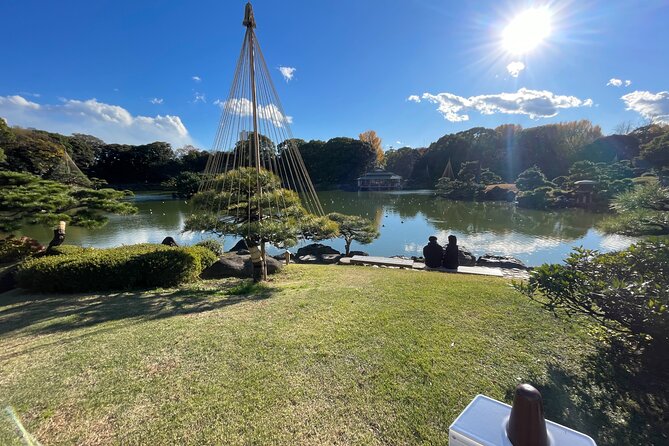
Kiyosumi Garden is the first major stop, with about 40 minutes of guided touring. The garden is valued not simply because it is green, but because its parts were placed with care. Your guide explains the background and points out design details that can be easy to miss if you walk through alone.
Expect a slower kind of sightseeing here. Seasonal plants change the garden’s character during the year, so the exact visual impression depends on when you visit. The experience description does not promise a particular bloom or color, but it does make the garden’s seasonal planting one of the main reasons to come.
I appreciate the guided format at a place like this. A garden can look peaceful without being easy to understand. Paths, planting, water, and framed views may seem natural, yet they reflect deliberate choices. The guide’s explanation helps you see the garden as a piece of design rather than as a pleasant patch of trees.
Forty minutes is enough for an introduction, but it will not cover every corner in depth. If you are passionate about Japanese gardens or want time for extensive photography, you may wish you had longer. For most people, though, the shorter visit keeps the morning moving and leaves room for the river and temple.
Bring your attention to small details rather than expecting a long list of major sights. Notice how the garden creates pauses and changes your view as you walk. The appeal is quiet observation, not a dramatic landmark.
Following the Sumida River for 40 minutes
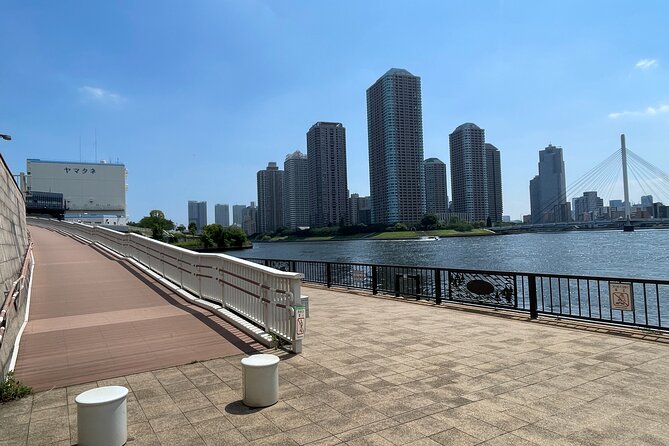
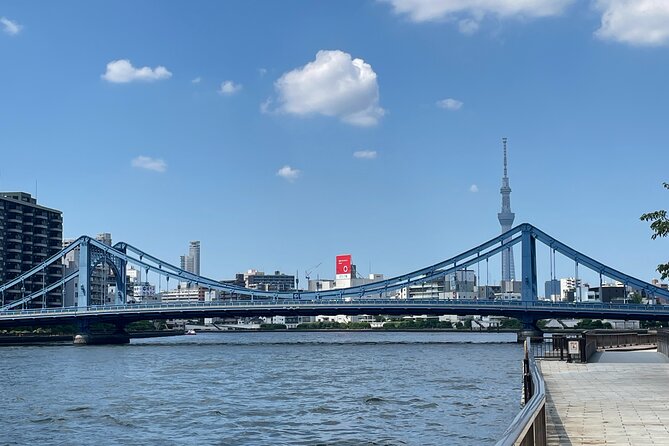
After the garden, the tour continues with a guided walk along the Sumida River. This section lasts about 40 minutes and gives the morning its most open feeling. You get views of the water, passing boats, and a quieter side of Tokyo’s cityscape.
The walk is described as gentle, but it is still a walking tour, so comfortable shoes make sense. No special activity or strenuous outing is involved. The value here is the contrast with central Tokyo. Along the river, you have room to slow down, breathe, and pay attention to the changing sound of the city.
I like this middle section because it acts as a bridge between the garden and the temple. Kiyosumi Garden offers controlled beauty. The riverside feels more ordinary and lived-in. You are not being rushed from one sight to the next, and the guide can connect the river area with the neighborhood you enter afterward.
The walk may be less exciting if you want constant attractions or dramatic views. The supplied details promise water, boats, and quiet city scenes, not a parade of famous monuments. That is precisely the point, but it will suit some schedules better than others.
Use this part of the tour to ask questions. With a maximum of four people, the conversation can be more personal than on a standard bus tour. You might find that the river walk becomes the time when Tokyo feels most understandable, because you are seeing it at street level rather than from a major observation deck.
More walking routes in Tokyo:
- Tokyo Tsukiji Fish Market Food and Culture Walking Tour
★ 5.0 · 3,184 reviews - Tokyo: Imperial Palace and Shogun Historical Walking Tour
★ 5.0 · 2,251 reviews - Tokyo: Shinjuku Local Bar and Izakaya Guided Walking Tour
★ 4.9 · 1,794 reviews - Tokyo: Tsukiji Fish Market Food and Walking tour
★ 5.0 · 1,724 reviews
Entering Fukagawa Fudo-do and its active faith
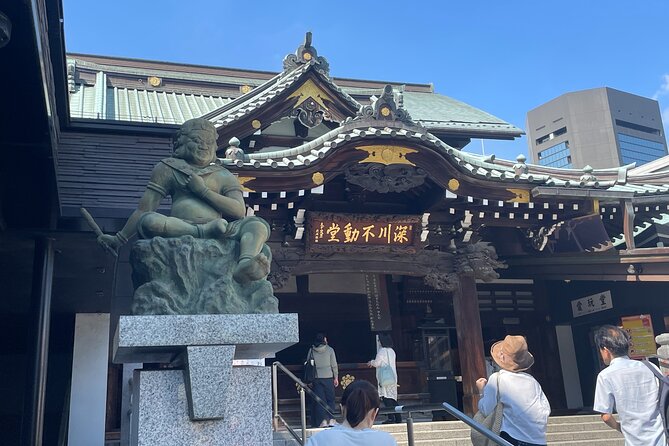
The final main stop is Naritasan Fukagawa Fudo-do, also called Fukagawa Fudoson or Fukagawa Fudo-do. The temple visit lasts about 45 minutes and includes admission.
This temple has a history of more than 400 years, but its importance here is not only age. It remains an active center of faith, with rituals and practices that continue in the present. Your guide explains the beliefs in accessible language, making the visit suitable if you are deeply interested in religion or simply curious about how a Japanese temple functions.
That distinction is important. Some temple visits become architecture lessons, with attention fixed on roofs, gates, and carvings. This one puts more weight on spiritual practice. You are encouraged to understand what is happening, not just take pictures of the setting.
The temple can feel like a sharp turn from the garden and river. That is a strength, since the three stops offer different kinds of experience. It can also be a consideration if you prefer a purely historical tour with no ritual element. Here, the sacred atmosphere is central to the visit.
Follow the guide’s instructions once inside. The supplied information does not give a detailed list of temple rules, but a respectful approach is always appropriate at an active religious site. Keep your voice low, listen to the explanation, and treat the ritual as worship rather than entertainment.
The goma fire ritual is the morning’s centerpiece
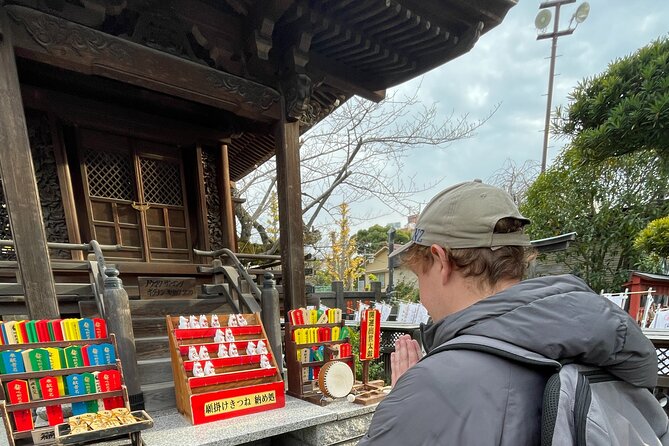
The traditional goma fire ritual is the most distinctive feature of the tour. At Fukagawa Fudo-do, you see a ceremonial practice tied to local faith. The fire gives the temple visit a strong sensory and symbolic focus, and it is something you are unlikely to understand fully from a quick independent visit.
The tour does not promise that you will take part in the ritual. Expect to observe it and receive context from the English-speaking guide. That explanation is valuable because ritual actions can be difficult to interpret without background.
I would choose this experience mainly for the combination of the temple and goma ritual. The garden and river are calm and worthwhile, but the fire ceremony gives the outing its particular character. It turns a pleasant neighborhood walk into a closer look at a living tradition.
The timing of religious activities can matter, although no specific ritual schedule is provided here. Check the available start times when booking and understand that the tour includes a visit to the temple and its ritual setting, not a promise of a private ceremony arranged only for your group.
What the guide and group size add
The tour is conducted in English by a live guide. The guide is described as local and born and raised in Tokyo, which is useful for a route built around neighborhood context rather than only headline attractions.
Hiro is specifically named as a tour guide connected with this experience. If Hiro leads your departure, you can expect the kind of personal guidance this small format is designed to provide. The available comments about the experience give particular praise to the guide, including one direct note that Hiro was a great tour guide, while another describes the experience and guide as excellent.
The perfect 5 rating comes from three reviews, so I would treat it as encouraging rather than as a large statistical sample. Still, the praise points to the right feature: the guide can make the experience work. Much of the value lies in explanations at the garden and temple, not in admission to the sites alone.
A group capped at four also makes the train transfer and walking route easier to manage. You do not need to worry about finding a large tour party at every corner. The tradeoff is that small tours have less flexibility if you are late, tired, or hoping to change the route.
Who should book this experience
I would recommend it to you if you want a quieter Tokyo morning and prefer local context to a checklist of famous attractions. It is a good fit for first-time visitors who want to see another side of the city, as well as returning visitors who have already covered the major districts.
It also suits people interested in gardens, Japanese religious practice, and short urban walks. The three stops are varied enough to keep the morning from feeling repetitive. The English-speaking guide helps make the cultural parts approachable.
Families with very young children should note that babies under one year are not suitable for this activity. The tour is also a better fit for people comfortable with a three-hour schedule that includes train travel and walking. The description does not provide a detailed accessibility assessment, so contact the provider if you need specific mobility information.
You may want a different tour if you are looking for a long garden visit, a food-focused outing, or a broad survey of Tokyo’s major sights. This experience is deliberately narrow and calm. Its reward comes from slowing down and listening.
Practical value at $48 per person
At $48, the tour includes several costs that would otherwise be separate: the Kiyosumi Garden entrance, Fukagawa Fudo-do admission, and the train ticket to the first destination. You also receive three hours of guiding in a group of no more than four people.
That makes the price reasonable for anyone who values a small-group guide. If you are happy to navigate alone and read about the sites on your phone, you could spend less independently. You would also lose the local explanation, the organized connection between the stops, and the ease of traveling with a guide from a central meeting point.
The route offers good variety for the time. You get a garden, a riverside walk, and an active temple without having to plan the connections yourself. I would see the cost as paying for interpretation and ease, not just entry tickets.
Free cancellation is available up to 24 hours before the experience for a full refund, and you can reserve now and pay later. Those terms help if your Tokyo plans are still moving, though you still need to protect the meeting time on the day itself.
My call: book it for a slower side of Tokyo
Book this tour if you want a small, calm, culture-focused morning with a clear local connection. The combination of Kiyosumi Garden, the Sumida River, and Fukagawa Fudo-do gives you three distinct views of Tokyo, and the goma fire ritual makes the temple visit more than a standard photo stop.
I would skip it if you want a major landmark tour or dislike fixed timing. The three-hour schedule is tight enough that punctuality matters, and the river walk is intentionally low-key.
For the right kind of morning, $48 is fair. You receive admissions, train travel to the first destination, an English-speaking local guide, and a group no larger than four. That is a practical way to trade Tokyo’s usual rush for gardens, water, and a living place of faith.
FAQ
How long does the Sumida Riverside Walk experience last?
The experience lasts three hours.
What language is the tour conducted in?
The live guided tour is conducted in English.
How many people can join the group?
The group is limited to four participants.
Where can I meet the guide?
You can choose from Shibuya TSUTAYA, UNIQLO Shinjuku West, Asakusa Culture Tourist Information Center, or Nissan Crossing. The meeting point depends on the option you book.
Does the guide travel with the group to Kiyosumi Garden?
Yes. Pick-up at the selected meeting point includes traveling together with the guide by train to the first destination.
Is admission to Kiyosumi Garden included?
Yes. The Kiyosumi Garden admission fee is included.
Is admission to Fukagawa Fudo-do included?
Yes. The admission fee for Fukagawa Fudo-do Temple is included.
How much time is spent at Kiyosumi Garden?
The guided visit at Kiyosumi Garden lasts about 40 minutes.
How much time is spent at the Sumida River?
The guided riverside walk lasts about 40 minutes.
What happens if I arrive more than 10 minutes late?
The tour may depart without you, so arrive before the scheduled meeting time.
New on our Tokyo list
- Sumi-e Experience in a relaxing green tea shop in Tokyo★ 5.0 · 3 reviews
- Tokyo : Kamikaze Street Drift Ride★ 5.0 · 3 reviews
- Private Zen Meditation in English in Shinjuku, Tokyo★ 5.0 · 3 reviews
- Onsen Spa in Tokyo and Asakusa Bar Hopping with Local Guide★ 5.0 · 3 reviews
- Easy for everyone! Now you can play handmade mini shamisen and show off to everyone! Musical instruments, sweets and live music★ 5.0 · 3 reviews
- Tokyo: Private Tsukiji Street Food & Sake with Local Guide★ 5.0 · 3 reviews
- Mt Fuji Exploration Tour with Free Japanese Kusa Mochi from Tokyo★ 4.5 · 3 reviews
- Tokyo Tsukiji Fish Market Walking and Exploring Hidden Gems Tour★ 5.0 · 3 reviews
Temple & Shrine Tours, compared.
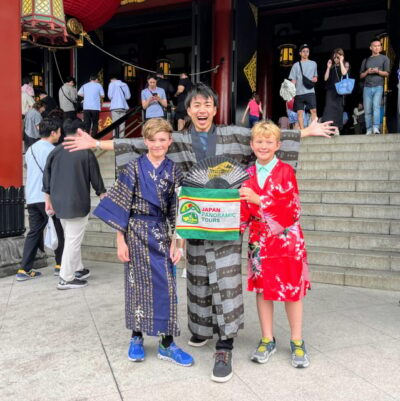
Meiji Shrine, Asakusa, Skytree Bus Tour and Cruise
Read our review →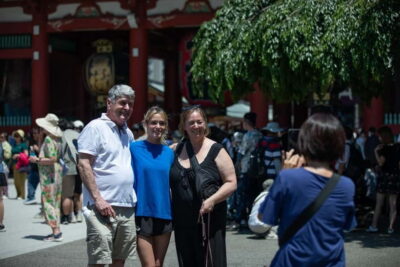
Asakusa Walking Tour with Sensoji Temple Visit
Read our review →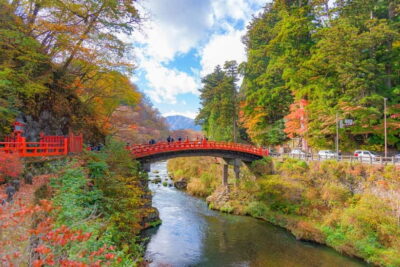
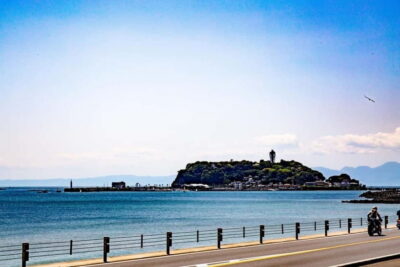
Kamakura & Enoshima Day Trip including Temple Tickets
Read our review →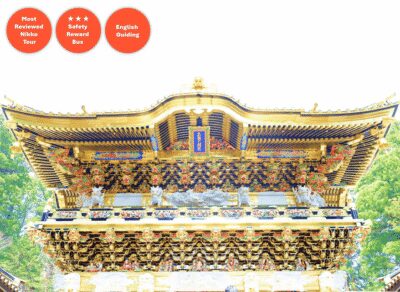
Nikko Toshogu Shrine and Kegon Waterfall Tour
Read our review →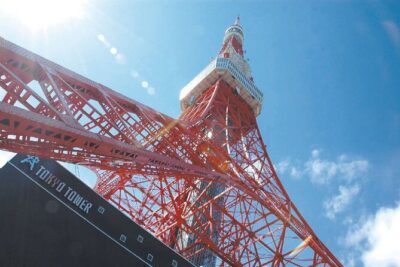
Tokyo Panoramic 1 Day: Meiji Shrine, Asakusa, Odaiba and SKYTREE®
Read our review →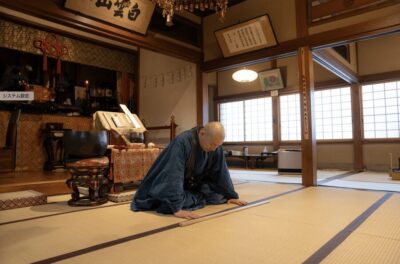
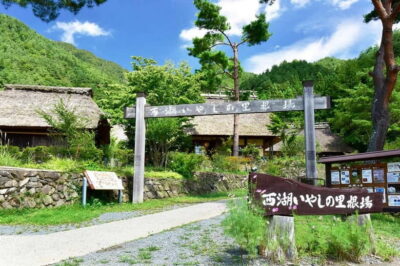
Mt. Fuji Heritage Tour: Traditional Villages, Lakes & Shrine
Read our review →Browse the lists this tour appears in