
Reviewed · SUSHI EXPERIENCES
Sushi Making Experience in Shinjuku【Temaki】
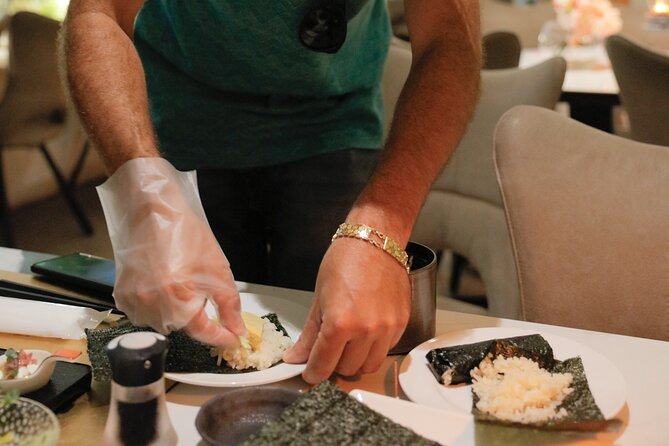
The best part of this Shinjuku activity is that you make dinner with your own hands. A chef shows you how to prepare temaki sushi, then you choose from fresh fillings and roll each piece at your table. You also make dashi-maki tamago, the soft Japanese rolled omelet, and can try toppings smoked with fragrant Sakura wood chips.
I like the relaxed pace and the small maximum of eight people. I also like that the $47.09 price includes a drink, all ingredients, and taxes, so you are not building the final cost from several extras. The main consideration is language: some staff members speak limited English, and a translator machine may be used, though English-speaking support has also been available.
In This Review
- Key points to know before you book
- Making sushi instead of merely ordering it
- Arriving at Flower Wall Mone in Shinjuku
- The first drink and the prepared ingredients
- A clear demonstration before you start rolling
- Choosing fillings and trying smoked fish
- Making dashi-maki tamago with the chef
- Communication and the role of Nina and Kai
- What the 90-minute schedule feels like
- Is $47.09 a fair price in Shinjuku?
- Who will enjoy this activity most?
- Booking, cancellation, and practical details
- Should you book the Shinjuku temaki class?
- FAQ
- Where does the Sushi Making Experience take place?
- How long does the experience last?
- What food will I make?
- What sushi toppings are available?
- Can I try smoked sushi toppings?
- Is a drink included?
- Do I need to speak Japanese?
- How many people can join?
- What is the cancellation policy?
Key points to know before you book
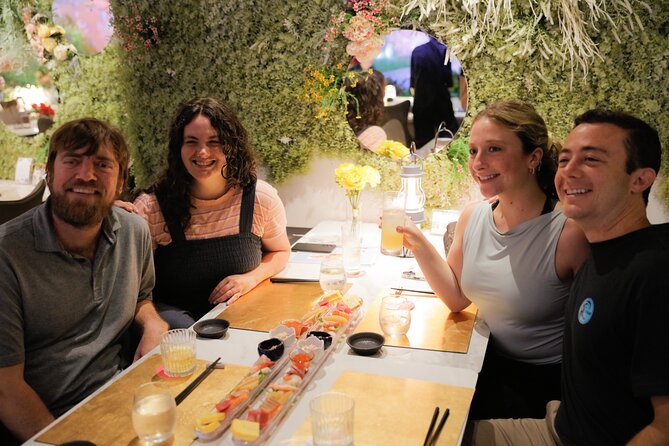
- You make hand-rolled sushi at your own table: Seaweed, sushi rice, tuna, salmon, cucumber, avocado, and other prepared ingredients are supplied.
- A chef demonstrates the process first: You do not need previous sushi-making experience, and staff can answer questions when needed.
- Dashi-maki tamago is part of the experience: You make Japan’s famous rolled omelet alongside the sushi.
- Some toppings may be smoked: Sakura wood chips add a special touch to selected fish.
- The setting is a flower-filled cafe and bar: Flower Wall Mone offers a more decorative backdrop than a plain cooking classroom.
- The session lasts about 90 minutes: It begins and ends at Flower Wall Mone, with one drink included.
Making sushi instead of merely ordering it
Temaki means hand-rolled sushi. Rather than shaping neat pieces with a bamboo mat, you place sushi rice and fillings on a sheet of nori, then roll it into a cone or loose cylinder with your fingers.
That makes this a good first sushi class. The ingredients arrive cut and ready to use, and the utensils are provided. You can concentrate on the parts that make sushi fun: choosing combinations, judging how much rice to add, and learning how tightly to roll the seaweed.
I like this format for families and groups of friends because everyone can make a different piece. One person can favor salmon and avocado. Another can pile in tuna and cucumber. You are not trying to copy a chef’s exact work or produce identical plates.
The activity is also more social than a formal cooking lesson. You sit together, make food together, and eat as you go. That matters in Tokyo, where a meal can sometimes feel like a quick stop at a counter. Here, the food becomes the evening’s main activity.
More sushi mornings and classes:
- Sushi Making Tokyo Roll and Authentic Japanese Sushi Class
★ 5.0 · 3,971 reviews - Tokyo: Roll and Authentic Sushi Making Class in Asakusa
★ 4.9 · 1,957 reviews - Make Sushi and Create Unforgettable Memories in Tokyo
★ 5.0 · 1,413 reviews
Arriving at Flower Wall Mone in Shinjuku
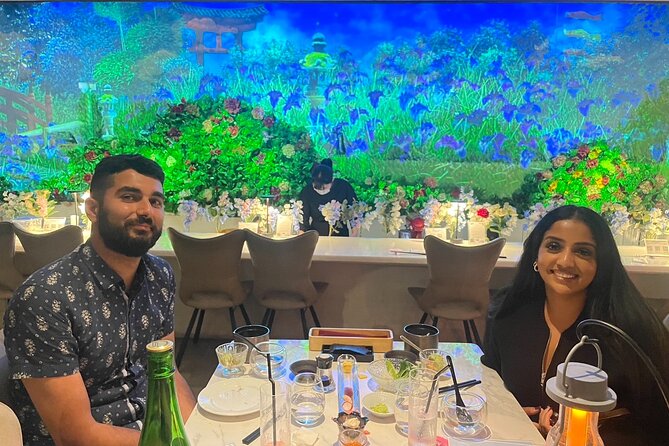
Your meeting point is FLOWER WALL MONE, a cafe and bar at Japan, 160-0022 Tokyo, Shinjuku City, Shinjuku, 3-chōme 5-3, Takayama Land, B1F. The activity both starts and finishes there.
The venue is described as a lively cafe and bar surrounded by flowers. The floral design gives the class a distinct look, and the setting is clean and attractive. If you are taking photos, the room should feel more memorable than a standard restaurant dining area.
When you arrive, tell the staff that you have a reservation for the Temaki Sushi Experience. They will take your drink order and prepare the ingredients for the number of people in your booking.
Allow yourself enough time to find the basement location. The address includes B1F, meaning the venue is below street level. The activity is near public transportation, but the supplied directions do not name a particular station or provide a route from your hotel, so check the exact map pin before setting out.
The first drink and the prepared ingredients
One drink is included in the price. Bottled drinks and extra meals are not included, so keep that distinction in mind if you expect a full dinner or several beverages.
The staff prepare the sushi items before bringing them to your table. You should find the main ingredients cut and ready, along with the rice and utensils needed for the class. That setup keeps the 90-minute session focused on assembly rather than knife work or lengthy preparation.
The menu includes familiar choices such as tuna, salmon, cucumber, and avocado. You can select three types of sushi toppings, and the available selection gives you room to build a few different flavor combinations.
This is not presented as a large tasting menu. It is a hands-on meal built around the sushi you make. If you have a big appetite, remember that additional meals are not part of the package.
A clear demonstration before you start rolling
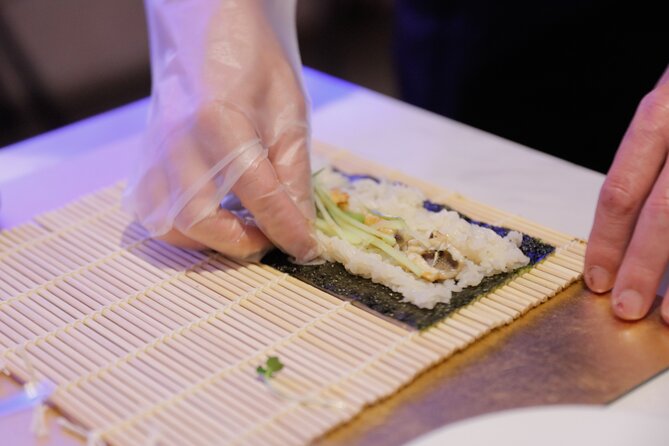
Before you make your own temaki sushi, a staff member demonstrates the method once. This is important because the rolling technique looks simple, but rice can quickly make the seaweed soft and difficult to handle.
Watch how the rice is spread and how the ingredients are placed. You want enough rice to create a satisfying roll, but not so much that the nori cannot close around the filling. The point is not perfect restaurant presentation. It is learning a practical way to make hand-rolled sushi with ingredients already on the table.
The demonstration also gives you a chance to ask questions. Staff have answered questions about both the assembly process and the ingredients, and the chef shares information about the food as you work.
After that, you make sushi at your own pace. There is not necessarily a staff member standing beside you for the entire session, but you can ask for help if you need it. That arrangement suits independent learners. If you prefer constant instruction, you may find the class less formal than a tightly scheduled cooking workshop.
More Shinjuku nights and walks:
- Tokyo: Shinjuku Food Tour (13 Dishes at 4 Local Eateries)
★ 5.0 · 6,603 reviews - Tokyo Bar Hopping Tour in Shinjuku (All-You-Can-Drink + Dinner)
★ 5.0 · 3,587 reviews - Tokyo: Shinjuku Food Tour (15 Dishes and 4 Eateries)
★ 4.9 · 2,033 reviews - Best of Shinjuku: Izakaya Food Tour (4 Stops, 14+ Tastings)
★ 5.0 · 1,863 reviews
Choosing fillings and trying smoked fish
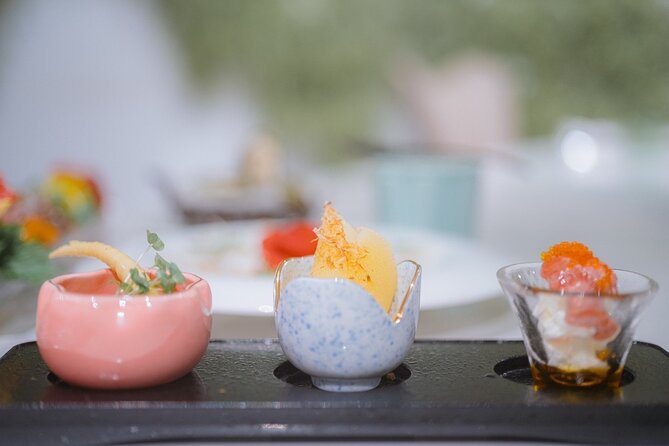
The choice of fillings is one of the most enjoyable parts. Tuna and salmon provide the classic fish options, while cucumber and avocado make it easy to build a milder roll or add texture to a richer one.
You can select three kinds of toppings. The exact choices may depend on the session, so do not treat the examples as a guarantee of every item available on your date.
A particularly unusual touch is the option to smoke some toppings. Sakura wood chips are used to smoke fish, adding a gentle wood scent and a different taste from the raw or prepared fillings. This is a small detail, but it gives the class something beyond basic sushi assembly.
If you have never tried smoked fish with sushi rice and nori, pay attention to how the flavor changes. The smoke can make a familiar filling taste more savory and aromatic. It also gives you a useful comparison between the regular and smoked versions.
Making dashi-maki tamago with the chef
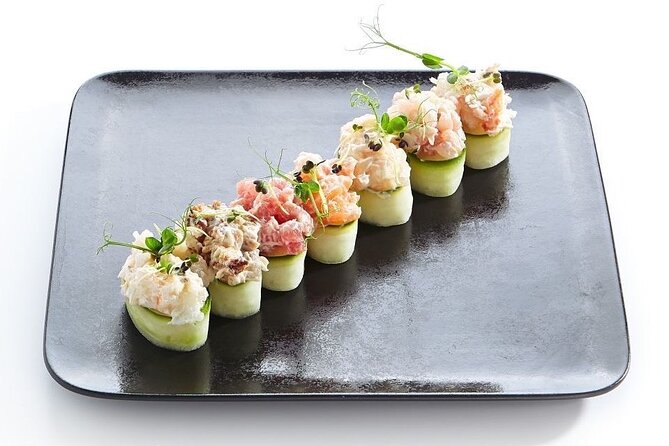
The sushi is not the only Japanese food you make. The session also includes dashi-maki tamago, a rolled omelet made with dashi, Japan’s savory soup stock.
Japanese rolled omelet is soft, lightly seasoned, and built by cooking thin layers before rolling them together. It takes more care than scrambling eggs, so making it with a chef adds an important lesson to the meal.
This part broadens the experience beyond a single dish. You learn how Japanese cooks use a simple egg mixture to create something delicate and carefully shaped. It also gives you a warm cooked item alongside the cool sushi ingredients.
The supplied information does not specify how much hands-on omelet cooking each participant does, so expect chef guidance rather than assume a full separate egg-making workshop. The chef is available to share the method and answer questions.
Communication and the role of Nina and Kai
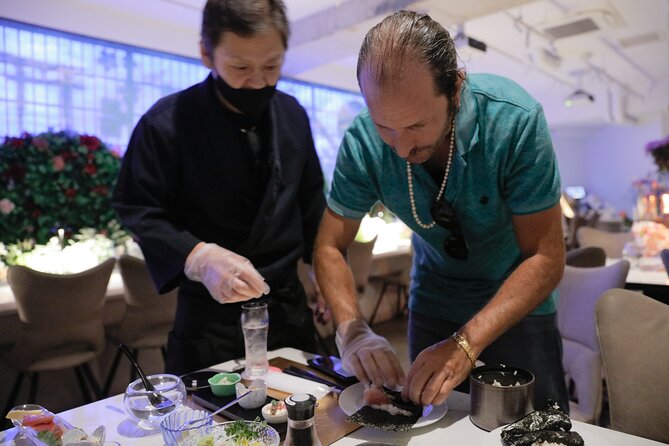
The experience is intended for international visitors, but not every staff member speaks fluent English. A translator machine may be used, so you should be ready for a few pauses or simple explanations.
That said, English support has been available, including a dedicated translator who spoke very fluent English during one session. Nina and Kai have also been praised for being warm, friendly, and helpful. Their names are useful to know because the personal service is a meaningful part of the experience.
You do not need to speak Japanese to take part. The demonstration, prepared ingredients, and visual nature of rolling sushi make the main activity easy to follow. If you have a question about an ingredient, allergy, or technique, ask early and use the translator when needed.
I would not book this expecting a long lecture in fluent English about sushi history. I would book it for practical instruction, friendly assistance, and a meal where the food itself shows you what to do.
What the 90-minute schedule feels like
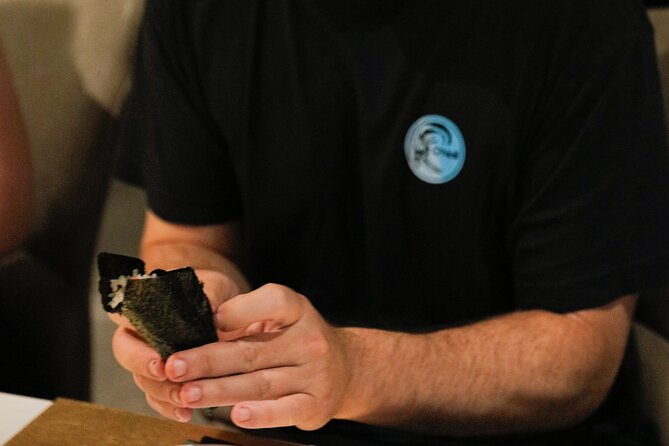
The advertised duration is about one hour and 30 minutes. The time includes arrival, ordering your included drink, the demonstration, sushi preparation, the omelet activity, and eating what you make.
That is a useful length for a Tokyo itinerary. It is long enough to feel like a real activity but short enough to fit before an evening walk through Shinjuku. Since the class begins and ends at the same venue, you do not lose time changing locations halfway through.
The small maximum of eight people helps keep the session manageable. You are less likely to feel lost in a large crowd, and the staff can respond when someone needs help with a roll or an ingredient.
Still, the pace is partly in your hands. You can make and eat your sushi steadily rather than rushing to finish a fixed sequence. If your group enjoys taking photos or asking food questions, allow the full 90 minutes.
Is $47.09 a fair price in Shinjuku?
At $47.09 per person, this is not the cheapest meal you can buy in Tokyo. You could order sushi for less, especially at a casual chain restaurant. But this price pays for more than the ingredients.
You receive one drink, the sushi supplies, utensils, chef instruction, the dashi-maki tamago activity, the chance to try smoked toppings, and all fees and taxes. You are also paying for a central Shinjuku setting and a small group experience.
I consider the price reasonable if you want an activity rather than simply dinner. It becomes better value for a group because the fun comes from comparing rolls, choosing fillings, and sharing the process. For a solo diner who mainly wants to eat sushi, the value is weaker.
Extra bottled drinks, additional meals, and transportation to the meeting point are not covered. Check the included drink when you arrive and budget for anything beyond the listed meal.
Who will enjoy this activity most?
I would recommend it to families, couples, and friend groups looking for a simple shared activity in Tokyo. The prepared ingredients remove much of the pressure, and most people can participate without special cooking skills.
It also works well for visitors who want a food experience but do not want a long or demanding class. You learn a few useful techniques, then eat what you make.
The class may suit you less if you want advanced sushi training, extensive knife skills, or a professional chef’s full working routine. It is a friendly introduction to temaki sushi, not a certification course.
Under-20 participants must be accompanied by a parent or guardian. Alcohol consumption by minors is prohibited under Japanese law, so families should keep that rule in mind when ordering drinks.
Booking, cancellation, and practical details
Confirmation is provided when you book, and the activity is usually reserved about 20 days in advance on average. That does not guarantee a sold-out date, but it suggests you should not leave it until the last minute if the schedule matters.
The experience offers free cancellation up to 24 hours before the local start time. Cancel at least 24 hours ahead for a full refund. Changes or cancellations made within 24 hours are not accepted or refunded.
You need to arrange your own transportation to Flower Wall Mone. Since the activity ends back at the meeting point, it is easy to continue into Shinjuku afterward or return to your hotel from the same area.
Should you book the Shinjuku temaki class?
Book it if you want to turn a meal into a shared Tokyo memory. The combination of hand-rolled sushi, dashi-maki tamago, smoked fish, a flower-filled venue, and a small group gives you more to do than simply sit down and order.
I especially like it for first-time sushi makers and families. The main drawbacks are the limited English of some staff and the fact that the food quantity is not described as a large dinner. Go for the activity, the friendly help from people such as Nina and Kai, and the chance to make several rolls your own.
If that sounds like your kind of evening, the $47.09 fee is a fair price for 90 minutes of food, instruction, and participation in central Shinjuku.
FAQ
Where does the Sushi Making Experience take place?
It takes place at FLOWER WALL MONE, located at Japan, 160-0022 Tokyo, Shinjuku City, Shinjuku, 3-chōme 5-3, Takayama Land, B1F.
How long does the experience last?
The experience lasts approximately one hour and 30 minutes.
What food will I make?
You will make temaki, or hand-rolled sushi, using sushi rice, seaweed, and prepared toppings. You will also make dashi-maki tamago, a Japanese rolled omelet.
What sushi toppings are available?
Examples include tuna, salmon, cucumber, and avocado. You can select three types of sushi toppings.
Can I try smoked sushi toppings?
Yes. The experience may include smoking some toppings, and Sakura wood chips have been used to smoke fish.
Is a drink included?
Yes. One drink is included. Bottled drinks, additional beverages, and additional meals are not included.
Do I need to speak Japanese?
No. Some staff members do not speak fluent English, but demonstrations are provided and a translator machine may be used. English-speaking support has also been available.
How many people can join?
The activity has a maximum of eight participants.
What is the cancellation policy?
You can cancel up to 24 hours before the local start time for a full refund. Cancellations or changes made less than 24 hours before the start time are not accepted or refunded.
New on our Tokyo list
- Sumi-e Experience in a relaxing green tea shop in Tokyo★ 5.0 · 3 reviews
- Tokyo : Kamikaze Street Drift Ride★ 5.0 · 3 reviews
- Private Zen Meditation in English in Shinjuku, Tokyo★ 5.0 · 3 reviews
- Onsen Spa in Tokyo and Asakusa Bar Hopping with Local Guide★ 5.0 · 3 reviews
- Easy for everyone! Now you can play handmade mini shamisen and show off to everyone! Musical instruments, sweets and live music★ 5.0 · 3 reviews
- Tokyo: Private Tsukiji Street Food & Sake with Local Guide★ 5.0 · 3 reviews
- Mt Fuji Exploration Tour with Free Japanese Kusa Mochi from Tokyo★ 4.5 · 3 reviews
- Tokyo Tsukiji Fish Market Walking and Exploring Hidden Gems Tour★ 5.0 · 3 reviews
Sushi Experiences, compared.
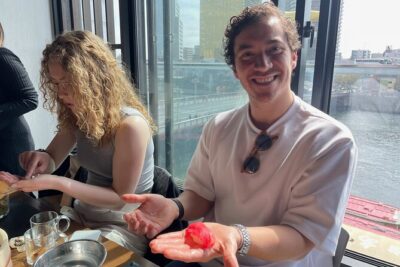
Sushi Making Tokyo Roll and Authentic Japanese Sushi Class
Read our review →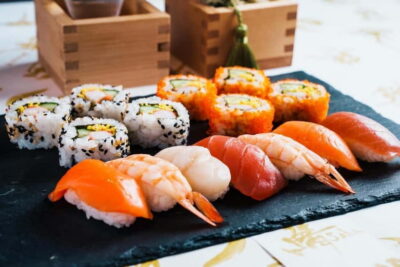
Roll and Authentic Sushi Making Class in Asakusa
Read our review →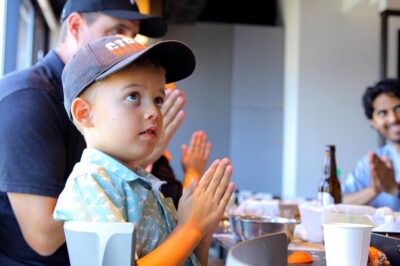
Make Sushi and Create Unforgettable Memories in Tokyo
Read our review →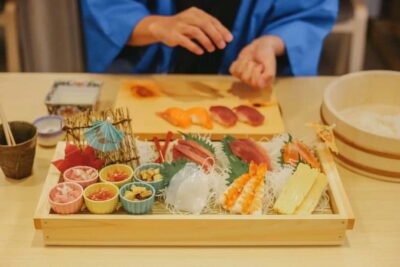
Sushi Making Class in a Happi Coat near a Famous Spot
Read our review →
Tokyo Sushi Making Class in Tsukiji with Professional Chef
Read our review →
Tokyo Night Foodie Tour in Shinjuku – Seasonal Sushi, Wagyu Beef
Read our review →
Tsukiji Fish Market Guided Tour and Sushi Making with Pro Chef
Read our review →
Tsukiji Fish Market Sushi Making Class with Pro Chef
Read our review →Browse the lists this tour appears in