
Reviewed · SUSHI EXPERIENCES
Sushi-Making Experience
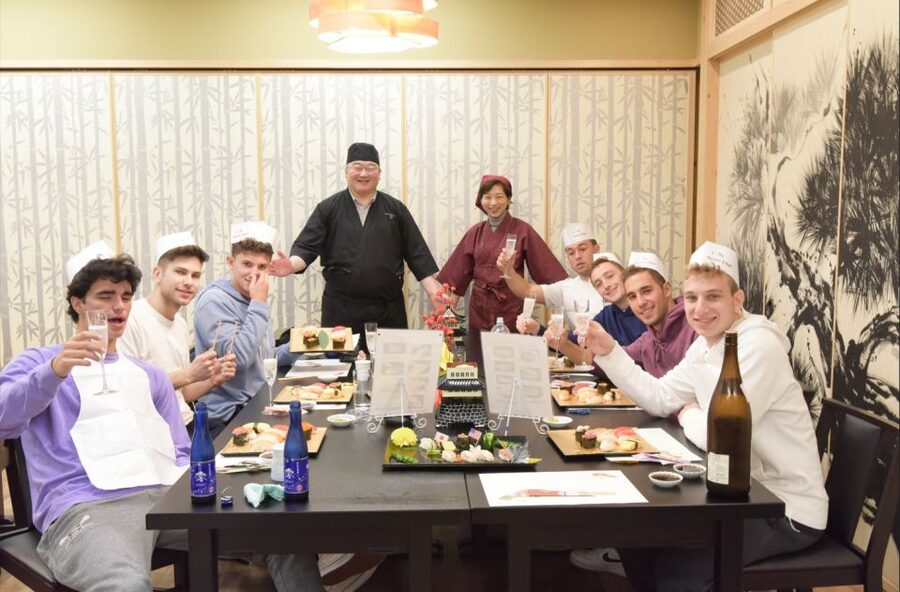
Sushi here is not just lunch. It is a hands-on lesson in three classic forms: nigiri, gunkan, and hosomaki. You watch the instructor, prepare the ingredients, shape the sushi yourself, then sit down and eat what you made.
I like the small group of no more than 10, since that gives you a fair chance to ask for help. I also like the two take-home kits, a useful extra if you want to repeat the lesson in your own kitchen.
The main drawback is the price: $106 per person for two hours is a serious spend for a short activity. You are paying for instruction, ingredients, a meal, and the kits, but this is not the right choice if you only want an inexpensive sushi lunch.
In This Review
- Key points
- What you actually do in two hours
- Nigiri, gunkan, and hosomaki, three different skills
- Your sushi becomes a proper sit-down meal
- Japanese dining etiquette, not just sushi technique
- The two take-home kits add real value
- Why the small group matters
- Meeting opposite Tokyo Tower
- Is $106 a fair price?
- Who will enjoy this workshop most
- Booking and cancellation details
- Should you book the sushi-making experience?
- FAQ
- Where does the sushi-making class meet?
- What should I do if I cannot find the instructor?
- How long does the workshop last?
- Is the class taught in English?
- What types of sushi will I learn to make?
- Are ingredients and a meal included?
Key points
- Three sushi techniques in one class: Learn the basic methods for nigiri zushi, gunkan maki, and hosomaki zushi.
- A nationally accredited instructor: The class is taught in English, with guidance during preparation and shaping.
- Your finished sushi becomes the meal: Make photo-worthy pieces, then sit down to eat them with traditional sauces and condiments.
- Japanese dining etiquette is part of the lesson: The class connects food preparation with how sushi is served and enjoyed.
- Two kits go home with you: Keep practising after the Tokyo workshop.
- A handy Tokyo setting: Meet at Kikai Shinko Kaikan, directly opposite Tokyo Tower.
What you actually do in two hours
This is a compact workshop, not an all-day cooking course. The two-hour format works well for a morning or afternoon plan, especially if you want to pair it with Tokyo Tower or other sights in the area.
You begin at the main entrance of the Kikai Shinko Kaikan building on the first floor. The building is directly opposite Tokyo Tower, so the location is easy to identify once you are in the right spot. If you cannot find the instructor, go to True Japan Tour in Room B109 on the basement level.
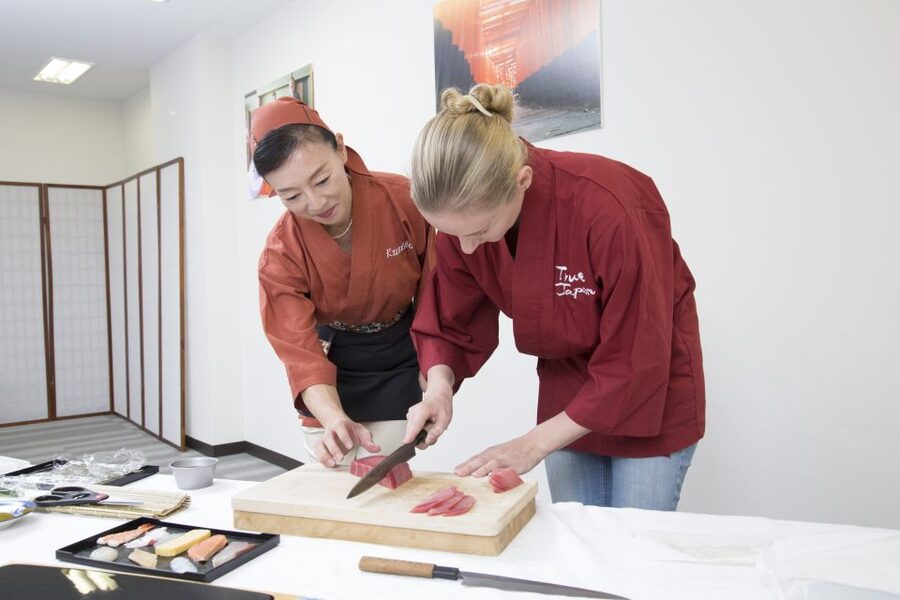
After meeting the English-speaking instructor and the rest of the group, you get a short introduction to sushi in Japanese culture. This opening gives the food some context without turning the class into a lecture. You then prepare the ingredients and watch a demonstration of the basic methods.
The instructor shows you how to make three distinct styles. Each one calls for a different approach, which is the real value of the class. You are not simply copying one roll again and again.
More sushi mornings and classes:
- Sushi Making Tokyo Roll and Authentic Japanese Sushi Class
★ 5.0 · 3,971 reviews - Tokyo: Roll and Authentic Sushi Making Class in Asakusa
★ 4.9 · 1,957 reviews - Make Sushi and Create Unforgettable Memories in Tokyo
★ 5.0 · 1,413 reviews
Nigiri, gunkan, and hosomaki, three different skills
Nigiri zushi is the familiar hand-formed style with sushi rice shaped beneath a topping. The lesson gives you a chance to practise making a neat base and handling the rice with care. It looks simple, but the shape and portion matter.
Gunkan maki has a different form. The rice is wrapped so it can hold a topping, giving the piece a rounded, boat-like shape. This teaches you how sushi structure changes according to what it needs to contain.
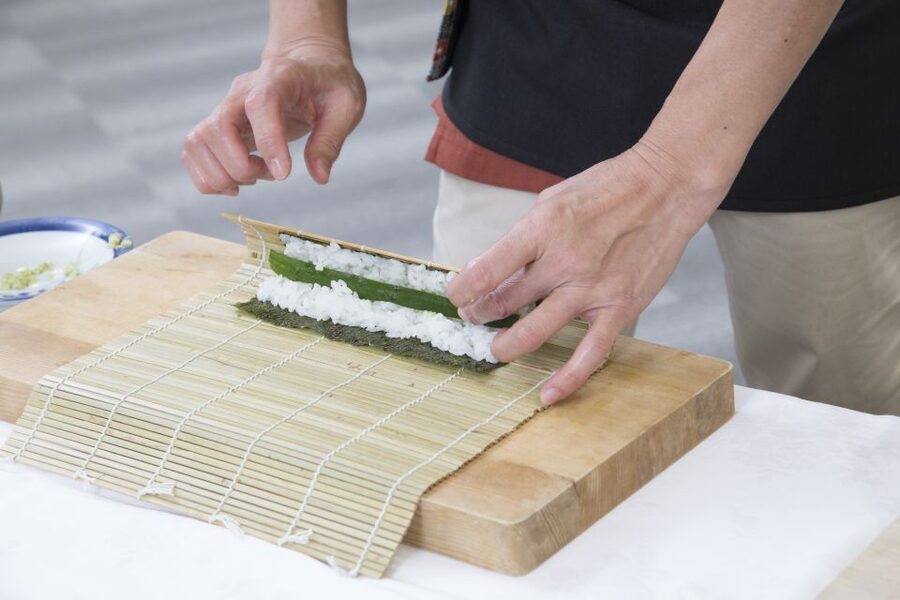
Hosomaki zushi is the narrow rolled style wrapped in nori. You learn the basic process of spreading, filling, and rolling. The lesson is useful here because a small roll can fall apart if the rice or filling is poorly placed.
The instructor demonstrates each method before you try it. You should expect some uneven pieces, especially if this is your first attempt. That is part of the fun, and the small class allows the instructor to explain and assist as you work.
The class is not presented as professional chef training. Instead, it teaches practical foundations that you can use at home. You learn enough to understand the balance between rice, fillings, seaweed, shape, and presentation.
Your sushi becomes a proper sit-down meal
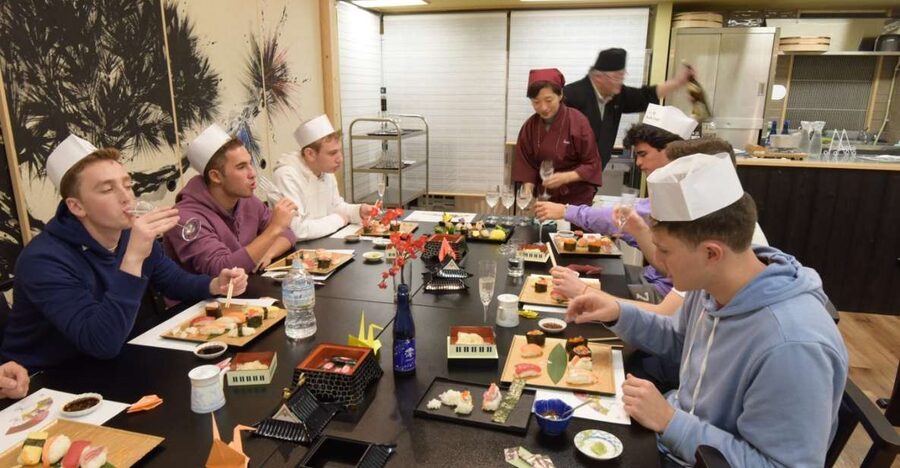
Once you finish making the sushi, you take a seat at the table and eat it. This simple change from work area to dining table gives the activity a satisfying finish. You do not prepare food only for display or take a few bites while standing around. The sushi you make becomes your meal.
You also get to try different sauces and condiments traditionally paired with sushi. The supplied details do not specify every sauce, so you should not expect a fixed tasting list. The point is to notice how condiments change the flavor of each piece and to try combinations beyond plain sushi.
I like this part because it links technique with taste. A roll may look tidy, but you understand it better after eating it. You can see how the rice, seaweed, topping, and sauce work together.
The food is also described as traditionally made, but the exact ingredients are not listed in advance. If you have allergies or dietary restrictions, ask the provider before booking rather than relying on the general activity description.
Japanese dining etiquette, not just sushi technique
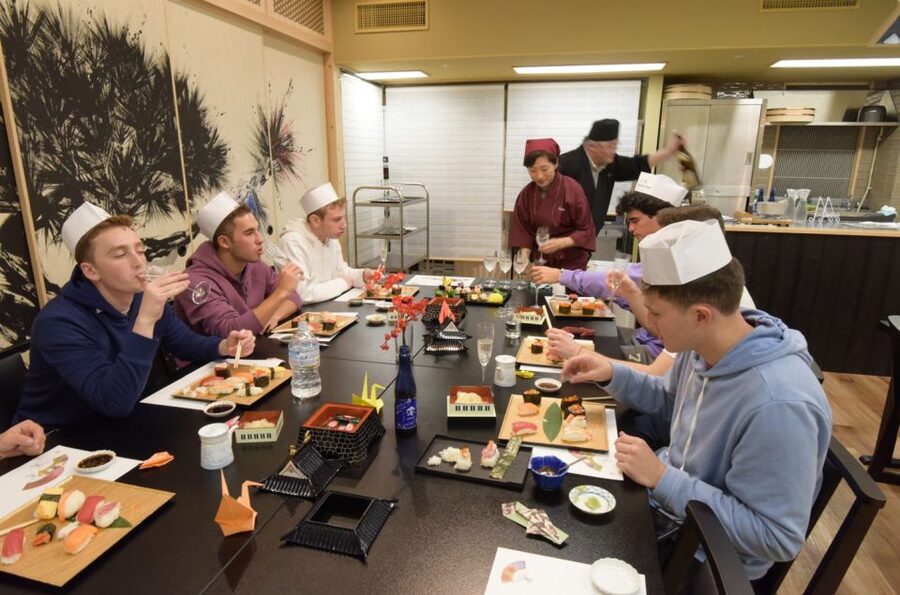
The final part covers Japanese dining etiquette. You learn how sushi is traditionally approached at the table, along with the manners connected to enjoying the meal.
That makes the class more useful than a simple recipe demonstration. Sushi is tied to presentation, timing, and table habits, and etiquette helps explain why the meal is served and eaten in a particular way. You come away with a better sense of the culture around the food, not just a set of rolling instructions.
The etiquette lesson is brief because the entire activity lasts only two hours. Think of it as a practical introduction rather than a full guide to Japanese table manners. Still, it is a nice touch for anyone who wants more cultural context during a Tokyo visit.
A few more Tokyo bookings worth comparing
- Mt Fuji and Hakone 1-Day Bus Tour Return by Bullet Train
★ 5.0 · 26,383 reviews - 1-Day Tokyo Bus Tour
★ 5.0 · 14,250 reviews - Tokyo: TOKYO SKYTREE® Admission ticket
★ 4.5 · 11,192 reviews - Tokyo: teamLab Planets TOKYO Digital Art Museum Entry Ticket
★ 4.6 · 9,779 reviews
The two take-home kits add real value
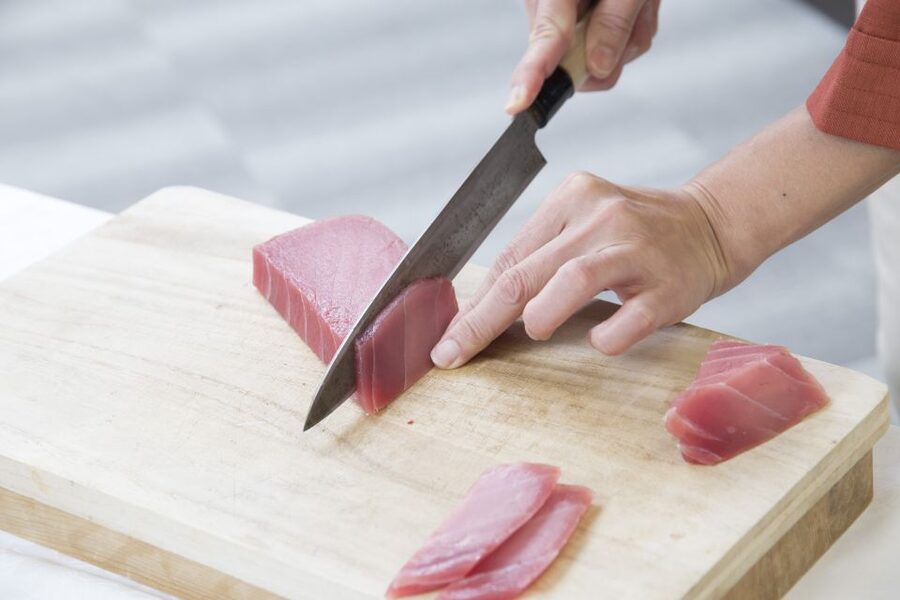
Each participant receives two sushi-making kits to keep practising at home. This is one of the strongest practical features of the experience.
Cooking classes often end when you leave the room. Here, you have tools that may help you repeat the techniques while the instructions are still fresh. The kits also make the class more memorable for families, couples, and anyone who enjoys hands-on souvenirs instead of another small trinket.
The details do not specify exactly what each kit contains, so check with the provider if you need to know the tools included. Still, the idea is clear: you are not only paying for a meal and a short lesson. You receive equipment for continued practice.
You should keep your expectations sensible. The kits will not replace a fully equipped kitchen or make you an expert sushi chef. They are best treated as a convenient way to repeat the basic forms you learn in class.
Why the small group matters
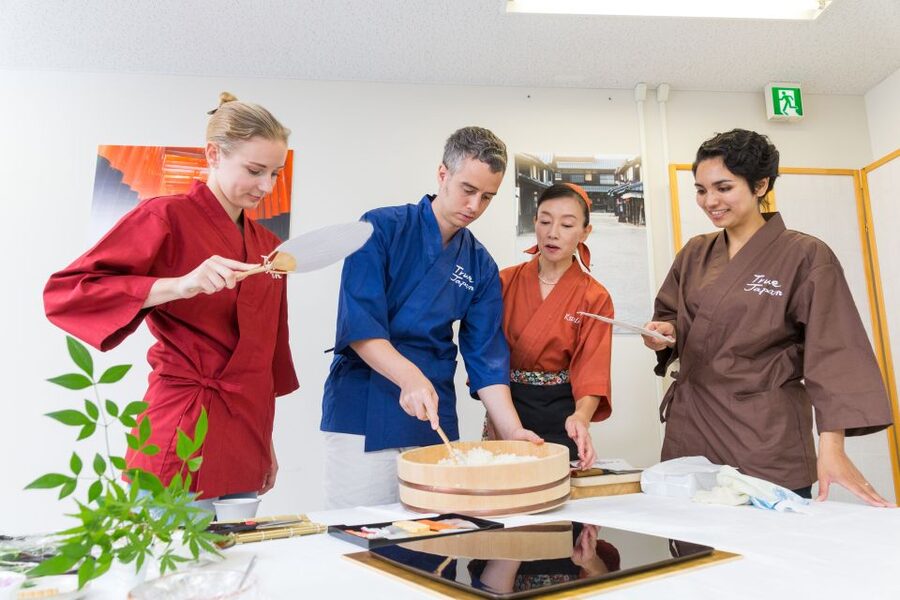
The group is limited to 10 participants. That is small enough to keep the lesson personal without making it feel like private instruction.
A sushi workshop involves small movements and hands-on shaping. You may need help with the rice, rolling pressure, or the way a piece is held. An instructor who can move around the room and assist each person is more useful than one speaking to a large crowd.
The class has earned strong marks for clear explanations and helpful assistance. That matches the format: you watch a demonstration, then practise while the instructor corrects or guides you. The small-group setup is especially helpful for children, first-time cooks, and anyone who feels unsure about making sushi neatly.
The tradeoff is that this is still a group class. You will share the instructor’s attention, and the pace must suit several people at once. If you want a long, slow lesson focused entirely on your own technique, a private class would be a better fit, though this experience is not described as private.
Meeting opposite Tokyo Tower
The meeting point is unusually easy to connect with a sightseeing plan. Kikai Shinko Kaikan is directly opposite Tokyo Tower, giving you a clear landmark for orientation.
You should meet at the building’s main entrance on the first floor. Do not head straight to the basement unless you need help finding the instructor. True Japan Tour is in Room B109 on the B1 floor and can direct you to the class.
Because hotel pickup and drop-off are not included, you make your own way there and back. That is standard for a short city workshop, but it matters when planning your day. Leave enough time to find the building and reach the meeting point without rushing.
The Tokyo Tower setting also makes this easy to combine with nearby sightseeing. You can schedule the class before or after a visit to the tower, but allow time for your own transport and attraction entry arrangements. The workshop itself lasts two hours, and the stated starting times depend on availability.
Is $106 a fair price?
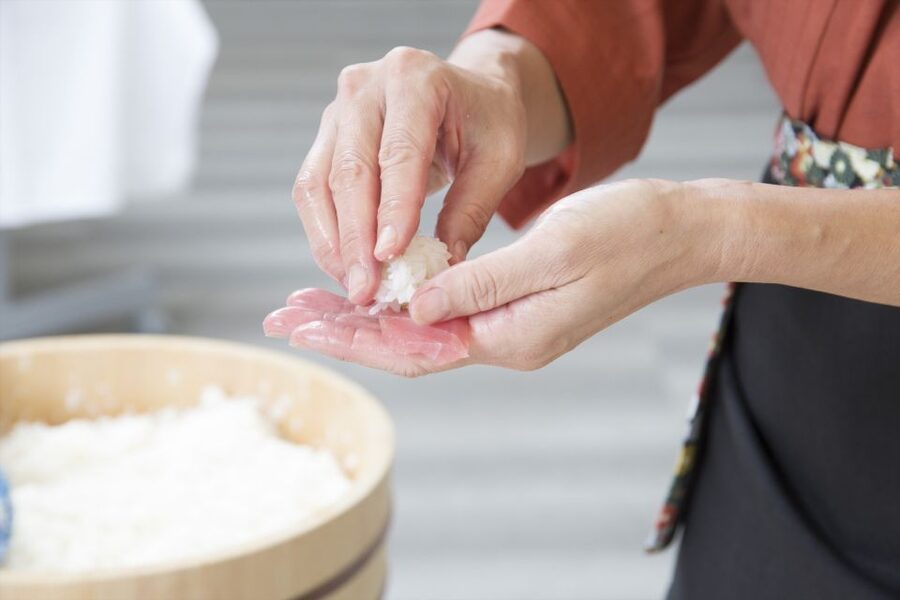
At $106 per person, this is not a bargain meal. A person interested only in eating sushi can spend less elsewhere. The price makes more sense if you value the lesson, the instructor’s help, the ingredients, the completed meal, and the two kits.
You are buying several parts at once:
- Instruction from a nationally accredited sushi instructor
- Ingredients for the workshop
- A meal made during the class
- Practice with three sushi styles
- Japanese dining etiquette
- Two sushi-making kits to take home
That package gives the price a reasonable basis, particularly if you plan to use the kits later. The value is weaker if you are visiting Tokyo for only a short time and would rather devote two hours to sightseeing.
The strongest part of the price is the hands-on instruction. You are not watching a chef prepare sushi while you sit back. You take part in the shaping and rolling, with help available when the technique feels awkward.
Who will enjoy this workshop most
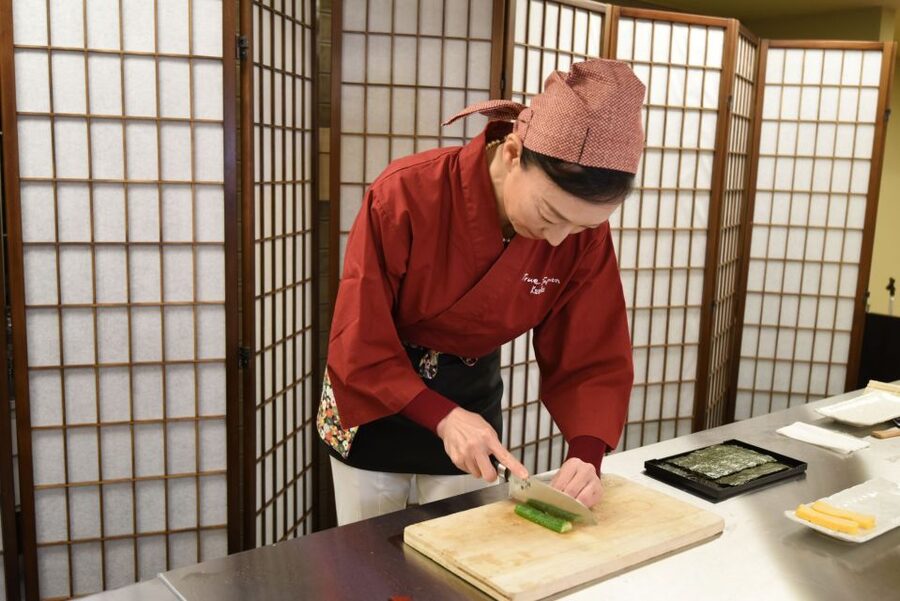
I would recommend this class to first-time sushi makers, food-focused visitors, couples, and families who enjoy making something together. It also suits people who like cultural activities with a meal at the end.
The English instruction makes the workshop accessible to English-speaking visitors, and the limited group size should help you follow the demonstration. Wheelchair access is available, which is important for participants who need an accessible activity.
This may not suit you if you want a full culinary course, a long market visit, or a detailed study of seafood selection. The supplied details focus on basic preparation, three sushi forms, sauces, etiquette, and eating what you make. That is a clear, focused experience rather than a broad food tour.
It is also worth considering your comfort with unfamiliar foods. The ingredients are provided, but no complete ingredient list is given. Ask ahead about allergies, dietary needs, or substitutions before reserving.
Booking and cancellation details
You can cancel up to 24 hours before the activity for a full refund. That is useful in Tokyo, where weather, jet lag, and changing sightseeing plans can affect a tightly scheduled day.
You can also reserve now and pay later, keeping your money available until closer to the activity. Starting times vary, so check availability for the date you want.
The class is conducted in English. Hotel pickup and drop-off are not included, so you need to reach Kikai Shinko Kaikan independently.
Should you book the sushi-making experience?
Book it if you want to make your own food, learn three different sushi forms, and take home tools for another attempt. The small group, clear instruction, and meal at the end make the two hours feel purposeful.
Skip it if your main goal is a cheap meal or if $106 feels high for a short class. You can also pass if your schedule is too tight to reach the Tokyo Tower area at the appointed time.
For the right person, this is a pleasant way to turn a familiar Japanese dish into a practical cultural lesson. You leave with sushi in your stomach, new techniques in your hands, and two kits that give the experience a life beyond the classroom.
FAQ
Where does the sushi-making class meet?
Meet the instructor at the main entrance of the Kikai Shinko Kaikan building on the first floor. The building is directly opposite Tokyo Tower.
What should I do if I cannot find the instructor?
Visit True Japan Tour in Room B109 on the B1 floor of the Kikai Shinko Kaikan building.
How long does the workshop last?
The workshop lasts two hours. Starting times vary, so check availability for your chosen date.
Is the class taught in English?
Yes. The listed language for the instructor and activity is English.
What types of sushi will I learn to make?
You will learn three techniques for making nigiri zushi, gunkan maki, and hosomaki zushi.
Are ingredients and a meal included?
Yes. Ingredients and a sushi meal are included, along with two sushi-making kits. Hotel pickup and drop-off are not included.
New on our Tokyo list
- Sumi-e Experience in a relaxing green tea shop in Tokyo★ 5.0 · 3 reviews
- Tokyo : Kamikaze Street Drift Ride★ 5.0 · 3 reviews
- Private Zen Meditation in English in Shinjuku, Tokyo★ 5.0 · 3 reviews
- Onsen Spa in Tokyo and Asakusa Bar Hopping with Local Guide★ 5.0 · 3 reviews
- Easy for everyone! Now you can play handmade mini shamisen and show off to everyone! Musical instruments, sweets and live music★ 5.0 · 3 reviews
- Tokyo: Private Tsukiji Street Food & Sake with Local Guide★ 5.0 · 3 reviews
- Mt Fuji Exploration Tour with Free Japanese Kusa Mochi from Tokyo★ 4.5 · 3 reviews
- Tokyo Tsukiji Fish Market Walking and Exploring Hidden Gems Tour★ 5.0 · 3 reviews
Sushi Experiences, compared.
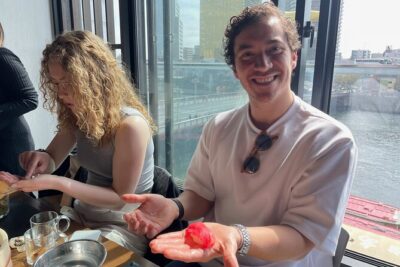
Sushi Making Tokyo Roll and Authentic Japanese Sushi Class
Read our review →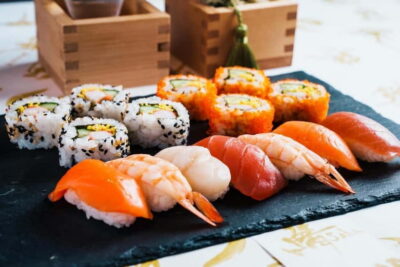
Roll and Authentic Sushi Making Class in Asakusa
Read our review →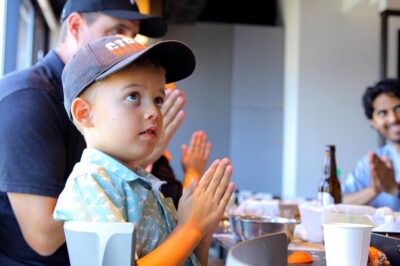
Make Sushi and Create Unforgettable Memories in Tokyo
Read our review →
Sushi Making Class in a Happi Coat near a Famous Spot
Read our review →
Tokyo Sushi Making Class in Tsukiji with Professional Chef
Read our review →
Tokyo Night Foodie Tour in Shinjuku – Seasonal Sushi, Wagyu Beef
Read our review →
Tsukiji Fish Market Guided Tour and Sushi Making with Pro Chef
Read our review →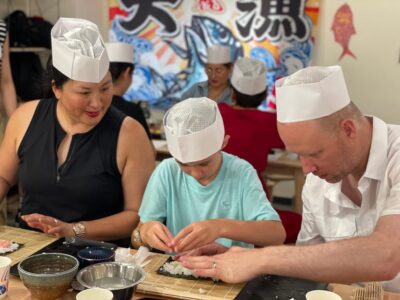
Tsukiji Fish Market Sushi Making Class with Pro Chef
Read our review →Browse the lists this tour appears in