
Reviewed · WALKING TOURS
Tokyo Architecture and Contemporary Art Walking Tour with a local guide
Tokyo’s best architecture is spread across the city, and this private tour gives you a smart way to connect the major districts. You’ll move from Ginza’s polished storefronts to Tokyo International Forum, Roppongi’s art institutions, Shibuya Crossing, and the quieter streets of Daikanyama.
I like the private format, which lets you set the pace and respond to your guide’s interests. I also like the mix of famous buildings and everyday Tokyo, including youth fashion on Takeshita Street and the bookshops and cafés around Daikanyama.
The main caution is the amount of walking and subway travel. One full day reached roughly 13,000 to 20,000 steps, and another experience included plenty of time underground between stops. This is best for people who enjoy cities on foot.
In This Review
- Key points to know before booking
- Tokyo’s architecture, linked by rail and foot
- Ginza: polished streets and bold storefronts
- Tokyo International Forum: a short stop with a big building
- Roppongi: Tokyo’s art triangle
- Omotesando: fashion brands as architecture
- Takeshita Street: youth culture and visual overload
- Shibuya Crossing: a quick lesson in city movement
- Daikanyama and Nakameguro: a calmer final chapter
- What the private guide adds
- Walking, weather, and daily comfort
- Price and value for a private group of nine
- Who should book this Tokyo architecture tour?
- Should you book it?
- FAQ
- How long does the Tokyo architecture tour last?
- How much does the private tour cost?
- Is this a private tour?
- Where does the tour start and finish?
- Which Tokyo areas are included?
- Does the tour use public transportation?
- Are admission tickets included?
- Is bottled water provided?
- What is the cancellation policy?
Key points to know before booking
- Seven major Tokyo districts in one day: Ginza, Tokyo International Forum, Roppongi, Omotesando, Harajuku, Shibuya, and Daikanyama.
- A genuinely private outing: Only your group joins, with space for up to nine people.
- Guides who adapt to you: Tomoya, Richie, Riley, and Masa are among the guides named for this experience.
- Public transport is part of the day: Expect local trains and subways, with IC cards used during at least some outings.
- Architecture comes first: You’ll see important buildings from outside, with art districts and design-focused streets woven into the route.
- A demanding walking day: Allow for long stretches on foot, frequent station transfers, and warm-weather fatigue.
Tokyo’s architecture, linked by rail and foot
This is not a tour of one museum or a single architectural quarter. It is a citywide sampler, moving through several parts of Tokyo that feel very different from one another.
The route takes about six to eight hours, including transfers and time at each district. The listed stops add up to roughly five hours and 45 minutes, so the remaining time allows for transport, conversation, photographs, and the natural pauses that come with a private day.
You meet your guide in Tokyo, with pickup offered and the exact starting arrangement confirmed before the tour. Public transportation is central to the experience. At least one outing used local trains and IC cards, while another relied heavily on the subway. Bring or obtain a working transit card and keep some energy in reserve for stations.
The group limit of nine matters. You are not trying to hear a guide across a crowd, and you can usually stop longer for a building that catches your eye. The guide can also respond to your interests, an especially useful feature if you care more about modern design than shopping, or more about art than fashion.
More walking routes in Tokyo:
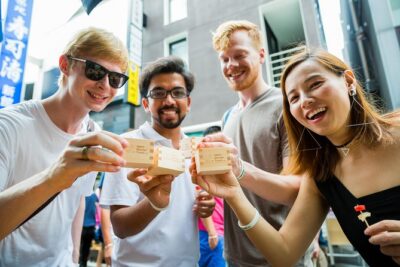
- Tokyo Tsukiji Fish Market Food and Culture Walking Tour
★ 5.0 · 3,184 reviews - Tokyo: Imperial Palace and Shogun Historical Walking Tour
★ 5.0 · 2,251 reviews - Tokyo: Shinjuku Local Bar and Izakaya Guided Walking Tour
★ 4.9 · 1,794 reviews
Ginza: polished streets and bold storefronts
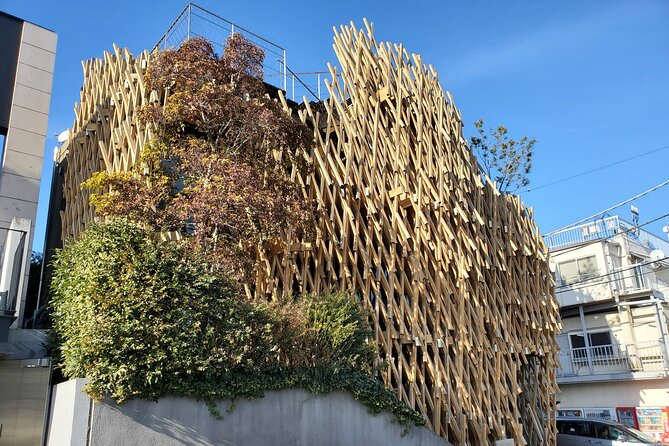
Ginza begins the architectural conversation in a fitting way. This is Tokyo’s famous luxury district, filled with boutiques, Japanese stores, small galleries, and buildings by major international architects.
The appeal here is not just the shopping. Ginza works as an outdoor design lesson. Storefronts compete for attention, and leading fashion labels often use their buildings to express a brand’s identity. A guide can help you look past the signs and point out the materials, shapes, façades, and unusual details that are easy to miss when you are simply walking to a shop.
You have about an hour in the district. That is enough for a useful orientation, but not enough to inspect every building or browse every store. If you want to buy Japanese goods, mention this early. One outing included time to purchase chopsticks, so shopping can fit into the day when the group’s priorities allow it.
Ginza can feel highly polished and commercial. If you want old Tokyo streets, traditional homes, or temple architecture, this opening stop may feel less personal. Its value is in seeing how contemporary design and retail work together.
Tokyo International Forum: a short stop with a big building
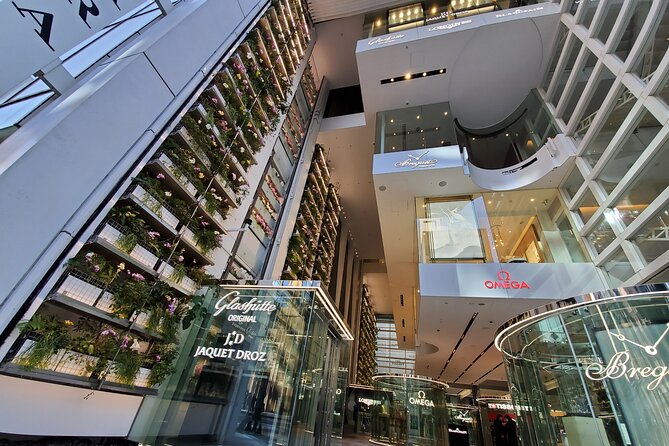
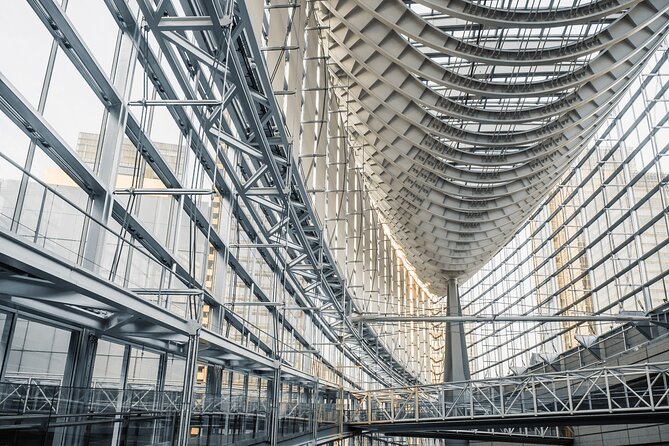
The Tokyo International Forum receives about 15 minutes, which sounds brief until you see the scale of the place. Designed by Rafael Viñoly, a Uruguay-born American architect, this postmodern convention and art center is one of Tokyo’s key modern buildings.
The main attraction is the building itself. Its sweeping glass form and structural details make it a strong contrast to the packed commercial streets of Ginza. This is a place where your guide’s explanation adds real value because the building can be appreciated quickly, but its design ideas are easier to understand when someone points out what you are seeing.
Do not expect a long indoor visit or a full architectural lecture here. The stop is a focused look and a photo opportunity before the route continues. If you want extended time inside, ask your guide when planning the day, since the published schedule gives this landmark only a short visit.
Roppongi: Tokyo’s art triangle
Roppongi shifts the focus from retail architecture to contemporary art. The district contains the three institutions known as the Art Triangle Roppongi: the National Art Center, Mori Art Museum, and Suntory Museum of Art. It is also associated with galleries and the Fuji Film Square.
You should think of this as an art-oriented neighborhood tour rather than a guaranteed museum visit. The route description identifies the institutions and district sights, but it does not promise admission or a specific exhibition. The listed stops do not carry admission charges, so budget separately if you decide to enter a museum or gallery.
The one-hour stop gives you time to understand how Roppongi’s art scene is arranged. Your guide can help you decide which building or institution best fits your interests, though the private schedule may not allow a full museum visit.
Roppongi is a useful counterpoint to Ginza. Ginza shows design as commerce. Roppongi shows architecture and urban planning supporting art, culture, and public events. If you are serious about contemporary art, tell the guide before the day begins so the conversation can lean in that direction.
A few more Tokyo bookings worth comparing
- Mt Fuji and Hakone 1-Day Bus Tour Return by Bullet Train
★ 5.0 · 26,383 reviews - 1-Day Tokyo Bus Tour
★ 5.0 · 14,250 reviews - Tokyo: TOKYO SKYTREE® Admission ticket
★ 4.5 · 11,192 reviews - Tokyo: teamLab Planets TOKYO Digital Art Museum Entry Ticket
★ 4.6 · 9,779 reviews
Omotesando: fashion brands as architecture
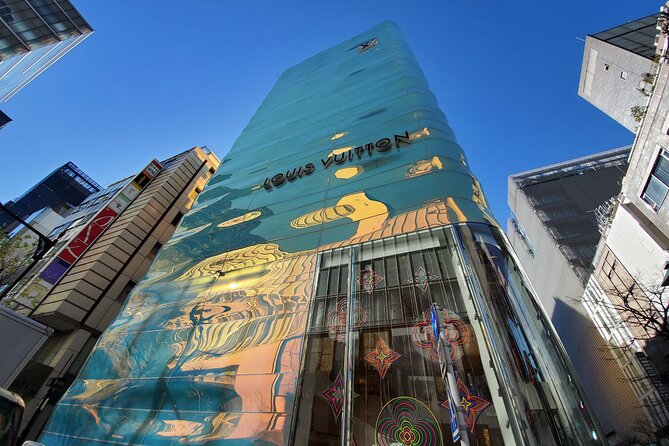
Omotesando is one of the strongest sections for visitors who want to see major architects at work. The district’s high-end fashion and jewelry stores occupy buildings designed to attract attention from the street.
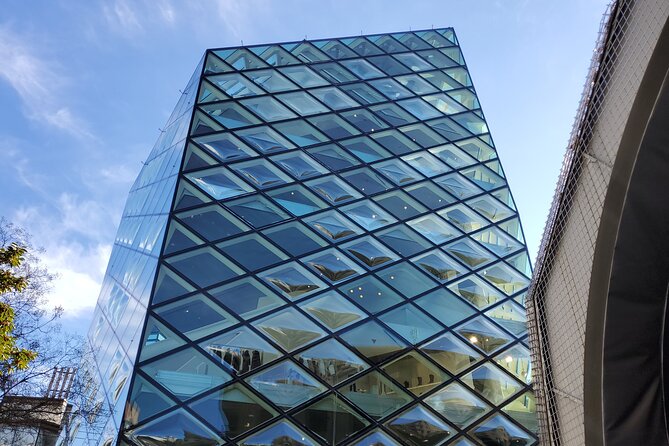
The route begins with the Prada flagship store, designed by Herzog and de Meuron. The building is known for its distinctive glass and structural treatment, and it offers a clear example of a store functioning as a piece of modern architecture.
You have about an hour here. That gives you room to compare several façades instead of seeing one famous building and rushing away. The guide’s role is important because Omotesando can look like an expensive shopping street at first glance. With context, the storefronts become examples of how global brands use architecture to shape a district.
The drawback is obvious: this is not a low-cost shopping experience. You can enjoy the buildings without buying anything, but the setting is commercial and upscale. If luxury retail does not interest you, ask for more detail about the buildings rather than the stores.
Takeshita Street: youth culture and visual overload
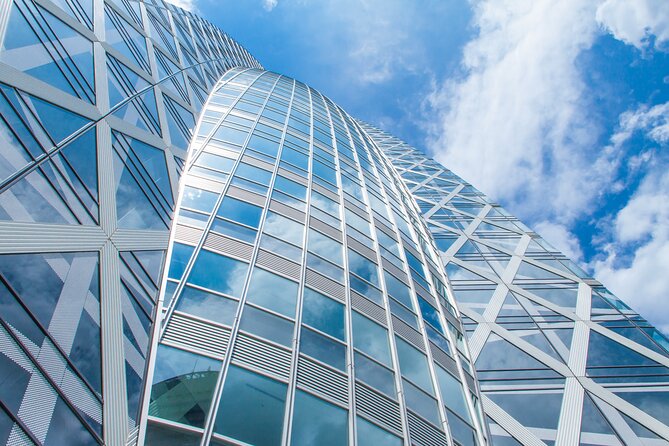
Takeshita Street in Harajuku changes the mood again. Here, the focus is Japanese youth culture, unusual fashion, and the playful or outrageous side of design.
The architecture is not presented as a formal collection of landmark buildings. Instead, you see how shops, signs, clothing, and crowds create a visual environment that differs sharply from Omotesando’s controlled luxury. That contrast is one of the day’s strengths.
You get about an hour. Use it to watch the street as much as the buildings. This is a useful place to understand why Tokyo’s design culture cannot be reduced to famous architects and polished towers. The storefronts may be temporary or highly commercial, but they show the city’s appetite for experimentation.
Takeshita Street can be hectic. The tour is not a quiet architectural walk here, and the route may feel less focused than the stops in Ginza or Roppongi. Still, it provides cultural balance and helps explain the different audiences served by nearby Harajuku and Omotesando.
Shibuya Crossing: a quick lesson in city movement
Shibuya receives about 30 minutes, centered on its famous crossing. It is a short stop, but the scale and movement make it memorable.
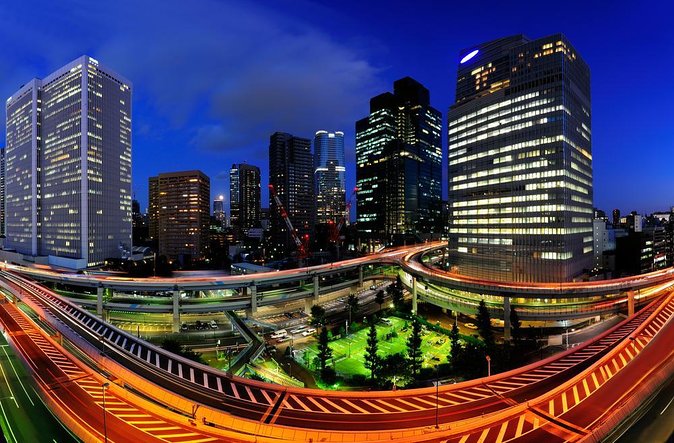
From the crossing, you can watch several streams of people move through the intersection at once. The experience is less about examining one building and more about understanding how Tokyo organizes movement, commerce, and public space.
Half an hour is enough to experience the crossing and take photographs, but not enough to explore all of Shibuya. The stop works best as a change of pace between the more deliberate architecture sections and the calmer final district.
The area can be crowded and noisy. If you prefer close study of buildings, Shibuya may feel light on architectural detail. Its place in the tour is about the city as a machine of movement, with the crossing providing one of Tokyo’s clearest examples.
Daikanyama and Nakameguro: a calmer final chapter
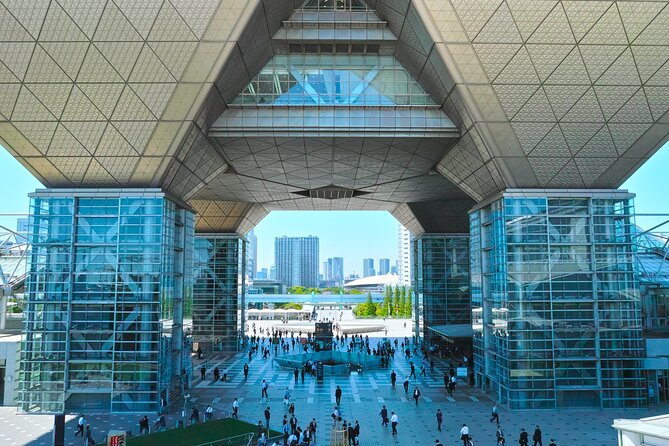
Daikanyama and Nakameguro provide the day’s most relaxed finish. These areas contain boutiques and cafés, but they feel less hectic than Ginza, Harajuku, and Shibuya.
The district is a good reminder that Tokyo is not only giant intersections and high-rise commercial centers. Smaller streets, independent shops, and a slower rhythm create a different kind of urban design. The Tsutaya bookstore is one of the area’s named highlights, and its design-led atmosphere fits the tour’s theme.
You have about an hour here, enough to browse, stop for a drink if the schedule permits, and talk with your guide about the contrasts you have seen during the day. The route description does not promise a café break or meal, so do not count on a formal lunch stop. One outing included ramen, but food arrangements appear to depend on the group and guide.
Ending here makes sense. After the intensity of Shibuya, Daikanyama gives you room to slow down and take in Tokyo at street level. It is also a good place to tell your guide if you want to linger over shops or book-related design rather than rush to another landmark.
What the private guide adds
The strongest part of this experience is the human explanation between stops. Tokyo has no shortage of remarkable buildings, but without context, you may remember only a series of façades and subway stations.
The named guides include Tomoya, Richie, Riley, and Masa. Riley is noted for strong English and for responding to personal suggestions. Masa is described as friendly and willing to accommodate requests. Tomoya guided full-day architectural outings, and Richie handled a long walking day that included local trains, shopping, and ramen.
Those details suggest a flexible guiding style, but you should still state your priorities clearly. Tell the company if you want:
- More time on architecture and less time shopping
- Contemporary art institutions rather than outdoor viewing
- Specific buildings or architects
- A slower walking pace
- A food or shopping pause
- Fewer subway transfers, if an alternate route is possible
The guide may adjust the sequence, transport, or balance of stops. One response specifically noted that buses and taxis could make transfers more enjoyable than relying so much on the subway, though those alternatives are not guaranteed.
Walking, weather, and daily comfort
You need good walking shoes. The full day can reach 13,000 to 20,000 steps, and the route includes station corridors, stairs or long platforms, street crossings, and time standing outdoors.
Bottled water is provided, which helps, especially in warm weather. One outing took place on a hot day, and another continued despite rain. Tokyo’s weather can change the feel of the route, so bring suitable clothing and do not treat the bottled water as a substitute for planning regular breaks.
Most people can participate, according to the activity details, but the high step count is the practical test. If anyone in your group has difficulty with long walks or repeated public transport transfers, discuss that before booking. A private guide can adjust the pace more easily than a large group, but the citywide route still covers a lot of ground.
Price and value for a private group of nine
The price is $424.58 per group, for up to nine people. At the full group limit, that works out to about $47 per person before any separate transport, food, or museum expenses. For two people, the per-person cost is much higher, so the value improves sharply as your group grows.
You are paying for a full day of private guiding rather than a basic sightseeing circuit. The guide links districts that would take planning to visit independently, explains the buildings, and can respond to your interests. The route also avoids the fixed rhythm of a large coach tour.
The value is weaker if you only want to photograph a few famous buildings. You could visit many of these districts independently using Tokyo’s excellent rail network. This experience earns its price through interpretation, route planning, flexibility, and the chance to spend the day with only your own group.
Museum entry is not clearly included, and the stops are listed without admission charges. Plan for possible extra costs if you want to enter an exhibition, eat lunch, use taxis, or buy souvenirs.
Who should book this Tokyo architecture tour?
I would choose this for a first or second visit when you want a broad introduction to modern Tokyo. It suits architecture fans, design students, contemporary art followers, and curious visitors who like understanding why a city looks the way it does.
It also works well for families or friends who want a private day. A group of six to nine gets particularly good value, and the guide can respond to requests without waiting for strangers.
I would think twice if you dislike public transportation, want a slow café day, or find 13,000 steps excessive. The tour covers a lot, and its strength is range rather than extended time at one museum or building.
The operating window is listed as 8:30 a.m. to 3 p.m. for the published date ranges, from December 24, 2025 through January 4, 2026, and from January 5, 2026 through January 20, 2027. Confirm your exact start time and pickup point, since the details describe both hotel pickup and a central meeting point.
Should you book it?
Book this tour if you want Tokyo explained through architecture, art, fashion, and street life in one demanding day. The private format, adaptable guides, and broad route make it more useful than a simple list of photo stops.
Skip it if you want deep museum time or a gentle walking schedule. For everyone else, especially a full group that can share the $424.58 price, this is a practical way to see how very different parts of Tokyo fit together. Free cancellation is available until 24 hours before the start time, which gives you some room to adjust plans.
FAQ
How long does the Tokyo architecture tour last?
The experience lasts approximately six to eight hours.
How much does the private tour cost?
The listed price is $424.58 per group, with up to nine people allowed.
Is this a private tour?
Yes. Only your group participates in the activity.
Where does the tour start and finish?
It starts in Tokyo and ends back at the meeting point. Hotel pickup is offered, and the exact starting arrangement should be confirmed before the tour.
Which Tokyo areas are included?
The route includes Ginza, Tokyo International Forum, Roppongi, Omotesando, Takeshita Street in Harajuku, Shibuya, and Daikanyama.
Does the tour use public transportation?
Yes. Public transportation is used to move between districts, including local trains and the subway.
Are admission tickets included?
The listed stops show free admission, but the activity does not promise entry to museums or exhibitions. Confirm any planned indoor visits with the provider.
Is bottled water provided?
Yes. Bottled water is provided during the tour.
What is the cancellation policy?
You can cancel at least 24 hours before the local start time for a full refund. Cancellations or changes made less than 24 hours before the start time are not accepted for a refund.
New on our Tokyo list
- Sumi-e Experience in a relaxing green tea shop in Tokyo★ 5.0 · 3 reviews
- Tokyo : Kamikaze Street Drift Ride★ 5.0 · 3 reviews
- Private Zen Meditation in English in Shinjuku, Tokyo★ 5.0 · 3 reviews
- Onsen Spa in Tokyo and Asakusa Bar Hopping with Local Guide★ 5.0 · 3 reviews
- Easy for everyone! Now you can play handmade mini shamisen and show off to everyone! Musical instruments, sweets and live music★ 5.0 · 3 reviews
- Tokyo: Private Tsukiji Street Food & Sake with Local Guide★ 5.0 · 3 reviews
- Mt Fuji Exploration Tour with Free Japanese Kusa Mochi from Tokyo★ 4.5 · 3 reviews
- Tokyo Tsukiji Fish Market Walking and Exploring Hidden Gems Tour★ 5.0 · 3 reviews
Walking Tours, compared.
Tokyo Tsukiji Fish Market Food and Culture Walking Tour
Read our review →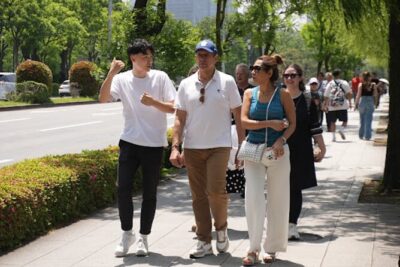
Imperial Palace and Shogun Historical Walking Tour
Read our review →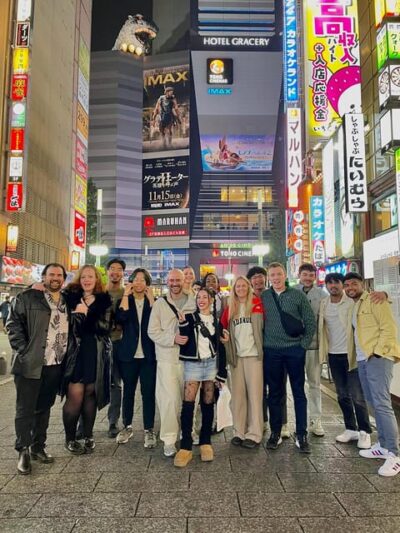
Shinjuku Local Bar and Izakaya Guided Walking Tour
Read our review →
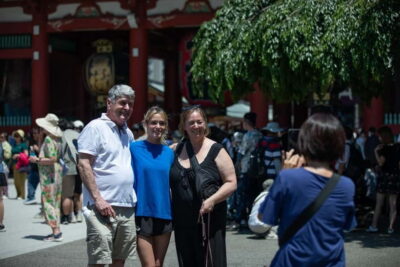
Asakusa Walking Tour with Sensoji Temple Visit
Read our review →
Tokyo Castle & Imperial PalaceーShogun Walking Tour
Read our review →
Browse the lists this tour appears in