
Reviewed · JAPANESE CULTURE WORKSHOPS
Tokyo: Bonsai Making Experience with Bonsai Master
Tokyo’s bonsai workshop gives you something most cultural activities do not: a living souvenir you help create. In 90 minutes, bonsai master Sho explains the art’s history and meaning, then guides you through pruning, wiring, and potting your own small tree.
I like the four-person limit, which leaves room for questions and careful help. I also like the easy setting, directly above Tokyo Station in Daimaru Tokyo, so you can fit this calm session into a busy sightseeing day.
There is one important catch: if you live outside Japan and continue traveling after the class, you cannot take the tree home. You receive a special bonsai booklet instead, while the nursery can keep the plant. The $122 price also reflects personal instruction and materials, not a quick demonstration.
In This Review
- Key Points Before You Book
- Why This Bonsai Class Feels Different
- Meeting Bonsai Master Sho Above Tokyo Station
- The First Part: Bonsai History, Meaning, and Tree Structure
- Pruning: Making Careful Choices
- Wiring: Directing the Shape
- Potting: Bringing the Creation Together
- What the $122 Price Gets You
- Who Will Enjoy This Most
- A Calm Break in a Fast City
- Practical Details That Matter
- Should You Book This Bonsai Workshop?
- FAQ
- Where does the bonsai workshop take place?
- How long does the experience last?
- Is the workshop taught in English?
- How many people are in the group?
- What bonsai techniques will I practice?
- Can I take my bonsai home?
- What happens if I need to cancel?
Key Points Before You Book
- Work directly with bonsai master Sho: He teaches in English and covers both the ideas behind bonsai and the practical work.
- Shape a real tree yourself: You practice pruning, wiring, and potting instead of only watching a demonstration.
- Small group of four: The limited size gives you a better chance to ask questions and receive individual guidance.
- Meet at Tokyo Station: Bonsai Seikouen is on the 10th floor of Daimaru Tokyo, right by the Yaesu North Exit.
- Plan for the souvenir rule: Japan residents take home their bonsai, while overseas visitors receive a bonsai booklet.
- Allow 10 extra minutes: The class starts on time, and late arrivals cannot extend the 90-minute session.
Why This Bonsai Class Feels Different
Bonsai is easy to mistake for ordinary gardening done on a tiny scale. This class shows you that it is also an exercise in restraint, balance, patience, and close observation.
You are not simply placing a plant in a pot. You are learning to decide which branches help the tree’s shape, how wiring can guide growth, and why the final arrangement should suggest a natural tree rather than a trimmed ornament. Those choices give the workshop more weight than a standard craft class.
Sho begins with the background of bonsai and explains its cultural meaning in Japan. He also discusses the different parts of the tree, giving you a useful foundation before you pick up the tools. That order matters. The practical work makes more sense when you understand why a branch is being removed or why the tree is positioned in a certain way.
I like this blend of explanation and action. You get enough context to see bonsai as a Japanese art, but you do not spend the whole session sitting through a lecture.
The mood should appeal to anyone who needs a slower hour in Tokyo. The city outside is full of trains, signs, crowds, and constant motion. Inside the workshop, you focus on the tree in front of you. The work asks for steady hands and attention, which makes it feel calm without turning into a formal meditation class.
More craft workshops in Tokyo:
- Tokyo Shinjuku Chopsticks Making Class
★ 5.0 · 1,763 reviews - Kintsugi Experience: Art of Golden Joinery in Tokyo
★ 5.0 · 467 reviews - Authentic Pure Gold Kintsugi Workshop with Master Taku in Tokyo
★ 5.0 · 217 reviews
Meeting Bonsai Master Sho Above Tokyo Station
The workshop takes place at Bonsai Seikouen, on the 10th floor of Daimaru Tokyo Department Store. The building is directly connected to Tokyo Station and sits just outside the Yaesu North Exit ticket gate.
That location is a real advantage. You do not need to set aside half a day for a distant nursery or spend time working out a complicated suburban connection. If you are changing trains, staying near Tokyo Station, or planning to explore the Yaesu side of the city, this is an easy stop to add.
Still, Tokyo Station can be confusing if you rush. Give yourself enough time to find the correct exit, enter Daimaru, and reach the 10th floor. You should arrive 10 minutes before the scheduled start. The class begins promptly, and the instructor cannot wait for late arrivals or add time at the end.
The meeting process also uses WhatsApp. Download it before the activity so the guide can contact you and help keep the meeting simple. That small step is worth handling before you leave your hotel.
The group size is limited to four people. For bonsai, that is more than a marketing detail. Pruning and wiring require close attention, and each tree may call for different choices. A small class gives Sho more room to look at your work and answer questions as you go.
The First Part: Bonsai History, Meaning, and Tree Structure
The lesson opens with an explanation of bonsai’s history, philosophy, and place in Japanese culture. Sho also shares information about his nursery, which helps connect the finished art to the care of living trees.
You will learn to look at a bonsai as a small version of a full tree, not as a plant forced into an unusual shape. The aim is to suggest age, balance, and nature within a small space. The instructor explains how branches, trunk, roots, and foliage work together.
This introduction is especially useful if you are new to bonsai. Without it, pruning can feel like cutting at random. With it, you begin to understand why one branch may be kept while another is removed, or why the tree needs to sit in a certain position in its pot.
Sho teaches in English, and the available feedback points to clear explanations and patient answers. That matters in a hands-on class. You want to understand an instruction before making a cut or placing wire around a branch.
The talk is not meant to turn you into a bonsai expert in one visit. It gives you a working vocabulary and a way to think about the tree. That is enough to make the practical section more rewarding.
Pruning: Making Careful Choices
Pruning is likely to be the first moment when the class feels serious. Cutting a living branch can make a beginner hesitate, and that is part of the lesson. Bonsai asks you to make deliberate choices rather than preserve every bit of growth.
Under Sho’s direction, you learn the basic purpose of pruning and how it affects the tree’s appearance. The goal is not simply to make the plant smaller. You are working toward a shape that looks balanced and natural.
This is where the small group earns its value. You can ask why a particular branch should be trimmed and get help before you act. The process is practical, but it also reflects the larger idea of bonsai: good results come from patience and attention over time.
Do not expect to finish with a perfect exhibition tree. A 90-minute class introduces you to the method and gives you a personal first project. Your tree will be a beginner’s creation, and that is part of its appeal.
The experience works well for couples, friends, families with an interest in plants, and solo visitors who enjoy quiet activities. You do not need previous training. The equipment and tools are provided, and the instructor guides you through the work.
A few more Tokyo bookings worth comparing
- Mt Fuji and Hakone 1-Day Bus Tour Return by Bullet Train
★ 5.0 · 26,383 reviews - 1-Day Tokyo Bus Tour
★ 5.0 · 14,250 reviews - Tokyo: TOKYO SKYTREE® Admission ticket
★ 4.5 · 11,192 reviews - Tokyo: teamLab Planets TOKYO Digital Art Museum Entry Ticket
★ 4.6 · 9,779 reviews
Wiring: Directing the Shape
Wiring is one of the most distinctive bonsai techniques you will try. Thin wire is used to guide branches into a chosen position. It is a careful task, since too much pressure can harm a branch while too little will not hold the shape.
Sho demonstrates the basic approach, then gives you a chance to practice. You will see how the wire follows the branch and how the angle of the branch changes the character of the tree.
This part calls for patience. If you prefer fast crafts with an instant result, the pace may feel slow. If you like detailed work, it is likely to be one of the best parts of the class.
Wiring also makes the philosophy of bonsai easier to understand. You are not trying to overpower the tree. You are working with its existing form and guiding it toward a pleasing arrangement. The human hand is present, but the tree remains the focus.
Because each participant creates a separate bonsai, your finished tree will not look exactly like anyone else’s. That personal element is a strong reason to choose this activity over a sightseeing stop where you only take photographs.
Potting: Bringing the Creation Together
The final practical stage is potting. Here, the tree, soil, roots, and container need to work together. The pot is not just a decorative holder. It forms part of the overall composition.
You learn the basic steps for placing the tree and finishing the arrangement. This gives the earlier work a clear purpose. Pruning shaped the branches, wiring guided them, and potting presents the result as a complete bonsai.
The workshop covers care as well, so you leave with more than a finished object. You gain an introduction to how to look after the tree and continue learning. Bonsai rewards regular attention, and the class makes clear that the work does not end when the session does.
For Japan residents, the bonsai you create becomes the souvenir. That is a much more personal memento than a shop purchase. You remember the decisions you made and the guidance you received each time you see it.
For overseas visitors, the rule is different. You receive a special bonsai booklet as a keepsake, and the tree may be returned to the nursery if onward travel makes taking it impossible. This is not the same as carrying your own creation home, so you should consider the arrangement before booking.
What the $122 Price Gets You
At $122 per person, this is not a budget attraction. The value comes from the combination of a professional instructor, a small group, all tools and materials, and a full hands-on activity in central Tokyo.
You are paying for direct instruction rather than admission to a garden or a short public demonstration. The four-person limit is important here. A larger class might cost less, but it could also leave you waiting for help during the delicate parts.
The price makes the most sense if you want a cultural activity with substance. You receive an explanation of bonsai’s history and philosophy, practice several basic techniques, and learn how to care for the finished tree. That is a solid amount of content for 90 minutes.
The value is weaker if you only want a low-cost souvenir or a quick photo opportunity. You need to take part, listen closely, and accept that the work requires patience. This is a lesson and a craft experience, not a passive stop.
The souvenir policy also affects the calculation. Japan residents receive the bonsai they create. Overseas visitors receive the booklet, although the nursery can keep the plant. If taking a living tree home is central to your plans, contact the provider before booking so you understand the available arrangement.
Who Will Enjoy This Most
I would recommend this workshop to first-time visitors who want a cultural experience with personal involvement. It gives you a direct way to learn about Japan without requiring a full day or a long trip outside central Tokyo.
It also suits plant lovers and anyone curious about Japanese aesthetics. You do not have to know anything about bonsai. In fact, beginners may benefit most because the lesson starts with the basics and builds toward the practical work.
The activity is a good match for:
- Couples looking for a shared project
- Solo visitors who prefer a quiet, focused class
- Families and friends with an interest in plants
- People who enjoy detailed handwork
- Japan residents who want to take home a living souvenir
- Visitors who want a short activity near Tokyo Station
It may not suit you if you want a fast-paced attraction, a large social group, or a guaranteed full-size souvenir for an international flight. Overseas visitors should be comfortable receiving the booklet instead of carrying the tree onward.
The four-person format can also feel more personal than lively. That is a benefit for instruction, but it may not be the right mood if you want noise, movement, and lots of group interaction.
A Calm Break in a Fast City
Tokyo rewards a packed schedule, but it can also wear you down. A bonsai class offers a useful change of pace between train rides, department stores, and major sights.
The calm comes from the work itself. You focus on the tree, the shape of each branch, and the next small decision. The activity does not promise a formal wellness session, but its slow rhythm can feel meditative.
I especially like that the calm is tied to a real skill. You are not simply being entertained for 90 minutes. You are learning how to care for a living thing and how Japanese bonsai expresses a balance between human design and nature.
That makes the workshop memorable even if you cannot take the tree home. The booklet gives overseas visitors something to keep, while the lesson gives everyone a better understanding of one of Japan’s best-known arts.
Practical Details That Matter
The session lasts 90 minutes, so plan your surrounding schedule with care. The activity is short enough to fit before or after other Tokyo plans, but you should not treat it as a drop-in event. The start time is fixed, and late arrivals cannot be accommodated by extending the class.
Transportation is not included, though the venue’s position beside Tokyo Station makes the journey straightforward. Find Daimaru Tokyo just outside the Yaesu North Exit ticket gate, then go to the 10th floor.
The instructor language is English. Download WhatsApp before the class because the guide uses it to contact participants and help arrange the meeting.
You can cancel for a full refund up to 24 hours before the activity. The reserve-now, pay-later option also gives you some flexibility while you set your Tokyo schedule, though you should still check the available start times before committing.
Should You Book This Bonsai Workshop?
Book it if you want a small, hands-on cultural class rather than another observation-only attraction. Sho’s patient teaching, clear English, and careful explanation make the session approachable for beginners, while the pruning, wiring, and potting give you real work to do.
The location is one of the easiest in Tokyo, and the four-person limit supports good instruction. At $122, the cost is fair for personal guidance and materials, but it is not the right pick if your main goal is a cheap souvenir.
Japan residents get the strongest souvenir benefit because they take home the bonsai they create. Overseas visitors should book for the lesson itself and accept the booklet or nursery arrangement as the practical keepsake.
FAQ
Where does the bonsai workshop take place?
It takes place at Bonsai Seikouen on the 10th floor of Daimaru Tokyo Department Store. The building is directly connected to Tokyo Station and is just outside the Yaesu North Exit ticket gate.
How long does the experience last?
The workshop lasts 90 minutes. It begins at the scheduled time and cannot be extended for late arrivals.
Is the workshop taught in English?
Yes. The instructor teaches in English, and English-speaking guidance is included.
How many people are in the group?
The class is limited to four participants, making it a small-group experience.
What bonsai techniques will I practice?
You will learn and practice basic pruning, wiring, and potting techniques, along with bonsai care and the ideas behind the art.
Can I take my bonsai home?
If you reside in Japan, you can take home the bonsai you create. Overseas visitors receive a special bonsai booklet as a keepsake, and the nursery may keep the tree if onward travel makes transport difficult.
What happens if I need to cancel?
You can cancel up to 24 hours in advance for a full refund. The activity also offers a reserve-now, pay-later option.
New on our Tokyo list
- Sumi-e Experience in a relaxing green tea shop in Tokyo★ 5.0 · 3 reviews
- Tokyo : Kamikaze Street Drift Ride★ 5.0 · 3 reviews
- Private Zen Meditation in English in Shinjuku, Tokyo★ 5.0 · 3 reviews
- Onsen Spa in Tokyo and Asakusa Bar Hopping with Local Guide★ 5.0 · 3 reviews
- Easy for everyone! Now you can play handmade mini shamisen and show off to everyone! Musical instruments, sweets and live music★ 5.0 · 3 reviews
- Tokyo: Private Tsukiji Street Food & Sake with Local Guide★ 5.0 · 3 reviews
- Mt Fuji Exploration Tour with Free Japanese Kusa Mochi from Tokyo★ 4.5 · 3 reviews
- Tokyo Tsukiji Fish Market Walking and Exploring Hidden Gems Tour★ 5.0 · 3 reviews
Japanese Culture Workshops, compared.
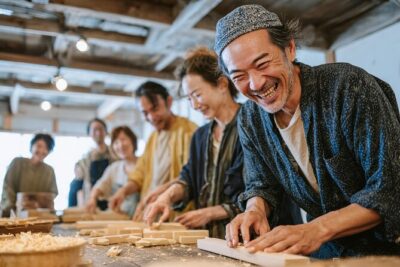
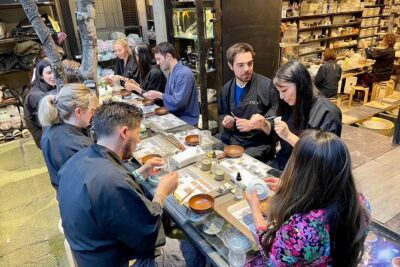
Kintsugi Experience: Art of Golden Joinery in Tokyo
Read our review →
Authentic Pure Gold Kintsugi Workshop with Master Taku in Tokyo
Read our review →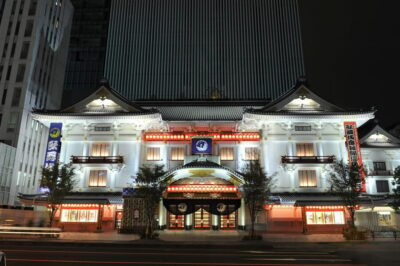
KABUKI Show at Kabukiza Theatre Admission Ticket
Read our review →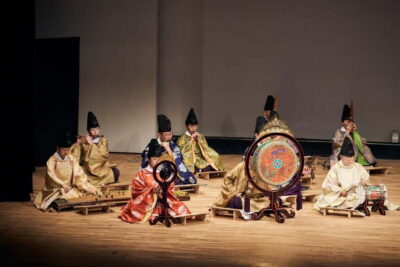
KABUKI, BUNRAKU, etc. presented by National Theatre
Read our review →
Kintsugi Workshop Class in Shibuya, Tokyo with mon cadeau
Read our review →
Browse the lists this tour appears in