

Reviewed · WALKING TOURS
Tokyo: Imperial Palace and Shogun Walking Tour
The best part of this $16 Imperial Palace tour is the way it turns quiet gardens and enormous stone walls into evidence of political power. You are not just looking at clipped trees and ponds. You are walking through the former center of the Tokugawa shogunate, where Japan was ruled for more than two centuries.
I like the clear two-hour format, which gives you a useful introduction without consuming half your day. I also like the guides’ practical approach: Tony, Blake, Jim Allen, Embla, Thomas, and others are praised for making Japanese history easy to follow and for offering suggestions about food and sightseeing. The main consideration is that this is a walking tour of outdoor grounds, so weather and a steady pace matter.
In This Review
- Key points at a glance
- Why Edo Castle matters in modern Tokyo
- Meeting at Wadakura Fountain Park
- Ote-Mon Gate: the first lesson in castle power
- The palace grounds and the changing face of Japan
- Hyakunin Bansho Guardhouse and the samurai world
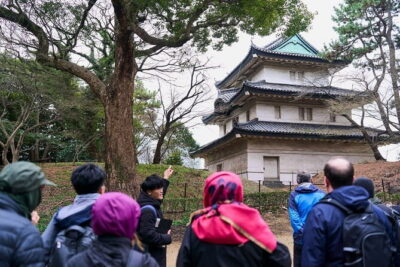
- Fujimi-yagura: a surviving castle tower
- Imperial Palace East Gardens: a quiet break in central Tokyo
- Ninomaru Garden and koi ponds
- Reading the massive stone walls
- Guide quality and the pace of the walk
- Is $16 good value for two hours?
- Who should book this Imperial Palace walk?
- My verdict: a smart first look at old Tokyo
- FAQ
- How long does the Imperial Palace and Shogun Walking Tour last?
- What is the price of the tour?
- Where does the tour meet?
- Where does the tour end?
- Is the tour conducted in English?
- What places are included in the walk?
- Can I cancel the tour for a refund?
Key points at a glance
- Ote-Mon Gate: Enter through the main historic gateway and begin to see how Edo Castle was defended.
- Ninomaru Garden: Enjoy the calmest part of the walk, with seasonal planting, ponds, and koi.
- Fujimi-yagura: View one of the surviving castle towers and learn how it helped protect the shogun’s compound.
- Massive stone walls: Examine the scale and craft of the castle defenses rather than simply passing them by.
- Two-hour value: Get a focused history lesson and garden walk for $16, with time left for another Tokyo sight.
- English-speaking guides: Expect a live guide, with several praised for clear explanations, humor, patience, and local recommendations.
Why Edo Castle matters in modern Tokyo
Tokyo can make history easy to miss. High-rise buildings, rail lines, and crowds fill the city, while the Imperial Palace grounds offer a quieter reminder that this was once Edo, the seat of the Tokugawa shogunate.
This tour focuses on the East Gardens, where traces of Edo Castle sit beside carefully maintained gardens. The setting lets you connect the political story to physical remains: gates controlled movement, guardhouses watched visitors, moats added protection, and huge stone walls marked the strength of the castle compound.
I find this especially useful on a first visit to Japan. The guide explains the shift from feudal rule toward modern Japan, giving you a basic timeline for later visits to temples, shrines, museums, and historic districts. Instead of treating the palace as an isolated attraction, the walk shows how power shaped Tokyo.
The modern Imperial Palace is still an important symbol, but the East Gardens are not a tour of the emperor’s private residence. You mainly see historic castle remains and public garden areas. That distinction is useful, since you should not arrive expecting a grand interior palace visit.
More walking routes in Tokyo:
- Tokyo Tsukiji Fish Market Food and Culture Walking Tour
★ 5.0 · 3,184 reviews - Tokyo: Imperial Palace and Shogun Historical Walking Tour
★ 5.0 · 2,251 reviews - Tokyo: Shinjuku Local Bar and Izakaya Guided Walking Tour
★ 4.9 · 1,794 reviews
Meeting at Wadakura Fountain Park
The walk begins in front of Starbucks Coffee at Kokyo Gaien Wadakura Fountain Park. The meeting coordinates are 35.6830391, 139.7614181.
This is a practical starting point because it places you near the palace approach and gives the guide a clear public meeting spot. I would arrive early enough to locate the exact Starbucks entrance and gather yourself before the group sets off. The tour ends at the same location, which makes the experience easy to pair with another central Tokyo activity.
The information provided does not specify group size or the exact starting times. You need to check availability for the date you want. The activity is wheelchair accessible, though the walk takes place across palace garden grounds, so it is sensible to confirm any personal access needs before booking.
Ote-Mon Gate: the first lesson in castle power

The first major stop is Ote-Mon Gate, with about 10 minutes of guided explanation. This is more than a photo stop. It introduces the defensive thinking behind Edo Castle.
A gate of this scale controlled who entered the shogun’s domain. As you look at the approach, walls, and surrounding defenses, the castle begins to feel less like a scenic park and more like a protected seat of government.
I appreciate having a guide here because the details can be easy to overlook. Without context, you might see old masonry and move on. With an explanation of samurai authority, castle security, and the role of the shogunate, the gate becomes the opening chapter of the walk.
Ten minutes is enough to establish the story without slowing the tour. If you enjoy taking many photographs, you may feel slightly hurried at some stops, but the short schedule helps keep the entire experience moving.
The palace grounds and the changing face of Japan

The tour then reaches the Tokyo Imperial Palace area for roughly 15 minutes. This section connects the old castle compound with the imperial period and modern Japan.
The strongest guides make this transition understandable. Tony is repeatedly praised for linking Japanese history to Tokyo’s present-day city structure and everyday life. That kind of explanation is more helpful than a list of dates. You begin to understand why the palace sits where it does and how the city grew around the old center of power.
You should expect an outdoor visit rather than access to private palace rooms. The value comes from seeing the grounds and hearing how political authority changed from the shogun’s government to the imperial state and then to present-day Japan.
This is also a good point to ask questions. The guides are described as approachable and willing to explain topics beyond the formal route, including Japanese culture and daily life. Tony, in particular, is praised for answering questions clearly and suggesting places to eat and things to do during a Tokyo stay.
A few more Tokyo bookings worth comparing
- Mt Fuji and Hakone 1-Day Bus Tour Return by Bullet Train
★ 5.0 · 26,383 reviews - 1-Day Tokyo Bus Tour
★ 5.0 · 14,250 reviews - Tokyo: TOKYO SKYTREE® Admission ticket
★ 4.5 · 11,192 reviews - Tokyo: teamLab Planets TOKYO Digital Art Museum Entry Ticket
★ 4.6 · 9,779 reviews
Hyakunin Bansho Guardhouse and the samurai world
The Hyakunin Bansho Guardhouse receives about 10 minutes. Its name and purpose point to the large number of guards once connected with the castle’s security.
This stop helps you picture the human side of the fortress. Stone walls and moats are impressive, but guards made the system work. The guide can explain how movement through the castle was watched and why access to the shogun’s inner areas needed layers of control.
For me, this is where the tour’s title earns its keep. The walk is not only about imperial gardens. It places you in the setting where samurai officials, castle guards, and political leaders operated.
The stop is brief, so do not expect a long museum-style explanation. Instead, it works as one part of a sequence. Gate, guardhouse, tower, wall, and garden each add another piece to the castle story.
Fujimi-yagura: a surviving castle tower
The route allows about 15 minutes at Fujimi-yagura, a surviving tower structure within the former castle grounds. The tower gives you a strong visual sense of how Edo Castle was organized and defended.
The name relates to viewing Mount Fuji, but the supplied tour details do not promise a Fuji view on the day you visit. Treat the stop primarily as a chance to see historic castle architecture and hear how towers fit into the defensive plan.
This is one of the places where a guide adds real value. You can study the shape and position of the tower, but you may not know what it tells you about sightlines, protection, or the scale of the old compound. A well-spoken explanation makes the structure easier to read.
The tour keeps moving after 15 minutes. That suits visitors who want an overview, but history enthusiasts who prefer long pauses at every remnant may want a more specialized castle visit elsewhere in Japan.
Imperial Palace East Gardens: a quiet break in central Tokyo
The East Gardens receive the longest general section before Ninomaru Garden, about 30 minutes. Here the pace becomes calmer, and the contrast with central Tokyo is part of the pleasure.
The gardens blend surviving foundations and walls with lawns, trees, paths, and seasonal planting. You get a sense of how a place once built for control can now offer a peaceful public setting.
One practical detail from the experience is the chance to pause during the walk. A short break near a vending machine has helped make the two-hour outing manageable, especially for groups with teenagers or mixed fitness levels. Still, you should wear comfortable shoes and be ready to walk outdoors for the full session.
The East Gardens are particularly good for first-time visitors because they provide both scenery and orientation. You see an important Tokyo site, learn the basic political story, and leave with a better sense of how the old castle relates to the city around it.
Ninomaru Garden and koi ponds
Ninomaru Garden is allotted around 30 minutes and is likely to be the most restful part of the experience. This was associated with the shogun’s inner garden, and today it offers a carefully planned setting of plants, water, paths, and seasonal color.
The koi ponds are a simple but memorable detail. Bright fish moving through tranquil water give the garden a living quality, while the surrounding grounds remind you that this was once connected to the center of political power.
Season matters here. The garden changes with the year, so the exact appearance of the planting will depend on your visit. The tour description promises seasonal beauty, but it does not specify a particular flowering period. If gardens are your main reason for booking, check the expected conditions before you go.
I like that the guide does not treat Ninomaru as a decorative ending. The garden helps show how power and aesthetics worked together in the shogun’s world. A quiet pond can be beautiful, but it also sat inside a highly controlled compound.
Reading the massive stone walls

The large stone walls are among the most impressive features of the walk, especially once you understand their purpose. Their size signals the resources and authority behind Edo Castle.
Look closely at the arrangement of the stones rather than viewing the wall as one solid block. The guide helps you notice how the masonry, moats, gates, and towers worked as one defensive system.
This is one of the tour’s best lessons in looking. You do not need to be an architecture specialist. You simply need someone to point out why the walls were placed where they were and what they protected.
The walls also create a sharp contrast with the garden paths. One moment you are looking at formidable defenses; the next, you are beside a pond with koi. That change captures the larger story of the East Gardens: military authority has given way to public calm, but the old structure remains visible.
Guide quality and the pace of the walk
The strongest pattern in the supplied feedback is praise for the guides’ teaching style. Tony is often described as clear, organized, friendly, and able to connect old Japan with present-day life. Blake is noted for patience, humor, imaginative storytelling, good timing, and a comfortable pace.
Jim Allen is praised for bringing quirky facts and cultural context into the story while keeping the two hours moving. Embla, Thomas, Miguel, Dylan, Manny, Lasse, Michi, Mayumi, and others are also singled out for friendly explanations and personal attention.
The exact guide depends on the departure you book, so you should not assume one particular person will lead your group. Still, the range of names and repeated comments about clear English suggest that the human element is central to the experience.
I would choose this tour instead of walking the grounds alone if you want to understand what you are seeing. The garden paths are easy to enjoy without help, but the political meaning of the gates, guardhouse, tower, and walls is much harder to reconstruct on your own.
Is $16 good value for two hours?
At $16 per person, this is a strong-value introduction to one of Tokyo’s most important historic areas. The price covers an English-speaking guide and a two-hour walk through the East Gardens. There is no mention of extra admission fees in the supplied information.
The value is not in the length alone. It comes from having someone explain why ordinary-looking remains mattered and how the shogunate shaped the city. If you are visiting Tokyo for the first time, the tour can give you useful context early in your trip.
The limitation is depth. Two hours cannot cover every period of Japanese history or every section of Edo Castle. You receive a focused introduction, not a full castle archaeology lesson or a private palace tour.
The reserve-now, pay-later option also helps if your schedule is still changing. Free cancellation is available up to 24 hours before the activity for a full refund. Check the available departure times before you commit, since the exact schedule is not fixed in the information provided.
Who should book this Imperial Palace walk?
I would recommend it to first-time Tokyo visitors, history fans, couples, families with older children, and anyone who wants a quiet break from Tokyo’s louder districts. The guides have kept teenagers engaged, and the pace has worked for business groups as well as individual visitors.
It also suits you if you like learning through places rather than sitting in a museum. You move from gate to guardhouse to tower and garden, so the story unfolds as you walk.
You might skip it if you want to enter the main imperial residence, spend hours photographing gardens, or explore at your own speed. The guide keeps to a two-hour structure, and the tour’s purpose is explanation as much as sightseeing.
Bring weather-appropriate clothing and comfortable footwear. The experience is wheelchair accessible, but because it takes place outdoors, confirm that the route fits your needs. The tour runs in English only.
My verdict: a smart first look at old Tokyo
I would book this tour if you want the Imperial Palace East Gardens to mean more than a pleasant walk. For $16, you get a compact lesson in shogun rule, castle defense, imperial change, and modern Tokyo, with time left in your day.
The best reason to go is the guide. Tony, Blake, Jim Allen, Embla, and the other named guides are praised for clear explanations, humor, patience, and practical Tokyo advice. You may arrive for the gardens, but you will likely remember the stories behind the walls.
Book it for context, not access to palace interiors. If that distinction suits your plans, this is an affordable and well-paced way to begin understanding Japan’s political center.
FAQ
How long does the Imperial Palace and Shogun Walking Tour last?
The tour lasts two hours.
What is the price of the tour?
The listed price is $16 per person.
Where does the tour meet?
The meeting point is in front of Starbucks Coffee at Kokyo Gaien Wadakura Fountain Park. The coordinates are 35.6830391, 139.7614181.
Where does the tour end?
The tour returns to the starting point at Starbucks Coffee in Kokyo Gaien Wadakura Fountain Park.
Is the tour conducted in English?
Yes. The activity includes a live English-speaking guide, and English is the stated tour language.
What places are included in the walk?
The route includes Ote-Mon Gate, Tokyo Imperial Palace grounds, Hyakunin Bansho Guardhouse, Fujimi-yagura, the Imperial Palace East Gardens, and Ninomaru Garden.
Can I cancel the tour for a refund?
Yes. You can cancel up to 24 hours in advance for a full refund. A reserve-now, pay-later option is also available.
New on our Tokyo list
- Tokyo Spectacular View Day-Cruise in 90 Minutes★ 5.0 · 25 reviews
- From Tokyo: Mount Fuji & Hakone Full Day Private Tour★ 4.9 · 25 reviews
- Real Tokyo Runner Club : Daikoku Car Meet Night Tour with JDM Car★ 5.0 · 25 reviews
- 2.5 Hour-Guided Cycle Tour in the Central Tokyo★ 5.0 · 25 reviews
- Ramen Making from Scratch +Akihabara Tour –Cooking Class★ 5.0 · 25 reviews
- [Self-Drive] Tokyo & Daikoku Custom Car Driving Tour★ 4.9 · 25 reviews
- Tokyo: 2-Hour Night Bike Tour of the City’s Hidden Gems★ 4.9 · 25 reviews
- Samurai themed Entertainment show in Shinjuku★ 4.5 · 25 reviews
Walking Tours, compared.

Tokyo Tsukiji Fish Market Food and Culture Walking Tour
Read our review →
Imperial Palace and Shogun Historical Walking Tour
Read our review →
Shinjuku Local Bar and Izakaya Guided Walking Tour
Read our review →
Asakusa Walking Tour with Sensoji Temple Visit
Read our review →
Tokyo Castle & Imperial PalaceーShogun Walking Tour
Read our review →
Browse the lists this tour appears in