
Reviewed · WALKING TOURS
Tokyo: Dark Side of Tokyo Shinjuku Red Light Walking Tour
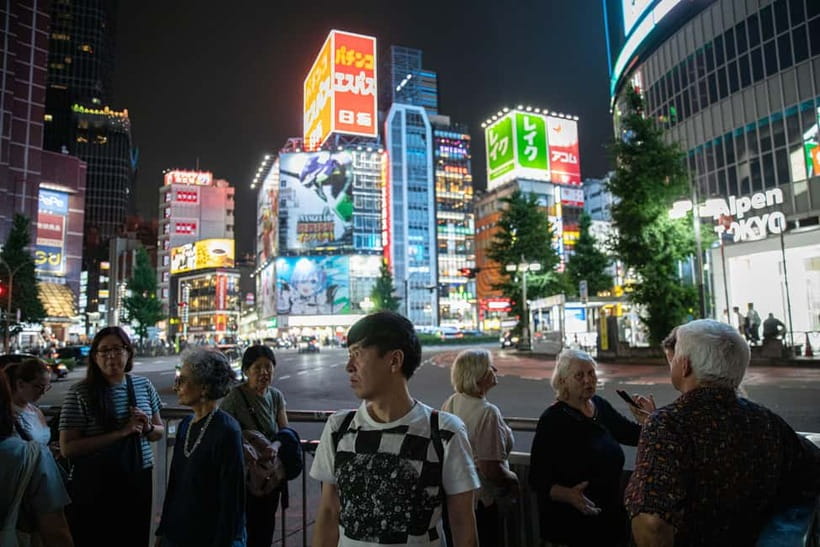
Kabukicho is Tokyo with its polite daytime mask removed. After sunset, neon signs glow above narrow lanes, tiny bars crowd Golden Gai, and the streets around Shinjuku reveal a side of Japan that is lively, complex, and not always easy to understand alone. This two-hour walk takes you through the red-light district, old drinking alleys, a shrine, and Tokyo’s LGBTQ neighborhood.
I like the range of stops. In one evening, you move from grilled food stalls and old postwar lanes to giant entertainment buildings and intimate bars. I also like the practical food advice. Guides including Dani, Loc, Polina, Gray, Huy, Danny, and Daichi have been praised for explaining local customs and suggesting ramen, okonomiyaki, izakaya, and other places to eat afterward.
The main drawback is the meeting point. Shinjuku Station is enormous, and the East Exit area can be confusing, especially on your first day in Japan. You must arrive early and find the correct guide, since late arrivals are not waited for.
In This Review
- Key points to know before you book
- Why this Shinjuku walk is more than a neon photo stop
- Starting near Shinjuku Station East Exit
- Omoide Yokocho: old Tokyo in a narrow lane
- Kabukicho after sunset
- Golden Gai: tiny bars and big character
- Hanazono Shrine: a quieter pause
- 2 Chome and Tokyo’s LGBTQ district
- What the guide adds to the experience
- Is $29 a fair price for two hours?
- Who should book this walk?
- My verdict: book it for context, not just neon
- FAQ
- Where does the Shinjuku night walking tour start?
- Where does the tour end?
- How long does the walking tour last?
- What languages are available?
- What places are included on the route?
- Is food included in the tour price?
- Is the tour suitable for children?
- Can I cancel for a refund?
- Do I have to pay when I book?
Key points to know before you book
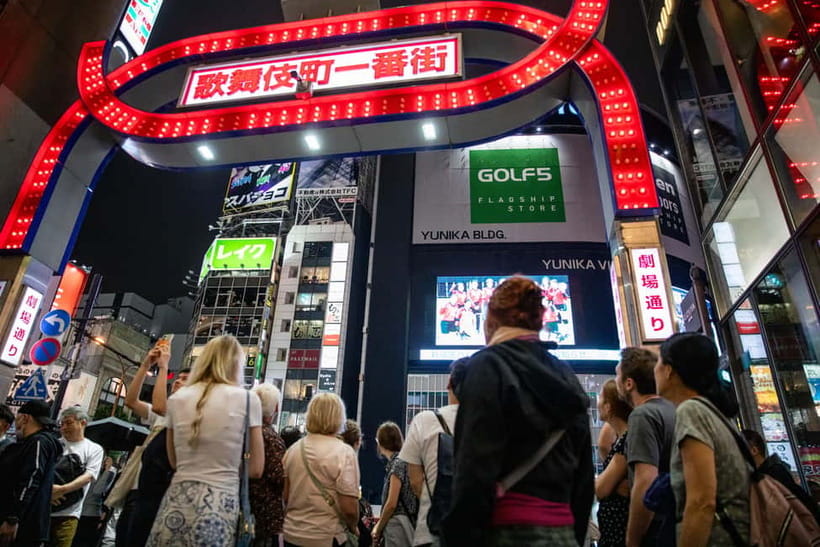
- Four very different sides of Shinjuku: See Omoide Yokocho, Kabukicho, Golden Gai, Hanazono Shrine, and 2 Chome in one compact walk.
- A guide makes the district easier to read: Learn what the signs, alleys, bars, and entertainment venues mean instead of simply passing them by.
- Food advice is part of the value: Guides often suggest restaurants and bars for after the tour, including ramen and okonomiyaki spots.
- Best for adults: This is an 18-and-over experience focused on nightlife and the red-light district.
- Allow extra time at the start: The meeting area near Shinjuku Station can be hard to locate in the crowds.
- Good first-night orientation: The route gives you a useful map of Shinjuku before you return on your own.
Why this Shinjuku walk is more than a neon photo stop
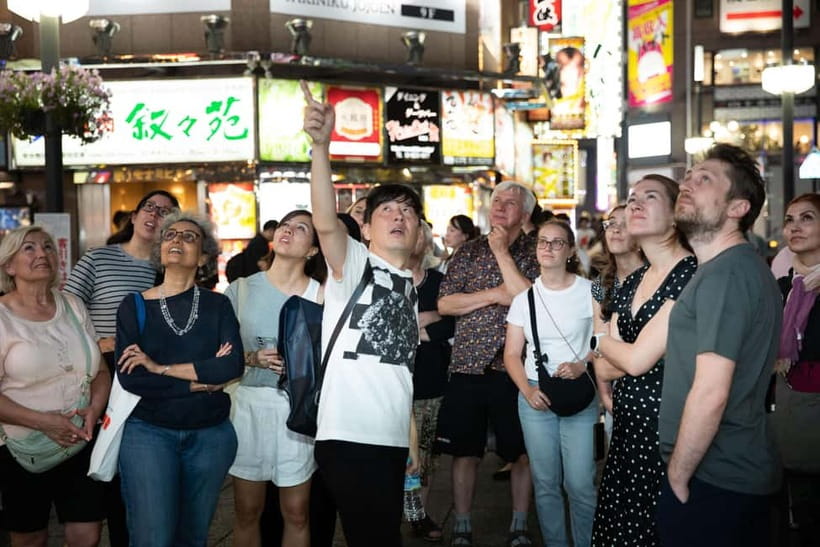
Many Tokyo night walks amount to little more than pointing at bright signs. This one has a clearer purpose: it explains how Shinjuku’s entertainment districts work and how they have changed over time.
You begin near Shinjuku Station, one of the busiest rail hubs in the world, then move into streets where restaurants, bars, clubs, host and hostess venues, arcades, and other forms of nightlife sit close together. The guide provides the social and historical context that is difficult to pick up from a map or a quick internet search.
The phrase dark side may sound sensational, but the tour is not simply a hunt for shocking sights. It looks at the district’s older identity as a red-light area and its current role as a broad nightlife center. You see the public face of the neighborhood, while the guide explains some of the less visible activity around it.
That makes this a good choice if you want to understand Tokyo rather than only photograph it. It is also useful for anyone who feels unsure about entering small alleys or entertainment areas alone. The walk gives you a basic sense of where you are and what sort of place you are looking at.
More Shinjuku nights and walks:
- Tokyo: Shinjuku Food Tour (13 Dishes at 4 Local Eateries)
★ 5.0 · 6,603 reviews - Tokyo Bar Hopping Tour in Shinjuku (All-You-Can-Drink + Dinner)
★ 5.0 · 3,587 reviews - Tokyo: Shinjuku Food Tour (15 Dishes and 4 Eateries)
★ 4.9 · 2,033 reviews
Starting near Shinjuku Station East Exit
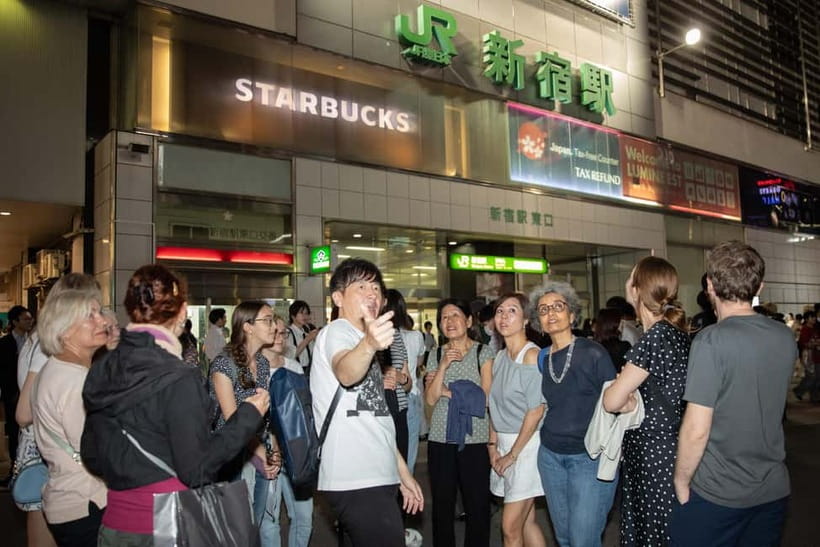
You may be assigned to meet at the Shinjuku Tourist Information Center or the East Exit Police Box. Check your booking carefully because the starting point can vary.
This is the one part of the experience that needs firm planning. Shinjuku Station has many exits, signs, levels, and streams of people. The East Exit Police Box is a known landmark, but finding your group among several tour companies can still take time. I would arrive at least 15 minutes early, keep the meeting instructions open on your phone, and avoid assuming that the station name alone is enough.
The opening guided section lasts about 10 minutes. It helps set the scene for the evening, introducing the area around the station before you leave the main crowds and enter the older entertainment streets.
The tour is offered in English and Spanish. Guide quality is central here, and the names appearing across the experience include Dani, Danny, Loc, Polina, Gray, Huy, Daichi, Shota, and Daniel. You should not expect one particular guide unless your booking confirms it, but the strongest pattern is clear: the guide’s ability to explain Japanese nightlife and answer questions is what makes this walk worthwhile.
Omoide Yokocho: old Tokyo in a narrow lane
The first major stop is Omoide Yokocho, visited for around 20 minutes. This compact alleyway area is known for its small eating and drinking establishments, and it provides a sharp contrast with the broad avenues and towering buildings near the station.
Here, you get a look at a more intimate side of Shinjuku. Tiny restaurants sit close together, signs compete for attention, and the space can feel tight when the evening crowd arrives. The guide explains how these alleys fit into the district and points out details you might miss while trying to navigate them.
Omoide Yokocho is also a useful place to discuss food. The tour does not include a meal, so this is an introduction rather than a tasting stop. Still, the advice can save you time later. Several guides have been praised for restaurant suggestions, including ramen and okonomiyaki places that participants visited after the walk.
Keep your expectations practical. You will not have a long meal here, and the group will keep moving. If you want to eat at one of the small restaurants, return after the tour rather than trying to combine dinner with the guided route.
Kabukicho after sunset
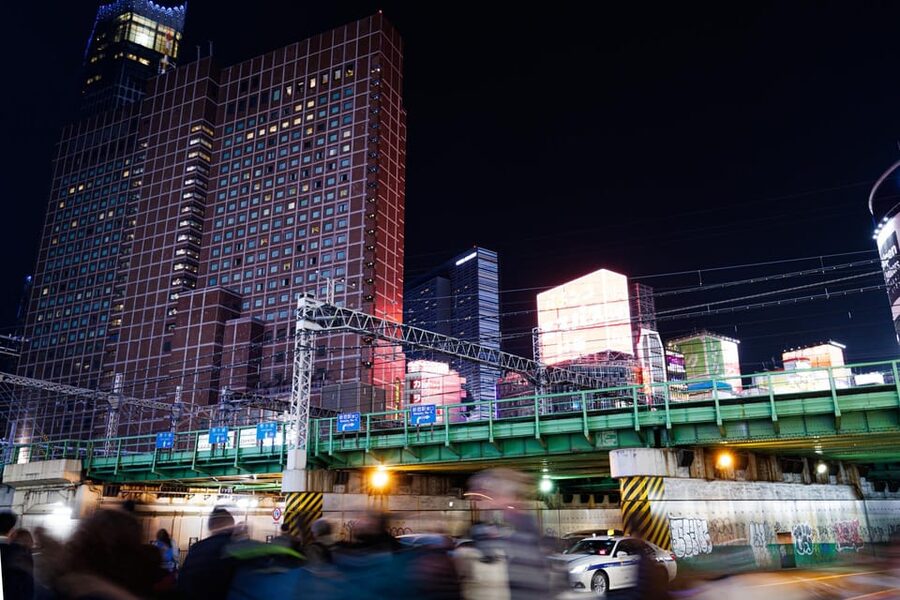
The longest stop is Kabukicho, with about 40 minutes of guided time. This is the heart of the experience and the area most closely linked with the title.
Kabukicho is a large entertainment district filled with neon signs, bars, restaurants, clubs, hotels, gaming venues, and other businesses. The attraction is not one single monument. It is the way the district operates as a whole, with layers of old and new Tokyo pressed into a few crowded blocks.
You can expect the guide to explain how Kabukicho developed from a red-light district into a wider entertainment center. That change matters because the area is often reduced to a simple label. In practice, the streets support many kinds of nightlife, from casual food and drinks to more specialized venues.
The walk takes you through lively streets and narrower lanes. You will see large entertainment complexes and skyscrapers alongside older storefronts and small bars. This mix is one of the best parts of the route. Tokyo’s modern scale is right there, but so are the cramped spaces and local businesses that give the district its character.
The red-light setting also calls for sensible behavior. Do not photograph people without permission, do not wander into venues because a tout invites you, and listen carefully when the guide explains local etiquette. Alcohol and drugs are not allowed on the activity. The tour is designed for observation and discussion, not for joining the nightlife during the walk.
More walking routes in Tokyo:
- Tokyo Tsukiji Fish Market Food and Culture Walking Tour
★ 5.0 · 3,184 reviews - Tokyo: Imperial Palace and Shogun Historical Walking Tour
★ 5.0 · 2,251 reviews - Tokyo: Shinjuku Local Bar and Izakaya Guided Walking Tour
★ 4.9 · 1,794 reviews - Tokyo: Tsukiji Fish Market Food and Walking tour
★ 5.0 · 1,724 reviews
Golden Gai: tiny bars and big character
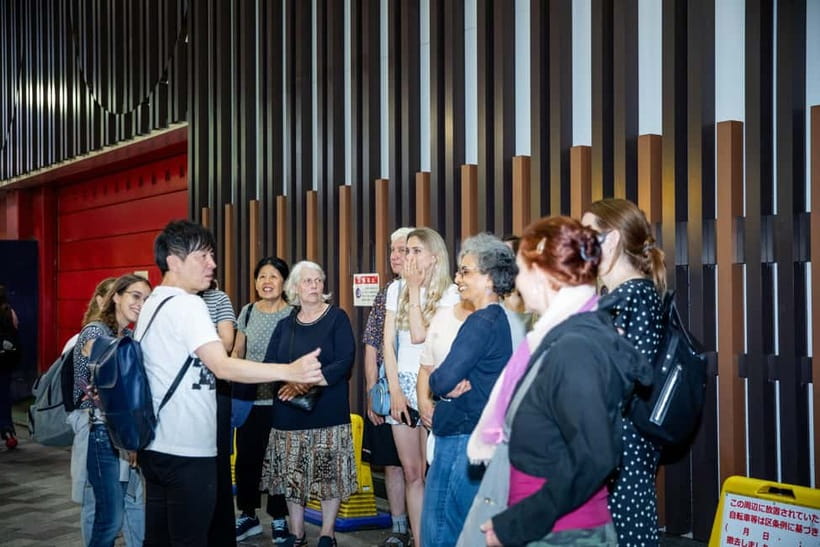
Golden Gai receives about 20 minutes. Its lanes are among the most distinctive parts of Shinjuku, with a dense collection of very small bars and eateries packed into a compact area.
The visual appeal is immediate: narrow passages, old signs, stacked buildings, and doors that lead to places too small to understand from the outside. Yet Golden Gai is not just a backdrop for photographs. The guide helps you understand why these tiny establishments matter and how they differ from the larger entertainment venues nearby.
Twenty minutes is enough to get oriented, but not enough to explore every lane or stop for a drink. Think of this as a guided introduction. You can return later if you find a bar that welcomes you and you feel comfortable with the house rules.
This is one place where group size affects the experience. The supplied information does not guarantee a fixed number of participants, but some outings have been described as small, including one group of seven. A smaller group is easier to manage in Golden Gai’s tight passages. A larger group may need more patience when stopping for explanations or moving through the lanes.
Hanazono Shrine: a quieter pause
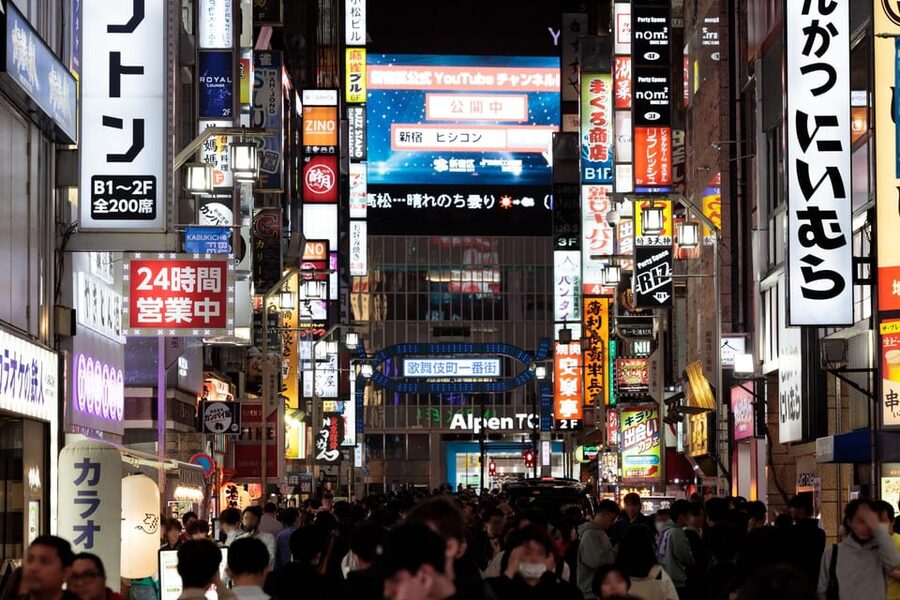
Hanazono Shrine gets around 20 minutes and changes the mood of the evening. After the signs, crowds, and nightlife of Kabukicho and Golden Gai, a shrine offers a short look at the religious and traditional side of Tokyo.
This stop helps prevent the tour from becoming a parade of bars. You see how an older cultural setting exists close to one of the city’s most famous entertainment zones. That contrast is the point: contemporary Tokyo does not replace traditional Japan so much as sit beside it.
The stop is guided, so you can ask about customs and the shrine’s place in the neighborhood. Keep in mind that this is still a short walking tour, not a full shrine visit with extended time for quiet reflection. If Hanazono Shrine interests you, note it as a place to revisit during daylight or at a less hurried pace.
2 Chome and Tokyo’s LGBTQ district
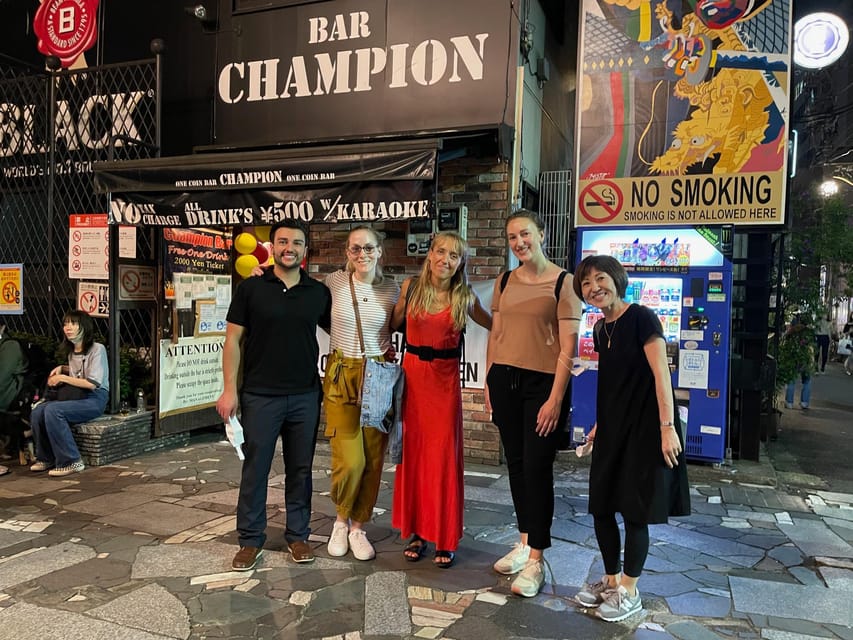
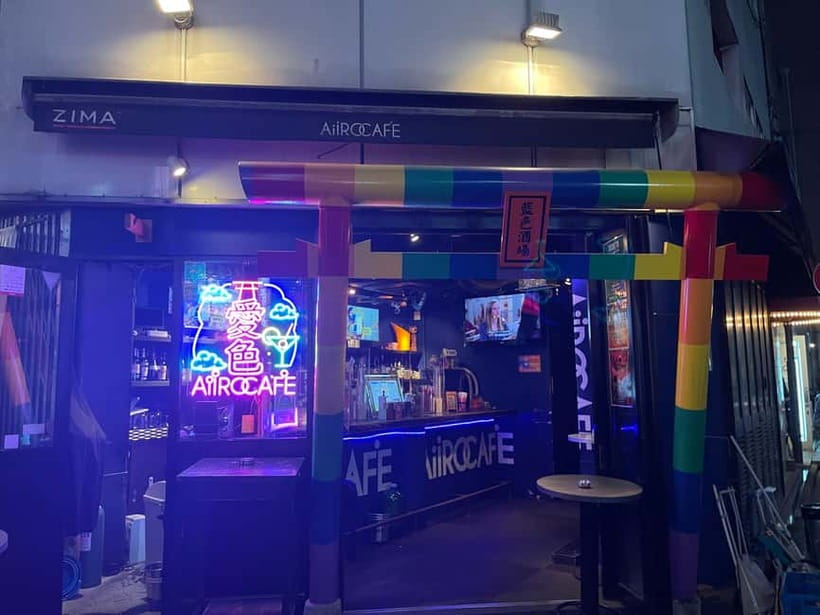
The final major stop is 2 Chome, with approximately 20 minutes of guided time. This area is known for its LGBTQ nightlife and adds another important layer to the evening.
The tour’s reference to the dark side of Tokyo could easily become narrow or sensational. Visiting 2 Chome broadens the picture. You see a district shaped by its own communities, venues, and social life, and you learn how it fits into Shinjuku’s wider nightlife culture.
The guide can help you understand the difference between simply seeing a concentration of bars and understanding why the area matters. Be respectful, avoid intrusive photography, and remember that this is a working neighborhood, not a theme park.
The tour ends around Shinjuku Golden Gai in 3 Chome. That is a useful finish because you are left near places where you can continue the evening, find food, or return to a bar or alley you noticed earlier.
What the guide adds to the experience
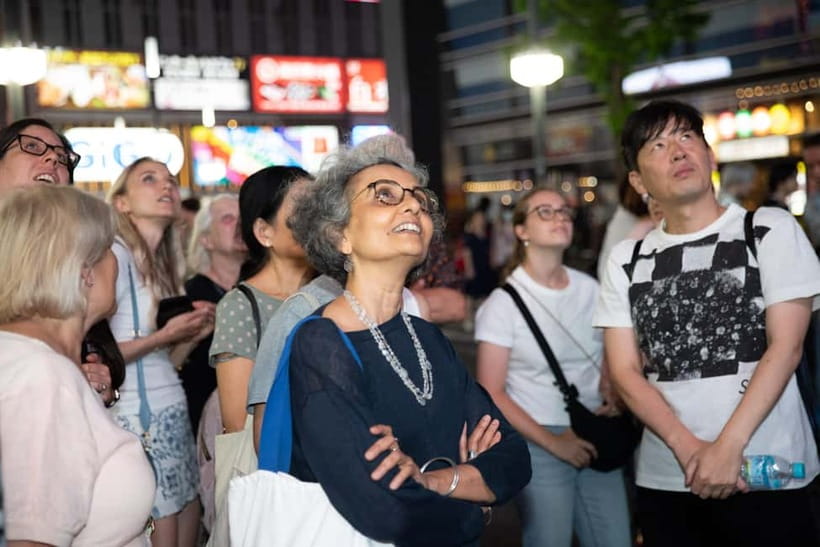
The best part of this activity is the human explanation. The route itself is easy to plot on a map. The harder questions are what the different venues are, how the district changed, which customs matter, and where you can eat without making a poor choice.
The guides have been praised for humor as well as information. Loc is described as a strong storyteller who explains the area’s past and offers useful food advice. Dani and Danny are noted for clear explanations, cultural context, and friendly conversation. Polina and Gray have been praised for answering questions and making the crowded streets easier to understand. Huy, Daichi, Shota, and Daniel are also mentioned for humor, local insight, and an engaging approach.
That range matters because the subject can become dry or awkward if handled badly. A good guide keeps the tone direct and respectful. You can ask questions about nightlife, Japanese customs, food, and the district’s social character without feeling that the evening is turning into a lecture.
The guide also helps with orientation. Several people used the walk as a first-night introduction to Shinjuku, then returned to restaurants or bars recommended during the tour. I think that is the smartest way to use it: let the guide show you the layout, then decide what deserves a second visit.
Is $29 a fair price for two hours?
At $29 per person, this is reasonably priced for a two-hour guided walk in central Tokyo. You are paying for a guide rather than admission tickets, transport, or food, so the value depends on how much context you want.
If you only want neon photographs, you can see many of these streets for free. But walking alone does not tell you much about the district’s past, the purpose of the different areas, or where to eat afterward. The guide’s recommendations can also make the fee feel worthwhile, especially on a first visit when choosing a restaurant in a crowded entertainment district is not simple.
The tour covers a lot in a short time. Expect a brisk urban walk with frequent stops, rather than a relaxed evening stroll. Wear comfortable shoes and keep your belongings secure in crowded streets. The activity is not suitable for children under 18, and its subject matter makes that restriction sensible.
The booking terms are flexible: you can cancel up to 24 hours in advance for a full refund, and reserve now while paying later. Starting times vary, so check availability for your date.
Who should book this walk?
I would choose this tour for a first or second night in Tokyo, especially if Shinjuku is on your list but feels overwhelming. It gives you a useful map of the area and shows you where the major nightlife zones connect.
It suits adults who enjoy urban culture, local history, food advice, and candid discussion of nightlife. It also works well for solo visitors who want company while getting oriented, or for couples and friends who would rather learn the rules before exploring the smaller bars.
I would be more cautious if you dislike crowds, narrow alleys, nightlife districts, or frank discussion of the red-light trade. The tour does not include food or drinks, and the schedule leaves limited time to linger. It is also not the right choice for a quiet cultural walk focused mainly on temples and gardens.
My verdict: book it for context, not just neon
I recommend the Tokyo Dark Side of Shinjuku Red Light Walking Tour if you want the story behind the signs. The route covers Omoide Yokocho, Kabukicho, Golden Gai, Hanazono Shrine, and 2 Chome, giving you a compact look at several sides of Shinjuku.
Book it early in your Tokyo stay if you want restaurant suggestions and a better sense of where to return. Just plan the meeting point carefully, arrive early, and treat the people and businesses you pass with respect. At $29, it is a good-value orientation walk for adults who want a more thoughtful look at Tokyo after dark.
FAQ
Where does the Shinjuku night walking tour start?
The starting point is either the Shinjuku Tourist Information Center or the Shinjuku Station East Exit Police Box, depending on the option booked.
Where does the tour end?
The tour has two possible drop-off locations in the Shinjuku Golden Gai area, at 3 Chome.
How long does the walking tour last?
The stated duration is two hours, though some outings may run longer according to the schedule on the day.
What languages are available?
The tour is offered with a live guide in English or Spanish.
What places are included on the route?
The route includes Shinjuku Station East Exit, Omoide Yokocho, Kabukicho, Golden Gai, Hanazono Shrine, and 2 Chome.
Is food included in the tour price?
No. A guide is included, but food and drinks are not listed as inclusions. Guides may provide recommendations for restaurants and bars.
Is the tour suitable for children?
No. The activity is not suitable for children under 18.
Can I cancel for a refund?
Yes. You can cancel up to 24 hours in advance for a full refund.
Do I have to pay when I book?
No. The reserve-now, pay-later option allows you to hold your place without paying at the time of booking.
New on our Tokyo list
- From Tokyo: Mount Fuji & Hakone Full Day Private Tour★ 4.9 · 25 reviews
- Tokyo Spectacular View Day-Cruise in 90 Minutes★ 5.0 · 25 reviews
- Real Tokyo Runner Club : Daikoku Car Meet Night Tour with JDM Car★ 5.0 · 25 reviews
- 2.5 Hour-Guided Cycle Tour in the Central Tokyo★ 5.0 · 25 reviews
- Ramen Making from Scratch +Akihabara Tour –Cooking Class★ 5.0 · 25 reviews
- [Self-Drive] Tokyo & Daikoku Custom Car Driving Tour★ 4.9 · 25 reviews
- Tokyo: 2-Hour Night Bike Tour of the City’s Hidden Gems★ 4.9 · 25 reviews
- Samurai themed Entertainment show in Shinjuku★ 4.5 · 25 reviews
Walking Tours, compared.
Tokyo Tsukiji Fish Market Food and Culture Walking Tour
Read our review →
Imperial Palace and Shogun Historical Walking Tour
Read our review →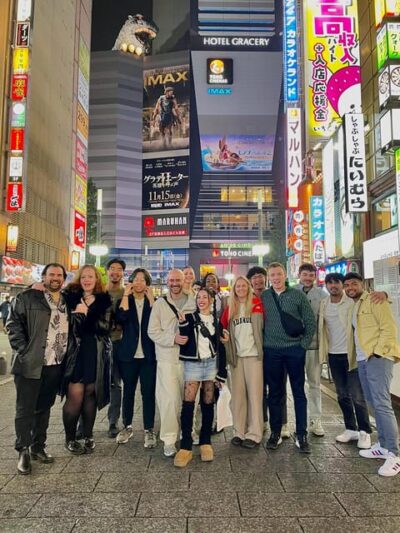
Shinjuku Local Bar and Izakaya Guided Walking Tour
Read our review →
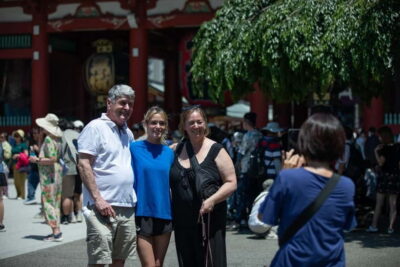
Asakusa Walking Tour with Sensoji Temple Visit
Read our review →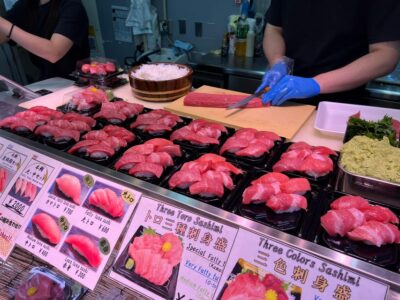
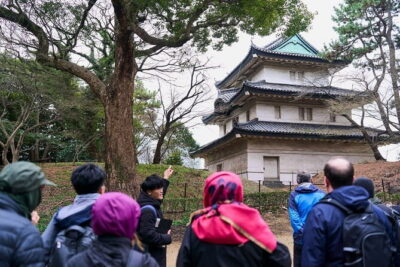
Tokyo Castle & Imperial PalaceーShogun Walking Tour
Read our review →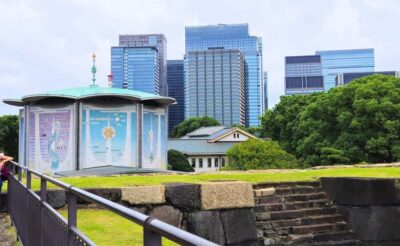
Browse the lists this tour appears in