
Reviewed · KAMAKURA TOURS
Tokyo: Day Trip to Kamakura in Spanish – Spanish
Kamakura gives you a very different Japan from central Tokyo: old temples, wooded paths, seaside-town character, and a huge bronze Buddha. This Spanish-language day trip links the main sights by train and tram, so you can focus on the stories instead of sorting out every connection yourself.
I like the personal feel of the guiding, with names such as Emi, Camila, Nikita, Ori, Paula, and Nerea praised for clear explanations and patient help. I also like the useful mix of temple visits, local shopping, lunch time, and practical tips for the rest of your Japan trip.
The main drawback is cost clarity. The $86 price does not include about ¥2,300 for transportation or ¥700 in temple tickets, and one Spanish tour had some English mixed in. You also need to manage an eight-hour public-transport day without large luggage.
In This Review
- Key points to know before booking
- Why Kamakura makes a good break from Tokyo
- Meeting at Tokyo Station and taking the train south
- Riding Kamakura’s old tram to Hase-dera
- Hase-dera’s legends, greenery, and quiet spaces
- Walking to Kotoku-in and the Great Buddha
- Kamakura’s main street for lunch and shopping
- What the Spanish guide adds
- Price, extra costs, and overall value
- Who should book this Kamakura day trip
- Should you book it?
- FAQ
- Where does the Kamakura tour begin?
- Where does the tour end?
- How long does the excursion last?
- Is the tour conducted in Spanish?
- Is transportation included in the price?
- Are temple admission tickets included?
- Is food included?
- Can I bring luggage or book for an unaccompanied minor?
Key points to know before booking
- Hase-dera comes first: Explore a temple filled with legends, gardens, and spiritual details before the crowds and shops of central Kamakura.
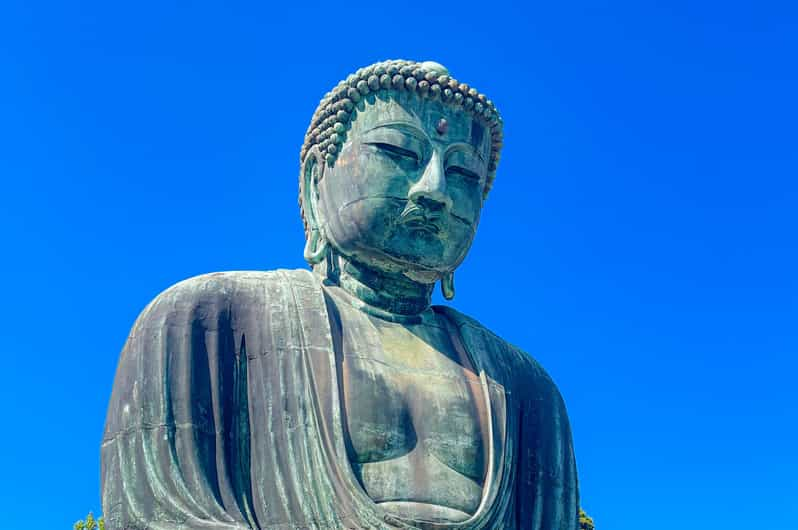
- The Great Buddha is enormous: Kotoku-in’s bronze Buddha measures 13 meters and weighs 121 tons.
- The journey uses public transport: You travel from Tokyo Central Station by train and use one of Japan’s oldest operating trams in Kamakura.
- Spanish guidance is the focus: Guides including Emi, Camila, Nikita, Ori, Paula, and Nerea have led tours with different strengths and personalities.
- Lunch and shopping are built in: You get time on Kamakura’s main street rather than spending the whole day moving between temples.
- Extra costs matter: Transportation and temple admissions are separate, so budget beyond the advertised $86.
Why Kamakura makes a good break from Tokyo
Tokyo can fill your day with neon, trains, department stores, and modern architecture. Kamakura changes the pace. The town is known for its temples, shrines, greenery, legends, and traditional streets, all within reach of the capital by train.
You do not need to arrange a separate day trip or work out the route between the station, tram, Hase-dera, Kotoku-in, and the shopping area. A guide keeps the day moving and adds context to places that might otherwise look like beautiful but silent temple grounds.
I especially like the contrast. You start at Tokyo Station, one of the city’s major transport hubs, then trade the capital’s scale for a smaller historic settlement. By the time you reach the temples, the appeal is not just the buildings. It is the change in mood.
This is best understood as a cultural day out, not a countryside escape. You still use trains and public transport, and the day includes an active walking element. The reward is access to important Kamakura sights without giving up the convenience of returning to Tokyo the same day.
More Kamakura and Enoshima days:
- Tokyo: Kamakura & Enoshima Day Trip including Temple Tickets
★ 4.5 · 1,375 reviews - Tokyo: Mt. Fuji, Kamakura, Big Buddha, & Lake Ashi Day Trip
★ 4.5 · 867 reviews - From Tokyo: Kamakura & Enoshima 1-Day Bus Tour
★ 4.5 · 189 reviews
Meeting at Tokyo Station and taking the train south
The tour begins in front of the Tokyo Station facade at Marunouchi Square, by the central exit. This is a practical meeting point, but Tokyo Station is large, so allow enough time to reach the correct exit. The tour ends at the same meeting point after the return journey.
From there, you travel by train to Kamakura. The transportation cost is not included, and the stated estimate is ¥2,300. That is an important part of the budget because it covers the public transportation used during the excursion rather than being a minor optional extra.
The train ride also sets up the day well. You leave Tokyo behind without spending time in a private vehicle, and you get a sense of how easily the capital connects with nearby historic towns. One especially useful detail from the experience is that air-conditioned trains and other transport made the journey comfortable, with short waits reported during the day.
You should still expect a full public-transport outing. If you prefer private transfers, a slower pace, or a tour with no station changes, this may feel more active than ideal. The tour is designed around Japan’s regular transport system, which is part of the experience and not simply a way to fill the gaps between sights.
Riding Kamakura’s old tram to Hase-dera
Once in Kamakura, you board one of Japan’s oldest trams still in operation. This is a small but memorable feature of the route. Instead of jumping straight from the railway station into a taxi, you get a local ride that helps introduce Kamakura as a town with its own rhythm and identity.
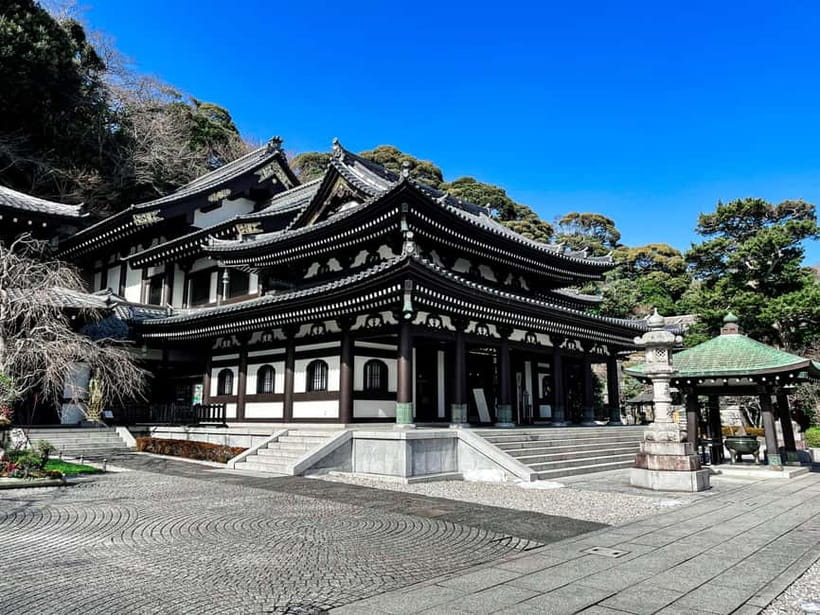
The tram brings you to Hase-dera Temple. The ride is useful practically, but it also adds character to the day. You are not just ticking off a temple from a list. You are using the transport that links the town’s main visitor areas.
The tour information describes Hase-dera as a place full of myths and legends. That makes the guide’s role especially valuable. Japanese temple grounds can be difficult to understand if you only see the architecture and statues. A Spanish explanation can help you follow the stories, religious references, and small details that are easy to miss.
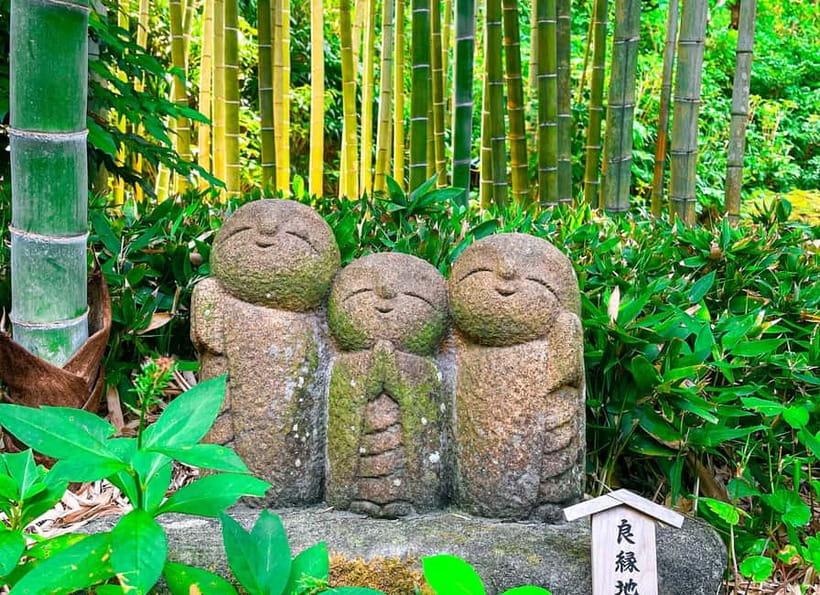
Allow yourself time to look around rather than treating Hase-dera as a quick photo stop. The temple is described as having beautiful natural surroundings, and the setting is part of the appeal. You can expect a peaceful change from Tokyo, with vegetation and views adding to the sense of place.
Temple admission is separate from the tour price. The stated total for temple tickets is ¥700. The exact handling of tickets is not explained in the available information, so confirm with your guide how and when these are paid during the day.
Hase-dera’s legends, greenery, and quiet spaces
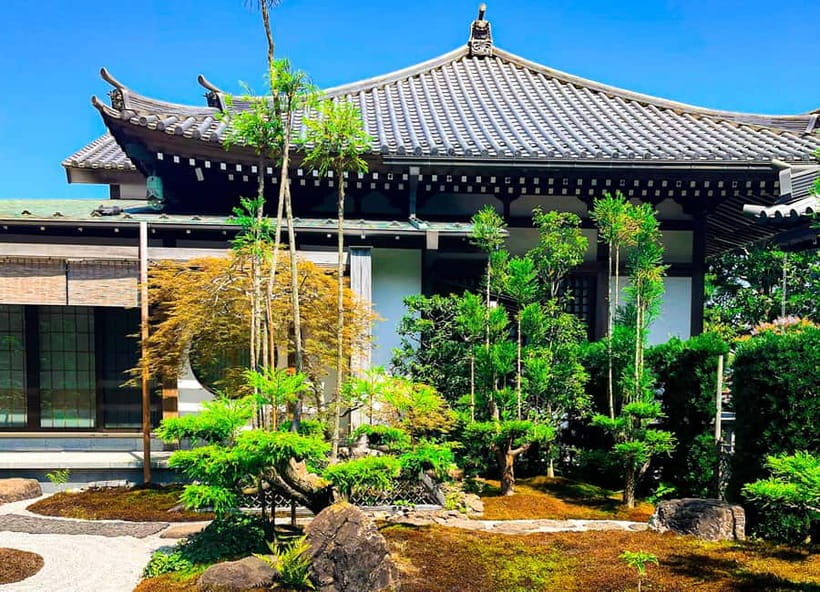
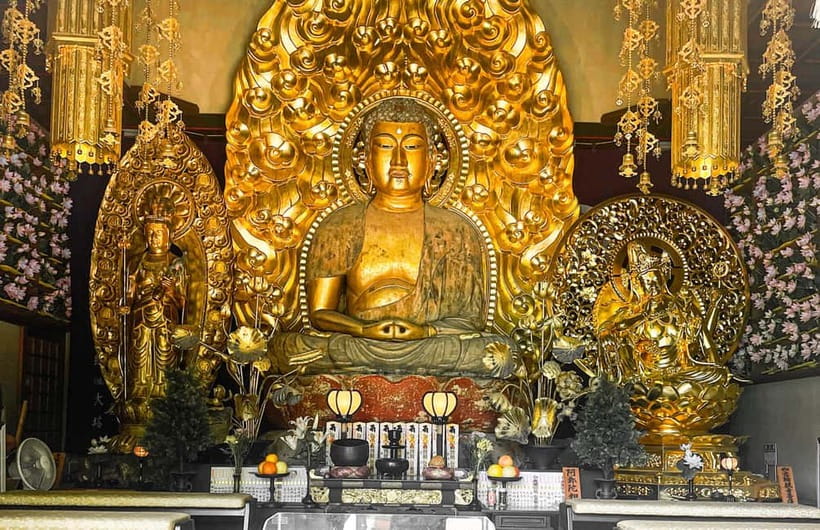
Hase-dera is one of the places where a good guide can make a real difference. The appeal is not limited to one famous object. You explore a temple connected with stories, myths, and religious tradition, and the guide helps turn those details into a readable account of Kamakura.
I would pay attention to the smaller features here. The supplied information highlights the temple’s serene nature and vegetation, while comments about the day describe memorable temple stories and views. That suggests a stop with both visual appeal and cultural explanation, rather than a single monument surrounded by a large crowd.
Several Spanish-speaking guides have received particularly warm praise for their style. Nerea was described as patient and able to adapt to children in the group, while Nikita was noted for making the group feel comfortable and explaining details carefully. Paula was praised for her knowledge of Japanese history, and Ori for making the tour entertaining while offering good recommendations.
Those descriptions point to an important benefit of booking a guided visit. You get more than directions. You get help with the meaning of what you are seeing, plus someone who can adjust the pace and answer questions in Spanish. Guide quality can vary from day to day, of course, but the named guides indicate the provider uses several individual hosts rather than a single fixed personality.
More day trips out of Tokyo:
- Mt Fuji and Hakone 1-Day Bus Tour Return by Bullet Train
★ 5.0 · 26,383 reviews - 1-Day Tokyo Bus Tour
★ 5.0 · 14,250 reviews - Mt Fuji & Hakone Cruise, Drum Show Bullet Train 1 Day from Tokyo
★ 4.0 · 7,413 reviews - Tokyo: DisneySea 1-Day Passport
★ 4.5 · 2,726 reviews
Walking to Kotoku-in and the Great Buddha
From Hase-dera, the route continues on foot to Kotoku-in Temple. The walk connects the two major sights naturally, and it means you should wear comfortable shoes. This is not presented as a strenuous hike, but it is still an active day involving stations, a tram, temple grounds, and walking between sites.
Kotoku-in’s main attraction is the Great Buddha, a bronze figure measuring 13 meters and weighing 121 tons. It is identified as the second-largest bronze Buddha in Japan, which gives the visit an immediate sense of scale.
The statue is the kind of sight that works even if you are not a specialist in Japanese religious art. You can appreciate its size first, then use the guide’s explanation to understand its place in Kamakura’s spiritual setting. This is one of the tour’s clearest highlights because it combines a famous landmark with a story-led visit.
Do not expect the Great Buddha stop to feel like a museum visit with a long indoor program. The power is in seeing the statue in its temple setting and taking in the proportions at close range. Your guide can also help you understand why this figure matters, rather than leaving you with only a large photograph.
The ¥700 temple ticket cost applies separately from the tour. Since the exact split between the two temple admissions is not provided, plan for the stated total and keep a little flexibility for the guide’s instructions.
Kamakura’s main street for lunch and shopping
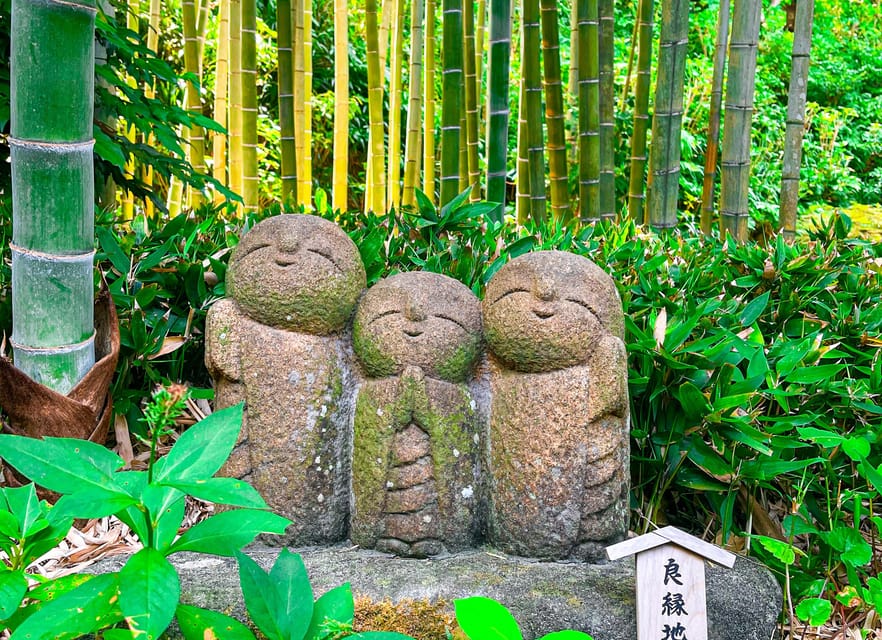
After the temple visits, you move to Kamakura’s main street. It is lined with shops and has a distinct local atmosphere, giving the day a more casual middle section after the formal temple stops.
Lunch is not included, so you choose and pay for your own food. That arrangement has a practical advantage: you are not tied to a set menu or restaurant. You can ask your Spanish-speaking guide for recommendations and choose something that suits your appetite and budget.
You also get time to browse. This matters because a day trip made up only of major sights can feel rushed and repetitive. Kamakura’s shops provide room to look at local products, snacks, and souvenirs at your own pace. The activity description does not promise specific foods or stores, so I would treat this as flexible free time rather than booking the tour for one particular culinary stop.
The main street can also be the busiest part of the day. It has more commercial energy than the temple grounds, and you may find it less tranquil. That contrast is useful, though. You see both sides of Kamakura: its spiritual sites and its everyday visitor town.
Keep track of time here. The schedule needs to allow for the return train to Tokyo, and the tour is built as an eight-hour excursion. A relaxed lunch and a little shopping are included, but this is not an open-ended afternoon.
What the Spanish guide adds
The biggest reason to choose this experience over visiting Kamakura alone is the Spanish-speaking guide. You receive explanations throughout the day, plus recommendations for continuing your Japan trip.
The best feedback centers on warmth, patience, and clear storytelling. Emi was singled out with thanks, Camila was praised for managing the excursion effectively and providing relevant information, and Nerea was appreciated for working well with children. Nikita was described as attentive and detailed, while Ori made the tour enjoyable and offered useful suggestions.
This range matters if you are booking for a family or a mixed-age group. You can expect the guide to be more than a person who points toward the next train. The tour is intended to create a friendly, personal experience, and the strongest guide performances appear to come from adapting to the group.
There is one language point to keep in mind. One booking had confusion because the guide initially presented the tour as Spanish but also guided in English. The tour language is listed as Spanish, but if every explanation must be exclusively in Spanish, confirm that point before booking.
The provider also presents the outing as environmentally friendly. That fits the route, which relies on public trains and the local tram rather than private transport. You are using existing transport, walking between nearby sights, and returning to Tokyo without adding a private vehicle to the day.
Price, extra costs, and overall value
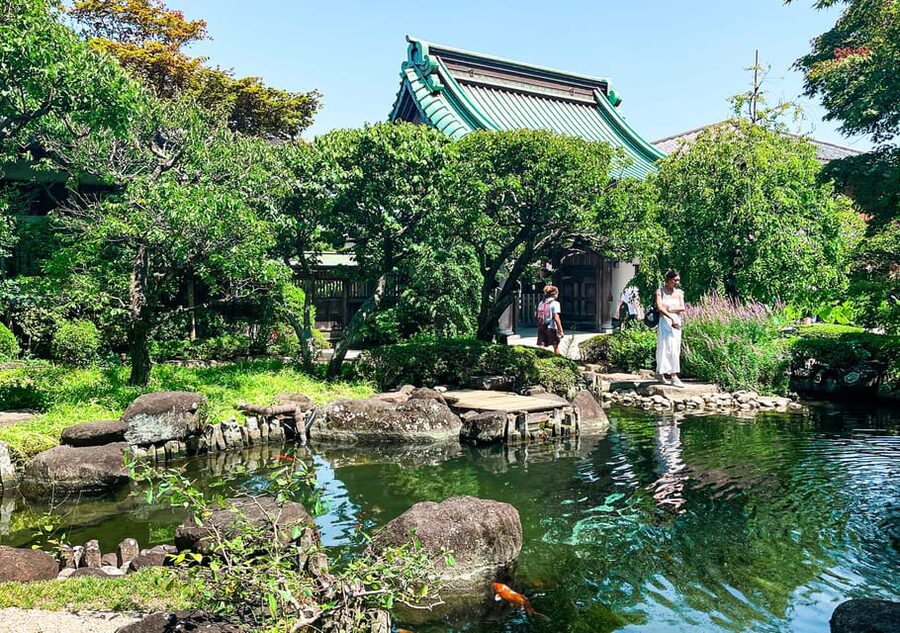
The tour costs $86 per person. That price covers the Spanish-language Kamakura excursion and eight hours of organized guiding, but not transportation, temple tickets, food, or drinks.
The known additional amounts are about ¥2,300 for transport and ¥700 for temple admissions. Add lunch and any shopping, and the final cost will be higher than the headline price. This is not a cheap independent visit, but the right comparison is not only with the price of train tickets.
You are also paying for route planning, Spanish explanations, help with public transport, temple context, and advice for the rest of your trip. If you would otherwise spend time researching which train, tram, and temples to use, the fee can be reasonable. It is particularly useful for visitors who want cultural explanation in Spanish and do not want to manage the day alone.
If you already feel comfortable navigating Japanese trains and reading about Kamakura in advance, an independent visit may cost less. You would also control the pace more closely. The guided option earns its value through convenience and interpretation, not through included meals or private transport.
The overall rating is 4.9 from 22 reviews, with strong praise for the guides and the quality of the explanations. I would still read the price carefully and budget for the extras before booking.
Who should book this Kamakura day trip
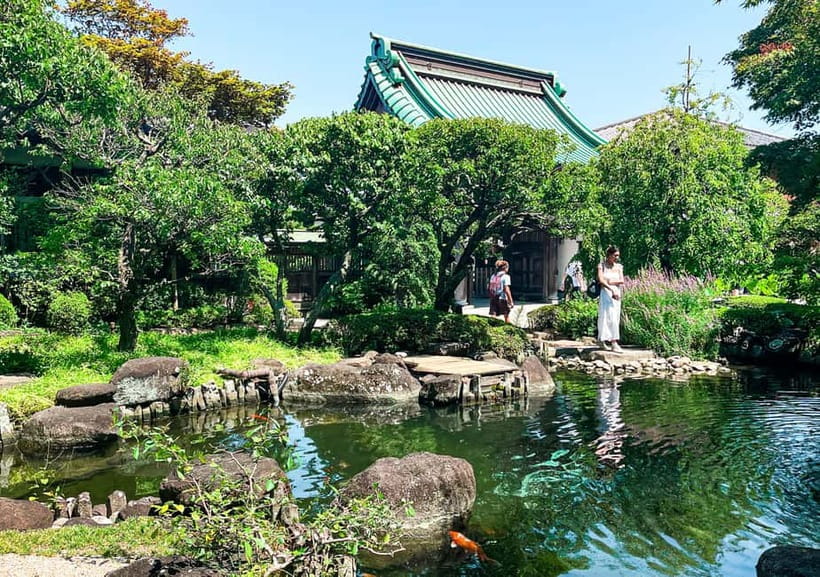
I would recommend it to Spanish-speaking visitors who want the main Kamakura sights in one organized day. It suits first-time visitors to the area, families who appreciate help with trains, and anyone who wants temple stories explained rather than simply photographed.
It also works well for people who want a break from Tokyo’s modern center but do not want to spend the night elsewhere. The eight-hour format gives you a substantial look at Kamakura and returns you to the original meeting point.
You should think twice if you dislike public transport, want a private car, or prefer a very slow temple visit. You should also leave large bags at your accommodation, since luggage and large bags are not allowed.
The activity is not suitable for wheelchair users or people with hearing impairments, according to the stated restrictions. Unaccompanied minors cannot join, so children need to attend with an adult.
Cancellation is flexible up to 24 hours before departure for a full refund, and you can reserve now and pay later. Those terms help if your Tokyo schedule is still changing.
Should you book it?
Book this tour if you want Spanish explanations, a carefully linked route, and human help with Kamakura’s temples and transport. Hase-dera, Kotoku-in, the Great Buddha, the old tram, and the shopping street create a satisfying mix for one day.
I would not book it expecting an all-inclusive price or a private, effortless transfer. You pay for the train, temple tickets, lunch, and drinks, and the day involves public transportation and walking.
For the right person, the value is in the guide. Emi, Camila, Nikita, Ori, Paula, and Nerea are associated with a warm, informative style, though the exact guide and language balance can vary. If that personal Spanish guidance matters to you, this is a strong way to see Kamakura from Tokyo.
FAQ
Where does the Kamakura tour begin?
It begins in front of the Tokyo Station facade at Marunouchi Square, by the central exit.
Where does the tour end?
The excursion ends back at the original meeting point in front of Tokyo Station.
How long does the excursion last?
The tour lasts eight hours.
Is the tour conducted in Spanish?
Spanish is the listed tour language. One experience included some English as well, so confirm the language arrangement if you require an exclusively Spanish tour.
Is transportation included in the price?
No. Public transportation is used, and transportation costs are listed separately at approximately ¥2,300.
Are temple admission tickets included?
No. Temple tickets are separate and listed at ¥700.
Is food included?
No. Lunch, drinks, and other food are not included. You receive time to eat and explore the shops on Kamakura’s main street.
Can I bring luggage or book for an unaccompanied minor?
Large bags and luggage are not allowed. Unaccompanied minors cannot join the activity.
New on our Tokyo list
- Sumi-e Experience in a relaxing green tea shop in Tokyo★ 5.0 · 3 reviews
- Tokyo : Kamikaze Street Drift Ride★ 5.0 · 3 reviews
- Private Zen Meditation in English in Shinjuku, Tokyo★ 5.0 · 3 reviews
- Onsen Spa in Tokyo and Asakusa Bar Hopping with Local Guide★ 5.0 · 3 reviews
- Easy for everyone! Now you can play handmade mini shamisen and show off to everyone! Musical instruments, sweets and live music★ 5.0 · 3 reviews
- Tokyo: Private Tsukiji Street Food & Sake with Local Guide★ 5.0 · 3 reviews
- Mt Fuji Exploration Tour with Free Japanese Kusa Mochi from Tokyo★ 4.5 · 3 reviews
- Tokyo Tsukiji Fish Market Walking and Exploring Hidden Gems Tour★ 5.0 · 3 reviews
Kamakura Tours, compared.
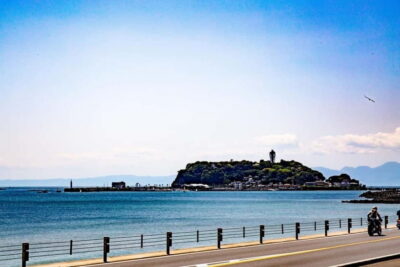
Kamakura & Enoshima Day Trip including Temple Tickets
Read our review →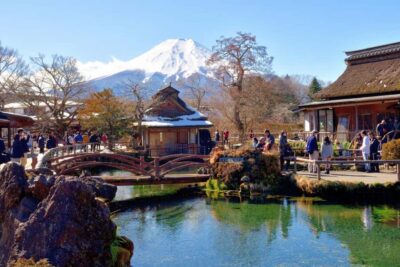
Mt. Fuji, Kamakura, Big Buddha, & Lake Ashi Day Trip
Read our review →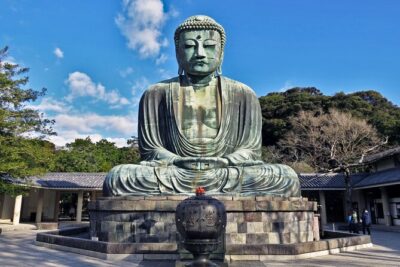
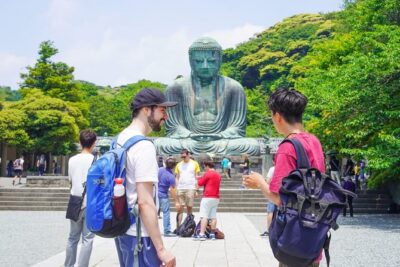
Kamakura Historical Walking Tour with the Great Buddha
Read our review →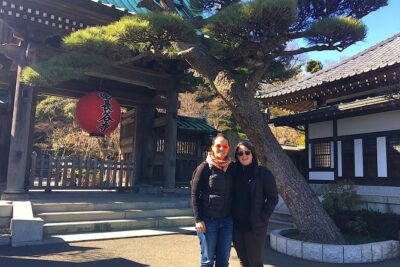
Kamakura Private Tour: Temples, Nature, and the Great Buddha
Read our review →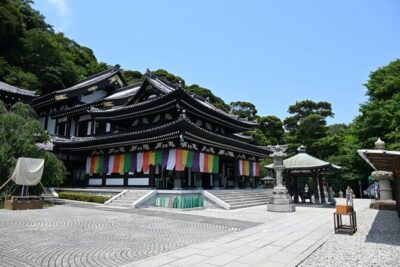
Sea of Mount Fuji, Hakone Ropeway, Ōwakudani, Enoshima
Read our review →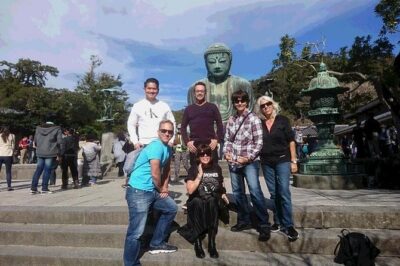
Kamakura 8 hr Private Walking Tour with Licensed Guide from Tokyo
Read our review →Browse the lists this tour appears in