
Reviewed · ANIME & POP CULTURE TOURS
Tokyo/Ikebukuro Manga lesson by acitive pro-Manga artists
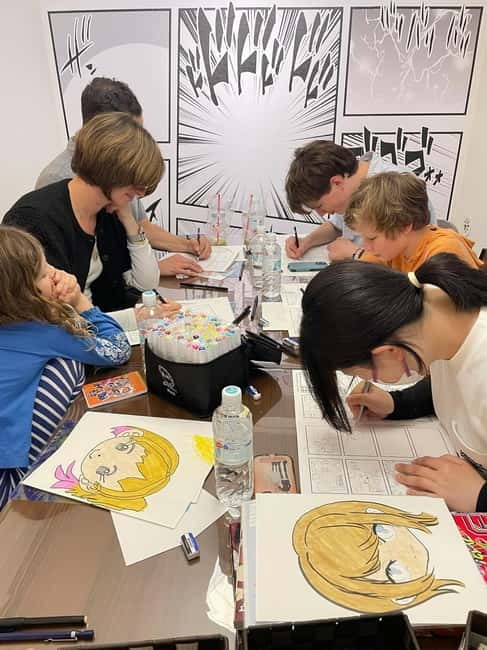
The best part of this two-hour manga workshop is that you do more than sketch a famous character. You learn how manga is made, then use professional tools to build your own character and short comic with help from active artists. The class takes place near Ikebukuro’s Animate, a handy spot for anyone already exploring Tokyo’s manga and anime scene.
I like the clear choice of three skill levels, from a family-friendly beginner class to an advanced session on panel layout, anatomy, and career advice. I also like the chance to ask working manga artists about their daily lives, while an English interpreter helps keep the lesson easy to follow.
The main drawback is the price: $127 per person is a serious fee for two hours, especially if you already draw manga and want detailed, technical coaching. The workshop is creative and well organized, but it is best viewed as a cultural activity and guided introduction, not a professional art course.
In This Review
- Key points to know before you book
- Why this Ikebukuro class feels different
- The opening lesson: manga history and the artist’s working life
- The beginner class from 10:00 to 12:00
- The intermediate class from 13:00 to 15:00
- The advanced class from 15:00 to 17:00
- Working with G pens, ink, paper, and screen tone
- Making a short comic with other people
- Is $127 a fair price?
- Timing, access, and who should book
- Should you book the Manga Dojo Tokyo workshop?
- FAQ
- Where is the manga lesson held?
- How long does the activity last?
- What are the available class times?
- Which course is best for children?
- Which course should adults choose?
- Is an English interpreter available?
- Are drawing tools included?
- Is food included?
- What is the cancellation policy?
Key points to know before you book
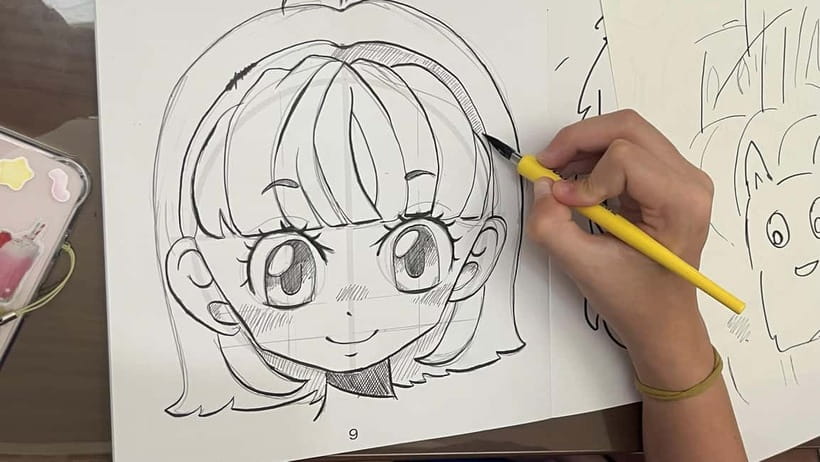
- Draw with real manga tools: Use a G pen, ink, manga paper, screen tone, and other supplied equipment.
- Pick the right level: Beginner runs 10:00 to 12:00, intermediate 13:00 to 15:00, and advanced 15:00 to 17:00.
- Meet working artists: Instructors have published comics, and the advanced class includes career questions and practical stories.
- Make something of your own: Depending on your class, you can create original characters, chibi drawings, a four-panel comic, or a short story manga.
- English help is provided: The instructor speaks Japanese and English support is available through an interpreter.
- Expect a small class: Enrollment is limited to eight people, though the meeting point can vary by booking option.
Why this Ikebukuro class feels different
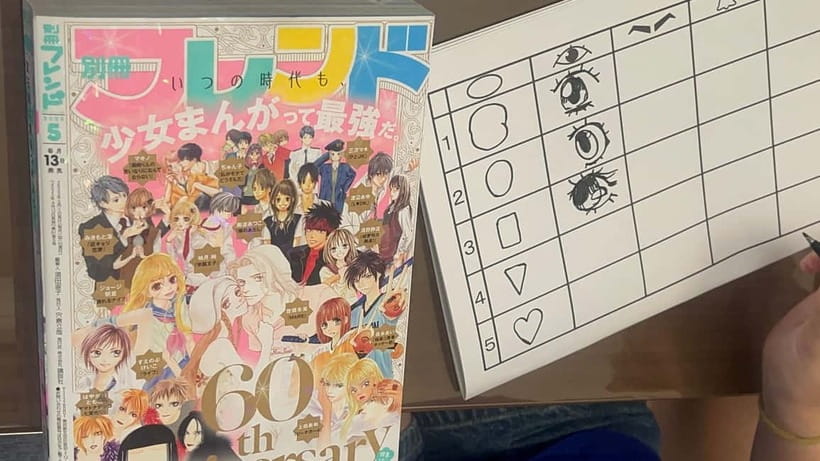
Tokyo offers many ways to look at manga. You can browse shelves at Animate, hunt for collectibles, or visit exhibitions. This class asks you to put pencil and pen to paper and see how the finished pages begin.
That change matters. Manga can look effortless when you see a polished page, but the workshop shows the decisions behind it: how a face is built, how a character gets a clear personality, and how panels guide the reader through a story. You are not simply copying an illustration. You are learning the basic logic of the form.
The venue is near Ikebukuro’s Animate, making the location especially useful for fans who want to connect the lesson with the neighborhood’s pop-culture shops. You should allow enough time to find the exact meeting point, since it may differ by the option you book.
The small-group limit of eight is another plus. You have a better chance to ask for help than you would in a large demonstration. It also makes the group comic activity more workable if you attend with family or friends.
More anime and pop-culture days:
- Official Street Go-Kart Tour – Akihabara
★ 5.0 · 1,578 reviews - Tokyo Go Kart: Asakusa, Skytree, and Akihabara **IDP MUST**
★ 5.0 · 988 reviews - Akihabara Anime & Game Adventure Walking Tour (Group or Private)
★ 5.0 · 404 reviews
The opening lesson: manga history and the artist’s working life
The session begins with an introduction to manga, including its history and place in Japanese culture. This gives the hands-on work some context. You see manga not only as a drawing style, but as a major part of Japanese pop culture and a form that combines words, pictures, timing, and page design.
The artists also talk about their own work. Kazuo Maekawa is one instructor identified with the class, and the workshop gives you a chance to see examples of an active illustrator’s comics. You can ask how artists make a living, what their workday is like, and how a hobby can develop into a career.
That conversation may be the most unusual part of the experience. A standard art class can teach you where to place the eyes, but it rarely explains what happens after the drawing is finished. Here, the career discussion adds a human side to the profession. It also helps set realistic expectations. Two hours will not turn you into a published artist, but it can show you what the path looks like.
The English interpreter is important here. The class is led in English and Japanese, with interpretation available, so you are not left guessing during technical explanations or questions. Previous participants specifically appreciated the clear translation and friendly support from Akari.
The beginner class from 10:00 to 12:00
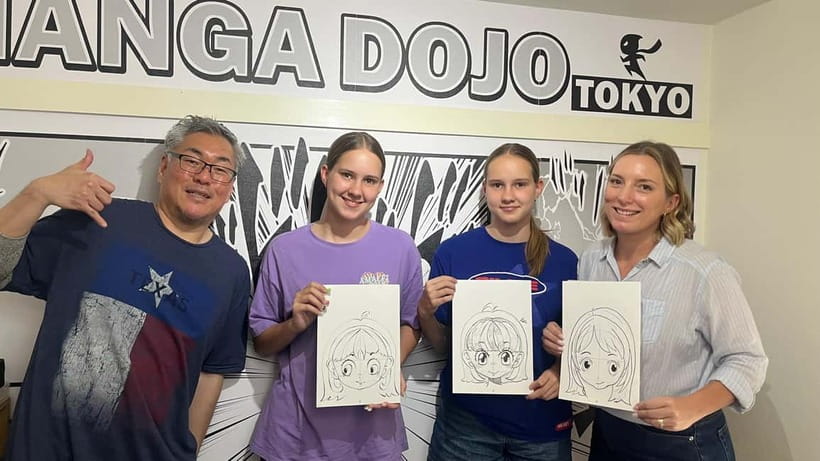
The beginner session is designed for children in junior high school and younger, families, and anyone starting from scratch. You learn basic character drawing and simple manga methods in a friendly setting.
The teaching moves step by step. You may begin with the structure of a face, then add features and expression before developing a character. The point is not perfect anatomy. It is learning how a few lines can suggest age, mood, personality, and style.
This level is also suitable for adults who do not draw. You do not need to arrive with an art portfolio or a lifetime of manga fandom. The workshop is intended as a non-professional activity, so the emphasis is on trying the process and enjoying the result.
Families should pay attention to the age guidance. Children under five are not suitable for the activity, and the beginner class is the best fit for younger participants who meet the minimum age. If you are booking for a child, choose the session based on the child’s comfort and drawing experience rather than your own.
A sample exercise may include drawing a familiar character such as Pikachu. That can help younger artists understand the lesson, since a recognizable subject gives them an immediate goal. The larger purpose, though, is to create an original character rather than only reproduce someone else’s design.
The intermediate class from 13:00 to 15:00
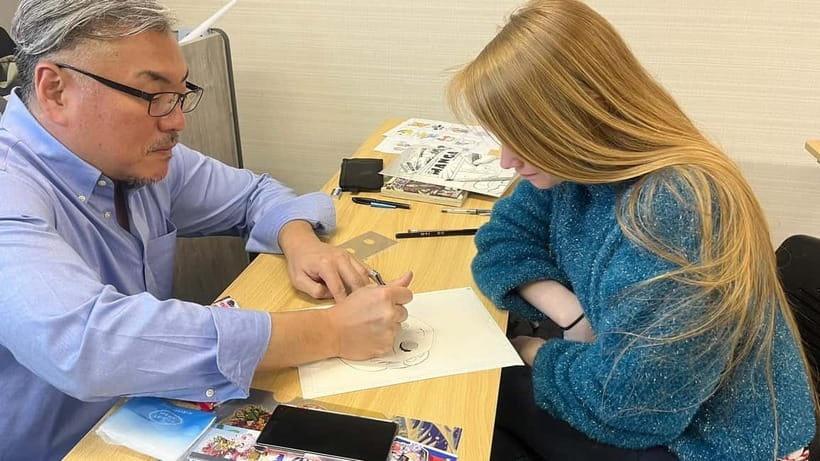
The intermediate course suits high school students and adults who already draw illustrations or manga as a hobby. Talented junior high school students can also join if they are confident with their drawing skills.
This class moves beyond basic faces and focuses on character design, chibi characters, and the four-panel comic, known in Japan as yonkoma. A four-panel format is a smart teaching tool because it forces you to make a story clear in very little space.
You must decide who the character is, what changes, and how the final panel lands. That makes the class useful for anyone interested in storytelling, not only those who want to improve their line work. You may find that a simple plot is harder than a detailed drawing, and the compact format makes that lesson clear.
The intermediate class is likely the best all-around choice for adults with some drawing experience. It gives you more structure than a free sketch session, but it does not assume that you are preparing for a professional career.
If your main goal is learning advanced anatomy or professional page production, choose the later session instead. The intermediate course is about making a complete, readable comic and shaping appealing characters.
A few more Tokyo bookings worth comparing
- Sushi Making Tokyo Roll and Authentic Japanese Sushi Class
★ 5.0 · 3,971 reviews - Tokyo: Roll and Authentic Sushi Making Class in Asakusa
★ 4.9 · 1,957 reviews - Tokyo Shinjuku Chopsticks Making Class
★ 5.0 · 1,763 reviews - Tokyo: Sushi Making Class in a Happi Coat near a Famous Spot
★ 4.9 · 1,377 reviews
The advanced class from 15:00 to 17:00
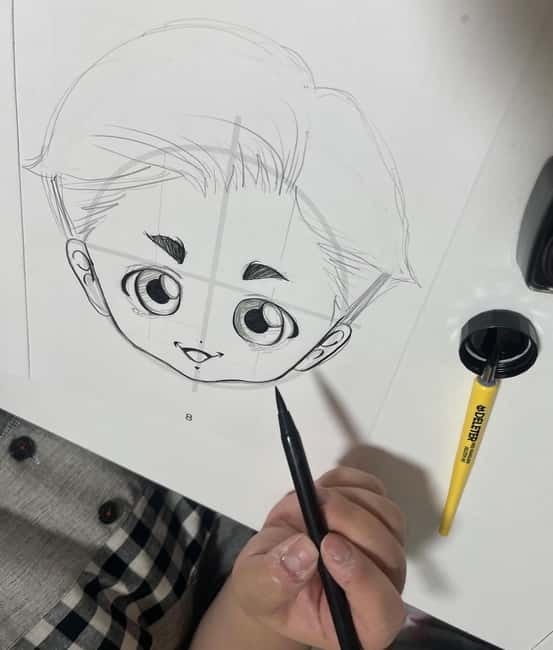
The advanced or professional course is intended for serious learners and aspiring manga artists. It covers advanced character design, panel layout, storyboarding, anatomy, and facial expressions.
These subjects address the parts of manga that make a page work as a story. Panel layout controls pace. Storyboarding helps you arrange action before committing to finished art. Anatomy gives characters believable movement, while facial expressions carry emotion from panel to panel.
The class also includes career advice and a question-and-answer session with a professional manga artist. This is the strongest reason to choose the advanced option if you already draw. You can ask about the work behind published comics and hear practical accounts that a general cultural talk cannot provide.
Still, keep the time limit in mind. Two hours is enough for an introduction and guided practice, not a full master class. If you want detailed correction of every panel or a long portfolio review, this experience may feel brief. Its value comes from focused exposure, professional contact, and the chance to try traditional methods.
Working with G pens, ink, paper, and screen tone
All drawing equipment is included, which makes the class easy to join while sightseeing. You do not need to pack specialist tools or buy supplies in advance.
The supplied equipment includes a G pen, ink, manga paper, and screen tone. These tools offer a feel that digital drawing cannot quite copy. The G pen can produce varied line weight, while screen tone adds shading and texture to a page.
For a first-time user, the tools can be part of the adventure. A polished manga page hides the physical process, but the workshop lets you see how the marks are built. You can make mistakes without first investing in a complete kit.
This is also where expectations matter. The lesson introduces traditional production, but it does not promise that you will master every tool in one sitting. Think of it as a guided first contact with the working methods used by manga artists.
At the end, you receive a small gift from a manga artist. It is a modest extra, but it gives the session a pleasant finish and something tangible to take home.
Making a short comic with other people
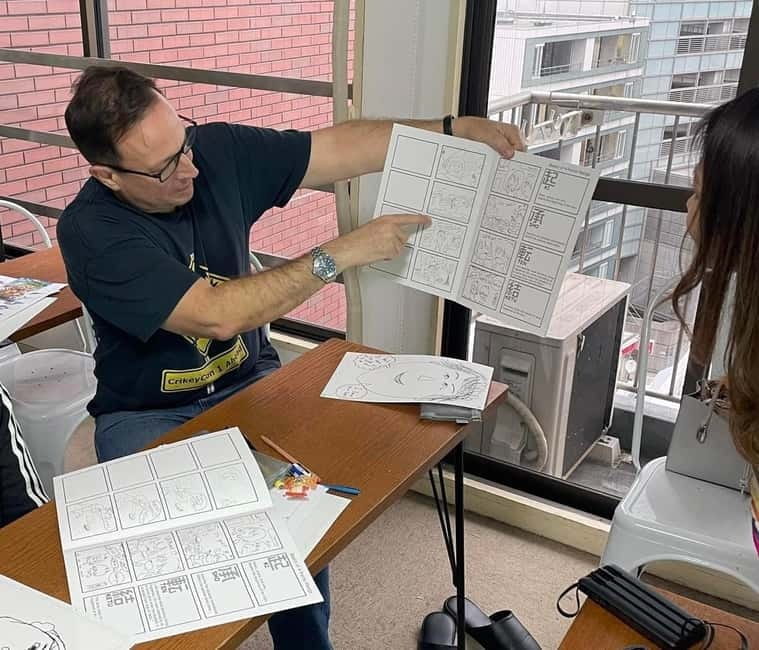
The activity can include group manga production, which makes it a good fit for families, friends, and team-building outings. Creating a short story together forces you to share ideas and make quick decisions.
One person may focus on characters, another on the plot, and another on the page layout. That shared process can be more memorable than drawing alone, although it also means you have less control over the final comic.
If you prefer quiet, individual practice, ask how much of the session is group work when you arrive. The class description includes original characters and short story manga, but the exact balance may depend on the level and group.
The small group helps here. With no more than eight participants, the activity should feel manageable rather than like a crowded craft demonstration. I would especially consider it for a family with children who like drawing, anime, or storytelling.
Is $127 a fair price?
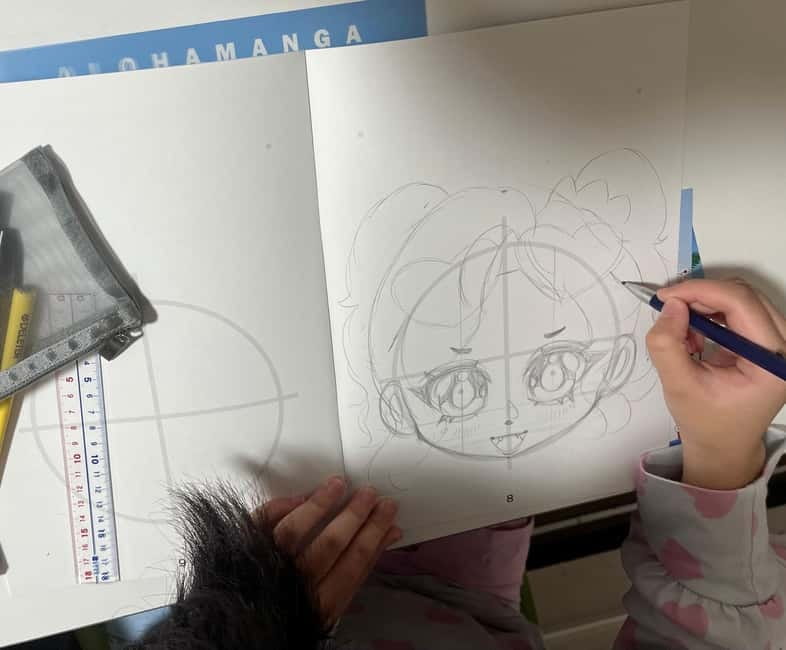
At $127 per person, this is not a cheap add-on activity. The price includes two hours of instruction, all manga equipment, English interpretation, a small artist gift, and access to professional instructors.
The strongest value comes if you care about Japanese pop culture and want more than a passive sightseeing stop. You are paying for contact with working artists, a structured lesson, specialist materials, and the chance to make a piece of manga yourself.
The value is weaker if you are judging it strictly as drawing instruction. A serious artist may find the session too short for the price, particularly if the class spends time on general manga history or simple exercises. One participant felt the activity should cost about half as much because the technical instruction was not detailed enough.
I would book it for the experience, not as a bargain art lesson. For a child who loves manga, the chance to use a G pen and meet a real comic illustrator may justify the fee. For an adult already taking formal art classes, compare your expectations carefully.
Timing, access, and who should book
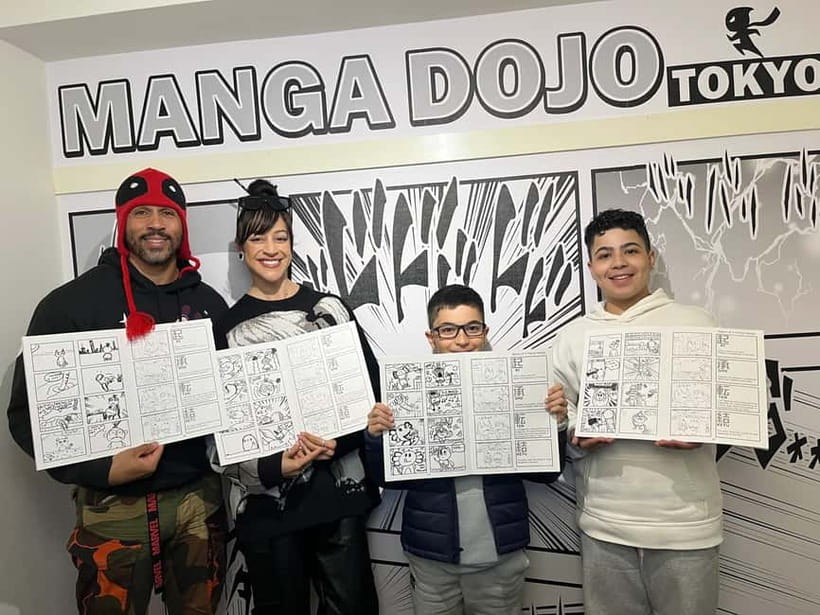
Each session lasts two hours. The three daily start times are 10:00, 13:00, and 15:00, so you can fit the class around shopping or other Ikebukuro plans.
The activity is limited to eight participants and has English and Japanese instruction with an interpreter. Food and drinks are not included, so plan a meal before or after class.
There is conflicting access information in the supplied details: the activity is marked wheelchair accessible, but it is also listed as not suitable for wheelchair users. I would confirm the venue and access arrangements directly before booking if this affects you.
The best matches are:
- Families with children aged five and older who enjoy drawing
- Adults curious about manga culture and traditional tools
- Anime and manga fans already visiting Ikebukuro
- Hobby artists who want a guided character or comic exercise
- Small groups seeking a creative team activity
- Advanced artists who value career questions and professional insight
It is less suitable for someone seeking a long technical course, a full professional critique, or a low-cost way to pass an hour.
Should you book the Manga Dojo Tokyo workshop?
Book it if you want a hands-on Japanese pop-culture experience and like the idea of making a small comic rather than just looking at manga in shops. The English interpreter, small class size, supplied tools, and active professional artists give the session real substance.
Choose the course carefully. Beginners and families should take the 10:00 session, hobby artists should consider the 13:00 class, and serious learners should select 15:00. At $127, I would want the cultural contact and artist conversation as much as the drawing itself.
Skip it if your main goal is intensive technical training or if the cost feels high for a short activity. For the right person, though, this is a lively way to connect an Ikebukuro visit with the actual work behind Japan’s comics.
FAQ
Where is the manga lesson held?
The venue is near Ikebukuro, right next to Animate. The exact meeting point may vary depending on the option you book.
How long does the activity last?
The manga workshop lasts two hours.
What are the available class times?
The beginner course runs daily from 10:00 to 12:00. The intermediate course runs from 13:00 to 15:00, and the advanced or professional course runs from 15:00 to 17:00.
Which course is best for children?
The beginner course is designed for children in junior high school and younger, as well as families and people with no drawing experience. Children under five are not suitable for the activity.
Which course should adults choose?
Adults with some illustration or manga experience should consider the intermediate course. Adults seeking advanced techniques, career advice, and professional questions should choose the advanced course.
Is an English interpreter available?
Yes. English interpretation is provided, and the activity uses both English and Japanese.
Are drawing tools included?
Yes. The equipment provided includes tools such as a G pen, ink, manga paper, and screen tone.
Is food included?
No. Food and drinks are not included.
What is the cancellation policy?
You can cancel up to 14 days in advance for a full refund.
New on our Tokyo list
- Sumi-e Experience in a relaxing green tea shop in Tokyo★ 5.0 · 3 reviews
- Tokyo : Kamikaze Street Drift Ride★ 5.0 · 3 reviews
- Private Zen Meditation in English in Shinjuku, Tokyo★ 5.0 · 3 reviews
- Onsen Spa in Tokyo and Asakusa Bar Hopping with Local Guide★ 5.0 · 3 reviews
- Easy for everyone! Now you can play handmade mini shamisen and show off to everyone! Musical instruments, sweets and live music★ 5.0 · 3 reviews
- Mt Fuji Exploration Tour with Free Japanese Kusa Mochi from Tokyo★ 4.5 · 3 reviews
- Tokyo Tsukiji Fish Market Walking and Exploring Hidden Gems Tour★ 5.0 · 3 reviews
- Tokyo: Private Tsukiji Street Food & Sake with Local Guide★ 5.0 · 3 reviews
Anime & Pop Culture Tours, compared.
Tokyo Go Kart: Asakusa, Skytree, and Akihabara **IDP MUST**
Read our review →
Akihabara Anime & Game Adventure Walking Tour (Group or Private)
Read our review →

Akihabara Tailor-made Private Tour for Anime Fans
Read our review →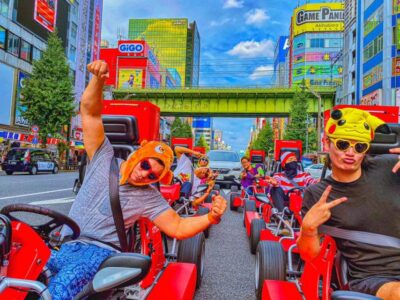
Ramen Making from Scratch +Akihabara Tour –Tokyo Cooking Class
Read our review →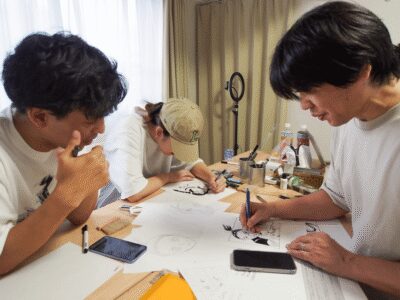
Manga Drawing Workshop Guided by Pro Manga Artist
Read our review →Browse the lists this tour appears in