
Reviewed · JAPANESE CULTURE WORKSHOPS
Tokyo: Learn Traditional Origami with a Local
The best part of this Shinjuku activity is that you do not simply copy a diagram. Manami Watanabe, a Tokyo native who started folding paper at age three, guides you through each crease while explaining what the shape means in Japanese culture. A crane is more than a pretty bird, and a lotus or samurai helmet comes with its own story.
I like the freedom to choose three to five designs, and I like the calm, personal teaching style. Manami is patient with beginners, including children, and she gives you time to fix a fold without making you feel clumsy. The main consideration is level: experienced folders may find the choices too easy, and the options cannot be customized on site.
In This Review
- Key points to know before booking
- What the 90-minute origami class is really like
- Choosing between cranes, frogs, boxes, and lotus flowers
- Why the stories matter as much as the folding
- Manami’s teaching style helps first-time folders
- Picking the right paper for a personal souvenir
- What is included, and what you should bring
- Finding FEEEP in Shinjuku
- Is $58 a fair price?
- Who will get the most from this activity?
- The family and solo experience
- Practical booking details for your Tokyo schedule
- My verdict: book it if you want a personal cultural keepsake
- FAQ
- How long does the origami experience last?
- How much does the origami class cost?
- Who teaches the class?
- Is the class taught in English?
- How many origami pieces can I make?
- Which origami designs can I choose?
- Are paper and craft tools included?
- Where does the class meet?
- Is the experience suitable for children and wheelchair users?
Key points to know before booking
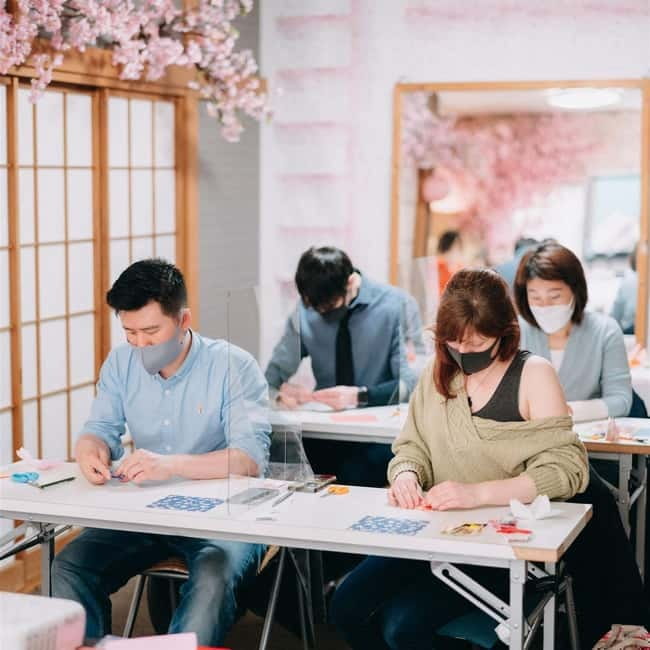
- Choose three to five designs: Pick from beginner-friendly shapes such as cranes, jumping frogs, boxes, lotus flowers, balloons, and samurai helmets.
- Learn from a lifelong practitioner: Manami has practiced origami since childhood and teaches in English.
- Hear the meaning behind each fold: The session includes stories about Japanese culture, family traditions, and the symbolism of individual shapes.
- Use attractive paper: Traditional and modern sheets are supplied, including decorative designs.
- Leave with a small collection: You receive a bag for your finished work, along with the paper, tools, water, and snacks used during the class.
- Plan around Shinjuku access: The meeting point is FEEEP Shinjuku Higashi-guchi, close to Shinjuku-sanchome and JR Shinjuku East Exit.
What the 90-minute origami class is really like

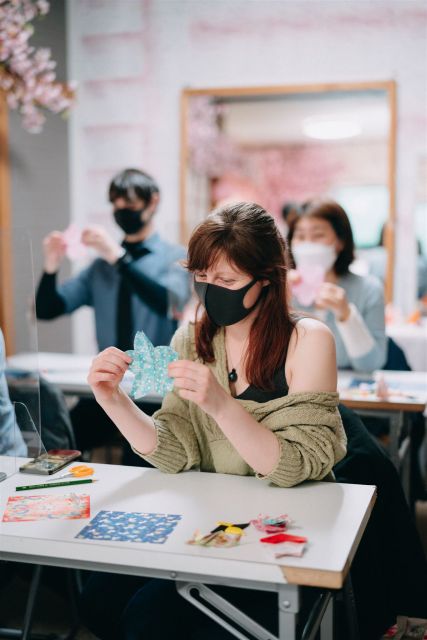
This is a hands-on cultural activity rather than a formal museum lesson. You sit down with paper, choose a design, and work through it fold by fold with Manami’s help.
The 90-minute length is well judged for a first introduction. It gives you enough time to make several pieces without turning the class into a long craft session. Depending on your pace and the difficulty of your choices, you can complete three, four, or even five shapes.
I would not expect every person in a group to finish exactly the same number. A careful child or first-time folder may need extra help, while someone comfortable with paper crafts may move ahead. The important point is that the session is paced around the people in front of Manami, not around a rigid demonstration.
More craft workshops in Tokyo:
- Tokyo Shinjuku Chopsticks Making Class
★ 5.0 · 1,763 reviews - Kintsugi Experience: Art of Golden Joinery in Tokyo
★ 5.0 · 467 reviews - Authentic Pure Gold Kintsugi Workshop with Master Taku in Tokyo
★ 5.0 · 217 reviews
Choosing between cranes, frogs, boxes, and lotus flowers
Manami begins by showing designs at different skill levels. You then select the patterns that appeal to you and choose a sheet of paper for each one.
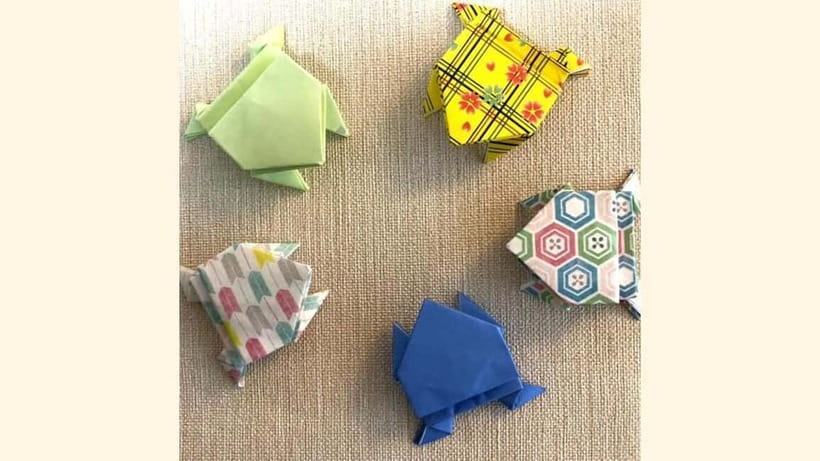
The range gives you a useful choice. A simple balloon or box can help you get used to basic folds. A crane feels more traditionally Japanese and gives the class a clear cultural focus. A jumping frog adds a playful touch, especially for families, while a lotus flower or samurai helmet makes a more distinctive souvenir.
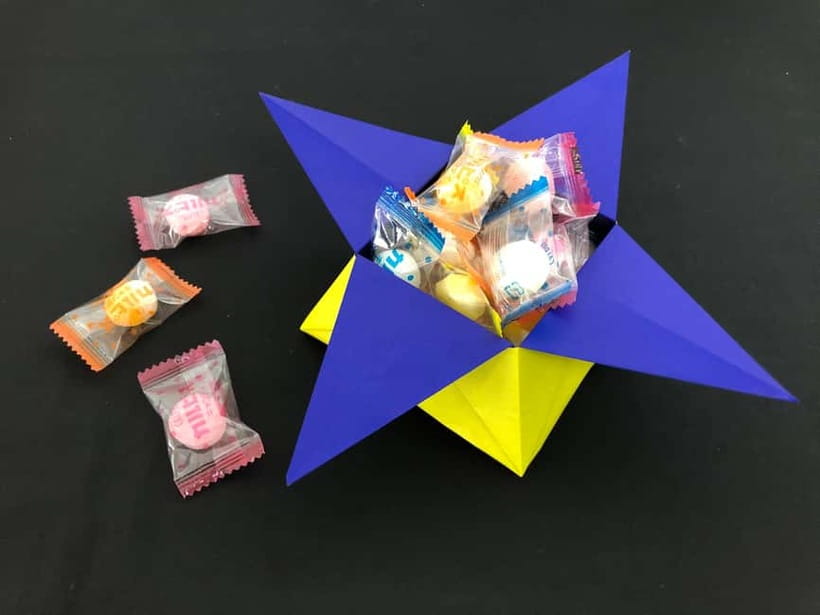
You may also encounter designs such as an open box. That is a practical choice because it produces something you can use or display, rather than only a decorative figure.
The class is designed mainly for beginners. That is good news if you have never made origami or have only followed a few simple diagrams. It is less appealing if you already fold complex animals, modular pieces, or advanced geometric models. The activity does not offer custom designs on site, so experienced folders should book for the cultural explanation and personal instruction, not for a technical challenge.
Why the stories matter as much as the folding
Origami can be easy to treat as a quiet way to pass an hour. Manami adds a reason to care about the finished shapes.
She explains the background of origami in Japan and shares the meaning connected with individual figures. The crane, for example, has strong cultural importance in Japan. Hearing that context changes the activity from making a paper bird into learning why that bird carries such weight.
Manami also draws on stories from her family and childhood. That personal connection is useful because it gives the session a human scale. You are not receiving a broad lecture about Japanese culture. You are hearing how one Tokyo native has lived with the art from an early age.
The conversation can also make the class feel less mechanical. You are encouraged to ask questions as you work, so the lesson can move naturally between folding, history, and everyday cultural details.
Manami’s teaching style helps first-time folders
Origami instructions in a book can look simple until one crease lands a few millimeters off. Then the next five steps stop making sense. This is where a live teacher earns the price of admission.
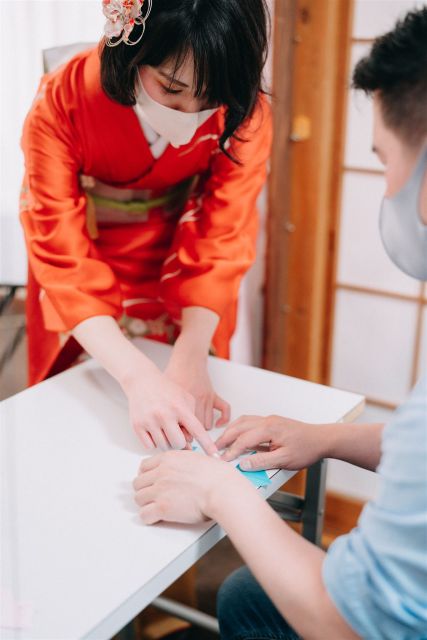
Manami demonstrates each stage and waits while you copy it. She checks your progress, explains the next move, and helps when a fold needs correcting. Her approach is described as gentle and respectful, which matters when an adult is struggling with a shape or a child is losing track.
An eight-year-old has successfully completed three designs in this setting, including a samurai helmet, jumping frog, and crane, with Manami giving extra support when needed. Families with children around that age should find the format manageable, though you should contact the instructor in advance if anyone in your group is under seven.
The class also works for adults. An adult son who was initially reluctant to join ended up enjoying the activity, which is a useful sign for families with mixed interests. You do not need to arrive as the person in your group who already loves crafts.
A few more Tokyo bookings worth comparing
- Mt Fuji and Hakone 1-Day Bus Tour Return by Bullet Train
★ 5.0 · 26,383 reviews - 1-Day Tokyo Bus Tour
★ 5.0 · 14,250 reviews - Tokyo: TOKYO SKYTREE® Admission ticket
★ 4.5 · 11,192 reviews - Tokyo: teamLab Planets TOKYO Digital Art Museum Entry Ticket
★ 4.6 · 9,779 reviews
Picking the right paper for a personal souvenir
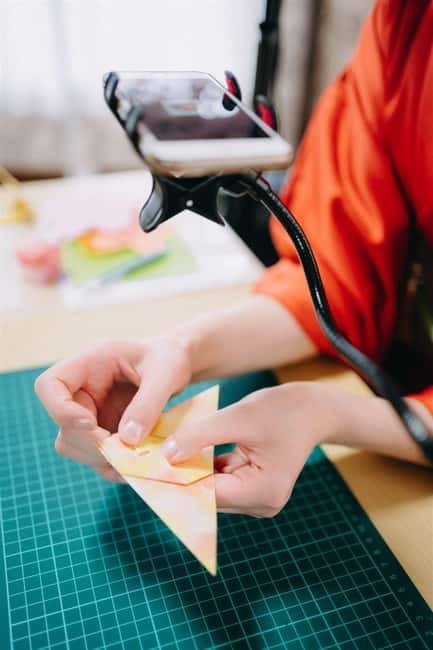
The paper selection is one of the small details that improves the experience. You can choose from traditional and modern origami papers, including attractive printed designs.
The sheet you choose affects how the finished piece feels. A crane made with decorative paper can become a display item, while a brightly colored frog or samurai helmet may suit a child. Since you make several shapes, you can vary the look rather than producing a matching set.
This is also a more personal souvenir than something bought from a shop. The folds may not be perfect, but you will remember the conversation and the place where you made them. Finished pieces can be photographed during the session and carried home in the small bags provided.
Pack them with a little care in your luggage. The activity supplies the bag, but it does not promise rigid protection for delicate models.
What is included, and what you should bring
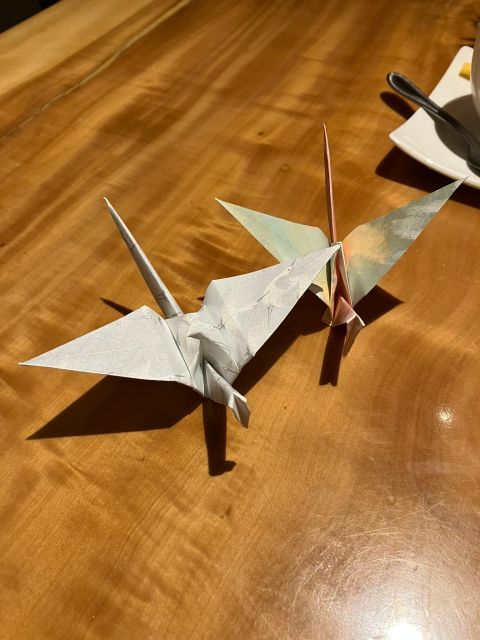
The $58 price covers more than the instructor’s time. The supplied materials include:
- Traditional and modern origami paper
- Scissors
- Pens
- Small bags for carrying finished work
- Water
- Some snacks
You do not need to buy paper or bring craft tools. That makes the session convenient during a busy Tokyo visit, since you can arrive with ordinary sightseeing clothes and leave with completed pieces.
The water and snacks are a modest touch, not a meal. I would still plan your day as if this were a light refreshment stop rather than a food experience.
There is no train-station pickup. You are responsible for reaching the meeting point, so allow time to find the building before the start. The entrance to FEEEP is locked, and you should message Manami after reaching the fifth floor.
Finding FEEEP in Shinjuku
The meeting point is:
FEEEP Shinjuku Higashi-guchi
Shinseido Building, 5th Floor
3-29-11 Shinjuku, Shinjuku-ku, Tokyo
The nearest station is Shinjuku-sanchome, served by metro lines M09, F13, and S02. You can also walk from the East Exit of JR Shinjuku Station.
FEEEP is a shared workspace with many meeting booths across the floor. This is useful to know because it is not presented as a large, obvious attraction with a dedicated origami storefront. Follow the address carefully, go to the fifth floor, and send a message once you arrive so Manami can let you in.
If you are using JR Shinjuku, give yourself extra time. Shinjuku Station is large, and a mistake at the wrong exit can cost more minutes than you expect. The activity itself is only 90 minutes, so arriving flustered is an avoidable nuisance.
The venue is wheelchair accessible. If someone in your party is elderly or needs special care, contact the provider ahead of time because the venue may need to be changed. The same applies to children under seven.
Is $58 a fair price?
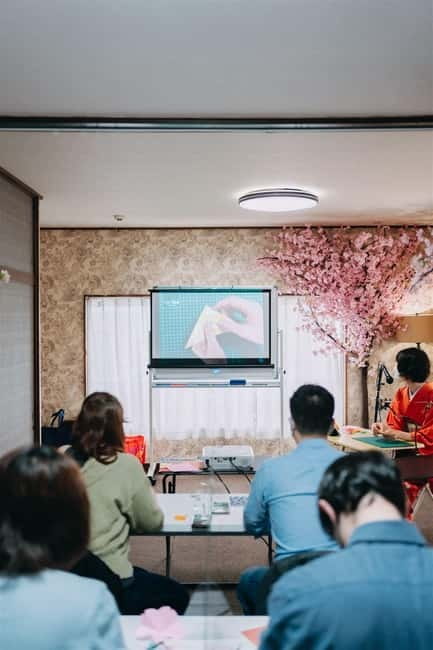
At $58 per person, this is not the cheapest way to spend 90 minutes in Tokyo. You can buy origami paper for very little, and free diagrams are easy to find. The value here comes from the live instruction, the cultural explanation, and the finished pieces you make with guidance.
I think the price makes more sense for visitors who want a small, focused cultural activity rather than a major sightseeing ticket. You receive materials, tools, snacks, and an English-speaking instructor. You also avoid the frustration of trying to learn from a flat page, where one missed fold can derail the whole model.
The value is strongest for a couple, family, or small group that will talk about the experience afterward and keep the paper figures. It is weaker for someone who only wants to learn advanced origami techniques or who measures value by the number of hours occupied.
For a private one-to-one session, the price can feel more reasonable because Manami can give close attention. For a large group, the provider welcomes groups, but you should understand that the experience may feel less personal as more people need help at once. The available information does not specify a maximum group size, so ask if individual attention is important to you.
Who will get the most from this activity?
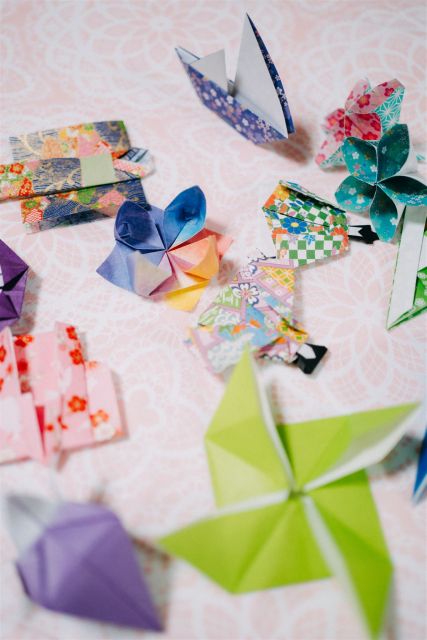
This class suits:
- First-time origami folders
- Couples looking for a quiet shared activity
- Families with children roughly seven and older
- Visitors interested in Japanese traditions beyond temples and shopping
- Solo visitors who enjoy conversation and patient instruction
- Groups wanting a calm indoor activity in central Tokyo
It is particularly useful on a rainy day or when you want a break from walking. The work is quiet and concentrated, giving you a change of pace from crowded stations and busy shopping streets.
I would be more cautious about booking if you are already highly skilled. The designs are aimed mainly at beginners, and the instructor cannot customize the selection on site. You may still appreciate Manami’s cultural stories, but do not expect an advanced masterclass.
The family and solo experience
Families get a clear advantage from the format. Each person chooses a design, works at their own pace, and leaves with something tangible. The jumping frog is an especially good pick for a child who wants a model that does something, while adults may prefer the crane, lotus, or box.
The instructor’s patient support is important here. Children can fall behind during a multi-step fold, and Manami takes time to bring them back into the process rather than simply completing the model for them.
Solo visitors should not feel out of place. The activity works as a one-to-one lesson, and one person has completed four pieces with close guidance. You also have more room for questions and conversation.
For couples, choosing different papers and designs can make the session feel collaborative without requiring either person to be especially crafty. You can compare your finished pieces and take photographs before packing them away.
Practical booking details for your Tokyo schedule
The class is conducted in English and lasts 90 minutes. Starting times vary, so check availability for the date you want.
Free cancellation is available up to 24 hours before the activity for a full refund. You can also reserve now and pay later, which helps if your Tokyo schedule is still shifting.
Alcohol and drugs are not allowed. That is standard, but it is worth noting because this is a shared workspace rather than a private party room.
Bring a phone if you want photographs of your finished work. Selfies and pictures of the pieces are encouraged, and the paper models make a pleasant reminder of your visit.
My verdict: book it if you want a personal cultural keepsake
I recommend this origami class for beginners who want to learn by hand and hear the meaning behind what they make. Manami’s patience and clear step-by-step teaching are the main reasons to book, especially if you are visiting with children or an adult who thinks crafts are not for them.
Book it if you want three to five finished pieces, attractive paper, and a personal introduction to a Japanese tradition. Skip it if you already make advanced origami or want a flexible lesson built around your own specialist interests.
The Shinjuku location is convenient, but you must find the fifth-floor workspace yourself and message Manami at the locked entrance. Plan that small bit of logistics carefully, then settle in and let the folding slow your day down.
FAQ
How long does the origami experience last?
The activity lasts 90 minutes.
How much does the origami class cost?
The price is $58 per person.
Who teaches the class?
Manami Watanabe teaches the class. She is from East Tokyo and has practiced origami since she was three years old.
Is the class taught in English?
Yes. English is the listed instruction language.
How many origami pieces can I make?
You can choose designs and typically make three to five shapes during the session. The exact number depends on the designs you select and your pace.
Which origami designs can I choose?
The available examples include cranes, jumping frogs, boxes, lotus flowers, balloons, and samurai helmets. Designs are offered at different beginner-friendly skill levels.
Are paper and craft tools included?
Yes. Traditional and modern origami paper, scissors, pens, water, snacks, and a small bag for carrying your finished pieces are included.
Where does the class meet?
The meeting point is FEEEP Shinjuku Higashi-guchi, Shinseido Building, fifth floor, 3-29-11 Shinjuku, Shinjuku-ku, Tokyo. The nearest station is Shinjuku-sanchome, and the location is also accessible from the East Exit of JR Shinjuku Station.
Is the experience suitable for children and wheelchair users?
The activity is wheelchair accessible. Children under seven require advance notice because the venue must be changed, and you should also contact the provider beforehand if someone is elderly or needs special care.
New on our Tokyo list
- From Tokyo: Mount Fuji & Hakone Full Day Private Tour★ 4.9 · 25 reviews
- Tokyo Spectacular View Day-Cruise in 90 Minutes★ 5.0 · 25 reviews
- 2.5 Hour-Guided Cycle Tour in the Central Tokyo★ 5.0 · 25 reviews
- Real Tokyo Runner Club : Daikoku Car Meet Night Tour with JDM Car★ 5.0 · 25 reviews
- Ramen Making from Scratch +Akihabara Tour –Cooking Class★ 5.0 · 25 reviews
- [Self-Drive] Tokyo & Daikoku Custom Car Driving Tour★ 4.9 · 25 reviews
- Tokyo: 2-Hour Night Bike Tour of the City’s Hidden Gems★ 4.9 · 25 reviews
- Samurai themed Entertainment show in Shinjuku★ 4.5 · 25 reviews
Japanese Culture Workshops, compared.

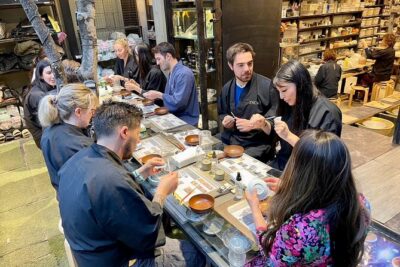
Kintsugi Experience: Art of Golden Joinery in Tokyo
Read our review →
Authentic Pure Gold Kintsugi Workshop with Master Taku in Tokyo
Read our review →
KABUKI Show at Kabukiza Theatre Admission Ticket
Read our review →
KABUKI, BUNRAKU, etc. presented by National Theatre
Read our review →
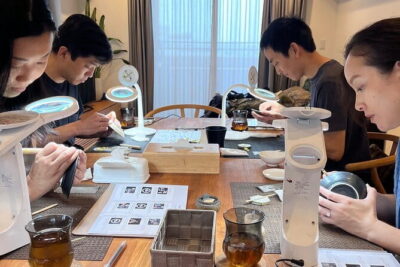
Kintsugi Workshop Class in Shibuya, Tokyo with mon cadeau
Read our review →
Browse the lists this tour appears in