
Reviewed · JAPANESE CULTURE WORKSHOPS
Tokyo: Make Your Own Hanko Stamp — Unique Cultural Souvenir
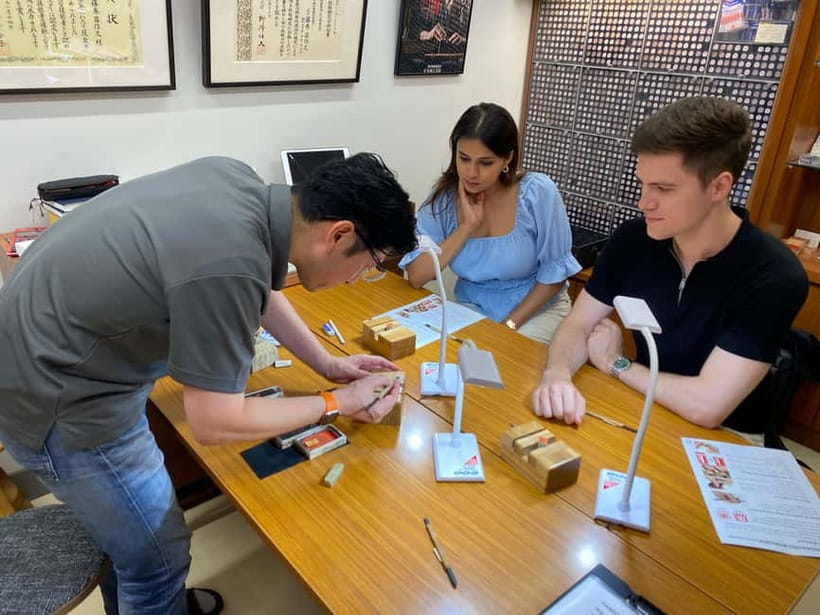
The most memorable part of this Tokyo workshop is that you do not simply buy a souvenir. You design and carve your own Hanko, a personal name seal tied to Japanese identity and daily life. A multilingual guide helps you choose kanji or katakana, then a local seal craftsman supports you as you work.
I like the small four-person limit, which gives you room to ask questions and receive hands-on help. I also like the finished result: your own Hanko, presented in a case, with the first red-ink impression to mark the moment. The main consideration is the price, $154 per person for 90 minutes, so this makes more sense as a special cultural activity than as a quick budget souvenir stop.
In This Review
- Key points about the Tokyo Hanko workshop
- Why a Hanko makes a better souvenir than another keychain
- Meeting at Otemachi and entering the seal shop
- Learning what your name means in Japanese form
- Hand-carving your personal seal
- The first red-ink impression
- Is $154 a fair price for 90 minutes?
- Who will enjoy this workshop most?
- Practical details that affect your choice
- What makes the craft feel authentic
- Should you book the Tokyo Hanko experience?
- FAQ
- How long does the Hanko workshop last?
- Where is the meeting point?
- What languages does the guide speak?
- How many people can join one session?
- Do I need previous carving experience?
- Can children take part?
- Is the workshop wheelchair accessible?
- What is included in the price?
- Is transportation included?
- Can I cancel my booking?
Key points about the Tokyo Hanko workshop
- Carve a personal seal: Create a name stamp rather than choosing a mass-produced keepsake from a shop shelf.
- Choose kanji or katakana: Your guide explains the meaning and look of the characters before carving begins.
- Work with a local craftsman: Experienced staff guide the carving and help you handle the tools safely.
- Keep the Hanko and case: The finished seal comes ready to take home as a functional and symbolic memento.
- Small private group: A maximum of four participants keeps the session personal and practical.
- Indoor, all-weather activity: The workshop works well on a rainy day or as a break from Tokyo sightseeing.
Why a Hanko makes a better souvenir than another keychain
A Hanko is a Japanese name seal. For centuries, these stamps have served as symbols of identity and authenticity. Instead of signing your name in some settings, you may use a personal seal, which gives the object more meaning than a standard souvenir with Tokyo printed across it.
This workshop lets you take part in that tradition at a long-established seal shop in central Tokyo. You are not only watching a craft demonstration. You are making a small object with your own name, your own character choices, and your own handwork in it.
I especially like the way the activity connects language and craft. Your name may not have a direct Japanese equivalent, so choosing kanji involves more than copying letters. You receive an explanation of the possible characters and their meanings, then decide how you want your name represented.
Katakana is another option. This script is commonly used for foreign names, and it can offer a more direct sound-based version of your name. Kanji can feel more symbolic, while katakana may be easier if you want the pronunciation of your name to remain clear. The guide helps you understand the choice rather than leaving you to guess.
The result will not be a perfect factory-made object. That is part of its appeal. You will see the first impression in red ink and know that the seal came from a short creative process you took part in yourself.
More craft workshops in Tokyo:
- Tokyo Shinjuku Chopsticks Making Class
★ 5.0 · 1,763 reviews - Kintsugi Experience: Art of Golden Joinery in Tokyo
★ 5.0 · 467 reviews - Authentic Pure Gold Kintsugi Workshop with Master Taku in Tokyo
★ 5.0 · 217 reviews
Meeting at Otemachi and entering the seal shop
Your meeting point is the Lawson in front of Taihodo, at the Shin-Otemachi Building, 2-2-1 Otemachi, Chiyoda-ku. A guide welcomes you there and leads you into the workshop. Since Otemachi is a central Tokyo business district, check the meeting details carefully and allow enough time to find the exact building and convenience store.
The activity takes place indoors, which removes the worry of Tokyo weather. Rain, heat, or a cold winter afternoon will not change the workshop itself. You still need to arrange your own transportation to Otemachi, since transportation costs are not included.
The guide support is available in English, French, Spanish, Italian, and Chinese. That matters here because the workshop includes decisions about names, character meanings, and calligraphy styles. Clear explanations make a real difference when you are choosing characters that will remain on your seal for years.
The group is private and limited to four people. If you are booking as a couple, family, or small group of friends, you should receive more direct attention than you would in a large craft class. A small group also makes it easier to pause and ask why one character or style suits your name better than another.
Learning what your name means in Japanese form
The first part of the workshop introduces the cultural role of Hanko. You learn why name seals have mattered in Japan and how they relate to identity and authenticity. This short explanation gives the carving a purpose. You are not merely making a decorative stamp without context.
Next comes the most personal decision: how to represent your name. The guide explains the characters available in kanji or katakana and discusses their meanings. You can take your time here. Once the carving starts, changing the design may not be practical, so make sure you understand the selected characters before approving the layout.
This is one reason the multilingual guide is important. A name can look attractive but carry a meaning you did not intend. The activity provides support before you commit the design to the seal. Ask questions about the character meanings and the calligraphy style, especially if you are choosing kanji for its symbolic quality.
You also select a calligraphy style. The style changes the feel of the finished mark, even when the characters stay the same. A more formal design may look traditional, while another style may have a looser or more artistic appearance. The available options are explained during the workshop, so you do not need to arrive with a design already prepared.
Hand-carving your personal seal
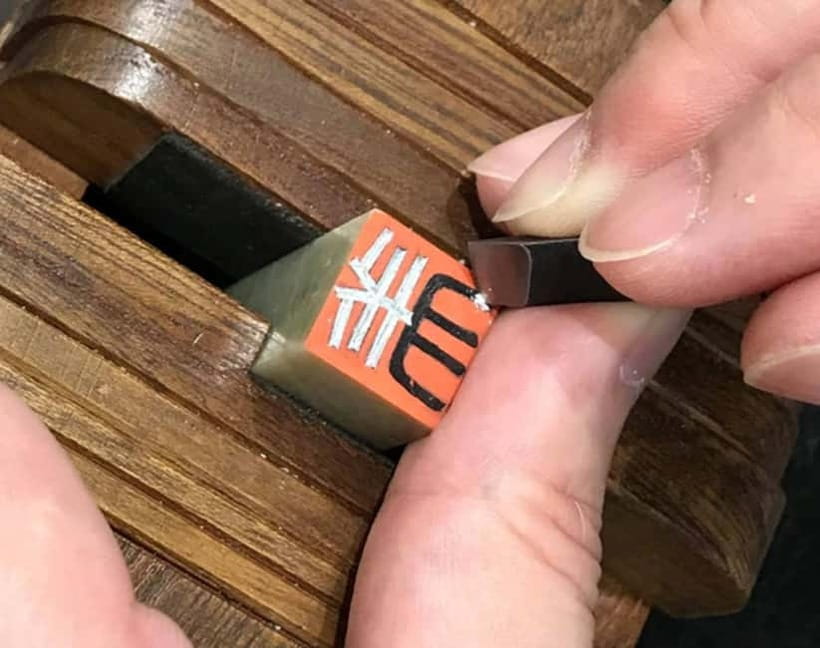
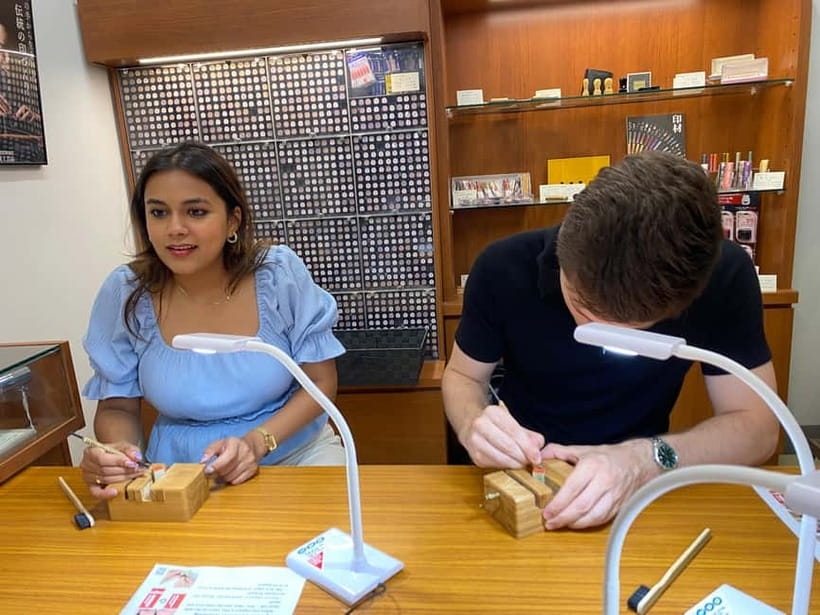
Once the name and style are settled, you begin carving. No previous craft experience is required. Experienced local staff support you throughout the process, with attention to both safety and precision.
The carving is hands-on, but it is not presented as a test of artistic skill. You are given help as you work, and the craftsman works with you directly on the personalized design. A steady pace is more useful than trying to rush. The goal is to create a seal you can keep, not to finish first.
If you are nervous about making a mistake, that is understandable. The staff are there to guide you, and the workshop is designed for beginners. You do not need to know Japanese calligraphy or have used carving tools before. The four-person limit also helps here, since assistance is close at hand.
Children under five may join as observers but cannot carve. The activity is listed as suitable for all ages, but very young children will not take part in the carving itself. Families should keep that distinction in mind when deciding if the session suits everyone in the group.
The finished seal has a personal quality because your decisions shape it, even with expert help. You choose the name form, characters, and calligraphy style, then take part in the physical carving. That combination gives the souvenir a story that a ready-made stamp cannot provide.
A few more Tokyo bookings worth comparing
- Mt Fuji and Hakone 1-Day Bus Tour Return by Bullet Train
★ 5.0 · 26,383 reviews - 1-Day Tokyo Bus Tour
★ 5.0 · 14,250 reviews - Tokyo: TOKYO SKYTREE® Admission ticket
★ 4.5 · 11,192 reviews - Tokyo: teamLab Planets TOKYO Digital Art Museum Entry Ticket
★ 4.6 · 9,779 reviews
The first red-ink impression
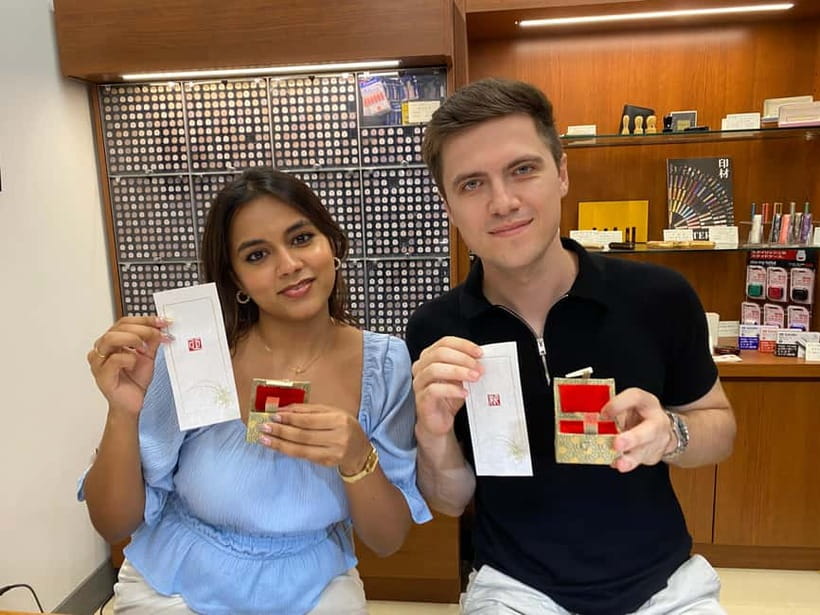
When your Hanko is finished, you stamp it with traditional red ink. This first impression gives you a clear look at the final design and creates a natural photo moment. You can admire how the characters appear on paper and see the result of the carving process.
The red impression also makes the object feel complete. Until this point, you have been making decisions and removing material. The stamp shows the design in its intended form. It is a simple but satisfying end to the workshop.
Commemorative photos are part of this closing moment. The activity gives you a chance to record the finished Hanko and the first impression before packing it away. Since the seal itself is small, the photographs help preserve the memory of the process as well as the object.
Your original Hanko comes in a protective case. That is a useful inclusion, not just a decorative extra. A case gives you a safer way to carry the seal home and store it after your trip. The package includes the original seal, carving fee, and case, so there is no separate carving charge at the end.
Personal shopping is not included. If the shop offers additional items, those would be your own expense. The activity price covers the workshop and the stated Hanko package, not extra purchases.
Is $154 a fair price for 90 minutes?
At $154 per person, this is not a low-cost Tokyo activity. You are paying considerably more than you would for a souvenir from a department store or tourist shop. The value depends on what you want from your time in Japan.
If you only want a Japanese name stamp, buying one may cost less and take much less time. This workshop earns its price through the private instruction, character consultation, guided carving, multilingual support, and finished case. You are paying for a personal craft session as well as the object.
The small group also matters. With no more than four participants, the staff can work directly with you rather than moving a large class along. The craftsman’s involvement is a central part of the experience, particularly if you want help with the design and carving rather than a quick demonstration.
I would consider the price reasonable for a once-in-a-trip cultural activity, especially for couples, families with older children, or anyone who values handmade objects. It is less appealing if your main goal is to keep daily activity costs low or if you prefer broad sightseeing tours with several stops.
The 90-minute length is another part of the calculation. You receive a focused workshop without giving up an entire day. It can fit between other plans in central Tokyo, though you should allow extra time for reaching Otemachi and finding the meeting point.
Who will enjoy this workshop most?
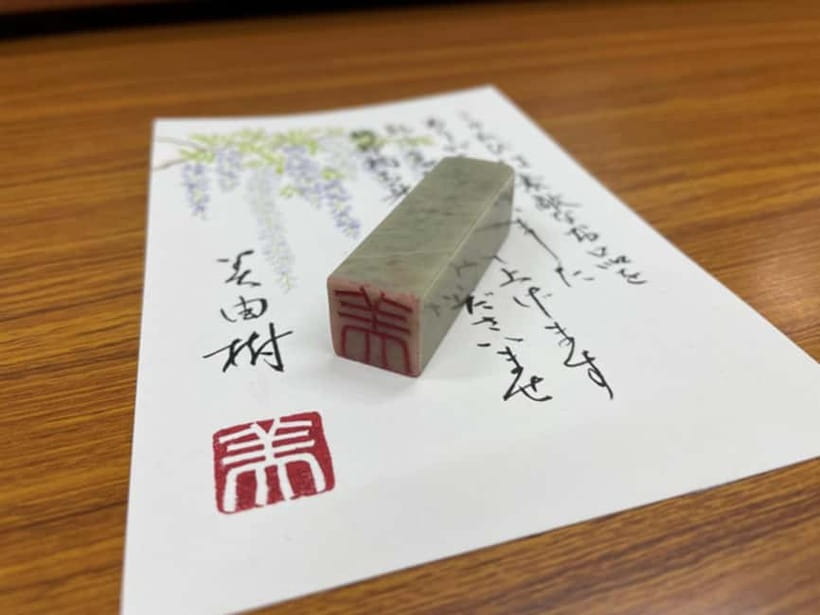
This experience suits you if you want an activity that is creative, quiet, and personal. It is a good choice for a return visit to Tokyo, when the major sights may already be familiar, but it also works for a first visit if you want time away from crowded viewing platforms and busy shopping streets.
Couples can create matching or complementary seals. Families can share the design process, though children under five can only watch. Solo participants may appreciate the close attention from the guide and craftsman, particularly when working through the kanji and katakana choices.
It also suits travelers who care about language and symbolism. The name consultation is not an afterthought. It is one of the main reasons to choose this activity over a standard craft class. You leave with a Japanese representation of your name and an explanation of what you selected.
The workshop is fully wheelchair accessible, and staff can assist if needed. Pets are not allowed. Because the session is indoors, it can be a practical choice when outdoor plans are uncomfortable or uncertain.
You may want to skip it if you dislike careful handwork, have little interest in personal souvenirs, or want a fast activity with no design decisions. The carving is supported, but you still need to participate. This is not a show where you sit back while someone else makes the object.
Practical details that affect your choice
The session lasts 90 minutes, and starting times vary, so check availability when you plan your day. The activity is a private group experience with a maximum of four participants. That limit is useful for anyone who wants direct help and a less rushed setting.
Transportation is not included. Plan your route to the Lawson in front of Taihodo at the Shin-Otemachi Building. The exact meeting point matters in a large office district, so do not rely on simply entering Otemachi and searching at the last minute.
The guide can provide support in English, French, Spanish, Italian, or Chinese. The welcome information lists a fluent guide at the meeting point, while the activity details also include those five language options. If language support is important to you, confirm your preferred language when booking.
You can cancel up to 24 hours in advance for a full refund. Reserve now and pay later is also available, which gives you some flexibility while arranging a Tokyo schedule. These policies are useful if your itinerary includes several timed activities.
The workshop runs in all weather because it is indoors. No special experience is needed, and staff assist with the carving. Bring patience and curiosity rather than technical skill.
What makes the craft feel authentic
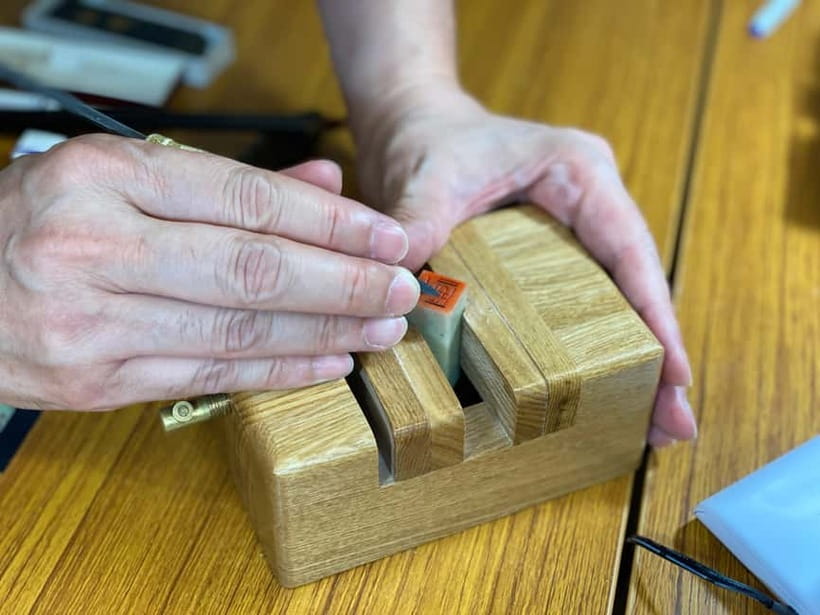
The setting at a long-established seal shop gives the activity a stronger connection to local craft than a generic souvenir workshop. You work with local staff and a craftsman who helps shape a seal made for your name.
The personal design process is the part I find most valuable. You are asked to think about how your name should appear, what the characters mean, and which calligraphy style fits. That turns a small object into a record of your decisions in Tokyo.
The direct work with the craftsman is also important. The experience is not only guided translation followed by a self-service activity. The craftsman works with participants on the design and carving, while an interpreter helps communication run smoothly when needed.
You should expect a warm welcome and clear explanations, but remember that the workshop remains a practical craft session. The focus is on making the Hanko. It is not a full tour of Otemachi or a broad lesson in every aspect of Japanese art.
Should you book the Tokyo Hanko experience?
Book this workshop if you want a meaningful handmade souvenir and enjoy taking part in the making process. The strongest reasons to choose it are the direct help from the local craftsman, the careful kanji or katakana consultation, and the small four-person setting.
I would also recommend it for a rainy day, a special couple’s activity, or a family outing with children old enough to carve. The finished Hanko and protective case are practical additions, while the first red-ink impression gives you a clear keepsake from the session.
Think twice if $154 feels high for a 90-minute activity or if you would rather spend your Tokyo budget on food, museums, or major sights. This is not the cheapest souvenir option. It is a hands-on cultural purchase, and its value comes from the personal story attached to the finished seal.
For the right person, the Hanko will mean more than a bought object. You choose the name, learn its Japanese form, carve it with support, and carry the result home. That is a strong reason to make room for this compact workshop in a Tokyo itinerary.
FAQ
How long does the Hanko workshop last?
The workshop lasts 90 minutes.
Where is the meeting point?
Meet at the Lawson in front of Taihodo, in the Shin-Otemachi Building at 2-2-1 Otemachi, Chiyoda-ku, Tokyo.
What languages does the guide speak?
Live guide support is available in English, French, Spanish, Italian, and Chinese.
How many people can join one session?
The workshop is a private group activity with a maximum of four participants.
Do I need previous carving experience?
No. You do not need prior experience, and experienced staff support you throughout the carving process.
Can children take part?
Children under five may join as observers, but they cannot carve. The activity is designed for all ages.
Is the workshop wheelchair accessible?
Yes. The workshop is wheelchair accessible, and staff can assist if needed.
What is included in the price?
The price includes the original Hanko seal, the carving fee, a seal case, and a multilingual guide.
Is transportation included?
No. Transportation costs are not included, so you must arrange your own way to the meeting point.
Can I cancel my booking?
Yes. You can cancel up to 24 hours in advance for a full refund. Reserve now and pay later is also available.
New on our Tokyo list
- Sumi-e Experience in a relaxing green tea shop in Tokyo★ 5.0 · 3 reviews
- Tokyo : Kamikaze Street Drift Ride★ 5.0 · 3 reviews
- Private Zen Meditation in English in Shinjuku, Tokyo★ 5.0 · 3 reviews
- Onsen Spa in Tokyo and Asakusa Bar Hopping with Local Guide★ 5.0 · 3 reviews
- Easy for everyone! Now you can play handmade mini shamisen and show off to everyone! Musical instruments, sweets and live music★ 5.0 · 3 reviews
- Mt Fuji Exploration Tour with Free Japanese Kusa Mochi from Tokyo★ 4.5 · 3 reviews
- Tokyo Tsukiji Fish Market Walking and Exploring Hidden Gems Tour★ 5.0 · 3 reviews
- Tokyo: Private Tsukiji Street Food & Sake with Local Guide★ 5.0 · 3 reviews
Japanese Culture Workshops, compared.
Kintsugi Experience: Art of Golden Joinery in Tokyo
Read our review →
Authentic Pure Gold Kintsugi Workshop with Master Taku in Tokyo
Read our review →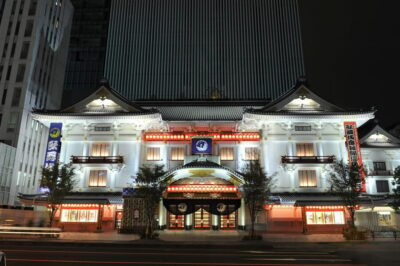
KABUKI Show at Kabukiza Theatre Admission Ticket
Read our review →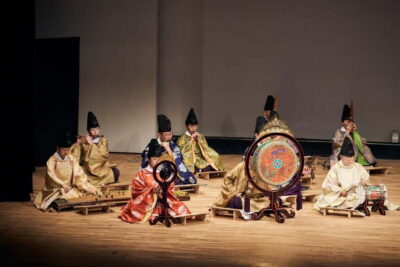
KABUKI, BUNRAKU, etc. presented by National Theatre
Read our review →
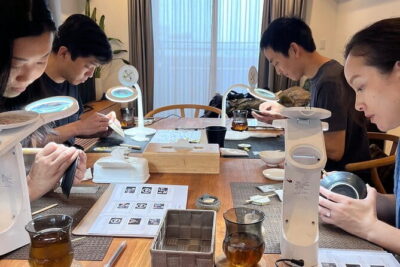
Kintsugi Workshop Class in Shibuya, Tokyo with mon cadeau
Read our review →
Browse the lists this tour appears in