
Reviewed · TEMPLE & SHRINE TOURS
Tokyo: Meiji Jingu Shrine and Shinto Culture Walking Tour
Meiji Shrine gives you one of Tokyo’s best contrasts: the neon and fashion shops of Harajuku fade behind you, then a broad gravel path carries you into a forest of roughly 100,000 trees. The real value here is not simply seeing a famous shrine. It is learning how to behave at a Shinto site and why water, sake, gates, offerings, and trees matter.
I like the small-group format, which gives you room to ask questions and makes it easier for the guide to take photos. I also like the practical Tokyo advice woven into the walk. Guides such as Maya, Yota, Ryota, Andres, Minori, and Haydn have helped visitors with shrine etiquette, local food ideas, and suggestions for the rest of a first Tokyo visit.
The main consideration is time. Two hours is enough for a useful introduction, but not enough for a slow, thorough look at every corner of the shrine grounds. The route also involves walking on gravel and through a large wooded area, so comfortable shoes and a little patience are wise.
In This Review
- Key points at a glance
- Why Meiji Shrine feels far from Tokyo
- Meeting in Harajuku, then entering Meiji Jingu Gyoen
- Passing beneath the Big Torii
- The sacred forest of 100,000 trees
- Reading the consecrated sake barrels
- The consecrated wine barrels
- Meiji Shrine and the Shinto rituals
- Guides who make the walk personal
- Is $19 a fair price for two hours?
- When to book and what to wear
- Who should book this Meiji Shrine tour?
- FAQ
- How long does the Meiji Shrine walking tour last?
- What language is the tour conducted in?
- Where is the meeting point?
- Is admission to Meiji Shrine included?
- Is the tour wheelchair accessible?
- Can I cancel the booking?
Key points at a glance
- A forest walk in central Tokyo: Enter a sacred grove of about 100,000 trees just beside Harajuku.
- Practical Shinto guidance: Learn how to purify yourself, approach the shrine, and pray respectfully.
- Sake and wine offerings: See the colorful barrels donated to Meiji Shrine and hear why they are displayed.
- Imperial Garden access included: Spend about 30 minutes in Meiji Jingu Gyoen with a guide.
- Small groups help: The usual group can be as large as 12, but many departures are much smaller.
- Useful first-day orientation: The walk can help you understand Japanese customs before visiting other temples and shrines.
Why Meiji Shrine feels far from Tokyo
Meiji Shrine sits in one of Tokyo’s busiest districts, close to Harajuku Station and the fashionable streets around Takeshita Street. Yet once you pass through the entrance and begin along the tree-lined approach, the city noise drops away.
That change is the heart of the experience. You are not being taken to a remote rural sanctuary. You are seeing how a major religious site survives inside one of the world’s largest cities.
The trees are not just decoration. They help create a quiet setting for worship and give the shrine a sense of separation from everyday Tokyo. Your guide can use this setting to explain the Shinto idea that nature and spiritual presence are closely linked.
I find this kind of explanation more useful than a list of dates. Without context, Meiji Shrine can look like a beautiful collection of gates, barrels, and wooden buildings. With context, the route becomes a lesson in customs you will see again throughout Japan.
More temples and shrines near Tokyo:
- Tokyo: Meiji Shrine, Asakusa, Skytree Bus Tour and Cruise
★ 4.7 · 1,986 reviews - Tokyo: Asakusa Walking Tour with Sensoji Temple Visit
★ 4.8 · 1,583 reviews - Nikko: Kegon Falls, Lake Chuzenji & Toshogu Temple
★ 4.6 · 1,577 reviews
Meeting in Harajuku, then entering Meiji Jingu Gyoen
The meeting point is in front of the Starbucks closest to Meiji Shrine, at coordinates 35.6705208, 139.7031067. Since there can be more than one Starbucks in the Harajuku area, use the coordinates and the exact meeting instructions rather than relying only on the store name.
From there, the walk moves into Meiji Jingu Gyoen, the garden area associated with the shrine. This section receives about 30 minutes of guided attention and works as a calm introduction before the more formal shrine spaces.
You can expect the guide to set out the story of the site, the Meiji period, and the connection between the shrine and Emperor Meiji and Empress Shoken. The focus is not only on imperial history. It also covers the customs and beliefs that shape a visit to a Shinto place.
The garden section is especially helpful if this is your first shrine in Japan. You can ask questions early, before reaching the main worship area, and get a clearer idea of what you are seeing.
One practical point: this is a walking tour, not a garden stroll with unlimited time for personal wandering. The guide needs to keep the group moving to complete the full route in two hours. If you want a long, quiet visit on your own, plan extra time after the tour.
Passing beneath the Big Torii
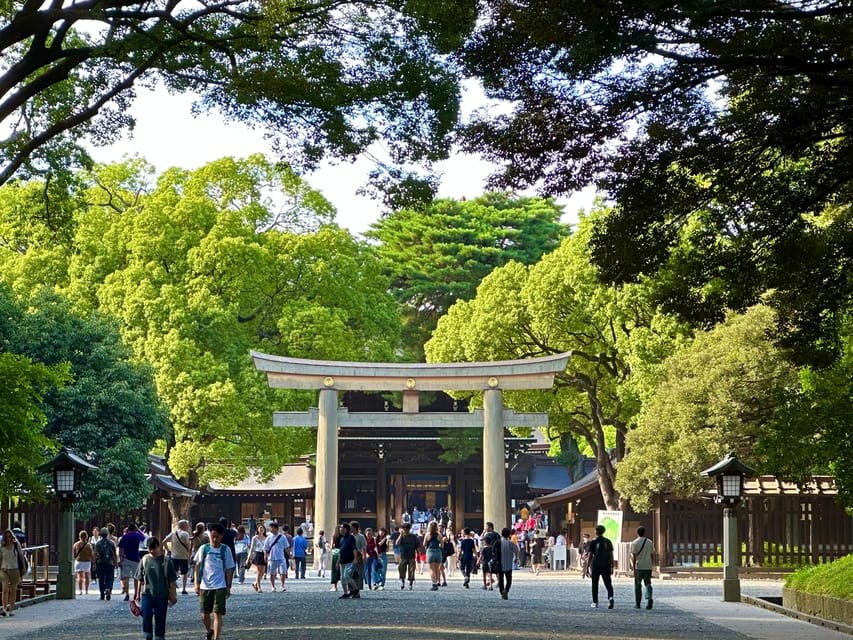
The Big Torii marks an important change in mood. Its great wooden frame makes you feel that you are leaving ordinary city space and entering a sacred area.
Your guide explains the meaning of the gate and how to pass through respectfully. Shinto etiquette is often simple, but it is easy to miss small details when you are on your own. A guide can show you where to walk, how to acknowledge the shrine, and when to pause.
This section lasts about 10 minutes, so do not expect a long lecture. Its value is that it gives the rest of the route a clear purpose. You are not just walking under an impressive structure. You are learning how the approach to a shrine is designed.
The broad paths can be busy, especially at popular times, and the gravel may slow you down. The tour is wheelchair accessible, but the exact ease of movement can depend on the day, the crowd, and the surface along the route. If mobility is a concern, it is sensible to confirm current conditions before booking.
The sacred forest of 100,000 trees
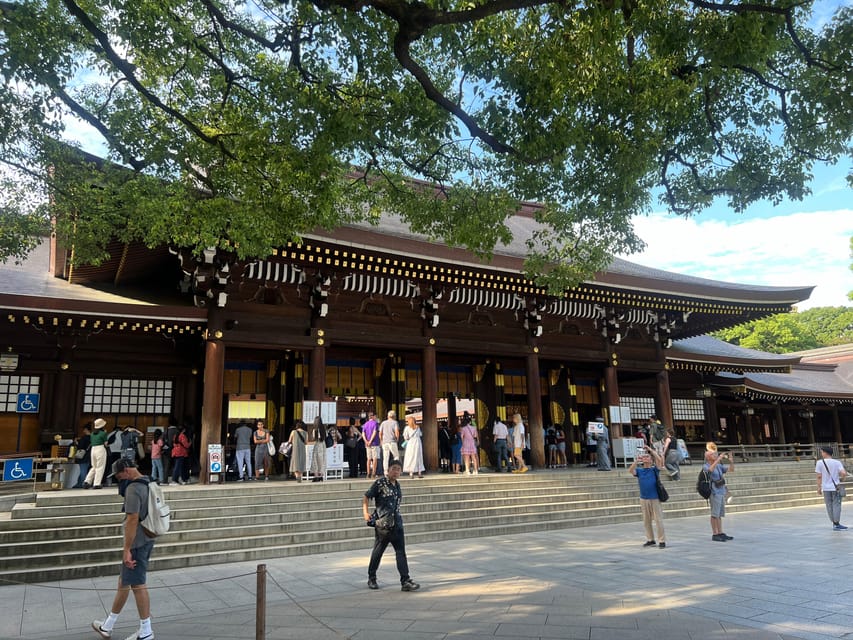
The forest is the most memorable part for many people, and I understand why. It gives Meiji Shrine a rare sense of quiet in the middle of Tokyo.
The tour describes the grove as containing about 100,000 trees. That figure helps explain the scale, but the experience is not about counting trees. It is about noticing the gradual shift from city traffic to shade, gravel, and filtered light.
A guide adds meaning to this walk by explaining the role of nature in Shinto practice. You learn why trees, water, and the condition of a place matter so much. This is one of the strongest reasons to choose a guided visit instead of simply following a map to the main hall.
The forest route also offers a break from Tokyo’s dense streets and bright commercial districts. I would schedule this tour earlier in your trip if you want a gentle cultural orientation. Several guides have also offered suggestions for restaurants and other sights, which can make the walk useful beyond the shrine itself.
Do not treat this as a hike. It is a city walking tour through a wooded shrine approach. Still, you will be on your feet for much of the two hours, and comfortable footwear matters.
More walking routes in Tokyo:
- Tokyo Tsukiji Fish Market Food and Culture Walking Tour
★ 5.0 · 3,184 reviews - Tokyo: Imperial Palace and Shogun Historical Walking Tour
★ 5.0 · 2,251 reviews - Tokyo: Shinjuku Local Bar and Izakaya Guided Walking Tour
★ 4.9 · 1,794 reviews - Tokyo: Tsukiji Fish Market Food and Walking tour
★ 5.0 · 1,724 reviews
Reading the consecrated sake barrels
The rows of sake barrels are one of the easiest sights to overlook if you visit alone. They are also among the best teaching points on the route.
Your guide explains why sake is offered to the shrine and how the barrels relate to worship and donations. The labels and designs give the display plenty of visual interest, but the cultural meaning is more important than the photo opportunity.
This stop takes about 10 minutes. That is enough time to understand what you are looking at and ask a few questions without turning the visit into a long history talk.
The sake barrels also show how religious sites connect with everyday Japanese life. Sake is not presented only as a drink. In this setting, it forms part of a relationship between people, institutions, and the shrine.
The consecrated wine barrels
The wine barrels provide a surprising companion to the sake display. They reflect a connection between Meiji Shrine and wine, and they give your guide another way to explain how traditions can incorporate outside influences.
I like this stop because it prevents the visit from becoming too predictable. You may expect sake at a Japanese shrine. The wine barrels make you look twice and ask why they are there.
Again, the stop lasts around 10 minutes. It is brief, visual, and easy to remember. Your guide can explain the symbols and the historical setting without overloading you with detail.
If photography matters to you, this is another point where the included photo service can be useful. Guides are described as taking pictures during the walk, and several have made a point of helping with photos at important locations. Just keep in mind that photography should not interrupt worship or block the path.
Meiji Shrine and the Shinto rituals
The main shrine visit takes about one hour, making it the longest stop on the route. This is where the earlier explanations come together.
You learn how to approach the worship area, how to use the purification fountain, and how to pray. The precise instructions may vary slightly depending on the guide and the situation, but the purpose is consistent: you are shown the basic customs so you can participate respectfully rather than copy what somebody nearby is doing.
The guide also explains the difference between Shinto and Buddhism. That distinction can be confusing at first because both traditions are visible across Japan, and people may visit both kinds of sites. The tour gives you a useful foundation without pretending that two hours can cover every religious idea.
The shrine buildings themselves are important, but the setting matters just as much. The wide approach, towering trees, open courtyards, and formal worship area create a sequence that feels carefully arranged. Your guide helps you notice that sequence.
You may also have time to see ema wooden plaques or shrine stamps, depending on the pace and conditions. One family described writing on an ema and having books stamped, but these activities are not listed as guaranteed parts of the tour, so consider them optional extras rather than included features.
Expect the main shrine area to be the busiest section. Ceremonies, visitors, and ordinary worshippers share the space. Your guide can help you understand what is happening, but you should still allow room for people who came to pray.
Guides who make the walk personal
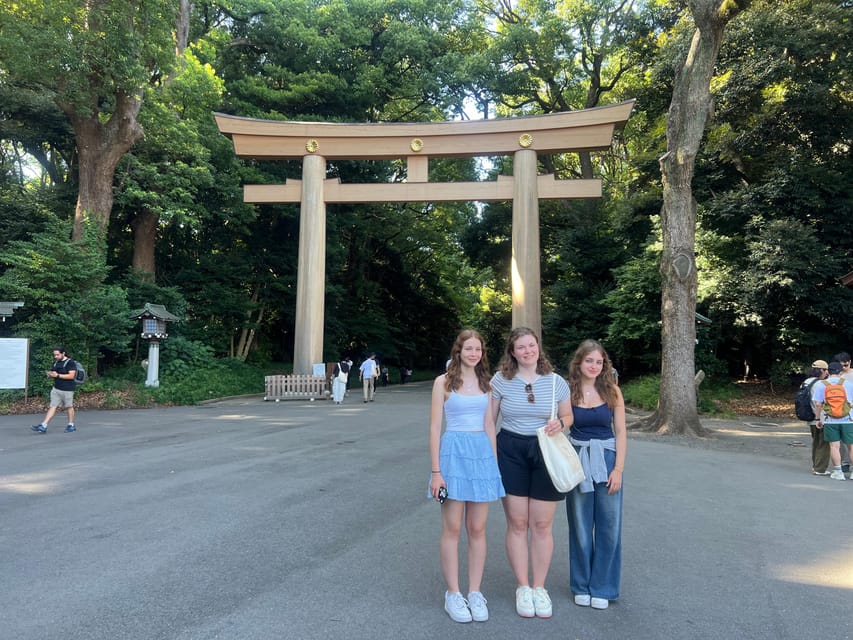
The strongest pattern in the available feedback is the quality of the guiding. Names that appear repeatedly include Maya, Yota, Ryota, Andres, Minori, Matt, Sara, Haydn, Naruto, Hoshi, and others.
That does not mean you can request a particular guide or that every departure will have the same style. It does tell you what kind of service to expect: an English-speaking guide who explains the setting, answers questions, and adjusts the conversation to the group.
Small groups are a real advantage here. The usual maximum is about 12 people, while some departures have had only two to four participants. One person even had a private-style experience after the other scheduled participant failed to arrive.
A small group makes it easier to ask about religion, history, food, or etiquette without holding up a large crowd. It also helps when you want a photo or need the guide to repeat an explanation.
The guides have also given practical Tokyo suggestions, including restaurants, sushi, ramen, wagyu, and other places to eat. Those extras are not a formal food tour, and meals are not listed as included. Still, the local recommendations can add value, especially if you book this as one of your first activities in Tokyo.
Is $19 a fair price for two hours?
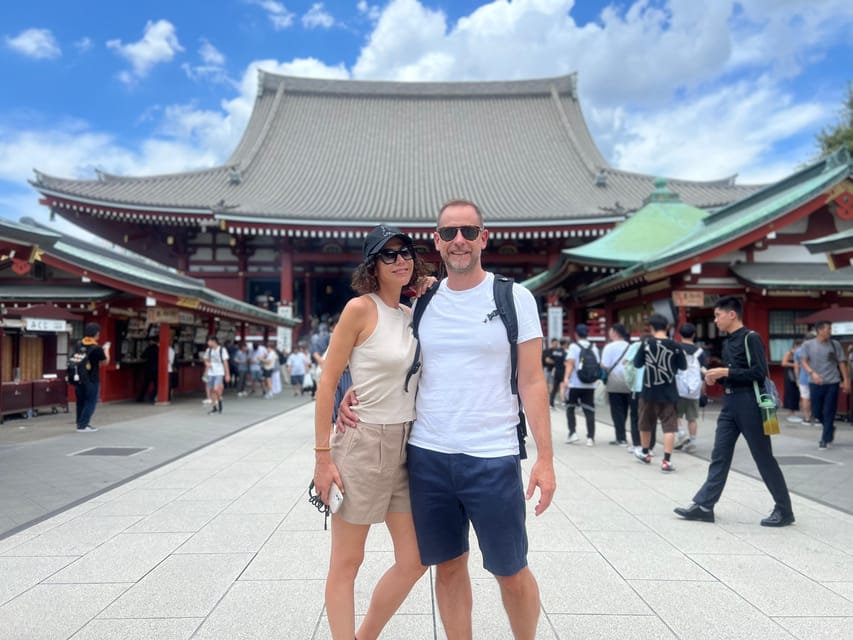
At $19 per person, this is a low-cost guided introduction to one of Tokyo’s major cultural sites. Entry to Meiji Shrine and the Imperial Garden is included, along with an English-speaking guide, historical explanations, and photos taken during the tour.
The value depends on what you want. If you are happy to read signs, observe other people, and follow the basic shrine route alone, you can visit the grounds without paying for a guide. The tour earns its price by explaining what the objects and actions mean.
I would especially consider it good value for a first visit to Japan, families who want help with etiquette, and anyone who has questions about Shinto and Buddhism. It is less useful for someone who wants complete solitude or a long photography session.
The two-hour length is efficient. You can fit it into a busy Tokyo day without giving up an entire morning or afternoon. You may want to add personal time before or after, since the guided pace does not allow for every possible stop.
Free cancellation up to 24 hours before the start and the option to reserve now and pay later make the booking more flexible. These terms are useful in Tokyo, where weather and changing plans can affect a walking day.
When to book and what to wear
The activity runs at different starting times, so check availability when choosing your date. Early morning can be a good choice if you want a quieter atmosphere, though the tour information does not promise a crowd-free visit.
Wear shoes that handle gravel and steady walking. Bring water in warm weather and protection from rain if the forecast is poor. The tour can still be enjoyable in wet conditions, but one previous group completed it during heavy rain, so weather should be part of your planning.
The meeting point is near Harajuku, making it easy to pair the tour with other sights in the area. You can explore Harajuku afterward or use the guide’s suggestions to plan another part of your day.
Who should book this Meiji Shrine tour?
I would choose this tour if you want more than attractive photographs and need a clear introduction to shrine customs. It suits first-time visitors, families, couples, solo visitors, and anyone curious about how Japanese religious traditions fit into daily life.
It is also a good opening activity for a Japan trip. You learn basic etiquette, get historical context, and can ask about places to eat or visit next. The small groups make the experience more conversational than a large scripted walk.
I would skip it if you prefer to explore entirely at your own pace, already know the main Shinto rituals, or want a long private visit to the garden. In those cases, an independent visit may give you more freedom.
For most people, though, $19 is a sensible price for two hours of context in a beautiful setting. Book it early in your Tokyo stay if you want the guide’s customs and neighborhood advice to help shape the rest of your trip.
FAQ
How long does the Meiji Shrine walking tour last?
The tour lasts two hours, including the walk through the garden, the forest approach, the barrel displays, and the main shrine visit.
What language is the tour conducted in?
The live tour guide speaks English, and English is the listed tour language.
Where is the meeting point?
Meet in front of the Starbucks closest to Meiji Shrine in Harajuku. The listed coordinates are 35.6705208, 139.7031067.
Is admission to Meiji Shrine included?
Yes. Entry to Meiji Shrine and the Meiji Shrine Imperial Garden is included in the activity price.
Is the tour wheelchair accessible?
Yes, the activity is listed as wheelchair accessible. The route includes walking through the shrine grounds, so you may wish to confirm current surface and access conditions for your specific departure.
Can I cancel the booking?
Yes. You can cancel up to 24 hours in advance for a full refund. You can also reserve now and pay later.
New on our Tokyo list
- Tokyo Spectacular View Day-Cruise in 90 Minutes★ 5.0 · 25 reviews
- From Tokyo: Mount Fuji & Hakone Full Day Private Tour★ 4.9 · 25 reviews
- Real Tokyo Runner Club : Daikoku Car Meet Night Tour with JDM Car★ 5.0 · 25 reviews
- 2.5 Hour-Guided Cycle Tour in the Central Tokyo★ 5.0 · 25 reviews
- Ramen Making from Scratch +Akihabara Tour –Cooking Class★ 5.0 · 25 reviews
- [Self-Drive] Tokyo & Daikoku Custom Car Driving Tour★ 4.9 · 25 reviews
- Tokyo: 2-Hour Night Bike Tour of the City’s Hidden Gems★ 4.9 · 25 reviews
- Samurai themed Entertainment show in Shinjuku★ 4.5 · 25 reviews
Temple & Shrine Tours, compared.
Meiji Shrine, Asakusa, Skytree Bus Tour and Cruise
Read our review →
Asakusa Walking Tour with Sensoji Temple Visit
Read our review →

Kamakura & Enoshima Day Trip including Temple Tickets
Read our review →
Nikko Toshogu Shrine and Kegon Waterfall Tour
Read our review →
Tokyo Panoramic 1 Day: Meiji Shrine, Asakusa, Odaiba and SKYTREE®
Read our review →
Mt. Fuji Heritage Tour: Traditional Villages, Lakes & Shrine
Read our review →Browse the lists this tour appears in