
Reviewed · TEMPLE & SHRINE TOURS
Tokyo: Meiji Shrine Walking Tour — Shintoism & Imperial System
Tokyo’s Meiji Shrine feels like a quiet forest placed in the middle of the city, and the walk begins beneath one of Japan’s largest wooden torii gates. A local guide helps explain the Shinto rituals and the connection between the shrine and Japan’s imperial system, so the visit becomes more than a pleasant stroll.
I like the gentle pace and the small-group limit of 15 people. I also like the practical route, which starts at Harajuku Station, includes the Meiji Jingu Garden admission, and gives you time at the shrine to pray, draw an omikuji, or write an ema. The main consideration is the short 90-minute schedule, which leaves limited time for lingering.
In This Review
- Key points
- Why Meiji Shrine Makes a Good First Stop in Tokyo
- Meeting at Harajuku Station
- The Forest Path and the Big Torii
- Learning Shinto Customs Before the Main Shrine
- At Meiji Jingu Shrine
- The Meiji Jingu Garden and Forest Café
- What the 90-Minute Schedule Really Gives You
- Guide Quality and Group Size
- Value at $21.22 Per Person
- Who Should Book This Walk
- Cancellation and Planning Notes
- Should You Book the Meiji Shrine Walking Tour?
- FAQ
- Where does the Meiji Shrine walking tour start?
- Where does the tour end?
- How long does the tour last?
- How much does the tour cost?
- Is admission to the Meiji Jingu Garden included?
- How large is the tour group?
- Are there different departure times?
- What can I do at the main shrine?
- Is the tour available with a mobile ticket?
- Can I cancel for a full refund?
Key points
- A giant cypress torii: Walk beneath a major wooden gate made from ancient cypress brought from Taiwan.
- A forest walk in central Tokyo: The broad path offers a calm break from Harajuku’s busy streets.
- Useful cultural context: Learn how Shinto purification, prayers, charms, and wish plaques work.
- Personal guide attention: The group can include up to 15 people, with guides such as Yuuki, Nana, Keiko, and Nonoka leading past sessions.
- A simple 90-minute plan: The route covers the shrine, garden, torii, and nearby café and shop without taking half a day.
- Low-risk booking: The price is $21.22 per person, with a full refund if you cancel at least 24 hours ahead.
Why Meiji Shrine Makes a Good First Stop in Tokyo
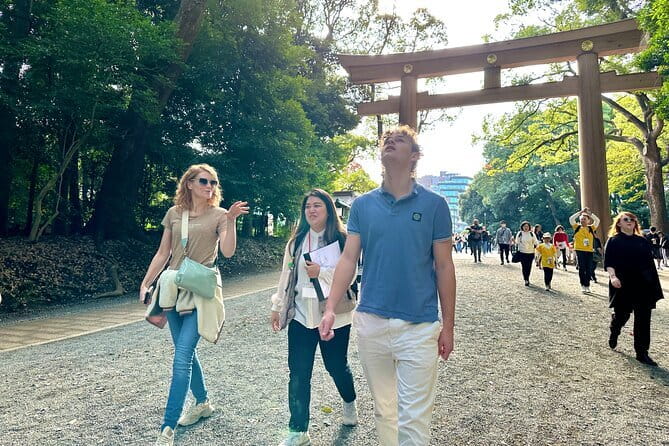
Meiji Shrine is a smart place to begin learning about Tokyo because it gives you nature, religion, and modern Japanese history in one compact visit. The entrance is near Harajuku Station, yet the shrine path quickly leads you away from the city noise and into a broad wooded setting.
You do not simply walk up to a building, take a photo, and leave. The approach matters. Your guide can point out the torii gates, explain the correct use of the purification fountain, and place the shrine within the story of Emperor Meiji and Empress Shoken. That context is especially useful if Japanese religious customs are new to you.
The shrine is dedicated to Emperor Meiji and Empress Shoken, and the tour specifically focuses on the Japanese Imperial system as well as Shintoism. The information supplied for this experience does not promise a long lecture, so expect an accessible introduction rather than a specialist history course.
More temples and shrines near Tokyo:
- Tokyo: Meiji Shrine, Asakusa, Skytree Bus Tour and Cruise
★ 4.7 · 1,986 reviews - Tokyo: Asakusa Walking Tour with Sensoji Temple Visit
★ 4.8 · 1,583 reviews - Nikko: Kegon Falls, Lake Chuzenji & Toshogu Temple
★ 4.6 · 1,577 reviews
Meeting at Harajuku Station
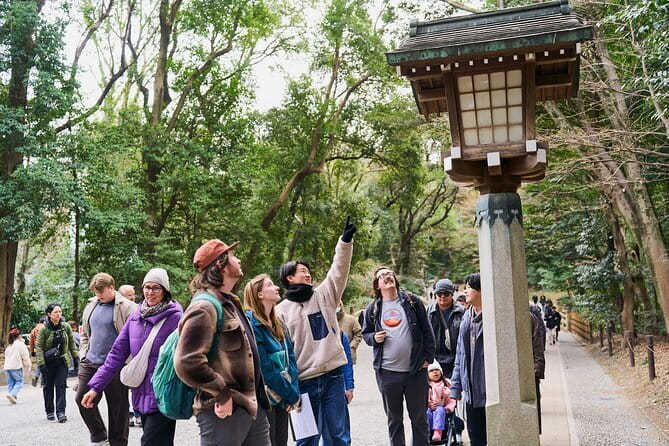
The meeting point is Harajuku Station at 1 Chome-18 Jingumae, Shibuya, Tokyo 150-0001. That location is convenient if you are already visiting Harajuku, but allow yourself enough time to find the guide and gather before the walk begins.
The experience offers two tour times. Exact times are not provided, so check the selected departure when you book. This choice can help you fit the shrine around shopping in Harajuku, a visit to nearby attractions, or an evening meal.
A mobile ticket keeps the arrival process simple. Confirmation is provided when you book, and the tour ends back at the meeting point. That return is helpful if you plan to continue exploring Harajuku afterward.
The Forest Path and the Big Torii
The first part of the walk takes about 30 minutes and leads through the Meiji Jingu grounds toward the main shrine. The path is wide, which makes the walk easier for most people, and the surrounding trees give the route a cooler, quieter feel than the streets outside.
The most memorable feature early in the walk is the large wooden torii. It is made from ancient cypress brought from Taiwan, and its size gives the entrance a strong sense of ceremony. Your guide can explain why torii gates matter in Shinto practice and how crossing one marks a move from ordinary space into a sacred area.
The forest is not wilderness. It is a carefully maintained shrine setting, with a clear path and landmarks along the way. That makes it a comfortable introduction to Shinto architecture and custom, especially if you want explanation as you walk instead of reading every detail from a guidebook.
You will also see displays of sake barrels. These colorful arrangements are connected with offerings to the shrine and make an easy visual point for understanding how businesses and individuals show respect at Shinto sites. A guide can give the display meaning that a quick photograph would miss.
Learning Shinto Customs Before the Main Shrine
The walk includes a purification fountain, an important stop before reaching the main shrine. Your guide can show you the basic way to use it, helping you avoid the common problem of copying other people without knowing what the actions mean.
This part is one reason I prefer a guided visit here. Shinto customs are simple once explained, but they are not always obvious to someone seeing them for the first time. A short explanation lets you take part respectfully without turning the ritual into a guessing game.
The tour also gives you a chance to ask questions about Shintoism. The exact discussion will depend on your guide and group, but the experience is built around the religious practices, the shrine’s past, and the imperial connection. Several named guides, including Yuuki A, Nana, Keiko, Nanami, and Nonoka, have led praised sessions, with specific comments pointing to clear English, patience, enthusiasm, and careful answers.
More walking routes in Tokyo:
- Tokyo Tsukiji Fish Market Food and Culture Walking Tour
★ 5.0 · 3,184 reviews - Tokyo: Imperial Palace and Shogun Historical Walking Tour
★ 5.0 · 2,251 reviews - Tokyo: Shinjuku Local Bar and Izakaya Guided Walking Tour
★ 4.9 · 1,794 reviews - Tokyo: Tsukiji Fish Market Food and Walking tour
★ 5.0 · 1,724 reviews
At Meiji Jingu Shrine

The main shrine stop lasts about 30 minutes. This is the heart of the visit, and your time here is meant for both explanation and personal exploration.
You can offer a prayer, draw an omikuji, write a wish on an ema, and look at the available omamori charms. These are not just souvenirs. They give you a practical way to see how Shinto belief appears in everyday life, from hopes written on wooden plaques to small protective items chosen for different purposes.
The omikuji here has a distinctive connection with the shrine. The supplied details call it a unique type of fortune paper, so your guide can explain how it differs from a simple prediction. If the result is not what you hoped for, the wider lesson is still useful: these customs are part of the visit, not merely decorative extras.
The ema are wooden plaques on which you write a wish or message. Writing one slows the visit down in a good way. Instead of only looking at the shrine, you take part in a small tradition and leave with a personal memory of the place.
The omamori selection gives you another look at present-day Japanese religious practice. You can browse the charms and ask what they represent, though the tour information does not promise that every charm or purchase is included in the ticket price. Treat the shop items as optional spending.
The Meiji Jingu Garden and Forest Café

Admission to the Meiji Jingu Garden is included, which adds value to the $21.22 price. The available details do not give a separate garden route or a precise amount of garden time, so do not expect a long garden tour with extensive stops. Instead, think of it as part of the peaceful shrine setting and a useful addition to the main visit.
At the end, Café Mori no Terrace and a gift shop sit near the shrine grounds. The café offers light meals and drinks in a quiet forest setting, while the shop carries charms, traditional goods, and Meiji Jingu items.
This ending works well because it gives you a natural place to pause after the walk. You can finish with a drink, browse for a small keepsake, or continue on your own. The scheduled stop is about 15 minutes, so you may need to return later if you want a proper meal or a long look through the shop.
What the 90-Minute Schedule Really Gives You
Ninety minutes is enough for a focused introduction. The route includes the forest approach, the big torii, the main shrine, the garden, and the café and shop area. You will see the major parts of the visit without committing a large section of your day.
The trade-off is that the schedule is not designed for a slow, unplanned visit. You may have only a short period to browse charms, write an ema, or take photographs. If you like to sit quietly, examine every building, or spend a long time in the garden, plan to stay after the guided portion ends.
I see the time limit as a benefit for a first visit. Tokyo offers endless choices, and a 90-minute cultural stop is easier to fit between other plans than a longer walking tour. It also gives you an introduction before you decide if you want to return independently.
Guide Quality and Group Size

The maximum group size is 15 people. That is not a private tour, but it is small enough for questions and basic contact with the guide. The experience is likely to feel more personal than a large coach-style visit.
Guide names connected with well-received sessions include Yuuki A, Yuuki, Nana, Keiko, Nanami, and Nonoka. The comments about them focus on patience, strong English, enthusiasm, and the ability to explain the shrine’s creation, customs, and history clearly. One session with Keiko was especially noted for her personal connection to the place and Japanese culture.
Of course, the exact guide assigned to your departure may vary. That is worth remembering when you book. The named guides show the range of people who may lead the tour, but they are not a guarantee for every date.
The small group also helps if you are traveling alone. You can ask questions without arranging a private guide, and the route does not require you to manage the shrine visit by yourself. Families and couples may also appreciate having the customs explained in a relaxed way.
Value at $21.22 Per Person
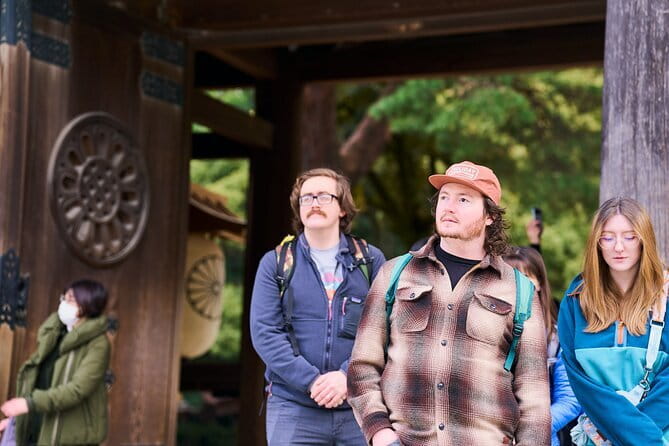
At $21.22 per person, this is a reasonable price for a short guided introduction in central Tokyo. The value comes mainly from the local guide, the interpretation of Shinto customs, the explanation of the imperial connection, and the included admission to the Meiji Jingu Garden.
If you only want to walk through the grounds and take photographs, you may not need to pay for a tour. The shrine approach and main area can be visited without a separate guided experience, and the supplied stop details show no admission charge for the main shrine stops.
The tour makes more sense if you want to understand what you are seeing. The price is modest compared with a private guide, and the 15-person limit keeps the group from becoming unwieldy. I would consider it good value for a first visit, especially if you have limited time in Tokyo or want help with the rituals.
The mobile ticket and nearby public transportation also remove some practical friction. You are not paying for transport, a meal, or a full-day program, so the low price matches the focused scope.
Who Should Book This Walk
I would recommend this experience to first-time visitors who want a clear introduction to Shintoism and the imperial system. It also suits solo visitors, couples, and small families who prefer a guide but do not want a private tour.
It is a good fit if you are staying near Harajuku or already plan to explore that area. The route gives you a calm break from shopping streets and major city intersections without taking up most of the day.
You may want to skip it if you prefer complete independence, have already studied Meiji Shrine in detail, or want a long garden visit. The 90-minute format is structured, and the group may not move at your preferred pace.
The walk includes paths through a forest setting, so comfortable footwear is sensible. The information says most people can participate, but it does not provide detailed accessibility specifications. If you have specific mobility needs, confirm the route before booking.
Cancellation and Planning Notes
You can cancel for a full refund up to 24 hours before the start time. Cancellations or changes made within 24 hours are not refunded, and the cut-off uses Tokyo local time.
The tour has 20 or more bookings recorded for the last month, and it is recommended by 100 percent of the supplied rating sample, with a 5 out of 5 score from 209 reviews. The most praised elements are the guides, the clear explanations, and the calm setting. Those strengths matter because the shrine itself is beautiful, but the religious details can be easy to miss without help.
Should You Book the Meiji Shrine Walking Tour?
Book it if you want a short, affordable cultural visit with a local guide who can explain Shinto rituals and Japan’s imperial connection in plain terms. The forest path, ancient cypress torii, shrine customs, and included garden admission make a well-shaped 90-minute outing.
Skip it if you only need a quick independent look or want hours to explore at your own pace. For most first-time visitors staying near Harajuku, though, the $21.22 price and small group make this a sensible way to see Meiji Shrine with more understanding and less guesswork.
FAQ
Where does the Meiji Shrine walking tour start?
It starts at Harajuku Station, at 1 Chome-18 Jingumae, Shibuya, Tokyo 150-0001, Japan.
Where does the tour end?
The experience ends back at the meeting point.
How long does the tour last?
The tour lasts approximately 1 hour and 30 minutes.
How much does the tour cost?
The listed price is $21.22 per person.
Is admission to the Meiji Jingu Garden included?
Yes. Admission fees for the Meiji Jingu Garden are included.
How large is the tour group?
The tour has a maximum of 15 travelers.
Are there different departure times?
Yes. You can choose from two tour times, although the exact times are not provided here.
What can I do at the main shrine?
You can offer a prayer, draw an omikuji, write a wish on an ema, and browse omamori charms.
Is the tour available with a mobile ticket?
Yes. A mobile ticket is available.
Can I cancel for a full refund?
Yes. You can cancel at least 24 hours before the start time for a full refund. Cancellations made less than 24 hours before the start time are not refunded.
New on our Tokyo list
- From Tokyo: Mount Fuji & Hakone Full Day Private Tour★ 4.9 · 25 reviews
- Tokyo Spectacular View Day-Cruise in 90 Minutes★ 5.0 · 25 reviews
- Real Tokyo Runner Club : Daikoku Car Meet Night Tour with JDM Car★ 5.0 · 25 reviews
- 2.5 Hour-Guided Cycle Tour in the Central Tokyo★ 5.0 · 25 reviews
- Ramen Making from Scratch +Akihabara Tour –Cooking Class★ 5.0 · 25 reviews
- [Self-Drive] Tokyo & Daikoku Custom Car Driving Tour★ 4.9 · 25 reviews
- Tokyo: 2-Hour Night Bike Tour of the City’s Hidden Gems★ 4.9 · 25 reviews
- Samurai themed Entertainment show in Shinjuku★ 4.5 · 25 reviews
Temple & Shrine Tours, compared.
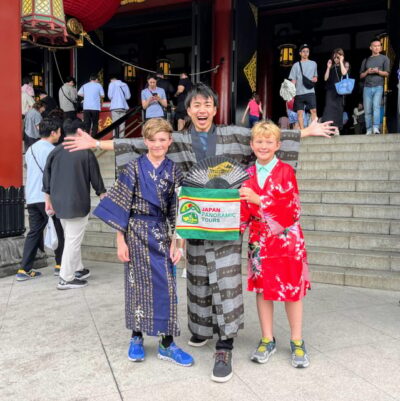
Meiji Shrine, Asakusa, Skytree Bus Tour and Cruise
Read our review →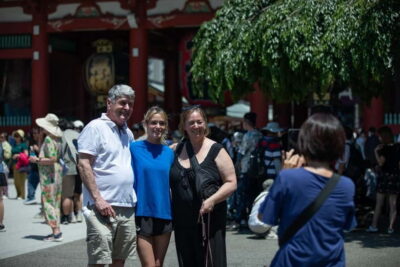
Asakusa Walking Tour with Sensoji Temple Visit
Read our review →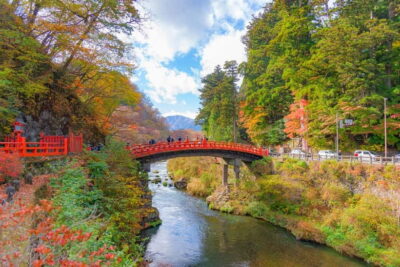

Kamakura & Enoshima Day Trip including Temple Tickets
Read our review →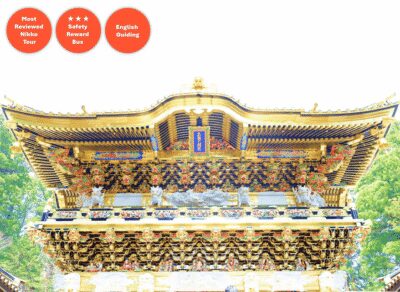
Nikko Toshogu Shrine and Kegon Waterfall Tour
Read our review →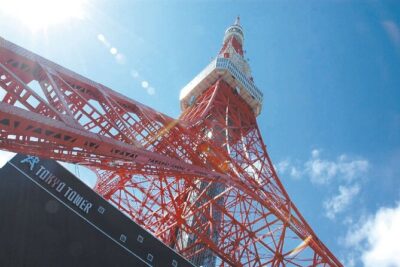
Tokyo Panoramic 1 Day: Meiji Shrine, Asakusa, Odaiba and SKYTREE®
Read our review →
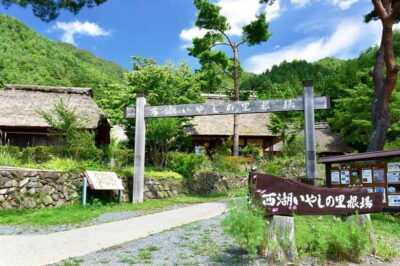
Mt. Fuji Heritage Tour: Traditional Villages, Lakes & Shrine
Read our review →Browse the lists this tour appears in