
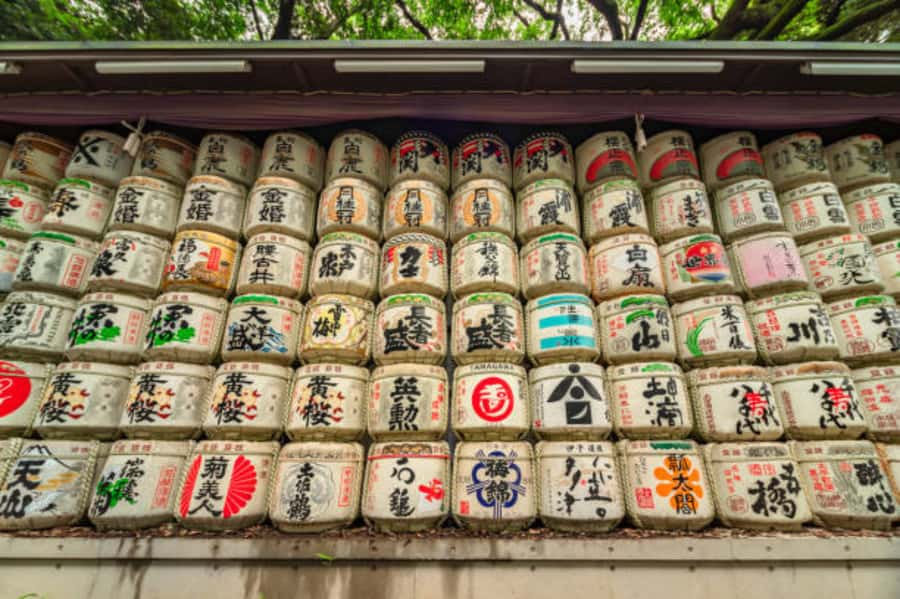
Reviewed · TEMPLE & SHRINE TOURS
Tokyo: Meiji Shrine Walking Tour with Local Guide
Meiji Shrine is one of Tokyo’s best places to trade noise for quiet. This $20 walking tour leads you through the shrine’s forested approach, explains the customs that can seem mysterious at first, and points out details you could easily miss alone, including the Imperial Fishing Platform and the turtle stone.
I like the practical instruction on bowing, cleansing, and praying, and I like that the walk connects sacred tradition with ordinary Tokyo life near Harajuku. The main consideration is simple: you will be walking outdoors, and the tour is conducted in English, so comfortable shoes and a reasonable interest in cultural explanation matter more than a quick photo stop.
In This Review
- Key points to know before you go
- Why Meiji Shrine works so well as a walking tour
- Entering through the torii and sacred forest
- Learning the rituals at the Outer Worship Hall
- Finding the Imperial Fishing Platform
- Looking behind the main hall
- Finishing where modern Tokyo meets tradition
- What the $20 price gets you
- Who should book this Meiji Shrine walk
- Meeting tips and simple preparation
- Final call: a modest tour with useful local detail
- FAQ
- How much does the Meiji Shrine walking tour cost?
- Where does the tour start?
- What language is the tour conducted in?
- What will I learn about shrine customs?
- Does the tour visit the Imperial Fishing Platform?
- Where does the tour end?
- What should I bring?
Key points to know before you go
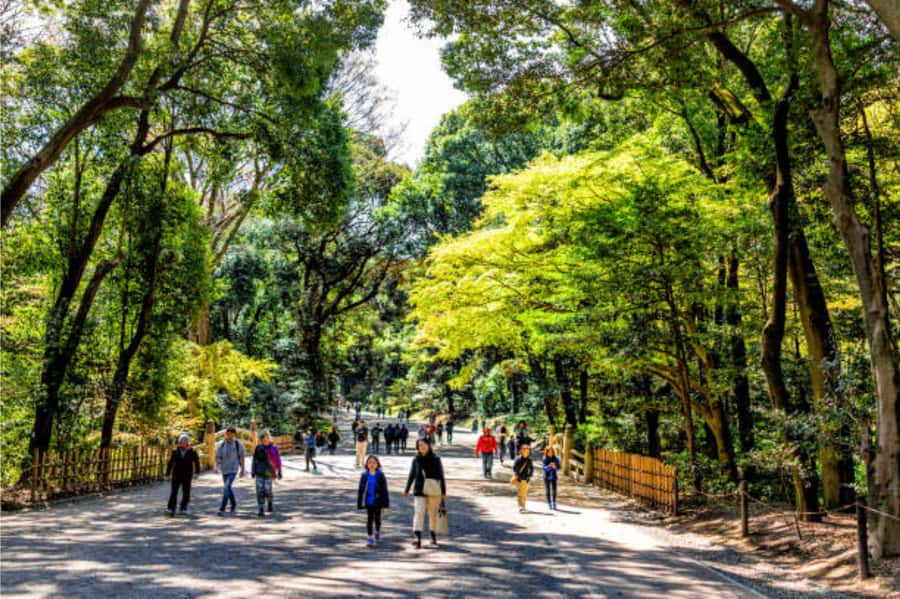
- Learn where to walk through the torii approach: The center is reserved for the gods, so you are shown how to keep to the left side.
- Practice shrine etiquette: Your guide explains how to bow, cleanse your hands and mouth, and pray at the Outer Worship Hall.
- See the Imperial Fishing Platform: This quiet corner offers a look at the Emperor’s pastimes and Japan’s respect for nature.
- Find details behind the main hall: The route includes the turtle stone and sazare stone, places many independent visitors may pass by.
- Finish close to Harajuku Station: The ending point makes it easy to continue toward the area’s shops, youth culture, and other sights.
- Meet the guide easily: Look for the person holding a blue A4-sized board.
Why Meiji Shrine works so well as a walking tour
Meiji Shrine gives you an unusual Tokyo contrast. You can be close to one of the city’s most active neighborhoods, then pass through a broad forested approach where the pace changes almost at once.
The appeal is not only the shrine buildings. It is the change in behavior. People lower their voices, walk with more care, and follow customs that are easy to overlook if you simply arrive, take a picture, and leave.
That is where a local guide earns the $20 price. You are not paying for transport or an elaborate attraction ticket. You are paying for context, direction, and access to details that are easy to miss when the signs are unfamiliar or when you are unsure what to do at a Shinto shrine.
I especially like that the experience begins with practical customs rather than a long lecture. You learn how to bow when passing through a torii gate, why the middle of the approach is treated differently, and how to approach worship in a respectful way.
The tour also gives you a useful way to understand the shrine as a living place. This is not presented only as an old monument. It remains part of local routine, especially during New Year’s, when people come to make wishes and show respect.
More temples and shrines near Tokyo:
- Tokyo: Meiji Shrine, Asakusa, Skytree Bus Tour and Cruise
★ 4.7 · 1,986 reviews - Tokyo: Asakusa Walking Tour with Sensoji Temple Visit
★ 4.8 · 1,583 reviews - Nikko: Kegon Falls, Lake Chuzenji & Toshogu Temple
★ 4.6 · 1,577 reviews
Entering through the torii and sacred forest
Your first important lesson comes before the main worship area. The torii gate marks a change from ordinary space to the shrine grounds, and the guide explains the custom of bowing as you pass through.
You also learn to walk on the left side of the approach. The central line is regarded as the path of the gods, so keeping to the side is a small but meaningful act of respect.
This detail may sound minor, but it changes the way you see the entire walk. Instead of treating the approach as a route from the station to the shrine, you begin to notice its rhythm and purpose.
The forest itself is one of the tour’s strongest features. The setting was created as a sacred space, and the long approach helps separate the shrine from the city around it. You are still in Tokyo, but the sounds and visual clutter of the surrounding streets become less important.
Your guide can point out why the approach feels carefully arranged and how the space supports the shrine’s spiritual role. You do not need to be an expert in Japanese religion to appreciate this. The explanation simply gives meaning to what you are seeing.
Wear shoes that are comfortable for steady walking. The route is not described as difficult, but this is a walking tour rather than a short visit between train stops. Bring a camera if you want pictures, but allow time to look up from it.
Learning the rituals at the Outer Worship Hall
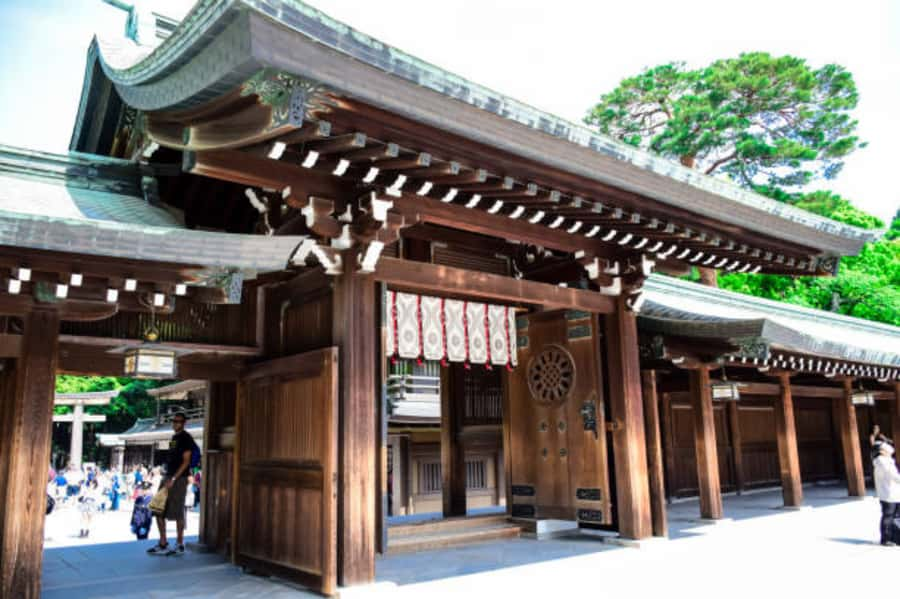
The Outer Worship Hall is where the tour becomes hands-on. This is the place where people come to offer respect and make wishes, and your guide explains the steps used at a shrine.
You learn how to cleanse before praying, how to bow, and how to approach the worship area in the traditional way. These instructions are particularly useful if this is your first visit to a Shinto shrine, because the actions can otherwise feel unclear.
The value here is practical. You are not merely hearing that Japanese customs matter. You are being shown what to do and why the gestures are used.
The experience also gives you a window into New Year’s customs in Tokyo. Shrine visits at that time are an important part of local life, and the Outer Worship Hall helps you see how the same place serves both everyday worship and major seasonal observances.
You should keep in mind that this is a shared cultural site, not a staged performance. The best approach is to listen carefully, follow the guide’s instructions, and avoid turning the worship area into a photo set.
If you prefer tours that focus only on architecture, this part may feel slower than expected. If you want to understand how the place is used, it is one of the most useful sections of the walk.
Finding the Imperial Fishing Platform
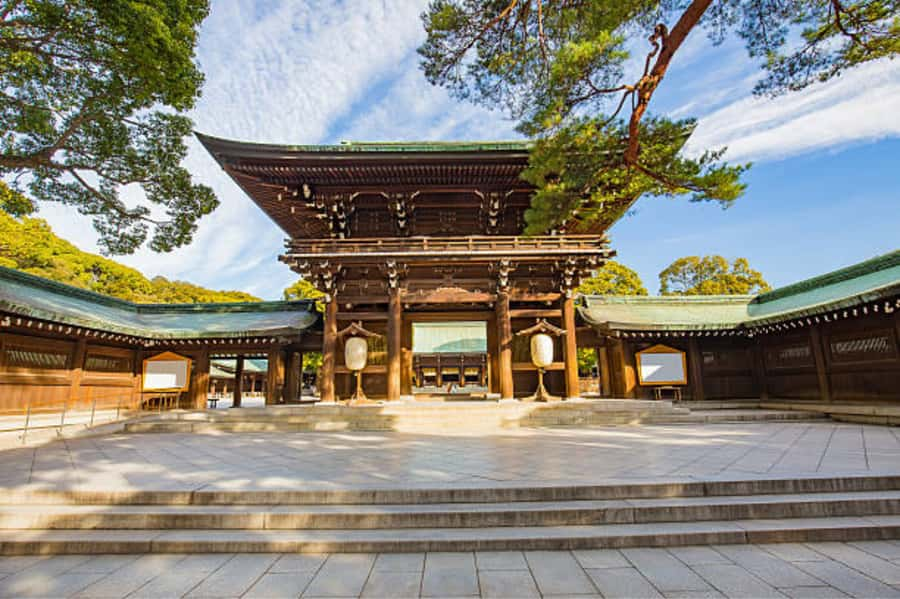
The Imperial Fishing Platform is the tour’s most unusual stop. It is described as a quiet corner of the shrine that many people do not know about, offering a look at the Emperor’s pastimes and Japan’s calm respect for nature.
That gives the walk a different flavor. Meiji Shrine is often treated as a major Tokyo sight, but this stop takes you away from the most obvious points and toward a quieter part of the grounds.
I would not expect a large attraction or a dramatic display here. Its value is in the setting and the story. Your guide helps you understand why this modest place matters and how leisure, imperial life, and nature can meet within the shrine grounds.
This is also where the guide’s local knowledge becomes most useful. An independent visit may show you the main hall and the broad approach, but you might not know that this quieter area exists or understand its connection to the imperial past.
For photographers, the stop adds variety. You get more than the usual front-facing shrine picture. Still, the main reason to include it is not a guaranteed postcard view. It is the sense of finding a less obvious part of a familiar Tokyo landmark.
More walking routes in Tokyo:
- Tokyo Tsukiji Fish Market Food and Culture Walking Tour
★ 5.0 · 3,184 reviews - Tokyo: Imperial Palace and Shogun Historical Walking Tour
★ 5.0 · 2,251 reviews - Tokyo: Shinjuku Local Bar and Izakaya Guided Walking Tour
★ 4.9 · 1,794 reviews - Tokyo: Tsukiji Fish Market Food and Walking tour
★ 5.0 · 1,724 reviews
Looking behind the main hall
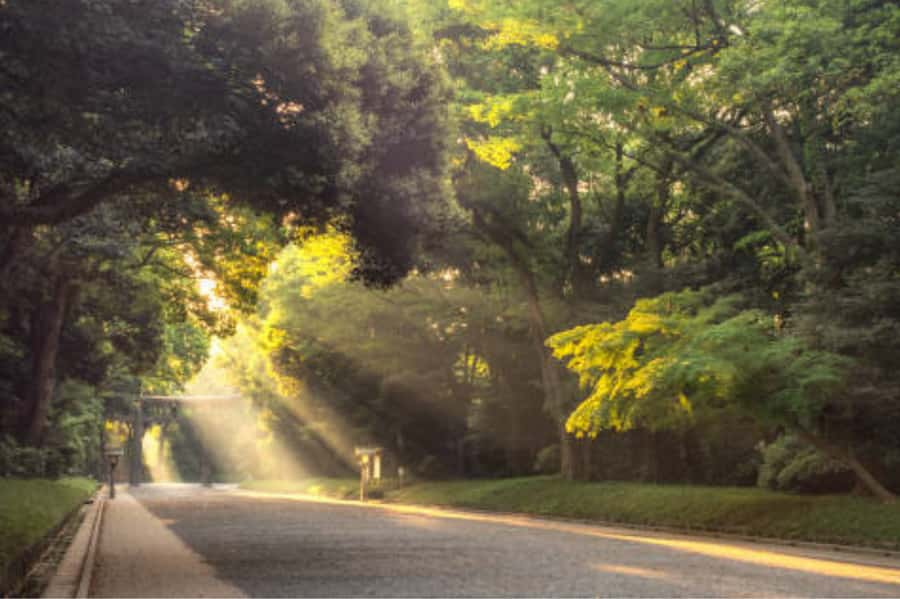
The route includes the back of the main hall, along with explanations of the turtle stone and sazare stone. These details are easy to miss if you stay on the most direct path.
The turtle stone is especially interesting because it gives the guide a chance to explain a small feature rather than only the shrine’s largest structures. The sazare stone also adds another layer to the visit, showing how stones and natural forms can carry meaning within the shrine setting.
I like this kind of stop because it rewards curiosity. You are not simply moving from gate to hall. You are being encouraged to inspect the grounds and notice features that do not announce themselves in large lettering.
The route behind the main hall may also help you understand the shrine’s layout. Even without a long architectural lesson, seeing the less obvious side of the complex gives you a fuller sense of the place.
Do not expect every stop to have a large visual payoff. Some of the strongest moments depend on the explanation. That is a fair trade for a tour at this price, but it means you should choose this walk for cultural detail, not just for scenic views.
Finishing where modern Tokyo meets tradition
The tour ends at the bicycle parking area, described as a place where ordinary city routines meet the shrine’s traditions. It may sound like an unremarkable ending, but the point is useful.
You see that the shrine is not cut off from daily life. People can visit a sacred site, return to their bicycles, and continue with work, shopping, school, or errands. Ancient customs and modern routines exist side by side here.
The finish is near Harajuku Station, which makes the tour easy to fit into a larger day. You can continue toward Harajuku’s youth culture and shopping areas, or use the station to reach another part of Tokyo.
The listed information also says the activity ends back at the meeting point. Because the description places the final stop near the bicycle parking area and Harajuku Station, confirm the exact end point with your guide when you meet. This is a small practical point, but it helps if you have timed plans afterward.
The ending does not offer a grand finale. Instead, it sends you back into the city with a clearer sense of how the shrine fits into local life. For me, that is more useful than ending at a gift shop or simply repeating the main hall visit.
What the $20 price gets you
At $20 per person, this is an affordable guided introduction to one of Tokyo’s major cultural sites. The price includes a local guide, the walking tour, cultural explanations, and photo stops.
You are not buying a full-day excursion, transport, meals, or an attraction package. That keeps the comparison straightforward. The value depends on how much you want help understanding the shrine.
If you already know Shinto customs, Japanese shrine etiquette, and the layout of Meiji Shrine, you may prefer to walk independently. The shrine grounds can be visited without paying for this tour, so the guided option is not essential for access.
For a first visit, the price is easier to justify. You learn what the torii means, where to walk, how to cleanse and pray, and where to find the Imperial Fishing Platform, turtle stone, and sazare stone. Those details can turn a quick stop into a more thoughtful visit.
The tour also saves you from spending time trying to interpret unfamiliar customs on your own. At a low price, that combination of orientation and cultural explanation offers good value, especially if you are traveling with someone who wants a meaningful introduction to Japanese religious practice.
The 4.9 rating from 9 reviews suggests strong satisfaction, but the sample is small. I would treat that number as encouraging rather than conclusive. The clearest strength is the focused subject: Meiji Shrine, its rituals, and its less obvious corners.
Who should book this Meiji Shrine walk
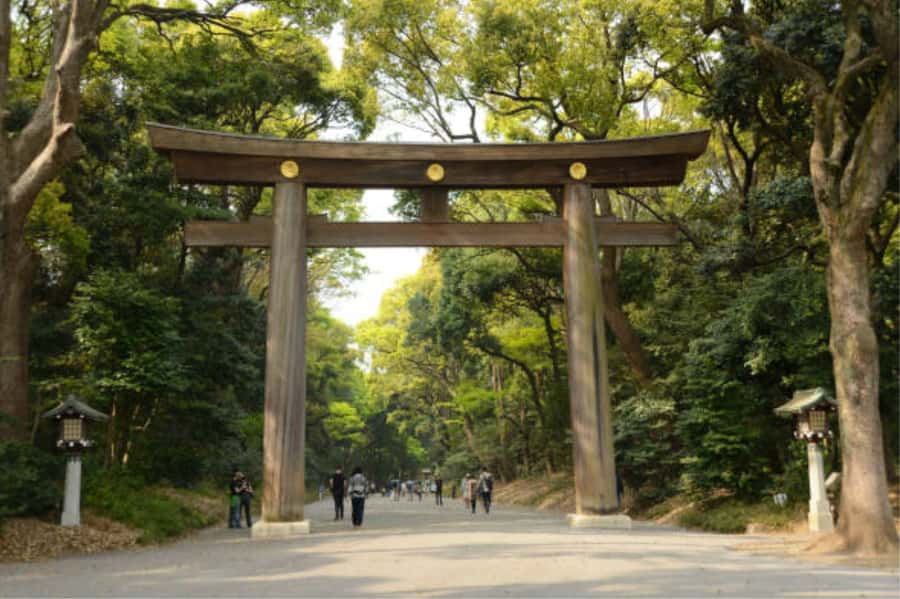
I would recommend this tour to first-time visitors who want more than a quick look at the shrine’s main building. It also suits you if you are curious about Japanese customs but do not want to commit to a long religious or historical lecture.
Families with older children may find the ritual instructions helpful, since the walk gives young visitors something specific to do and notice. Couples and solo visitors can also use it as a calm start to a day in Harajuku.
The tour is a good match if you enjoy:
- Learning the correct way to behave at cultural sites
- Walking through quiet green spaces in the middle of Tokyo
- Finding small features that are easy to overlook
- Combining a cultural stop with nearby Harajuku plans
- Asking a local guide about everyday customs
You may want to skip it if your priority is speed. The tour involves walking and explanation, so it will not suit you if you only have time for a short photograph at the torii or main hall.
It may also be less suitable if you need a tour in a language other than English or Japanese. The activity is conducted in English, with Japanese and English listed as the available languages.
Meeting tips and simple preparation
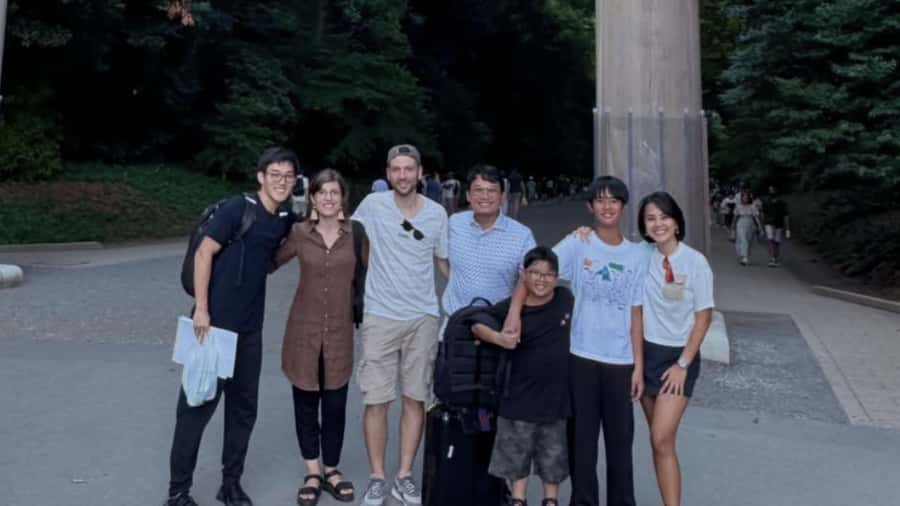
The meeting instruction is easy: look for the guide holding a blue A4-sized board. Since the guide’s name is not provided, the board is the key identification detail.
Bring comfortable shoes and a camera. You do not need special equipment, but you should dress for outdoor walking and be ready to spend time on foot.
The tour is offered with reserve-and-pay-later terms, so you can hold a place without paying today. You can also cancel up to 24 hours in advance for a full refund. Those policies are useful if your Tokyo schedule is still shifting.
Because the tour ends near Harajuku Station, plan your next activity in that area if you want the easiest transition. The final location also gives you a natural chance to continue exploring instead of returning to the starting point of your day.
Final call: a modest tour with useful local detail
Book this walk if you want Meiji Shrine to make sense, not simply appear in your camera roll. For $20, the guide adds clear instruction on shrine behavior and takes you to details such as the Imperial Fishing Platform, turtle stone, and sazare stone.
Skip it if you prefer complete independence or already understand shrine rituals. For most first-time visitors who have a free walking window and plans near Harajuku, this is a sensible, low-cost way to see a quieter side of Tokyo.
FAQ
How much does the Meiji Shrine walking tour cost?
The tour costs $20 per person.
Where does the tour start?
Meet the guide at the stated meeting point. The guide is the person holding a blue A4-sized board.
What language is the tour conducted in?
The tour is conducted in English. Japanese and English are listed as the available languages.
What will I learn about shrine customs?
You will learn how to bow when passing through the torii, where to walk on the shrine approach, how to cleanse, and how to pray in the traditional way.
Does the tour visit the Imperial Fishing Platform?
Yes. The route includes the Imperial Fishing Platform, a quiet area connected with the Emperor’s pastimes and Japan’s respect for nature.
Where does the tour end?
The activity is described as ending near Harajuku Station, at the bicycle parking area. The meeting information also says the activity ends back at the meeting point, so confirm the exact end location with the guide.
What should I bring?
Bring comfortable shoes for walking and a camera if you want to take photos.
New on our Tokyo list
- Sumi-e Experience in a relaxing green tea shop in Tokyo★ 5.0 · 3 reviews
- Tokyo : Kamikaze Street Drift Ride★ 5.0 · 3 reviews
- Private Zen Meditation in English in Shinjuku, Tokyo★ 5.0 · 3 reviews
- Onsen Spa in Tokyo and Asakusa Bar Hopping with Local Guide★ 5.0 · 3 reviews
- Easy for everyone! Now you can play handmade mini shamisen and show off to everyone! Musical instruments, sweets and live music★ 5.0 · 3 reviews
- Tokyo: Private Tsukiji Street Food & Sake with Local Guide★ 5.0 · 3 reviews
- Mt Fuji Exploration Tour with Free Japanese Kusa Mochi from Tokyo★ 4.5 · 3 reviews
- Tokyo Tsukiji Fish Market Walking and Exploring Hidden Gems Tour★ 5.0 · 3 reviews
Temple & Shrine Tours, compared.
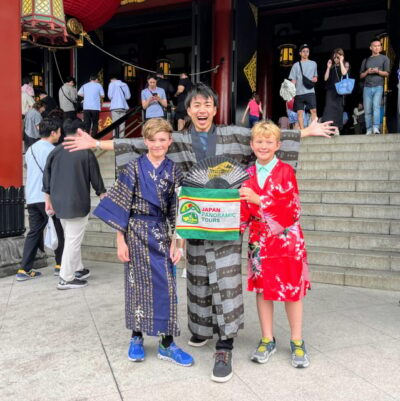
Meiji Shrine, Asakusa, Skytree Bus Tour and Cruise
Read our review →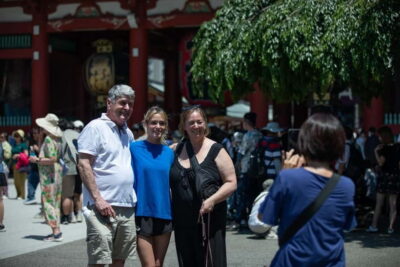
Asakusa Walking Tour with Sensoji Temple Visit
Read our review →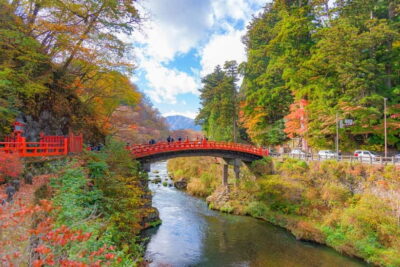

Kamakura & Enoshima Day Trip including Temple Tickets
Read our review →
Nikko Toshogu Shrine and Kegon Waterfall Tour
Read our review →
Tokyo Panoramic 1 Day: Meiji Shrine, Asakusa, Odaiba and SKYTREE®
Read our review →
Mt. Fuji Heritage Tour: Traditional Villages, Lakes & Shrine
Read our review →Browse the lists this tour appears in