Reviewed · PRIVATE
Tokyo : Must-see attractions private tour
Tokyo is a city where a private, flexible guide can save you time and confusion. You can focus on Senso-ji, Tsukiji Outer Market, Akihabara, or another part of town instead of following a fixed route. I like the hotel meeting point and the chance to use public transport with someone who knows the area.
I also like the relaxed pace. Fernando let one group stop for photos and shops instead of rushing through every sight, while Karl explained everyday Japanese manners such as keeping quiet on trains and not eating while walking. The main consideration is that guide quality can vary: one guest found Lucas friendly but wanted more historical and cultural explanation.
In This Review
- Key points to know before booking
- Why a private guide helps in Tokyo
- Starting at your hotel and choosing the route
- Senso-ji and old Tokyo in Asakusa
- Tsukiji Outer Market for food and local detail
- Meiji Shrine and Tokyo’s Shinto traditions
- Akihabara for anime, gaming, and electronics
- Tokyo Skytree and the city from above
- Ginza, Odaiba, Ueno, and Roppongi Hills
- Guide style, languages, and the pace of the day
- Getting around by foot and public transport
- Who gets the best value from this tour
- Should you book this private Tokyo tour?
- FAQ
- How long does the private Tokyo tour last?
- What is included in the tour?
- Is the tour private?
- Where does the guide meet the group?
- Which languages are available?
- Can I choose which Tokyo sights to visit?
- Is the tour wheelchair accessible?
- Can I cancel for a full refund?
Key points to know before booking
- Choose the length that fits your day: The tour runs from 2 to 8 hours, so you can arrange a short introduction or a full day.
- Build your own route: You can request major sights, local areas, food stops, shopping districts, or a mix of them.
- Meet at your hotel: The usual arrangement is a hotel meetup, with pickup details depending on the selected option.
- Use Tokyo public transport: Walking and public transit are included unless your chosen option says otherwise.
- Expect a private group: You are not sharing the guide with a large tour party.
- Ask for context, not just directions: Guides such as Fernando and Karl have explained local customs, while the amount of history may depend on your individual guide.
Why a private guide helps in Tokyo
Tokyo can feel like several cities joined together by rail lines. A morning in Asakusa has a very different mood from an afternoon in Ginza, and the distance between districts can eat up time if you are unsure which train to take.
That is where this experience earns its keep. You tell the guide what interests you, and the route is adjusted around your priorities. You can ask for temples and traditions, food and markets, anime and electronics, modern architecture, shopping, or a broad first look at the city.
I would not book this expecting a fixed list of stops completed at speed. The best use of the tour is to choose two or three clear interests and let the guide connect them. On an eight-hour booking, you may cover several districts. On a two-hour booking, you will get a more focused walk.
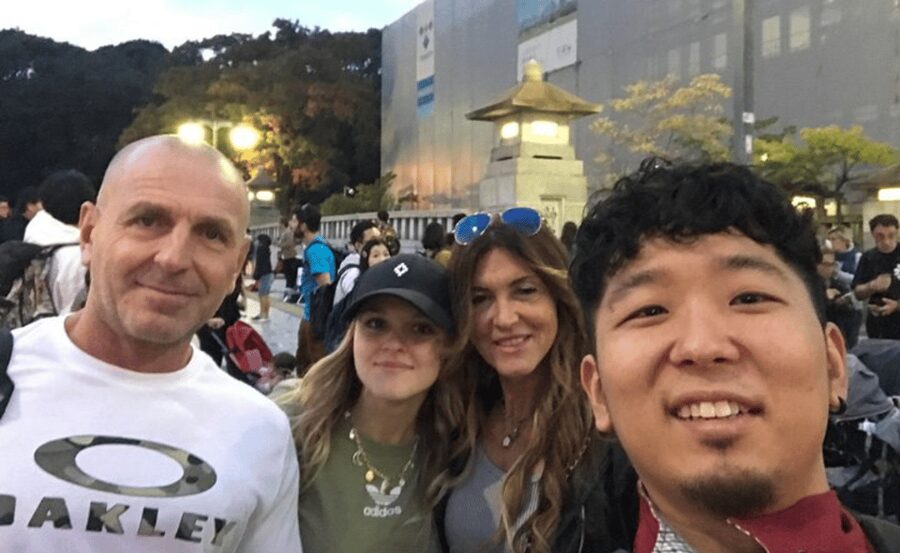
The private format also makes the day easier for mixed groups. One person can stop for pictures, another can ask questions, and the guide does not need to keep a large crowd moving. The tradeoff is simple: a private guide costs more than joining a group, and the value depends on how actively you shape the day.
A few more Tokyo bookings worth comparing
- Mt Fuji and Hakone 1-Day Bus Tour Return by Bullet Train
★ 5.0 · 26,383 reviews - 1-Day Tokyo Bus Tour
★ 5.0 · 14,250 reviews - Tokyo: TOKYO SKYTREE® Admission ticket
★ 4.5 · 11,192 reviews
Starting at your hotel and choosing the route
The guide meets you at your hotel, which is useful on your first morning in Tokyo. You avoid hunting for a meeting point in an unfamiliar station, though you should check the exact pickup arrangement when booking because pickup is listed as optional for some choices.
Start with a short list. Tell your guide if you want:
- Major temples and Shinto sites
- Food markets and local eating
- Anime, manga, gaming, and electronics
- Upscale shopping and restaurants
- Museums, art, and modern buildings
- Photo stops and time to browse shops
This matters because Tokyo’s headline sights are spread out. Trying to fit Tsukiji, Asakusa, Meiji Shrine, Akihabara, Odaiba, and Roppongi Hills into a short tour would leave you mostly on trains. A good guide can help you decide what belongs together and what should wait for another day.
The advertised price is $53 per person, which is attractive for a private experience, especially if you are traveling with several people. Since the duration can range from two to eight hours, compare the price against the length and the number of people in your party before booking. A short booking is useful for orientation. A full-day booking gives the guide more room to respond to your interests.
Senso-ji and old Tokyo in Asakusa
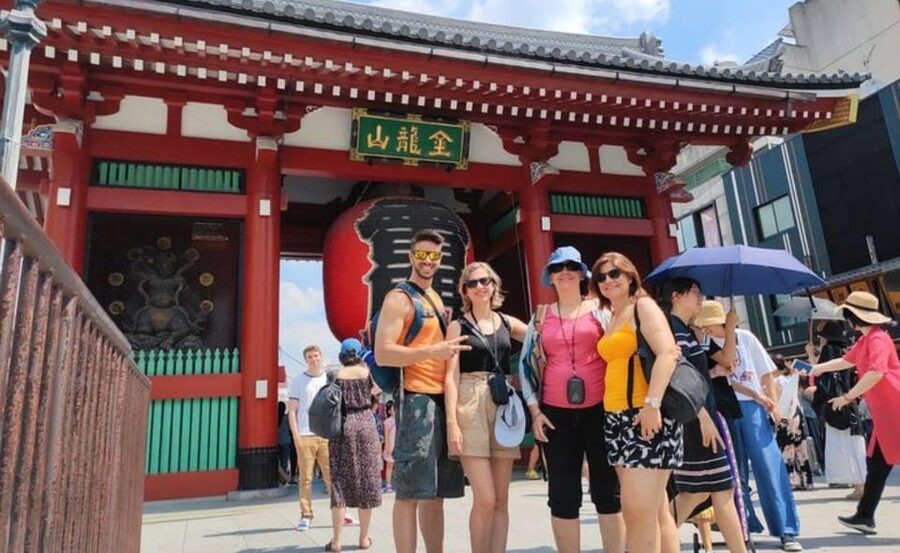
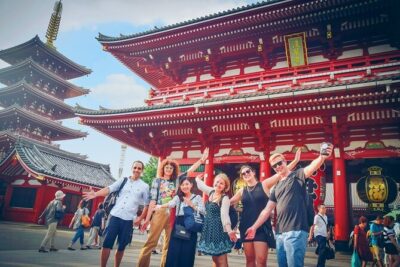
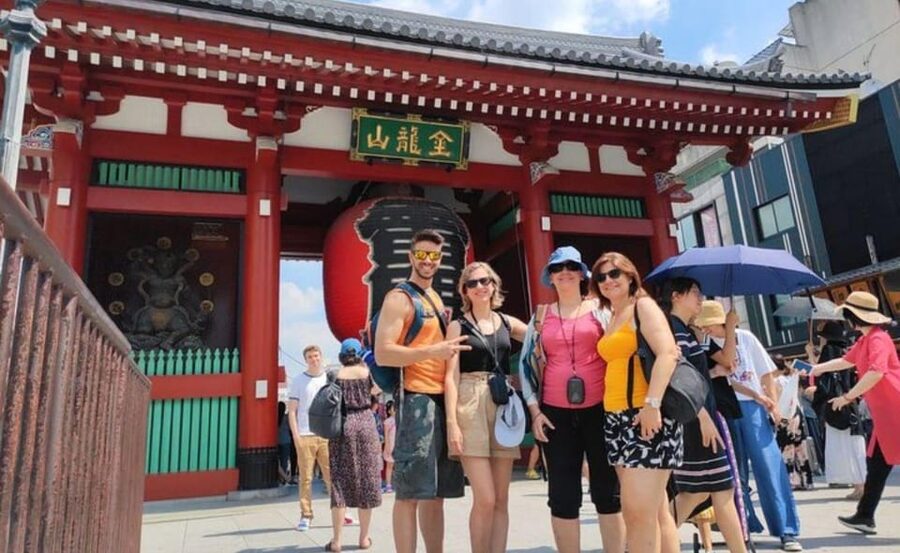
Senso-ji is one of the strongest choices for a first Tokyo tour. The approach through the Thunder Gate leads toward a temple complex with a long religious and cultural story. A guide can explain what you are seeing, point out the proper order for traditional rituals, and place the temple within the wider Asakusa district.
I like this stop because it gives you an immediate sense of older Tokyo. You are not simply looking at a gate and taking a picture. You can ask about the incense, temple customs, and the meaning of the buildings around you.
The drawback is crowding. Senso-ji is a major attraction, so the approach can be busy, especially at popular times. A private guide cannot remove the crowds, but can help you move with purpose and spend your limited time on the parts that interest you most.
If you have only two hours, Asakusa makes sense as the main focus. Add another nearby interest only if your guide confirms that the timing works.
Tsukiji Outer Market for food and local detail
Tsukiji Outer Market is a good choice if you want Tokyo to make sense through food. The market is known for seafood and street food, but its value is not just eating. A guide can explain what different seafood items are, help you navigate the stalls, and point you toward local specialties.
I would tell your guide in advance if you have dietary limits or foods you want to try. The supplied information confirms guidance around fresh local delicacies, but it does not promise a meal, tasting package, or specific food included in the price. Plan to pay for anything you choose to eat.
Markets reward patience. You might need time to look, ask questions, and decide what appeals to you. If your group wants to stop often, say so at the start. Fernando’s approach, allowing time for photos and shops instead of racing from sight to sight, is the right model for this kind of stop.
Tsukiji works well with Ginza because the two areas offer a useful contrast between food stalls and polished shopping streets. Your guide can help decide how much time to give each.
Same corner of Tokyo, a completely different plan:
- Tokyo: teamLab Planets TOKYO Digital Art Museum Entry Ticket
★ 4.6 · 9,779 reviews - Mt Fuji & Hakone Cruise, Drum Show Bullet Train 1 Day from Tokyo
★ 4.0 · 7,413 reviews - Tokyo: Sumo Show Experience with Chicken Hot Pot and a Photo
★ 4.8 · 6,678 reviews - Tokyo: Shinjuku Food Tour (13 Dishes at 4 Local Eateries)
★ 5.0 · 6,603 reviews
Meiji Shrine and Tokyo’s Shinto traditions
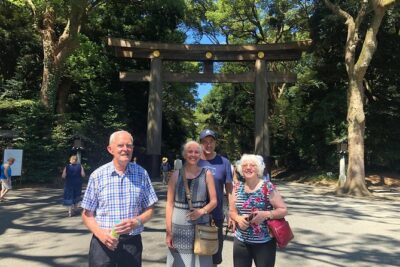
Meiji Shrine offers a different side of the city. Its approach passes through a large forested setting before reaching the shrine buildings. A guide can explain the role of the torii gate, the basic Shinto customs, and the story behind the shrine.
This is one of the places where explanation makes a real difference. Without help, you may see a gate, a path, and a ritual area without understanding how to behave. With a guide, you can ask when to bow, how to approach the shrine, and why the setting matters.
Do not expect Meiji Shrine to feel like a museum visit. It is a place of worship, so the experience depends on observing respectfully rather than treating every moment as a photo opportunity. The private format helps because you can ask questions quietly and move at a pace that suits your group.
Pairing Meiji Shrine with Harajuku is not specifically guaranteed, so treat it as a request rather than a promise. The guide can adjust the route based on your selected duration and interests.
Akihabara for anime, gaming, and electronics
Akihabara is the stop to request if you want Tokyo’s pop culture and technology. The district includes electronics, anime, manga, and gaming, with shops that can be confusing if you do not know what you are looking for.
A guide may help you sort the area into useful categories and locate stores that match your interests. The value here is practical as much as cultural. You can explain whether you want games, figures, electronics, or general sightseeing, then avoid wasting time in shops that are not right for you.
Akihabara is also a good test of how specific your request should be. Saying I like Japanese games from a certain era is more helpful than saying I want to see anime. The tour promises customization, but no particular shop or purchase is guaranteed.
If you are not interested in electronics or pop culture, use your time elsewhere. Tokyo has enough variety that you do not need to visit Akihabara simply because it is famous.
Tokyo Skytree and the city from above
Tokyo Skytree gives you a broad view of the city and a chance to discuss how Tokyo fits together. A guide can explain the tower’s construction and significance while you visit the observation decks.
The practical benefit is orientation. After seeing the city from above, the distance between districts becomes easier to understand. You may also spot areas you want to explore later.
The information provided does not promise observation-deck admission, so confirm what your selected option includes before treating Skytree as the centerpiece of your day. If tickets are not included, factor that cost into your budget.
This stop works best when you want views and city planning rather than a long historical visit. It can also be a useful addition to an Asakusa route, provided travel time and entry arrangements fit the booking.
Ginza, Odaiba, Ueno, and Roppongi Hills
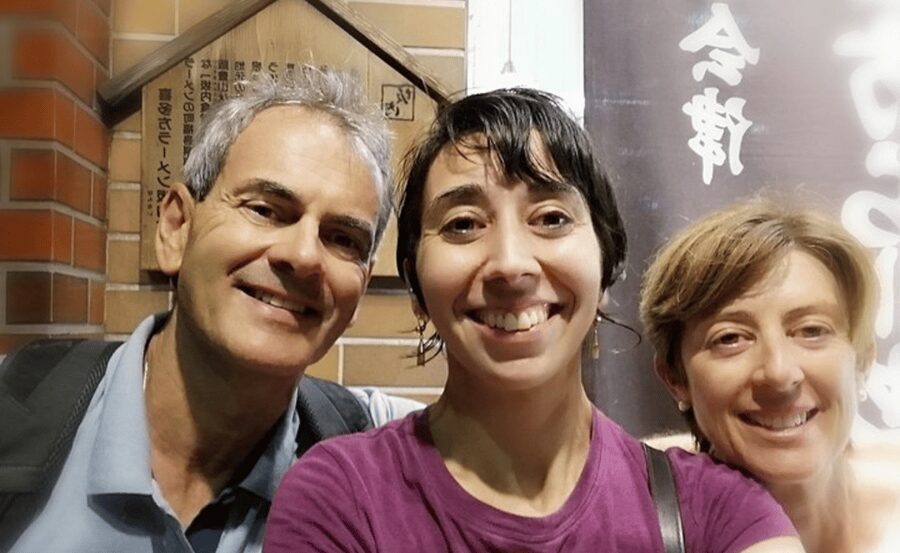
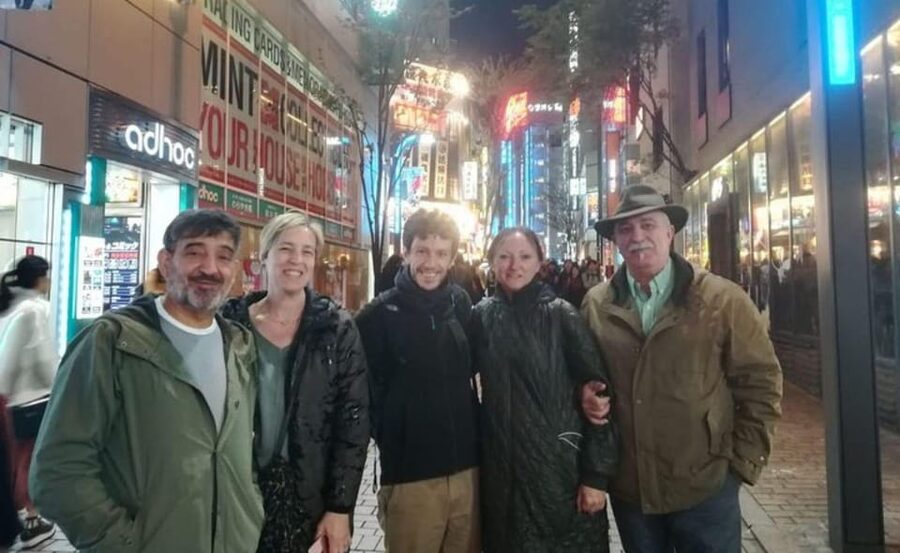
Ginza is Tokyo’s polished shopping and entertainment district. A guide can help you understand its history, locate stores, and suggest places for food. It suits you if you care about department stores, refined shopping, dining, and city streets rather than temples.
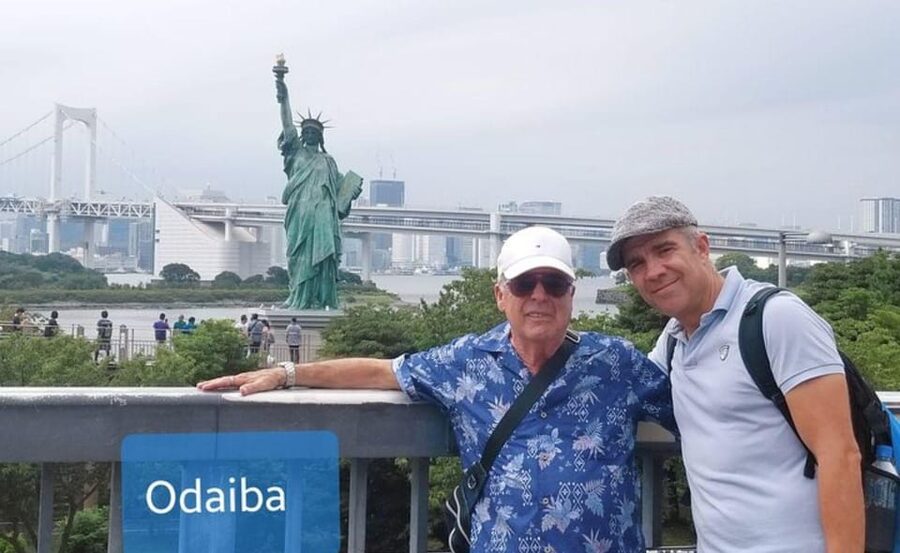
Odaiba offers a very different setting on an artificial island. Its entertainment complexes and futuristic buildings give the guide a chance to explain how the area developed. You can also ask for good photo viewpoints. Because it is separate from many central districts, Odaiba is best treated as a main part of the route, not a quick add-on.
Ueno Park is useful for culture. Your guide can point out the museums and explain the park’s role in Tokyo. During cherry blossom season, guidance can also help you find good viewing areas, though the tour does not guarantee blossoms or admission to any museum.
Roppongi Hills brings together art, shopping, and entertainment. The Mori Art Museum is a possible focus, along with the architecture and cultural events in the area. Again, confirm admission arrangements if you want to enter a museum or paid attraction.
These four areas show why the private format matters. They are not interchangeable, and each needs a different amount of time. Tell the guide what you want to do, not just which names you have collected.
Guide style, languages, and the pace of the day
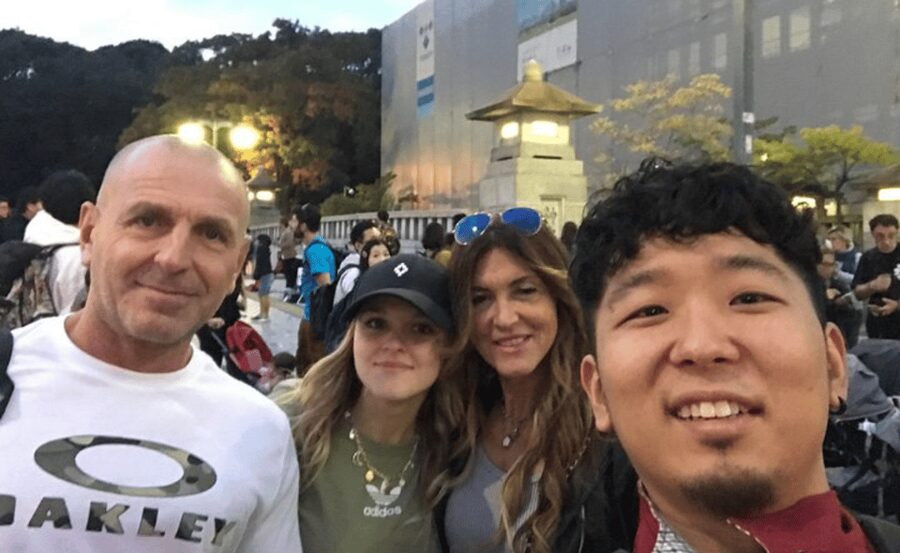
The tour offers live guidance in English, French, Italian, Spanish, Japanese, Chinese, and Traditional Chinese. Request your preferred language carefully when booking, since the quality of your questions and explanations depends on clear communication.
Individual guides may bring different strengths. Fernando has been praised for explaining the history and traditions of the places visited, while also allowing time for photos and shops. Lucas has been described as friendly, adaptable, and willing to respond to personal requests, but one booking found his historical and cultural explanations too limited. Karl has explained Japanese habits and courtesy rules, including quiet behavior on public transport and avoiding food while walking.
That range gives you a useful booking lesson: tell the operator what kind of guide you want. If cultural background matters most, say so. If you need help organizing shops, food, and transport, say that instead.
The pace is yours to shape, within reason. A slow, question-filled walk will cover fewer sights. That is not a flaw if you want to understand the places you see. If your goal is a long checklist, ask the guide to set realistic priorities at the start.
Getting around by foot and public transport
Walking and public transport are included unless you select an option with different arrangements. This is a practical way to see Tokyo because trains connect the city’s major areas, while walking reveals details you would miss from a car.
You should expect the day to include movement between districts. Wear comfortable shoes and keep your plans flexible. The tour information does not promise private vehicle transport, so do not book it expecting door-to-door driving.
A guide is especially useful in Tokyo’s large stations, where the right platform and exit can make a major difference. The guide’s local familiarity can reduce wasted time, though you should still allow enough time for transfers and stops.
The tour is wheelchair accessible, but route details can vary by the places you request. If accessibility is important for your group, discuss your preferred sights and transport needs before the day begins.
Who gets the best value from this tour
I would choose this experience if you are visiting Tokyo for the first time and want help making sense of the city. It also suits repeat visitors who have a specific interest, such as food, Japanese customs, anime, shopping, or architecture.
Families and small private groups may value the flexible pace. You can stop for pictures, ask questions, and adjust the route without waiting for strangers. The tour also works well for people who dislike planning complex rail routes.
I would think twice if you want a tightly scripted specialist tour with guaranteed entry to named attractions. The experience is customizable, but the description does not promise tickets, meals, or a fixed schedule of all ten suggested sights.
The 4.7 average from 53 ratings is a strong sign overall, but the range of guide styles matters more than the number. Book it for access, flexibility, and local help. Set your expectations clearly so the guide knows how much history and cultural explanation you want.
Should you book this private Tokyo tour?
Book it if you want to shape your own Tokyo day, meet at your hotel, and use a guide to connect major sights with your personal interests. The $53 per person starting price can be good value for a private group, particularly when you choose a longer duration or split the cost among several people.
Choose the full eight hours if you want several districts and time for photos, food, and questions. Choose two to four hours if you need orientation or want help with one area such as Asakusa, Tsukiji, or Akihabara.
Before booking, write down your top three priorities and ask for cultural context if that is important to you. If you do that, this tour can be a useful and pleasant way to get your Tokyo bearings without being pushed through a rigid sightseeing checklist.
FAQ
How long does the private Tokyo tour last?
You can book the experience for 2 to 8 hours. Available starting times depend on the selected option.
What is included in the tour?
The experience includes a private walking tour, route customization, a hotel meetup, and walking with public transport unless you select an option with different arrangements.
Is the tour private?
Yes. It is offered for a private group rather than a shared group tour.
Where does the guide meet the group?
The guide meets you at your hotel. Pickup is optional on some booking choices, so check the details of the option you select.
Which languages are available?
Live guidance is available in English, French, Italian, Spanish, Japanese, Chinese, and Traditional Chinese.
Can I choose which Tokyo sights to visit?
Yes. The tour can be customized around the main sights and areas that interest you. Possible places include Tsukiji Outer Market, Senso-ji, Meiji Shrine, Akihabara, Tokyo Skytree, Ginza, Odaiba, Ueno Park, and Roppongi Hills.
Is the tour wheelchair accessible?
Yes, the activity is listed as wheelchair accessible. Confirm your preferred route and sights when arranging the tour.
Can I cancel for a full refund?
Yes. You can cancel up to 24 hours in advance for a full refund. Reserve now and pay later is also available.
New on our Tokyo list
- From Tokyo: Mount Fuji & Hakone Full Day Private Tour★ 4.9 · 25 reviews
- Tokyo Spectacular View Day-Cruise in 90 Minutes★ 5.0 · 25 reviews
- Real Tokyo Runner Club : Daikoku Car Meet Night Tour with JDM Car★ 5.0 · 25 reviews
- 2.5 Hour-Guided Cycle Tour in the Central Tokyo★ 5.0 · 25 reviews
- Ramen Making from Scratch +Akihabara Tour –Cooking Class★ 5.0 · 25 reviews
- [Self-Drive] Tokyo & Daikoku Custom Car Driving Tour★ 4.9 · 25 reviews
- Tokyo: 2-Hour Night Bike Tour of the City’s Hidden Gems★ 4.9 · 25 reviews
- Samurai themed Entertainment show in Shinjuku★ 4.5 · 25 reviews
Private, compared.
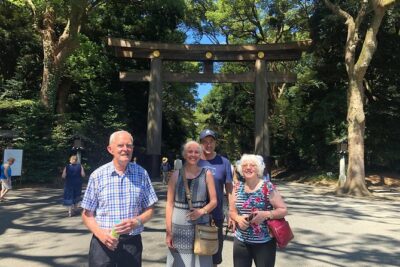
Tokyo 6hr Private Tour with Government-Licensed Guide
Read our review →
Private Tour to Mt. Fuji and Hakone (Fully Licenced Operator)
Read our review →
Tokyo Customized Private Tour (Must See Places in 1 Day)
Read our review →
Mount Fuji Full-Day Private Tour from Tokyo (Customizable)
Read our review →
Private City Highlights Tour with Local Guide
Read our review →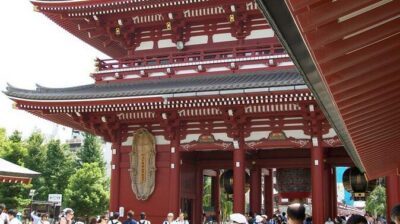
Tokyo 4hr Private Tour with Government-Licensed Guide
Read our review →