
Reviewed · JAPANESE CULTURE WORKSHOPS
Tokyo: Name Seal & Pouch or Tote Bag Making Experience
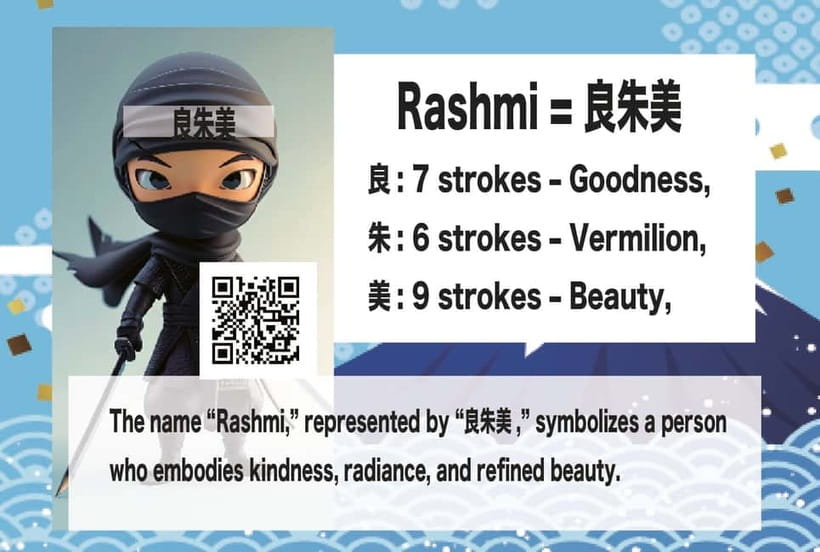
The most memorable part of this Roppongi activity is watching your name become a piece of Japanese art. You choose Kanji based on sound and meaning, then receive a custom seal stamp and a pouch or tote decorated with your name. It is a small souvenir, but it feels personal in a way a shop-bought magnet never can.
I like the cultural context and the gentle, hands-on pace. Inkan seals are still used in Japan for business and daily life, and the staff explain what your selected characters mean. I also like the calligraphy practice while your seal is made, which turns waiting time into part of the experience.
The main consideration is time. Kanji stamps are made to order, and the activity can take about 40 minutes per person when several people arrive together. You need to choose your design, name format, and pouch color ahead of time, so this is not a last-minute drop-in souvenir stop.
In This Review
- Key details at a glance
- Turning your name into Kanji in Roppongi
- The 40-minute class, step by step
- Choosing between a pouch and tote bag
- What makes the seal a worthwhile souvenir
- A friendly class for families and first-time calligraphy students
- Finding RoppongiHanko near the National Art Center
- Price, timing, and practical value
- Tips for getting the best result
- Who should book this Roppongi activity?
- FAQ
- How long does the name seal and bag activity take?
- Where does the activity take place?
- Can I choose Kanji or Hiragana for my name?
- What bag options are available?
- What designs can I choose for a Kanji bag?
- Is the activity suitable for wheelchair users?
Key details at a glance
- Your name becomes Japanese art: Choose Kanji selected for sound and meaning, or Hiragana for a simpler phonetic version.
- Two useful souvenirs are included: Take home a custom seal plus either a pouch or tote bag.
- Four Kanji bag designs: Pick Mt. Fuji, pine tree, floral leaf, or maiko girl for the Kanji option.
- Calligraphy fills the waiting time: Practice writing with guidance and create a personalized postcard.
- Small English-speaking class: The group is limited to five people and the studio is wheelchair accessible.
- Roppongi location: The studio is on the second floor of Crest Roppongi Building, near the National Art Center, Tokyo.
Turning your name into Kanji in Roppongi
This is not simply a printing activity. The central idea is the Japanese name seal, or inkan, a stamp used in ordinary Japanese life and business. Your finished seal gives you a compact connection to that tradition, even if you use it mainly as a keepsake.
You can have your name written in Kanji or Hiragana. Hiragana is a direct Japanese phonetic script, while Kanji allows the staff to select characters with suitable sounds and favorable meanings. That choice gives the activity more depth than simply copying foreign names into Japanese letters.
For the Kanji version, the seal is square and 24 millimeters in size. The Hiragana version is round and 12 millimeters. These are useful details to know before booking because the two formats have a different look and feel.
I would choose Kanji if you want the most distinctive souvenir and enjoy learning why certain characters were selected. Choose Hiragana if you prefer a more direct rendering of your name and a smaller, round stamp.
The staff help with the translation rather than leaving you to guess at characters. That matters. Japanese characters can carry several meanings, and a character that sounds right is not automatically the best choice. The explanation is part of what you are paying for.
More craft workshops in Tokyo:
- Tokyo Shinjuku Chopsticks Making Class
★ 5.0 · 1,763 reviews - Kintsugi Experience: Art of Golden Joinery in Tokyo
★ 5.0 · 467 reviews - Authentic Pure Gold Kintsugi Workshop with Master Taku in Tokyo
★ 5.0 · 217 reviews
The 40-minute class, step by step
The activity begins and ends at RoppongiHanko, the Shodocafe7557 studio in Roppongi. The advertised duration is 30 to 40 minutes, though the practical expectation is closer to 40 minutes when a custom Kanji seal is involved.
First, you provide your name and settle on the format. The staff then help translate it into Kanji or Hiragana. If you choose Kanji, you also select a design for your bag from Mt. Fuji, pine tree, floral leaf, or maiko girl.
The name selection is the most meaningful part of the process. You are not just picking attractive symbols. The staff explain the meaning attached to the characters, so you leave with a better sense of what your Japanese name represents.
While the seal is being produced, you can practice calligraphy. The instruction is aimed at beginners, and the activity does not require artistic skill. You get a chance to try the brushwork, learn the basic appearance of your name, and create a personalized postcard while you wait.
That postcard is a nice extra. It gives you something you made during the class, rather than making the custom seal carry the full weight of the experience. Several people have particularly enjoyed the patient encouragement during calligraphy practice, which makes this suitable for children and first-time learners.
The final stage is collecting your seal and personalized bag. You can inspect the finished name, see how the design has been applied, and pack both items for the rest of your Tokyo visit.
If more than one person is booked, keep the timing in mind. The studio notes that production can take 40 minutes per person when there is a larger group. A family of four should not assume the entire visit will fit into a quick half-hour break.
Choosing between a pouch and tote bag
The pouch is the neater, more compact choice. It comes with your custom name and is available in gold or silver. The metallic color gives it a dressier appearance and makes it easy to choose a style that suits the recipient if you are buying a gift.
The tote is more casual and offers extra decoration. Your name and up to three decorations are included, with cherry blossoms and stars among the choices. If you want more than three decorations, an additional charge applies.
I would choose the pouch for a small, polished souvenir or a present that needs to fit easily into luggage. The tote makes more sense if you want something larger and more visible, especially for a child or someone who prefers a practical item.
The Kanji bag designs add another decision. Mt. Fuji is the most instantly recognizable Japanese image. Pine has a more traditional feel. The floral leaf, or kiri-mon, offers a formal crest-like look, while the maiko girl gives the design a distinctly Kyoto-flavored character even though the activity takes place in Tokyo.
You need to provide the design choice in advance for a Kanji stamp. You also need to specify the pouch color ahead of time if you choose a pouch. Do this carefully when booking, since the custom work needs production time.
What makes the seal a worthwhile souvenir
Tokyo is full of excellent shopping, but many souvenirs are mass-produced and easy to forget. A personalized inkan has your name, a selected meaning, and a connection to a living Japanese custom. That gives it more staying power than a generic keepsake.
You may use the stamp on letters, notebooks, postcards, or craft projects. The activity does not promise a formal Japanese hanko for official legal use, so you should treat it as a personal souvenir rather than a document stamp. Still, it is a functional object, not just decoration.
The square Kanji seal has a bold visual quality. The round Hiragana seal is smaller and simpler. If you are choosing for a child, the round format and tote may be easier to enjoy. For an adult who likes design, the square Kanji stamp and gold or silver pouch make a more finished set.
The staff also create a personalized postcard while you wait. Along with the calligraphy practice, this means you leave with several small pieces rather than one item. That helps explain the $29 price per person. You are paying for the translation, custom production, instruction, and personalized products, not just admission to a short craft class.
A few more Tokyo bookings worth comparing
- Mt Fuji and Hakone 1-Day Bus Tour Return by Bullet Train
★ 5.0 · 26,383 reviews - 1-Day Tokyo Bus Tour
★ 5.0 · 14,250 reviews - Tokyo: TOKYO SKYTREE® Admission ticket
★ 4.5 · 11,192 reviews - Tokyo: teamLab Planets TOKYO Digital Art Museum Entry Ticket
★ 4.6 · 9,779 reviews
A friendly class for families and first-time calligraphy students
The studio limits the group to five participants. That is small enough for individual help, though the experience may take longer if everyone is having a seal produced. The available information identifies English as the language, which removes one common worry for international visitors.
The tone is beginner-friendly. You do not need to know Japanese, understand calligraphy, or have steady brush skills. The teaching focuses on helping you enjoy the process and understand your name.
This is a good fit for families because the activity has several parts. Children can choose colors and decorations, practice writing, and watch a name turn into a physical item. Adults get the cultural explanation and the chance to take home something more thoughtful than a standard Tokyo souvenir.
It also suits couples, small friend groups, and solo visitors who want a quiet creative break. The experience is not built around sightseeing or a long lecture. You spend your time making something.
The activity may be less suitable if you want a fast stop with no decisions. You need to think about Kanji or Hiragana, choose a bag style, select a design when required, and possibly wait for production. The personal element is the point, but it adds a little planning.
Finding RoppongiHanko near the National Art Center
The studio is at 7-9-3 Roppongi, Minato-ku, on the second floor of the Crest Roppongi Building. It is near the National Art Center, Tokyo, which makes this easy to pair with an afternoon in Roppongi.
By train, take the Toei Oedo Line to Roppongi Station and use Exit 7. After leaving the station, cross toward FamilyMart and keep to the right. Walk along the museum street toward the National Art Center, Tokyo.
Look for the large crane sign on the left. The studio is on the second floor. The directions also recommend searching for Shodocafe7557 on Google Maps, which may be more useful than searching only for the activity name.
If you take a taxi, show the driver the studio name and location: Shodocafe7557 in Crest Roppongi Building, near the National Art Center Tokyo. This is a sensible option if you have children, mobility concerns, or a full day bag.
The studio is wheelchair accessible. Smoking is not allowed. Because the meeting point can be easy to miss in a city filled with signs, give yourself a few extra minutes and use the map pin before leaving the station.
Price, timing, and practical value
At $29 per person, this is reasonably priced for a short custom activity. The value depends on what you want from a souvenir. If you only want a cheap bag, you can find one elsewhere. If you want a name translated, a custom seal made, a personalized pouch or tote, calligraphy instruction, and a postcard, the price is more convincing.
The experience is also efficient for a Tokyo schedule. The class takes about 30 to 40 minutes, so you can fit it around the National Art Center, Roppongi shopping, or another nearby plan. Just avoid placing it immediately before a train reservation or timed attraction.
The biggest timing issue is the number of participants. The studio says it can take 40 minutes per person when many people are present. Small-group limits help, but custom production cannot be rushed in the same way as a standard workshop.
You can cancel up to 24 hours before the activity for a full refund, and the reserve-now, pay-later option keeps your plans flexible. Delivery outside Japan is not included, so plan to carry the souvenirs home yourself.
Extra stamp material is not included. For tote bags, up to three decorations are part of the price, with extra decorations costing more. Ask yourself how much detail you really need. The included choices already provide a finished design.
Tips for getting the best result
Provide every participant’s name before the visit. This is especially important for Kanji seals, since the staff need time to consider the characters and prepare the design.
Choose Kanji if meaning matters most to you. Ask the staff to explain each character and compare the options before production begins. If you prefer a more direct spelling, select Hiragana.
Decide on the pouch color in advance. Gold and silver create different moods, and changing your mind at the studio may not be possible once production has started.
If you choose a tote, keep the decoration limit in mind. Three motifs are included, so select the ones that help the bag feel personal rather than simply adding as many as possible.
Build in enough time for the group. The class itself is short, but several custom orders can stretch the visit. This is especially important for families.
Finally, keep an open mind about the calligraphy practice. You may not produce perfect brushwork, and you do not need to. The point is to try the form, understand the characters, and take home a reminder of the process.
Who should book this Roppongi activity?
I would recommend it to anyone who wants a personal Japanese souvenir and enjoys a little participation. It is particularly good for families, first-time visitors interested in calligraphy, couples looking for a shared keepsake, and shoppers who prefer useful items over mass-produced gifts.
The strongest part is the combination of explanation and making. You learn what your name means, practice writing it, and then receive a seal and bag built around that identity. The warm, patient teaching style also makes it less intimidating than a formal calligraphy lesson.
I would think twice if your schedule is packed or if you dislike custom choices. Production takes time, and the experience can last longer than the minimum advertised duration. It is also not the right pick if you are seeking a major cultural tour, since the class stays focused on names, seals, bags, and calligraphy.
For $29, the activity offers a good balance of instruction and tangible souvenirs. Book it if you want something made for you, not simply something bought in Tokyo. Send the names and design details in advance, arrive with enough time, and you should leave with a keepsake that has a story attached to it.
FAQ
How long does the name seal and bag activity take?
The experience lasts about 30 to 40 minutes. Custom Kanji production can take longer when several people are attending, with the studio advising that it may take 40 minutes per person.
Where does the activity take place?
It takes place at RoppongiHanko, also identified as Shodocafe7557, at 7-9-3 Roppongi, Minato-ku, Tokyo. The studio is on the second floor of the Crest Roppongi Building near the National Art Center, Tokyo.
Can I choose Kanji or Hiragana for my name?
Yes. The Kanji seal is square and 24 millimeters. The Hiragana seal is round and 12 millimeters. Staff help translate your name into Japanese.
What bag options are available?
You can choose a personalized pouch or tote bag. The pouch is available in gold or silver. The tote includes your name and up to three decorations, such as cherry blossoms or stars.
What designs can I choose for a Kanji bag?
The four listed designs are Mt. Fuji, pine tree, floral leaf, also called kiri-mon, and maiko girl. You should provide your chosen design in advance.
Is the activity suitable for wheelchair users?
Yes. The studio is wheelchair accessible. Smoking is not allowed, and the activity is conducted in English with a small group limited to five participants.
New on our Tokyo list
- Sumi-e Experience in a relaxing green tea shop in Tokyo★ 5.0 · 3 reviews
- Tokyo : Kamikaze Street Drift Ride★ 5.0 · 3 reviews
- Private Zen Meditation in English in Shinjuku, Tokyo★ 5.0 · 3 reviews
- Onsen Spa in Tokyo and Asakusa Bar Hopping with Local Guide★ 5.0 · 3 reviews
- Easy for everyone! Now you can play handmade mini shamisen and show off to everyone! Musical instruments, sweets and live music★ 5.0 · 3 reviews
- Mt Fuji Exploration Tour with Free Japanese Kusa Mochi from Tokyo★ 4.5 · 3 reviews
- Tokyo Tsukiji Fish Market Walking and Exploring Hidden Gems Tour★ 5.0 · 3 reviews
- Tokyo: Private Tsukiji Street Food & Sake with Local Guide★ 5.0 · 3 reviews
Japanese Culture Workshops, compared.
Kintsugi Experience: Art of Golden Joinery in Tokyo
Read our review →
Authentic Pure Gold Kintsugi Workshop with Master Taku in Tokyo
Read our review →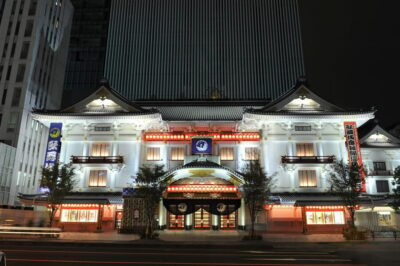
KABUKI Show at Kabukiza Theatre Admission Ticket
Read our review →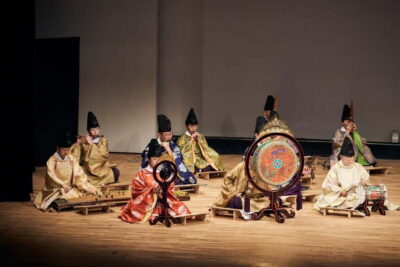
KABUKI, BUNRAKU, etc. presented by National Theatre
Read our review →
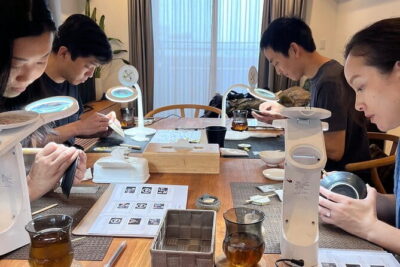
Kintsugi Workshop Class in Shibuya, Tokyo with mon cadeau
Read our review →
Browse the lists this tour appears in