
Reviewed · WALKING TOURS
Tokyo: Private Custom Walking Tour with Local Guide
Tokyo is easier to understand when someone local helps you connect the pieces. With this private custom walking tour, you can pair famous places such as Senso-ji, Shibuya, the Imperial Palace Gardens, or Tokyo Skytree with quieter streets and everyday neighborhoods.
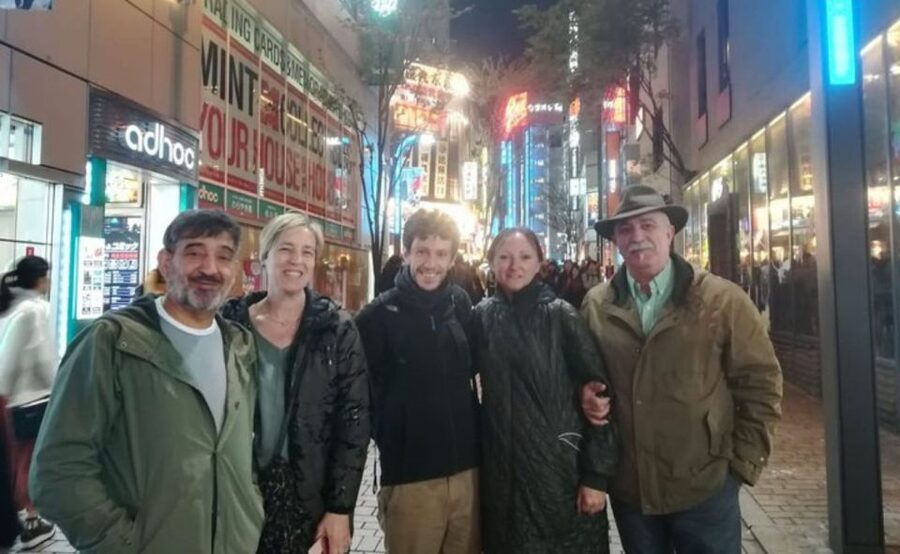
I especially like two things here: your guide can teach you how to use Tokyo’s trains and metro, and the plan can change as your interests become clearer. Guides such as Enrique, Francine, Karl, Fabian, and Cristiano have helped visitors shape days around food, temples, shopping, family breaks, or first-time train practice. The main consideration is that attraction tickets and food cost extra, so the $53 starting price is not your complete day’s budget.
In This Review
- Key things to know before you book
- Why a custom Tokyo walk makes sense
- Building your route around Asakusa and Senso-ji
- Tokyo Skytree and high views over the old city
- Marunouchi, the Imperial Palace Gardens, and central Tokyo
- Shibuya and Shinjuku for modern Tokyo
- Akihabara, Odaiba, and special interests
- Learning Tokyo’s trains instead of fearing them
- What two, four, and eight hours can really cover
- The guides and the personal side of the tour
- Price, inclusions, and the real value
- Who should book this Tokyo experience?
- Should you book the private custom walking tour?
- FAQ
- How long is the Tokyo private walking tour?
- What languages can the guide speak?
- Is the tour private?
- Can I choose what to see?
- Can I request a museum visit?
- Is hotel pickup included?
- Does the tour include public transport?
- Are food, drinks, and attraction tickets included?
- Can I cancel the booking?
Key things to know before you book
- You choose the focus: Build the outing around temples, modern Tokyo, food, shopping, culture, or a mixture.
- The train lesson is part of the value: Guides can help with public transport, Suica cards, rail passes, and Tokyo’s large stations.
- The route can cross several districts: Past outings have joined Asakusa with Tokyo Skytree, Marunouchi with the Imperial Palace Gardens, or Shinjuku with Shibuya.
- Your group stays private: Families, couples, and solo visitors get one guide rather than a fixed group schedule.
- You can request a museum: The guide can adjust the plan for a museum visit if you arrange it in advance, but admission is not included.
- The day may end somewhere else: You can ask in advance to finish at your starting point, otherwise the route may end at a different location.
Why a custom Tokyo walk makes sense
Tokyo is not difficult because it lacks things to do. It is difficult because the city offers too many choices, spread across districts that each feel like a separate town. A private guide gives you a way to make sensible choices before you spend half a day studying maps.
Before the tour, your guide contacts you to learn what you want. That conversation matters. You might ask for old Tokyo, anime and electronics, department-store shopping, local food, gardens, modern architecture, or help getting around independently after the tour.
The best use of this experience is not simply checking off sights. It is learning how Tokyo fits together. A guide can explain why one neighborhood feels traditional and another feels relentlessly modern, then show you how to reach the next stop by train.
I would book it early in a Tokyo visit, especially if this is your first time in Japan. The practical lessons can pay off for the rest of your stay.
More walking routes in Tokyo:
- Tokyo Tsukiji Fish Market Food and Culture Walking Tour
★ 5.0 · 3,184 reviews - Tokyo: Imperial Palace and Shogun Historical Walking Tour
★ 5.0 · 2,251 reviews - Tokyo: Shinjuku Local Bar and Izakaya Guided Walking Tour
★ 4.9 · 1,794 reviews
Building your route around Asakusa and Senso-ji
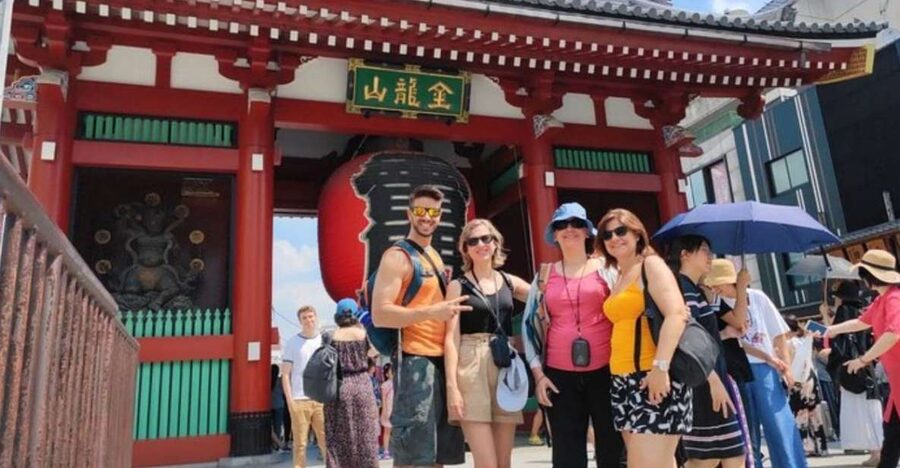
Asakusa is one of the clearest choices for a first custom outing. The Senso-ji temple area gives you a traditional introduction to Tokyo, with temple grounds, old-style streets, small shops, and local snacks. Several outings have included Senso-ji, and guides have explained how to enter shrines and temples respectfully.
That guidance is useful. Customs can feel unclear when you are on your own, and a short explanation helps you take part without treating a religious site like a stage set. You can also ask your guide about the difference between a shrine and a temple, daily rituals, and the way local people use these places.
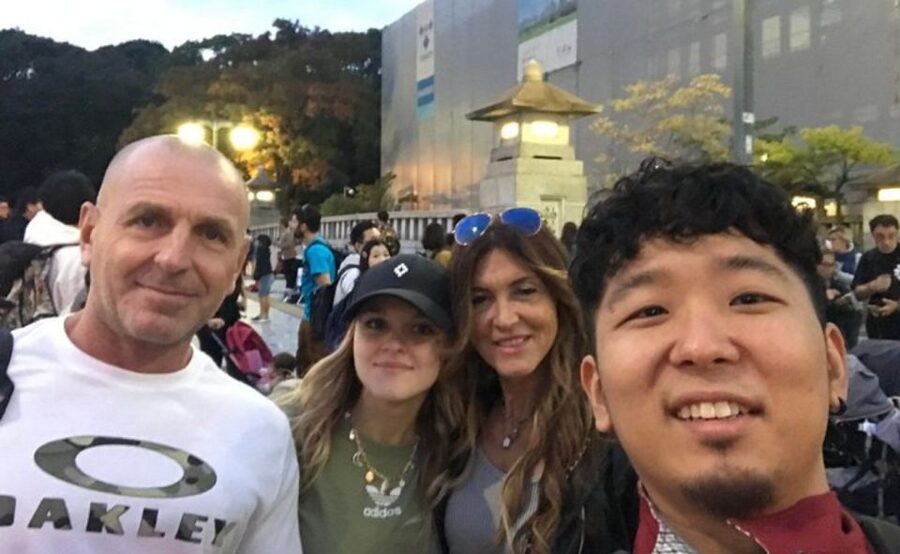
Asakusa works well for families because the area offers frequent opportunities to pause. One guide, Albert, was praised for adjusting the pace for children, including breaks and quick changes to the route. Another guide took a family to a viewing point above Senso-ji, giving them a different look at the temple and surrounding streets.
Food can fit naturally here, but remember that meals and drinks are not included. Your guide may suggest snacks or help you find a suitable place, yet you pay for what you order. If you have dietary needs, tell the guide before the tour. One outing included help finding food for a visitor with celiac disease.
Tokyo Skytree and high views over the old city
Tokyo Skytree pairs well with Asakusa because the two areas can be connected by public transport. From the ground, the tower gives you a useful reference point. From above, it offers a broad view across Tokyo, though entry tickets cost extra and the experience depends on availability and weather.
Simon visited Skytree, Senso-ji, and Asakusa during a four-hour tour with Enrique. That combination makes sense for a visitor who wants one major modern sight, one major traditional sight, and a neighborhood walk in between.
You do not have to make Skytree the centerpiece. If paid observation decks are not your priority, your guide can suggest another viewpoint. One guide brought a group to the top of a building for a view over Senso-ji and the nearby streets, an option that offered atmosphere without making the whole day about a ticketed tower.
Ask your guide to explain the route before you commit to admission. With a short two-hour booking, a paid attraction can consume a large share of your time.
Marunouchi, the Imperial Palace Gardens, and central Tokyo
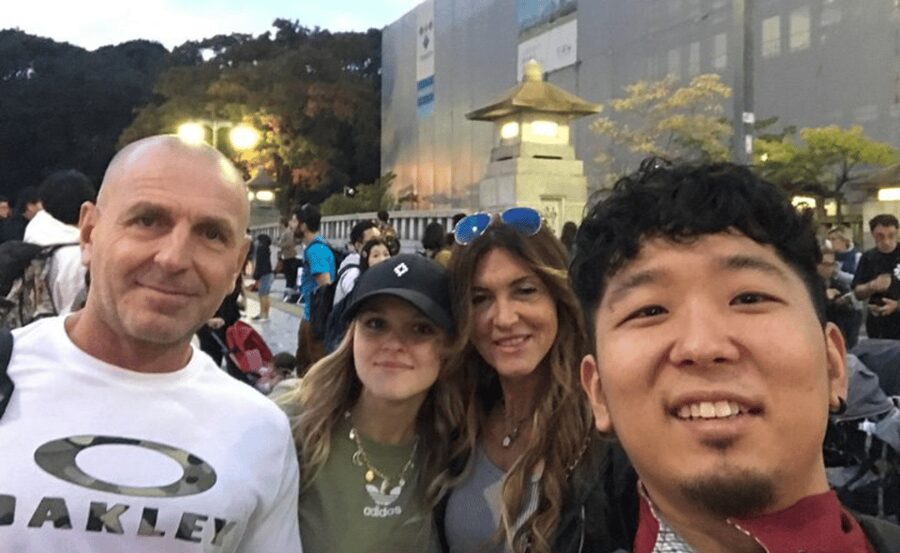
For a calmer side of the city, request the Imperial Palace Gardens and Marunouchi. These central areas show a different Tokyo from the tight lanes of Asakusa or the giant crossings of Shibuya.
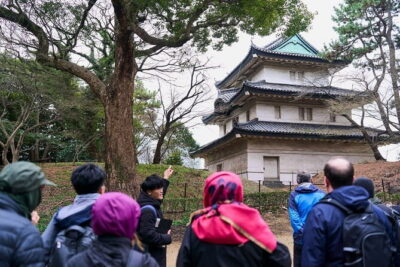
The palace area offers open space, greenery, and a sense of the city’s political center. Marunouchi brings broad streets, office towers, polished shopping, and a more formal urban mood. A winter outing included both areas, along with Asakusa, and left the visitor curious about how the gardens would look in spring.
This route is a good choice if you want history without spending the entire day inside a museum. The tour normally covers exteriors and public areas. If you want to enter a museum or another attraction, tell the company ahead of time so the guide can adjust the itinerary. Tickets remain your responsibility.
Because central Tokyo is well connected, Marunouchi can also be a useful place to learn station navigation. Your guide may help you understand how to transfer between lines or find a rail office. That practical help is especially worthwhile if you plan to collect rail passes or continue to another Japanese city.
A few more Tokyo bookings worth comparing
- Mt Fuji and Hakone 1-Day Bus Tour Return by Bullet Train
★ 5.0 · 26,383 reviews - 1-Day Tokyo Bus Tour
★ 5.0 · 14,250 reviews - Tokyo: TOKYO SKYTREE® Admission ticket
★ 4.5 · 11,192 reviews - Tokyo: teamLab Planets TOKYO Digital Art Museum Entry Ticket
★ 4.6 · 9,779 reviews
Shibuya and Shinjuku for modern Tokyo
Shibuya and Shinjuku offer the visual Tokyo many first-time visitors expect: tall buildings, busy stations, shopping, entertainment, and streets that change mood from block to block.
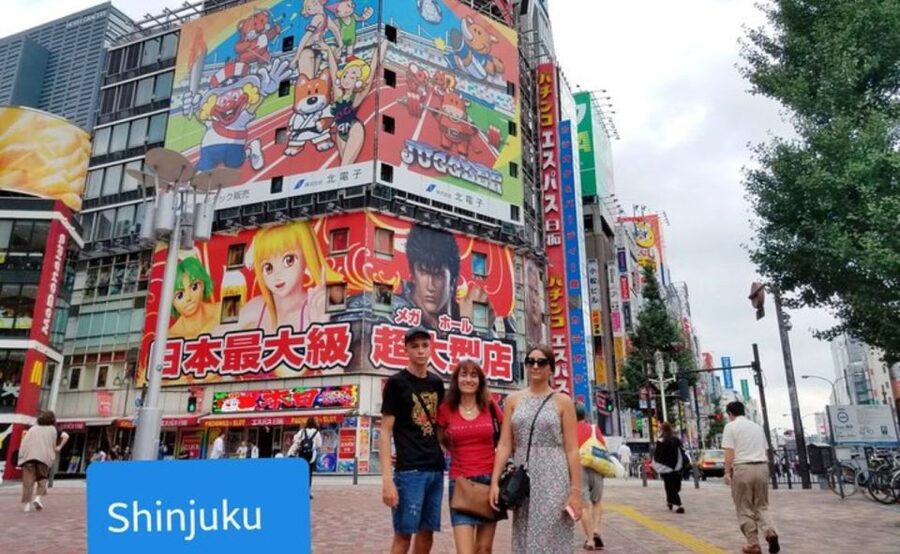
A custom walk can keep the famous parts, such as Shibuya’s major crossing, while adding quieter corners. Himena guided one outing through different parts of Shinjuku and Shibuya, combining temples, well-known buildings, and less hectic areas. That balance is better than spending every minute at the most photographed spots.
Shinjuku also works for visitors interested in nightlife. Your guide can suggest bars, restaurants, or karaoke places, as Himena did for one group. These suggestions are most useful when you explain your preferred budget and atmosphere. The tour does not include evening meals or drinks, so treat the advice as part of your planning rather than a prepaid food experience.
With only two hours, choose one of these districts rather than trying to conquer both. The stations alone can take time to cross, and a rushed route leaves little room for conversation.
Akihabara, Odaiba, and special interests
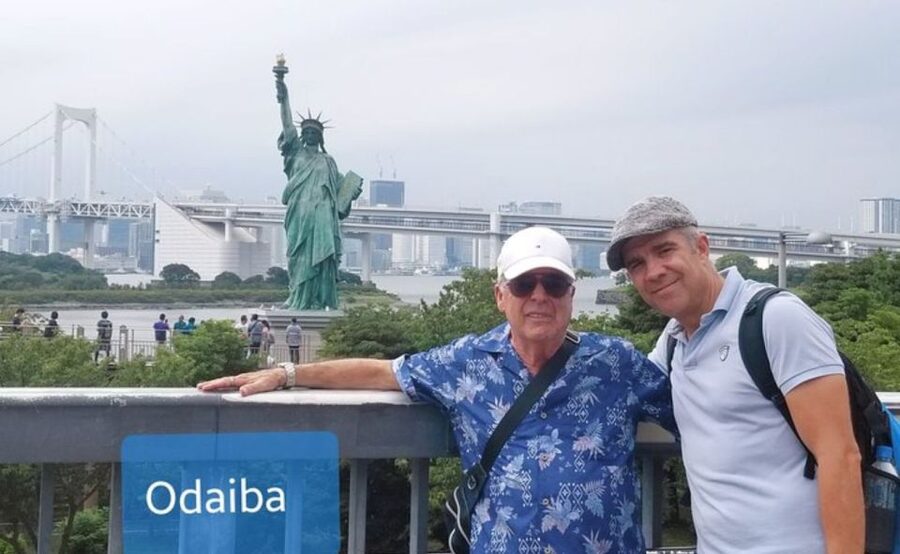
Tell your guide if you want a Tokyo that is less centered on temples and classic sights. Akihabara can suit visitors interested in electronics, games, anime, and pop culture. One solo outing combined Akihabara with Asakusa and included advice on local behavior and cultural etiquette.
Odaiba offers a different feel again. A walk to Odaiba Marina was described as a peaceful change from the more intense central districts. It can be a good request if you want open waterfront space and a slower pace, though the travel time means it fits better into a longer booking.
Food-focused visitors can ask about markets and local eating areas. One guide showed a family the behind the scenes side of the fish market, while also helping with dietary restrictions and recommending food that worked for different ages.
For families with teenagers, the route can mix cultural sites with a stop such as a Pokémon Mega Center. This is where private touring earns its keep. You do not have to choose between every adult’s interest and every child’s patience.
Learning Tokyo’s trains instead of fearing them
For many people, the most useful part of the day is not a monument. It is the first successful train ride.
Tokyo’s rail network is fast and efficient, but the stations can be confusing. Your guide can walk you through buying or using a Suica card, finding platforms, changing lines, and understanding the difference between local trains and other services. Cristiano helped one visitor collect JR rail passes and practice local transport, saving time and reducing stress.
This makes the tour a strong choice for your first full day. You can use the outing to learn the system while visiting places you already wanted to see. Albert, Karl, Victor, Tim, and other guides were specifically praised for helping visitors gain confidence with trains and metro routes.
The tour includes walking and public transport, except when you select an option with different transport arrangements. You should still expect a fair amount of walking. One eight-hour outing reached about 23,000 steps, so ask for a gentler plan if you have mobility concerns or medical needs.
The guide can adjust the pace. A visitor with mobility issues found Karl patient and helpful, while another family said Cristiano made subway travel easier for a husband with medical problems. Still, tell the operator and guide about your needs before the day, not after the route is fixed.
What two, four, and eight hours can really cover
The wide duration range changes the product quite a bit.
A two-hour tour works as a quick introduction. Choose one compact area, such as Asakusa, Shibuya, or a nearby temple and park. You can ask for key explanations and a few practical tips, but you will not see much of Tokyo.
A four-hour tour is the best middle ground for many people. You can combine two nearby areas, such as Asakusa and Skytree, or make a useful start on central Tokyo and transport. Simon covered Skytree, Senso-ji, and Asakusa in four hours, showing what is possible with a focused plan.
An eight-hour tour becomes a full private day. You can cross several wards, use rail lines, stop for food, include shopping, and change direction when something catches your interest. The long format also suits cruise passengers or families who want help from pickup through the day.
Do not build an eight-hour wish list as if Tokyo were a small town. Long train rides, station transfers, meal breaks, and lines at popular sights all use time. A good guide can adjust the order, but you will enjoy the day more if you choose a clear theme.
The guides and the personal side of the tour
The guide you receive will shape the experience. The available languages are English, French, Italian, Japanese, Spanish, and Portuguese. Named guides praised in the supplied material include Fabian, Enrique, Francine, Karl, Cristiano, Victor, Albert, Himena, Shaban, Maria, and others.
The strongest pattern is flexibility. Francine contacted visitors before the tour, prepared a plan, and changed it during the day when interests shifted. Enrique helped visitors with history, navigation, and follow-up suggestions for solo time. Fabian combined city sights with sports and food stops.
That personal contact can make the outing feel less formal. You can ask questions about manners, daily life, restaurants, transport, or neighborhoods without holding up a large group. A private guide can also slow down for children, make a short detour, or skip a place that no longer appeals.
There is one uncertainty: you cannot assume a particular guide will be assigned. If you have a preference, you can ask, but availability may decide the match. The strong individual praise for certain guides is useful, but the real benefit is the private format and pre-tour planning.
Price, inclusions, and the real value
At $53 per person, the starting price is attractive for a private experience, especially for a couple or small family. The value is strongest when you use the guide for more than sightseeing. Train practice, neighborhood choices, local etiquette, and advice for the rest of your trip can save time long after the tour ends.
Pickup from your Tokyo hotel is included when the accommodation is in the city. If your hotel is outside the center, you will be given a convenient central meeting point. You can request a central hotel as the starting place, and the tour may finish elsewhere unless you ask for a return to the original location in advance.
Food, drinks, and attraction tickets are not included. Public transport is included as part of the walking tour, except where a selected option says otherwise. You should budget for fares if applicable, snacks, meals, and any museum, tower, or other admission you choose.
The reserve-now, pay-later option keeps your plans flexible, and cancellation is free up to 24 hours before the start time for a full refund. Wheelchair access is available, but the amount of walking and the use of trains still make advance discussion important.
Who should book this Tokyo experience?
I would recommend it to first-time visitors who want to see major sights without losing a day to route planning. It is also a smart fit for solo visitors who want company and local context, couples with different interests, and families that need room for breaks.
It suits cruise passengers particularly well when pickup and timing are arranged clearly. It can also help you start a longer Japan trip by teaching basic train use and local etiquette.
I would be more cautious if you already know Tokyo very well or prefer exploring alone with no fixed appointment. The tour’s value depends on conversation and planning. You also need to take an active role by sending clear requests before the day.
Should you book the private custom walking tour?
Book it if you want a flexible first look at Tokyo, practical train help, and a guide who can adjust the day around your real interests. At $53 per person, it is a good buy when the guide helps you navigate, choose neighborhoods, handle family needs, and plan the rest of your stay.
Choose the duration carefully. Pick two hours for one district, four hours for a useful introduction, and eight hours for a full day with several areas. Send a short wish list in advance, mention mobility or dietary needs, and ask about any museum or paid attraction before you arrive.
If you do that, this Guydeez tour can give you more than a checklist of Tokyo sights. It can give you the confidence to keep exploring on your own.
FAQ
How long is the Tokyo private walking tour?
You can book the tour for 2 to 8 hours. Starting times depend on availability.
What languages can the guide speak?
Guides are available in English, French, Italian, Japanese, Spanish, and Portuguese.
Is the tour private?
Yes. The experience is for a private group, so the route can be shaped around your party’s interests.
Can I choose what to see?
Yes. The tour is customizable, and your guide contacts you beforehand to discuss your preferences.
Can I request a museum visit?
Yes. The guide can adjust the route for a museum visit if you arrange it in advance. Museum admission is not included.
Is hotel pickup included?
Pickup is included from accommodation located in Tokyo. If your hotel is outside the city center, the operator selects a convenient central meeting point.
Does the tour include public transport?
Walking and public transport are included, except if you select an option with different transport arrangements.
Are food, drinks, and attraction tickets included?
No. You pay separately for food, drinks, and tickets to attractions.
Can I cancel the booking?
Yes. You can cancel up to 24 hours in advance for a full refund. You can also reserve now and pay later.
New on our Tokyo list
- From Tokyo: Mount Fuji & Hakone Full Day Private Tour★ 4.9 · 25 reviews
- Tokyo Spectacular View Day-Cruise in 90 Minutes★ 5.0 · 25 reviews
- Real Tokyo Runner Club : Daikoku Car Meet Night Tour with JDM Car★ 5.0 · 25 reviews
- 2.5 Hour-Guided Cycle Tour in the Central Tokyo★ 5.0 · 25 reviews
- Ramen Making from Scratch +Akihabara Tour –Cooking Class★ 5.0 · 25 reviews
- [Self-Drive] Tokyo & Daikoku Custom Car Driving Tour★ 4.9 · 25 reviews
- Tokyo: 2-Hour Night Bike Tour of the City’s Hidden Gems★ 4.9 · 25 reviews
- Samurai themed Entertainment show in Shinjuku★ 4.5 · 25 reviews
Walking Tours, compared.
Tokyo Tsukiji Fish Market Food and Culture Walking Tour
Read our review →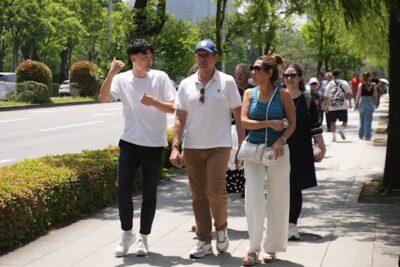
Imperial Palace and Shogun Historical Walking Tour
Read our review →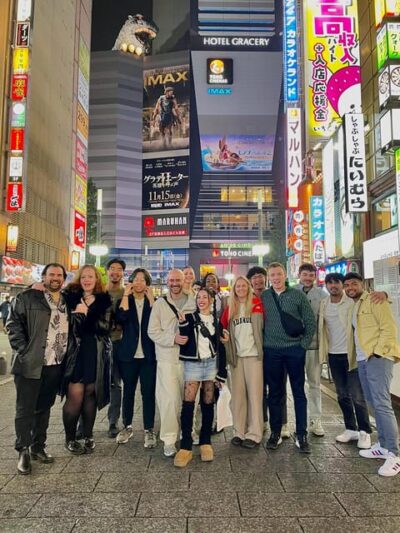
Shinjuku Local Bar and Izakaya Guided Walking Tour
Read our review →
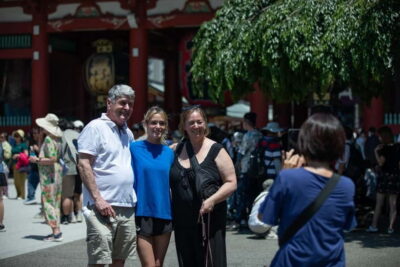
Asakusa Walking Tour with Sensoji Temple Visit
Read our review →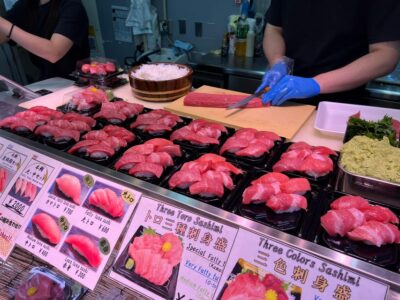
Tokyo Castle & Imperial PalaceーShogun Walking Tour
Read our review →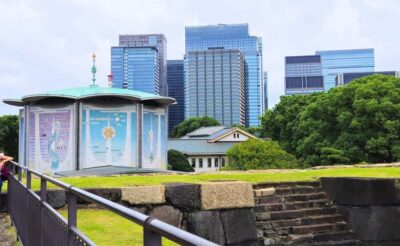
Browse the lists this tour appears in