
Reviewed · WALKING TOURS
Tokyo Private Customized Walking Tour (Option Car Tour Available)
Tokyo is easiest to enjoy when someone helps you make sense of its huge stations, far-flung districts, and mix of old and new. This private customized tour lets you choose the pace and subject, from Meiji Shrine and Sensoji Temple to ramen shops, markets, shopping streets, and the practical art of using Tokyo’s rail system.
I like the one-to-one attention and the freedom to build a route around your own interests. I also like that guides such as Albert, Kenta, Fabian, Joe, and Olivier have helped people with very different plans, including short layovers, first-day introductions, food stops, and trips by car.
The main caution is that the quality depends on how well your wishes reach the guide before the start. One poor experience involved requested sights not being passed along, so confirm your plan directly and allow enough time for Tokyo’s long crossings and station changes.
In This Review
- Key things to know before booking
- A private Tokyo day built around your interests
- Picking the right length: two hours or a full day
- What a traditional Tokyo route can include
- Meiji Shrine and Harajuku
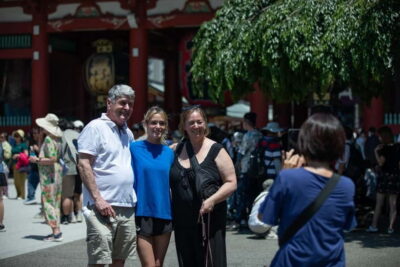
- Sensoji, Asakusa, and the old city
- Imperial Palace and Tokyo Tower
- Shinjuku, Shibuya, and learning Tokyo’s trains
- Food, markets, and local suggestions
- Walking or private car?
- Guides and communication
- What is included, and what you still pay for
- Who should book this Tokyo tour?
- Should you book it?
- FAQ
- How long does the Tokyo private customized tour last?
- Is this a private tour?
- Is hotel pickup available?
- Can I choose the places I visit?
- Can I choose a car instead of walking?
- Are meals and attraction tickets included?
- What is the cancellation policy?
Key things to know before booking
- Choose two to eight hours: A two-hour introduction can cover one compact area, while a full day gives you room to connect several districts.
- Set your own Tokyo priorities: Ask for temples, history, markets, shopping, food, modern culture, or help with trains.
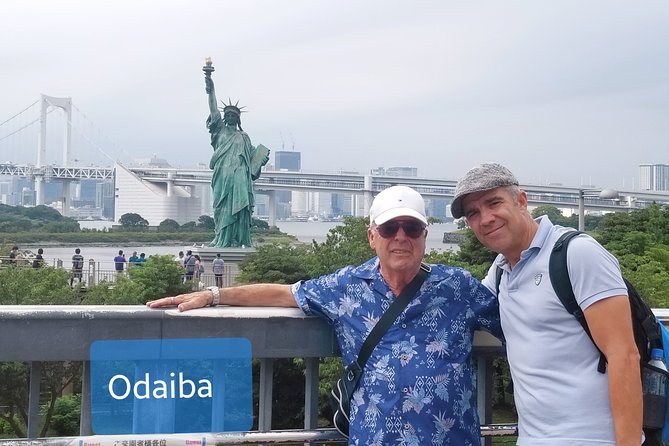
- Walk or upgrade to a private car: Walking suits neighborhood exploration, while a car can make a long list of distant sights more realistic.
- Hotel pickup within Tokyo is included: You can begin at your accommodation or agree on another meeting point.
- Learn the rail system as you go: Several guides have helped people use Tokyo’s subway and train network with more confidence.
- Budget for extras: Food, drinks, attraction tickets, and optional tips are not included in the $52.19 starting price.
A private Tokyo day built around your interests
The best feature here is not a fixed collection of sights. It is the ability to decide what Tokyo means to you.
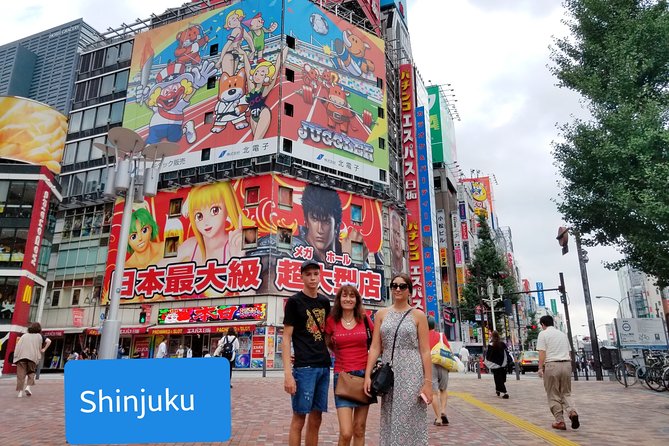
You might want a traditional first look at the city, with Meiji Shrine, Sensoji, and the Imperial Palace. You might care more about Shibuya Crossing, Harajuku shopping, Shinjuku nightlife, neighborhood food, or the mechanics of getting around by train. You can also ask for a mix of old and new.
That flexibility matters in Tokyo because the city does not arrange itself neatly for sightseeing. The Imperial Palace, Asakusa, Shinjuku, Harajuku, Shibuya, Ueno, and Yanaka each offer a different mood, but moving between them takes time. A local guide can help you avoid spending half your day working out the route.
You also get a private experience, meaning only your group participates. That makes it easier to pause for questions, change the pace, skip a stop, or spend longer at a place that catches your attention.
The tour price begins at $52.19 per person, which is a fair starting point for a private service, especially for a couple or small group. The value rises when you use the guide for more than sightseeing. Help with rail travel, restaurant choices, cultural etiquette, and planning the rest of your stay can save both time and frustration.
The price does not cover meals, drinks, entrance tickets, or tips. If you want museums or paid attractions, ask the guide to help arrange tickets, but plan to pay those costs separately.
More walking routes in Tokyo:
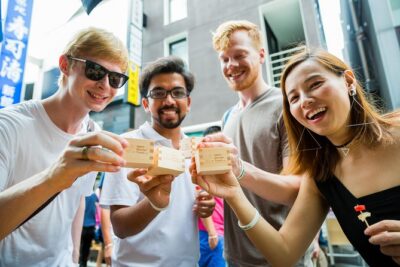
- Tokyo Tsukiji Fish Market Food and Culture Walking Tour
★ 5.0 · 3,184 reviews - Tokyo: Imperial Palace and Shogun Historical Walking Tour
★ 5.0 · 2,251 reviews - Tokyo: Shinjuku Local Bar and Izakaya Guided Walking Tour
★ 4.9 · 1,794 reviews
Picking the right length: two hours or a full day
The shortest option is useful for a focused introduction. One guest spent two hours walking through Shinjuku and Harajuku before finishing at Shibuya, including Meiji Shrine and guidance on the rail system. That is a sensible first-day plan if you want a compact orientation rather than a long checklist of sights.
Two hours also works well for a layover or a short business trip. A guide can meet you, show you one district, and help you understand how to continue on your own. Keep your wish list short. Tokyo stations and walking routes can eat into a half-day faster than you expect.
A four-hour tour gives you more breathing room. You could pair Asakusa with the Tsukiji area, or connect Meiji Shrine, Harajuku, and Shibuya without treating every stop as a quick photograph. Jenny, for example, recommended an early start at the market because the crowds grow later in the morning. That kind of timing advice is one of the useful benefits of a local guide.
The eight-hour option is best for a first full day in Tokyo or for a group with several priorities. One car-based outing included Tokyo Tower, the Imperial Palace area, Sensoji Temple, Harajuku streets, Shibuya Crossing, and a local lunch stop. The group ended early to continue shopping in Ginza, showing another advantage of a private arrangement: you do not have to stay out for the full booked time if your plans change.
Still, do not try to force every famous sight into one day. A long itinerary can become a parade of station platforms and traffic delays. Tell the guide your top two or three priorities, then add secondary stops only if the route allows.
What a traditional Tokyo route can include
Meiji Shrine and Harajuku
Meiji Shrine is a strong opening stop for an introduction to Japanese religious customs. Guides have explained the approach to the shrine, the behavior expected at the grounds, and the meaning behind the rituals. One walk even coincided with two traditional Japanese weddings, an example of the unscripted moments that can make a shrine visit memorable.
Harajuku adds a sharp change of tone. Its shopping streets and youth culture provide a modern counterpoint to the shrine’s calm wooded grounds. If your group includes teenagers or shoppers, tell the guide early. One guide helped a family choose shopping areas suited to younger visitors.
The drawback is distance and crowd pressure. Meiji Shrine, Harajuku, and Shibuya are close enough to combine, but not so close that you can move instantly between them. A guide can make the route easier, but you should still wear comfortable shoes and keep the plan realistic.
A few more Tokyo bookings worth comparing
- Mt Fuji and Hakone 1-Day Bus Tour Return by Bullet Train
★ 5.0 · 26,383 reviews - 1-Day Tokyo Bus Tour
★ 5.0 · 14,250 reviews - Tokyo: TOKYO SKYTREE® Admission ticket
★ 4.5 · 11,192 reviews - Tokyo: teamLab Planets TOKYO Digital Art Museum Entry Ticket
★ 4.6 · 9,779 reviews
Sensoji, Asakusa, and the old city
Sensoji Temple in Asakusa gives you one of Tokyo’s clearest traditional settings. It is a useful place to learn how temples differ from shrines, how to behave at religious sites, and how Tokyo’s older districts developed.
Asakusa also pairs well with food and street exploration. The guide can help you look for a suitable place to eat, though food is not part of the tour price. If you want a quieter visit, ask about an early start. The same practical advice applies to Tsukiji, where an early meeting was recommended to avoid the worst crowds.
For a less expected old-Tokyo walk, ask about Yanaka. Joe guided one route from Ueno Station through the nearby market and on toward Nippori. That kind of neighborhood route may suit you better than another pass by Tokyo’s best-known landmarks, especially if you have already seen the main sights.
Imperial Palace and Tokyo Tower
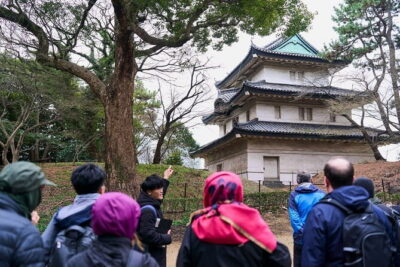
The Imperial Palace area gives you a major central landmark and a chance to place modern Tokyo in its historical setting. Access and opening arrangements can affect what you see. One visit took place during the New Year holiday, when the Imperial Palace was not open that day, so do not assume every stop will be available at all times.
Tokyo Tower is a good choice if you want a recognizable city view and a classic photo stop. It can fit naturally into a car tour that covers several districts, but combining it with faraway neighborhoods on foot would be inefficient.
The smart approach is to ask the guide what is actually open on your date. The included assistance with attraction tickets can help, but it does not mean the admission itself is included.
Shinjuku, Shibuya, and learning Tokyo’s trains
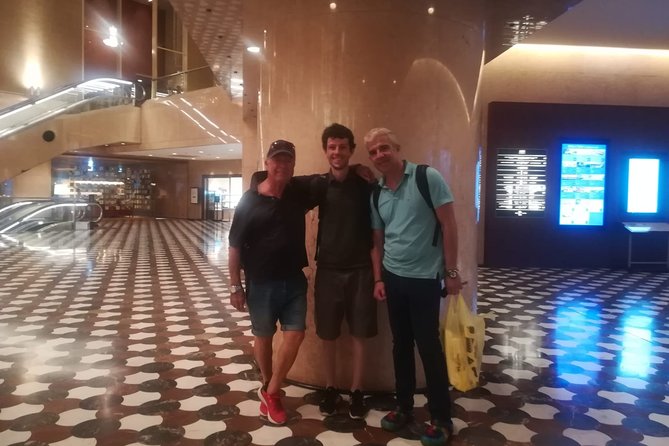
For many first-time visitors, the rail system is the most valuable part of the day. Tokyo’s stations are large, signs can feel confusing, and a route that looks simple on a map may involve a long walk underground.
Kenta met a group at its hotel, helped with the difficult Shinjuku Station, and then continued to Meiji Shrine. Other guides, including Karl, Albert, and Joe, have taught people how to use the trains and subway while moving through the city. That practical lesson can keep helping you after the tour ends.
Shinjuku works well for an introduction because it shows Tokyo’s scale, shopping, transport links, and dense city life in one district. Shibuya offers the famous crossing and a very different visual experience. Harajuku links the two with fashion, youth culture, and Meiji Shrine.
You should tell the guide if rail confidence is one of your main goals. It changes the tour from a sightseeing ride into a useful orientation. If your group includes older relatives, young children, or anyone who dislikes long walks, mention that before the day begins so the route and transport choices can be adjusted.
Food, markets, and local suggestions
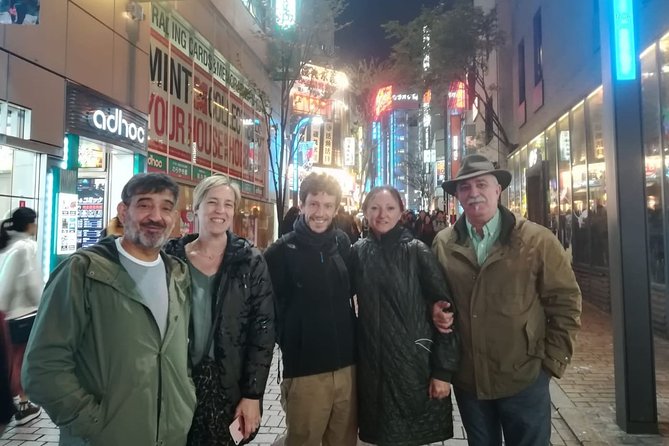
Food is not included, but eating advice is part of the experience’s appeal. Guides have suggested restaurants, helped groups find local places, and taken people to small restaurants filled with local diners. Joe’s cultural explanations, paired with a visit to a small Japanese restaurant, were especially useful for anyone wanting more than a standard sightseeing route.
You can ask for ramen, markets, a simple lunch, or neighborhood restaurants. Be clear about allergies, budget, and food preferences before the tour. The provided information confirms that guides can suggest places to eat, but it does not promise a reservation or a meal.
Markets are another strong option. Tsukiji and the street market near Ueno can add food, shopping, and local atmosphere to a short route. The tradeoff is timing. Markets can become crowded, and a late start may mean more pushing through people and less time to browse.
One car-based group stopped for lunch at Mizuguchi Shokudou. That detail shows the kind of practical local choice a private guide may add, but it should not be treated as a guaranteed restaurant stop. Your guide and your interests will shape the final plan.
Walking or private car?
The walking format is best when you want to understand a neighborhood from ground level. You can pause at a shrine gate, look into side streets, enter a market, or stop for food suggestions. It also keeps the tour focused and avoids turning the day into a series of vehicle transfers.
A two-hour walk may cover roughly three to four kilometers, based on one reported route. That is manageable for many people, but Tokyo’s stairs, station corridors, and busy crossings can make the effort feel greater. Comfortable footwear is a practical must.
The private vehicle upgrade makes more sense for a full-day list spread across the city. Olivier’s car-based route reached Tokyo Tower, the Imperial Palace area, Sensoji, Harajuku, and Shibuya in one outing. The car does not remove Tokyo traffic, and you may lose some street-level contact, but it can be worth the extra cost for groups with limited time or mobility concerns.
The supplied information does not state the vehicle price, vehicle type, or exact passenger limit. Ask for those details before choosing the upgrade.
Guides and communication
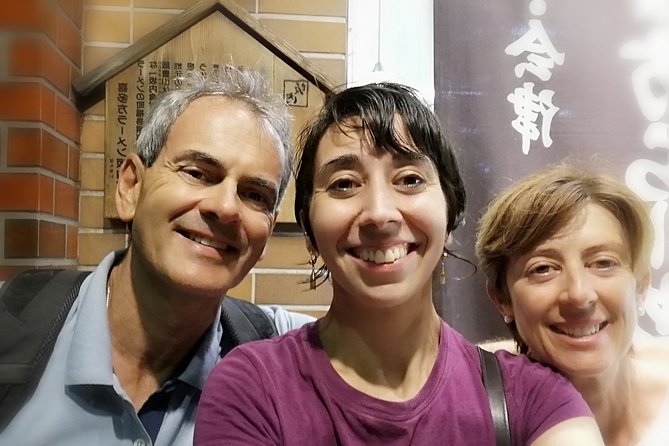
The guide assigned to you may vary. Named guides praised for different strengths include Albert, Kenta, Roccio, Fabian, Cristiano, Maria, Olivier, Jenny, Joe, Eduardo, Himena, Francine, Cyril, Rey Matsuno, and Karl.
That range suggests the service can suit many styles. Fabian has designed short custom walks and kept in touch before the start. Cristiano was particularly useful for public transport and a picnic-style lunch near the Imperial Palace. Francine helped make a long Haneda layover worthwhile, while a Spanish-speaking guide provided a good option for someone who wanted the tour in Spanish.
Do not rely only on the initial preference survey. Send your final list of must-see places, food needs, walking limits, preferred language, and transport choice directly through the available contact method. One weak experience happened because the requested stops were not passed to the guide, so this small step can make a large difference.
What is included, and what you still pay for
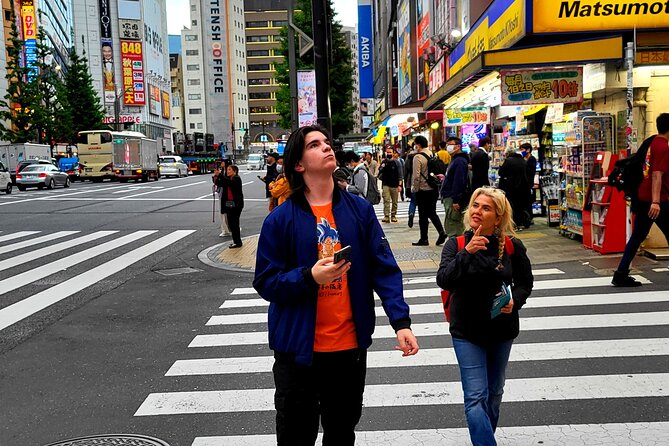
The tour includes:
- A private walking tour
- A private vehicle option for an additional cost
- A personalized itinerary
- Hotel pickup within Tokyo
- Help booking attraction tickets
You pay separately for food, drinks, entrance tickets, and optional tips. This structure keeps the base cost relatively clear, but your final spending can rise if you add museums, observation decks, meals, or a car.
At $52.19 per person, the walking option offers the best value when your group wants orientation and local advice as much as landmark photos. A larger group may also benefit from the private format, since the per-person cost can compare well with several separate guided activities.
Who should book this Tokyo tour?
I would choose this experience for a first visit, a short stay, a business trip, or a long layover when I wanted to use limited time well. It also suits families and small groups with different interests, since one person can ask about history while another focuses on food, shopping, or trains.
It is a good fit if you dislike fixed group schedules. You can ask to slow down, skip a stop, finish near a shopping district, or spend more time learning the subway.
I would be more cautious if you want a guaranteed set route, included admissions, or a specialist museum tour. The experience is intentionally flexible, and that means the exact quality depends on advance communication, guide fit, weather, opening hours, and the realism of your wish list.
Free cancellation is available up to 24 hours before the local start time for a full refund. Cancellations or changes inside that window are not refunded or accepted, so make your decision before the cutoff.
Should you book it?
Book this private Tokyo tour if you want a personal introduction rather than a fixed sightseeing circuit. Its strongest points are the flexible route, hotel pickup, private guide, and practical help with Tokyo’s trains. The full-day option can connect major sights, while a two-hour walk can give a short visit a useful shape.
Before booking, prepare a short priority list and state it again to the guide. Choose walking for neighborhood detail, choose the car option for a spread-out full-day plan, and set aside money for tickets and meals. If you do that, the $52.19 starting price can buy more than photos: it can help you understand how to move through Tokyo on your own.
FAQ
How long does the Tokyo private customized tour last?
You can choose a tour lasting approximately two to eight hours. Half-day and full-day durations are available.
Is this a private tour?
Yes. Only your group participates in the activity, with a local guide.
Is hotel pickup available?
Yes. Hotel pickup within Tokyo is included. You can also agree on a different meeting point.
Can I choose the places I visit?
Yes. The itinerary is personalized around your interests and schedule. You can request temples, monuments, museums, markets, food, shopping, or other Tokyo activities.
Can I choose a car instead of walking?
Yes. The experience is offered as a private walking tour, with an option to upgrade to a private vehicle. The additional vehicle cost is not specified in the supplied information.
Are meals and attraction tickets included?
No. Food, drinks, and attraction tickets are not included. The guide can assist with booking tickets.
What is the cancellation policy?
You can cancel at least 24 hours before the local start time for a full refund. Cancellations or changes made less than 24 hours before the start are not refunded or accepted.
New on our Tokyo list
- From Tokyo: Mount Fuji & Hakone Full Day Private Tour★ 4.9 · 25 reviews
- Tokyo Spectacular View Day-Cruise in 90 Minutes★ 5.0 · 25 reviews
- Real Tokyo Runner Club : Daikoku Car Meet Night Tour with JDM Car★ 5.0 · 25 reviews
- 2.5 Hour-Guided Cycle Tour in the Central Tokyo★ 5.0 · 25 reviews
- Ramen Making from Scratch +Akihabara Tour –Cooking Class★ 5.0 · 25 reviews
- [Self-Drive] Tokyo & Daikoku Custom Car Driving Tour★ 4.9 · 25 reviews
- Tokyo: 2-Hour Night Bike Tour of the City’s Hidden Gems★ 4.9 · 25 reviews
- Samurai themed Entertainment show in Shinjuku★ 4.5 · 25 reviews
Walking Tours, compared.
Tokyo Tsukiji Fish Market Food and Culture Walking Tour
Read our review →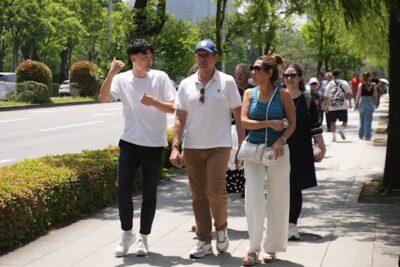
Imperial Palace and Shogun Historical Walking Tour
Read our review →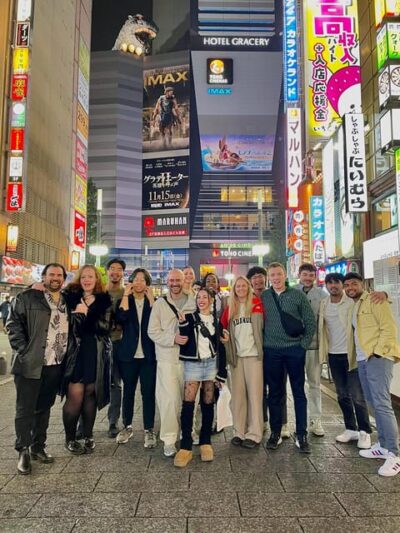
Shinjuku Local Bar and Izakaya Guided Walking Tour
Read our review →
Asakusa Walking Tour with Sensoji Temple Visit
Read our review →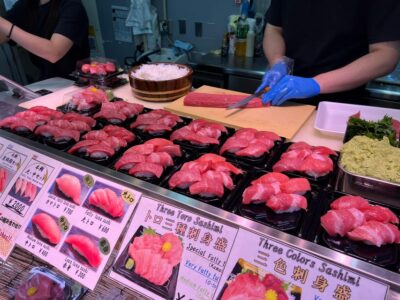
Tokyo Castle & Imperial PalaceーShogun Walking Tour
Read our review →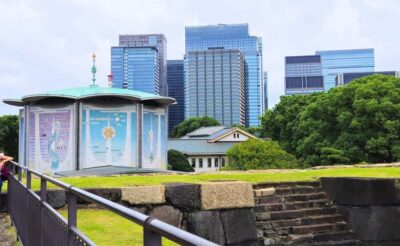
Browse the lists this tour appears in