
Reviewed · WALKING TOURS
Tokyo Private Customized Walking tours with Local guide
Tokyo Private Customized Walking Tours are built around one useful idea: you choose the pace and interests, and a local guide helps turn them into a workable day. You might spend time at Shibuya Crossing, visit the Imperial Palace area, explore Japanese pop culture, and pray at a quiet shrine or temple. The private format also lets you ask questions without keeping up with a large group.
I like the flexible two to eight-hour length, which works for both a quick city introduction and a full day on foot. I also like the personal planning: after booking, you can discuss your interests with the guide by email or chat, instead of accepting a fixed route. The main consideration is that public transport, food, and drinks cost extra, and the broad itinerary means you should confirm exactly which sights you will visit.
In This Review
- Key points at a glance
- A private way to meet Tokyo on your terms
- Starting in Marunouchi and planning the right first stop
- Shibuya Crossing, Tokyo’s great first impression
- The Imperial Palace and central Tokyo
- Japanese pop culture without a fixed script
- Tokyo’s best-known temple and the quieter side of Japan
- How the two to eight hours can work
- What the private format is really worth
- Practical details before you reserve
- Who will get the most from this Tokyo tour
- Should you book it?
- FAQ
- How long does the private Tokyo walking tour last?
- Is hotel pickup included?
- Where does the tour start and end?
- Does the tour include public transportation?
- Are food and drinks included?
- Can the guide customize the itinerary?
- What is the cancellation policy?
Key points at a glance
- Private route for your group: You do not share the activity with other participants.
- Plan before you arrive: Your local guide customizes the route through email or chat after booking.
- Four strong Tokyo themes: Shibuya Crossing, the Imperial Palace, Japanese pop culture, and a major Tokyo temple are all possible parts of the day.
- Flexible length: Book a shorter two-hour outing or stretch the experience to about eight hours.
- Hotel pickup is included: Flexible start times are suggested based on your date and hotel.
- Quiet Tokyo is possible: Guide Taka’s route included a shrine and less crowded places for one guest seeking a slower side of Japan.
A private way to meet Tokyo on your terms
Tokyo can feel like several cities stitched together. One hour puts you among giant video screens and crossing crowds. The next may bring a shrine, a palace garden, or a calm side street. A private walking tour can help you connect those contrasts without spending your first day guessing which train, neighborhood, or landmark fits your interests.
This experience is not a fixed sightseeing march. The guide works with you after booking to build the route. You can ask for major sights, local atmosphere, pop culture, temples, or a quieter outing. That freedom matters in Tokyo, where the best plan depends on your energy, hotel location, and how much time you have.
The listed price is $40 per person, which is a low starting price for a private activity. The value depends heavily on the length of your booking and the size of your group. At two hours, you are paying for a short orientation and personal help. At a longer duration, the guide’s planning and company can make the fee especially useful for first-time visitors or anyone who does not want to build a Tokyo route alone.
Remember that transportation, meals, and drinks are not included. Since Tokyo’s rail system is a major part of getting around, your final cost can rise if the plan covers several districts. Ask the guide how much walking and public transport the proposed route involves before you agree to the schedule.
More walking routes in Tokyo:
- Tokyo Tsukiji Fish Market Food and Culture Walking Tour
★ 5.0 · 3,184 reviews - Tokyo: Imperial Palace and Shogun Historical Walking Tour
★ 5.0 · 2,251 reviews - Tokyo: Shinjuku Local Bar and Izakaya Guided Walking Tour
★ 4.9 · 1,794 reviews
Starting in Marunouchi and planning the right first stop
The stated meeting point is in Marunouchi, Chiyoda City, near central Tokyo. The activity also includes hotel pickup, so confirm the exact pickup arrangement after booking. The information gives flexible start times, with the guide suggesting the best time based on your hotel and date.
This flexibility is practical. A morning route may suit you if you want to begin before a long day of sightseeing. A shorter afternoon outing can work if you are arriving in Tokyo, adjusting to the time difference, or fitting the tour around another booking. Layover visitors are welcome, and the provider says it can guide you directly from the airport.
For a layover, be careful with your time. The tour lasts approximately two to eight hours, but airport procedures and traffic are not included in that estimate. Ask for a compact route before booking, and make sure the return plan leaves enough time for your onward flight.
The end point is back at the meeting point. If hotel pickup is arranged, clarify whether the guide returns you to the listed meeting point or handles the pickup and return in another way. A quick message can prevent confusion on the day.
Shibuya Crossing, Tokyo’s great first impression
The Shibuya Scramble Crossing is the clearest crowd scene on the suggested route. When the signals change, people stream across from several directions while enormous signs and storefronts frame the intersection. It is a quick lesson in Tokyo’s scale and energy.
The listed stop allows about one hour, with no admission fee. That makes it an efficient stop for a private walking tour. You can watch the crossing, take photographs, and ask your guide how the area fits into modern Tokyo. The experience is less about entering a paid attraction and more about seeing one of the city’s most recognizable public spaces with context.
The drawback is simple: Shibuya Crossing is not a peaceful place. If you prefer quiet streets, tell your guide early. The route can still include Shibuya as a brief look before moving toward a calmer neighborhood, but the tour’s flexibility only helps if you explain what you want.
I would use this stop as a starting point, not the entire reason to book. On its own, the crossing takes little time. Its value grows when the guide links it to your wider interests in city life, shopping, youth culture, or Japanese pop culture.
The Imperial Palace and central Tokyo
The Imperial Palace gives the tour a different mood from Shibuya. It places you in central Tokyo, where broad spaces and historic royal associations replace the noise of the crossing. The stop is listed without a fixed duration or a detailed access plan, so you should ask what you will see and whether the visit focuses on the grounds, views, or surrounding area.
That detail matters. A stop near the Imperial Palace does not automatically mean entry to every section. Opening arrangements and access can vary, and this activity does not list a separate palace admission ticket. Confirm the plan with your guide rather than assuming a full interior visit.
The palace area can work well in a customized route because it offers a break from dense commercial districts. If your interests include Tokyo’s government center, imperial history, or open city spaces, request enough time here. If you have only two hours, you may prefer to keep the visit brief and focus on one nearby district.
The palace also helps balance the tour. Shibuya shows Tokyo’s modern public life. The Imperial Palace area can provide a more measured central setting. Your guide’s role is to decide whether that contrast fits your day, not simply to check off another name.
A few more Tokyo bookings worth comparing
- Mt Fuji and Hakone 1-Day Bus Tour Return by Bullet Train
★ 5.0 · 26,383 reviews - 1-Day Tokyo Bus Tour
★ 5.0 · 14,250 reviews - Tokyo: TOKYO SKYTREE® Admission ticket
★ 4.5 · 11,192 reviews - Tokyo: teamLab Planets TOKYO Digital Art Museum Entry Ticket
★ 4.6 · 9,779 reviews
Japanese pop culture without a fixed script
The pop culture stop is one of the most open-ended parts of the experience. The itinerary says you will experience Japanese pop culture, but it does not name a district, shop, museum, or venue. That gives you room to shape the stop, but it also means you need to be specific.
Tell the guide what pop culture means to you. You might be interested in anime, manga, games, character goods, music, or the general atmosphere of Tokyo’s youth-oriented districts. Do not assume the guide will choose the exact theme you have in mind unless you discuss it before the tour.
This is where the private format has real value. A large group normally follows a preset route. Here, your guide can spend more time on the subject you actually care about, or keep the stop short if it is only one part of a wider day.
Because no admission costs are listed, ask whether the planned visit involves free public areas or paid venues. Food and drinks are also excluded. If you want to stop for a themed snack or meal, budget for it separately and include that request in your planning message.
Tokyo’s best-known temple and the quieter side of Japan
The tour also includes a visit to what is described as Tokyo’s most famous temple, though the name is not specified. Ask the guide to identify the temple before the day begins. That one question will tell you how much time to allow, what kind of visit to expect, and whether it suits your interests.
A temple visit adds something that a district-by-district sightseeing plan can miss. You can pause, observe local customs, and see a religious site as part of daily life rather than as a quick photograph. The experience can also offer a calmer change of pace after Shibuya or a pop culture district.
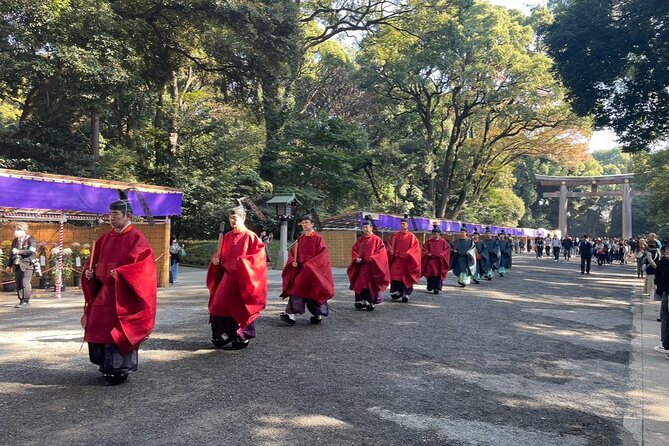
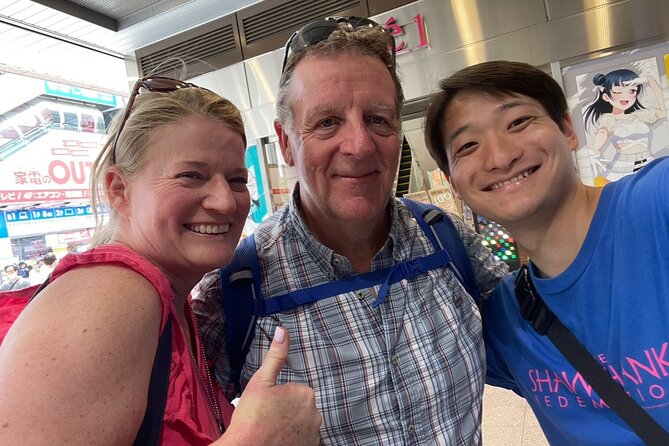
The most specific personal detail available from this experience comes from a route with Taka. The guest wanted quiet places, and Taka included a shrine where the guest could pray, along with less crowded sights. That suggests you should not treat this as only a greatest-hits tour. If you ask for a slower route, a guide may be able to include peaceful religious sites along with major landmarks.
Still, do not assume every booking includes that same guide or the same shrine. Taka is the only guide name provided, and guide assignment is not otherwise specified. Request the style you want, such as quiet routes, religious sites, or major landmarks, when you arrange the tour.
How the two to eight hours can work
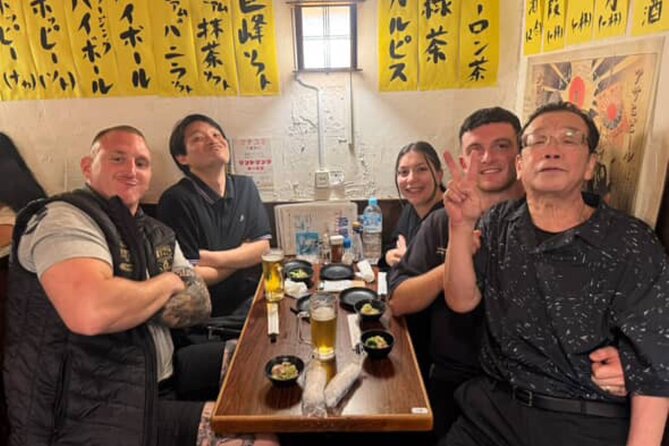
The wide duration range is useful, but it requires planning. A two-hour tour cannot give equal attention to Shibuya, the Imperial Palace, pop culture, and a temple, especially if you use trains between districts. You will need to choose one clear theme or a compact central route.
A four-hour booking gives you more room for contrast. You might combine a central landmark with one cultural stop and a temple, depending on the meeting point and transport time. At six to eight hours, the guide has a better chance to build a varied day, but you should still avoid treating every listed stop as guaranteed in full detail.
Walking comfort matters as well. The activity is described as a walking tour, and public transport is not included. You may spend much of the day on your feet, with rail or subway rides added between areas. Tell the guide about your preferred pace and any limits before the itinerary is prepared.
I would choose the duration this way:
- Two hours: Best for a quick introduction, a layover, or one focused neighborhood.
- Four hours: A good middle choice for first-time Tokyo sightseeing with two or three themes.
- Six to eight hours: Better for a broad custom route, provided you are comfortable walking and paying for transport and meals separately.
What the private format is really worth
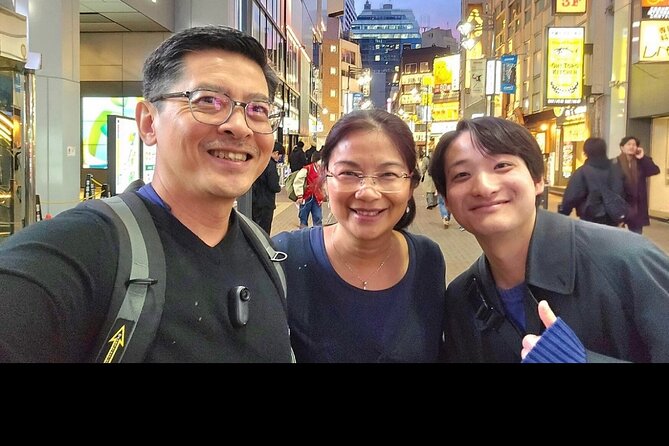
The private setup means only your group participates. That gives you more control over timing, questions, photographs, and breaks. It also removes the pressure of matching strangers who may want a faster or slower day.
The strongest value comes from planning help. Tokyo is easy to visit with a map, but it is not always easy to judge how long a route will take or how well two districts fit together. A guide who discusses your interests in advance can help prevent an overpacked day.
The $40 price should not be viewed as an all-inclusive Tokyo sightseeing ticket. It covers the guiding experience, hotel pickup, and the planning connection, but not transport, meals, drinks, or possible admission fees. For a solo guest, the per-person price is straightforward. For a group, ask about the available group discount and compare the total cost with what you would pay for a larger shared tour.
The 5 out of 5 rating from 23 reviews, with 100 percent recommending the experience, points to a strong satisfaction record. The most praised quality is not a particular landmark. It is the relaxed, personal route, especially the chance to see quiet places and pray at a shrine. That makes the tour more appealing if you value atmosphere over a rapid checklist.
Practical details before you reserve
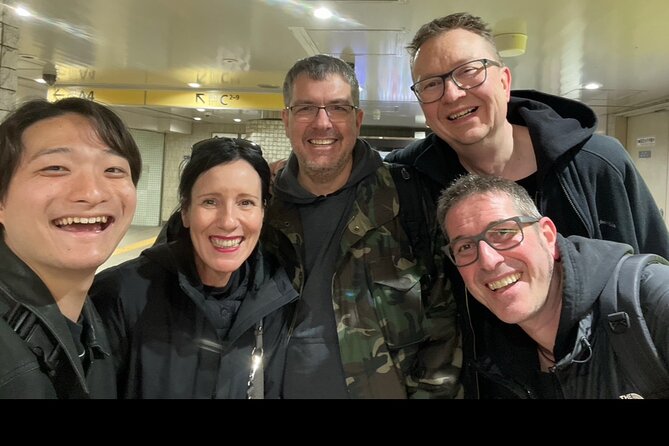
Confirmation arrives at booking. After that, use the email or chat contact to settle the details that the general description leaves open.
Ask these questions:
- Which guide is assigned to your date?
- Can the route include quiet shrines as well as major sights?
- Which temple is planned?
- What exactly does the Imperial Palace stop include?
- Which pop culture district or venue will you visit?
- Where will hotel pickup take place?
- How much walking and public transport should you expect?
- Are any admission fees part of the plan?
The activity is near public transportation, and most people can participate. Service animals are allowed. Since the group is private, you can discuss the pace and route directly with your guide, though the supplied information does not describe special accessibility arrangements beyond those points.
Free cancellation is available if you cancel at least 24 hours before the local start time. Inside that window, you will not receive a refund, and changes are not accepted. Keep the local cut-off time in mind if you are booking from another time zone.
Who will get the most from this Tokyo tour
I would recommend this experience to a first-time visitor who wants help connecting several sides of Tokyo. It also suits solo visitors, couples, families, and small groups who prefer private attention to a fixed group route.
It is particularly useful for you if you:
- Want a local guide but do not want a full-day package with a preset schedule.
- Have a strong interest in temples, pop culture, central Tokyo, or quiet places.
- Are visiting during a layover and need a flexible start.
- Prefer to set the pace and ask questions as you go.
- Want hotel pickup and advance route planning.
I would be more cautious if you want a fully specified sightseeing product. The temple and pop culture stops are not named, the Imperial Palace arrangements are not detailed, and transport costs are separate. You will need to take an active role in planning rather than simply showing up for a guaranteed sequence of attractions.
Should you book it?
Book this Tokyo private walking tour if you value a personal, adjustable day more than a rigid list of stops. The combination of Shibuya Crossing, the Imperial Palace, pop culture, and a major temple gives your guide a useful range of options. The possibility of a quiet shrine visit, as in Taka’s route, is a real strength for anyone who wants more than Tokyo’s famous crowds.
Before paying, send a clear message with your interests, available time, desired pace, hotel location, and must-see places. Ask for the exact temple, pop culture stop, pickup plan, and expected transport cost. If those details match what you want, $40 per person can be good value for private guidance. If you want admission tickets, meals, and transportation bundled into one price, choose a different type of tour.
FAQ
How long does the private Tokyo walking tour last?
The experience lasts approximately two to eight hours, depending on the option and the itinerary arranged with your local guide.
Is hotel pickup included?
Yes. Hotel pickup is included, and the guide suggests a flexible start time based on your date and hotel. Confirm the exact pickup arrangement after booking.
Where does the tour start and end?
The stated meeting point is Marunouchi, Chiyoda City, Tokyo 100-0005, Japan. The activity ends back at the meeting point.
Does the tour include public transportation?
No. Public transportation is not included in the price.
Are food and drinks included?
No. Food and drinks are not included.
Can the guide customize the itinerary?
Yes. After booking, your local guide customizes the tour through email or chat. The suggested themes include Shibuya Crossing, the Imperial Palace, Japanese pop culture, and Tokyo’s most famous temple.
What is the cancellation policy?
You can cancel for a full refund up to 24 hours before the experience start time. Cancellations or changes made less than 24 hours before the start are not accepted for a refund.
New on our Tokyo list
- Sumi-e Experience in a relaxing green tea shop in Tokyo★ 5.0 · 3 reviews
- Tokyo : Kamikaze Street Drift Ride★ 5.0 · 3 reviews
- Private Zen Meditation in English in Shinjuku, Tokyo★ 5.0 · 3 reviews
- Onsen Spa in Tokyo and Asakusa Bar Hopping with Local Guide★ 5.0 · 3 reviews
- Easy for everyone! Now you can play handmade mini shamisen and show off to everyone! Musical instruments, sweets and live music★ 5.0 · 3 reviews
- Tokyo: Private Tsukiji Street Food & Sake with Local Guide★ 5.0 · 3 reviews
- Mt Fuji Exploration Tour with Free Japanese Kusa Mochi from Tokyo★ 4.5 · 3 reviews
- Tokyo Tsukiji Fish Market Walking and Exploring Hidden Gems Tour★ 5.0 · 3 reviews
Walking Tours, compared.
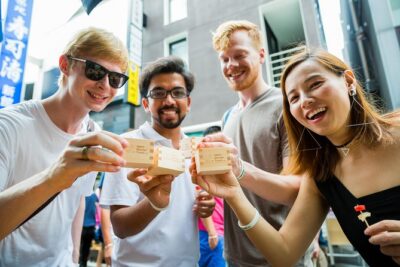
Tokyo Tsukiji Fish Market Food and Culture Walking Tour
Read our review →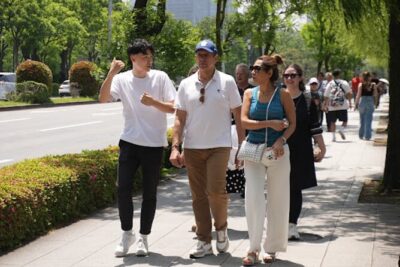
Imperial Palace and Shogun Historical Walking Tour
Read our review →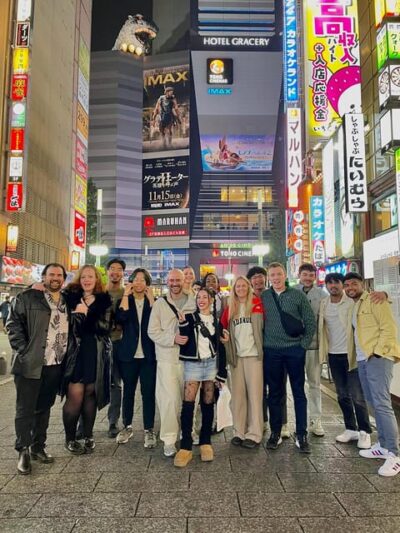
Shinjuku Local Bar and Izakaya Guided Walking Tour
Read our review →
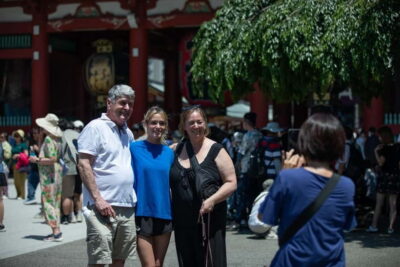
Asakusa Walking Tour with Sensoji Temple Visit
Read our review →
Tokyo Castle & Imperial PalaceーShogun Walking Tour
Read our review →
Browse the lists this tour appears in