Reviewed · PRIVATE
Tokyo Private Day Tour by Car with English speaking Driver
Tokyo is too large to understand in one quick sweep, but this private car tour gives you a useful first look without asking you to decode the train map every hour. You can connect old Tokyo at Senso-ji with Tsukiji’s food stalls, Meiji Jingu’s forest setting, and the neon rush of Shibuya in one day.
I like two things here: the custom itinerary and the comfort of a private vehicle for up to six people. Drivers such as Rockey and Babu have been praised for friendly service, good knowledge of Tokyo and Japan, and careful attention to the day. The tradeoff is simple: with nine possible stops and only eight hours, you must choose between seeing many places quickly and giving a few of them proper time.
In This Review
- Key points to know before booking
- Why a private car helps in enormous Tokyo
- Senso-ji: your first taste of old Tokyo
- Tokyo Skytree and the cost of going up
- Imperial Palace East Gardens and Edo Castle traces
- Meiji Jingu, Yoyogi Park, and Takeshita Street
- Tsukiji Outer Market is the best lunch stop
- Tokyo Tower for a classic Tokyo view
- Shibuya Crossing in a short, sharp stop
- Ueno Park and Shinjuku Gyoen: choose your garden
- How to make eight hours work
- What the $388 group price really buys
- Who will get the most from this day
- Should you book this Tokyo private car tour?
- FAQ
- How long does the Tokyo private car tour last?
- How many people can join the private tour?
- Is hotel pickup offered?
- Are Tokyo Skytree and Tokyo Tower admission tickets included?
- Is lunch included?
- What is included in the tour price?
Key points to know before booking
- A private car for up to six people makes the $388 group price most attractive when shared by a full party.
- Senso-ji and Tsukiji give you two of Tokyo’s best introductions: temple tradition and Japanese food.
- Rockey and Babu are named as English-speaking driver-guides praised for service and Tokyo knowledge.
- Skytree and Tokyo Tower admission cost extra, so skyline views require a little added planning.
- The schedule is flexible, but the listed stops add up to more than eight hours if you try to visit them all fully.
- Hotel pickup is offered, and the price includes the vehicle, fuel, highway tolls, and bottled water.
Why a private car helps in enormous Tokyo
Tokyo’s train system is excellent, but a first day can still feel like a test in navigation. Stations are large, attractions are spread across several parts of the city, and a stop that looks close on a map may take time to reach.
This tour gives you a driver who handles the movement between districts while you focus on the city outside the window. The air-conditioned vehicle matters most if you are traveling with children, older family members, or a group carrying shopping bags and camera gear.
The private format also gives you control. You can ask to focus on food, traditional sights, modern Tokyo, gardens, or a broad introduction. The supplied plan includes many major stops, but it is clearly intended to be adjusted rather than followed as a rigid checklist.
I would discuss your priorities before the car sets off. If Senso-ji, Tsukiji, and Meiji Jingu matter most, say so. If the view from Skytree is your main goal, reserve enough time for admission and the visit instead of trying to squeeze in every garden and neighborhood.
A few more Tokyo bookings worth comparing
- Mt Fuji and Hakone 1-Day Bus Tour Return by Bullet Train
★ 5.0 · 26,383 reviews - 1-Day Tokyo Bus Tour
★ 5.0 · 14,250 reviews - Tokyo: TOKYO SKYTREE® Admission ticket
★ 4.5 · 11,192 reviews
Senso-ji: your first taste of old Tokyo
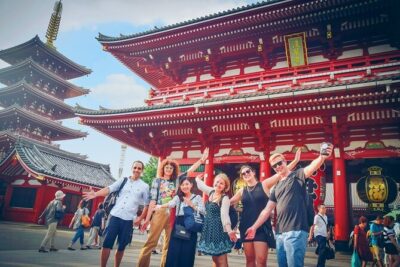
Senso-ji is a strong opening stop because it gives you a clear sense of Tokyo’s older religious and commercial side. The temple is one of the city’s best-known sights, and the surrounding shopping street gives you a chance to browse souvenirs and try simple Japanese snacks.
Plan on about an hour. That is enough for a quick visit, but not much more. Dango, small mochi balls, and agemanjū, a deep-fried sweet filled with bean paste, are among the foods you can look for near the temple area.
I like this stop for its mix of ritual and everyday life. You are not only looking at a major building. You are also seeing a place where food stalls, souvenir shops, and temple visitors share the same busy approach.
Admission is free. If you enjoy buying small gifts, this is one of the better places in the day to do it, since the stop is designed around both sightseeing and browsing.
Tokyo Skytree and the cost of going up
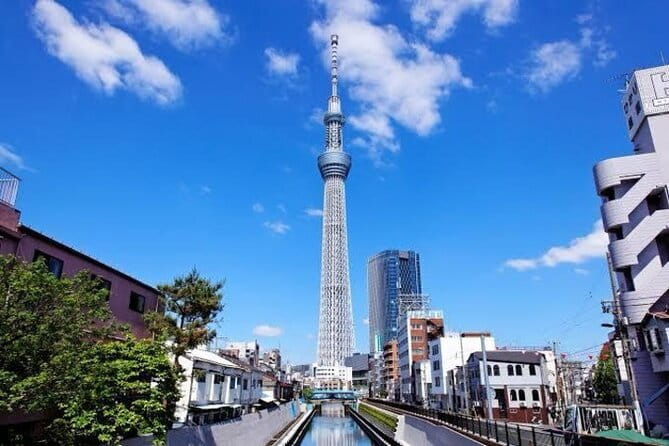
At 634 meters, Tokyo Skytree is the tallest tower in Japan and one of the defining points of the city skyline. From its observation areas, you can look out over the enormous spread of Tokyo and better understand how far apart the day’s districts really are.
The tour allows about an hour here, but admission is not included. The listed estimate is less than $20 per person. That extra charge is reasonable if a high view is important to you, but it changes the cost of the day, especially for a larger group.
I would decide in advance if you want to go inside. A short photo stop outside takes little time, while entering the tower can make the schedule tighter. If clouds or poor visibility affect the day, the value of the ticket may also be less appealing, though the tour information does not promise any weather adjustment.
Skytree pairs well with Senso-ji because both are in the eastern part of Tokyo. Seeing them together reduces unnecessary crossing of the city and gives the morning a sensible rhythm.
Imperial Palace East Gardens and Edo Castle traces
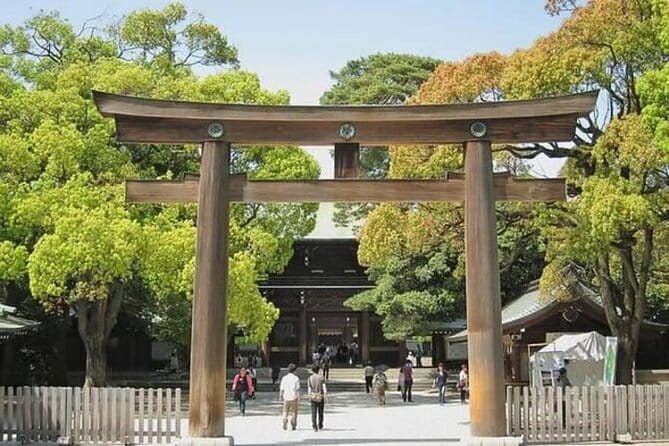
The Imperial Palace East Gardens occupy part of the former inner defenses of Edo Castle. The setting offers a calmer break after the crowds and movement around Senso-ji and Skytree.
The gardens are free to enter, and the suggested visit lasts about an hour. I would not think of this as a palace interior tour. The appeal is the open grounds and the chance to connect modern Tokyo with the city’s former castle center.
This is a useful stop for anyone who wants more than shopping streets and famous photo spots. It also gives the private-car day some breathing room. If your group needs a pause between major sights, the gardens may be more rewarding than adding another observation deck.
Hours and access can affect any garden visit, so you should confirm the operating details when booking or before departure. The supplied tour information does not provide a guaranteed opening schedule.
Same corner of Tokyo, a completely different plan:
- Tokyo: teamLab Planets TOKYO Digital Art Museum Entry Ticket
★ 4.6 · 9,779 reviews - Mt Fuji & Hakone Cruise, Drum Show Bullet Train 1 Day from Tokyo
★ 4.0 · 7,413 reviews - Tokyo: Sumo Show Experience with Chicken Hot Pot and a Photo
★ 4.8 · 6,678 reviews - Tokyo: Shinjuku Food Tour (13 Dishes at 4 Local Eateries)
★ 5.0 · 6,603 reviews
Meiji Jingu, Yoyogi Park, and Takeshita Street
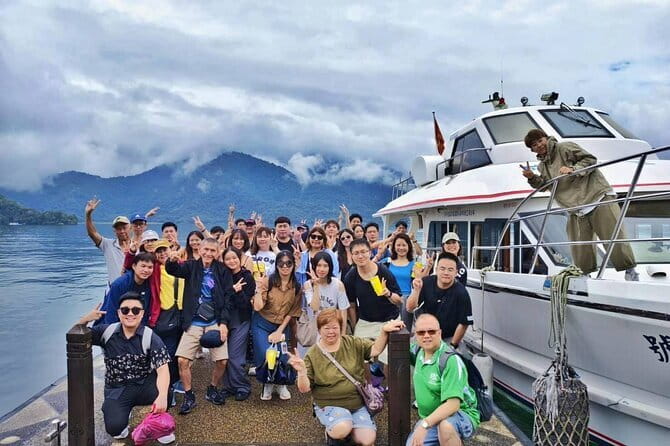
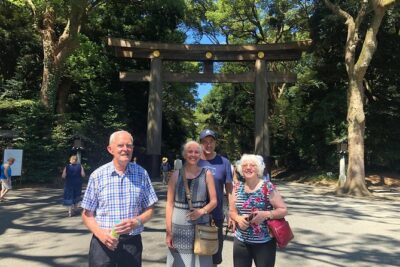
Meiji Jingu is dedicated to the deified spirits of Emperor Meiji and Empress Shoken. Completed in 1920, it is one of Tokyo’s most important Shinto shrines and offers a very different setting from the dense streets around Shibuya and Shinjuku.
The approach through the trees is part of the experience. You can spend about an hour at the shrine, with Yoyogi Park and Takeshita Street available as optional additions. That combination lets you compare quiet shrine grounds with the youth fashion and street culture associated with Harajuku.
This is one of the most flexible parts of the day. If you prefer religious sites and gardens, give Meiji Jingu more attention. If you want to observe cosplay, youth style, and the busy shopping atmosphere around Takeshita Street, you will need to divide the time carefully.
I like the contrast here. Tokyo is not one single mood, and this stop makes that clear within a short distance. Just remember that adding both optional areas can crowd an already full schedule.
Tsukiji Outer Market is the best lunch stop
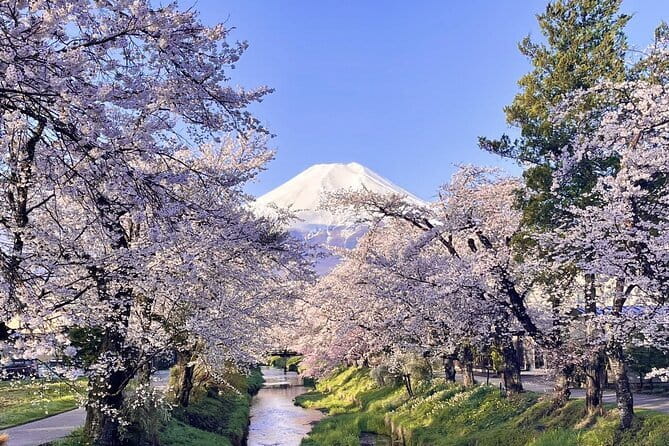
Tsukiji’s wholesale fish market moved elsewhere, but the Outer Market remains a major food stop. You can find stalls and restaurants serving raw and cooked seafood, along with other Japanese foods.
The tour allows about an hour, with lunch paid separately. That makes Tsukiji one of the easiest places to personalize the day. You can choose a quick snack, sit down for a meal, or simply walk through the market atmosphere.
I would protect this hour rather than treating it as a rushed photo stop. Food is one of the strongest ways to make a Tokyo introduction feel specific, and Tsukiji gives you a chance to choose what appeals to you instead of eating from a fixed group menu.
The main limitation is cost control. Lunch is not included, and the tour does not set a fixed restaurant or meal price. If you are watching your budget, decide how much time and money you want to spend before you arrive.
Tokyo Tower for a classic Tokyo view
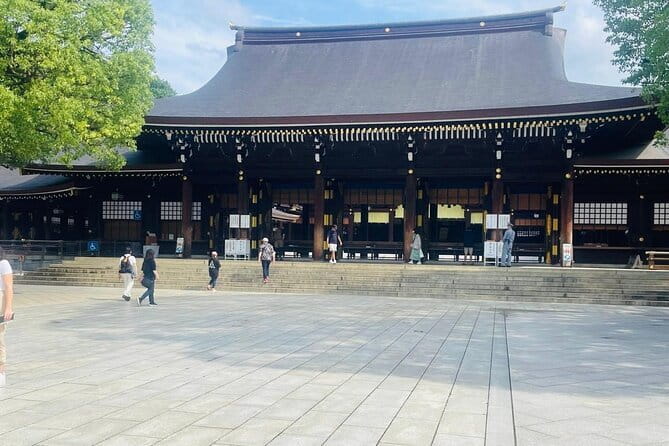
Tokyo Tower offers a different kind of skyline experience from Skytree. Its retro design is part of the appeal, and the tower remains one of the city’s most recognizable landmarks.
Admission is not included, with an estimated cost of less than $6. That is a modest extra compared with Skytree, but visiting both towers may not be the best use of an eight-hour day unless skyline views are your top priority.
I see Tokyo Tower as the better choice for atmosphere and photographs, while Skytree gives you the higher viewpoint. If you have limited time, ask your driver to help you choose one rather than paying for both and rushing through the rest of Tokyo.
A one-hour allocation is listed, but the actual time needed will depend on whether you go inside or simply stop nearby. Your driver can help shape that decision around traffic and the rest of your route.
Shibuya Crossing in a short, sharp stop
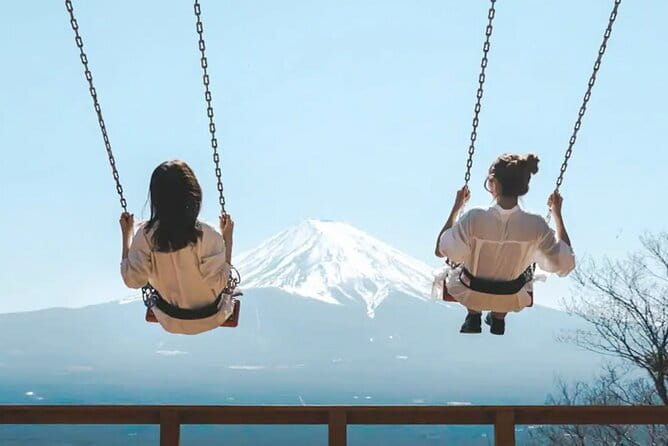
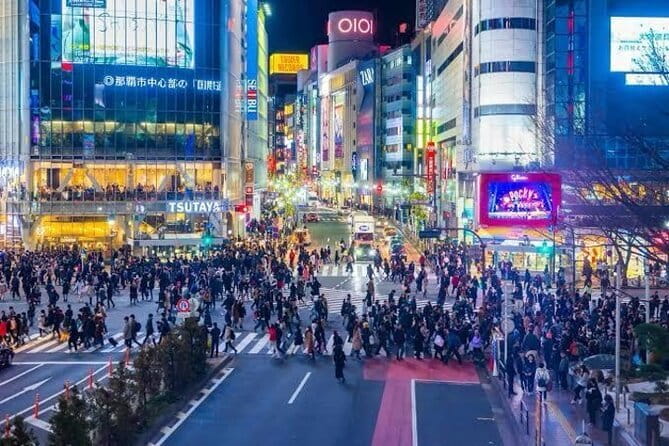
Shibuya Crossing is the city’s famous intersection, where several streams of people move across the road at once. The tour allows about 30 minutes, and admission is free.
That is enough for a look, photos, and a sense of the area. It is not enough for a full exploration of Shibuya’s shops, restaurants, and side streets. You should treat this as a landmark stop rather than a neighborhood tour.
I like the short format here because the crossing itself does not require a long visit. It also gives you a strong contrast with the Imperial Palace gardens and Meiji Jingu. You move from quiet historic spaces to one of Tokyo’s most recognizable modern scenes.
Traffic can make the timing of a Shibuya stop less predictable. A private car gets you close to the area, but the driver cannot remove the city’s congestion or the walking required around major pedestrian zones.
Ueno Park and Shinjuku Gyoen: choose your garden
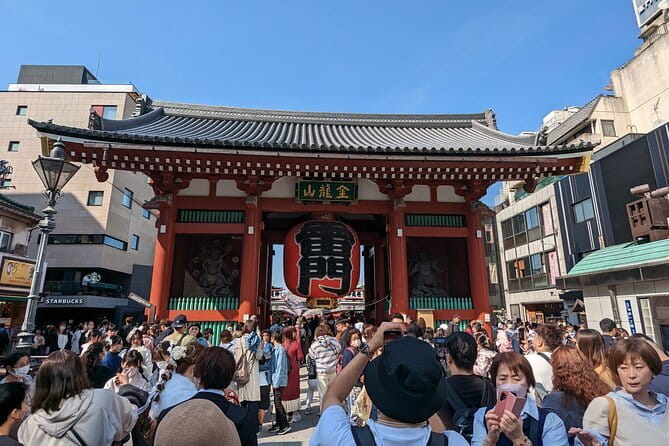
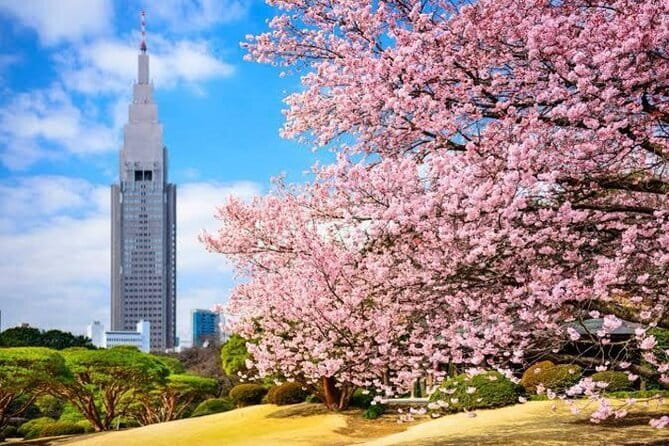
Ueno Park is one of Tokyo’s largest parks and is especially known for cherry blossoms. The optional visit lasts about 30 minutes, so it works best as a quick addition if your group wants a park break or seasonal scenery.
Shinjuku Gyoen National Garden receives about an hour in the proposed schedule. It brings together Japanese, English, and French garden styles, making it a more substantial garden visit than the short Ueno option.
The two parks serve different purposes. Ueno is a convenient brief stop, while Shinjuku Gyoen deserves more time if you enjoy gardens and want a slower section of the day. You probably should not try to give both full attention while also visiting every temple, tower, market, and neighborhood on the list.
Shinjuku Gyoen began as a feudal lord’s residence during the Edo period, later served as an imperial garden, and opened to the public in its present form in 1949. Admission is not included, so check the extra cost when planning. The supplied information does not give a price for this garden.
How to make eight hours work
The suggested stops total more than eight hours if you add every listed allocation. Senso-ji, Skytree, the Imperial Palace East Gardens, Meiji Jingu, Tsukiji, Tokyo Tower, Shibuya, Ueno, and Shinjuku Gyoen would require about 7.5 hours of stop time before driving, parking, meals, ticket lines, and optional detours.
That is not a flaw in the private format. It simply means the list is a menu. The value comes from choosing a workable combination with your driver.
For a first visit, I would consider one of these patterns:
- Senso-ji, Skytree, Imperial Palace East Gardens, Tsukiji, and Shibuya for temples, skyline, history, food, and modern Tokyo.
- Meiji Jingu, Takeshita Street, Shibuya, Tokyo Tower, and Tsukiji for shrine tradition, youth culture, a landmark, and lunch.
- Senso-ji, Imperial Palace East Gardens, Meiji Jingu, Tsukiji, and Shinjuku Gyoen for a calmer day with more historic and garden time.
These are suggestions, not fixed routes. The key is to avoid paying for a private day and then turning it into a race from one parking area to another.
What the $388 group price really buys
The price is $388 for a group of up to six people. With six people, that works out to about $64.67 each before optional admissions and lunch. For two people, the same vehicle costs $194 each, so the value depends heavily on group size.
The price includes private transportation, an air-conditioned vehicle, highway tolls, gasoline or fuel costs, and bottled water. Those inclusions matter because they remove several small expenses that can add up during a long day.
You are paying mainly for time, control, and movement between far-flung parts of Tokyo. You are not getting lunch or admission to Skytree, Tokyo Tower, or the Tokyo National Museum. The museum is mentioned as a possible sight, but it is not part of the detailed stop schedule and its admission is listed as less than $6.
I think the tour makes the most financial sense for a family or group of friends who can fill most of the six seats. Solo visitors and couples may find public transportation less expensive, though they would give up the convenience and private planning.
Who will get the most from this day
I would recommend this experience to first-time visitors who want a broad introduction without managing every train connection. It also suits families, mixed-age groups, and anyone who prefers a driver-guided day to a large shared coach.
The tour works particularly well if you already know your priorities. Tell the company if food, temples, gardens, Tokyo’s modern districts, or skyline views matter most. The more precise you are, the more useful the flexible format becomes.
It may be less suitable if you want a slow, specialist visit to one neighborhood. Tsukiji, Harajuku, Shibuya, and the palace area each could fill far more than an hour. A private car can connect them, but it cannot give you a full local exploration of all four in one afternoon.
The English-speaking driver is central to the experience. Rockey is praised for an excellent day around Tokyo, with special appreciation for the palace gardens. Babu is praised for a cordial manner and strong knowledge of Tokyo and Japan during a Tokyo evening tour. Driver assignments can vary, so you should not assume either person will be behind the wheel for your booking.
Pickup is offered in Tokyo, and the experience is a private activity for your group only. Confirmation is provided at booking, and the tour is near public transportation, though the main benefit is that you do not need to use it for the day.
You can cancel for a full refund up to 24 hours before the local start time. Changes or cancellations made inside that window are not accepted for a refund.
Should you book this Tokyo private car tour?
Book it if you want to cover several major Tokyo sights in one day, value a private vehicle, and can share the $388 cost with a group. I especially like it for a first full day, when the city’s scale can otherwise make planning tiring.
Before booking, choose your top four or five stops and accept that the rest may need to wait. If you want a relaxed market meal, time inside a tower, and a proper garden visit, do not attempt all nine places.
For a group of up to six, this is a practical way to get oriented and see both traditional and modern Tokyo with an English-speaking driver. For a couple on a tight budget, it is a convenience purchase rather than a bargain. The right choice depends less on the number of sights and more on how much you value comfort, flexibility, and a day built around your own interests.
FAQ
How long does the Tokyo private car tour last?
The tour lasts approximately eight hours.
How many people can join the private tour?
The private vehicle can accommodate a group of up to six people.
Is hotel pickup offered?
Pickup is offered in Tokyo. The exact pickup details are confirmed when you book.
Are Tokyo Skytree and Tokyo Tower admission tickets included?
No. Tokyo Skytree admission is listed at less than $20, and Tokyo Tower admission is listed at less than $6. These costs are paid separately.
Is lunch included?
No. Lunch at Tsukiji Outer Market is paid at your own expense.
What is included in the tour price?
The price includes an air-conditioned vehicle, private transportation, highway tolls, gasoline or fuel costs, and bottled water.
New on our Tokyo list
- From Tokyo: Mount Fuji & Hakone Full Day Private Tour★ 4.9 · 25 reviews
- Tokyo Spectacular View Day-Cruise in 90 Minutes★ 5.0 · 25 reviews
- Real Tokyo Runner Club : Daikoku Car Meet Night Tour with JDM Car★ 5.0 · 25 reviews
- 2.5 Hour-Guided Cycle Tour in the Central Tokyo★ 5.0 · 25 reviews
- Ramen Making from Scratch +Akihabara Tour –Cooking Class★ 5.0 · 25 reviews
- [Self-Drive] Tokyo & Daikoku Custom Car Driving Tour★ 4.9 · 25 reviews
- Tokyo: 2-Hour Night Bike Tour of the City’s Hidden Gems★ 4.9 · 25 reviews
- Samurai themed Entertainment show in Shinjuku★ 4.5 · 25 reviews
Private, compared.
Tokyo 6hr Private Tour with Government-Licensed Guide
Read our review →
Private Tour to Mt. Fuji and Hakone (Fully Licenced Operator)
Read our review →
Tokyo Customized Private Tour (Must See Places in 1 Day)
Read our review →
Mount Fuji Full-Day Private Tour from Tokyo (Customizable)
Read our review →
Private City Highlights Tour with Local Guide
Read our review →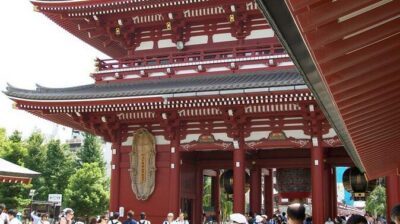
Tokyo 4hr Private Tour with Government-Licensed Guide
Read our review →