Reviewed · PRIVATE
Tokyo Private Tour! Edo Castle & Imperial Palace East Gardens
The most useful thing to understand is that this is a walking tour of the Imperial Palace East Gardens, not a tour inside the working Imperial Palace. Your guide leads you through former Edo Castle grounds, including the castle ruins, Ninomaru Garden, and Ote-mon Gate, while explaining how Tokyo grew from a shogun’s stronghold into Japan’s modern capital.
I like the private format, since your group can ask questions and set a comfortable pace. I also like the mix of quiet gardens and major historical sites, a welcome change from Tokyo’s packed streets. The main drawback is the title: if you expect rooms inside the palace or access to the Inner Palace, you will be disappointed. That area is not part of this experience.
In This Review
- Key points to know before you book
- What this private palace tour actually covers
- Starting at Wadakura Fountain National Park
- Ote-mon Gate and the first sense of Edo
- Edo Castle ruins and the city’s older power center
- Ninomaru Garden and a quieter side of central Tokyo
- Imperial family context without palace interiors
- What the private format adds
- English ability and guide quality
- Heat, pace, and comfort on the gardens walk
- Who will get the most from this experience
- Cancellation and booking details
- Should you book this East Gardens tour?
- FAQ
- Is this a tour inside the Imperial Palace?
- How long does the tour last?
- Where does the tour begin and end?
- What sites are included in the walk?
- Is this a private tour?
- What should I know about baggage inspection?
- Can I cancel for a full refund?
Key points to know before you book
- Edo Castle ruins provide the tour’s strongest historical focus, linking present-day Tokyo with the city’s shogun-era past.
- Ninomaru Garden adds a peaceful nature break, with Japanese garden design, plants, bridges, and seasonal flowers.
- Private guiding makes questions easy, and past guides including Naoko, Mikio, Shigeru, Yoshiko, and Ishida have been praised for clear explanations.
- The tour lasts about two hours, starts at Wadakura Fountain National Park, and finishes at the same meeting point.
- The gardens are free to enter, so you are paying for navigation, interpretation, and private attention rather than admission.
- Bring a light plan for heat, since this is an outdoor walk. Some guides have provided umbrellas and neck coolers during very hot weather.
What this private palace tour actually covers
Tokyo’s Imperial Palace area can be confusing because the name covers several different sections. This experience focuses on the East Gardens, one of the few parts of the former castle grounds open for regular public visits.
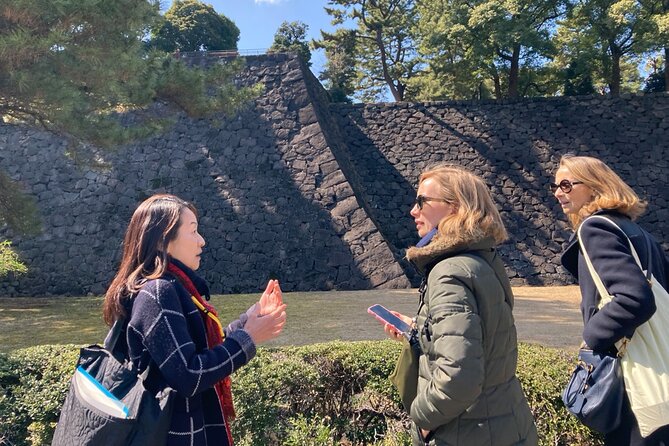
You will walk around the gardens with a guide rather than simply follow a path on your own. That matters here. The remains of Edo Castle are not always self-explanatory, and a stone base or old gate can look like just another piece of masonry without the right context.
The tour also gives you a chance to ask about the imperial family, Japanese customs, plants, castle design, and the shift from shogun rule to modern government. Guides have included Naoko, Akiyoshi, Shigeru, Mikio, Yoshiko, Hirashima, Taka, and Ishida Katsura. The exact guide is not fixed, so the style and depth of the conversation may vary.
This is a private activity, meaning only your own group participates. It is a useful choice for families, couples, and small groups who want to pause for questions instead of keeping up with a large crowd.
A few more Tokyo bookings worth comparing
- Mt Fuji and Hakone 1-Day Bus Tour Return by Bullet Train
★ 5.0 · 26,383 reviews - 1-Day Tokyo Bus Tour
★ 5.0 · 14,250 reviews - Tokyo: TOKYO SKYTREE® Admission ticket
★ 4.5 · 11,192 reviews
Starting at Wadakura Fountain National Park
The meeting point is Wadakura Fountain National Park at 3-1 Kōkyogaien in Chiyoda City. You begin near the palace grounds, then walk toward the East Gardens and their historic entrances.
The meeting point is close to public transportation, but you should still allow time to locate the exact spot. Tokyo’s central districts are well connected, yet large parks and palace grounds can make a simple meeting area feel less obvious than it looks on a map.
The tour ends back at the same meeting point. That makes planning easier if you have a lunch reservation, a museum visit, or another activity afterward. It also means you do not need to work out a new route at the end of the walk.
Upon entering the palace grounds, expect a baggage inspection. Leave Japanese knives or other objects that could be treated as weapons in a coin locker or similar storage before meeting the guide. This is especially important if you have been shopping in Tsukiji, Asakusa, or another market area.
Ote-mon Gate and the first sense of Edo
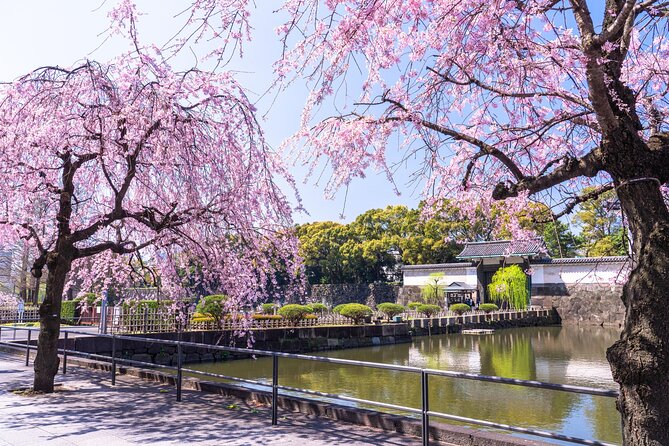
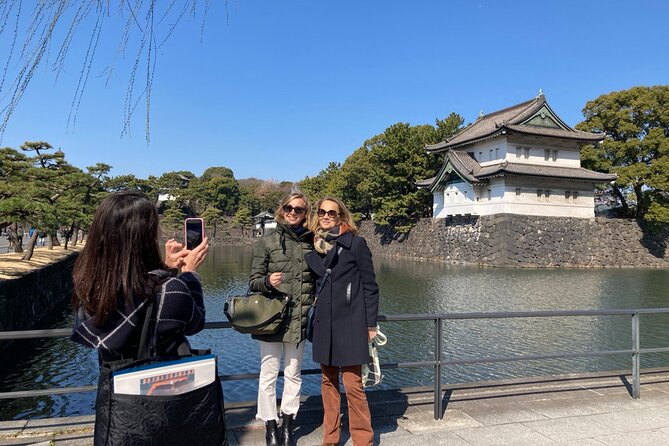
Ote-mon Gate is one of the important points on this route. It provides a strong introduction to the scale and defensive purpose of Edo Castle, once the center of political power under the shoguns.
A guide can help you read the site in a way that a solo walk may not. You may hear how the castle grounds were arranged, what different sections were used for, and how the site relates to the development of Tokyo. The physical remains are partial, so explanation is a major part of the experience.
I would pay close attention here if you enjoy history but do not usually read long museum panels. The guide turns the grounds into a connected story instead of a collection of gates, walls, and open spaces.
The route is outdoors, and the experience lasts about two hours. That is long enough to build a clear picture of the site without taking up half your day. It is also short enough to fit into a busy Tokyo schedule.
Edo Castle ruins and the city’s older power center
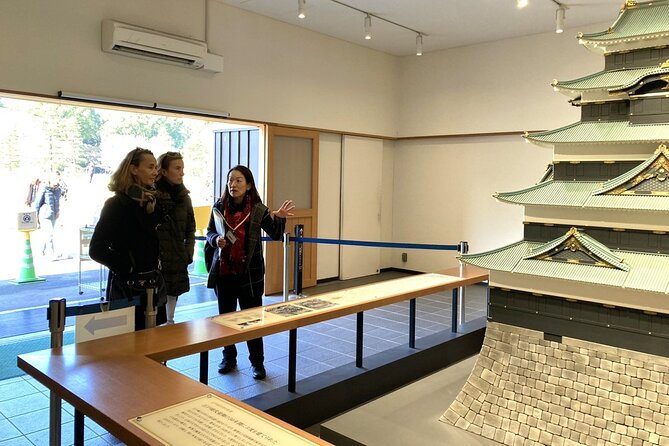
The Edo Castle ruins are the heart of the tour. You will see remnants of the castle complex and walk through areas that once belonged to one of Japan’s most important seats of power.
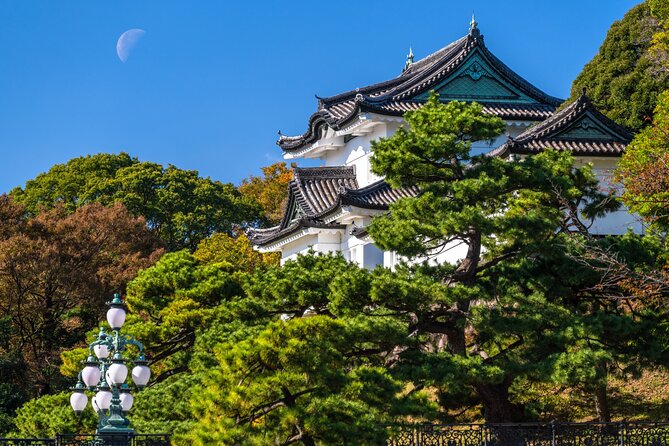
Do not arrive expecting an intact European-style castle with furnished rooms. What you see here is a historic site within a working capital, with stone foundations, open grounds, trees, and garden areas. The appeal comes from connecting the surviving structures to the larger castle that once occupied the site.
Several guides have been praised for explaining the castle and Japanese history in clear detail. Shigeru, for example, has been appreciated for answering many questions and discussing each section of the garden carefully. Akiyoshi has also led conversations about Japanese life and the continuing role of the imperial family.
That range of subject matter is one of the tour’s better features. You are not limited to dates and rulers. You can use the private setting to ask how the imperial institution fits into modern Japan, or how the country changed from the Edo period into the modern age.
The depth of the experience depends on your guide and your questions. Most of the available feedback is very positive, but one serious complaint concerned limited English communication. If detailed spoken English is essential to your visit, contact the provider before booking to confirm what language support you can expect.
Same corner of Tokyo, a completely different plan:
- Tokyo: teamLab Planets TOKYO Digital Art Museum Entry Ticket
★ 4.6 · 9,779 reviews - Mt Fuji & Hakone Cruise, Drum Show Bullet Train 1 Day from Tokyo
★ 4.0 · 7,413 reviews - Tokyo: Sumo Show Experience with Chicken Hot Pot and a Photo
★ 4.8 · 6,678 reviews - Tokyo: Shinjuku Food Tour (13 Dishes at 4 Local Eateries)
★ 5.0 · 6,603 reviews
Ninomaru Garden and a quieter side of central Tokyo
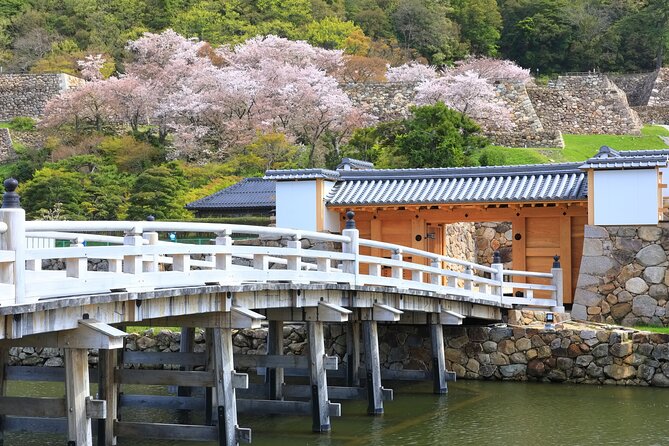
Ninomaru Garden changes the mood. After the castle remains, you move through a Japanese garden with water, plants, bridges, and carefully arranged views. It is a calm place to slow down, take photographs, and notice the contrast between the palace grounds and the surrounding city.
The garden is especially useful for visitors who want more than military and political history. Shigeru has been praised for explaining plants, and seasonal flowers add another reason to look closely rather than rush from one site to the next. Cherry blossoms can be especially beautiful in March and April, according to the tour information.
I like this part because it gives the walk some balance. The castle ruins explain power and control, while the garden shows a more refined side of Japanese design and courtly space.
You should not assume every plant will be in bloom during your visit. The garden changes with the seasons, and the experience is best viewed as a combination of history, design, and nature rather than a guaranteed flower display.
Imperial family context without palace interiors
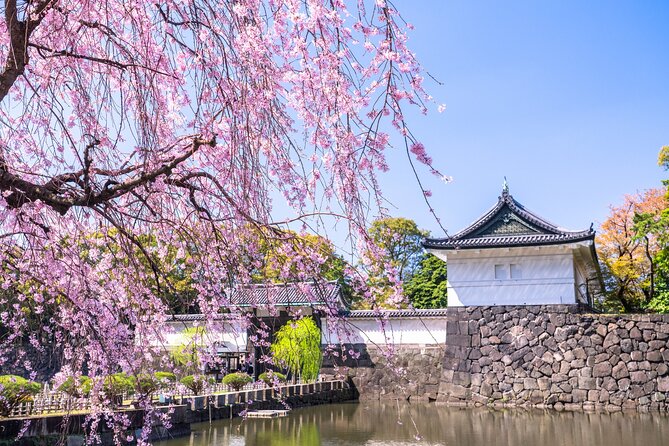
The guide also discusses the imperial family and the history connected with the palace grounds. This can help you understand why the area matters today, even though you do not enter the Inner Palace.
That distinction deserves attention. The tour does not provide access to the Inner Palace, and it does not take you through private or working palace interiors. You remain in the East Gardens and surrounding outdoor grounds.
For some people, that is exactly the right level of access. You get a central historical site, a garden walk, and an explanation of Japan’s imperial past without committing to a longer palace visit. For others, the lack of interior access will make the tour feel incomplete.
I recommend thinking of the experience as an Edo Castle and East Gardens walk. Book it for the ruins, gardens, gates, and historical setting. Do not book it if your main goal is to see the inside of the Imperial Palace.
What the private format adds
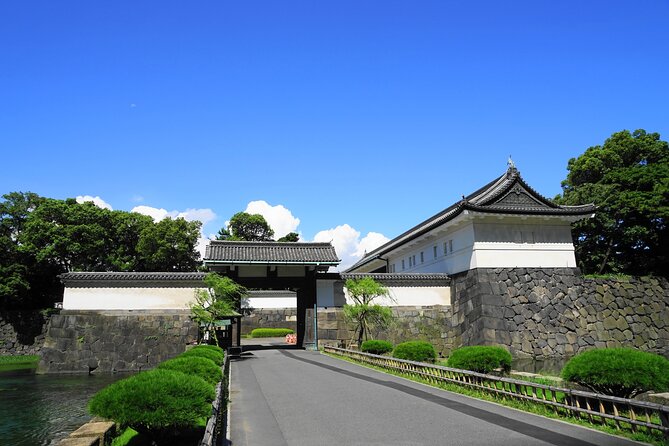
The private setup is more than a marketing label. With only your group and the guide, you can ask follow-up questions about topics that interest you. A family can pause when children need a break, while a fast-moving group can keep a quicker pace.
One past group appreciated a guide who matched their brisk walking speed while still sharing the information they wanted. Other groups valued patient answers and detailed explanations. This flexibility is harder to achieve on a standard group walk.
The tradeoff is price. At about $65.41 per person, the cost is not an admission fee, since entry to the gardens is free. You are paying for the guide’s time, route planning, private attention, and historical interpretation.
That price makes the most sense for a small group that will use the guide actively. If you are happy reading signs and walking independently, the free gardens may be enough. If you want context, a fixed route, and the chance to ask questions, the fee can be reasonable, especially when split among several people.
Group discounts are available, which may improve the value for larger private parties. The booking uses a mobile ticket, so you do not need to manage a paper voucher.
English ability and guide quality
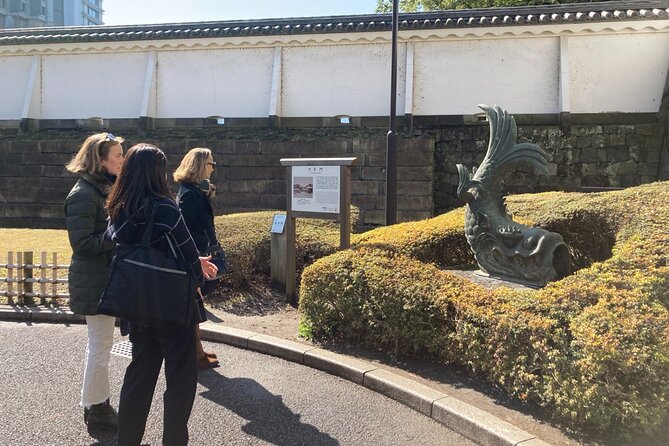
The strongest praise for this experience centers on the guides. Naoko has been described as lively, friendly, and clear. Mikio has been praised for excellent English, promptness, and his ability to answer questions. Ishida Katsura has been appreciated for detailed explanations of Japanese history, while Yoshiko has helped groups enjoy the gardens despite hot weather.
Shigeru has received particular praise for his attention to both history and plants. One family also received a small paper craft souvenir from him, an individual touch that may appeal to visitors who enjoy personal contact with a guide.
Still, you should keep the language issue in mind. One group ended the tour early after struggling to understand their guide’s English. That appears to be an exception within a strongly positive record, but it is an important practical concern. Ask about the guide’s language ability if you need sophisticated historical discussion.
The tour is at its best when you treat it as a conversation. Prepare a few questions before you arrive. Ask about the castle, the gardens, the imperial family, or changes in Japanese society. A private guide can offer more when you give the conversation a direction.
Heat, pace, and comfort on the gardens walk
Tokyo can be very hot, and the entire visit takes place outside. A group completed the walk in temperatures around 35 degrees Celsius with umbrellas and neck coolers supplied by the guide. That was a thoughtful response to difficult conditions, but you should not assume those items are guaranteed for every departure.
Wear comfortable shoes and plan for sun. The walk is only about two hours, yet heat can make a short outdoor route tiring. A private guide may adjust the pace or allow a rest, but your own preparation still matters.
The grounds offer quiet spaces and garden views, but do not expect an indoor, air-conditioned tour. In hot weather, a morning departure may be more comfortable if that option is available for your booking. The exact start time is not provided here, so check your confirmation carefully.
Most people can participate, and the experience is near public transportation. The practical challenge is not technical difficulty. It is finding the meeting point, coping with sun or rain, and entering with luggage that passes inspection.
Who will get the most from this experience
I would choose this tour if you want historical context for the rest of your Tokyo visit. Understanding Edo Castle helps explain why Tokyo developed where it did and why the palace grounds remain such an important part of the city.
It also suits first-time visitors who want a gentle introduction to Japanese gardens and imperial history. Families can benefit from the private pace, while couples and small groups may appreciate the quiet setting and photo opportunities.
History fans should ask for detail at the ruins. Garden lovers should allow time in Ninomaru Garden. Visitors who want practical orientation can use the walk to get familiar with central Tokyo’s palace district.
I would skip it if you want access to the palace interior, a long full-day tour, or a tour built around admission to a major paid attraction. The East Gardens are free, and much of the value depends on how much you want a guide to explain what you are seeing.
Cancellation and booking details
You receive confirmation when you book, and free cancellation is available up to 24 hours before the experience begins. Canceling less than 24 hours ahead does not qualify for a refund, and changes inside that period are not accepted.
The activity requires a minimum number of participants. If that minimum is not reached and the tour is canceled, you can receive a full refund or be offered another date or experience.
Because this is a private activity, only your group joins the walk. The listed price is per person, and group discounts may apply.
Should you book this East Gardens tour?
Book it if you want the story behind the stones and gardens, not just a quick walk through free public grounds. The private format, two-hour length, central meeting point, and repeated praise for guides such as Naoko, Mikio, Shigeru, Yoshiko, and Ishida make it a useful addition to a Tokyo itinerary.
Before paying, make sure you understand the boundaries. You will not enter the Inner Palace, and you should be ready for an outdoor walk and a baggage inspection. If those points suit your plans, the $65.41 price can buy something a map and a sign cannot: a personal explanation of how Edo Castle, the gardens, and Japan’s imperial story fit together.
FAQ
Is this a tour inside the Imperial Palace?
No. The tour takes place in the Imperial Palace East Gardens and surrounding outdoor grounds. Admission to the Inner Palace is not included, and the tour does not go inside the Imperial Palace.
How long does the tour last?
The walk lasts approximately two hours.
Where does the tour begin and end?
It starts at Wadakura Fountain National Park, 3-1 Kōkyogaien, Chiyoda City, Tokyo 100-0002. The activity ends back at the same meeting point.
What sites are included in the walk?
The route includes the Imperial Palace East Gardens, Edo Castle ruins, Ninomaru Garden, and Ote-mon Gate. You can also see gardens, bridges, historical structures, and areas connected with the imperial family.
Is this a private tour?
Yes. Only your group participates in the activity.
What should I know about baggage inspection?
Visitors are subject to a baggage inspection when entering the Imperial Palace grounds. Leave Japanese knives and other items that could be used as weapons in a coin locker or similar storage before the meeting.
Can I cancel for a full refund?
Yes, if you cancel at least 24 hours before the experience start time. Cancellations made less than 24 hours before the start time are not refunded.
New on our Tokyo list
- From Tokyo: Mount Fuji & Hakone Full Day Private Tour★ 4.9 · 25 reviews
- Tokyo Spectacular View Day-Cruise in 90 Minutes★ 5.0 · 25 reviews
- Real Tokyo Runner Club : Daikoku Car Meet Night Tour with JDM Car★ 5.0 · 25 reviews
- 2.5 Hour-Guided Cycle Tour in the Central Tokyo★ 5.0 · 25 reviews
- Ramen Making from Scratch +Akihabara Tour –Cooking Class★ 5.0 · 25 reviews
- [Self-Drive] Tokyo & Daikoku Custom Car Driving Tour★ 4.9 · 25 reviews
- Tokyo: 2-Hour Night Bike Tour of the City’s Hidden Gems★ 4.9 · 25 reviews
- Samurai themed Entertainment show in Shinjuku★ 4.5 · 25 reviews
Private, compared.
Tokyo 6hr Private Tour with Government-Licensed Guide
Read our review →
Private Tour to Mt. Fuji and Hakone (Fully Licenced Operator)
Read our review →
Tokyo Customized Private Tour (Must See Places in 1 Day)
Read our review →
Mount Fuji Full-Day Private Tour from Tokyo (Customizable)
Read our review →
Private City Highlights Tour with Local Guide
Read our review →
Tokyo 4hr Private Tour with Government-Licensed Guide
Read our review →