Reviewed · PRIVATE
Tokyo Private Tour
Tokyo is easiest to understand when you can connect its far-flung districts in one day. This private tour does just that, moving from the seafood stalls of Tsukiji to the temple lanes of Asakusa, the neon and anime shops of Akihabara, and the polished avenues of Ginza without asking you to master the train map first.
I like two things in particular: you get a private vehicle and guide for your group, and the route can bend around your interests. Guides such as Riley, Soya, Tomoya, Ryu, and Moe have helped families add shopping, food, photo stops, and even restaurant reservations. The main drawback is pace: eleven stops in about eight hours means you see many places briefly rather than exploring a few in depth.
In This Review
- Key points to know before booking
- Why this private Tokyo tour works as a first-day plan
- Tsukiji Outer Market and Hama Rikyu Gardens
- Ginza and the Imperial Palace
- Akihabara, where Tokyo turns electric
- Senso-ji and the older face of Tokyo
- Omotesando, Harajuku, and Meiji Jingu
- Shibuya Crossing and Daikanyama
- The vehicle, guide, and comfort level
- Is $743.26 good value for your group?
- Timing, meals, and booking details
- Who should book this Tokyo tour?
- FAQ
- How long does the Tokyo private tour last?
- How many people can join the private tour?
- Is hotel pickup available?
- What is included in the price?
- Are meals included?
- Is admission to Hama Rikyu Gardens included?
- Should you book it?
Key points to know before booking
- Eleven Tokyo stops in one day: The route links Tsukiji, Hama Rikyu, Ginza, the Imperial Palace, Akihabara, Asakusa, Harajuku, Meiji Jingu, Shibuya, and Daikanyama.
- Private transport for up to nine people: Your party rides together in an air-conditioned vehicle rather than following a large group through stations.
- A guide who can adjust the day: Riley, Tomoya, Soya, Ryu, Moe, and other guides have tailored routes to family interests, shopping plans, meals, and requested stops.
- Comfort extras included: Bottled water, snacks, private transportation, and onboard Wi-Fi are provided.
- A good first-day orientation: You can see how very different Tokyo districts fit together before returning to favorite areas on your own.
- Plan for brief visits: Most stops last 15 to 60 minutes, and lunch and dinner are not included.
Why this private Tokyo tour works as a first-day plan
Tokyo covers a huge area, and its attractions do not line up in a tidy sightseeing strip. Tsukiji is east of Ginza, Asakusa and Akihabara pull you farther northeast, and Harajuku, Shibuya, and Daikanyama occupy a different part of the city.
That geography is the real reason to consider this tour. In eight hours, you can get a broad view of Tokyo without spending much of the day changing trains, finding exits, and working out which direction to walk.
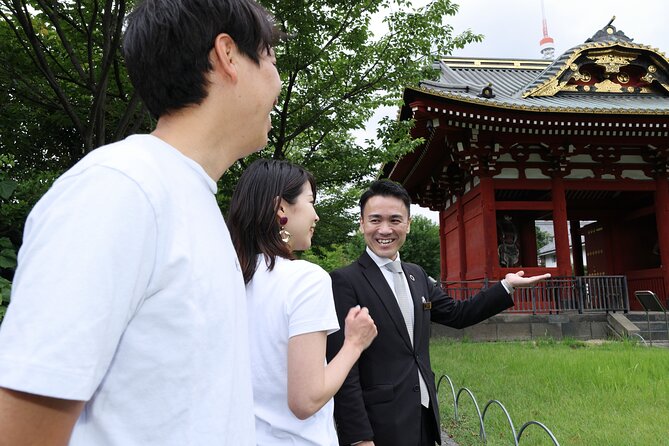
You also have a guide beside you rather than a recorded commentary. Guides have been praised for explaining Japanese history, customs, social life, and present-day Tokyo in clear English. The strongest examples show guides paying attention to the group: Moe included children in conversation, Tomoya arranged a hedgehog cafe reservation and restaurant stops, and Aimi noticed a guest’s interest in dishes and directed the group to suitable shopping.
This is not a slow walking tour. It is a private sightseeing day with short walks at each stop and plenty of time in the vehicle. That makes it a sensible choice for a first visit, a family with mixed ages, or anyone with limited time before a cruise or onward trip.
A few more Tokyo bookings worth comparing
- Mt Fuji and Hakone 1-Day Bus Tour Return by Bullet Train
★ 5.0 · 26,383 reviews - 1-Day Tokyo Bus Tour
★ 5.0 · 14,250 reviews - Tokyo: TOKYO SKYTREE® Admission ticket
★ 4.5 · 11,192 reviews
Tsukiji Outer Market and Hama Rikyu Gardens
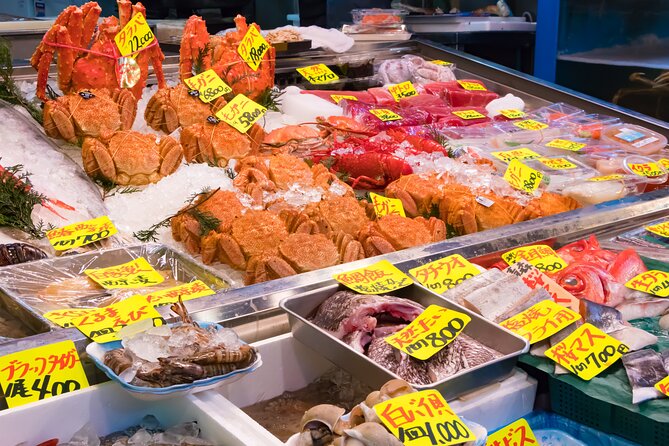
The day begins at Tsukiji Jogai Market, the outer market that remains after the main wholesale market moved to Toyosu in 2018. You will find restaurants, food shops, and stalls selling a range of interesting Japanese goods. The allocated 40 minutes is enough for a look around and perhaps a snack, but not enough for a long meal and serious browsing.
Keep your expectations clear: this is not the former wholesale market. If you want the famous auction atmosphere associated with the old Tsukiji site, this stop is not that. Still, the outer market gives you a useful introduction to Tokyo’s food culture and makes a lively opening to the day.
Next comes Hama Rikyu Gardens, with another 40 minutes. The garden began as a feudal lord’s Tokyo residence and duck-hunting ground between the 17th and 19th centuries before taking on its present garden role. It offers a calmer pause after Tsukiji and a chance to see a more formal side of the city.
Admission to Hama Rikyu is not included, unlike the free-entry stops listed for most of the route. Since the visit is short, ask your guide about the timing before you decide if the garden is worth the extra ticket for your group.
Ginza and the Imperial Palace
Ginza receives about an hour, making it one of the better stops for wandering. Its mix includes high-end boutiques, galleries, Japanese craft shops, restaurants, and striking modern architecture. You do not need to buy anything to enjoy it, though the district is particularly useful if you want polished department stores, fashion, or traditional craft items.
Ginza can feel more commercial than old Tokyo neighborhoods, so I would treat it as a contrast rather than the emotional heart of the day. It shows you the city’s refined shopping side and gives you a chance to tell your guide what kinds of stores or food interest you.
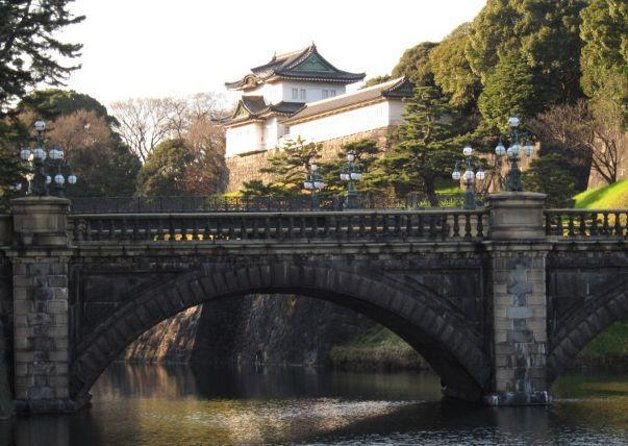
The Imperial Palace follows for about 30 minutes. The site was once the castle of the Tokugawa shogun family, which held power from 1603 to 1868. It became the Imperial Palace after political power returned to Emperor Meiji.
A half-hour visit means you are mainly seeing the grounds and exterior views, not taking a long palace tour. The short stop works well for photographs and a quick explanation of Tokyo’s political past. Nearby, the National Diet building may also be pointed out. Built in 1936, it was one of the few Tokyo buildings to survive the air raids of 1945.
Akihabara, where Tokyo turns electric
Akihabara gets a full hour, which is helpful because the district rewards browsing. You can look at gaming and anime culture, as well as electronics stores ranging from tiny specialist stalls to large retailers.
The experience depends heavily on what you like. If you enjoy games, anime, gadgets, or Japanese pop culture, this may be one of your favorite stops. If those subjects do not interest you, the district may feel less rewarding than Asakusa or Meiji Jingu.
The advantage of arriving with a private guide is that you can explain your interests instead of wandering at random. The guide may help you focus your time, though the supplied tour details do not promise particular shops or purchases. An hour is enough to sample the area, not to inspect every store.
Same corner of Tokyo, a completely different plan:
- Tokyo: teamLab Planets TOKYO Digital Art Museum Entry Ticket
★ 4.6 · 9,779 reviews - Mt Fuji & Hakone Cruise, Drum Show Bullet Train 1 Day from Tokyo
★ 4.0 · 7,413 reviews - Tokyo: Sumo Show Experience with Chicken Hot Pot and a Photo
★ 4.8 · 6,678 reviews - Tokyo: Shinjuku Food Tour (13 Dishes at 4 Local Eateries)
★ 5.0 · 6,603 reviews
Senso-ji and the older face of Tokyo

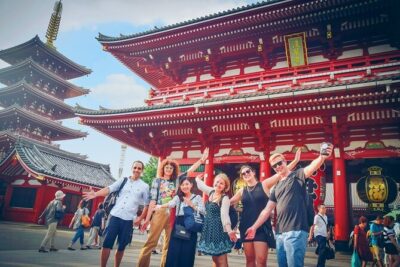
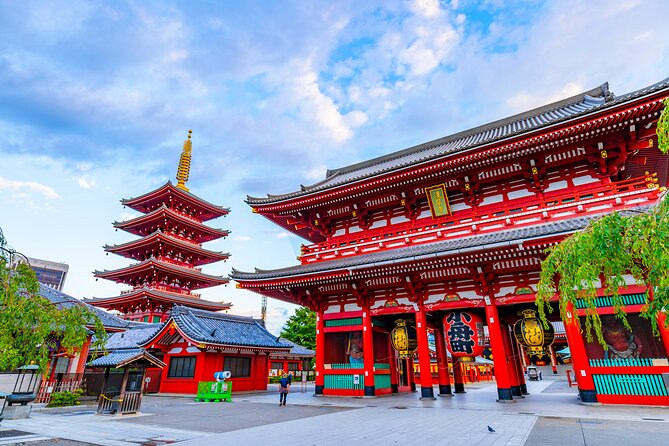
Senso-ji Temple in Asakusa is the oldest temple in Tokyo. Its story reaches back to 628, when two fishermen found a small statue of Kannon, a Buddhist figure, in the nearby water. That origin story gives the visit a sense of age that contrasts sharply with Akihabara’s screens and electronics.
You have about an hour here. Expect a major religious and cultural site, a well-known approach, and plenty of visual detail. Your guide can provide context about the temple and explain customs as you go, which is useful if you are unsure how to behave at a Japanese temple.
Senso-ji is one of the places where the short-stop format works reasonably well. You get enough time to see the main area and ask questions, though you may want to return on your own if you prefer quiet corners, extended photography, or a slower look at the surrounding streets.
Omotesando, Harajuku, and Meiji Jingu
The route then shifts west to Omotesando, Harajuku, and Meiji Jingu. These three stops sit close enough in character to create a useful picture of modern Tokyo.
Omotesando receives 30 minutes. The avenue is known for major fashion brands, boutiques, and buildings designed by leading architects. It is a good place to see Tokyo’s design-conscious side, but half an hour leaves little time for serious shopping.
Harajuku also receives 30 minutes and offers a look at Japanese youth culture, unusual clothing, and adventurous building design. The area is more about atmosphere and people-watching than checking off a single monument. If you want to shop, tell your guide early, since the fixed sightseeing schedule gives you limited time.
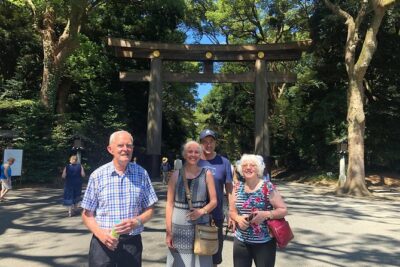
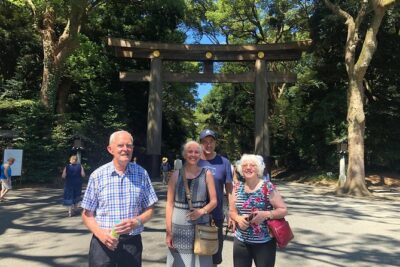
Meiji Jingu provides another half-hour, and it is the strongest change of mood in this part of the day. The shrine has a calm setting that gives you a break from crowded streets. On Saturdays and Sundays, you might see a traditional Japanese wedding ceremony, though that is not guaranteed.
The time allowance is enough for a respectful introduction, but not a long forest walk or detailed shrine visit. I would save extra time here on a later day if you find the quiet atmosphere more appealing than the shopping districts.
Shibuya Crossing and Daikanyama
Shibuya Crossing gets only 15 minutes, so think of this as a photo stop and quick encounter with one of Tokyo’s best-known city scenes. The intersection is famous for the coordinated flow of people across several streets. Your guide can help you find a good viewpoint, but the short timing does not allow for a long visit to Shibuya’s shops or observation decks.
This is a useful example of the tour’s tradeoff. You can say you saw the crossing and get your bearings, but you will not have time to explore the whole district. If Shibuya is a major priority, ask about adjusting the schedule before the day begins.
The final stop is Daikanyama, with 30 minutes. Together with nearby Nakameguro, it is known for boutiques and cafes and has a slower feel than Tokyo’s most famous districts. Ending here makes sense: after temples, markets, major shopping roads, and crowded landmarks, you get a glimpse of a more relaxed neighborhood.
Thirty minutes is brief, but it can help you identify an area to revisit for a meal or an unhurried afternoon. The itinerary does not include lunch or dinner, so you will need to plan your own meal. Guides have helped with restaurant suggestions and reservations, but food is not part of the package.
The vehicle, guide, and comfort level
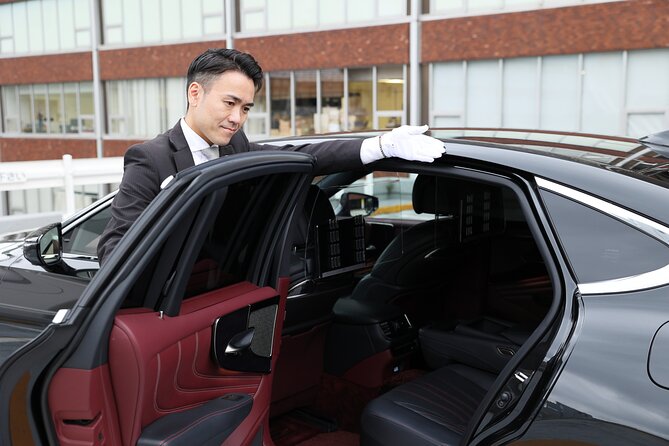
The private vehicle is the practical heart of the day. You receive hotel pickup, air conditioning, private transportation, bottled water, snacks, and onboard Wi-Fi. That matters in Tokyo, particularly during hot weather or when your group includes children, older adults, or anyone who finds long station transfers tiring.
One family arranged wheelchair help through guide Soya, who brought a wheelchair and accompanied an older family member at each site. The general information says most people can participate, but it does not promise full wheelchair access at every attraction. If mobility is important for your group, discuss the details before booking.
The vehicle also gives you a place to regroup. You can leave shopping bags in the car, cool down between districts, and use the ride to ask questions. The tradeoff is that Tokyo traffic can slow the schedule. Eleven stops leave little spare time, so a requested addition may require dropping something else or shortening another visit.
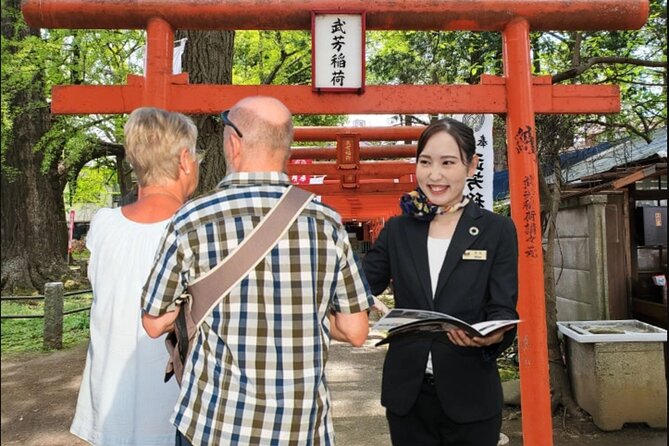
Guide quality is central here. The named guides have different personalities, but the useful pattern is flexibility. Riley has been praised for clear English and explanations of history and social customs. Ryu has focused on photo locations and less obvious places. Tomoya has combined sightseeing with restaurant planning and reservations. Moe planned ahead, included children, arranged a large-group meal, and paid close attention to individual interests.
Those examples show what you should do before pickup: send a short list of priorities. Tell the company if you care most about food, temples, shopping, anime, architecture, photography, or family-friendly pacing. The route is already full, but a private format gives you a better chance of shaping it.
Is $743.26 good value for your group?
The listed price is $743.26 for up to nine people. That is expensive for one or two people, but the arithmetic changes quickly with a larger party.
For nine people, the cost works out to about $83 per person. For four, it is about $186 each. For two, it is about $372 per person, before your meals and any admission fee at Hama Rikyu Gardens.
You are paying for more than transportation. The price covers an eight-hour private vehicle, hotel pickup, a guide, Wi-Fi, water, snacks, and the ability to move between districts without organizing the day yourself. If you would otherwise book several taxis, lose time finding stations, or need help managing children and older relatives, that convenience has real value.
The price is harder to justify if you are a confident solo visitor or couple who enjoys Tokyo’s trains and wants long visits at only two or three places. Public transportation will usually give you more independence, and you can spend as long as you like in a favorite neighborhood.
For a family or group of friends, the private rate can be reasonable because everyone shares the vehicle. It is especially useful when your time is tight and your goal is to see many major areas rather than study one district in depth.
Timing, meals, and booking details
The tour lasts about eight hours and pickup is offered. Confirmation is sent within 48 hours of booking, subject to availability. The published operating information covers broad daily hours, but special seasonal hours are also shown, including 8:00 AM to 1:00 PM during certain late December and 2026 periods. Confirm your preferred start time when you book.
The schedule is active but not physically extreme. Most visits involve short walks, with the vehicle carrying you between areas. Comfortable shoes still make sense, especially at Senso-ji, Meiji Jingu, Tsukiji, and the gardens.
Lunch and dinner are not included. That is not necessarily a weakness because food choices in Tokyo are personal, but it does mean you should discuss timing with your guide. Past guide support has included finding restaurants and making reservations, yet you should not assume a meal is included in the price.
Free cancellation is available if you cancel at least 24 hours before the start time. A cancellation or change made less than 24 hours ahead is not refunded or accepted, and the cut-off uses local Tokyo time.
Who should book this Tokyo tour?
I would choose this tour for a first full day in Tokyo, especially if you want a broad orientation before exploring independently. It also fits families with children, groups with older adults, cruise passengers with limited time, and parties of up to nine who value staying together.
It is a strong match if you want a private English-speaking guide, hotel pickup, air conditioning, and help connecting distant neighborhoods. The reports of wheelchair assistance, child-friendly conversation, restaurant planning, and added stops show how useful the private setup can be when your group has different needs.
I would hesitate if your main goal is slow cultural exploration. Thirty minutes at Meiji Jingu, Harajuku, or Omotesando can feel rushed, and 15 minutes at Shibuya Crossing is only enough for a quick look. The tour gives you a map of Tokyo in real life, then you decide where to return.
FAQ
How long does the Tokyo private tour last?
The tour lasts approximately eight hours.
How many people can join the private tour?
The price covers one private group of up to nine people.
Is hotel pickup available?
Yes. Hotel pickup is offered, and the activity includes private transportation in an air-conditioned vehicle.
What is included in the price?
Bottled water, snacks, onboard Wi-Fi, private transportation, and the private tour service are included.
Are meals included?
No. Lunch and dinner are not included.
Is admission to Hama Rikyu Gardens included?
No. The itinerary lists admission to Hama Rikyu Gardens as not included. The other listed stops show free admission.
Should you book it?
Book this tour if you want to cover a lot of Tokyo in one day without handling the train system or splitting up your group. The best value comes with four to nine people, when the group price is shared, and the private format is most useful for families with mixed ages or specific interests.
Before booking, send your guide a priority list and accept that eleven stops mean short visits. If you want a first look at Tokyo’s markets, temples, shopping districts, pop culture, shrines, and neighborhoods in one comfortable day, this is a practical way to get oriented. If you prefer depth over range, choose fewer districts and explore them on your own.
New on our Tokyo list
- From Tokyo: Mount Fuji & Hakone Full Day Private Tour★ 4.9 · 25 reviews
- Tokyo Spectacular View Day-Cruise in 90 Minutes★ 5.0 · 25 reviews
- Real Tokyo Runner Club : Daikoku Car Meet Night Tour with JDM Car★ 5.0 · 25 reviews
- 2.5 Hour-Guided Cycle Tour in the Central Tokyo★ 5.0 · 25 reviews
- Ramen Making from Scratch +Akihabara Tour –Cooking Class★ 5.0 · 25 reviews
- [Self-Drive] Tokyo & Daikoku Custom Car Driving Tour★ 4.9 · 25 reviews
- Tokyo: 2-Hour Night Bike Tour of the City’s Hidden Gems★ 4.9 · 25 reviews
- Samurai themed Entertainment show in Shinjuku★ 4.5 · 25 reviews
Private, compared.
Tokyo 6hr Private Tour with Government-Licensed Guide
Read our review →
Private Tour to Mt. Fuji and Hakone (Fully Licenced Operator)
Read our review →
Tokyo Customized Private Tour (Must See Places in 1 Day)
Read our review →
Mount Fuji Full-Day Private Tour from Tokyo (Customizable)
Read our review →
Private City Highlights Tour with Local Guide
Read our review →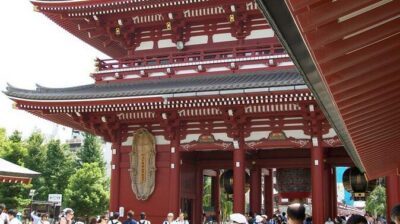
Tokyo 4hr Private Tour with Government-Licensed Guide
Read our review →