
Reviewed · WALKING TOURS
Tokyo: Private Walking Tour with a Local Guide
Tokyo is easier to understand when someone helps you connect its far-flung neighborhoods. This private tour lets you shape the day around your interests, then moves between districts by train and on foot, with a local guide explaining the culture, history, and small details you could easily miss.
I especially like the custom itinerary, since you can focus on temples, food, anime, shopping, markets, or modern Tokyo rather than follow a fixed route. I also like the practical help with Tokyo’s huge train stations. Guides Saya and Gabriel have been singled out for giving useful advice that helps you manage the rest of your trip.
The main catch is time. A four-hour booking cannot realistically cover every area listed, and trains, walking, and traffic can eat into the day. You will need to tell the guide what matters most before setting out, especially if you choose the shorter option.
In This Review
- Key Points Before You Book
- A Flexible Way to Get Your Bearings in Tokyo
- Asakusa and Senso-ji: Tokyo’s Historic Starting Point
- Ueno and Ameya Yokocho: Museums, Shrines, and Local Street Life
- Akihabara: Games, Manga, Anime, and Electronics
- Shibuya and Hachiko: Tokyo’s Famous Crossing
- Shinjuku and Omoide Yokocho: Neon Tokyo With an Older Edge
- Harajuku, Takeshita Street, and Meiji Jingu
- Tsukiji Fish Market: Tokyo Through Food
- The Imperial Palace East Garden: A Quiet Historic Pause
- Public Transportation Is Part of the Lesson
- What the Guides Add to the Day
- Who Should Book This Tokyo Tour?
- Should You Book It?
- FAQ
- How long is the Tokyo private walking tour?
- How much does the tour cost?
- Is this a private tour?
- Is hotel pickup available?
- Does the tour use public transportation?
- Are train fares included?
- Are food and drinks included?
- Which Tokyo areas can I request?
- Are temple and shrine entrance tickets included?
- Can I cancel for a full refund?
Key Points Before You Book
- Choose four, six, or eight hours: The longer options give you room to combine distant neighborhoods without rushing.
- Travel by public transport: Train rides are part of the experience, and your guide can help with Tokyo’s large, confusing stations.
- Pick your own priorities: You can request temples, food markets, anime, electronics, fashion, nightlife districts, or quieter historic areas.
- Meet at your accommodation: Hotel or accommodation pickup is offered, making the first morning simpler.
- Expect a private day: Only your group participates, so the pace and route can be adjusted as you go.
- Plan for extra costs: Food, drinks, trains, and additional attractions are not included in the listed price.
A Flexible Way to Get Your Bearings in Tokyo
Tokyo is not one compact sightseeing center. It is a collection of districts spread across a vast rail network, each with its own mood and purpose. Asakusa feels old and temple-centered, Akihabara is devoted to games and electronics, and Shibuya and Shinjuku show off the city’s modern energy.
That makes a private walking tour useful early in your stay. You can ask for help with the parts of Tokyo that seem hardest to manage, such as reading station signs, changing trains, or deciding which neighborhoods fit your interests.
The tour is offered in four, six, or eight-hour versions. I would treat four hours as a focused introduction to one or two nearby areas. Six hours gives you a better chance of combining a historic stop with a modern district. Eight hours is the sensible choice if you want to cross much of the city and still pause for food, photos, shopping, or conversation.
The advertised price is $132.91 per person. The value depends heavily on group size and your goals. For one or two people, a private guide can cost more than a regular group walk, but you are paying for a tailored route and personal help with transport. With a larger group, the private format may offer better value, especially if everyone has similar interests.
More walking routes in Tokyo:
- Tokyo Tsukiji Fish Market Food and Culture Walking Tour
★ 5.0 · 3,184 reviews - Tokyo: Imperial Palace and Shogun Historical Walking Tour
★ 5.0 · 2,251 reviews - Tokyo: Shinjuku Local Bar and Izakaya Guided Walking Tour
★ 4.9 · 1,794 reviews
Asakusa and Senso-ji: Tokyo’s Historic Starting Point
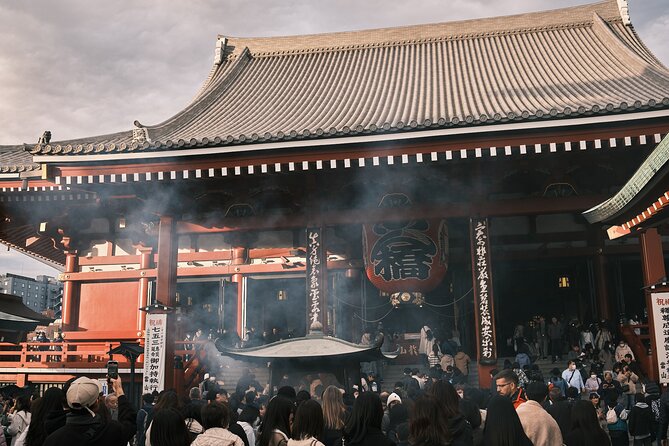
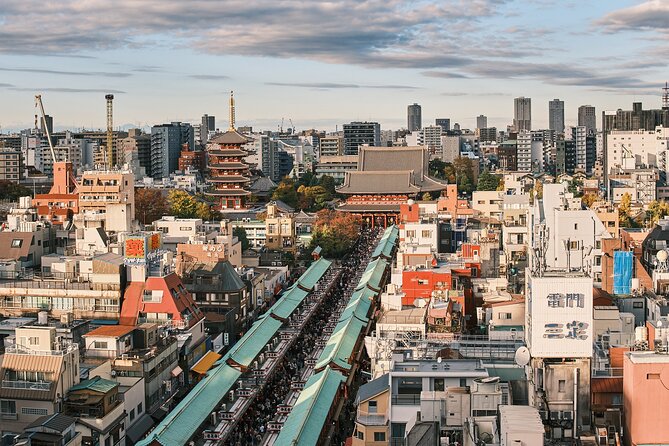
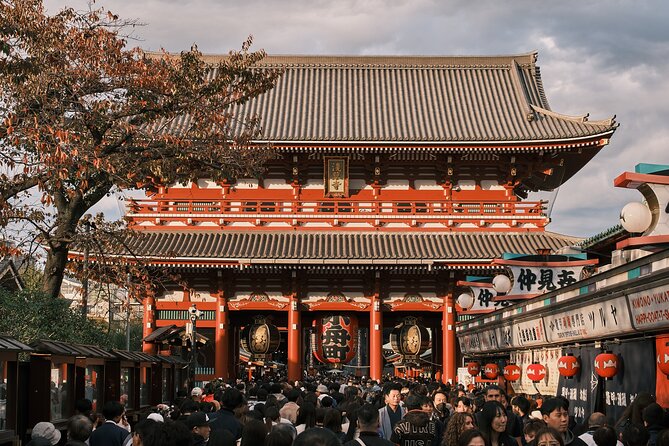
Asakusa is one of the best places to begin if you want a clear sense of old Tokyo. The focus is Senso-ji, the city’s oldest temple, reached through Nakamise-dori, a shopping street lined with traditional snacks, souvenirs, and small stalls.
Your guide can explain how the temple grounds work and point out the difference between a religious visit and a shopping stop. Nakamise-dori is fun, but it can also be crowded and commercial. If you want quiet photographs or a slower look at the temple buildings, say so at the start.
This area works well for a four-hour tour because the temple, shopping street, and surrounding lanes can fill much of a morning. It also pairs naturally with Ueno, another historic district nearby, before you use the train to reach western Tokyo.
Ueno and Ameya Yokocho: Museums, Shrines, and Local Street Life
Ueno offers several different experiences in one district. You might pass the Tokyo National Museum, the National Museum of Western Art, Ueno Zoo, Ueno Toshogu Shrine, and smaller temples. The selection is too large for a quick stop, so you should tell your guide if you want museum time or prefer to stay outdoors.
Ameya Yokocho gives the area a different feel. This open-air market has a distinctly local, old-fashioned character, with food stalls, shops, and standing bars. It is a good place to see everyday Tokyo rather than only polished sightseeing areas.
Food tastings are not included, so any snacks or drinks come at your own cost. That is not a major drawback, but it matters if you are planning the day around eating. Ask your guide to point out suitable options, then budget separately.
I would pair Ueno with Asakusa for a history-focused day. Add Akihabara only if you are happy with a faster pace.
Akihabara: Games, Manga, Anime, and Electronics
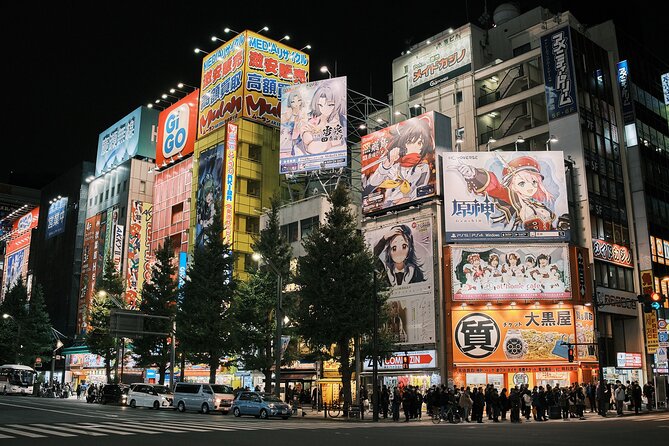
Akihabara is Tokyo’s center for anime, manga, games, and electronics. The tour can take you through retro and modern game centers, figure shops, manga stores, and tax-free electronics shopping.
This is a particularly good choice if your interests are specific. Tell the guide what you collect or hope to find, since the district can feel like a wall of signs and shops without a plan. You may want anime figures, a certain manga title, vintage games, or Japanese electronics, and a local guide can help you spend your limited time in the right places.
The tax-free shopping reference is useful, but you should confirm the details at the shop. The cost of purchases is not part of the tour price.
Akihabara also shows why this is not a conventional history walk. The day can move from a centuries-old temple to modern Japanese pop culture within a short train ride. That contrast is one of the strongest reasons to customize the route instead of treating Tokyo as a list of unrelated sights.
A few more Tokyo bookings worth comparing
- Mt Fuji and Hakone 1-Day Bus Tour Return by Bullet Train
★ 5.0 · 26,383 reviews - 1-Day Tokyo Bus Tour
★ 5.0 · 14,250 reviews - Tokyo: TOKYO SKYTREE® Admission ticket
★ 4.5 · 11,192 reviews - Tokyo: teamLab Planets TOKYO Digital Art Museum Entry Ticket
★ 4.6 · 9,779 reviews
Shibuya and Hachiko: Tokyo’s Famous Crossing
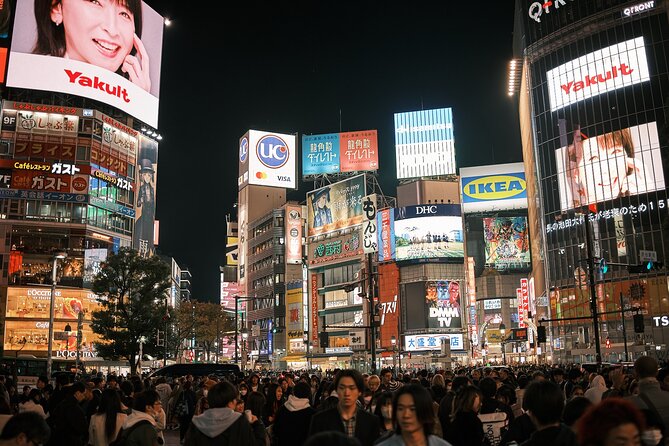
Shibuya Crossing is one of Tokyo’s signature sights. When the signals change, pedestrians move across the intersection from several directions, creating the scene most people picture when they think of modern Tokyo.
The stop includes the Hachiko statue, dedicated to the Akita dog remembered for his loyalty to his owner. The guide can explain Hachiko’s story and why the statue became such a familiar meeting point in the district.
This is a short, easy stop, but it can be very busy. It is best combined with nearby Shibuya interests rather than treated as a full half-day attraction. If you want shopping or food here, make that clear before the tour begins.
One benefit of having a private guide is that you can decide how much time to spend taking photos at the crossing and how quickly to move on. You are not locked into a group’s schedule.
Shinjuku and Omoide Yokocho: Neon Tokyo With an Older Edge
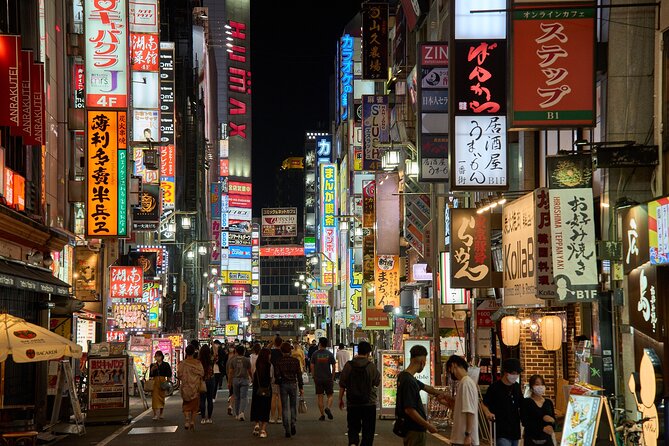
Shinjuku is Tokyo’s major entertainment district, packed with shopping, dining, nightlife, and bright signs. It is a good place to see the city after dark, although the tour timing will determine whether you experience it by day or at night.
Omoide Yokocho offers a sharper contrast. This narrow historic alley is filled with small izakayas and street food, giving you a glimpse of older Tokyo in a very compact setting. The lanes are tight, and seating is limited in many small restaurants, so you should think of this as an atmospheric stop unless you specifically ask to eat.
Food and drinks are not included. The guide can help you understand the area, but you pay for anything you order. If you want an evening built around izakaya food, an eight-hour tour gives you the best chance of fitting it in without cutting out another major district.
Shinjuku and Shibuya make sense together for a modern-city itinerary. They are both major urban centers, but they do not feel identical. Shibuya is known for its crossing and youth-oriented shopping, while Shinjuku has a broader mix of offices, entertainment, restaurants, and nightlife.
Harajuku, Takeshita Street, and Meiji Jingu
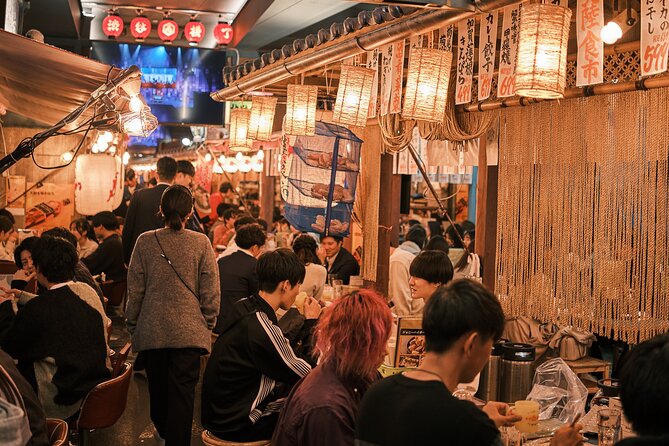
Takeshita Street is a pedestrian shopping strip known for fashion, quirky shops, and street food. It is colorful and energetic, but it can become crowded enough that browsing takes patience. I would choose this stop if you enjoy youth fashion, unusual snacks, or people-watching.
Nearby Meiji Jingu offers a calmer change of pace. The shrine sits among tall trees and torii gates, creating a quiet break from Harajuku’s shops. It honors Emperor Meiji and Empress Shoken, and your guide can provide context for the shrine’s place in modern Japanese history.
These two stops work especially well together because they show opposing sides of the same part of Tokyo. You can walk from fashion-focused Harajuku into a forested shrine setting, then decide if you want more shopping or a different district.
Temple and shrine entrance tickets are included where applicable. Other attractions, food, and additional requests may cost extra.
Tsukiji Fish Market: Tokyo Through Food
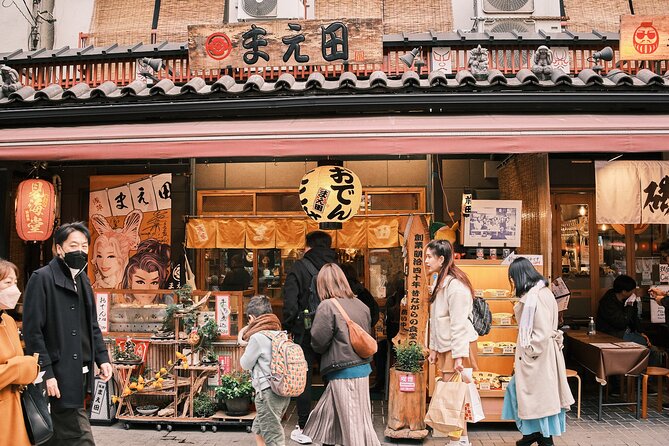
Tsukiji is a strong choice for anyone interested in Japanese food. The market area is filled with seafood, ingredients, and local delicacies, offering a chance to see the products behind the meals you will encounter elsewhere in Tokyo.
It is worth remembering that this is more than a photo stop. You can ask your guide to explain unfamiliar foods and help you decide what is worth trying. Since food and drinks are not included, bring a separate budget if you want tastings.
Tsukiji can anchor a food-focused tour, but it may not pair comfortably with every district on the list. Add it to Asakusa or the Imperial Palace area for a central and traditional day, or choose it alongside another nearby priority rather than attempting to cross the entire city.
The Imperial Palace East Garden: A Quiet Historic Pause
The East Garden of the Imperial Palace provides a slower section of the day. You will see carefully maintained gardens, old stone walls, and historic remains that offer a glimpse into the imperial past.
This is a useful counterpoint to Shibuya, Akihabara, or Shinjuku. Tokyo can be loud and visually intense, and a garden walk gives you time to slow down while still learning about the city’s past.
If gardens and history matter more to you than shopping, tell the guide early. The garden may be a better use of your time than adding another commercial district. The exact pacing depends on your chosen tour length and the distance between stops.
Public Transportation Is Part of the Lesson
The tour uses trains and walking rather than a private car. Trains are not included in the price, so you will pay your own fares, but using the system with a local guide can be one of the most useful parts of the day.
Tokyo stations can be enormous. A guide can help you find the correct platform, manage transfers, and understand how to move between the city’s main districts. One guide, Saya, is also praised for sharing practical cultural information and navigation advice that can help you after the tour.
Travel time can vary. Tokyo’s size means a route that looks simple on paper may take longer once you include station walks, waiting, and transfers. This is why I would avoid choosing too many distant stops. A well-prioritized route is more enjoyable than a rushed checklist.
Hotel or accommodation pickup is offered. Airport pickup and drop-off are not included, though a guide named Gabriel has accommodated an airport meeting in a special situation. Do not assume airport service is part of the standard booking.
What the Guides Add to the Day
The most valuable part of this experience is not simply having someone point out famous buildings. It is having a person adjust the route to your interests and help you interpret what you are seeing.
Saya has been praised for going beyond sightseeing details and offering advice about Japanese culture and getting around Tokyo. Gabriel has been described as flexible with a last-minute booking and willing to adapt to an unusual meeting request.
Those details suggest that communication matters. Give the provider a clear idea of your interests before the tour. Mention food, museums, anime, shopping, temples, photography, nightlife, or first-time train concerns. The more specific you are, the more useful a private format becomes.
You should also be realistic about what can fit. The long list of possible districts is a menu, not a promise that every stop will be covered in one booking.
Who Should Book This Tokyo Tour?
I would recommend it most strongly to first-time visitors who want help getting oriented, families or friends with different interests, and anyone nervous about Tokyo’s train network. It also suits repeat visitors who want to focus on a particular subject instead of repeating the usual highlights.
The four-hour option fits a focused introduction. Choose six hours if you want a balanced day with several districts. Choose eight hours if you want a broader route, more time for conversation, and room for meals or shopping.
I would be less enthusiastic if you prefer a fully scheduled sightseeing program with guaranteed admission to many attractions. This tour is built around flexibility, walking, public transport, and personal requests. That freedom is its strength, but it also means you must help shape the day.
Free cancellation is available until 24 hours before the start time. Changes or cancellations made inside that window are not accepted for a refund.
Should You Book It?
Book this tour if you want a personal introduction to Tokyo rather than a fixed march between landmarks. The strongest reasons are the private format, the ability to choose your neighborhoods, and practical help with trains and local customs.
For the best value, decide on two or three priorities before booking and choose the tour length accordingly. A temple and market day, a pop-culture and shopping day, or a Shibuya and Shinjuku city day will work better than trying to cover all of Tokyo at once.
At $132.91 per person, it is not the cheapest way to sightsee, but the price can make sense when you value personal guidance and a route built around your group. If that sounds like your ideal first day in Tokyo, this is a strong, flexible choice.
FAQ
How long is the Tokyo private walking tour?
You can choose a tour lasting approximately four, six, or eight hours.
How much does the tour cost?
The listed price is $132.91 per person.
Is this a private tour?
Yes. Only your group participates in the activity.
Is hotel pickup available?
Yes. Convenient pickup at your hotel or accommodation is offered.
Does the tour use public transportation?
Yes. The experience is a walking tour that uses public transportation, including trains.
Are train fares included?
No. Trains are not included in the tour price.
Are food and drinks included?
No. Food and drinks are not included.
Which Tokyo areas can I request?
Possible areas include Asakusa, Ueno, Akihabara, Shibuya, Shinjuku, Harajuku, Tsukiji, and the East Garden of the Imperial Palace.
Are temple and shrine entrance tickets included?
Entrance tickets for temples and shrines are included. Additional attractions or special requests are not included.
Can I cancel for a full refund?
Yes, if you cancel at least 24 hours before the experience start time. Cancellations made less than 24 hours in advance are not refunded.
New on our Tokyo list
- Sumi-e Experience in a relaxing green tea shop in Tokyo★ 5.0 · 3 reviews
- Tokyo : Kamikaze Street Drift Ride★ 5.0 · 3 reviews
- Private Zen Meditation in English in Shinjuku, Tokyo★ 5.0 · 3 reviews
- Onsen Spa in Tokyo and Asakusa Bar Hopping with Local Guide★ 5.0 · 3 reviews
- Easy for everyone! Now you can play handmade mini shamisen and show off to everyone! Musical instruments, sweets and live music★ 5.0 · 3 reviews
- Tokyo: Private Tsukiji Street Food & Sake with Local Guide★ 5.0 · 3 reviews
- Mt Fuji Exploration Tour with Free Japanese Kusa Mochi from Tokyo★ 4.5 · 3 reviews
- Tokyo Tsukiji Fish Market Walking and Exploring Hidden Gems Tour★ 5.0 · 3 reviews
Walking Tours, compared.
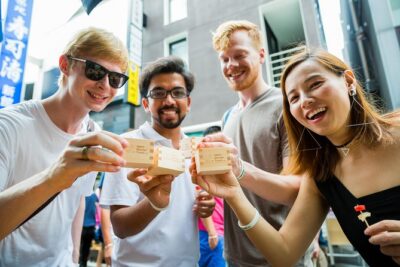
Tokyo Tsukiji Fish Market Food and Culture Walking Tour
Read our review →
Imperial Palace and Shogun Historical Walking Tour
Read our review →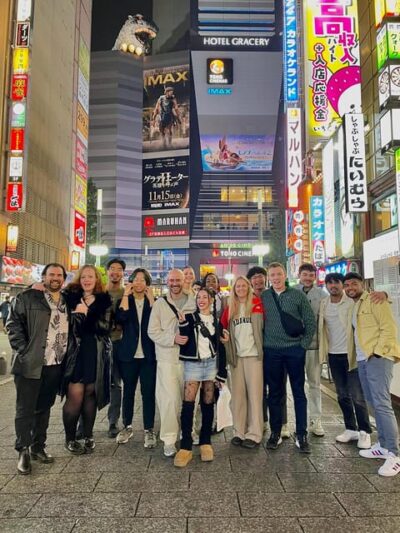
Shinjuku Local Bar and Izakaya Guided Walking Tour
Read our review →

Asakusa Walking Tour with Sensoji Temple Visit
Read our review →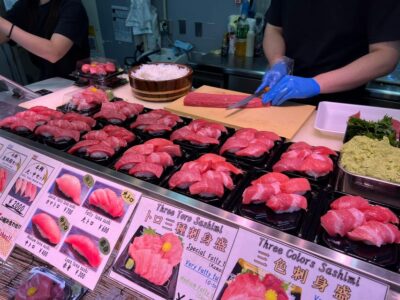
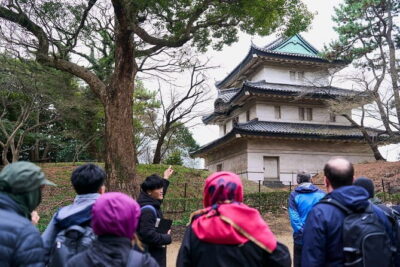
Tokyo Castle & Imperial PalaceーShogun Walking Tour
Read our review →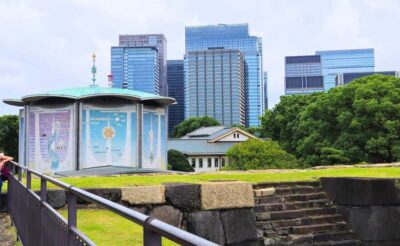
Browse the lists this tour appears in