
Reviewed · WALKING TOURS
Tokyo: Private Walking Tour with a Local Guide
Tokyo is too large for a sensible one-day checklist. This private walking tour gets that right. Your guide meets you at your hotel or chosen location, asks what matters to you, then builds a day around a few well-chosen areas rather than pretending you can see the whole city at once. Momo, Miwa, Rika, Hina, and other English-speaking guides have been praised for warmth, clear explanations, and smart use of Tokyo’s trains.
I like two things especially: the tour teaches you how to get around, and it can show you ordinary corners between the famous sights. A guide may pair Sensō-ji with local lanes, Tsukiji with a nearby shrine, or Shibuya with a quieter neighborhood. The main caution is distance. A packed route can mean lots of walking and crowded trains, so be clear about taxis, rest stops, food, and your pace before the day begins.
In This Review
- Key points worth knowing
- Why a private Tokyo walk makes sense
- Meeting your guide and shaping the day
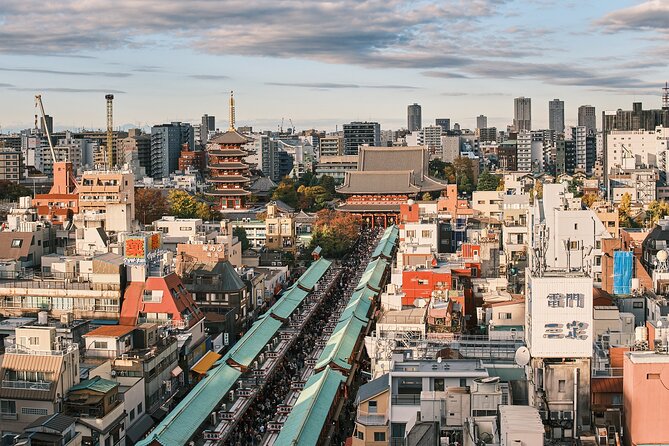
- Sensō-ji and Asakusa: Tokyo’s traditional opening
- Ueno and Ameya-Yokocho: markets, shrines, and everyday Tokyo
- Akihabara: modern Tokyo beyond the postcard
- Shibuya Crossing and Harajuku: Tokyo’s modern public face
- Meiji Shrine: a quieter lesson in Shinto practice
- Tsukiji Outer Market: food, tasting, and practical choices
- Ginza and the Imperial Palace: polished streets and national symbols
- Shinjuku: a useful finish to a city introduction
- How much can you really see in two, four, six, or eight hours?
- What the guides do best
- Price, transport, and what is included
- Who should book this Tokyo tour?
- Should you book it?
- FAQ
- How long is the private Tokyo walking tour?
- Where does the tour begin?
- Is the tour private?
- Which language does the guide speak?
- Can I choose the places I visit?
- Are public transport costs included?
- Are temple and shrine entrance fees included?
- Is the tour suitable for wheelchair users?
Key points worth knowing
- Your route is personal: Choose temples, markets, modern districts, shopping, food, history, or a mix.
- Tokyo transport becomes less daunting: Your guide accompanies you on public transportation and can help with rail routes, station changes, and passes.
- The guides add daily-life context: Momo, Miwa, Rika, Hina, Kanako, and others explain customs, local habits, history, and city life in English.
- You can see famous places and quieter corners: The day is not limited to major photo stops.
- The six-hour option covers plenty: Several districts can fit into one day, but only with an active pace and sensible planning.
- The price is strong for a private introduction: At $53 per person, the value improves with two or more people sharing the guide.
Why a private Tokyo walk makes sense
Tokyo can feel easy one moment and baffling the next. Stations are large, districts are spread across the city, and a short-looking route on a map may involve several train lines. A private guide gives you a human route planner who can adjust the day as you go.
This is not a fixed lecture delivered to a busload of people. You tell the guide what you want from Tokyo. You might be interested in Shinto and Buddhism, anime and electronics, food markets, architecture, shopping, photography, or simply learning how local life works. The guide then chooses a practical combination of places.
That flexibility is particularly useful on your first day. Several people used the tour to get comfortable with trains, Suica cards, subway travel, and the basic shape of Tokyo. You can finish the tour with a better sense of where to return on your own.
The format also works well for a short stay. If you have only three days, a four-hour tour can introduce several districts without forcing you to spend your precious time figuring out every transfer. If you want a fuller day, the six-hour version gives you room for more neighborhoods, explanations, shopping, and a meal stop.
More walking routes in Tokyo:
- Tokyo Tsukiji Fish Market Food and Culture Walking Tour
★ 5.0 · 3,184 reviews - Tokyo: Imperial Palace and Shogun Historical Walking Tour
★ 5.0 · 2,251 reviews - Tokyo: Shinjuku Local Bar and Izakaya Guided Walking Tour
★ 4.9 · 1,794 reviews
Meeting your guide and shaping the day
Your guide meets you at a hotel in central Tokyo or another preferred location in Tokyo. Pickup is included, but airport pickup and drop-off are not. The experience is private, so the conversation and pace belong to your group.
You should download WhatsApp before the tour. The guide contacts you within 24 hours of the date, and you should use that exchange well. Send a short wish list, explain your interests, mention dietary needs, and be honest about walking ability. The final route is arranged with your guide about 24 hours before the tour.
The long list of possible districts includes Shinjuku, Shibuya, Harajuku, Taito, Ueno, Akihabara, Ginza, Chiyoda, Minato, Koto, Sumida, Meguro, Bunkyo, Nakano, Toshima, Shinagawa, and Chuo. That does not mean all of them fit into one day. It means you have a broad menu of choices.
I would choose two or three connected areas for four hours, or perhaps three to five areas for six hours, depending on your priorities. Tokyo rewards careful editing. If you ask for Asakusa, Ueno, Shibuya, Harajuku, Tsukiji, Ginza, and Shinjuku in one short session, you may spend too much of the day underground.
Sensō-ji and Asakusa: Tokyo’s traditional opening
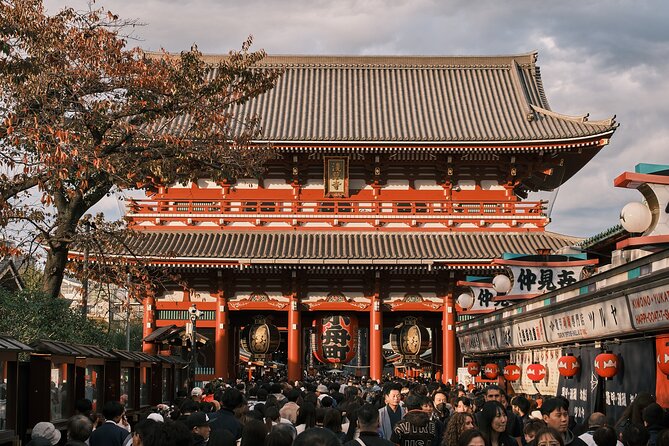
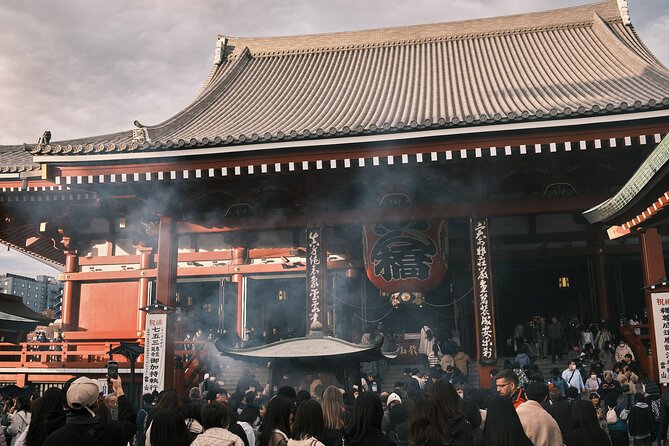
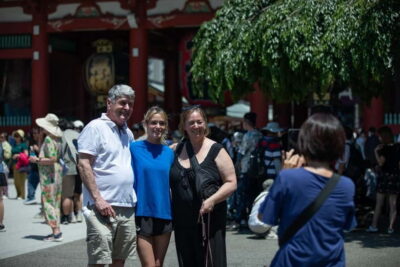
Sensō-ji Temple is one of the strongest choices for a first Tokyo visit. Its large entrance, temple grounds, incense, and surrounding streets offer an immediate introduction to the city’s Buddhist traditions and visitor culture. A guide can explain how to behave at a temple, what you are looking at, and how Buddhist and Shinto sites differ.
Asakusa gives the temple a useful setting. Around it, you can see older-style streets, shops, food stalls, and small lanes. This is a good place to ask questions about customs, souvenirs, and local food rather than simply taking a photograph and moving on.
The drawback is popularity. Sensō-ji can be crowded, and the approach may feel more commercial than quiet. A private guide helps by giving the setting meaning and by leading you beyond the most obvious path, but the area is still a major stop. If you want peace and solitude, say so before the day is planned.
Ueno and Ameya-Yokocho: markets, shrines, and everyday Tokyo
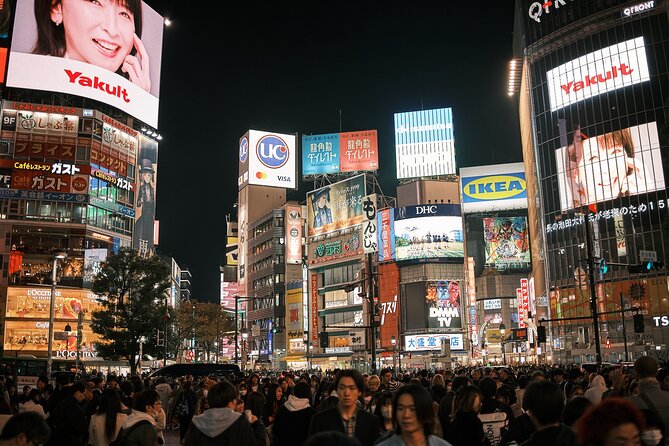
Ueno works nicely with Asakusa because the two areas offer different views of old Tokyo. You may encounter temple and shrine sites, public spaces, shops, and streets that feel more connected to daily errands than to a polished sightseeing circuit.
Ameya-Yokocho adds food and street energy. The market area is useful for browsing, small tastings, and seeing how shopping works in a dense Tokyo neighborhood. It gives your guide a chance to explain ingredients, eating habits, and the practical side of city life.
This is one of the better pairings if you want culture without spending the entire day inside formal monuments. Allow time to look around. Markets lose much of their appeal when treated as a quick photo stop.
A few more Tokyo bookings worth comparing
- Mt Fuji and Hakone 1-Day Bus Tour Return by Bullet Train
★ 5.0 · 26,383 reviews - 1-Day Tokyo Bus Tour
★ 5.0 · 14,250 reviews - Tokyo: TOKYO SKYTREE® Admission ticket
★ 4.5 · 11,192 reviews - Tokyo: teamLab Planets TOKYO Digital Art Museum Entry Ticket
★ 4.6 · 9,779 reviews
Akihabara: modern Tokyo beyond the postcard
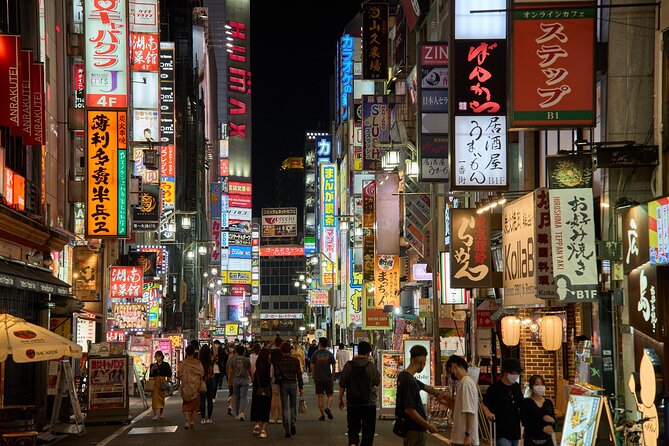
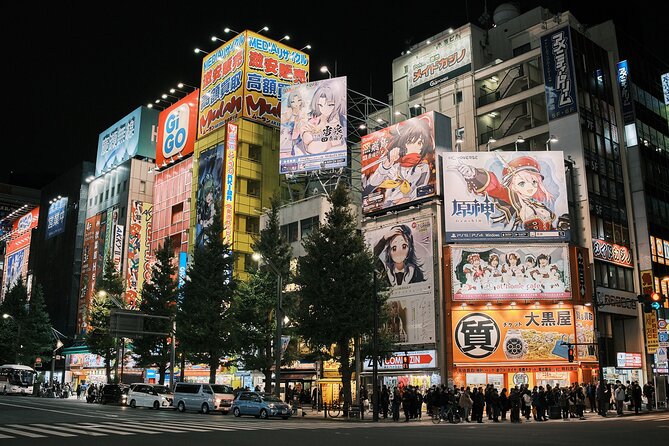
Akihabara is the natural choice if electronics, manga, anime, games, or Japanese pop culture are high on your list. A local guide can help you understand the district instead of leaving you to wander through stores with no context.
The area also helps balance a traditional morning. After a temple or market, the signs, shops, and specialized retail world of Akihabara show how sharply Tokyo can change from one station to the next.
You should be specific about what you want here. Akihabara can mean shopping, pop culture, technology, or simply seeing a famous district. The tour price does not include admission to extra attractions or special activities, so ask what is planned before you commit to anything requiring a ticket.
Shibuya Crossing and Harajuku: Tokyo’s modern public face
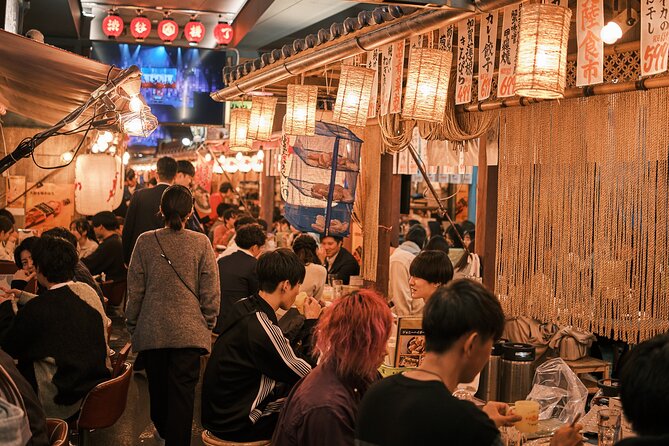
Shibuya Crossing is a quick way to feel Tokyo’s scale. The famous intersection is a strong photo stop and a useful place to discuss crowds, transport, advertising, and the city’s modern image.
Still, it is not automatically the best use of your time. One visitor specifically wished Shibuya Crossing had been left out, having chosen it only because it was famous. That is good advice for everyone: visit if the crossing interests you, not because you feel obliged to collect it.
Harajuku offers a different angle, with youth culture, shopping, and access to Meiji Shrine. The district can be lively and crowded, so tell your guide whether you want fashion and retail or a calmer cultural route.
Meiji Shrine: a quieter lesson in Shinto practice
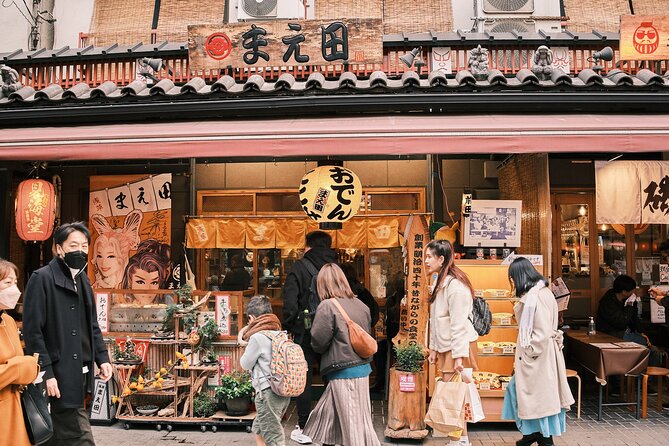
Meiji Shrine is one of the most useful stops for understanding Shinto. The approach and grounds provide a contrast to Shibuya’s screens and traffic. Your guide can explain shrine manners, purification, offerings, and the role of sacred spaces in Japanese life.
This stop is not only about architecture. The value lies in having someone explain what you are seeing and how to take part respectfully. If you are interested in religion, customs, or Japanese social habits, give Meiji Shrine priority.
Like any outdoor site, it requires walking. Comfortable shoes are essential, and you may want to avoid pairing too many spread-out districts with it on a hot or humid day. One guide was praised for building in cooling breaks during warm weather, but you should still state your needs in advance.
Tsukiji Outer Market: food, tasting, and practical choices
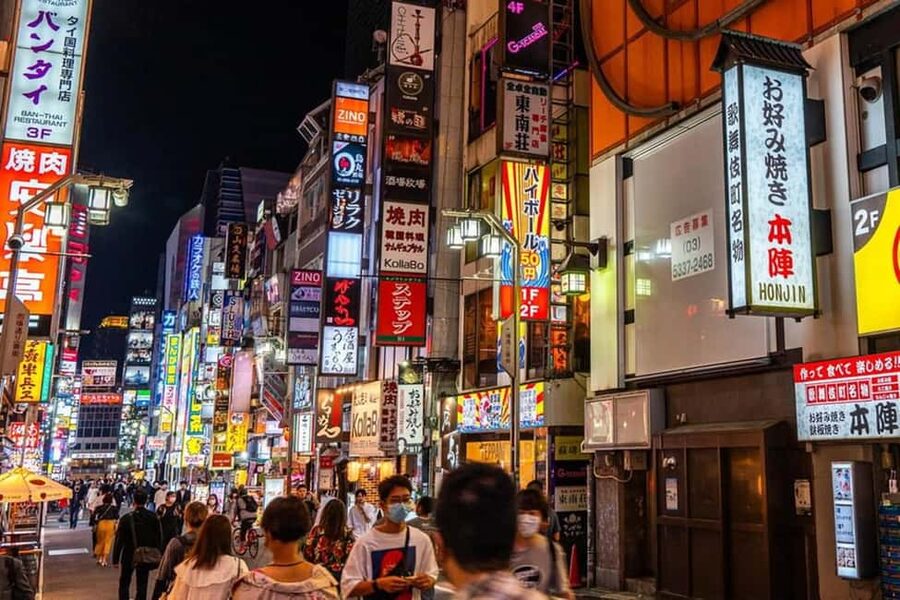
Tsukiji Outer Market is a strong pick for people who want to eat, browse, and learn about Japanese food. It is separate from the former wholesale market site, and the outer market is the place for shops, prepared food, and small bites.
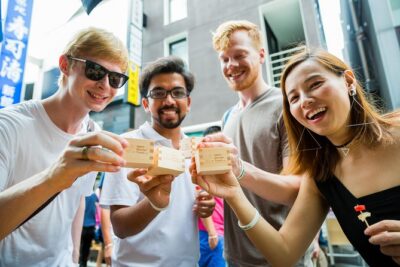
This can be a lively part of the day. Free samples may appear, and grilled seafood was a particular highlight for one tour group. Your guide can help you make sense of the stalls and suggest a nearby Buddhist temple or Shinto shrine, creating a useful mix of food and culture.
Meals are not included. If you decide to eat with your guide, you are expected to pay for the guide’s meal too. That is a fair arrangement, but you should know it before choosing a sit-down meal. If you prefer not to cover a guide’s food, say so ahead of time and plan a separate break.
Ginza and the Imperial Palace: polished streets and national symbols
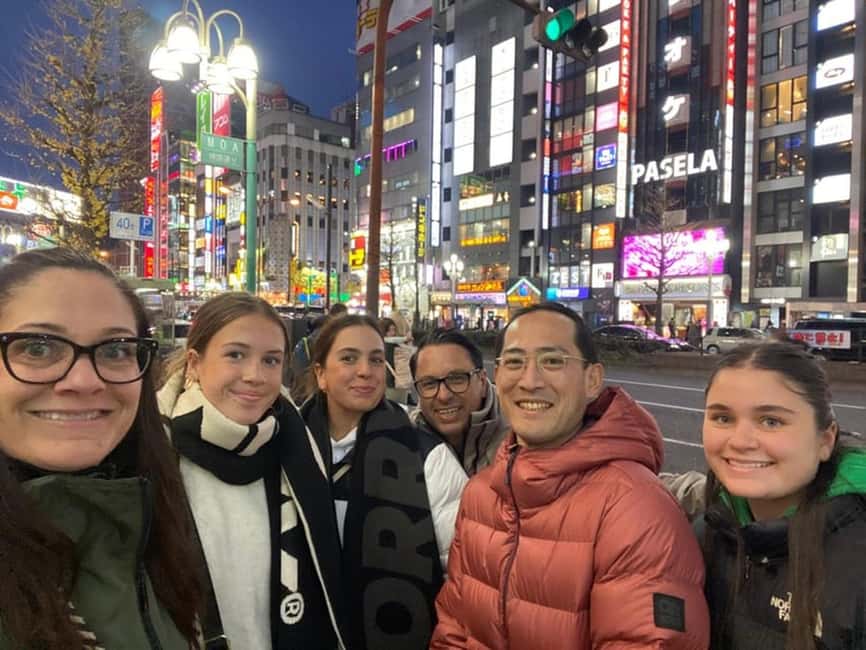
Ginza is the choice for department stores, established shopping, and a more polished side of central Tokyo. It can fit well after Tsukiji, since the areas are relatively compatible in a day plan compared with a route that jumps from one side of the city to another.
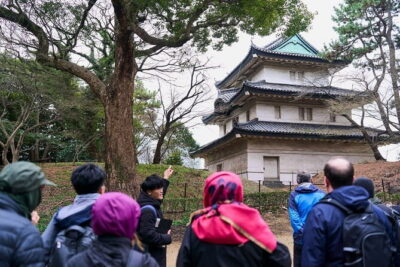
The Tokyo Imperial Palace gives you a different kind of history and civic context. A guide can explain the role of the palace area and point out the contrast between formal grounds and the surrounding office district.
Do not assume every palace building or special attraction is included. Entrance fees for additional attractions are not covered, and you may have to pay admission for yourself and your guide when required. Confirm the exact stop if palace access is important to you.
Shinjuku: a useful finish to a city introduction
Shinjuku is a good final district when you want a sense of Tokyo after dark, shopping, major stations, or entertainment streets. It also gives your guide a chance to explain one of the city’s key transport and commercial centers.
The area is large, so your interests matter. You might focus on observation points, department stores, restaurants, nightlife streets, or station navigation. A short visit can feel rushed if you try to cover every side of Shinjuku.
For a first-time visitor, ending here can be practical. You finish near a major transport hub and can return later with more confidence. If you are tired, though, this is a good place to ask for a simpler route rather than another long walk.
How much can you really see in two, four, six, or eight hours?
The advertised duration ranges from two to eight hours, with four, six, and eight-hour choices shaping the final route. Two hours is best treated as an introduction to one compact area. It is not enough for a broad Tokyo survey.
Four hours is a sensible middle ground. You can combine nearby areas, such as Asakusa and Ueno, Harajuku and Meiji Shrine, or Tsukiji and Ginza. Several people found four hours enough to cover major areas while removing the stress of navigation.
The six-hour option is better if you want old and new Tokyo in one day. A group using six hours covered several major areas, while another packed in Asakusa, Ueno, Tokyo Station, Shibuya, Meiji Shrine, and Shinjuku. That is a full day, not a gentle stroll.
Eight hours gives you the most room, but it does not make Tokyo compact. The more places you request, the more time you spend on trains and standing. Buy or load a Suica card ahead of time if possible, and discuss taxis if comfort matters more than keeping transport costs low.
What the guides do best
The strongest part of this experience is the guide-to-visitor connection. Momo is repeatedly praised for warmth, energy, clear English, practical help, and the ability to find less touristy places. Miwa is especially strong at planning, rail navigation, cultural explanation, and answering questions without burying you in dates.
Rika has been appreciated for organization, photos, efficient train use, and a friendly manner. Hina is a good match for people who want local suggestions and a relaxed pace. Kanako showed patience with older visitors, using taxis instead of trains when walking and speed became difficult.
These details matter. You are not only paying for facts. You are paying to reduce decision fatigue, avoid wasted transfers, and gain enough confidence to explore independently afterward. Some guides also take photos for you, though you should treat that as a kindness rather than a guaranteed service.
English is the listed language. The feedback about clear speech is especially encouraging for visitors who want explanations about customs and history without constant translation problems.
Price, transport, and what is included
At $53 per person, this is good value for a private experience, especially if two or more people share the cost. A local guide for a full six or eight hours, with hotel pickup and route planning, can save a great deal of time.
The price does not cover your meals, drinks, trains, private cars, taxis, airport transfers, or tickets for extra attractions. Temple and shrine entrance fees are covered, but do not assume every site in Tokyo is free or included.
Public transportation is the normal way to move between districts. That keeps the experience local and affordable, but trains can be crowded and stations involve stairs and long corridors. One important practical lesson is to state your preferred mix of trains and taxis before the tour. A taxi-heavy day costs more, but it may be worth it for older visitors, young children, humid weather, or limited stamina.
The tour is not suitable for wheelchair users or people with mobility impairments. Baby strollers and baby carriages are also not allowed. Wear comfortable shoes, and bring cash, a credit card, and your passport or ID.
Cancellation is flexible, with a full refund available when you cancel at least 24 hours in advance. You can also reserve and pay later, which helps if your schedule is still shifting.
Who should book this Tokyo tour?
I would recommend it most strongly to first-time visitors, short-stay visitors, families who want a private pace, couples with specific interests, and anyone nervous about Tokyo’s rail system. It is also useful on day one, when a guide can orient you to neighborhoods and transport before you explore alone.
It suits curious people who want conversation rather than a scripted march from monument to monument. It is less suitable if you want a slow, fully relaxed walk with little public transport, or if you already know Tokyo well and prefer to make every decision yourself.
Give the guide honest instructions. Say if you want food, shopping, temples, photography, anime, architecture, local neighborhoods, or fewer famous sights. Also say if you need sitting breaks, taxis, a slower pace, or an early finish.
Should you book it?
Book this tour if you want a flexible first look at Tokyo and value a local person who can explain both sacred places and ordinary city life. The best results come from choosing priorities rather than asking to see everything.
For most people, I would choose four hours for a focused introduction or six hours for a broad first day. Ask to combine nearby districts, load a Suica card, and discuss meal and taxi costs before you start. At $53 per person, it is a particularly solid choice for two or more people who want Tokyo to feel less confusing and more personal.
FAQ
How long is the private Tokyo walking tour?
You can choose a duration from two to eight hours. Four, six, and eight-hour options are available, depending on availability and your selected booking.
Where does the tour begin?
Your guide can meet you at your hotel in central Tokyo or at a preferred meeting place in Tokyo. Airport pickup and drop-off are not included.
Is the tour private?
Yes. The experience is for a private group, so the route and pace can be shaped around your interests.
Which language does the guide speak?
The listed tour language is English.
Can I choose the places I visit?
Yes. You should share your preferences, interests, and specific places after booking. The final route is decided with your guide around 24 hours before the tour.
Are public transport costs included?
No. The guide accompanies you by convenient public transportation, but train fares and other transport costs are not included.
Are temple and shrine entrance fees included?
Temple and shrine entrance fees are covered. Tickets for additional attractions or special requests are not included, and you may need to pay admission for yourself and your guide where required.
Is the tour suitable for wheelchair users?
No. The activity is not suitable for wheelchair users or people with mobility impairments. Baby strollers and baby carriages are also not allowed.
New on our Tokyo list
- From Tokyo: Mount Fuji & Hakone Full Day Private Tour★ 4.9 · 25 reviews
- Tokyo Spectacular View Day-Cruise in 90 Minutes★ 5.0 · 25 reviews
- Real Tokyo Runner Club : Daikoku Car Meet Night Tour with JDM Car★ 5.0 · 25 reviews
- 2.5 Hour-Guided Cycle Tour in the Central Tokyo★ 5.0 · 25 reviews
- Ramen Making from Scratch +Akihabara Tour –Cooking Class★ 5.0 · 25 reviews
- [Self-Drive] Tokyo & Daikoku Custom Car Driving Tour★ 4.9 · 25 reviews
- Tokyo: 2-Hour Night Bike Tour of the City’s Hidden Gems★ 4.9 · 25 reviews
- Samurai themed Entertainment show in Shinjuku★ 4.5 · 25 reviews
Walking Tours, compared.
Tokyo Tsukiji Fish Market Food and Culture Walking Tour
Read our review →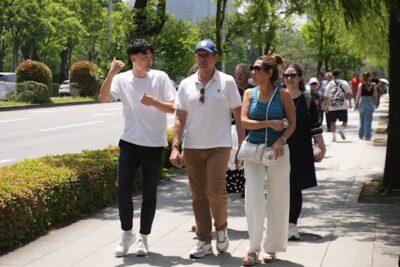
Imperial Palace and Shogun Historical Walking Tour
Read our review →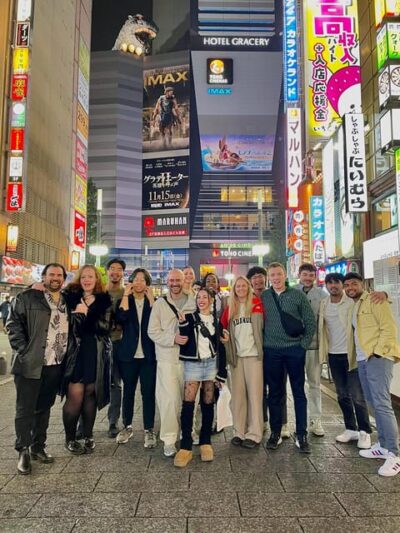
Shinjuku Local Bar and Izakaya Guided Walking Tour
Read our review →
Asakusa Walking Tour with Sensoji Temple Visit
Read our review →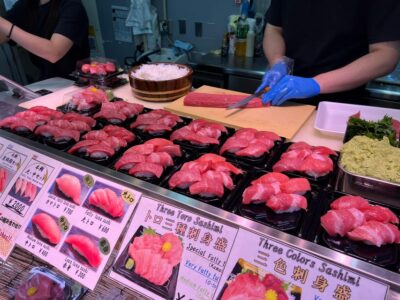
Tokyo Castle & Imperial PalaceーShogun Walking Tour
Read our review →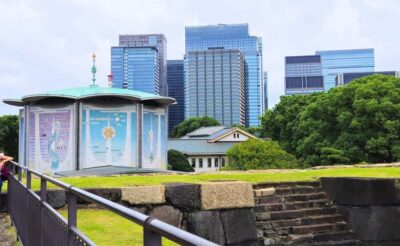
Browse the lists this tour appears in