
Reviewed · SUSHI EXPERIENCES
Tokyo Professional Sushi Chef Experience
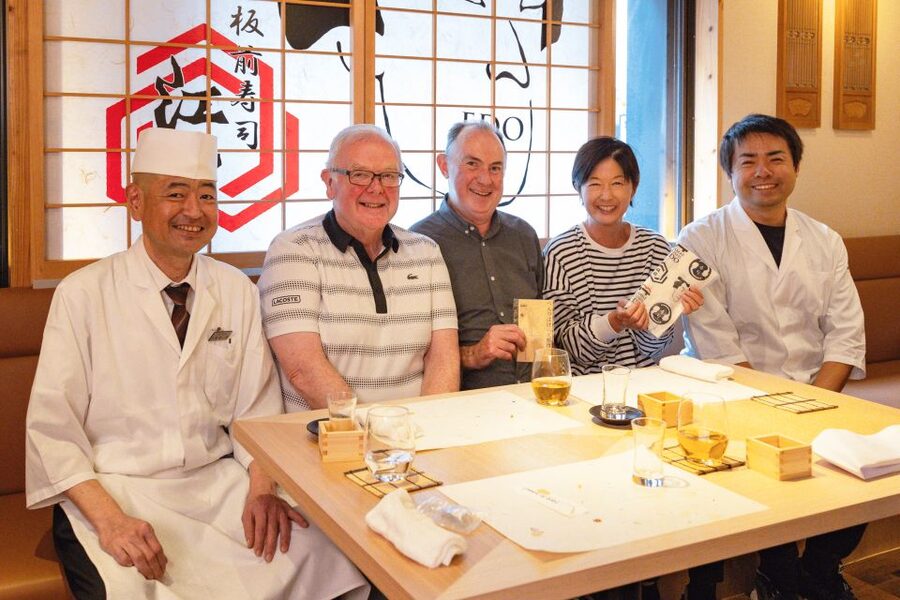
The most rewarding part of this Tokyo class is that you do not just eat sushi, you learn how the pieces are made. A 30-year Itamae guides you through rice, fish, nori, wasabi, and nigiri in a working restaurant setting. I especially like the fresh wasabi lesson and the chance to handle several types of seafood, not just assemble one simple roll.
I also like the small group limit of eight and the patient, friendly teaching style described by past participants. The main consideration is the $161 price for two hours, plus some uncertainty about whether a drink is included with every booking option. Confirm the exact option and meeting point before paying.
In This Review
- Key points at a glance
- Why this Tokyo sushi class feels more authentic
- Starting with rice, tools, and fresh wasabi
- Shaping hand-rolled sushi with premium nori
- From fish preparation to your own nigiri
- The meal finish: sushi, wakame udon, and a drink
- What $161 buys you in Tokyo
- A small group that suits food lovers and families
- English instruction and the pace of the lesson
- Booking details worth checking before you go
- Should you book this sushi experience?
- FAQ
- How long does the Tokyo sushi chef experience last?
- Where does the sushi class take place?
- Who teaches the sushi class?
- How many people can join the class?
- Is there a minimum number of participants?
- What types of sushi can I make and taste?
- Are vegetarian or allergy-friendly options available?
- Can children join the experience?
- Is a drink included in the price?
Key points at a glance
- Fresh wasabi is part of the lesson: You grate real wasabi and taste the difference from prepared paste.
- A real Itamae leads the class: Your English-speaking instructor brings 30 years of sushi experience.
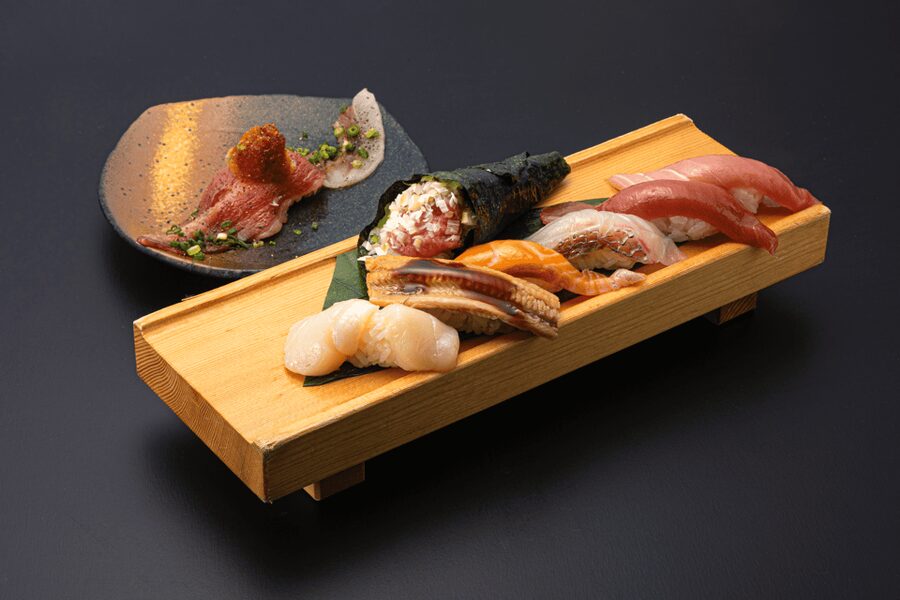
- You work with premium seafood: The menu can include uni, negitoro, hirame, kuruma-ebi, chutoro, and akami.
- The class stays small: No more than eight people means you should get useful hands-on guidance.
- Vegetarian and allergy-friendly choices are available: Tell the organizer your needs when booking.
- You finish with more than sushi: A special wakame udon is included, and drink arrangements depend on the option selected.
Why this Tokyo sushi class feels more authentic
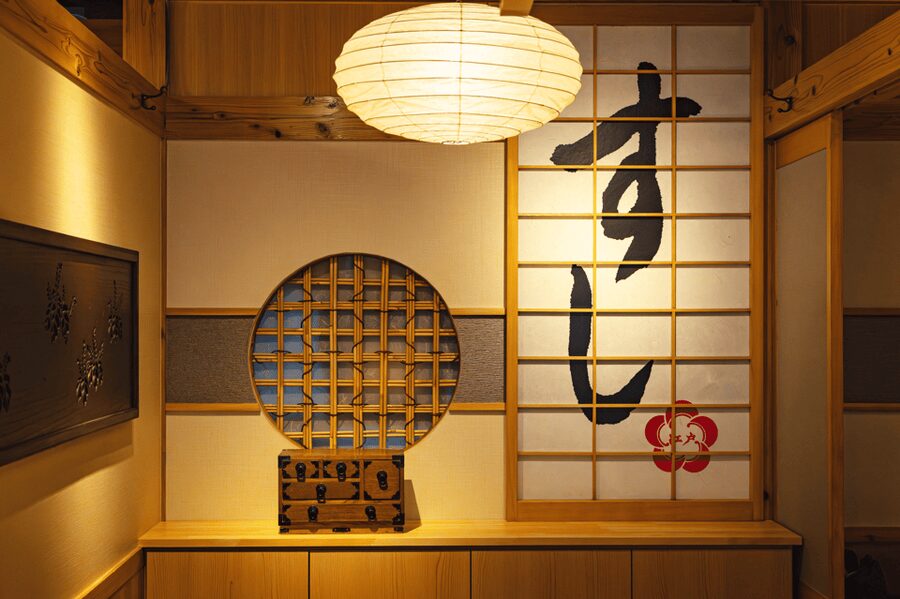
Many food classes are held in bright teaching kitchens built for visitors. This one takes place in a real Tokyo sushi restaurant, which gives the setting more purpose. You are learning in the kind of place where sushi is treated as a craft, not merely as a quick meal or a colorful souvenir activity.
The focus is on the small decisions that shape sushi. Rice must have the right texture and seasoning. Fish must be cut and handled carefully. Nori has its own crispness and aroma. Wasabi is not just a green condiment added at the end.
That setting also means the class is not designed as a theatrical show. You will have tools, ingredients, and equipment supplied, then work through the process with an English-speaking chef and interpretation support. If you want a useful skill to take home, rather than only a photograph of lunch, this is the right kind of format.
The chef is described as an Itamae with 30 years of experience. No personal name is provided, but that level of professional practice matters. Sushi technique can look simple because the finished pieces are small. Making neat, balanced sushi is another matter.
More sushi mornings and classes:
- Sushi Making Tokyo Roll and Authentic Japanese Sushi Class
★ 5.0 · 3,971 reviews - Tokyo: Roll and Authentic Sushi Making Class in Asakusa
★ 4.9 · 1,957 reviews - Make Sushi and Create Unforgettable Memories in Tokyo
★ 5.0 · 1,413 reviews
Starting with rice, tools, and fresh wasabi
The class begins with the foundations of sushi. You prepare the rice, or shari, and learn why its texture and seasoning matter. A good piece of sushi depends on the rice as much as the fish. If it is too wet, too firm, too warm, or poorly seasoned, the whole piece feels wrong.
You also get familiar with the basic tools and working method. One participant specifically appreciated learning even the small step of tying a chef’s apron. That detail suggests a class that does not assume you already know restaurant etiquette or kitchen technique.
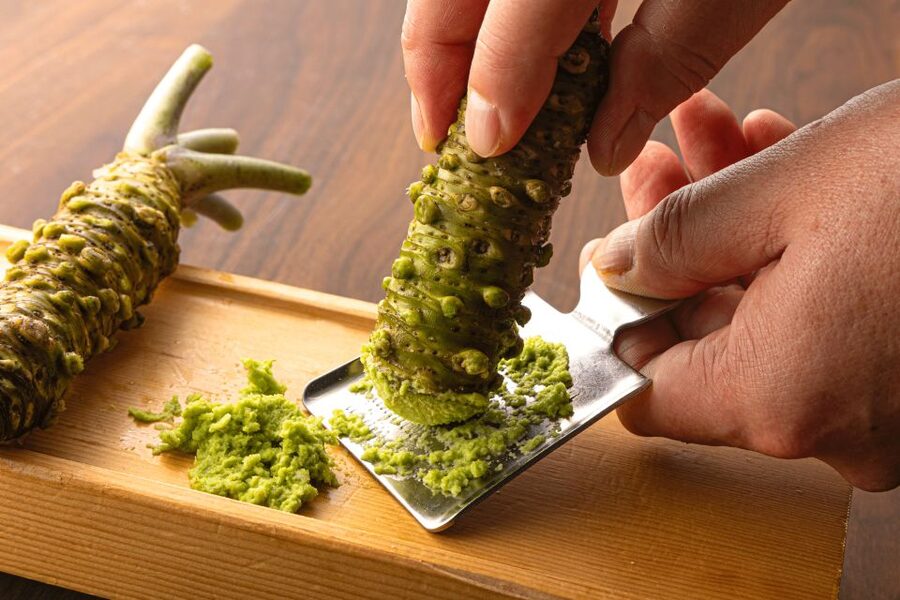
Then comes one of the most unusual parts: grating real wasabi. Freshly grated wasabi has a cleaner, more delicate flavor than the sharp paste often served outside Japan. It is a short activity, but it helps explain why Japanese sushi chefs treat ingredients with care.
I like this beginning because it slows you down. You are not rushed straight into rolling a large amount of sushi. You first learn what each part contributes. That is useful if you plan to make sushi at home, since rice and seasoning are often harder to get right than the rolling itself.
Shaping hand-rolled sushi with premium nori
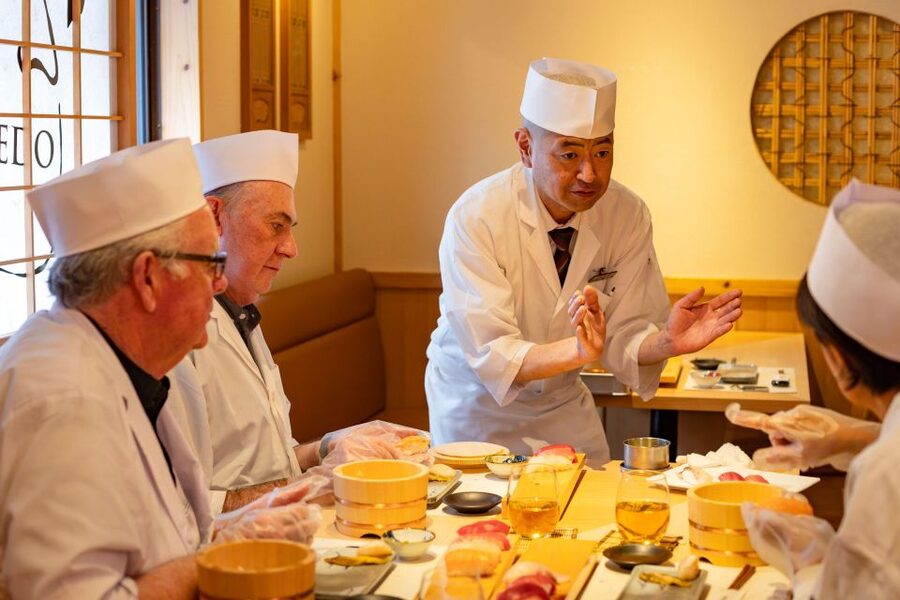
Next, you work with nori and make hand-rolled sushi. The lesson is practical: how much rice to use, how to position the ingredients, and how to roll without crushing the filling or leaving the seaweed loose.
Premium nori is worth noting because its texture affects the finished bite. Good nori should give you a crisp, clean sheet rather than a chewy wrapper that overwhelms the filling. You get to see how the seaweed, rice, fish, and wasabi need to balance one another.
This part should suit families, couples, and first-time sushi makers. You do not need professional kitchen experience. The minimum age is 10, and elementary school students and older children can take part, although the activity is not suitable for children under 10.
The group limit of eight is important here. Rolling sushi is the sort of task where a vague demonstration is not enough. You may need the chef to correct the amount of rice or show you how to hold the nori. A smaller class gives you a better chance of receiving that help.
From fish preparation to your own nigiri
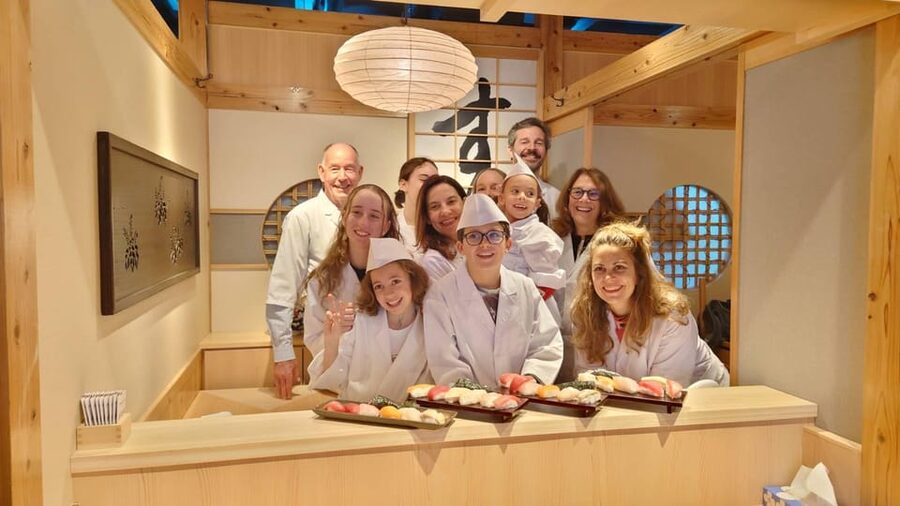
The class also includes professional demonstrations of fish preparation and sushi techniques. This is where the difference between making sushi and simply putting toppings on rice becomes clearer.
You may prepare and taste a broad selection of sushi, including uni, negitoro, hirame, kuruma-ebi, chutoro, and akami. These ingredients give you different textures and levels of richness:
- Uni offers a soft, creamy texture and a distinct sea flavor.
- Negitoro combines minced tuna with green onion for a rich, soft filling.
- Hirame is a delicate white fish.
- Kuruma-ebi is Japanese tiger prawn.
- Chutoro is a medium-fatty cut of tuna.
- Akami is lean tuna with a cleaner, firmer taste.
The exact order and preparation style are not specified, so you should think of this as a guided tasting and making session rather than a fixed restaurant menu. Still, the variety is a real strength. You can compare lean and fatty tuna, shellfish and white fish, soft fillings and firmer cuts.
You also learn to form nigiri, the hand-shaped sushi most people picture first. The chef demonstrates how to combine rice and fish without pressing too hard. That balance is difficult to judge at home, and watching a professional work can make the technique easier to understand.
A useful tip is to pay attention to the chef’s hands, not only the finished pieces. The speed may look effortless, but the lesson is about the shape, pressure, and order of each movement. You should expect your first pieces to look less tidy than the chef’s. That is part of the fun, and the class gives you a chance to improve before the meal ends.
A few more Tokyo bookings worth comparing
- Mt Fuji and Hakone 1-Day Bus Tour Return by Bullet Train
★ 5.0 · 26,383 reviews - 1-Day Tokyo Bus Tour
★ 5.0 · 14,250 reviews - Tokyo: TOKYO SKYTREE® Admission ticket
★ 4.5 · 11,192 reviews - Tokyo: teamLab Planets TOKYO Digital Art Museum Entry Ticket
★ 4.6 · 9,779 reviews
The meal finish: sushi, wakame udon, and a drink
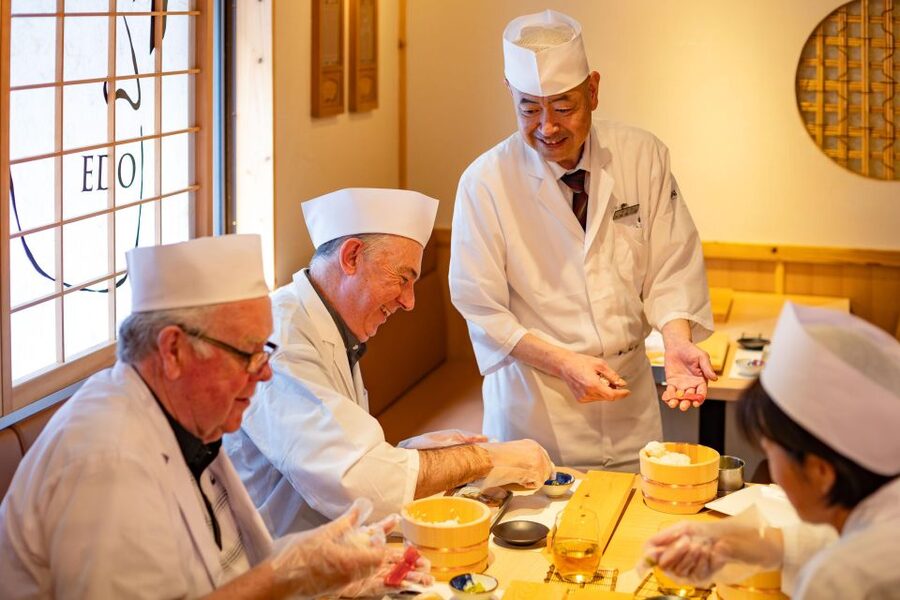
After the preparation, you eat what you have made. That closes the loop nicely. You are not practicing with food that disappears into a bin or preparing a dish you never get to enjoy.
A special wakame udon is also included. The udon gives the meal a warm, comforting finish and adds something different from the cool rice and seafood. It also makes the class feel more like a complete Japanese meal rather than a narrow lesson in rolling technique.
The drink information needs a little care. The experience details mention a complimentary drink, with beer, sake, cola, or green tea as possible choices. The included-items information separately says beverages are not included and that a drink menu is available. Because the information differs by option, check the exact booking choice before you assume a drink is covered.
That small uncertainty is not a reason to reject the class, but it is worth sorting out. At $161 per person, you should know what your final package includes.
What $161 buys you in Tokyo
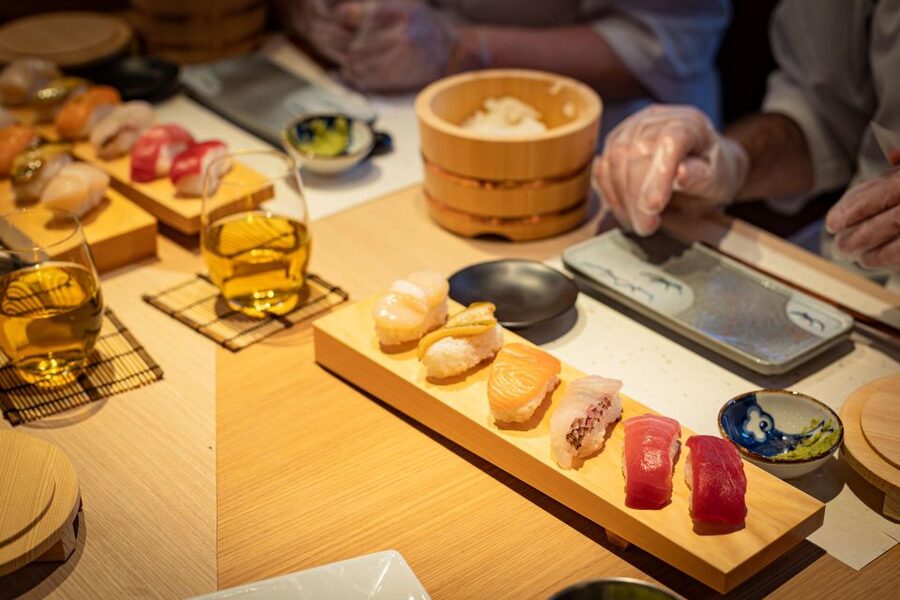
At $161, this is not a budget lunch. You are paying for a two-hour lesson, the chef’s instruction, the restaurant setting, ingredients, tools, equipment, and the meal you prepare. The price makes the most sense if you value professional teaching and want to understand sushi beyond its appearance.
The seafood selection also affects the value. Working with uni, chutoro, kuruma-ebi, and several other ingredients gives you a more varied session than a class limited to cucumber rolls or basic California-style sushi. The use of fresh wasabi is another detail that adds substance.
I would compare this with the cost of a high-quality sushi meal in Tokyo, but the point is not simply how much food you receive. You are also taking home a process you can repeat. You may not recreate premium fish at home, but you can improve your rice, hand pressure, seasoning, and rolling technique.
The value is weaker if you only want a quick meal or have little interest in making sushi later. Two hours is a compact format, so the class cannot cover every aspect of sushi culture, knife work, seafood sourcing, and restaurant service. For a focused introduction, though, the length is sensible.
A small group that suits food lovers and families
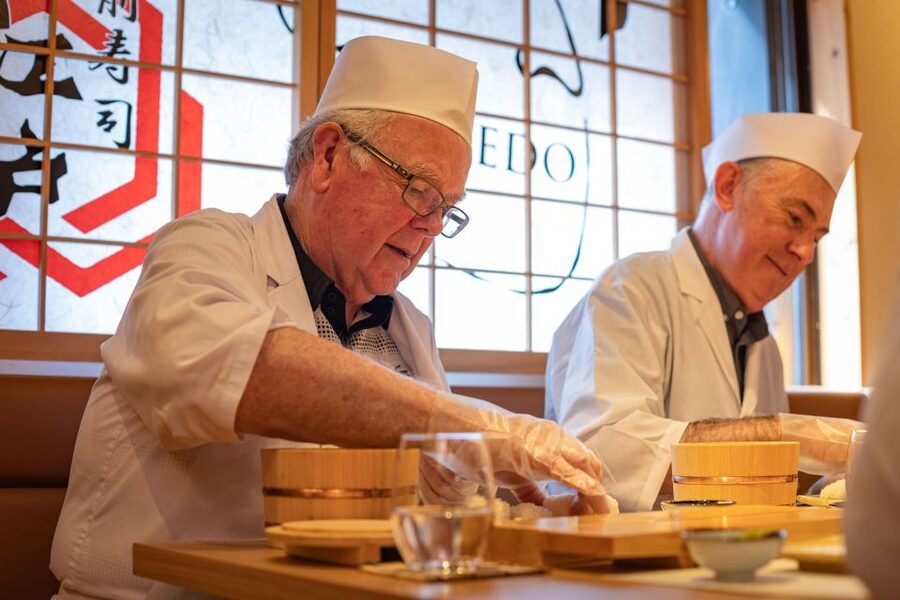
The class is limited to eight people, with a minimum of two participants. That makes it a poor fit for a solo booking unless you can join another reservation or the provider confirms availability. Check this before planning your day around it.
For families, the age rule matters. Children under 10 cannot take part, while elementary school students and older children are eligible. The work involves food preparation and tools, so adults should expect to stay involved with younger children rather than treating the session as supervised childcare.
Food lovers will get the most from the class, especially if you already enjoy sushi and want to understand its construction. It also suits someone who wants a memorable activity that is more active than a standard restaurant meal.
Vegetarian and allergy-friendly options are available. You should still communicate your needs in advance, since sushi ingredients can include seafood, shellfish, fish roe, and other items that require careful substitution. The supplied information confirms that options exist, but it does not specify the exact replacement menu.
Strong fragrances and indoor smoking are not allowed. That is sensible in a sushi restaurant, where smell matters and other people are working close by. Avoid perfume or heavily scented products on the day.
English instruction and the pace of the lesson
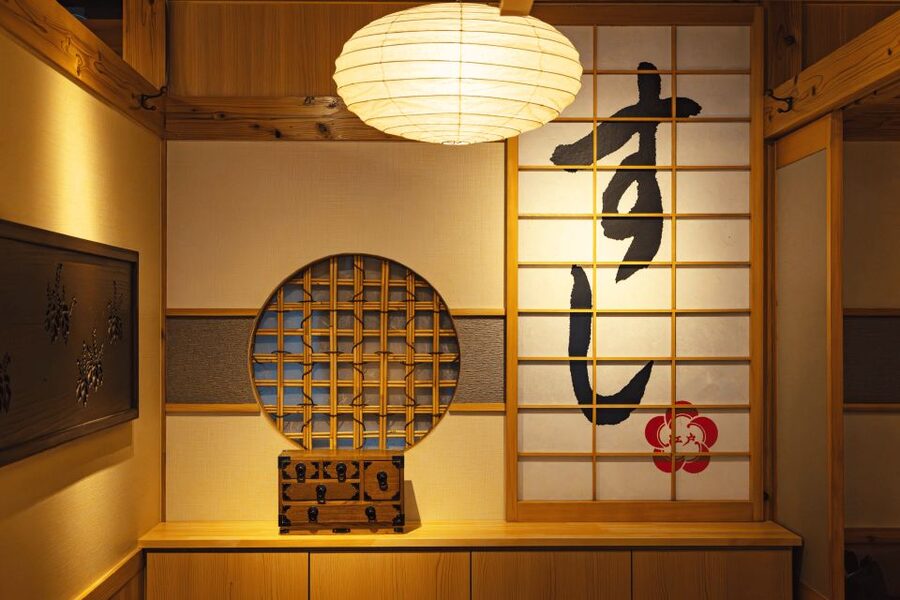
The instructor language is English, with interpretation support. That should make the core techniques accessible if you do not speak Japanese. The chef can demonstrate the movements while explaining what to do, which is often more useful than spoken instruction alone.
Past participants praised the warm, patient teaching and clear explanations. One person described learning everything from apron tying and wasabi grating to slicing fish and forming nigiri. Another highlighted the clean, comfortable cooking-school environment and strong organization.
Those details point to a class with a friendly pace rather than a stern professional kitchen. Still, sushi requires concentration. You will be handling food, listening to instructions, and trying several techniques within two hours. If you want a slow, private lesson with unlimited time for questions, a group class may feel brisk.
The group size helps keep that pace manageable. With eight or fewer people, the chef can demonstrate, let you practice, and move around the table to offer corrections. I would treat the hands-on element as the main reason to book, not simply the chance to eat expensive fish.
Booking details worth checking before you go
The activity lasts two hours, and available starting times depend on the date you select. The meeting point may vary according to the option booked, so do not rely on a general Tokyo location. Check your confirmation carefully before setting out.
You can cancel up to three days in advance for a full refund. That gives you some room to adjust a busy Tokyo schedule, but the deadline is firm enough that you should not leave the decision until the last minute.
The experience is offered by H.I.S. Co Ltd, TIC. The listed rating is 5 out of 5 from 17 verified bookings, with praise focused on friendly staff, clear teaching, cleanliness, organization, and the range of sushi skills covered. The strongest pattern is the human side of the class: the chef and team appear to make beginners feel comfortable while still teaching real technique.
Should you book this sushi experience?
I would book it if you want to do more than order sushi in Tokyo. The combination of a real restaurant, a 30-year Itamae, fresh wasabi, professional demonstrations, and several kinds of seafood gives the two hours real substance.
The class is best for food-focused adults, families with children aged 10 and over, and anyone who wants a practical skill to take home. Vegetarian and allergy-friendly options make it more flexible, though you should share your requirements before arrival.
I would skip it if you are looking for the cheapest meal, dislike hands-on food preparation, or need a fully private and unhurried lesson. Also confirm the meeting point and drink inclusion, since those details can vary by option.
For most visitors who want a personal connection to Japanese food, the price is defensible. You leave with a full meal, a better sense of what makes sushi good, and techniques you can practice long after your Tokyo visit.
FAQ
How long does the Tokyo sushi chef experience last?
The experience lasts two hours.
Where does the sushi class take place?
It takes place at a real sushi restaurant in Tokyo. The exact meeting point may vary depending on the option booked.
Who teaches the sushi class?
An English-speaking Itamae, or master sushi chef, leads the class. The chef has 30 years of experience, and interpretation support is available.
How many people can join the class?
The group is limited to eight participants.
Is there a minimum number of participants?
Yes. A minimum of two participants is required.
What types of sushi can I make and taste?
The class includes opportunities to try uni, negitoro, hirame, kuruma-ebi, chutoro, and akami sushi. You also learn to prepare sushi rice, make hand-rolled sushi, and form nigiri.
Are vegetarian or allergy-friendly options available?
Yes. Vegetarian and allergy-friendly options are available.
Can children join the experience?
Children under 10 are not permitted. Elementary school students and older children can take part.
Is a drink included in the price?
The activity information mentions a complimentary beer, sake, cola, or green tea, while another section says beverages are not included and refers to a separate drink menu. Confirm the drink policy for your selected option before booking.
New on our Tokyo list
- Sumi-e Experience in a relaxing green tea shop in Tokyo★ 5.0 · 3 reviews
- Tokyo : Kamikaze Street Drift Ride★ 5.0 · 3 reviews
- Private Zen Meditation in English in Shinjuku, Tokyo★ 5.0 · 3 reviews
- Onsen Spa in Tokyo and Asakusa Bar Hopping with Local Guide★ 5.0 · 3 reviews
- Easy for everyone! Now you can play handmade mini shamisen and show off to everyone! Musical instruments, sweets and live music★ 5.0 · 3 reviews
- Tokyo: Private Tsukiji Street Food & Sake with Local Guide★ 5.0 · 3 reviews
- Mt Fuji Exploration Tour with Free Japanese Kusa Mochi from Tokyo★ 4.5 · 3 reviews
- Tokyo Tsukiji Fish Market Walking and Exploring Hidden Gems Tour★ 5.0 · 3 reviews
Sushi Experiences, compared.
Sushi Making Tokyo Roll and Authentic Japanese Sushi Class
Read our review →
Roll and Authentic Sushi Making Class in Asakusa
Read our review →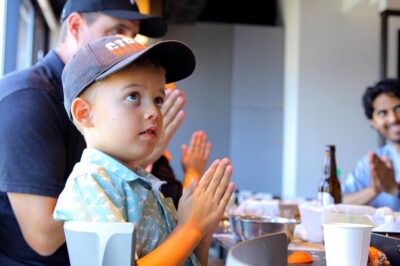
Make Sushi and Create Unforgettable Memories in Tokyo
Read our review →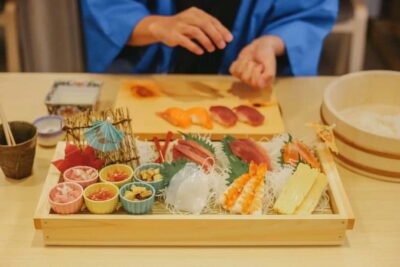
Sushi Making Class in a Happi Coat near a Famous Spot
Read our review →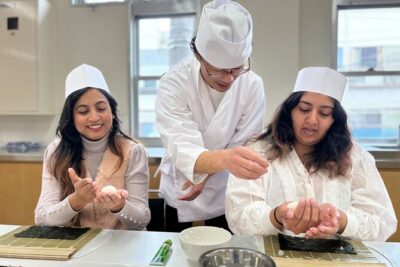
Tokyo Sushi Making Class in Tsukiji with Professional Chef
Read our review →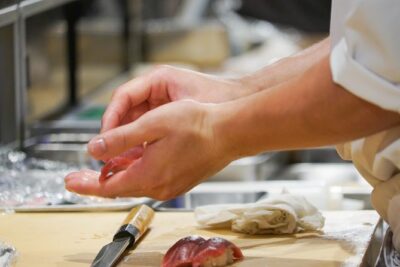
Tokyo Night Foodie Tour in Shinjuku – Seasonal Sushi, Wagyu Beef
Read our review →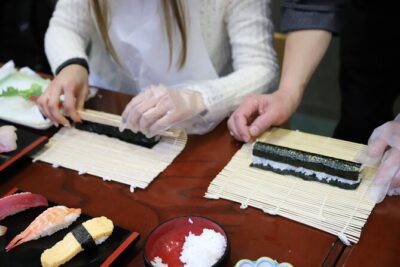
Tsukiji Fish Market Guided Tour and Sushi Making with Pro Chef
Read our review →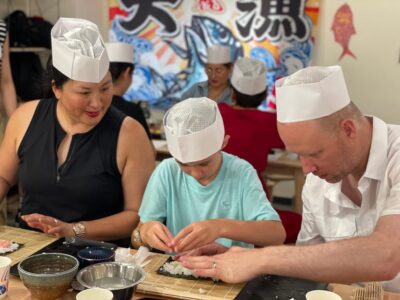
Tsukiji Fish Market Sushi Making Class with Pro Chef
Read our review →Browse the lists this tour appears in