
Reviewed · SAMURAI & NINJA EXPERIENCES
Tokyo: Samurai Kendo Practice Experience
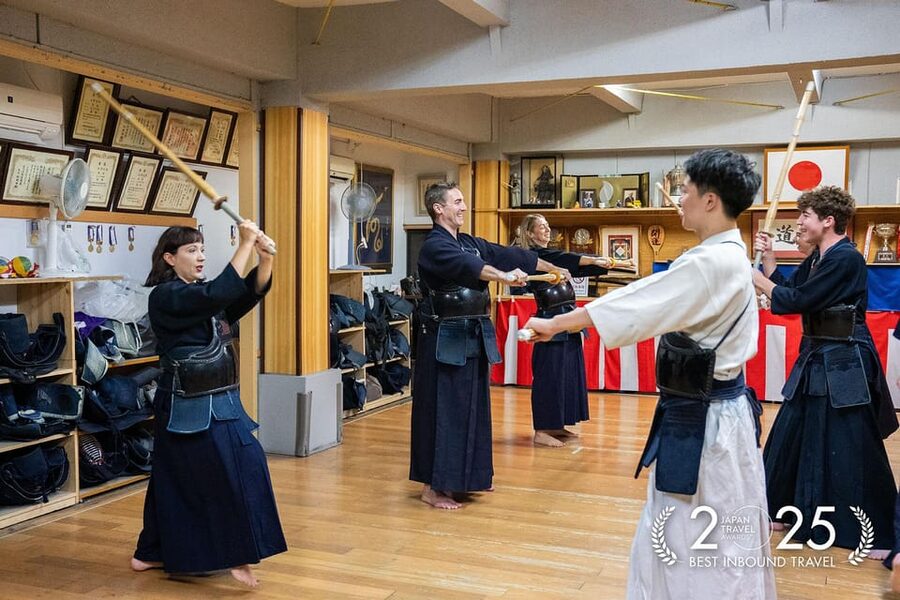
Tokyo’s Samurai Kendo Practice Experience puts you inside a working dojo, not a staged photo set. You’ll bow, learn basic footwork and strikes, put on full kendo armor, and practice against other beginners and the instructor. The bamboo sword work feels lively and physical, while the strict etiquette gives the session its Japanese character.
I like the small six-person limit, which gives the instructor room to correct your stance. I also like the balance of culture and exercise: you learn why kendo works as you sweat through men, kote, and do strikes. The main caution is communication. Instruction is in English and Japanese, and some movements are taught quickly. The armor can also be awkward for larger bodies, and glasses are not recommended under the helmet.
In This Review
- Key points at a glance
- What this Tokyo kendo class really offers
- Arriving at Seidokan near Uguisudani
- Learning the basics before the armor goes on
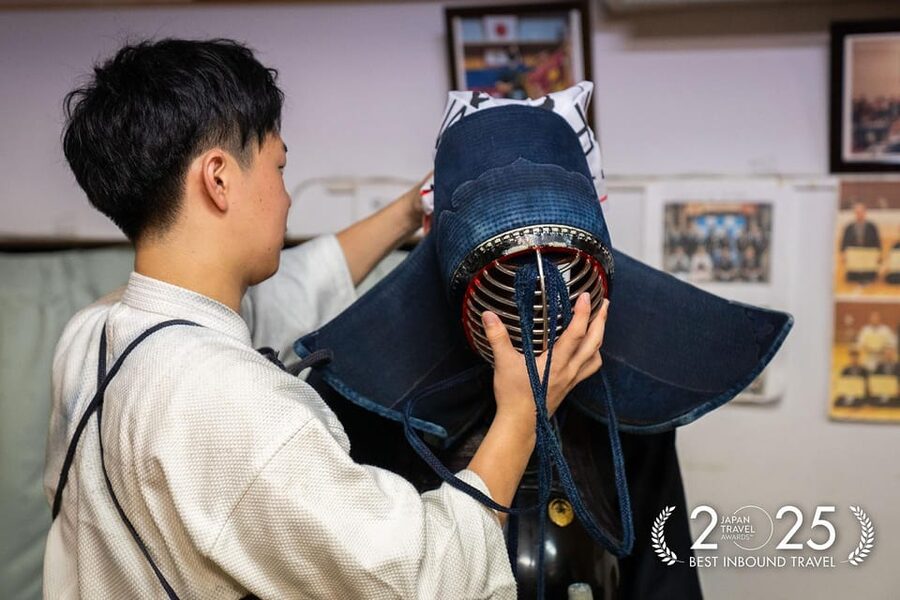
- Putting on the full kendo equipment
- From controlled strikes to light sparring
- Seeing the dojo’s serious side
- What the $116 price includes
- Who will enjoy this most
- Practical preparation for a better class
- Should you book the Samurai Kendo Practice Experience?
- FAQ
- How long does the Tokyo Samurai Kendo Practice Experience last?
- Where does the kendo experience take place?
- What languages are available?
- Is kendo equipment included?
- What should I wear?
- Can I wear glasses during the class?
- Is food included?
- Can I cancel the booking?
Key points at a glance
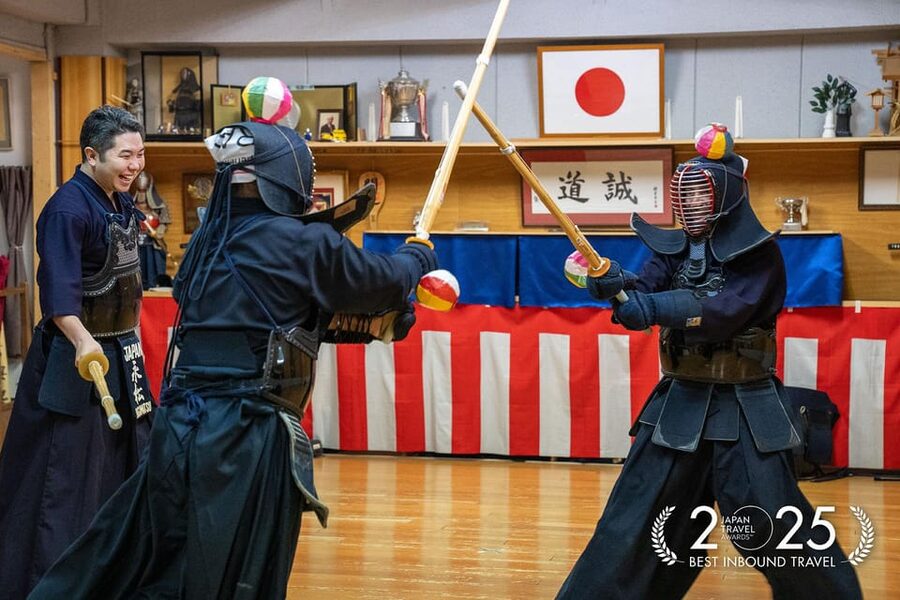
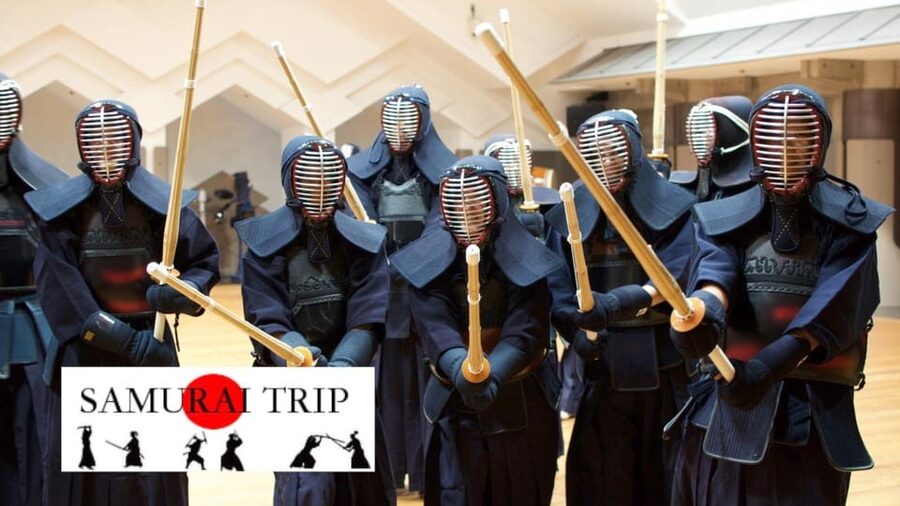
- Full kendo armor: Wear the protective helmet, body armor, gloves, and other rented equipment used for practice.
- Real practice, not just posing: Beginners learn strikes, footwork, rules, and light combat-style games.
- Experienced instruction: Nagamatsu-sensei and fellow teachers guide the class, with decades of kendo experience behind the dojo.
- Small group setting: The class is limited to six people, useful when you need help with unfamiliar movements.
- A physical two hours: Expect exercise, sweat, and the need for loose clothing and fresh clothes afterward.
- Convenient Tokyo location: Seidokan dojo is about 10 to 12 minutes on foot from JR Uguisudani Station’s North Exit.
What this Tokyo kendo class really offers
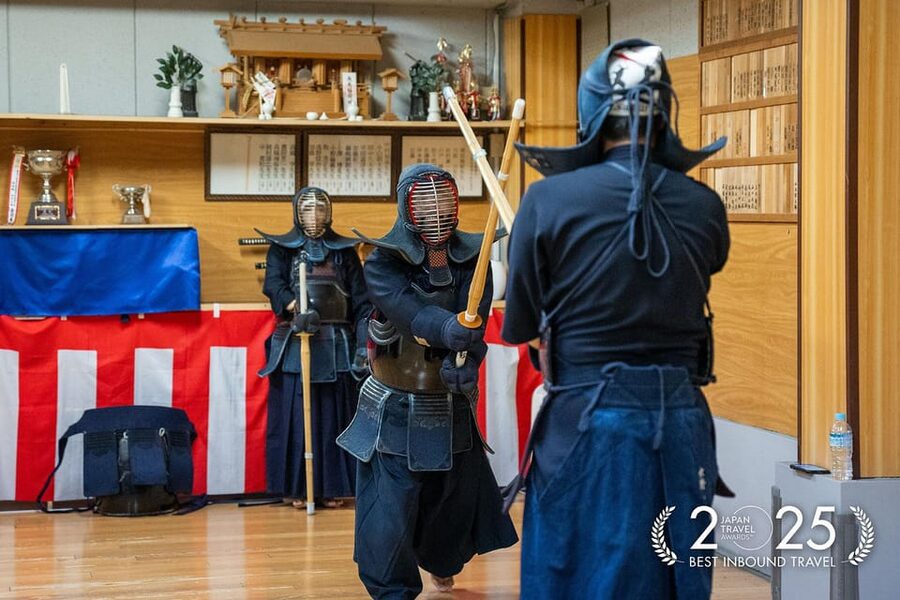
The title promises a samurai experience, but the activity itself is kendo, Japan’s disciplined sword-fighting sport. You use a bamboo practice sword, called a shinai, rather than swinging a sharpened weapon at another person. The goal is not to reenact a movie duel. It is to learn controlled movement, timing, posture, etiquette, and accurate strikes.
That distinction matters. If you want a quick samurai costume photograph, this class may feel more demanding than expected. If you want to understand how Japanese sword practice feels in the body, it offers much more.
The two-hour format is enough to move beyond a demonstration. You will not become a trained kenshi in one session, but you can learn the basic rhythm of a kendo exchange and see why the sport is harder than it looks.
The experience is run at Seidokan, written 誠道館, in Higashinippori. It is a dojo in a house-like setting rather than a large tourist venue, so allow time to find the entrance. The address is 4-7-2 Higashinippori, Arakawa-ku, Tokyo, around a 10 to 12-minute walk from the North Exit of JR Uguisudani Station.
More dojo sessions:
- Tokyo: Samurai Sword & Archery Class from Samurai Descendant
★ 5.0 · 603 reviews - Tokyo:Samurai sword and archery class from a samurai descendant
★ 5.0 · 121 reviews - Tokyo 2-Hour Genuine Samurai Experience: Kendo in Japan
★ 5.0 · 112 reviews
Arriving at Seidokan near Uguisudani
Uguisudani is less polished and tourist-focused than some central Tokyo districts, which suits this activity. You are heading to a real training place, not a theme park attraction. The location can be slightly confusing at first because the dojo operates out of a house, so keep the exact address handy and avoid arriving at the last minute.
Once inside, expect a calm training room with the formal feel of a Japanese dojo. The change in mood is part of the point. Kendo begins with etiquette, and the quiet space helps you understand that this is a martial art built around control rather than wild swordplay.
The instructors speak English and Japanese. English explanations are enough for the main lesson, but a few participants found that the pace could be quick or that certain instructions were hard to grasp. I would watch the demonstrations closely, copy the movement slowly, and ask for a repeat when needed.
The group limit of six is important here. Kendo involves a lot of small corrections: where your feet point, how you hold the shinai, how high you lift it, and when you move forward. A large class would make that harder. With six people, you have a better chance of receiving direct help.
Learning the basics before the armor goes on
The class starts with fundamentals rather than immediate combat. You learn kendo etiquette, basic posture, footwork, and the purpose of the main strikes. The three basic targets identified in the session are men, the helmet or head area, kote, the wrist or forearm area, and do, the side of the body.
You also work on counter techniques and the official rules of kendo. This gives the later practice some structure. Instead of simply tapping another person with a bamboo sword, you begin to understand that a proper kendo strike depends on distance, timing, form, and spirit.
The footwork may be the first surprise. Prior martial arts experience can help, especially when you need to move with the right rhythm, but you do not need previous training to join. The instructors guide beginners through the sequence and then ask you to apply it at a faster pace.
This is where the class can feel a little strict. Nagamatsu-sensei is described as patient, playful, and firm, while another participant found the manner blunt at times. That mix is normal for a traditional martial arts lesson. You should expect correction, not a soft entertainment script.
The teaching style also helps keep the session authentic. The instructor does not treat the sword as a toy. You learn to bow, listen, keep control, and respect the person in front of you. The humor keeps the mood friendly, but the discipline remains clear.
Putting on the full kendo equipment
After the first lesson, you put on the rental armor and equipment. This is one of the strongest parts of the experience because the gear changes your sense of the activity. The helmet, body protection, gloves, and uniform make you feel part of the practice, but they also add weight and restrict movement.
You should wear loose exercise clothing under the equipment. The dojo may not have every size of kendo wear available, so your own clothes may be used if needed. This is especially relevant for plus-size participants, since one person found the fit limiting. If you are concerned about sizing, loose athletic clothing gives you the best chance of staying comfortable.
Glasses create another practical problem. The head protector is difficult to wear over spectacles, and the glasses may be damaged. The guidance is to bring contact lenses instead. If you cannot use contacts, you should think carefully before booking, since the class specifically advises against wearing glasses with the helmet.
The equipment is not merely for appearance. It lets you experience the sound, closeness, and restricted vision of kendo practice. The helmet makes communication and awareness different from ordinary exercise. You need to listen carefully and stay alert to the instructor’s signals.
Bring water and expect to sweat. Mineral water is included, but it is sensible to arrive hydrated and pack fresh clothes for afterward. The activity does not include food, so plan a meal or snack separately if you need one after the workout.
More samurai and ninja sessions:
- Tokyo: Samurai Ninja Museum Guided tour and Experience
★ 4.6 · 1,010 reviews - Best Samurai Experience in Tokyo
★ 5.0 · 458 reviews - Ninja Experience (Family Friendly) at Samurai Ninja Museum TOKYO
★ 5.0 · 441 reviews - Tokyo: Samurai Entertainment Night Show in Kanda Shrine
★ 4.6 · 417 reviews
From controlled strikes to light sparring
Once you know the basic movements, the class shifts toward practice that feels like a real match. Beginners are guided as if they were taking part in an actual game, but the instruction remains supervised. You apply the techniques against partners and, at times, against the instructor.
The light sparring is where the two hours earn their keep. You feel the pressure of closing distance, choosing a target, and trying to strike with enough accuracy. You also discover that a trained instructor can move much faster and more precisely than a first-time student expects.
Some sessions include playful games using balloons. That sounds simple, but it gives you a low-pressure way to work on movement and timing. You may also practice counter techniques and try several rounds against the other people in your group.
The activity can feel more physical than the description suggests. One participant found the workout excellent, while another said the class involved more action than expected. That is useful advice: do not book this as a quiet cultural lecture. You will be moving, concentrating, and striking for much of the session.
The instructors control the pace, but the helmet and armor do not make every contact feel gentle. One family felt that strikes to the helmet were too rough. The session is presented as safe and guided, yet you should still listen closely, follow the rules, and tell the instructor if something feels uncomfortable.
Seeing the dojo’s serious side
A memorable part of the setting is the contrast between your beginner lesson and the regular training around you. You may see experienced practitioners working together after or around the class. Their speed and accuracy show how far the fundamentals can develop.
The dojo also displays photographs and awards connected with the instructors. These details help place the lesson in a real kendo community. You are not only learning a few movements for a souvenir photograph. You are getting a short look at a sport that people train in for years.
The teaching background is another reason the price feels reasonable. The kendo house has more than 20 years of history, and the instructors include a Keio University kendo graduate. Nagamatsu-sensei is described as having more than 60 years of kendo experience. The supplied information also refers to experienced teachers and a Malaysian representative swordsman.
The details are a little unclear about which instructor leads every departure, so do not assume you will meet one specific teacher each time. Still, the lesson is built around instructors with serious practice behind them, not a guide who learned the routine for tourists.
What the $116 price includes
At $116 per person, this is not a low-cost Tokyo activity. I would compare it with the price of a normal museum visit or short workshop and ask what you want from the afternoon. You are paying for a small group, instructor attention, rental armor, a structured lesson, and actual practice rather than a short demonstration.
The value is strongest if you want participation. You will learn the basic strikes, put on the armor, take part in light combat games, and receive guidance in a way that a large photo experience cannot provide. The included mineral water and Japanese hand towel are small extras, but the real value is the instruction and equipment.
It is less useful if you only want to hold a sword for a few minutes. The lesson takes etiquette and technique seriously, and the physical effort is part of the package. You should also budget for food separately, since none is included and there is no hotel pickup.
The activity offers free cancellation up to 24 hours before the start time, with a full refund, and you can reserve now and pay later. Those terms help if your Tokyo schedule is still shifting. The stated duration is two hours, but the timing is approximate, so leave a little space around the booking rather than arranging a tight connection afterward.
Who will enjoy this most
This suits adults, families, and older children who can follow instructions and handle physical activity. One group included two pre-teens who enjoyed the workout and the armor. The small class and playful sparring also make it a good choice for friends who want to do something more active than sightseeing.
You do not need martial arts experience. Beginners are taught the basic movements, rules, and targets. Prior experience may help with footwork, but it is not required.
I would choose this for you if you like hands-on cultural activities, do not mind being corrected, and want to understand the discipline behind Japanese swordsmanship. It is also a good rainy-day option because the action takes place indoors.
I would hesitate if you dislike close physical activity, have difficulty with helmets or restrictive clothing, or need detailed instruction in a language other than English or Japanese. The class can move quickly, and its strict tone may not suit someone expecting a relaxed costume session.
Practical preparation for a better class
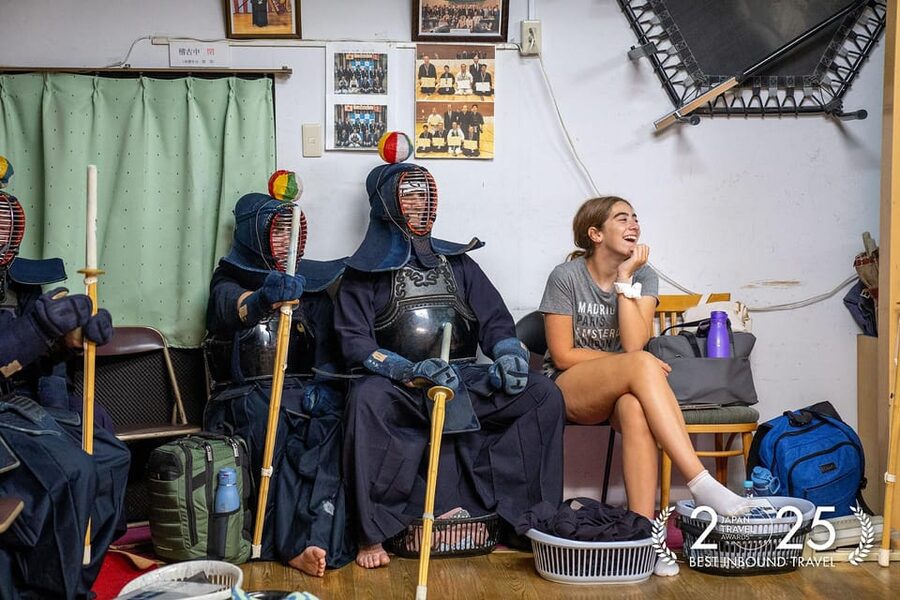
Wear loose exercise clothes that can fit beneath kendo equipment. Bring contact lenses instead of glasses if you use vision correction, and pack fresh clothing because you are likely to sweat.
Arrive with enough time to find the house-style dojo near Uguisudani. The walk from the station is short, but the location has confused some people. Keep the Japanese name, 誠道館, and the full address available on your phone.
Listen carefully during demonstrations. If the instructor speaks too fast, ask for the movement again rather than guessing. Kendo depends on exact posture and timing, so a small correction early can make the later sparring much easier.
Treat the session as martial arts training, not a free-for-all. The point of the armor is controlled practice, and the helmet does not mean you should ignore safety instructions. You will have more fun if you focus on learning the form instead of trying to hit hard.
You receive mineral water and a Japanese hand towel. Food is not provided, and hotel pickup is not available, so plan the walk to and from the dojo and your next meal.
Should you book the Samurai Kendo Practice Experience?
I would book this if you want a genuine hands-on introduction to kendo and are happy to work for your souvenir. The best features are the small group, full armor, experienced teachers, and chance to move from basic instruction into light sparring.
I would not book it as a passive samurai show. You will sweat, repeat unfamiliar footwork, and receive firm corrections. English instruction is workable but not always perfectly clear, and the equipment may not suit every body type.
For the right person, $116 buys more than a costume photo. It gives you a short, memorable lesson in etiquette, control, and sword practice at a real Tokyo dojo. Bring loose clothes, contact lenses if needed, and a little patience. You will leave with a better sense of why kendo looks simple from the side and feels demanding when you hold the shinai yourself.
FAQ
How long does the Tokyo Samurai Kendo Practice Experience last?
The scheduled duration is two hours. The actual program may take slightly more or less time, so leave room in your schedule and avoid booking another activity immediately afterward.
Where does the kendo experience take place?
It takes place at Seidokan dojo, written 誠道館, at 4-7-2 Higashinippori, Arakawa-ku, Tokyo. The dojo is about 10 to 12 minutes from the North Exit of JR Uguisudani Station.
What languages are available?
Instruction is provided in English and Japanese only.
Is kendo equipment included?
Yes. Rental kendo armor and equipment are included in the price.
What should I wear?
Loose-fitting exercise clothing is recommended. If the dojo does not have a suitable uniform size, you may need to practice in your own clothing.
Can I wear glasses during the class?
Glasses are not recommended while wearing the kendo head armor because the helmet can be difficult to wear over spectacles and may damage them. Contact lenses are advised.
Is food included?
No. Food is not included. Mineral water and a Japanese hand towel are included.
Can I cancel the booking?
You can cancel up to 24 hours in advance for a full refund. The reserve-now, pay-later option also allows you to hold a place without paying immediately.
New on our Tokyo list
- From Tokyo: Mount Fuji & Hakone Full Day Private Tour★ 4.9 · 25 reviews
- Tokyo Spectacular View Day-Cruise in 90 Minutes★ 5.0 · 25 reviews
- Real Tokyo Runner Club : Daikoku Car Meet Night Tour with JDM Car★ 5.0 · 25 reviews
- 2.5 Hour-Guided Cycle Tour in the Central Tokyo★ 5.0 · 25 reviews
- Ramen Making from Scratch +Akihabara Tour –Cooking Class★ 5.0 · 25 reviews
- [Self-Drive] Tokyo & Daikoku Custom Car Driving Tour★ 4.9 · 25 reviews
- Tokyo: 2-Hour Night Bike Tour of the City’s Hidden Gems★ 4.9 · 25 reviews
- Samurai themed Entertainment show in Shinjuku★ 4.5 · 25 reviews
Samurai & Ninja Experiences, compared.
Samurai Ninja Museum Guided tour and Experience
Read our review →
Samurai Sword & Archery Class from Samurai Descendant
Read our review →
Ninja Experience (Family Friendly) at Samurai Ninja Museum TOKYO
Read our review →
Samurai Entertainment Night Show in Kanda Shrine
Read our review →
Tokyo Sword Experience – includes Museum Ticket/Ninja Experience
Read our review →
Samurai Ninja Museum Asakusa: Samurai Sword Lesson & Tour
Read our review →
Ninja Samurai 2-hour hands-on lesson by Japanese master in Tokyo
Read our review →Browse the lists this tour appears in