
Reviewed · WALKING TOURS
Tokyo Shibuya and Harajuku Walking Tour With A Guide
Tokyo’s Shibuya Scramble Crossing is the headline act, but the best part of this three-hour walk is seeing how quickly the city changes around it. You move from giant screens and youth fashion to quieter Harajuku lanes, independent shops, smart Omotesando, and the wooded grounds of Meiji Shrine.
I like the way the guide can shape the walk around your interests, especially if you care about clothing, street culture, food, or everyday life in Tokyo. I also like the useful local advice built into the experience. Francine, Riccardo, Joe, Timothy, Jenny, Sébastien, and Sergio are among the guides praised for sharing personal experience and suggesting places to eat and explore later.
The main drawback is simple: three hours covers a lot of ground, so expect steady walking rather than a slow look at every shop. Public transport used during the tour costs extra, food and drinks are not included, and this is a sightseeing walk around monuments rather than an inside visit.
In This Review
- Key points to know before you book
- Why this walk works as a first look at Tokyo
- Starting near Shibuya Station and meeting Hachiko
- Center-gai and Shibuya 109: Tokyo’s youth style in motion
- Harajuku Station and the rush of Takeshita Street
- Ura-Hara, the quieter side of Harajuku
- Omotesando, where fashion becomes polished
- Meiji Shrine and a change of pace
- What $48.21 buys you
- How much walking and planning should you expect?
- Who will get the most from this experience?
- Should you book the Shibuya and Harajuku walk?
- FAQ
- How long does the Tokyo Shibuya and Harajuku Walking Tour last?
- What is the price of the tour?
- Where does the tour begin?
- Where does the tour end?
- Is this a private tour?
- Is there a minimum number of people for the group option?
- Which languages does the guide speak?
- Are food and drinks included?
- Does the tour include public transportation or monument entry?
Key points to know before you book
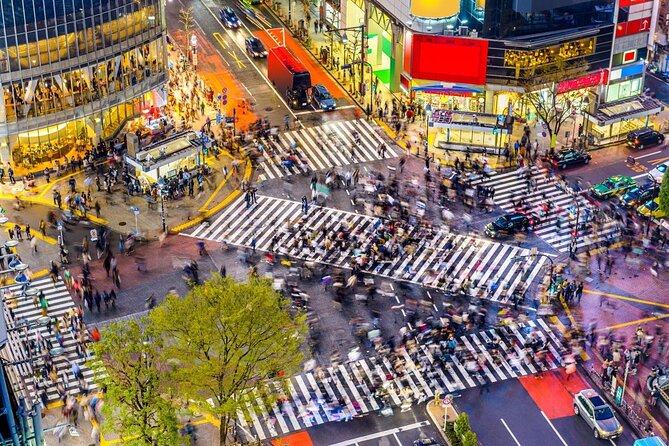
- Shibuya and Harajuku in one compact walk: You see the Scramble Crossing, Hachiko, Center-gai, Shibuya 109, Takeshita Street, Ura-Hara, Omotesando, and Meiji Shrine.
- A guide-led introduction to modern Tokyo: The focus is youth culture, fashion, street life, local customs, and how the districts fit together.
- A flexible private or small-group format: The route can be adjusted to your interests, and the private option is for your group alone.
- A strong choice for first-time visitors: You get orientation, cultural context, and practical suggestions for the rest of your stay.
- Plan for plenty of walking: Each listed stop is allotted about 20 minutes, with time also needed to walk between areas.
- Good value if you want context, not just photographs: At $48.21 per person, the price is most useful when you want a local guide to make sense of these busy districts.
Why this walk works as a first look at Tokyo
Shibuya and Harajuku are easy to reach on your own, but they are not always easy to understand. The streets can feel like a wall of signs, shops, crowds, and fast-moving trains. A guide gives you a route through that noise and points out how each area has its own character.
This is not a formal museum tour. It is a street-level introduction to present-day Tokyo. You see the places most associated with the city’s young style scene, then get a calmer counterpoint at Meiji Shrine. That contrast gives the walk a useful shape.
The guides also bring different backgrounds to the experience. Riccardo was praised for explaining Japanese culture and daily life while adding a few less obvious stops. Joe, an English guide living in Japan, combined history and practical food suggestions with quieter backstreets. Sergio had lived in Japan for more than 10 years and shared the perspective of someone who knows the country from the inside, even though he was not born there.
That variety matters. You are not simply following a fixed script. The experience includes an in-person guide in English, Spanish, French, or Italian, and the route can be customized.
More Shibuya plans:
- Official Street Go-Kart in Shibuya
★ 5.0 · 3,435 reviews - Tokyo: Street Kart Experience in Shibuya
★ 4.9 · 1,484 reviews - Shibuya Meltdown Nightlife Tour: All-You-Can-Drink Bar Hopping
★ 5.0 · 1,058 reviews
Starting near Shibuya Station and meeting Hachiko
The meeting point is at 24-2 Sakuragaokachō, Shibuya, Tokyo 150-0031. The walk is near public transportation, which is helpful in a district built around one of Tokyo’s major station areas. Your activity ends back at the meeting point, so you do not have to work out a new pickup location at the end.
The first stop is the Tokyu Tokyo Metro Shibuya Station Tourist Center. You spend about 20 minutes around this major transport hub, with its shops, places to eat, and constant movement. This is a practical beginning because it puts you right in the middle of the district instead of easing in from a quiet side street.
Next comes the Hachiko Statue, just outside Shibuya Station. The bronze Akita commemorates Hachiko, the dog remembered for his loyalty to his owner, and the statue has become one of Tokyo’s best-known meeting points.
You will likely find this stop crowded, especially since it is both a sightseeing point and a place where people arrange to meet. Your guide can help turn a quick photo stop into a short explanation of why Hachiko matters in Japanese popular culture and in the identity of Shibuya.
Do not expect a long visit here. The listed time is about 20 minutes, and the value is mainly in getting your bearings and understanding the symbol before moving into the streets.
Center-gai and Shibuya 109: Tokyo’s youth style in motion
Shibuya Center-gai gives you a close view of the district’s shopping and nightlife energy. The pedestrian street is lined with boutiques, cafés, and eateries, making it a useful place to watch how young Tokyo expresses itself through clothes, music, food, and social life.
I would pay attention here to the details around you rather than trying to visit every business. A guide can explain what makes the street different from the calmer lanes nearby and point out the kinds of shops that fit your interests. The stop is free, but purchases and food are your responsibility.
Shibuya 109 shifts the focus toward fashion. This landmark department store is aimed mainly at young women and is known for trend-led boutiques. If you enjoy Japanese streetwear or want to understand how quickly clothing trends move in Tokyo, this is one of the most relevant stops.
The practical limitation is time. About 20 minutes is enough for an introduction, but not enough for a serious shopping session. Think of this as a guided look at the role of the store in Shibuya style, not a dedicated shopping appointment.
If you want to buy something, tell your guide early. Customization is available, but the standard three-hour route has many stops, and shopping can easily take over the schedule.
Harajuku Station and the rush of Takeshita Street
Harajuku is known for youth culture, unusual fashion, small shops, cafés, and the famous Takeshita Street. Moving here from Shibuya gives the walk a clear change of mood. Shibuya feels tied to big urban landmarks and major retail names, while Harajuku is better known for experimentation and playful style.
Takeshita Street is a pedestrian thoroughfare packed with fashion, accessories, snacks, and novelty goods. It is a strong place for people-watching, but it can also be noisy and crowded. You should expect a lot of visual stimulation and limited space to pause.
The guide is especially useful here because the street can be easy to experience as a quick parade of shop fronts. With context, you get more from the area’s clothing, food, and youth-oriented businesses. The tour does not include drinks or food, so you can buy a snack if you wish, but that expense is separate.
The listed time at Harajuku Station and Takeshita Street is about 20 minutes each. That keeps the walk moving, though it will not suit you if your main goal is to browse every store or stop for a full meal.
More Harajuku wanders:
- Tokyo Go-Kart Tour Shibuya-Harajuku-Shinjuku (*IDP Required)
★ 5.0 · 217 reviews - Tokyo: Guided Go Kart Tour from Harajuku to Shibuya Crossing
★ 4.5 · 166 reviews - Shibuya & Harajuku: Hidden Gems & Highlights Private Tour
★ 4.7 · 139 reviews - Harajuku Kawaii Fashion and Pop-Culture Tour
★ 5.0 · 94 reviews
Ura-Hara, the quieter side of Harajuku
Urban Harajuku, often called Ura-Hara, refers to the backstreets behind the main Harajuku routes. This is where the walk becomes less about famous photographs and more about independent boutiques, alternative clothing, and streetwear.
I particularly like this part of the route for first-time visitors who want a break from the main crowds. The backstreets offer a different view of Harajuku, and guides can help you notice the small shops and style influences you might miss when exploring alone.
Several guides were praised for adding quieter streets and less obvious stops. Joe was noted for taking his group from the busy areas into calmer lanes, while Riccardo added places outside the usual highlights. Francine and Jenny were praised for adjusting the route around personal interests.
That flexibility is one of the tour’s best features, but you should use it. If you care more about design shops than major landmarks, say so. If you prefer food suggestions, tell your guide. If you want the classic sights, the listed route already covers them.
Omotesando, where fashion becomes polished
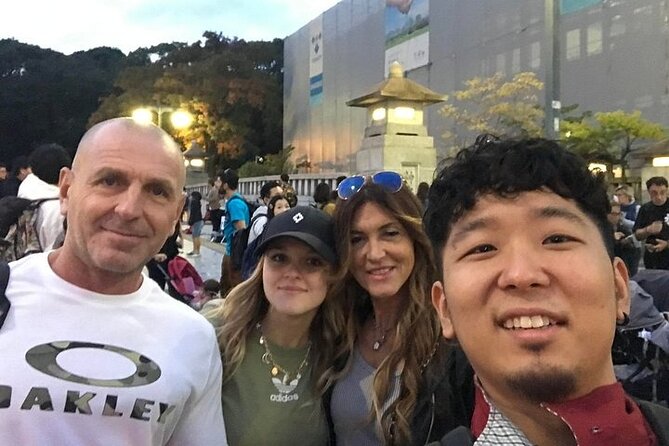
Omotesando Avenue brings a more polished side of Tokyo. It is lined with luxury boutiques, designer flagship stores, modern buildings, and cafés. The style here is less experimental than Takeshita Street and more focused on architecture, international brands, and high-end shopping.
You do not need to be a luxury shopper to enjoy this section. The buildings and broad avenue create a sharp contrast with the tight lanes of Harajuku. It also shows how close different versions of Tokyo can be: youth fashion, independent streetwear, and global design all sit within the same short walking route.
Again, the tour is about seeing and understanding the area, not receiving shopping discounts or included purchases. The stores are free to enter where permitted, but the activity does not include entry to monuments, museums, or other paid sites.
For shoppers, the guide can offer orientation and suggestions. For non-shoppers, Omotesando works as a visual and cultural transition before the final, quieter stop.
Meiji Shrine and a change of pace
The final major stop is Meiji Shrine, set in a forested area of Shibuya. The shrine is dedicated to Emperor Meiji and Empress Shoken and is one of Tokyo’s important Shinto sites.
After the noise of Shibuya and Harajuku, the grounds provide a calmer setting. This contrast is central to the value of the route. You see Tokyo’s modern style culture first, then enter a place tied to Japanese religious tradition and public memory.
The tour is not an inside visit to monuments. It is a city walk, and any entry fees for monuments or museums are not included. The information provided does not promise a ceremony, special access, or a private shrine visit, so you should book this for an outdoor introduction rather than a formal religious experience.
The itinerary gives about 20 minutes to the Meiji Shrine area. That is enough to see the setting and receive an explanation, but you may want to return later if you wish to explore at a slower pace.
What $48.21 buys you
At $48.21 per person, this is not the cheapest way to walk through Shibuya and Harajuku. You can reach the districts without a guide and visit the public streets for free. The price makes sense when you want someone to connect the places, explain local life, answer questions, and adjust the route.
The value rises if you are visiting Tokyo for the first time. A guide can help you understand where to return for shopping, which streets suit your interests, and how to use the rest of your time in the city. Francine was praised for sharing practical tips for the rest of a Japan trip, while Timothy combined Japanese history with personal experience.
The private option also changes the calculation. You get a walk for your own group, rather than being placed with strangers. A small-group option is available, with a minimum of two participants for the group choice. Group discounts are listed, so the final value may be better for families or friends booking together.
Food, drinks, public transport, tips, and paid monument or museum entries are extra. Since the route is designed as a walking tour, you should not assume that transport between every district is covered. Any public transport used during the experience is at your own expense.
How much walking and planning should you expect?
The tour lasts about three hours and lists nine stops at roughly 20 minutes each. That accounts for the full duration, so walking between stops is part of the experience, not spare time.
Wear comfortable shoes and keep your schedule clear afterward if you prefer not to hurry. The route moves through station areas, pedestrian shopping streets, back lanes, an avenue, and shrine grounds. The city surface changes from crowded commercial streets to quieter paths.
Most people can participate, according to the supplied details. Still, the amount of walking is worth taking seriously. If you want a relaxed café visit or extended shopping, ask about customization before the walk begins.
The meeting point is near public transportation, but transport costs are not included. Confirmation is provided at booking, and cancellation is allowed up to 24 hours before the experience for a full refund.
Who will get the most from this experience?
I would recommend this walk to first-time Tokyo visitors who want a quick orientation without spending half a day on trains. It also suits anyone interested in clothing, youth culture, photography, food suggestions, and the contrast between modern city life and Shinto tradition.
It is a good fit for couples, families, and friends who want a private route. The guide can adapt the walk, which helps if one person wants fashion, another wants history, and someone else wants practical restaurant ideas.
You may want to skip it if you already know Shibuya and Harajuku well or if you dislike guided walking. The public highlights are easy to locate, and the tour does not include special access, meals, or museum admissions. It is also not the right choice for a slow shopping day.
The strongest reason to book is the human layer. Guides such as Riccardo, Francine, Joe, Jenny, Timothy, Sébastien, and Sergio have been singled out for clear English, cultural explanation, personal experience, and thoughtful route changes. Those are exactly the qualities that can turn a crowded district into a place you understand.
Should you book the Shibuya and Harajuku walk?
Book it if you want a well-paced introduction to Tokyo’s modern districts, especially early in your trip. The route covers the famous sights, but its real strength is the connection between them: Shibuya’s meeting points and retail towers, Harajuku’s youth fashion, Ura-Hara’s independent style, Omotesando’s polished shops, and Meiji Shrine’s quiet grounds.
At $48.21, you are paying for guidance rather than admission tickets. That is fair value if local explanation and practical advice matter to you. Go in ready to walk, keep extra money for food or transport, and tell the guide what interests you most. If you do that, the three hours should give you both Tokyo’s big visual moments and a few ideas for exploring on your own.
FAQ
How long does the Tokyo Shibuya and Harajuku Walking Tour last?
The tour lasts approximately three hours.
What is the price of the tour?
The listed price is $48.21 per person.
Where does the tour begin?
The meeting point is 24-2 Sakuragaokachō, Shibuya, Tokyo 150-0031, Japan.
Where does the tour end?
The activity ends back at the meeting point.
Is this a private tour?
A private option is available, and only your group participates in a private tour. A small-group option is also offered.
Is there a minimum number of people for the group option?
Yes. The group option requires a minimum of two participants.
Which languages does the guide speak?
In-person guides are available in English, Spanish, French, and Italian.
Are food and drinks included?
No. Food and drinks are not included in the tour price.
Does the tour include public transportation or monument entry?
No. Any public transportation used during the tour is at your own expense, and entry to monuments and museums is not included. This is a city walking tour rather than a tour inside the monuments.
More Walking Tours in Tokyo
- Tokyo Tsukiji Fish Market Food and Culture Walking Tour
★ 5.0 · 3,184 reviews - Tokyo: Imperial Palace and Shogun Historical Walking Tour
★ 5.0 · 2,251 reviews - Tokyo: Shinjuku Local Bar and Izakaya Guided Walking Tour
★ 4.9 · 1,794 reviews - Tokyo: Tsukiji Fish Market Food and Walking tour
★ 5.0 · 1,724 reviews
New on our Tokyo list
- Sumi-e Experience in a relaxing green tea shop in Tokyo★ 5.0 · 3 reviews
- Tokyo : Kamikaze Street Drift Ride★ 5.0 · 3 reviews
- Private Zen Meditation in English in Shinjuku, Tokyo★ 5.0 · 3 reviews
- Onsen Spa in Tokyo and Asakusa Bar Hopping with Local Guide★ 5.0 · 3 reviews
- Easy for everyone! Now you can play handmade mini shamisen and show off to everyone! Musical instruments, sweets and live music★ 5.0 · 3 reviews
- Tokyo: Private Tsukiji Street Food & Sake with Local Guide★ 5.0 · 3 reviews
- Mt Fuji Exploration Tour with Free Japanese Kusa Mochi from Tokyo★ 4.5 · 3 reviews
- Tokyo Tsukiji Fish Market Walking and Exploring Hidden Gems Tour★ 5.0 · 3 reviews
Walking Tours, compared.
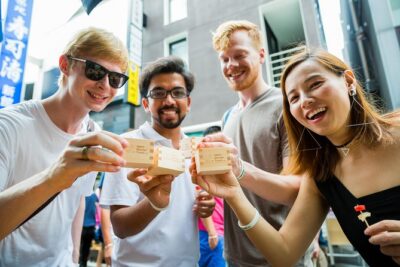
Tokyo Tsukiji Fish Market Food and Culture Walking Tour
Read our review →
Imperial Palace and Shogun Historical Walking Tour
Read our review →
Shinjuku Local Bar and Izakaya Guided Walking Tour
Read our review →

Asakusa Walking Tour with Sensoji Temple Visit
Read our review →
Tokyo Castle & Imperial PalaceーShogun Walking Tour
Read our review →
Browse the lists this tour appears in