
Reviewed · WALKING TOURS
Tokyo Shibuya & Harajuku Walking tour With A Guide
Shibuya Crossing is the hook, but the best part of this private walking tour is how it links two very different Tokyo districts in only three hours. You move from giant video screens and youth fashion to quiet shrine paths, designer streets, and small side lanes.
I like the one-to-one format, since you can ask for practical advice instead of following a fixed group script. I also like the mix of famous sights and less obvious streets, especially Cat Street and Ura-Harajuku. The main drawback is pace: nine listed stops in three hours leaves limited time for detailed history, shopping, or long shrine visits.
In This Review
- Key points to know before booking
- Starting at Shibuya Station and the famous crossing
- Hachiko and Shibuya’s busy shopping streets
- From Shibuya to Harajuku by Cat Street
- Takeshita Street and Harajuku’s youth style
- Omotesando’s polished side of Tokyo
- A quieter turn at Meiji Shrine
- What the three-hour format really gives you
- Guides, languages, and the personal touch
- Is $53 good value for a private Tokyo walk?
- Who will enjoy this route most?
- Should you book the Shibuya and Harajuku walk?
- FAQ
- How long does the Shibuya and Harajuku walking tour last?
- Is this a private tour?
- Where does the tour start?
- Which languages are available?
- Are food, drinks, and local transport included?
- Can I cancel the tour?
Key points to know before booking
- Private guide, private pace: Your group has its own guide, with route customization available.
- Two city districts in one walk: The tour connects Shibuya’s giant crossroads and fashion malls with Harajuku’s youth style and Meiji Shrine.
- A strong first-day option: The guide can suggest other things to do, making this useful early in a Tokyo stay.
- Fashion is a major theme: Shibuya 109, Takeshita Street, Ura-Harajuku, Cat Street, and Omotesando each show a different side of Tokyo style.
- Several guide languages: Tours are offered in English, French, Italian, Spanish, and Portuguese.
- Plan for walking costs: Food and drinks are not included, and local transport is extra if you use it during the outing.
Starting at Shibuya Station and the famous crossing
The walk begins at one of two stated meeting options, Dolce Shibuya or Hashimoto Bldg. The exact meeting point can vary with the option you book, so check your confirmation rather than heading straight to the station and hoping to spot your guide.
Starting near Shibuya makes sense. This is one of Tokyo’s major transport centers, and the district gives you an instant lesson in the city’s scale. At Shibuya Crossing, several streams of people move across the road at once, surrounded by towering screens and busy streets. It is a quick stop, but an essential one.
I would treat the crossing as a photo and orientation stop, not a long attraction. Your guide can help you understand where the surrounding streets lead, which matters more than simply taking the standard crossing picture. Shibuya is easier to enjoy once you know how its pieces fit together.
The private setup helps here. You can ask your guide to explain what you are seeing, request a better place for photos, or spend less time taking pictures if the crowds are not your main interest. Guides Sergio and Teresa are specifically named in the supplied feedback, and both received strong praise for being friendly, helpful, and good at explaining the area.
More Shibuya plans:
- Official Street Go-Kart in Shibuya
★ 5.0 · 3,435 reviews - Tokyo: Street Kart Experience in Shibuya
★ 4.9 · 1,484 reviews - Shibuya Meltdown Nightlife Tour: All-You-Can-Drink Bar Hopping
★ 5.0 · 1,058 reviews
Hachiko and Shibuya’s busy shopping streets
Near the station, you visit the Hachiko Statue. The story of Hachiko is one of Tokyo’s best-known local tales, and the statue has become a popular meeting point as well as a photo stop. Expect people gathering around it, particularly at busy times.
From there, the route continues through Center Gai, a shopping street with restaurants, stores, signs, and constant movement. This is not a quiet cultural quarter. It is a place to see modern Tokyo at full volume, and your guide’s local suggestions may be more useful here than a long lecture about the street itself.
The itinerary also lists Sannomiya Center Gai Shopping Street. That name is associated with Kobe, so it is worth checking the exact route and stop with the provider before booking. The main description focuses on Shibuya and Harajuku, and a Tokyo walk may use a similarly named local shopping area, but the information provided does not clarify this point.
Shibuya 109 is another major stop. This multi-floor fashion center is closely linked with young Tokyo style. You should not expect a museum-style presentation. Instead, the value is in seeing the clothes, displays, and shop layouts that shape the district’s image.
If you enjoy fashion, design, and people-watching, Shibuya 109 adds real interest. If you prefer historic buildings, you may find the visit brief and commercial. The guide can put the stores into context, but your time is shared among many stops, so this is not designed as a long shopping session.
From Shibuya to Harajuku by Cat Street

Cat Street links Shibuya and Harajuku and gives the walk a useful change of mood. The route is known for independent boutiques and street art, so it feels less dominated by the large signs and department stores around the station.
This is one of the most useful parts of the experience for first-time visitors. You get a sense of how Tokyo districts change over a relatively short distance. Large commercial streets give way to smaller shops and a more individual style.
The walk also reaches Ura-Harajuku, an area associated with alternative fashion and distinctive small shops. The guide can point out details you might otherwise pass without noticing, and this is where a private tour has an advantage over a basic route map.
Do not expect every shop to be open or every side street to look the same on each visit. The appeal is the general character of the area, not a guaranteed list of specific stores. If shopping is your priority, tell the guide early so the available time can be used well.
Takeshita Street and Harajuku’s youth style
Takeshita Street is Harajuku’s best-known shopping lane. It is narrow, colorful, and packed with shops aimed at young customers. The street is a sharp contrast to the polished feel of Omotesando, and that contrast is the point.
You will see quirky boutiques, trendy stores, street art, and a wide range of youth fashion. The walk gives you a quick look at styles that do not always appear in Tokyo’s more formal shopping districts. Your guide can also explain how the surrounding area became associated with youth culture and alternative dress.
There is a practical catch: the street can feel crowded and compressed. Three hours is enough to walk through and understand its character, but not enough to browse every shop at leisure. I would save serious shopping for another time and use this stop to observe the street, note places to return to, and ask your guide for suggestions.
The itinerary separates Takeshita Street and Harajuku into individual stops, each listed for about 20 minutes. In practice, these areas connect closely, so expect the guide to lead you through a continuous section rather than treat each stop as a formal attraction with a long presentation.
More Harajuku wanders:
- Tokyo Go-Kart Tour Shibuya-Harajuku-Shinjuku (*IDP Required)
★ 5.0 · 217 reviews - Tokyo: Guided Go Kart Tour from Harajuku to Shibuya Crossing
★ 4.5 · 166 reviews - Shibuya & Harajuku: Hidden Gems & Highlights Private Tour
★ 4.7 · 139 reviews - Harajuku Kawaii Fashion and Pop-Culture Tour
★ 5.0 · 94 reviews
Omotesando’s polished side of Tokyo

Omotesando Avenue offers a strong contrast with Takeshita Street. The avenue is known for upscale shops, designer boutiques, and a more controlled architectural style. You see how Tokyo can shift from playful youth fashion to high-end retail within a short walk.
This stop suits anyone interested in architecture, branding, window displays, and fashion. You do not need to buy anything to enjoy it. The street works as a visual lesson in how different parts of Harajuku present themselves.
I would not choose this tour solely for luxury shopping. The time here is listed as a short guided visit and photo stop, not a dedicated shopping appointment. Still, the contrast with Ura-Harajuku and Takeshita Street gives the route a clear shape, and it helps you understand why the area attracts such different crowds.
A quieter turn at Meiji Shrine
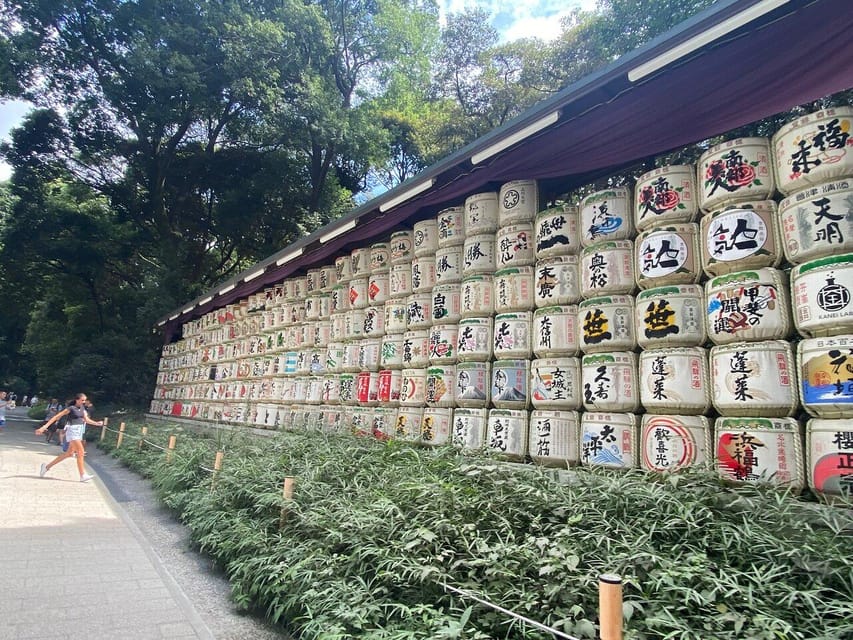
The walk includes a brief detour to Meiji Shrine. After the signs, shops, and crowds of Shibuya and Harajuku, the shrine approach offers a calmer setting. The listed time is about 20 minutes, so you should expect an introduction and a walk along the approach rather than a long religious visit.
This change of pace is important. Without it, the tour would be almost entirely about shopping, screens, and street fashion. Meiji Shrine adds a place for reflection and gives you a glimpse of a more traditional side of Tokyo.
The supplied information describes this as a short visit and sightseeing stop. I would keep your expectations focused on the atmosphere and approach. If you want a detailed explanation of Japanese religion or shrine customs, ask your guide directly, since the amount of cultural detail may depend on the guide and the time available.
One Italian-speaking customer felt the tour needed more history, culture, and religion. That is the clearest caution in the feedback. The guide may explain these subjects, but the experience is built more around neighborhoods, fashion, and practical local orientation than a formal cultural lecture.
What the three-hour format really gives you
Nine listed stops in three hours means roughly 20 minutes at each location, with walking between them. That makes this a sampler. You get an overview of Shibuya and Harajuku, then decide where you want to return on your own.
I like this format for a first or second day in Tokyo. You can ask where to shop, what other sights fit your interests, and how to spend the rest of your stay. Several strong comments focused on the guides’ useful suggestions, and that may be the tour’s greatest practical value.
The route is active, so comfortable shoes matter. The experience is described as a walking tour using public transport when needed, but local transportation is not included. You also pay separately for food and drinks.
Because the tour is private, you can request changes. The activity includes customization, so you might ask for more time around fashion, more neighborhood walking, or a different balance between famous sights and local streets. The exact amount of flexibility will depend on timing and the route, but the private format gives you a better chance than a large group tour.
Guides, languages, and the personal touch
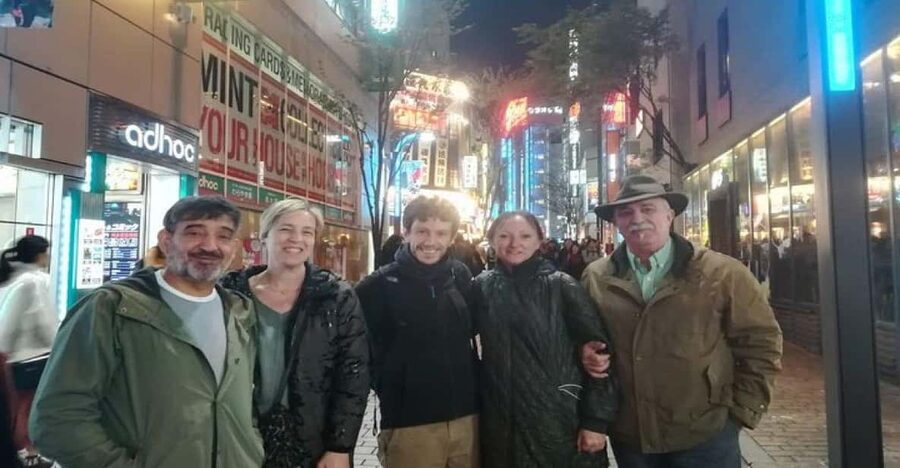
Live guiding is available in English, French, Italian, Spanish, and Portuguese. That range is useful in a city where small details can be easy to miss, especially when you want to ask questions about signs, shopping areas, or local customs.
Sergio is named in one review as a pleasant and capable guide who provided a smooth hotel pickup. Teresa Calzone is described as enthusiastic and cheerful, with good knowledge of Tokyo. One guest had an evening walk with Teresa that included discussion of fashion, architecture, and youth culture, followed by dinner together.
Dinner is not included, and that account should not be treated as a standard part of the tour. It does show that the experience can feel personal and conversational when the guide and group are a good fit.
The main praise across the feedback centers on friendly guides, useful advice, and local orientation. That is more important here than memorizing dates or seeing an unusual monument. You are paying for access to a person who can help you make sense of two complicated districts.
Is $53 good value for a private Tokyo walk?
At $53 per person, the price is reasonable if you are booking for a small private group and want a guide’s attention. The value improves when you use the time to ask practical questions and shape the route around your interests.
A standard sightseeing walk can show you Shibuya Crossing and Takeshita Street. This experience adds a guide, a private group, route customization, and advice about other things to do. Those extras matter most during a short Tokyo stay, when a well-placed suggestion can save you time later.
The price does not cover food, drinks, or local transportation around the city. Since the activity is mainly on foot, those extra costs may be limited, but you should still budget for them.
The price is less compelling if you want a slow, detailed study of Japanese history, religion, or architecture. The three-hour schedule moves through many areas, and one piece of feedback specifically wanted more cultural depth. For that interest, you may prefer a tour centered on temples, shrines, or Tokyo history.
Who will enjoy this route most?
I would recommend it to first-time Tokyo visitors who want an organized introduction without being placed in a large group. It also suits solo visitors, couples, families, and friends who want to ask questions freely.
Fashion fans will get the most from the route. Shibuya 109, Ura-Harajuku, Takeshita Street, Cat Street, and Omotesando show several different sides of Tokyo style in one outing.
It is also useful for anyone who feels unsure about navigating Shibuya and Harajuku. The guide can help you get oriented, then point you toward other places for shopping, food, or sightseeing.
I would be more cautious if you dislike commercial districts or crowded streets. Much of the route takes place in active shopping areas, and the experience does not promise long visits inside attractions. I would also ask for more detail about the cultural content if Meiji Shrine and Japanese religion are your main reasons for booking.
The tour is listed as wheelchair accessible, but the route involves walking through busy streets and several districts. If accessibility is important to your group, confirm the specific meeting point and planned path before you go.
Should you book the Shibuya and Harajuku walk?
Book it if you want a private three-hour orientation with a friendly guide, a flexible route, and a useful mix of major sights and side streets. The strongest reason to choose it is not simply Shibuya Crossing. It is the chance to connect Shibuya and Harajuku while getting personal advice from guides such as Sergio or Teresa.
Skip it if you want a slow history lesson, a dedicated food tour, or several hours of shopping. The schedule is quick, and the route covers a lot of ground.
For most visitors, I would book this early in a Tokyo stay and use it to plan the days that follow. Tell the guide what interests you, wear good walking shoes, and treat each stop as a preview rather than the final word on the district. The free cancellation up to 24 hours before the tour and the reserve-now, pay-later option also make it easier to fit into a changing Tokyo plan.
FAQ
How long does the Shibuya and Harajuku walking tour last?
The tour lasts three hours. Starting times vary, so you need to check availability for the date you want.
Is this a private tour?
Yes. The experience is private and exclusive, with no other group members joining you. Customization is also included.
Where does the tour start?
Two starting options are listed: Dolce Shibuya and Hashimoto Bldg. The meeting point may vary according to the option you book, so check the booking details before setting out.
Which languages are available?
Live guiding is available in English, French, Italian, Spanish, and Portuguese.
Are food, drinks, and local transport included?
No. Food and drinks are not included. Local transportation around the city is also extra, although the experience is primarily a walking tour and public transport may be used depending on the route.
Can I cancel the tour?
You can cancel up to 24 hours in advance for a full refund. You can also reserve now and pay later, which keeps your plans more flexible.
More Walking Tours in Tokyo
- Tokyo Tsukiji Fish Market Food and Culture Walking Tour
★ 5.0 · 3,184 reviews - Tokyo: Imperial Palace and Shogun Historical Walking Tour
★ 5.0 · 2,251 reviews - Tokyo: Shinjuku Local Bar and Izakaya Guided Walking Tour
★ 4.9 · 1,794 reviews - Tokyo: Tsukiji Fish Market Food and Walking tour
★ 5.0 · 1,724 reviews
New on our Tokyo list
- Sumi-e Experience in a relaxing green tea shop in Tokyo★ 5.0 · 3 reviews
- Tokyo : Kamikaze Street Drift Ride★ 5.0 · 3 reviews
- Private Zen Meditation in English in Shinjuku, Tokyo★ 5.0 · 3 reviews
- Onsen Spa in Tokyo and Asakusa Bar Hopping with Local Guide★ 5.0 · 3 reviews
- Easy for everyone! Now you can play handmade mini shamisen and show off to everyone! Musical instruments, sweets and live music★ 5.0 · 3 reviews
- Tokyo: Private Tsukiji Street Food & Sake with Local Guide★ 5.0 · 3 reviews
- Mt Fuji Exploration Tour with Free Japanese Kusa Mochi from Tokyo★ 4.5 · 3 reviews
- Tokyo Tsukiji Fish Market Walking and Exploring Hidden Gems Tour★ 5.0 · 3 reviews
Walking Tours, compared.
Tokyo Tsukiji Fish Market Food and Culture Walking Tour
Read our review →
Imperial Palace and Shogun Historical Walking Tour
Read our review →
Shinjuku Local Bar and Izakaya Guided Walking Tour
Read our review →

Asakusa Walking Tour with Sensoji Temple Visit
Read our review →
Tokyo Castle & Imperial PalaceーShogun Walking Tour
Read our review →
Browse the lists this tour appears in