
Reviewed · WALKING TOURS
Tokyo: Shinjuku Walking Tour with Godzilla Head
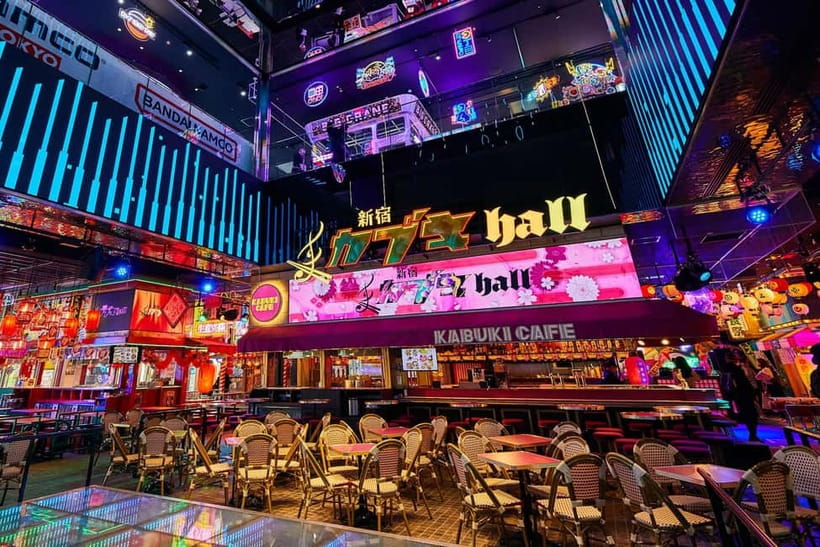
Shinjuku packs a whole evening of Tokyo into two walking hours: a giant 3D cat, a chaotic discount store, tiny bars, a rooftop Godzilla, and smoky yakitori lanes. The best part is the contrast between old nightlife streets and new Kabukicho architecture, all close enough to reach on foot.
I like the easy mix of sights, especially Golden Gai and Omoide Yokocho, where Tokyo feels less polished and more personal. I also like that the guide can add context as you go, with Tak praised for his friendly, helpful approach and strong English. The main consideration is pace: two hours gives you a useful introduction, but not time to linger, eat, or explore each stop deeply.
In This Review
- Key points at a glance
- Start beneath Shinjuku’s giant 3D cat
- Don Quijote turns shopping into a Tokyo spectacle
- Golden Gai reveals Shinjuku’s tiny-bar past
- Godzilla Head gives Kabukicho its monster moment
- Tokyu Kabukicho Tower brings in the new Shinjuku
- Finish among yakitori stalls at Omoide Yokocho
- What two hours and $32 really give you
- Who will enjoy this Shinjuku walk
- Tips for getting more from the route
- Should you book the Shinjuku Godzilla tour?
- FAQ
- How long is the Shinjuku walking tour?
- What language is the tour offered in?
- Where is the meeting point?
- Is the tour wheelchair accessible?
- Are entrance fees included?
- Are food and drinks included?
- Will I definitely hear Godzilla roar?
- Can I cancel for a full refund?
Key points at a glance
- Godzilla roars from above Kabukicho: Look up at the famous rooftop head, which roars every hour.
- Golden Gai offers old Tokyo atmosphere: Walk through narrow lanes lined with more than 200 tiny bars.
- The giant 3D cat sets the futuristic tone: Meet at Shinjuku East Exit beneath one of Tokyo’s most eye-catching screens.
- Don Quijote is part shopping stop, part sensory challenge: Browse snacks, souvenirs, and odd finds in a floor-to-ceiling store.
- Omoide Yokocho is the strongest food finish: End among yakitori stalls and postwar-style alleyways, with food and drinks paid separately.
- Everything is reached on foot: No entrance fees are required, and the tour lasts two hours.
Start beneath Shinjuku’s giant 3D cat
The meeting point is the Shinjuku East Exit Cat, a huge 3D feline perched above the city. It is a fitting start for a walk through Shinjuku, since the district quickly shifts from futuristic screens to cramped lanes and old drinking alleys.
You will meet the guide holding a blue A4-sized board. That detail matters in Shinjuku East, where signs, crowds, shop fronts, and giant screens can make a simple meeting point harder to spot than expected. Give yourself enough time to find the exit and look for the blue board rather than relying only on the cat overhead.
The cat is not a museum visit or a paid attraction. It is a quick public sight, but a memorable one. You can see how Tokyo uses large-scale digital displays to turn ordinary city corners into small pieces of theater. Your guide can also help you understand where you are before the walk moves into Kabukicho.
This first stop works well for a first-time visit because it immediately gives you a clear sense of Shinjuku’s scale. The drawback is that the experience depends on looking up and taking in the scene quickly. If you expect a long photo stop, you may find it brief.
More Shinjuku nights and walks:
- Tokyo: Shinjuku Food Tour (13 Dishes at 4 Local Eateries)
★ 5.0 · 6,603 reviews - Tokyo Bar Hopping Tour in Shinjuku (All-You-Can-Drink + Dinner)
★ 5.0 · 3,587 reviews - Tokyo: Shinjuku Food Tour (15 Dishes and 4 Eateries)
★ 4.9 · 2,033 reviews
Don Quijote turns shopping into a Tokyo spectacle
Next comes Don Quijote Shinjuku Kabukicho Store, one of the tour’s most entertaining stops. Don Quijote is famous for its crowded shelves and wide range of goods, and this branch is described as a floor-to-ceiling jumble of snacks, souvenirs, and surprises.
I like including this shop in a walking tour because it shows a side of Tokyo that temples and viewpoints cannot. You are not just looking at a landmark. You are seeing how a Japanese discount store feels in practice: loud, packed, colorful, and full of things you may not expect to find together.
You might browse packaged snacks, small gifts, and everyday items. It is a useful place to notice the difference between a carefully arranged souvenir shop and a store designed to keep offering one more odd or tempting find. The fun is partly in the confusion.
Still, this is not a quiet shopping break. The store can feel chaotic, and the tour is only two hours long. You should not count on having time for a full shopping trip. If you see something you want, you may need to decide quickly, since the group will continue to the next stop.
The practical value is that the guide helps turn a potentially confusing store visit into a short look at local shopping culture. Food and drinks are not included anywhere on the tour, so anything you buy here is your own expense.
Golden Gai reveals Shinjuku’s tiny-bar past
Shinjuku Golden Gai is the most distinctive part of the route. More than 200 tiny bars fill a network of narrow alleys, creating a sharp contrast with the wide roads, giant screens, and tall buildings around Kabukicho.
By daylight, Golden Gai feels more approachable than it may at night. You can see the cramped architecture and the close-set entrances without needing to choose a bar or commit to an evening out. The lanes give you a look at the older side of Shinjuku, where writers and rebels once shared drinks and ambitions.
I especially like this stop because it asks you to slow down and observe. The appeal is not one grand building. It is the small scale: narrow passageways, tiny storefronts, and the sense that each bar has its own story. The area feels made for wandering with a guide who can explain what you are seeing.
The tour does not include drinks, and the itinerary does not promise entry into any bar. That is worth understanding before you book. This section is a walking and orientation experience, not a bar crawl.
You may also find Golden Gai less atmospheric in daylight than after dark. That is not a flaw in the tour, since daytime makes the lanes easier to inspect and keeps the schedule simple. But if your main goal is nightlife, you will probably want to return on your own later.
Godzilla Head gives Kabukicho its monster moment
From Golden Gai, the walk brings you to Godzilla Head, the giant creature watching from a rooftop. The head is one of Kabukicho’s most recognizable sights, and the tour gives you a chance to look up from street level and take in the scale.
The fun detail is the hourly roar. If the timing lines up, you may hear Godzilla make his presence known. The tour information does not promise that the roar will occur during your visit, so treat it as a possible bonus rather than the main reason to book.
This stop works best as a quick burst of pop culture in the middle of a neighborhood walk. After the narrow, nostalgic lanes of Golden Gai, the rooftop monster feels deliberately theatrical. It also shows how Shinjuku mixes entertainment, shopping, nightlife, and visual spectacle in a single district.
You should not expect an extended rooftop attraction or a separate entrance experience here. The value is in seeing the head from the surrounding area, hearing the roar if the hour is right, and getting a guide’s explanation of the landmark.
For families and fans of Japanese popular culture, this may be the tour’s most instantly appealing stop. For others, it is still a useful photo point, especially because it connects the older streets nearby with Kabukicho’s entertainment identity.
More walking routes in Tokyo:
- Tokyo Tsukiji Fish Market Food and Culture Walking Tour
★ 5.0 · 3,184 reviews - Tokyo: Imperial Palace and Shogun Historical Walking Tour
★ 5.0 · 2,251 reviews - Tokyo: Shinjuku Local Bar and Izakaya Guided Walking Tour
★ 4.9 · 1,794 reviews - Tokyo: Tsukiji Fish Market Food and Walking tour
★ 5.0 · 1,724 reviews
Tokyu Kabukicho Tower brings in the new Shinjuku
The route then shifts toward Tokyu Kabukicho Tower, a newer landmark rising in the center of Kabukicho. You will step inside and take a look at the ultra-modern tower before continuing.
This stop adds an important layer to the walk. Golden Gai and Omoide Yokocho show older, compact forms of urban life. Tokyu Kabukicho Tower represents the district’s newer face, with modern design and a much larger scale. Seeing both in one short route helps you understand that Shinjuku is not one single type of place.
The visit is a peek inside rather than a dedicated tower tour. There is no stated observation deck admission or paid entry included, so keep your expectations focused on the building and its public interior. The lack of entrance fees makes the stop easy to fit into a walking route, but it also means you are not getting a full attraction ticket.
I find this contrast useful for anyone trying to make sense of Kabukicho. The area is often reduced to neon nightlife, yet this stop shows the district changing around its older lanes. Your guide can connect the shiny new structure with the streets you have already walked.
Finish among yakitori stalls at Omoide Yokocho
The tour ends at Omoide Yokocho, a maze of yakitori stalls with a smoky, postwar feel. This is a strong final stop because it leaves you with a place you can revisit later, when you have more time to eat and look around.
Omoide Yokocho is compact and atmospheric. The narrow lanes, small food stalls, and smoke in the air create a very different mood from the giant digital cat and modern tower at the start. The route has moved from spectacle to food culture without leaving Shinjuku.
Food and drinks are not included, so you can decide for yourself if you want to stay. The tour ends here rather than building a meal into the price, which keeps the cost clear and gives you freedom. You might return at night for yakitori, or simply use the location as a final orientation point before exploring elsewhere.
The practical drawback is that the tour does not give you a guaranteed meal or a reserved seat. If you want to eat here, plan to do so after the walking portion and budget separately. The smoky lanes may also be less appealing if you prefer quiet, spacious dining.
Still, I like this ending more than a return to a station entrance. Omoide Yokocho gives you a useful next step: you can stop for food, revisit the area after dark, or continue through Shinjuku with a better sense of where the old lanes fit into the city.
What two hours and $32 really give you
At $32 per person, this tour is priced as a compact guided introduction rather than a full-day experience. You are paying for a local route, English or Japanese guidance, and a set of stops that would be easy to pass without understanding how they connect.
The value is strongest if Shinjuku is new to you. The tour covers public sights with no entrance fees, so the price is not buying admission tickets. It is buying structure, local explanation, and a practical way to cover several distinct parts of the district without planning the route yourself.
The route also saves you from treating Shinjuku as a list of isolated photo stops. The 3D cat, Don Quijote, Golden Gai, Godzilla Head, Kabukicho Tower, and Omoide Yokocho make more sense together. You see the area’s futuristic advertising, shopping culture, entertainment identity, older alleys, and food streets in one sequence.
If you already know Shinjuku well, the value may be lower. You can reach all the listed locations on foot, and none requires an entrance fee. In that case, the guide’s explanations and ability to adjust the experience become the main reason to join.
The available feedback points strongly to the guide service. Tak is described as friendly and helpful, and another booking praised an extremely well-informed guide who could customize the experience and spoke great English. One booking also notes that the guide was on time and friendly. Those details matter more here than fancy extras, because the tour’s success depends on clear directions, useful context, and a comfortable pace.
Who will enjoy this Shinjuku walk
I would recommend this experience to first-time visitors who want a quick introduction to Shinjuku without spending an evening planning every turn. It is also a good fit if you want a guide to explain the difference between Kabukicho’s modern attractions and its older entertainment streets.
The route should suit people who enjoy city details more than formal museums. You will see screens, shops, alleys, a monster head, a modern tower, and food lanes. None of these stops requires a ticket, and all are within walking distance.
It may work well for families with older children who enjoy the 3D cat and Godzilla. The Don Quijote stop adds snacks and novelty shopping, while the narrow lanes provide plenty to look at. The itinerary does move through nightlife areas, so parents should decide if that setting matches their comfort level.
English speakers have a clear reason to consider this tour. The guide service is offered in English and Japanese, and Tak is specifically noted for speaking great English. If you prefer Japanese, that option is also available.
People using wheelchairs can consider the tour because it is listed as wheelchair accessible. Since all locations are reached on foot, you should still confirm the current route and any access needs when booking, but the activity is designed to accommodate wheelchair users.
Tips for getting more from the route
Meet the guide by looking for the blue A4-sized board at Shinjuku East Exit Cat. The giant screen is easy to recognize, but the board is the practical marker for finding the right person.
Keep your schedule flexible around the two-hour walk. The tour covers many stops, so it is better to think of each one as a focused introduction rather than a long visit. Save serious shopping at Don Quijote and a proper meal at Omoide Yokocho for after the tour.
If hearing Godzilla matters to you, ask the guide about the timing of the hourly roar. It is not guaranteed to happen during your walk, but timing may improve your chance.
Plan to return to Golden Gai or Omoide Yokocho later if you enjoy the atmosphere. The tour gives you a daylight look at both areas, while nighttime brings a different mood. You will also have more time to decide where to eat once the guided portion has ended.
The activity offers free cancellation up to 24 hours before the start, and you can reserve now and pay later. That is useful when your Tokyo schedule is still shifting. Starting times vary, so check availability before arranging trains, meals, or other bookings.
Should you book the Shinjuku Godzilla tour?
Book it if you want a friendly, guided introduction to Shinjuku’s most recognizable sights and its less polished corners. At $32, the strongest value comes from the route and explanations, not from admission tickets. Tak’s reported English, friendly manner, and willingness to customize are especially useful if you want more than a quick photo walk.
Skip it if you prefer to explore independently and already know Shinjuku. You can visit every listed location without an entrance fee, and the two-hour schedule leaves limited time for shopping or eating.
For most first visits, I would choose the tour early in a Tokyo stay. Use it to get your bearings, note where you want to return, and finish with Omoide Yokocho as your dinner option. That turns a short walk into a practical plan for exploring Shinjuku on your own later.
FAQ
How long is the Shinjuku walking tour?
The tour lasts two hours.
What language is the tour offered in?
Live guiding is available in English and Japanese.
Where is the meeting point?
Meet at Shinjuku East Exit Cat. The guide will be holding a blue A4-sized board.
Is the tour wheelchair accessible?
Yes, the activity is listed as wheelchair accessible.
Are entrance fees included?
No entrance fees are needed for any of the listed locations, so there are no attraction admissions to include.
Are food and drinks included?
No. Food and drinks are not included in the tour price.
Will I definitely hear Godzilla roar?
The Godzilla Head roars every hour, but the tour information does not guarantee that the roar will happen during your visit.
Can I cancel for a full refund?
Yes. You can cancel up to 24 hours in advance for a full refund. You can also reserve now and pay later.
New on our Tokyo list
- Sumi-e Experience in a relaxing green tea shop in Tokyo★ 5.0 · 3 reviews
- Tokyo : Kamikaze Street Drift Ride★ 5.0 · 3 reviews
- Private Zen Meditation in English in Shinjuku, Tokyo★ 5.0 · 3 reviews
- Onsen Spa in Tokyo and Asakusa Bar Hopping with Local Guide★ 5.0 · 3 reviews
- Easy for everyone! Now you can play handmade mini shamisen and show off to everyone! Musical instruments, sweets and live music★ 5.0 · 3 reviews
- Tokyo: Private Tsukiji Street Food & Sake with Local Guide★ 5.0 · 3 reviews
- Mt Fuji Exploration Tour with Free Japanese Kusa Mochi from Tokyo★ 4.5 · 3 reviews
- Tokyo Tsukiji Fish Market Walking and Exploring Hidden Gems Tour★ 5.0 · 3 reviews
Walking Tours, compared.
Tokyo Tsukiji Fish Market Food and Culture Walking Tour
Read our review →
Imperial Palace and Shogun Historical Walking Tour
Read our review →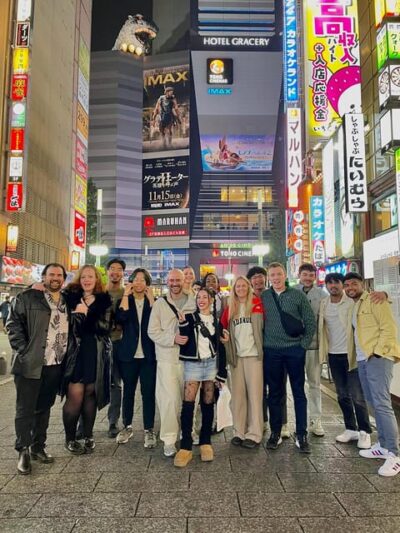
Shinjuku Local Bar and Izakaya Guided Walking Tour
Read our review →
Asakusa Walking Tour with Sensoji Temple Visit
Read our review →
Tokyo Castle & Imperial PalaceーShogun Walking Tour
Read our review →
Browse the lists this tour appears in