
Reviewed · CITY TOURS
Tokyo Sightseeing/ City Tour by Private Car with English Guide
Tokyo is easiest to understand when you can shift between its old and new sides without wrestling with train changes. This private car tour links Tsukiji, Senso-ji, Akihabara, and Shibuya in one long day, with an English guide and pickup from a central Tokyo hotel.
I like two things here: the route can be adjusted to suit your group, and the price is per vehicle for up to five people, not per passenger. Abdul is specifically praised for being kind, accommodating, and careful about shaping the day around his guests. The main drawback is time. Eight or nine hours sounds generous, but Tokyo is huge, and several one-hour stops leave little room for long meals, shopping, or unhurried visits inside paid attractions.
In This Review
- Key points to know before booking
- Why a private car can make Tokyo simpler
- Tsukiji gives the morning a taste of Tokyo
- Senso-ji brings you into old Asakusa
- Tokyo Skytree offers a paid choice
- Akihabara shows Tokyo’s playful modern side
- Meiji Jingu offers a quiet break near Harajuku
- Imperial Palace keeps the capital’s center in view
- Tokyo Tower adds a classic city view
- Takeshita Street turns the pace up again
- Shibuya Crossing gives the day its famous finale
- What the flexible format does well
- Who gets the best value from this Tokyo tour
- Booking details worth keeping in mind
- Should you book this private Tokyo city tour?
- FAQ
- How long does the private Tokyo tour last?
- How many people can join the private tour?
- Is hotel pickup available?
- Is Tokyo Skytree admission included?
- Are meals included?
- Is transportation provided?
- Does the vehicle have Wi-Fi?
- Can the tour be canceled for a full refund?
Key points to know before booking
- Private car for up to five people: You share the vehicle only with your own group, with hotel pickup and drop-off from central Tokyo.
- A useful old-to-new route: The day joins Tsukiji food stalls and Senso-ji’s temple grounds with Akihabara, Harajuku, Tokyo Tower, and Shibuya Crossing.
- Flexible touring style: The route can be adjusted around your interests and schedule, a real help for families and small groups.
- Skytree costs extra: Admission is not included, with a listed price of ¥2,100 per person.
- English guidance and Wi-Fi: The air-conditioned vehicle includes free Wi-Fi, useful for sharing photos and staying connected.
- Strong satisfaction record: The tour has a five-star rating from 29 reviews and a 100 percent recommendation rate, with special praise for Abdul’s care and flexibility.
Why a private car can make Tokyo simpler
Tokyo’s train network is excellent, but a sightseeing day can still involve stairs, crowded platforms, transfers, and plenty of walking between stations and attractions. A private vehicle changes the rhythm. You can leave your central hotel, visit several districts, and return without spending the day keeping track of rail connections.
The tour is private, so only your group participates. That matters if you are traveling with children, older relatives, or friends who want different levels of activity. You can discuss the day with your guide instead of following a fixed group schedule.
The vehicle is air-conditioned and includes private transportation, fuel charges, and GST. Free Wi-Fi is also provided. I would treat the Wi-Fi as a useful extra rather than a reason to book, but it can help you send photos, check information, or stay in touch while moving around the city.
The listed price is $362.39 for up to five people. Split five ways, that is about $72.48 per person for an eight to nine-hour private day. For two people, the per-person cost is much higher, but you are paying for privacy, door-to-door transport, and a guide who can adapt the plan. The value is best for a small group that wants convenience rather than the lowest possible transport cost.
A few more Tokyo bookings worth comparing
- Tokyo Private Sightseeing Tour by Car- English speaking chauffeur
★ 5.0 · 1,004 reviews - Tokyo Private Tour by Vehicle with English-Speaking Chauffeur
★ 5.0 · 504 reviews - Mt FUJI Day Tour with Private Car and English Speaking Guide
★ 5.0 · 433 reviews
Tsukiji gives the morning a taste of Tokyo
The first stop is Tsukiji Fish Market, a strong choice for anyone interested in Japanese food. The wholesale market moved to Toyosu in 2018, but Tsukiji remains a popular food district with shops and places to sample local products.
You have about an hour here, and admission is free. That makes the stop easy to fit into a private itinerary. You can look around, try food at your own expense, and ask your guide about what you are seeing without committing to a formal food tour.
Keep your expectations clear: this is not the former wholesale market. If your main goal is to see the present-day wholesale auction operation, Tsukiji is not the place for that. Its value now is in the food atmosphere, small shops, and connection to Tokyo’s culinary culture.
Breakfast is not included, so plan to pay for anything you eat. This can actually work in your favor. You choose what appeals to you rather than receiving a set meal, though a group with strong food plans should tell the guide early so the timing works.
Senso-ji brings you into old Asakusa
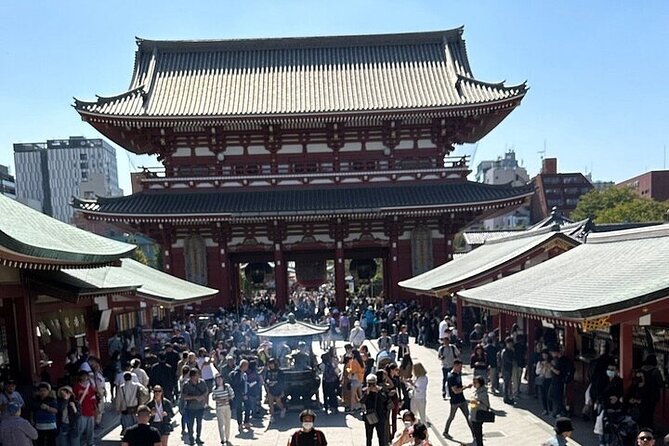
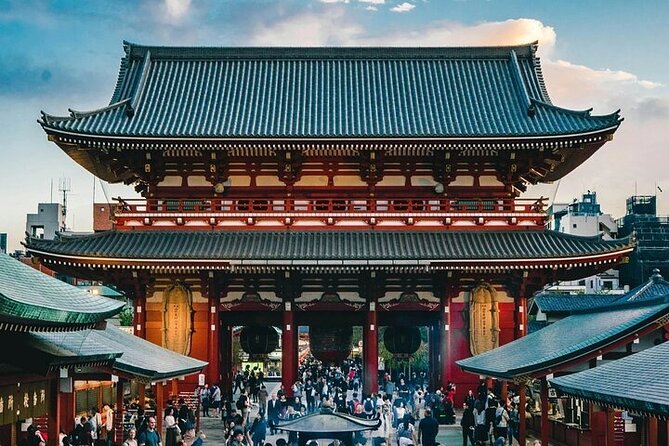
Senso-ji in Asakusa is Tokyo’s oldest and most iconic Buddhist temple, founded in 645 and dedicated to Kannon, the Goddess of Mercy. You get about an hour here, with no admission fee.
This is one of the day’s most important cultural stops. After Tsukiji’s food stalls and city traffic, the temple offers a very different setting. You can spend time around the entrance, explore the temple grounds, and take in the traditional character of Asakusa.
An hour is enough for a first look, but not for a slow exploration of every corner of the surrounding district. The private format helps because your guide can keep the visit focused or allow more time if this is the part of Tokyo that interests you most.
Senso-ji is also a good place to remember that Tokyo is not only neon, shopping, and high-rise views. The tour’s appeal rests partly on this contrast: one stop shows everyday food culture, another brings you to a major Buddhist site, and later stops turn toward electronics, fashion, and city lights.
Tokyo Skytree offers a paid choice
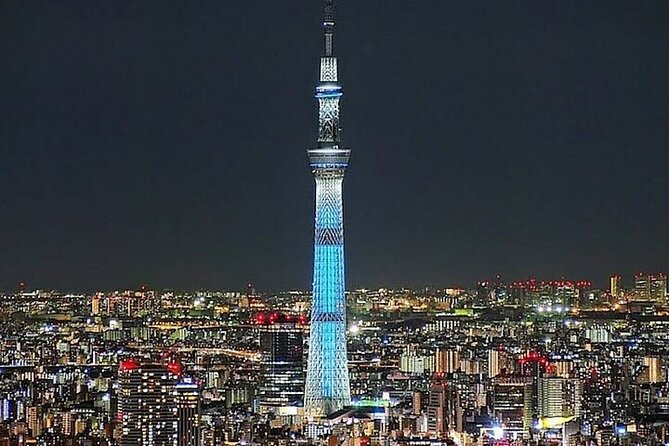
Tokyo Skytree rises 634 meters and is Japan’s tallest structure. Its two observatories provide broad views across the city, and its modern design gives the Sumida district a very different feel from nearby Asakusa.
The planned stop lasts about an hour, but admission is not part of the tour price. The listed cost is ¥2,100 per person. That extra fee is worth considering before the day begins, especially for a group of five, since the total added cost can become significant.
You do not have to treat the tower admission as mandatory. If your group prefers temples, neighborhoods, or shopping, you can ask about using the time elsewhere. This is one of the benefits of a private tour. If you do want the observatory, confirm the timing with your guide so you do not lose too much time from the later stops.
Skytree and Tokyo Tower are both included in the broad route, but you should not assume there is time for a full paid visit to both. The schedule has many stops, and the tour is more about seeing a wide range of Tokyo than settling into one attraction for half a day.
Same corner of Tokyo, a completely different plan:
- Mt Fuji and Hakone 1-Day Bus Tour Return by Bullet Train
★ 5.0 · 26,383 reviews - 1-Day Tokyo Bus Tour
★ 5.0 · 14,250 reviews - Tokyo: TOKYO SKYTREE® Admission ticket
★ 4.5 · 11,192 reviews - Tokyo: teamLab Planets TOKYO Digital Art Museum Entry Ticket
★ 4.6 · 9,779 reviews
Akihabara shows Tokyo’s playful modern side
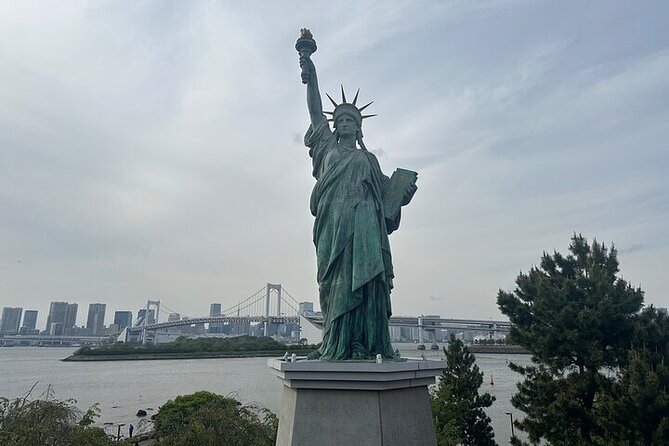
Akihabara, also called Electric Town, is known for electronics, anime, gaming, and otaku culture. The tour allows about an hour here, with no admission charge.
This stop suits you if you enjoy technology, Japanese pop culture, retro games, or browsing specialist shops. It also gives the day a clear change of mood after Senso-ji and Skytree. Tokyo’s modern identity is not limited to office towers. Akihabara is about hobbies, products, characters, and the focused communities built around them.
An hour is a useful introduction, but it is not enough for serious shopping across the district’s many multi-level stores. If you want to buy electronics or anime goods, decide in advance what you are looking for. Otherwise, the area can easily consume the rest of your afternoon.
Because this is a private route, you can tell the guide if Akihabara is a priority. The ability to adjust the day matters more here than on a fixed coach tour, where you would likely get a short stop regardless of your interests.
Meiji Jingu offers a quiet break near Harajuku
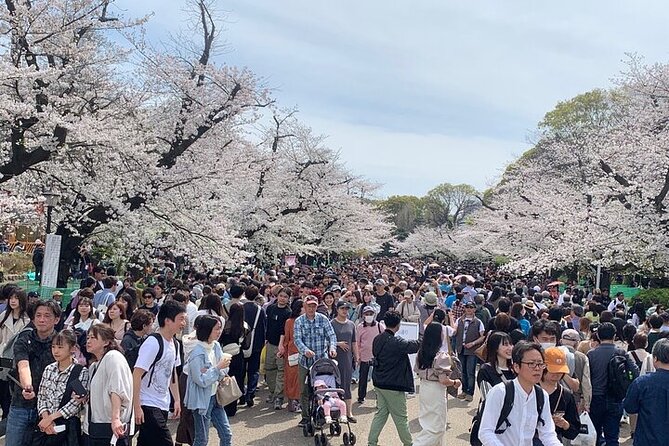
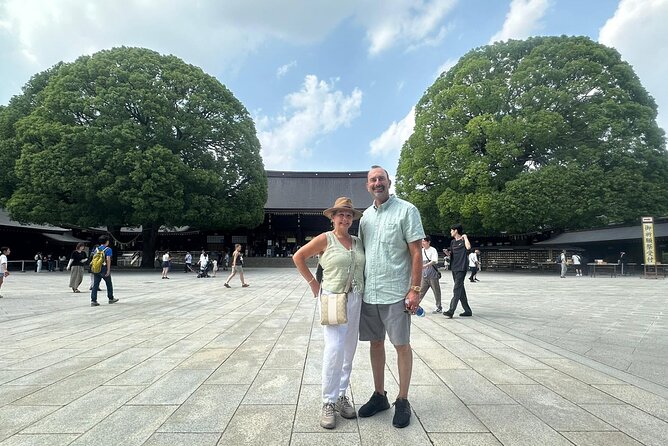
Meiji Jingu is a major Shinto shrine near Harajuku, dedicated to Emperor Meiji and Empress Shoken. It sits in a forested setting, providing a calm change from the city streets around it.
You have about an hour at the shrine, and admission is free. I like the placement of this stop because it gives the itinerary breathing room. Tokyo can feel intense when every hour brings another major district, so a shrine visit offers a slower way to experience the city.
Do not confuse this with a museum visit or a long historical tour. The appeal is the shrine grounds, the setting, and the chance to observe a central part of Japanese religious culture. Your guide can add context, while you decide how much time to spend walking and looking.
Meiji Jingu is near Harajuku, which makes the next stop at Takeshita Street a natural shift from Shinto tradition to youth fashion and street food.
Imperial Palace keeps the capital’s center in view
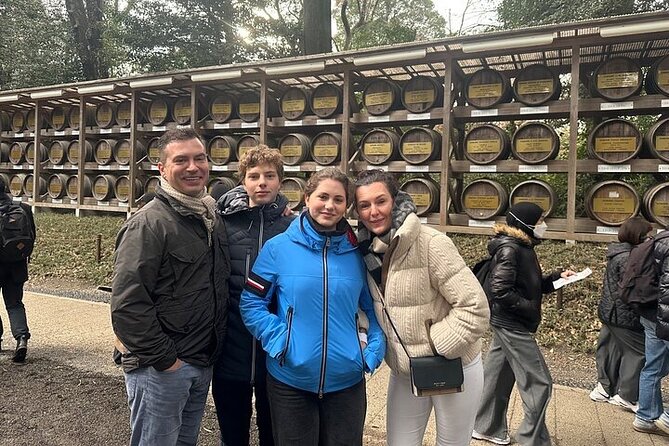
The Imperial Palace is the primary residence of Japan’s Emperor. Its grounds are associated with moats, stone walls, and manicured gardens, creating a formal setting in the middle of the capital.
The scheduled visit lasts about an hour and does not include an admission charge. The stop is best for getting a sense of the palace area and Japan’s national history rather than expecting access to every interior space.
This is another place where your guide’s flexibility can help. Some people want a quick look and photographs. Others prefer more time around the walls and gardens. The route lists many major sights, so explain your priorities early if the Imperial Palace matters greatly to you.
The palace also adds balance to the day. Senso-ji represents Buddhist tradition, Meiji Jingu represents Shinto practice, and the Imperial Palace connects Tokyo’s modern capital with the country’s imperial institution.
Tokyo Tower adds a classic city view
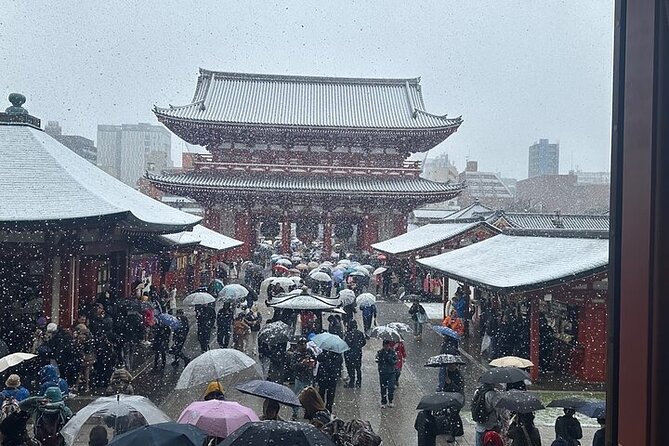
Tokyo Tower is 333 meters tall and remains one of the city’s best-known symbols. Its design was inspired by the Eiffel Tower, but its meaning is distinctly Tokyo, tied to the city’s post-war rebirth.
The stop appears in the route without a stated duration or admission price. That uncertainty is worth noting. You should ask your guide whether the plan is for an exterior visit, a photo stop, or time inside the tower, and ask about any ticket cost if you want to go up.
Tokyo Tower is an appealing counterpoint to Skytree. Skytree is taller and newer, while Tokyo Tower has a more classic profile and a strong connection to the city’s post-war era. Seeing both from the ground may be the sensible choice if your group wants broad coverage rather than multiple observatory tickets.
Takeshita Street turns the pace up again
Takeshita Street gets the longest scheduled stop, about 90 minutes. This Harajuku shopping street is known for youth fashion, unusual boutiques, crepes, themed cafés, and current street trends.
This is a good choice for shoppers and families who want something light and colorful after the more formal palace and shrine stops. You can browse, eat at your own expense, and watch the steady flow of local street culture.
The drawback is crowding and limited time. Ninety minutes sounds generous, but it can pass quickly if you stop for food or shopping. The street is also not designed for a quiet, reflective visit. If your interests lie mainly in temples and gardens, you may prefer to reduce this stop and give the time to another part of the route.
No meals are included anywhere on the tour, so Takeshita Street can serve as a practical place to buy lunch or a snack. Tell the guide if you need a proper meal break, since the route is packed and driving time between districts also matters.
Shibuya Crossing gives the day its famous finale
The final listed stop is Shibuya Crossing, with about 30 minutes. When the signals change, pedestrians cross from several directions at once, making this one of Tokyo’s most recognizable city scenes.
Half an hour is enough for a look and photographs, but not for a full exploration of Shibuya. That short timing makes sense if the goal is to see the crossing itself. If you want shopping, cafés, or a longer evening in the district, you will need to arrange that separately.
Shibuya is a fitting last stop because it gathers many of the tour’s themes in one place: crowds, signage, modern design, fashion, and the sheer scale of Tokyo. You get a memorable snapshot, then return to your central hotel by private vehicle.
What the flexible format does well
The strongest feature is not simply the number of sights. It is the ability to adjust the day. The route includes enough variety to appeal to mixed groups, but no single itinerary can give equal time to every neighborhood.
Abdul is specifically praised for adjusting the tour to suit his group’s needs and going the extra mile to help capture the day. That detail matters because private touring depends heavily on the guide’s attitude. A rigid guide can make a private car feel like a bus tour with fewer seats. A considerate guide can help you make sensible tradeoffs.
You should be clear about your priorities at the start. For example:
- Ask for more time at Senso-ji if traditional Tokyo matters most.
- Protect the Skytree stop if city views are your top goal.
- Allow extra shopping time in Akihabara or Harajuku if you have specific purchases in mind.
- Treat Tokyo Tower as a photo stop unless you confirm interior admission and timing.
- Plan your meal needs, since breakfast, lunch, and dinner are not included.
The advertised duration is approximately eight to nine hours. The listed stops add up to about eight hours, before traffic and movement between districts. Tokyo traffic can affect the pace, so think of this as a broad city introduction, not a promise of long visits at every sight.
Who gets the best value from this Tokyo tour
I would recommend it most to a group of three to five people staying in central Tokyo. The per-group price becomes more attractive as more people share the vehicle, and the private setup lets you avoid splitting up or negotiating a public transport plan.
It also suits first-time visitors who want a wide overview in one day. You will see food culture, Buddhist and Shinto sites, the Imperial Palace area, observation towers, anime and electronics culture, Harajuku fashion, and Shibuya’s famous crossing.
Families may appreciate hotel pickup, air conditioning, and the ability to adjust the route. The tour data says most travelers can participate, and the experience is near public transportation, but you should still discuss your group’s walking needs with the provider before booking.
I would hesitate if you prefer slow travel. Eight or nine hours with eight named stops is a full day. You may enjoy the range, but you will not have much time for long meals, extended shopping, or detailed visits inside paid attractions.
Booking details worth keeping in mind
Pickup and drop-off are offered from a central Tokyo hotel. The tour is confirmed at booking, and the experience is private to your group.
The price includes an air-conditioned vehicle, private transportation, fuel surcharge, and GST. It does not include food, drinks, or Tokyo Skytree admission. The listed Skytree price is ¥2,100 per person.
Free cancellation is available if you cancel at least 24 hours before the start time. Changes made within 24 hours are not accepted, and late cancellations are not refunded. The tour requires good weather, so poor conditions may lead to a different date or a full refund.
Should you book this private Tokyo city tour?
Book it if you want to cover many sides of Tokyo in one day without handling the transport yourself. The private vehicle, central hotel pickup, English guidance, and adjustable route are the real reasons to choose it. Abdul’s praised care and willingness to shape the day are another encouraging sign.
Think twice if you want a low-cost sightseeing day or deep time at just one district. Public transport will usually cost less, and a self-guided plan can give you more freedom to linger.
For a small group that values comfort and a broad first look, this is a practical Tokyo introduction. Set your priorities before pickup, budget separately for food and Skytree, and accept that the route favors variety over slow exploration.
FAQ
How long does the private Tokyo tour last?
The tour lasts approximately 8 to 9 hours.
How many people can join the private tour?
The price covers one group of up to five people, and only your group participates.
Is hotel pickup available?
Yes. Pickup and drop-off are offered from a central Tokyo hotel.
Is Tokyo Skytree admission included?
No. Tokyo Skytree admission is not included. The listed price is ¥2,100 per person.
Are meals included?
No. Breakfast, lunch, and dinner are not included in the tour price.
Is transportation provided?
Yes. The tour includes private transportation in an air-conditioned vehicle, along with the fuel surcharge and GST.
Does the vehicle have Wi-Fi?
Yes. Free Wi-Fi is provided in the vehicle.
Can the tour be canceled for a full refund?
Yes, if you cancel at least 24 hours before the experience start time. Poor weather may also result in a different date or a full refund.
New on our Tokyo list
- From Tokyo: Mount Fuji & Hakone Full Day Private Tour★ 4.9 · 25 reviews
- Tokyo Spectacular View Day-Cruise in 90 Minutes★ 5.0 · 25 reviews
- Real Tokyo Runner Club : Daikoku Car Meet Night Tour with JDM Car★ 5.0 · 25 reviews
- 2.5 Hour-Guided Cycle Tour in the Central Tokyo★ 5.0 · 25 reviews
- Tokyo: 2-Hour Night Bike Tour of the City’s Hidden Gems★ 4.9 · 25 reviews
- Ramen Making from Scratch +Akihabara Tour –Cooking Class★ 5.0 · 25 reviews
- [Self-Drive] Tokyo & Daikoku Custom Car Driving Tour★ 4.9 · 25 reviews
- Samurai themed Entertainment show in Shinjuku★ 4.5 · 25 reviews
City Tours, compared.
Private City Highlights Tour with Local Guide
Read our review →
Asakusa, Skytree & Akhihabara Go-Kart City Experience
Read our review →
3-hour Guided E-Bike Tour of the City’s Hidden Gems
Read our review →
3-Hour Bike/E-Bike Tour of the City’s Highlights
Read our review →
Small Town in the Big City: Tasting Tokyo’s Kichijoji
Read our review →Browse the lists this tour appears in