

Reviewed · TSUKIJI & TOYOSU MARKET TOURS
Tokyo: Tsukiji Market and Hama-rikyu Gardens Guided Tour
Tsukiji is at its best when you stop treating it like a place to simply grab breakfast and start looking closely. Narrow lanes open onto stalls selling seafood, produce, tamagoyaki, sushi, grilled scallops, wagyu skewers, and matcha sweets. Then, after all that noise and color, Hama-rikyu Gardens gives you a quiet pond, seasonal flowers, and a striking view of Tokyo’s towers.
I like the route for two reasons. First, the guide helps turn a food stop into a lesson in Japanese food culture, with about 480 kinds of seafood and 270 kinds of produce in the market. Second, the walk links three very different places: a temple, a working market, and an Edo-period garden. The main caution is the amount of walking, along with conflicting information about wheelchair access, so check suitability before booking.
In This Review
- Key points to know before you book
- Why this Tokyo walk works so well
- Meeting near Tsukiji Station
- Tsukiji Hongwanji Temple: a peaceful beginning
- Tsukiji Outer Market and its 750 kinds of food
- The 15-minute walk to Hama-rikyu
- Hama-rikyu Gardens and Tokyo’s unexpected quiet
- Optional matcha and wagashi in the garden
- Price, timing, and practical value
- Who should choose this experience
- Final verdict: book it for the contrast
- FAQ
- Where does the tour begin?
- Where does the tour finish?
- How long does the tour last?
- Is transportation included?
- Are food and market snacks included?
- How much does the matcha and wagashi tasting cost?
- What languages are available?
Key points to know before you book
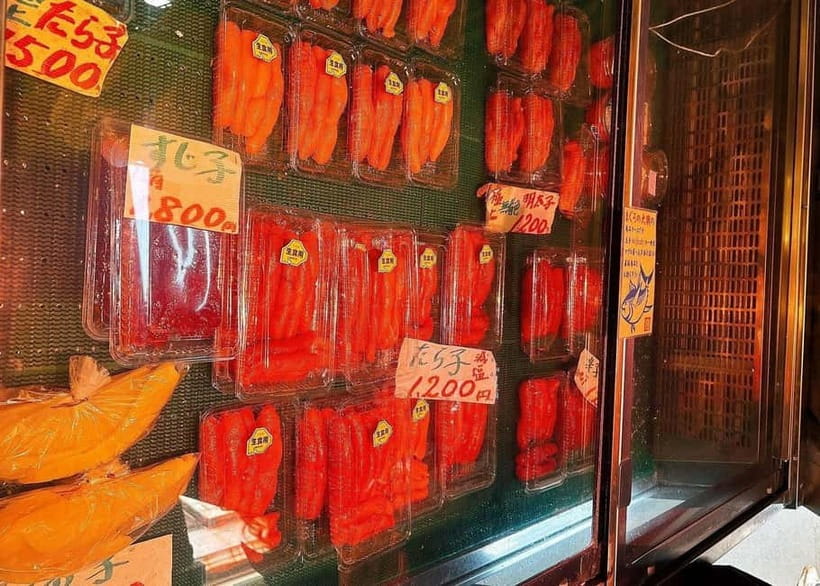
- Tsukiji’s food stalls are the main event: Bring an appetite and extra yen if you want to sample seafood, sushi, omelette, sweets, or skewers.
- The tour starts at Starbucks near Tsukiji Station: You meet the guide there and finish at Hama-rikyu Gardens, not back at the starting point.
- Tsukiji Hongwanji Temple adds a calm opening: Its unusual architecture and quiet interior provide a useful contrast before the market.
- Hama-rikyu dates back more than 370 years: The garden brings Edo-period design together with modern Tokyo skyscrapers.
- Optional tea costs about 1,000 yen: Matcha and wagashi are paid for on-site and are separate from the tour price.
- Plan for a walking pace: The stated duration ranges from 150 minutes to three hours, with about 15 minutes on foot between the market and garden.
Why this Tokyo walk works so well
At $31 per person, this is a reasonably priced way to cover three sights that can feel disconnected if you visit them alone. The admission fee for Hama-rikyu Gardens is included, as is a local guide. You still pay for your own food, drinks, and optional tea, but that arrangement gives you control over the final cost.
I see the greatest value in the guide’s explanations. Tsukiji is easy to enjoy with your eyes, but a guide can explain what you are seeing, how the market fits into Tokyo’s food life, and why certain foods matter. Without that context, you may simply walk past an unfamiliar fish or mistake a prepared snack for something else.
This is also a useful half-day choice for a first visit to Tokyo. You get food, religion, traditional garden design, and city views without spending a full day on transport. The walk ends at Hama-rikyu Gardens, so you can continue sightseeing from there instead of retracing your steps.
The format is not a formal meal tour. Food at the stalls is optional and paid for separately. That is good news if you want to choose your own bites, but less ideal if you expect one fixed tasting menu or a substantial lunch to be included.
More market mornings in Tokyo:
- Tokyo Tsukiji Fish Market Food and Culture Walking Tour
★ 5.0 · 3,184 reviews - Tokyo: Tsukiji Fish Market Food and Walking tour
★ 5.0 · 1,724 reviews - Tokyo: Tsukiji Fish Market Guided Walking Tour
★ 4.9 · 1,397 reviews
Meeting near Tsukiji Station
The meeting point is in front of Starbucks Coffee Tsukiji Station Front. Look for the guide there before setting off. Since the experience begins with a short temple visit, arrive ready to walk rather than treating the Starbucks as a place to sit for a long time.
The tour is offered with live guides in English, Chinese, French, Korean, and Spanish. The exact guide depends on your selected language and date. No group size is specified, so you should not assume a private tour or a tiny group when booking.
Wear comfortable shoes. The route includes market lanes, outdoor walking, and roughly 15 minutes on foot between Tsukiji and Hama-rikyu. Bring water and a camera, but do not smoke during the activity.
Tsukiji Hongwanji Temple: a peaceful beginning
The first stop is Tsukiji Hongwanji Temple, where the guided visit lasts about 15 minutes. This is a short stop, but it gives the tour a better opening than going straight into the food stalls.
The temple is known for its distinctive architecture and quiet atmosphere. You can take a peaceful moment before entering the market, while the guide explains what makes the building and its setting special. The contrast is immediate: calm temple grounds on one side, one of Tokyo’s best-known food districts on the other.
Do not expect a long religious tour. Fifteen minutes is enough for an introduction, a look at the architecture, and a brief pause. If you want extended time for prayer, photography, or close inspection, you may feel the visit moves quickly.
Still, I like this stop because it prevents the experience from becoming just a string of snacks. It places the market within a neighborhood with spiritual and cultural depth. You begin with quiet observation, then move into the sensory rush of Tsukiji.
Tsukiji Outer Market and its 750 kinds of food
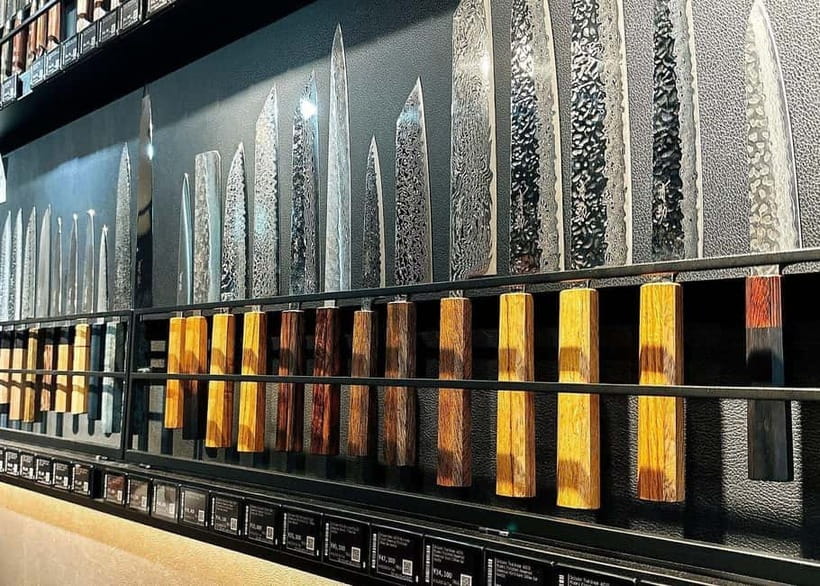
The market portion lasts about 45 minutes, combining a guided walk with free time for shopping and sampling. That is not a long time for such a large district, so let the guide set the pace and save your biggest food decisions for the free period.
The market handles approximately 480 types of seafood and 270 types of produce. Those numbers tell you what to expect: not just rows of familiar fish, but an enormous range of ingredients used in Japanese cooking. You might see products you would not recognize on your own, which is where a guide is especially useful.
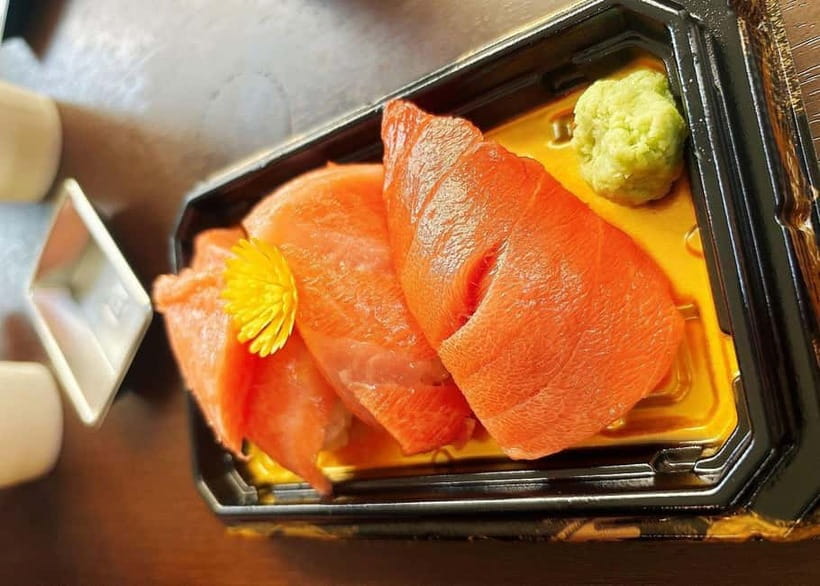
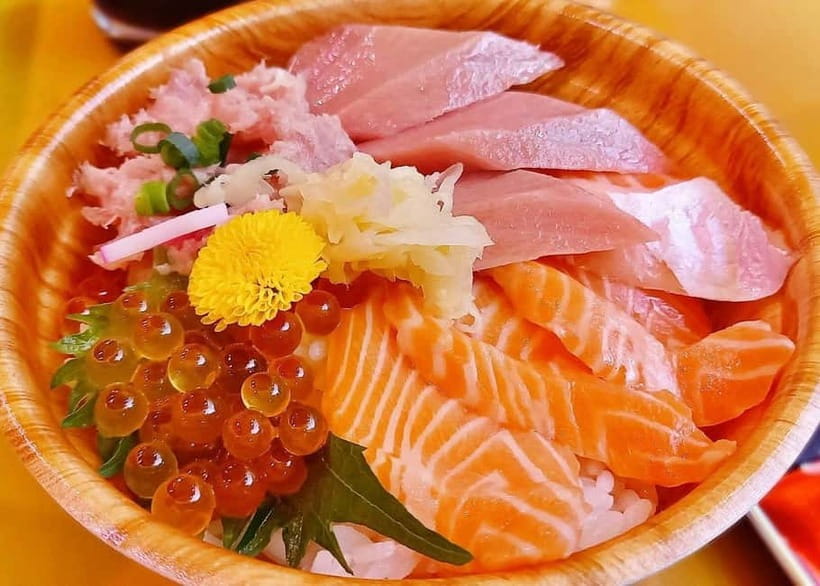
The narrow alleys are the setting for the best part of the experience. You can sample grilled scallops, tamagoyaki, sushi, wagyu skewers, and matcha sweets, depending on what you choose and what is available at the stalls. Each bite gives you a small, direct connection to Japanese food culture.
Tamagoyaki is a Japanese omelette, often slightly sweet and prepared in a neat layered form. It is an easy first snack if raw seafood is not your thing. Grilled scallops and wagyu skewers offer hot, savory options, while sushi and matcha sweets suit people who want something more closely tied to classic Japanese flavors.
I would not arrive assuming you can eat every item listed. The tour includes no meals, and the food costs extra. Think of the market as a menu of possibilities, not a guaranteed tasting lineup. Bring some Japanese yen for small purchases, since the optional food fee is paid directly at the stall.
The market can also be awkward for anyone who dislikes tight spaces or a busy walking route. You may need to keep moving and remain aware of other shoppers. A camera is worthwhile, but use it thoughtfully around vendors and food preparation areas.
The guide’s presence matters most here. You can ask what a product is, how it is eaten, or which snack may suit your taste. That makes the visit more approachable for first-time visitors who might otherwise stick to familiar food.
A few more Tokyo bookings worth comparing
- Tsukiji Fish Market Guided Tour and Sushi Making with Pro Chef
★ 5.0 · 775 reviews - Tokyo: Tsukiji Fish Market Food and Culture Walking Tour
★ 4.7 · 757 reviews - Tsukiji Fish Market: Street Food & Culture Walking Tour
★ 5.0 · 669 reviews - Tsukiji Fish Market Small-Group Food Walking Tour
★ 5.0 · 621 reviews
The 15-minute walk to Hama-rikyu
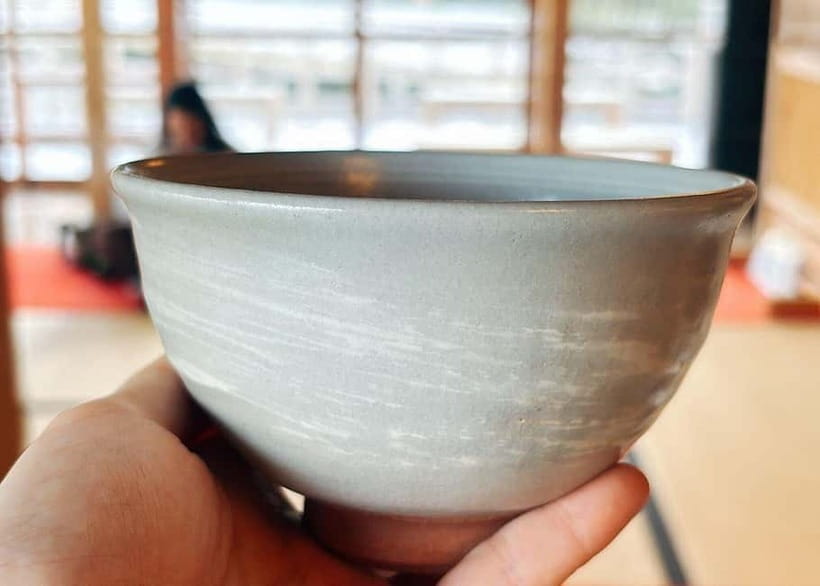
After Tsukiji, the group walks for about 15 minutes to Hama-rikyu Gardens. Transportation is not provided because this is a walking tour, and the route does not return to the starting point.
This short transfer helps the experience change mood gradually. You leave the market’s tight lanes and head toward open garden space. It is also a useful reminder to wear shoes with good support, especially if you have already been walking around Tokyo before the tour begins.
If you need frequent rest breaks, ask about the pace before booking. The activity information says people with mobility impairments and wheelchair users are not suitable, even though another part of the description marks the experience as wheelchair accessible. That is a real inconsistency. Contact the provider and confirm the current route and access arrangements rather than relying on the general label.
Hama-rikyu Gardens and Tokyo’s unexpected quiet
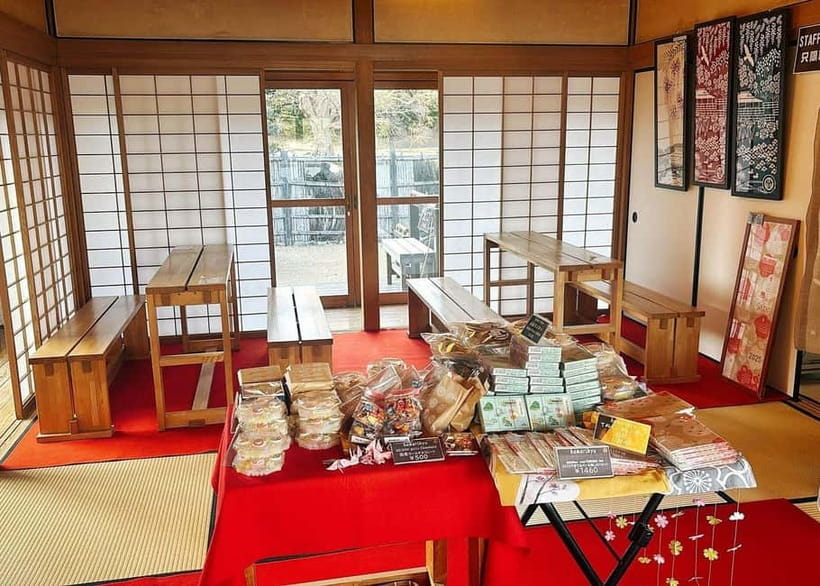
Hama-rikyu Gardens were created during the Edo period more than 370 years ago. The garden visit lasts about an hour, with both guided touring and free time.
The setting is the tour’s strongest visual contrast. Traditional paths, ponds, trees, and seasonal flowers sit below Tokyo’s modern skyline. You can look across a carefully planned garden and see high-rise buildings beyond it, a scene that neatly captures old and new Tokyo in one frame.
Season matters here. Depending on the time of year, different flowers may be in bloom, so do not book this solely for one specific flower unless the provider confirms the timing. The garden is still worthwhile outside peak bloom because the design, open space, and skyline views remain central to the visit.
The hour gives you more freedom than the market stop. You can listen to the guide, take photographs, and spend some time simply walking at a slower pace. That pause is valuable after the market’s close quarters.
The garden admission fee is included, which improves the $31 value. If you visited independently, you would still need to plan the route and learn how the garden fits into Tokyo’s past. Here, the guide gives you a clear transition from market life to historic garden design.
Optional matcha and wagashi in the garden
If you want a more traditional finish, you can take part in an optional matcha and wagashi tasting. It costs about 1,000 yen and is paid on-site.
The tasting includes Japanese etiquette as well as tea and wagashi, or Japanese sweets. That makes it more than a quick drink. You get a small introduction to how the tea is served and how the sweet fits into the experience.
Because it is optional, you can skip it if you are watching your budget, have already had enough food, or prefer more time in the garden. I would consider adding it if you want a quieter cultural moment after the market. It may be the best fit for you if you enjoy learning the proper way to approach a familiar ritual rather than simply trying another snack.
The tour description does not specify exactly how long the tasting takes, so allow for the possibility that your total outing will be closer to three hours than 150 minutes. Check the available start time and local schedule before committing to another activity immediately afterward.
Price, timing, and practical value
The $31 price covers the local guide and Hama-rikyu Gardens admission. It does not cover transport, food from the stalls, or the optional 1,000-yen tea experience.
For many visitors, the cost is fair because the route joins three different parts of Tokyo in one organized walk. You avoid having to plan the temple, market, and garden yourself, and you get help with the market’s unfamiliar food.
The value depends on how much you eat. If you buy several premium seafood items, sushi, wagyu, and sweets, your total spend can rise well above the advertised price. You can keep costs under control by choosing one or two snacks and treating the market mainly as a guided cultural visit.
The listed duration ranges from 150 minutes to three hours. That likely reflects differences in start time, walking speed, market stops, and the optional tea. Confirm the actual schedule when selecting your date, particularly if you have a museum booking, dinner reservation, or train to catch.
Free cancellation is available up to 24 hours before the activity for a full refund. You can also reserve now and pay later, which helps if your Tokyo plans are still shifting.
Who should choose this experience
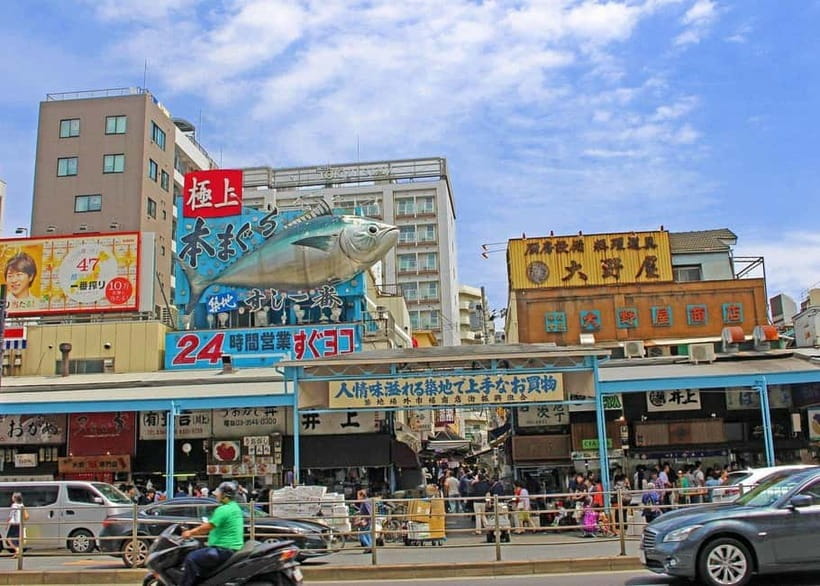
I would recommend this walk to first-time Tokyo visitors who want a compact introduction to food, faith, traditional gardens, and city scenery. It suits curious eaters, casual snackers, photographers, and anyone who prefers a guide to explain what they are seeing.
It is especially useful if you want to sample Japanese foods but feel unsure about ordering at Tsukiji on your own. You can still make your own choices, while the guide helps you understand the setting and the products.
The experience may be less suitable if you want a long, leisurely market breakfast. Forty-five minutes is enough for a brisk look and a few bites, but not for browsing every lane. It is also not a good choice for anyone unable to manage substantial walking, and pregnant women are listed as unsuitable for the activity.
Families and mixed-age groups should consider the walking pace and narrow market lanes. The tour is wheelchair accessible in one part of the supplied information but excludes wheelchair users and people with mobility impairments elsewhere. Confirm this point directly before paying.
Final verdict: book it for the contrast
Book this tour if you want one guided outing that moves from temple calm to market energy and then into a historic garden below Tokyo’s skyline. The food choices are flexible, the garden admission is included, and the price is sensible for a guided half-day walk.
Skip it if your main goal is a long, food-focused Tsukiji feast or if you need a fully accessible route. For everyone else, the combination is thoughtfully chosen. Come with comfortable shoes, a little extra cash, and room in your schedule for the optional tea, and you will get a useful, flavorful introduction to this part of Tokyo.
FAQ
Where does the tour begin?
Meet your guide in front of Starbucks Coffee Tsukiji Station Front.
Where does the tour finish?
The experience finishes at Hama-rikyu Gardens, also called Hama-rikyu Onshi Garden.
How long does the tour last?
The stated duration is between 150 minutes and three hours. Check the available start times and schedule for your chosen date.
Is transportation included?
No. This is a walking tour. The route includes about 15 minutes of walking between Tsukiji Outer Market and Hama-rikyu Gardens.
Are food and market snacks included?
No. Food from the market stalls is optional and must be paid for separately on-site.
How much does the matcha and wagashi tasting cost?
The optional tasting costs about 1,000 yen and is paid on-site.
What languages are available?
Live guides are available in Chinese, English, French, Korean, and Spanish.
More Shopping Tours in Tokyo
- Tokyo: Tsukiji Fish Market Sushi Making Class with Pro Chef
★ 4.9 · 506 reviews - Tokyo Food Tour Taste Fresh Delights at Tsukiji Market
★ 5.0 · 429 reviews - Tokyo Tsukiji Fish Market Tour and Sushi Making Lesson
★ 5.0 · 390 reviews - Tsukiji Fish Market: Street Food & Culture Walking Tour
★ 4.8 · 259 reviews
New on our Tokyo list
- Tokyo Spectacular View Day-Cruise in 90 Minutes★ 5.0 · 25 reviews
- From Tokyo: Mount Fuji & Hakone Full Day Private Tour★ 4.9 · 25 reviews
- Real Tokyo Runner Club : Daikoku Car Meet Night Tour with JDM Car★ 5.0 · 25 reviews
- 2.5 Hour-Guided Cycle Tour in the Central Tokyo★ 5.0 · 25 reviews
- Ramen Making from Scratch +Akihabara Tour –Cooking Class★ 5.0 · 25 reviews
- [Self-Drive] Tokyo & Daikoku Custom Car Driving Tour★ 4.9 · 25 reviews
- Tokyo: 2-Hour Night Bike Tour of the City’s Hidden Gems★ 4.9 · 25 reviews
- Samurai themed Entertainment show in Shinjuku★ 4.5 · 25 reviews
Tsukiji & Toyosu Market Tours, compared.

Tokyo Tsukiji Fish Market Food and Culture Walking Tour
Read our review →

Tokyo Sushi Making Class in Tsukiji with Professional Chef
Read our review →
Tsukiji Fish Market Guided Tour and Sushi Making with Pro Chef
Read our review →Tsukiji Fish Market Food and Culture Walking Tour
Read our review →
Tsukiji Fish Market: Street Food & Culture Walking Tour
Read our review →
Tsukiji Fish Market Small-Group Food Walking Tour
Read our review →Browse the lists this tour appears in