
Reviewed · TOKYO FOOD TOURS
Tokyo Vegan Food Tour
Tokyo’s vegan food scene gets much easier to understand over a bowl of ramen. This three-hour walk through Shibuya and Ebisu pairs five Japanese food styles with practical advice, from reading menus to finding useful options at a convenience store.
I like the small group, limited to six people, and the mix of savory and sweet dishes. I also like that guides such as Bunga and Brian share tips you can use after the tour, rather than simply feeding you and sending you on your way.
The main consideration is the pace and portion count. You may eat enough to skip dinner, and the tour may involve a train ride, so bring cash and wear comfortable shoes.
In This Review
- Key points at a glance
- Why this Tokyo food walk is useful for vegans
- Meeting at Shibuya’s Hachiko statue
- Mini ramen bowls with four possible flavors
- Gyoza and vegan karaage
- Fruit sandwiches and butter with anko
- A convenience store stop with real travel value
- What the guide adds to the meal
- Shibuya to Ebisu in three hours
- Is $99 a fair price?
- Who should book this experience?
- Booking details worth knowing
- Should you book the Tokyo Vegan Food Tour?
- FAQ
- Where does the Tokyo Vegan Food Tour start?
- Where does the tour finish?
- How long does the tour last?
- What language is the tour conducted in?
- How many people are in the group?
- What food is included?
- Is all the food vegan?
- Do I need to bring cash?
Key points at a glance
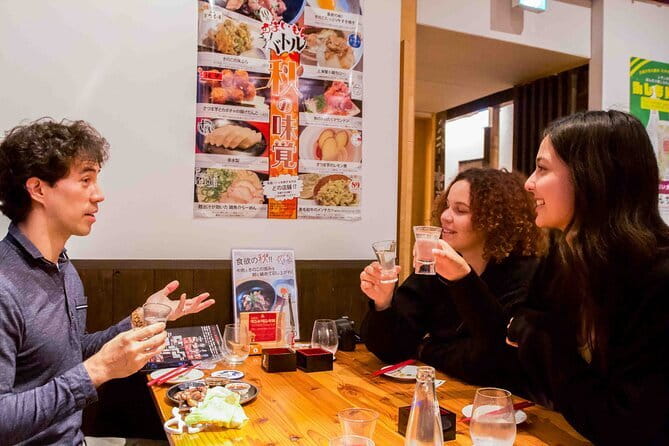
- Starts by the Hachiko statue: Meet your English-speaking guide at Shibu Hachi Box, across from the statue outside Shibuya Station.
- Five vegan food styles: Expect ramen, gyoza, karaage, fruit sandwiches, and butter with anko sandwiches.
- Four ramen choices: The mini bowls may include spicy miso, miso, shoyu, and shio.
- Ends in Ebisu: The route begins in Shibuya and finishes in a different neighborhood.
- Useful for the rest of your trip: The guide explains ingredients, eating customs, and ways to locate vegan food in Japan.
- Small and flexible: The group has no more than six participants, with one beverage included.
Why this Tokyo food walk is useful for vegans
Tokyo can be exciting for plant-based eaters, but it can also feel uncertain when you do not know which ingredients hide in a dish. This tour gives you a friendly starting point in two central neighborhoods, then adds the practical information you need for later meals.
The food is not limited to one style. You get familiar Japanese comfort foods such as ramen and gyoza, along with less obvious treats like fruit sandwiches and butter with sweet bean paste. That range matters because it shows how vegan eating in Japan can include both everyday food and playful café-style sweets.
I also like the setting. Shibuya gives you a busy central meeting point, while Ebisu provides the endpoint for the walk. The tour is not presented as a formal cooking class. Instead, you move through the city, stop for small portions, and connect each dish with local ingredients and cooking methods.
The guide also discusses the growth of vegan dining in Japan and the country’s history of plant-based eating. The subject is especially helpful if you are visiting Japan for the first time and want more than a list of restaurants.
More Tokyo food crawls:
- Tokyo: Shinjuku Food Tour (13 Dishes at 4 Local Eateries)
★ 5.0 · 6,603 reviews - Tokyo: Shinjuku Food Tour (15 Dishes and 4 Eateries)
★ 4.9 · 2,033 reviews - Best of Shinjuku: Izakaya Food Tour (4 Stops, 14+ Tastings)
★ 5.0 · 1,863 reviews
Meeting at Shibuya’s Hachiko statue
Your starting point is Shibu Hachi Box, across from the Hachiko statue outside Shibuya Station. Look for the guide holding a Food Tours Tokyo sign.
This is a sensible meeting place, but Shibuya Station can be confusing. Give yourself enough time to get out of the station and locate the statue before the start time. The meeting point is not inside a restaurant, so you need to find the guide in the open area near the station.
The route starts in Shibuya and ends in Ebisu. That makes the experience useful as part of a day in Tokyo, but it also means you should not plan to return to the exact starting point at the end. If the group uses the train during the route, you will need cash. That small detail is easy to miss, so keep some yen handy.
Mini ramen bowls with four possible flavors

Ramen is one of the most useful parts of the menu because it lets you compare different Japanese broth styles in small portions. The available choices may include spicy miso, miso, shoyu, and shio.
The tasting size is a good idea. You can try more than one flavor without committing to a full bowl, and the smaller servings leave room for the other foods. If you have a strong preference, ask the guide about the choices available on your particular visit.
The four styles also give the guide a chance to explain how seasonings change the character of a bowl. Miso brings a fermented soybean base, shoyu refers to soy sauce, shio means salt, and spicy miso adds heat. The tour information does not promise that every participant will receive all four, so think of these as possible options rather than a guaranteed tasting flight.
For many visitors, this is the dish that settles the biggest concern: can vegan ramen in Tokyo be satisfying? The answer here appears to be yes, at least in portion and variety. One participant even found the food filling enough to cancel dinner plans afterward.
Gyoza and vegan karaage
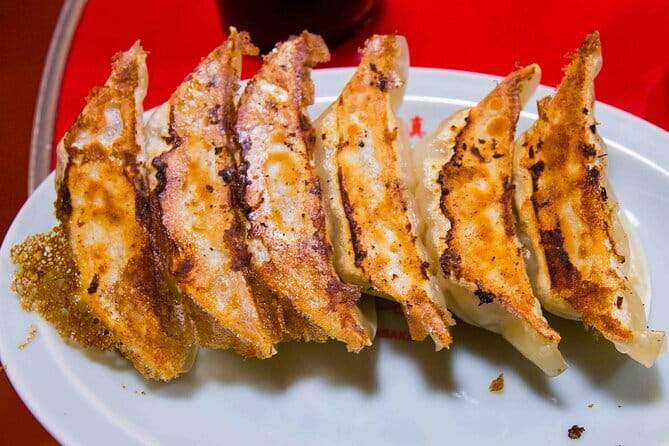
The next savory stops add texture and contrast. Vegan gyoza give you the familiar shape of Japanese dumplings, while vegan karaage offers a plant-based version of fried chicken.
These dishes are valuable because they show how plant-based cooking can recreate the feel of popular Japanese foods without making the meal dependent on salads or plain vegetables. The tour focuses on flavor, crunch, and comfort, which is helpful if you are traveling with family members who are less interested in vegan food.
The exact filling and preparation details are not specified, so you should ask your guide about the ingredients at the stop. That is also a good moment to explain any preferences clearly. The guides have accommodated individual needs during past tours, but the published information does not promise a separate custom menu.
Because the group is small, the meal should feel more personal than a large walking tour. Bunga and Brian are both named as guides connected with the experience, and their role goes beyond leading you from one food stop to the next. They can explain what you are eating and offer suggestions for later meals.
A few more Tokyo bookings worth comparing
- Vegan Friendly Sushi & Okonomiyaki Shibuya Night Foodie Tour
★ 5.0 · 124 reviews - Ramen & Dumpling Cooking in Tokyo with Chef/Vegan possible
★ 5.0 · 107 reviews - Vegan/Vegetarian Ramen and Gyoza by Bentoya cooking
★ 5.0 · 59 reviews - Ramen Making from Scratch with Tokyo Mom(Vegan Option Available)
★ 5.0 · 39 reviews
Fruit sandwiches and butter with anko
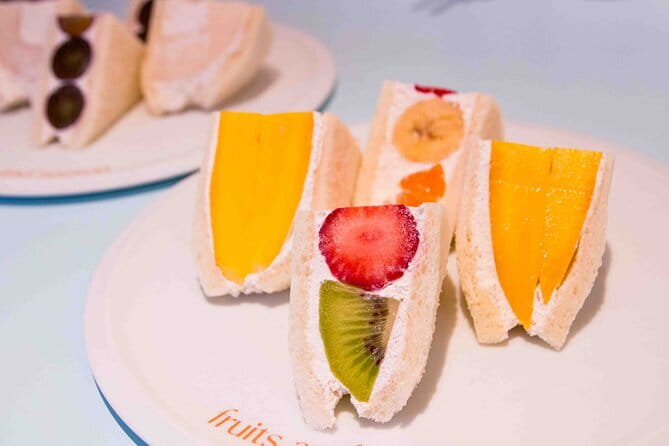
The sweet courses make this more than a ramen tasting. Japanese fruit sandwiches use fresh seasonal fruit in a soft sandwich format, while the butter and anko sandwich combines butter with anko, the sweet bean paste commonly used in Japanese desserts.
These are the kinds of foods that can be hard to find if you only search for standard vegan restaurant meals. They also give the tour a different rhythm after the hot and savory dishes. The fruit sandwich brings freshness, while the butter and anko sandwich is the richer, sweeter finish.
The word vegan is important here. The tour states that all food served is vegan, so you do not need to guess about the dishes during the experience. Still, if you have allergies as well as a vegan diet, discuss them with the guide before eating. The available information confirms the vegan menu but does not provide a full allergen list.
The sweet stops also help explain why this tour may suit people who want cultural context. Food is not only a main meal in Japan. Sandwiches, sweets, and convenience-store items can be part of daily eating, and the guide brings that wider view into the walk.
A convenience store stop with real travel value

A quick convenience-store stop may sound less exciting than ramen, but it could be one of the most useful parts of the afternoon. Tokyo convenience stores are everywhere, and learning how to search for vegan choices gives you a backup plan for busy days, train journeys, or late arrivals.
The tour includes practical advice on navigating Tokyo’s vegan food scene, and the convenience store fits that goal. You can ask about labels, ingredients, and the kinds of packaged foods worth checking. The information provided does not specify the store or the exact items sampled, so treat this as a guide to shopping rather than a guaranteed tasting of particular products.
I especially like this feature for anyone who feels nervous about managing dietary restrictions in Japan. One parent booked the tour because a daughter was worried about finding suitable food, and the tour helped build confidence for the rest of the trip. That is a better result than simply enjoying one good meal.
What the guide adds to the meal
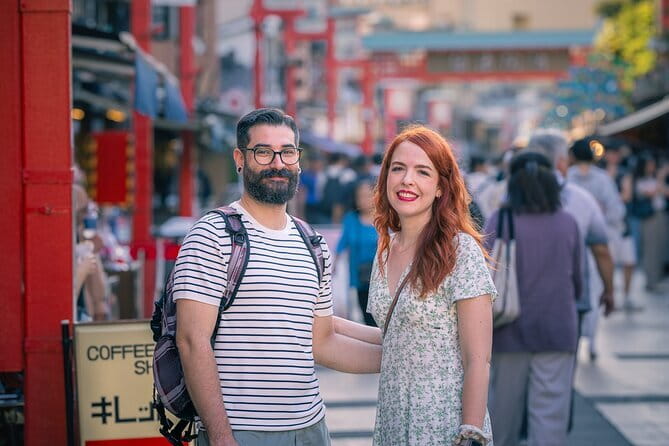
The strongest reason to book is the guide’s local advice. Bunga and Brian have both been singled out by name in the tour feedback, and the comments describe them as friendly, attentive, and willing to share lists of other vegan options.
That practical follow-up matters. A three-hour food walk can fill one afternoon, but advice on where to eat afterward can help for the rest of your stay. You can ask how to find vegan eateries, what local ingredients mean, and how plant-based dining fits into Japan’s food culture.
The English-language format also removes a layer of stress. You can ask questions as you go instead of trying to translate every menu or ingredient on your own. The tour is not a substitute for checking food labels at every restaurant, but it gives you a better base for doing so.
The guide may also adapt to personal preferences. The experience is limited to six participants, and past groups included people with different wants. That does not guarantee every request can be met, but a small group gives you a better chance to speak up and get a useful answer.
Shibuya to Ebisu in three hours

Three hours is long enough for several food stops without taking over your entire day. The route begins in Shibuya and ends in Ebisu, so you can plan another activity near the finish rather than losing time returning to the meeting point.
The precise walking distance and stop order are not stated. You should expect to move between food locations, and you may use the train, so this is not a seated tasting in one venue. Bring cash for possible transport and choose shoes suited to city walking.
The neighborhood pairing is another plus. Shibuya is an easy place to connect with the rest of Tokyo, while ending in Ebisu lets you continue exploring from a new area. You get a sense of two districts rather than spending the entire tour inside one restaurant.
The small group limit of six is useful here. It should make it easier to hear explanations, keep the group together, and ask questions about vegan dining. If you prefer a private tour or a slow, unhurried meal at each stop, this may feel more structured than you want.
Is $99 a fair price?
At $99 per person, the tour is not a cheap way to eat lunch. You are paying for five types of Japanese food, one beverage, a three-hour guided route, and the guide’s advice about eating vegan in Tokyo.
The value improves if you are new to Japan or worried about your diet. A successful first food outing can save time and reduce guesswork throughout the rest of your trip. The food is also described as abundant enough that you may not need another meal right away.
For confident Tokyo visitors who already know where to find vegan ramen and Japanese sweets, the price may be harder to justify. You could spend less by visiting one restaurant or shopping at a convenience store yourself. The difference is the organized tasting and the chance to ask an English-speaking guide direct questions.
The tour includes all food on the route and one beverage. It does not include possible train fare, so bring cash for that extra cost. The provider also allows you to reserve now and pay later, which can help if you are still arranging your schedule.
Who should book this experience?
I would put this tour near the start of a Tokyo trip for vegans and vegetarians, especially first-time visitors. The food gives you an immediate introduction to Japanese plant-based options, while the guide’s list of additional places can shape later meals.
It also suits families and mixed groups. A vegan visitor gets clear food choices, while other members of the group can try Japanese favorites in plant-based form. The variety of savory and sweet dishes helps keep the outing interesting for people who may not normally seek out vegan restaurants.
Food-focused visitors will appreciate the unusual items, especially fruit sandwiches and butter with anko. The tour is also a good match for anyone who wants cultural explanation along with eating.
I would be more cautious if you dislike moving between stops, need a fully customized menu, or have serious allergies that require detailed ingredient control. The tour confirms that all food is vegan, but it does not publish full allergy information or guarantee every personal preference.
Booking details worth knowing
The tour lasts three hours, with starting times based on availability. It is conducted in English by a live guide, and the group is limited to six participants.
You meet at Shibu Hachi Box across from the Hachiko statue, outside Shibuya Station. The tour ends in Ebisu, and you may need cash if the group takes a train.
Cancellation is free up to 24 hours before the start for a full refund. You can also reserve now and pay later, which keeps your plans flexible if your Tokyo schedule is still changing.
Should you book the Tokyo Vegan Food Tour?
Book it if you want a filling introduction to Japanese vegan food and practical help for the rest of your trip. The best parts are the broad tasting menu, the small group, and the guide advice from people such as Bunga and Brian.
The tour is especially good at removing uncertainty. You will try ramen in several styles, gyoza, karaage, seasonal fruit sandwiches, and butter with anko, then learn how to keep finding plant-based food after the three hours end.
Skip it if you already have Tokyo’s vegan dining system figured out or want a low-cost meal rather than a guided experience. For most first-time vegan visitors, though, $99 buys more than food: it buys a useful first step into eating well and confidently in Japan.
FAQ
Where does the Tokyo Vegan Food Tour start?
It starts at Shibu Hachi Box, across from the Hachiko statue outside Shibuya Station. Your guide will hold a Food Tours Tokyo sign.
Where does the tour finish?
The tour starts in Shibuya and ends in Ebisu.
How long does the tour last?
The experience lasts three hours.
What language is the tour conducted in?
The live tour guide speaks English.
How many people are in the group?
The group is limited to six participants.
What food is included?
You receive five types of Japanese vegan food, including ramen, gyoza, karaage, fruit sandwiches, and butter with anko. One beverage is also included.
Is all the food vegan?
Yes. All food served on the tour is vegan.
Do I need to bring cash?
Yes. Bring cash because the group may use the train during the tour.
New on our Tokyo list
- Sumi-e Experience in a relaxing green tea shop in Tokyo★ 5.0 · 3 reviews
- Tokyo : Kamikaze Street Drift Ride★ 5.0 · 3 reviews
- Private Zen Meditation in English in Shinjuku, Tokyo★ 5.0 · 3 reviews
- Onsen Spa in Tokyo and Asakusa Bar Hopping with Local Guide★ 5.0 · 3 reviews
- Easy for everyone! Now you can play handmade mini shamisen and show off to everyone! Musical instruments, sweets and live music★ 5.0 · 3 reviews
- Tokyo: Private Tsukiji Street Food & Sake with Local Guide★ 5.0 · 3 reviews
- Mt Fuji Exploration Tour with Free Japanese Kusa Mochi from Tokyo★ 4.5 · 3 reviews
- Tokyo Tsukiji Fish Market Walking and Exploring Hidden Gems Tour★ 5.0 · 3 reviews
Tokyo Food Tours, compared.
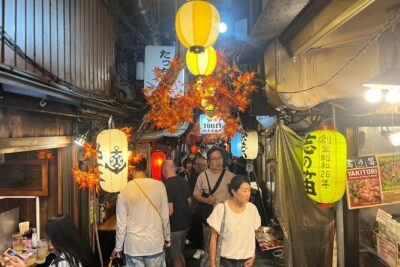
Shinjuku Food Tour (13 Dishes at 4 Local Eateries)
Read our review →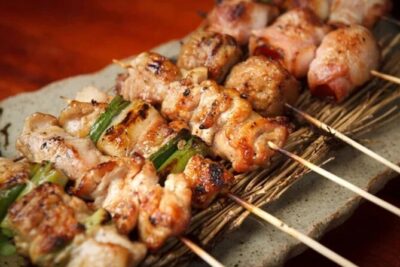
Shinjuku Food Tour (15 Dishes and 4 Eateries)
Read our review →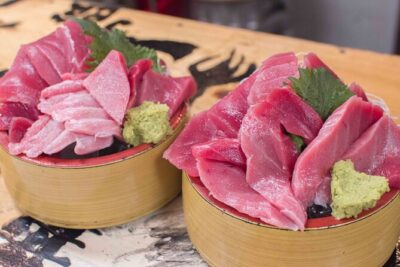
Best of Shinjuku: Izakaya Food Tour (4 Stops, 14+ Tastings)
Read our review →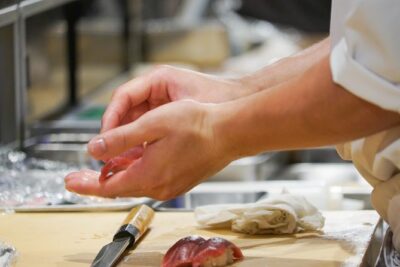
Tokyo Night Foodie Tour in Shinjuku – Seasonal Sushi, Wagyu Beef
Read our review →
Eat and Drink Like a Local: Tokyo Ueno Food Tour-Taverns&Ramen
Read our review →
Tsukiji Fish Market: Street Food & Culture Walking Tour
Read our review →Shinjuku Food Tour – 15 Dishes, 3 Drinks, 4 Eateries
Read our review →Browse the lists this tour appears in