
Reviewed · JAPANESE COOKING CLASSES
Ramen Making from Scratch with Tokyo Mom(Vegan Option Available)
The best part of this Tokyo cooking class is that you make the meal from the ground up. You knead and cut the noodles, prepare broth with ingredients such as kombu, katsuobushi, and shiitake mushrooms, then fold gyoza before sitting down to eat. I especially like the small group limit of six and Aki’s warm, family-style teaching. The recipes are also designed to be repeated at home, not forgotten after one meal.
I like the location too. The kitchen is about five minutes from Shinjuku Gyoenmae Station, so you can pair the class with a walk in Shinjuku Gyoen Park. The main consideration is dietary planning: meat and fish are part of the standard cooking, and special requests must be made at booking. Adjustments may be possible, but they are not guaranteed.
In This Review
- Key points to know before booking
- A Tokyo cooking class with a personal touch
- From Shinjuku Gyoenmae Station to the kitchen
- Kneading ramen noodles from scratch
- Building broth with Japanese umami
- Folding gyoza beside the ramen
- Eating what you made
- Why the small group matters
- Families, dietary needs, and the right audience
- What you take home after 2.5 hours
- Booking, timing, and cancellation details
- Should you book Tokyo Mom’s Kitchen?
- FAQ
- How long does the ramen-making class last?
- Where does the activity take place?
- Does the class end at the meeting point?
- What dishes will I make?
- Does the broth contain MSG?
- What ingredients are used for the umami flavor?
- Is a vegan or vegetarian option available?
- Is transportation included?
- How many people can join the class?
- What is included in the price?
- Can I cancel for a full refund?
Key points to know before booking
- Make noodles by hand: You knead the dough and cut the ramen noodles yourself, including the hands-on work that gives them their texture.
- Build a natural umami broth: Kombu, katsuobushi, and shiitake mushrooms add flavor without MSG or artificial flavorings.
- Cook ramen and gyoza in one class: The 2 to 2.5-hour session gives you both a main dish and a Japanese dumpling project.
- Aki teaches in English: Her relaxed, patient approach suits families, first-time cooks, and people who want cultural context with their meal.
- Small group setting: The maximum of six people allows more personal help than a large demonstration class.
- Convenient Shinjuku location: The kitchen sits near Shinjuku Gyoenmae Station, with Shinjuku Park and central Shinjuku close by.
A Tokyo cooking class with a personal touch
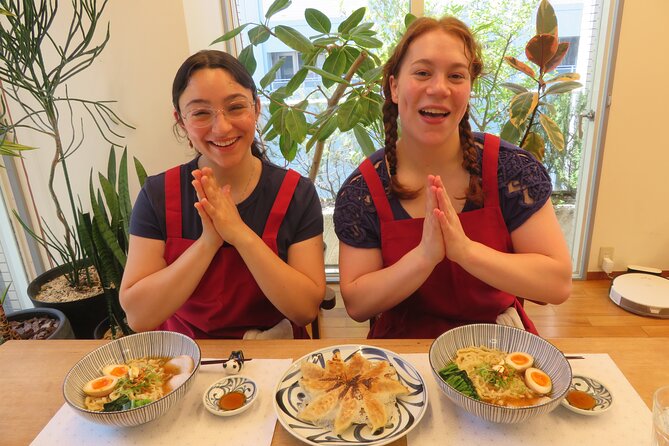
Aki calls herself your Tokyo mom, and that describes the tone better than a formal cooking-school label. She is a Japanese mother of three and a former backpacker who enjoys meeting people from different countries. Her teaching style is built around cooking together, not watching from the edge of a room.
That matters because ramen has several moving parts. The noodles need attention, the broth needs balance, and gyoza folding takes a little practice. A relaxed teacher can make the difference between feeling rushed and feeling willing to try again.
The class is taught in English, and Aki works directly with you through each stage. Kanna may also help host the session. Families have found the atmosphere comfortable for children, with enough patience to keep younger cooks involved rather than pushed aside.
This is not a polished restaurant meal where you simply receive a bowl. You handle the ingredients, make choices, and learn the basic logic behind the food. The reward is a better understanding of what you are eating in Japan and a recipe you can attempt once you get home.
More ramen stops:
- Eat and Drink Like a Local: Tokyo Ueno Food Tour-Taverns&Ramen
★ 5.0 · 957 reviews - Ramen & Gyoza Cooking Class in Tokyo with Local Supermarket Visit
★ 5.0 · 823 reviews - Tokyo: Ramen Tasting Tour with 6 Mini Bowls of Ramen
★ 4.9 · 432 reviews
From Shinjuku Gyoenmae Station to the kitchen
The kitchen is about a five-minute walk from Shinjuku Gyoenmae Station. The meeting point is listed at Bridal Unison Unison, 1-chome-24-7 Shinjuku, Shinjuku City, Tokyo 160-0022. You are expected to come directly to the venue, since private transportation is not included.
The setting is on the top floor of a building. Natural light, fresh air, and a spacious feel help keep the class from feeling cramped. The location also gives you a useful way to plan the rest of your day.
Before class, you could walk through Shinjuku Gyoen Park. Afterward, you can continue toward the shopping and entertainment areas of Shinjuku. The class lasts roughly two and a half hours, so leave enough time for the walk to the venue and any station-finding delays.
I would avoid scheduling this too tightly against a major departure. One family attended just before going to the airport and had a wonderful time, but the timing still leaves little room for trouble. The class ends back at the meeting point, with no return transport required.
Kneading ramen noodles from scratch
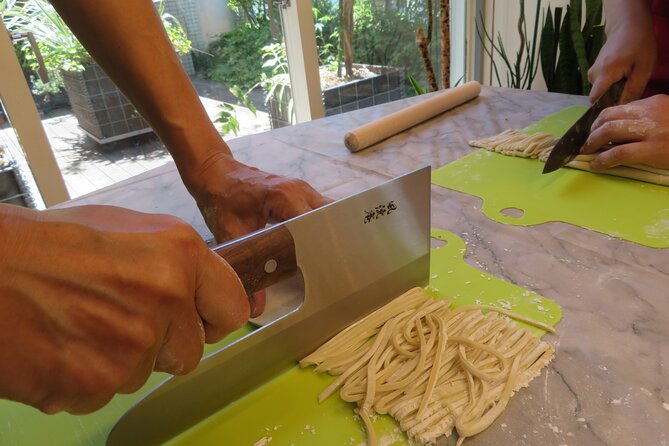
The class begins with the practical heart of ramen: the noodles. You work with the dough, knead it, and learn how texture affects the final bowl. Cutting the noodles by hand is part of the process, so this is not simply a lesson in opening packets or assembling toppings.
The cutting stage can be surprisingly demanding. One participant improved their ramen skills by making the noodles entirely by hand and cutting them with a knife. That detail tells you what kind of class this is: active, slightly messy, and focused on technique rather than spectacle.
Hand-cut noodles also make a useful souvenir in the form of a skill. You may not produce perfect restaurant-style strands on your first try, but you will understand how thickness changes the bite. The digital recipe sheet gives you a reference for trying again at home.
If you prefer a class with little physical work, this may feel more involved than expected. The appeal is precisely that you do the work yourself. Aki guides the process so beginners can take part without needing prior kitchen training.
Building broth with Japanese umami
The broth section adds cultural value beyond the meal. Aki explains how Japanese cooks create savory depth with natural ingredients, including kombu, katsuobushi, and shiitake mushrooms.
Kombu brings a sea-based savory note. Katsuobushi, made from bonito, adds a distinct fish flavor. Shiitake mushrooms provide another layer of umami. These ingredients help you understand why a broth can taste full and satisfying without relying on MSG or artificial flavorings.
The standard ramen broth uses chicken and pork, creating a hearty result. That makes the class especially useful if you have been eating ramen in Japan and want to understand what gives the soup its body.
The class is not only about following a fixed formula. You learn to balance flavors. That is important because homemade ramen can easily become too salty, too heavy, or too plain. Aki’s guidance helps connect the ingredients to the final taste rather than treating the broth as a mystery.
The fish ingredient deserves attention for dietary planning. A request for vegetarian or vegan food should be made before arrival, not casually mentioned once cooking begins. A vegetarian version has been prepared for a mixed-diet family, but the host notes that not every request can be accommodated.
More cooking classes in Tokyo:
- Tokyo: Easy Ramen Cooking Experience in Kabukicho, Shinjuku
★ 4.6 · 321 reviews - Ramen and Sushi Cooking Class with Sake Pairing Set in Tokyo
★ 5.0 · 291 reviews - Tokyo: Wagyu and 7 Japanese Dishes Cooking Class
★ 4.9 · 273 reviews - Tokyo Washoku 4-hour Cooking Class: From Market to Table
★ 5.0 · 253 reviews
Folding gyoza beside the ramen
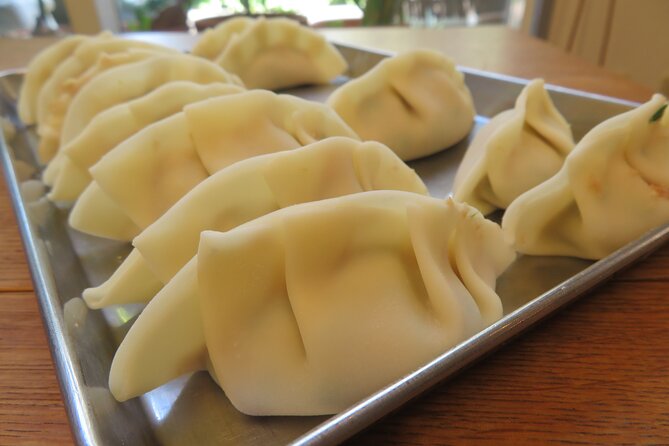
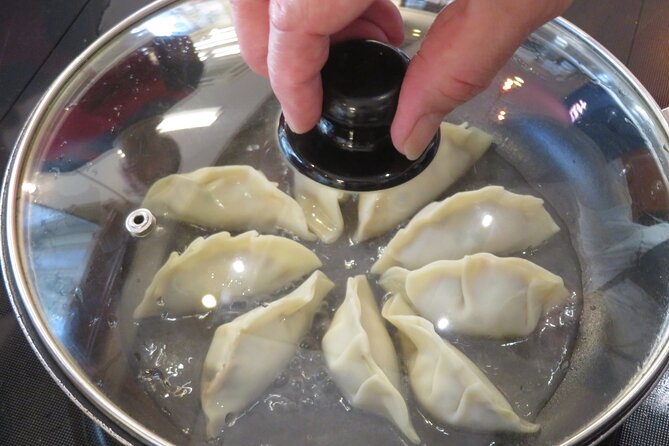
Gyoza gives the class a second kind of kitchen work. The dumplings require filling, shaping, and cooking, with the folding stage offering a simple task that can become harder than it looks.
For families, this is a strong part of the experience because several people can work at once. One person can focus on the filling while another folds, and children can take part under Aki’s guidance. The class has been especially well received by families whose children needed extra patience and reassurance.
The gyoza also makes the meal feel complete. Ramen alone would already be worthwhile, but adding dumplings gives you two dishes to practice at home. You leave with more than a single recipe and a better sense of how Japanese home cooking fits together.
Do not expect every dumpling to look identical. That is part of the fun. The point is to learn the basic method and enjoy the result, not to pass a restaurant-kitchen inspection.
Eating what you made
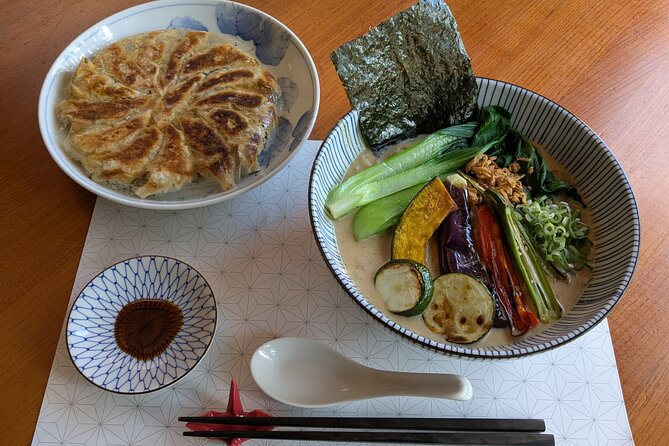
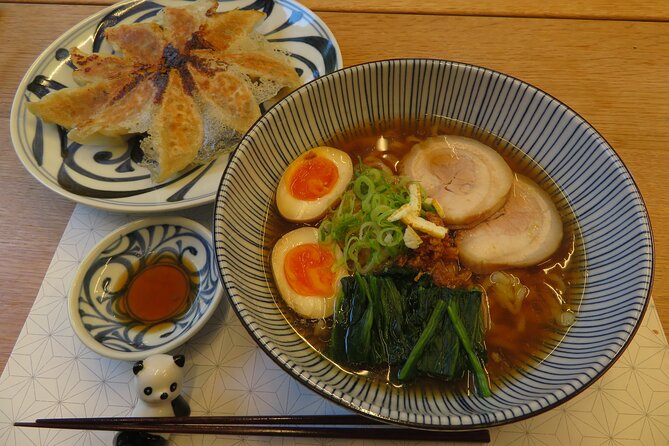
After the preparation, you eat the ramen and gyoza together. This timing is one of the class’s best features because you can immediately see how your choices affected the meal.
The final bowl combines the handmade noodles with the broth you prepared. Gyoza adds a different texture and flavor, making the meal feel generous for a two-hour class. The ingredients are included in the $120 price, along with kitchen tools, an apron, and the digital recipe PDF.
At $120 per person, this is not a cheap lunch. You are paying more than the cost of ordering ramen in Shinjuku. The value comes from the instruction, the small group, the use of fresh ingredients, and the chance to make two dishes with an English-speaking host.
I would consider it good value if you enjoy cooking or want a personal cultural activity. It is less compelling if your main goal is simply to eat ramen at the lowest possible price. In that case, a restaurant will cost less and take far less time.
The food also has a clear selling point for people who care about ingredients. Aki avoids MSG and artificial flavorings, relying instead on traditional umami sources. That does not mean the cooking is light or simple, since the standard broth includes chicken and pork, but it gives the class a clear, natural approach.
Why the small group matters
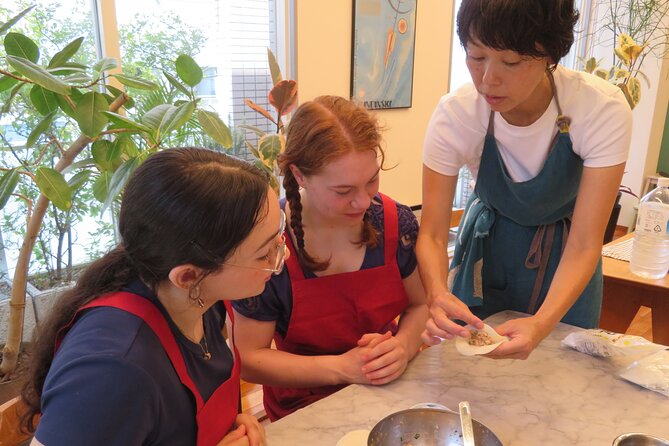
The maximum group size is six people. That limit is important in a hands-on class. You have more room to ask questions, show your dough, get help with noodle cutting, and correct your gyoza folds.
A larger class could make the same menu feel like a demonstration. Here, the format is closer to cooking in someone’s home with an experienced host nearby. The atmosphere is especially helpful for families and first-time cooks who may need instructions repeated.
The small group also makes the class suitable for people who want conversation. Aki’s background as a former backpacker gives her an easy connection with international visitors, and the home-style setting encourages a more personal exchange than a standard food tour.
Still, this is a shared class unless booked otherwise. You should expect to cook alongside other people and adjust to the pace of the group. The small size keeps that manageable, but it does not turn the session into a private lesson.
Families, dietary needs, and the right audience
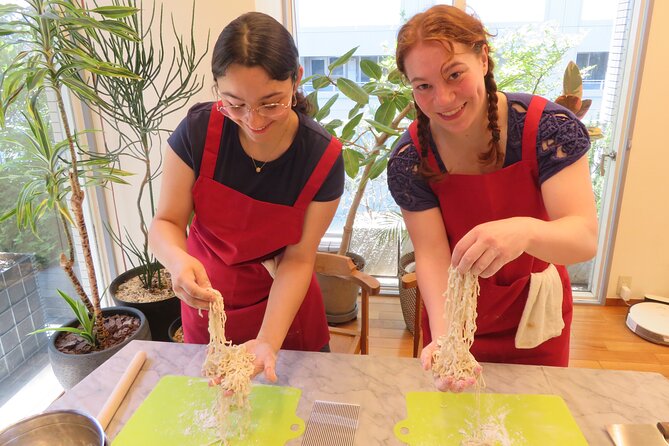
Families are a strong match for this activity. Children can help with kneading, noodle cutting, and gyoza folding, and Aki’s patient approach helps make the kitchen feel friendly. The family focus does not make the class childish, though. Adults who enjoy Japanese food will find plenty of useful technique.
It also suits couples, solo visitors, and small groups who want something more personal than sightseeing. A rainy afternoon is a good time for it, since the class gives you a warm indoor activity and a substantial meal.
Vegetarian and vegan cooking requires advance care. The title identifies a vegan option, and a vegetarian ramen dish has been prepared for a family with different dietary needs. However, the standard lesson uses chicken, pork, and katsuobushi, and the host warns that some allergies or halal and vegan requests may not be possible.
Write your needs clearly when booking. Do not assume that removing meat from the bowl solves every issue, since broth and seasoning may contain animal products. If the request is essential to your trip, wait for confirmation before relying on the class.
What you take home after 2.5 hours
The main takeaway is practical. You receive a digital recipe sheet and leave with the techniques for making ramen noodles, broth, and gyoza. Those recipes are intended to be approachable at home, which gives the class value beyond the meal you eat in Tokyo.
You also take away a better feel for Japanese umami. Once you understand the roles of kombu, bonito flakes, and shiitake, you can think about broth in a more controlled way. The class connects ingredients to flavor instead of giving you a list to memorize.
The apron and kitchen tools are provided during the session, so you do not need to bring cooking equipment. Mobile tickets make entry simple, but you still need to find your way to the meeting point yourself.
Allow the full 2 to 2.5 hours. The experience includes preparation, instruction, cooking, and eating. It is not a quick stop between major attractions.
Booking, timing, and cancellation details
The class has free cancellation if you cancel at least 24 hours before the scheduled start time. Cancellations made less than 24 hours in advance are not refunded, and changes during that period are not accepted.
Confirmation is normally sent at booking. If you book within two days of the class, confirmation may arrive within 48 hours and depends on availability. For a small class capped at six people, last-minute space can be limited.
The activity is near public transportation, but no private transfer is included. Plan your route to Shinjuku Gyoenmae Station and arrive with enough time to identify the building and reach the top-floor kitchen.
Should you book Tokyo Mom’s Kitchen?
Book this class if you want to make your own noodles, learn how natural Japanese umami works, and eat ramen and gyoza in a relaxed small-group setting. It is particularly well suited to families, food-focused couples, and anyone who wants a skill to take home rather than another quick meal.
The $120 price is fair for a two-and-a-half-hour lesson with ingredients, tools, apron use, recipes, and personal guidance. It is not the right choice if you want a cheap bowl of ramen, a large group activity, or a guaranteed solution for every dietary restriction.
For the best experience, request vegan, vegetarian, allergy, or halal adjustments when booking, then combine the class with Shinjuku Gyoen Park or nearby Shinjuku. If handmade food and friendly instruction matter more to you than speed, Aki’s kitchen offers a memorable and useful afternoon in Tokyo.
FAQ
How long does the ramen-making class last?
The session lasts approximately 2 to 2.5 hours, including preparation, cooking, and eating.
Where does the activity take place?
The meeting point is Bridal Unison Unison, 1-chome-24-7 Shinjuku, Shinjuku City, Tokyo 160-0022, Japan. The kitchen is about a five-minute walk from Shinjuku Gyoenmae Station.
Does the class end at the meeting point?
Yes. The activity ends back at the meeting point.
What dishes will I make?
You will make ramen and gyoza from scratch, including the noodles, broth, and dumplings.
Does the broth contain MSG?
The class uses fresh, natural ingredients and does not use MSG or artificial flavorings.
What ingredients are used for the umami flavor?
The class may use ingredients such as katsuobushi, kombu, and shiitake mushrooms to build umami. The standard broth also uses chicken and pork.
Is a vegan or vegetarian option available?
A vegan option can be requested, and vegetarian dishes have been prepared for mixed-diet families. You must mention dietary needs when booking, and not every request can be accommodated.
Is transportation included?
No. You must travel directly to the venue. Private transportation is not included.
How many people can join the class?
The maximum group size is six people.
What is included in the price?
The price includes all ingredients, kitchen tools, apron rental, a digital recipe PDF, and an English-speaking Japanese host.
Can I cancel for a full refund?
Yes, if you cancel at least 24 hours before the experience start time. Cancellations made less than 24 hours before the start are not refunded.
More Vegan & Vegetarian in Tokyo
- Vegan Friendly Sushi & Okonomiyaki Shibuya Night Foodie Tour
★ 5.0 · 124 reviews - Ramen & Dumpling Cooking in Tokyo with Chef/Vegan possible
★ 5.0 · 107 reviews - Vegan/Vegetarian Ramen and Gyoza by Bentoya cooking
★ 5.0 · 59 reviews - Tokyo: 2-Hour Vegan and Vegetarian Ramen Guided Walking Tour
★ 4.8 · 33 reviews
New on our Tokyo list
- Tokyo Spectacular View Day-Cruise in 90 Minutes★ 5.0 · 25 reviews
- From Tokyo: Mount Fuji & Hakone Full Day Private Tour★ 4.9 · 25 reviews
- Real Tokyo Runner Club : Daikoku Car Meet Night Tour with JDM Car★ 5.0 · 25 reviews
- 2.5 Hour-Guided Cycle Tour in the Central Tokyo★ 5.0 · 25 reviews
- Ramen Making from Scratch +Akihabara Tour –Cooking Class★ 5.0 · 25 reviews
- [Self-Drive] Tokyo & Daikoku Custom Car Driving Tour★ 4.9 · 25 reviews
- Tokyo: 2-Hour Night Bike Tour of the City’s Hidden Gems★ 4.9 · 25 reviews
- Samurai themed Entertainment show in Shinjuku★ 4.5 · 25 reviews
Japanese Cooking Classes, compared.
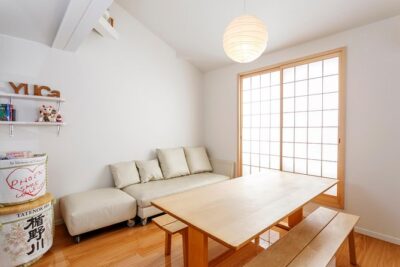
Ramen & Gyoza Cooking Class in Tokyo with Local Supermarket Visit
Read our review →
Easy Ramen Cooking Experience in Kabukicho, Shinjuku
Read our review →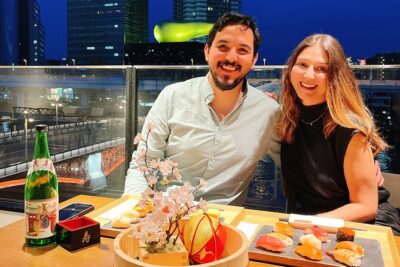
Ramen and Sushi Cooking Class with Sake Pairing Set in Tokyo
Read our review →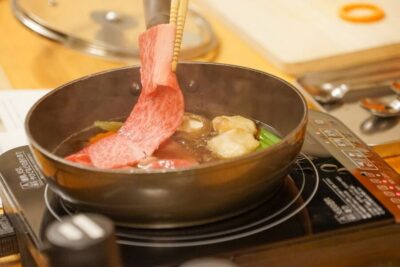
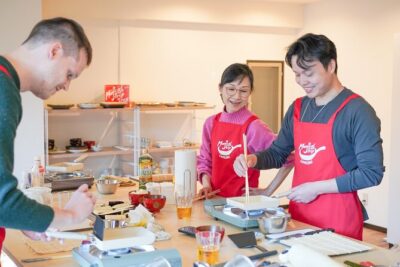
Tokyo Washoku 4-hour Cooking Class: From Market to Table
Read our review →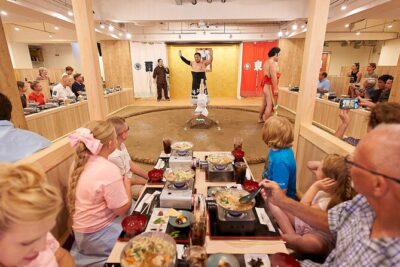
TokyoSumoShow, ChickenHotPot, and Mochi-Pounding by Pro Wrestlers
Read our review →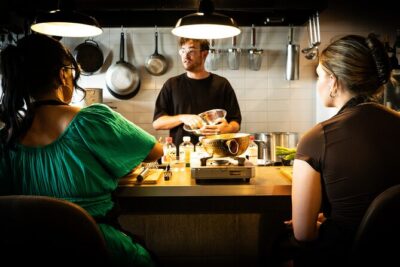
Professional Ramen & Gyoza with Ramen Chef in a restaurant!
Read our review →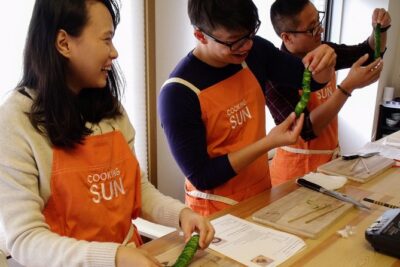
Small-Group Wagyu Beef and 7 Japanese Dishes Tokyo Cooking Class
Read our review →Browse the lists this tour appears in