
Reviewed · TEMPLE & SHRINE TOURS
Tokyo: Yasukuni Shrine and Yushukan Museum Guided Tour
Yasukuni Shrine is not a simple sightseeing stop. It is a solemn Shinto site honoring people who died in Japan’s conflicts, and its connection to World War II makes it one of Tokyo’s most politically sensitive places. This private tour pairs the shrine with the Yushukan Museum, giving you a guide to explain what you are seeing rather than leaving you to sort it out alone.
I like the private format, since your group can ask direct questions and spend more time on subjects that matter to you. I also like the clear two-part structure: the shrine offers cultural setting and reflection, while the museum provides the detailed military displays. The main consideration is that the museum presents Japan’s wartime past from a particular viewpoint, so you should arrive ready to think critically, not simply accept every display as a complete account.
In This Review
- Key points to know
- Why Yasukuni Shrine requires more than a quick visit
- Meeting at the First Torii in Kudankita
- The 40-minute shrine visit
- The Yushukan Museum and its military displays
- A useful way to approach the controversy
- What the private format adds at $84.70
- Who will get the most from this visit
- Guides, questions, and the quality of the visit
- Practical details before you reserve
- Should you book the Yasukuni and Yushukan tour?
- FAQ
- How long does the Yasukuni Shrine and Yushukan Museum tour last?
- What is included in the tour price?
- Is admission to Yasukuni Shrine included?
- Where does the tour begin?
- Where does the tour end?
- Is this a private tour?
- Are food and drinks included?
- What is the cancellation policy?
Key points to know
- The tour lasts about 2 hours 30 minutes, with roughly 40 minutes at Yasukuni Shrine and 1 hour 50 minutes in the Yushukan Museum.
- Your guide meets you at the First Torii, at 3 Chome-1-1 Kudankita, Chiyoda City.
- The Yushukan admission fee is included, while the shrine itself has no admission charge.
- This is a private activity, so only your group participates.
- Guides Kyo and Takashi are praised for handling difficult questions, including complicated aspects of Japanese military history.
- The tour ends at the museum, with subway stations and other access points available nearby.
Why Yasukuni Shrine requires more than a quick visit
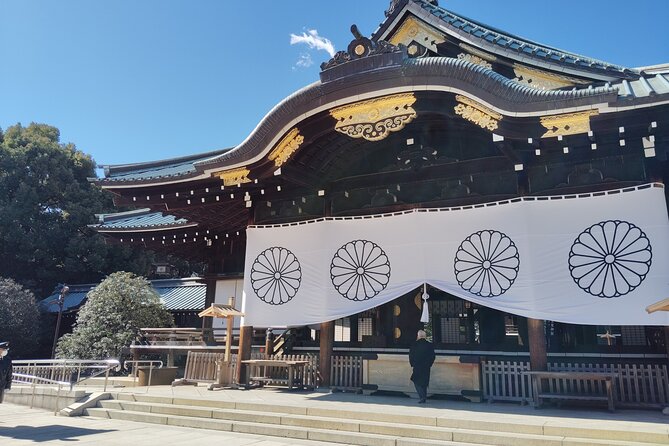
Many visitors first notice the scale and formality of Yasukuni Shrine. It honors those who died in conflicts ranging from the Tokugawa shogunate era through World War II, making it both a place of mourning and a statement about how Japan remembers its past.
That combination gives the shrine unusual weight. You are not only looking at architecture or taking a quiet walk through a religious compound. You are entering a place tied to national identity, military sacrifice, Shinto practice, and ongoing arguments about historical memory.
A guide helps you separate those threads. The tour includes discussion of contemporary history, as well as the place of Shinto and Buddhism in Japanese culture. That matters because the site can be confusing if you approach it only as a war memorial or only as a religious shrine.
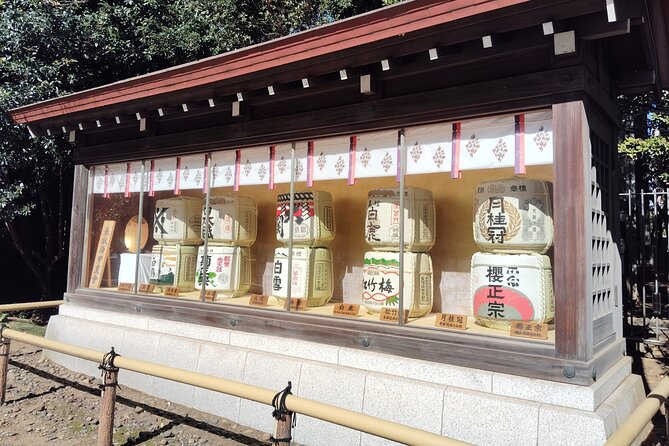
I especially like that the experience includes the gardens and flower arrangements. These details give you a softer way into the site. Their meaning and role in the shrine’s setting can be explained as part of the visit, helping you notice more than the main approach and buildings.
More temples and shrines near Tokyo:
- Tokyo: Meiji Shrine, Asakusa, Skytree Bus Tour and Cruise
★ 4.7 · 1,986 reviews - Tokyo: Asakusa Walking Tour with Sensoji Temple Visit
★ 4.8 · 1,583 reviews - Nikko: Kegon Falls, Lake Chuzenji & Toshogu Temple
★ 4.6 · 1,577 reviews
Meeting at the First Torii in Kudankita
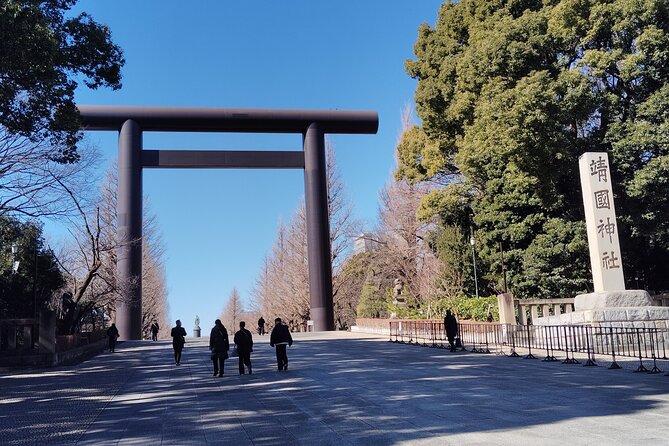
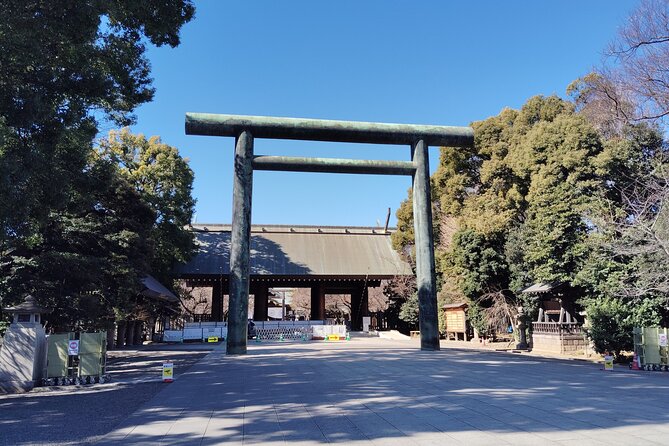
The meeting point is the First Torii of Yasukuni Shrine, at 3 Chome-1-1 Kudankita in Tokyo’s Chiyoda City. You meet the guide directly at the shrine, rather than beginning at a separate office or waiting for transport.
That arrangement is useful in a city where tours often scatter meeting points across busy stations. Your booking confirmation is issued immediately, and the mobile ticket makes it easier to keep the essential information on your phone.
Plan your route carefully before setting out. The meeting point is near public transportation, and various subway stations and other access points serve the area. The exact route you choose will depend on where you are staying, but you should allow enough time to find the First Torii without rushing into the tour.
The shrine has no admission fee. The value here comes from the guide’s explanations and the structured visit, not from a paid entrance line at the shrine itself.
The 40-minute shrine visit
The shrine portion lasts about 40 minutes. That is enough time for a focused introduction, but it is not intended to be a long independent exploration of every part of the grounds.
Your guide can set out the basic story of Yasukuni, explain its religious and cultural role, and place the site within Japan’s wider political history. You may also discuss how Shinto and Buddhism have shaped Japanese culture, a useful foundation for understanding religious places elsewhere in the country.
The short timing works well because the museum carries most of the tour’s content. At the shrine, you get the setting, atmosphere, and key background. You can pay attention to the approach, the grounds, the gardens, and the flowers without trying to absorb every historical detail at once.
This is also the point where you should ask questions. The private format means you can pause over subjects that interest you, including the shrine’s meaning to families, its treatment of war dead, and the way it fits into Japan’s memory of past conflicts.
You should also be prepared for the site’s solemn tone. This is not a light cultural stop built around entertainment. The experience asks you to look at how a nation gives meaning to sacrifice, and that can feel uncomfortable at times.
The Yushukan Museum and its military displays
The Yushukan Museum receives about 1 hour 50 minutes, making it the main part of the tour. Admission is included in the price, and the visit ends at the museum.
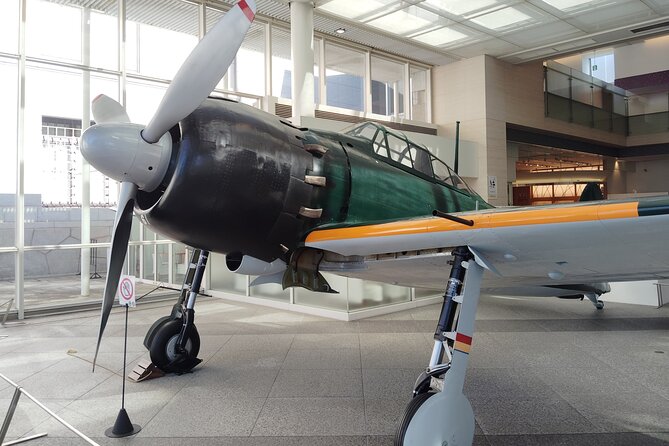
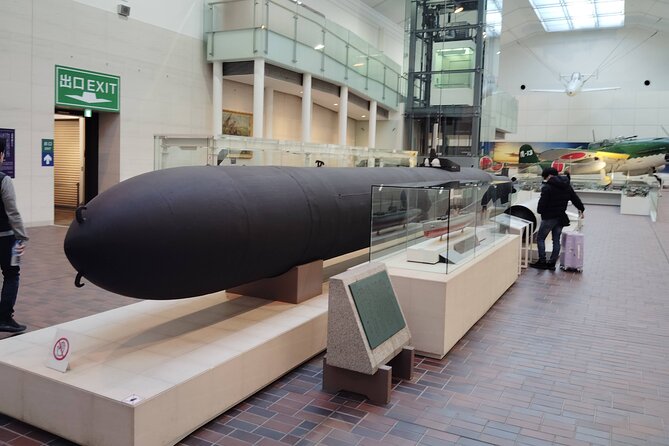
The museum presents artifacts and exhibitions connected to Japan’s military history and the conflicts in which Japanese forces fought. Its stated focus includes the stories of those who died in battle, so the emotional center is remembrance and sacrifice.
That focus can make the museum powerful, but it also means you should pay attention to how events are framed. Yasukuni and the Yushukan are controversial because of the shrine’s wartime associations and the museum’s interpretation of Japan’s military past. A guide can help you identify the difficult parts instead of allowing the displays to speak without context.
Takashi is specifically praised for addressing complicated questions about Japanese military history directly. That is important here. You may want to ask about the contrast between personal mourning and national politics, or about the difference between honoring the dead and judging the decisions that led to war.
Kyo is also described as an extremely well-informed guide who made the experience especially useful. Since the activity is private, you can ask for more explanation when an exhibit raises questions, rather than moving at the pace of a large group.
The museum visit is long enough for a serious look, but the material may feel heavy. If you prefer a quick, uncomplicated museum stop, this tour may be more demanding than you expect. If you want a guided examination of Japan’s military past, the length gives the subject room to breathe.
More museums worth an hour:
- Tokyo: teamLab Planets TOKYO Digital Art Museum Entry Ticket
★ 4.6 · 9,779 reviews - Tokyo: Samurai Ninja Museum Guided tour and Experience
★ 4.6 · 1,010 reviews - Ninja Experience (Family Friendly) at Samurai Ninja Museum TOKYO
★ 5.0 · 441 reviews - Tokyo Studio Ghibli Museum and Ghibli Film Appreciation Tour
★ 4.5 · 421 reviews
A useful way to approach the controversy
You do not need to agree with the museum’s viewpoint to find the visit worthwhile. In fact, the controversy is one reason a private guide adds value.
A self-guided visit may leave you with a strong impression but limited context. You could see displays about war and sacrifice without fully understanding why the shrine remains politically sensitive. A guide can explain the surrounding issues, answer direct questions, and help you distinguish religious practice from national commemoration.
I would approach the tour with two ideas in mind. First, the people honored at the shrine were individuals whose families experienced real loss. Second, public memory is never neutral, especially at a site connected with military power and World War II.
That balance makes the experience more useful. You can respect the site’s religious purpose while also questioning the way history is presented. The tour is at its best when you treat it as a chance to examine Japan’s memory of war, not as a simple lesson with one approved answer.
What the private format adds at $84.70
The price is $84.70 per person. That is not a bargain if you only want to stroll through the shrine, since entrance to the shrine itself is free and you could visit the grounds independently.
The calculation changes if you want sustained guidance. The price includes the guide fee, the Yushukan admission fee, and a private visit lasting about two and a half hours. Only your group participates, so you are paying for personal attention as well as museum entry.
I see the strongest value for people who would otherwise spend time reading labels, searching online for background, or trying to understand the controversy after leaving. The guide can connect the shrine, the museum, Shinto, Buddhism, the shogunate era, the Meiji period, and modern military history in one visit.
The tour also offers group discounts, which may improve the per-person cost for a larger private party. Since the activity is private, ask about the available discount when comparing options for your own group.
Food and drinks are not included. The schedule is only 2 hours 30 minutes, so this is not a full-day outing, but you should plan your own meal before or after the visit.
The tour is booked, on average, 15 days ahead. That suggests you should reserve early if the timing matters to your Tokyo plans, especially since private activities have less flexibility than large group departures.
Who will get the most from this visit
I would recommend this tour to you if you want more than a surface introduction to Japan. It suits people interested in modern history, religion, memorials, museums, and the difficult question of how countries remember war.
It is also a good choice if you prefer asking questions as you go. The private setting gives you room to explore subjects that a standard group tour might pass over, including the role of the shrine’s gardens and flowers, the relationship between Shinto and Buddhism, and the most disputed parts of Japanese military history.
Students and serious museum visitors should find the structure useful. You receive a cultural introduction at the shrine, then have time for the museum’s artifacts and exhibitions. Someone visiting Japan for the first time may also benefit from the guide’s broader explanation of the shogunate and Meiji periods.
I would be more cautious about booking it for young children or anyone seeking a relaxed sightseeing break. The subject is serious, and the museum takes up most of the time. The tour is accessible to most people, and service animals are allowed, but the emotional demands may matter more than the physical ones.
Guides, questions, and the quality of the visit
The guide is the central reason to book this experience. Kyo is praised for giving a very informative visit, while Takashi is noted for answering questions without avoiding the hardest parts of Japanese military history.
Those comments point to the kind of guide you want here: not someone who only identifies buildings, but someone who can explain why the shrine matters and why the museum causes debate. The supplied experience information identifies the guide as an official guide, and the private setup should allow for a more personal exchange.
You should arrive with questions. Ask about the shrine’s religious function, its connection to the war dead, the museum’s presentation of sacrifice, or the difference between historical evidence and commemorative storytelling.
You can also ask for cultural details. The gardens and flower arrangements have significance, and these small observations may give the visit a more human scale after the heavier military displays.
Practical details before you reserve
The experience lasts approximately 2 hours 30 minutes. The shrine visit takes about 40 minutes, followed by roughly 1 hour 50 minutes at Yushukan.
You meet at the First Torii of Yasukuni Shrine and finish at the Yushukan Museum. Because the ending point differs from the starting point, you should note the location before planning your next activity. Subway stations and other transportation options are available from the museum area.
Your mobile ticket and booking confirmation make the meeting process simpler. Still, do not assume that the guide will collect you from your hotel. The stated meeting point is directly at Yasukuni Shrine.
Cancellation is free up to 24 hours before the start time for a full refund. Cancellations or changes made less than 24 hours before the experience are not accepted, and the amount paid is not refunded. Cutoff times use local Tokyo time.
Most people can participate, and service animals are allowed. Food and drinks are not included, so handle those separately.
Should you book the Yasukuni and Yushukan tour?
Book it if you want a serious, guided look at Japan’s wartime memory and cultural traditions. The private format, included museum admission, and guides such as Kyo and Takashi give you a better chance of asking honest questions and understanding why this place remains sensitive.
Skip it if you only want a quick shrine visit, dislike museums about war, or prefer to avoid politically charged sites. The shrine is free to enter on its own, so the $84.70 price makes sense mainly when you value personal interpretation and a long museum visit.
For the right reader, this is one of Tokyo’s more thought-provoking cultural experiences. It will not hand you a simple version of the past, and that is precisely why the guide matters.
FAQ
How long does the Yasukuni Shrine and Yushukan Museum tour last?
The tour lasts approximately 2 hours 30 minutes. About 40 minutes are spent at Yasukuni Shrine, followed by around 1 hour 50 minutes at the Yushukan Museum.
What is included in the tour price?
The price includes admission to the Yushukan Museum and the guide fee. The experience also includes a guided study of contemporary history surrounding Japan and a visit to Yasukuni Shrine.
Is admission to Yasukuni Shrine included?
Yasukuni Shrine has no admission charge. The included admission fee is for the Yushukan Museum.
Where does the tour begin?
The tour begins at the First Torii of Yasukuni Shrine, at 3 Chome-1-1 Kudankita, Chiyoda City, Tokyo 102-0073, Japan.
Where does the tour end?
The tour ends at the Yushukan Museum in the Yasukuni Shrine complex. Various subway stations and other transportation access points are available from the ending area.
Is this a private tour?
Yes. Only your group participates in this private tour or activity.
Are food and drinks included?
No. Food and drinks are not included in the tour price.
What is the cancellation policy?
You can cancel up to 24 hours before the experience start time for a full refund. Cancellations or changes made less than 24 hours before the start time are not accepted and are not refunded.
New on our Tokyo list
- Sumi-e Experience in a relaxing green tea shop in Tokyo★ 5.0 · 3 reviews
- Tokyo : Kamikaze Street Drift Ride★ 5.0 · 3 reviews
- Private Zen Meditation in English in Shinjuku, Tokyo★ 5.0 · 3 reviews
- Onsen Spa in Tokyo and Asakusa Bar Hopping with Local Guide★ 5.0 · 3 reviews
- Easy for everyone! Now you can play handmade mini shamisen and show off to everyone! Musical instruments, sweets and live music★ 5.0 · 3 reviews
- Tokyo Tsukiji Fish Market Walking and Exploring Hidden Gems Tour★ 5.0 · 3 reviews
- Tokyo: Private Tsukiji Street Food & Sake with Local Guide★ 5.0 · 3 reviews
- Mt Fuji Exploration Tour with Free Japanese Kusa Mochi from Tokyo★ 4.5 · 3 reviews
Temple & Shrine Tours, compared.
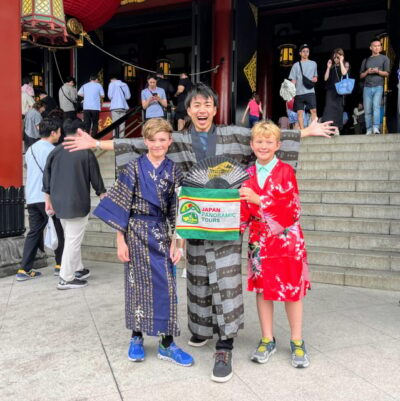
Meiji Shrine, Asakusa, Skytree Bus Tour and Cruise
Read our review →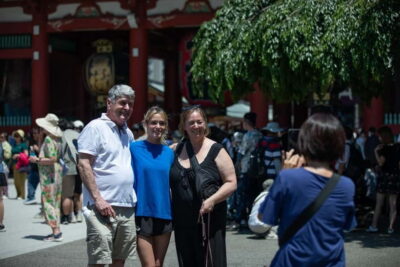
Asakusa Walking Tour with Sensoji Temple Visit
Read our review →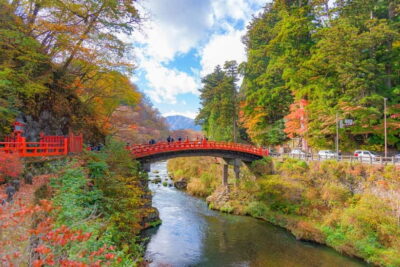

Kamakura & Enoshima Day Trip including Temple Tickets
Read our review →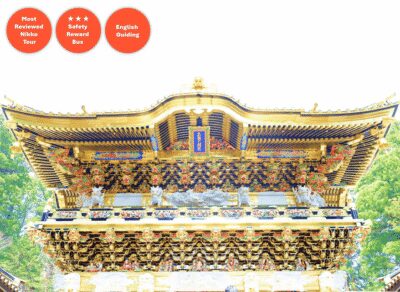
Nikko Toshogu Shrine and Kegon Waterfall Tour
Read our review →
Tokyo Panoramic 1 Day: Meiji Shrine, Asakusa, Odaiba and SKYTREE®
Read our review →
Mt. Fuji Heritage Tour: Traditional Villages, Lakes & Shrine
Read our review →Browse the lists this tour appears in