Reviewed · SHOW
Traditional Japanese Comedy, Juggling & Magic Live Show in Tokyo
Three old Japanese stage arts share one small theater near Akihabara: comic storytelling, umbrella juggling, and clever magic. This 90-minute show at Kanda Myoujin Shrine gives you a quick, friendly introduction to performance traditions that can feel hard to find on a first trip to Tokyo.
I like two things right away. First, the format keeps changing, so the hour and a half does not depend on one style of comedy. Second, the show brings you into the action with simple lessons in Daikagura and Wazuma, rather than asking you to sit quietly from start to finish.
The main point to consider is language. An interpreter helps make the acts clear, but Rakugo still depends on timing, gestures, and cultural references. The show is built for international visitors, though it is best approached as a cultural introduction rather than a full Japanese-language performance.
In This Review
- Key Points to Know Before You Book
- Arriving at EDOCCO STUDIO Near Akihabara
- What the Rakugo Segment Adds
- Daikagura and the Famous Spinning Umbrella
- Wazuma Magic You Can Take Home
- Why the Interpreter Matters
- A Modern Theater Inside a Shrine
- Is $36.24 a Fair Price?
- Who Will Enjoy This Show Most?
- Timing, Tickets, and Cancellation Details
- Should You Book This Tokyo Show?
- FAQ
- Where does the show take place?
- What time does the performance start?
- How long does the activity last?
- Is the show suitable for people who do not speak Japanese?
- What types of entertainment are included?
- Will I be able to participate?
- What happens if I need to cancel?
Key Points to Know Before You Book
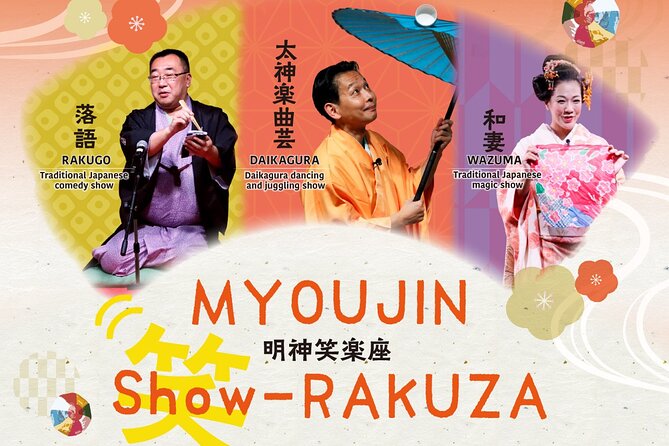
- Three traditional arts in one sitting: Rakugo comedy, Daikagura acrobatics, and Wazuma magic give you a broad taste of Japanese entertainment.
- Hands-on participation: You may step onto the Rakugo stage, learn basic expressions, and try simple magic or juggling tricks.
- Inside Kanda Myoujin Shrine: EDOCCO STUDIO offers a modern theater setting within a historic shrine complex near Akihabara.
- English-friendly presentation: An interpreter helps explain the performances and instructions, so no Japanese language skills are required.
- A small cultural gift: Expect traditional props such as a tenugui hand towel, folding fan, or paper balloon.
- A short, easy Tokyo activity: The show lasts about 1.5 hours and returns you to the same meeting point.
Arriving at EDOCCO STUDIO Near Akihabara
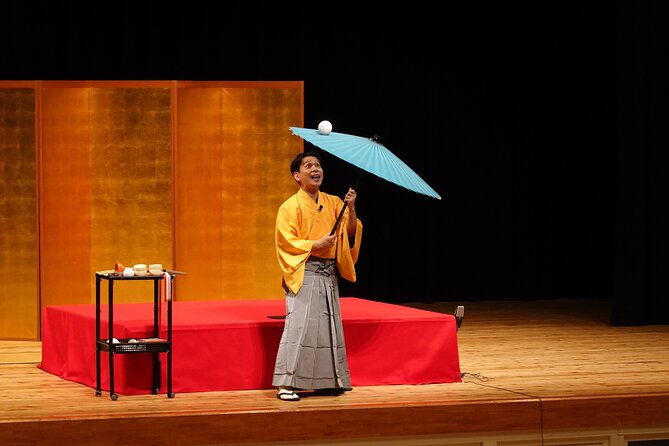
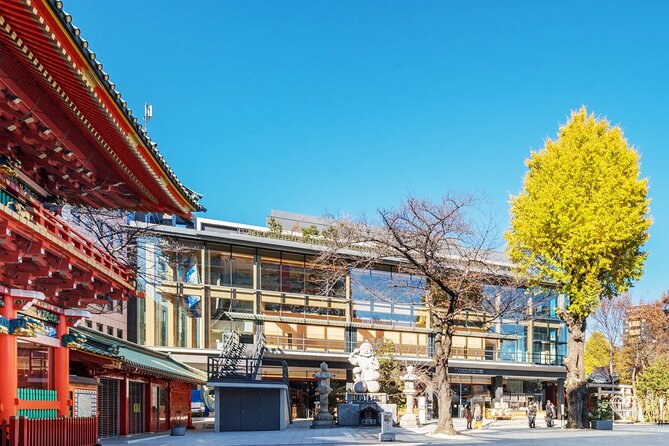
The meeting point is EDOCCO STUDIO, at 2-chome-16-2 Sotokanda in Chiyoda City. The studio sits within Kanda Myoujin Shrine, a useful setting for a show rooted in Japanese culture. You get a shrine visit and a stage performance in one stop, without spending half a day crossing Tokyo.
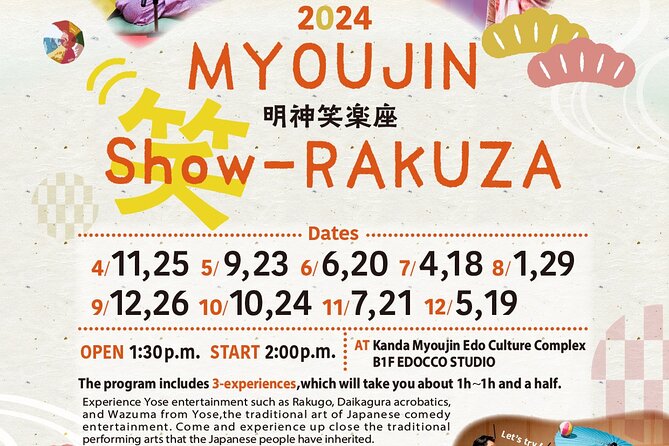
Doors open at 1:30 p.m., and the performance begins at 2 p.m. That 30-minute gap gives you time to reach the venue, check your mobile ticket, and settle in. I would not cut this close. The location is near public transportation, but Tokyo’s station exits and busy streets can add a few minutes to an otherwise simple route.
The activity ends back at the starting point. That makes it easy to pair with time in Akihabara, especially if you want to browse its electronics, games, and anime shops before or after the performance. Since the show is scheduled in the afternoon, it can also fit neatly between a morning shrine visit and an evening meal.
The venue is described as an indoor theater, which is helpful during hot, cold, or rainy Tokyo days. The activity information also says poor weather can cause a cancellation, so check the status of your booking if conditions look bad. That policy may seem unusual for an indoor performance, but it is the rule attached to this activity.
A few more Tokyo bookings worth comparing
- Mt Fuji & Hakone Cruise, Drum Show Bullet Train 1 Day from Tokyo
★ 4.0 · 7,413 reviews - Tokyo: Sumo Show Experience with Chicken Hot Pot and a Photo
★ 4.8 · 6,678 reviews - Tokyo: Sumo Show and Dining Experience
★ 4.8 · 2,742 reviews
What the Rakugo Segment Adds
Rakugo is a form of Japanese comic storytelling performed from a seated position. The performer uses a few simple props and changes posture, voice, and expression to present the action. That stripped-down style is part of the appeal: one person creates a whole comic scene with very little equipment.
For a visitor, the humor can be the hardest section to follow. The interpreter helps explain the basic story and key expressions, and the show also introduces you to simple Rakugo language. Several audience members have been invited onto the Rakugo stage, which gives the lesson a more personal feel.
You should not expect every joke to land exactly as it would for a Japanese audience. Comedy often depends on wordplay, rhythm, and familiar social situations. Still, the performance shows you how much can be done with a fan, a towel, a change of voice, and a well-timed pause.
I like this part because it gives context to the rest of the program. You are not just watching an old art form from a distance. You see the performer’s tools and learn why small movements matter. If you are shy about being called up, participation appears to be handled in a friendly way, but the show is interactive, so be ready for some audience involvement.
Daikagura and the Famous Spinning Umbrella
Daikagura is the most visual section of the program. It combines juggling, balance, and traditional stage skill. One of the featured acts involves spinning an umbrella, a graceful performance that looks simple until you notice the control required to keep an object moving in the right direction.
The umbrella performance has been a particular highlight for many people who attended the show. It is easy to understand without a long explanation, which makes it a strong bridge between the Japanese-speaking performers and an international audience.
The show does not stop at watching. You get a chance to try elements of Daikagura firsthand. The information does not promise a full lesson in every technique, so think of this as a short introduction rather than formal training. That is enough to make the skill more memorable. After trying a simple movement yourself, you will have a better sense of why the professional act looks so controlled.
Families may find this section especially appealing. It has movement, visual humor, and a clear physical challenge. Solo visitors can also enjoy it, since the staff are described as welcoming and willing to involve people without making the participation feel overly forced.
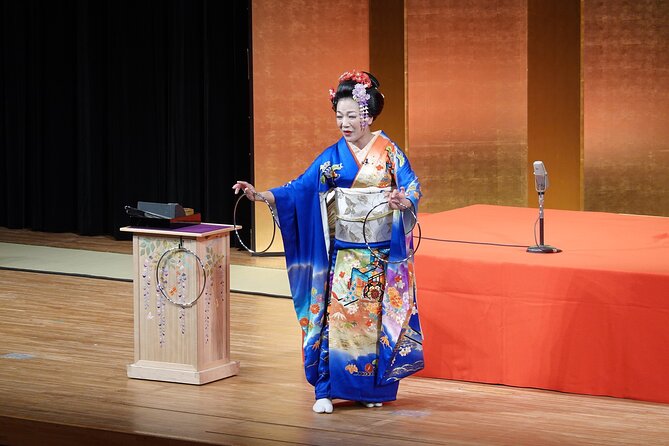
Wazuma Magic You Can Take Home
Wazuma is traditional Japanese magic. This part of the show has a direct advantage for visitors: the magician teaches the audience basic tricks. You are not left with only the memory of a clever performance. You leave with something you can try on friends.
The magic section has drawn strong praise for its interaction and clear instruction. The participation is designed to be fun rather than embarrassing, which matters if you usually avoid audience activities. You may be asked to follow along, but the tone is light and the crew is described as kind and welcoming.
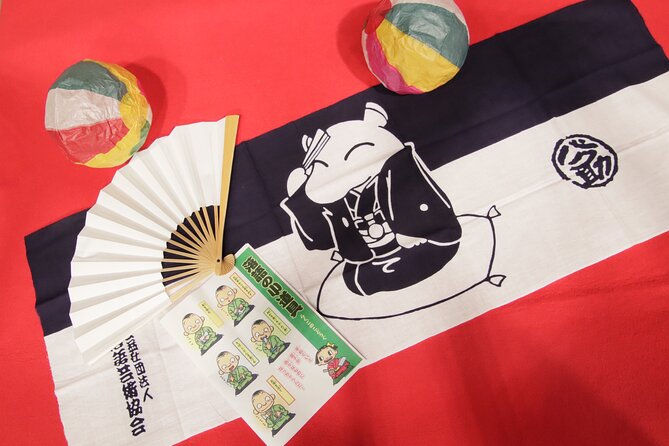
This is also where the included gift makes the most sense. The small souvenirs may include a tenugui hand towel, folding fan, or paper balloon, all props connected to Japanese daily life or performance. The gift is modest, but it gives the show a practical afterlife. You can use it to repeat a trick, show family members what you learned, or simply keep a small reminder of the afternoon.
Do not book this expecting a large-scale illusion production. Wazuma is presented as a traditional art, and the pleasure comes from the technique, surprise, and chance to learn a simple method. The result feels closer to a cultural demonstration with audience participation than to a modern stage spectacular.
Same corner of Tokyo, a completely different plan:
- Mt Fuji and Hakone 1-Day Bus Tour Return by Bullet Train
★ 5.0 · 26,383 reviews - 1-Day Tokyo Bus Tour
★ 5.0 · 14,250 reviews - Tokyo: TOKYO SKYTREE® Admission ticket
★ 4.5 · 11,192 reviews - Tokyo: teamLab Planets TOKYO Digital Art Museum Entry Ticket
★ 4.6 · 9,779 reviews
Why the Interpreter Matters
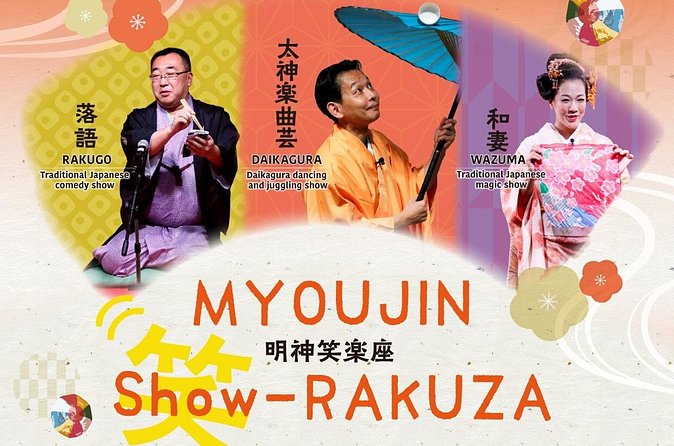
The interpreter is an important part of the experience. The program is promoted for people with no Japanese language skills, and clear translation helps you understand the rules, comic setup, and instructions for the hands-on sections.
This does not mean every line is translated word for word. In live comedy, that would often slow the performance and flatten the timing. Instead, expect the interpreter to provide the information you need to follow the action and join in.
The presentation has been described as easy to understand, with friendly staff and a welcoming mood. That combination matters more than polished translation alone. A complicated cultural activity can become tiring if you are constantly guessing what to do. Here, the staff help keep the show moving.
If you know a little Japanese, you may enjoy catching familiar expressions and gestures. If you know none, you can still take part. I would place this among the better choices in Tokyo for a first cultural show, since the program does not assume you already understand Japanese theater.
A Modern Theater Inside a Shrine
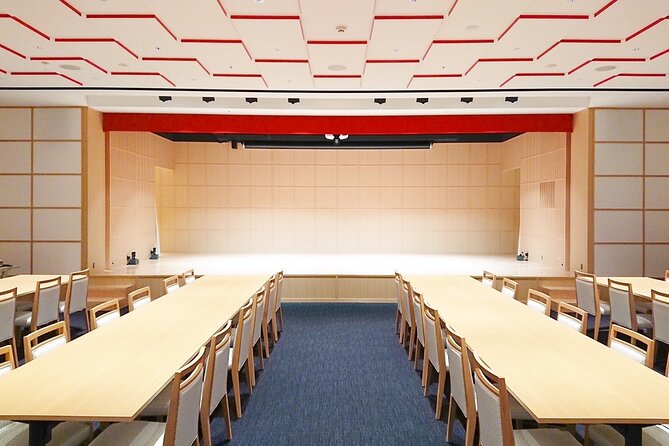
Kanda Myoujin Shrine gives the afternoon a stronger sense of place than a standard theater near a train station. The performance takes place at EDOCCO STUDIO, a modern venue within the shrine grounds. That contrast works well: you get a comfortable indoor setting, but the surrounding location connects the show to a living part of Tokyo.
The shrine itself is the main stop, not a long guided tour. You should not expect an extended explanation of the shrine grounds as part of the performance. Instead, the setting adds atmosphere before and after the show. Give yourself enough time to notice where you are, rather than treating the venue as just another indoor room.
This arrangement also helps with weather. You can enjoy the performance indoors, though the stated terms allow the provider to cancel for poor weather. If the program is canceled, you can choose another date or receive a full refund.
The group limit is 100 people. That is not a tiny private class, but the theater setting and interactive format should still give the afternoon more warmth than a large sightseeing production. The amount of audience participation may vary with group size.
Is $36.24 a Fair Price?
At $36.24 per person, this is not the cheapest cultural activity in Tokyo. You can visit many shrines and public districts for little or no admission cost. The value here comes from the combination of a live performance, translation, audience participation, and a small gift.
The price makes the most sense if you want an organized introduction to Japanese performing arts. You see three different forms in one sitting, and each one has a different mood. Rakugo offers comic storytelling, Daikagura brings physical skill and visual surprise, and Wazuma gives you a trick to practice yourself.
It is also a sensible choice when you have limited time. A 90-minute activity is long enough to feel substantial but short enough to leave room for Akihabara or another afternoon plan. You do not need to commit to an all-day cultural program.
The value is weaker if you want a serious, full-length performance in Japanese. Translation and teaching naturally change the pace, and the show is designed to welcome first-time visitors. Think of it as an accessible cultural sampler, not a specialist theater evening.
The small gift should be treated as a pleasant extra, not the reason to buy a ticket. The real value is the variety and the chance to try the arts yourself.
Who Will Enjoy This Show Most?
I would recommend this activity to families, solo visitors, couples, and first-time visitors who want something beyond temples and shopping. The gentle interaction makes it less passive than a museum visit, while the short duration keeps it manageable for children and mixed-age groups.
It is particularly useful for you if you are curious about Japanese culture but do not speak Japanese. The interpreter, demonstrations, and physical comedy reduce the language barrier. You can understand the basic action without needing prior knowledge.
Solo visitors should not feel out of place. Audience participation is part of the design, and the staff are described as kind and approachable. You may even find the show easier to enjoy alone because you can focus on the performers and join in if invited.
This is less suitable if you dislike any chance of being involved on stage. The participation is meant to be light, but the show does include lessons and audience interaction. It may also disappoint visitors looking for a long, highly formal theater production or advanced magic.
People who have already seen a great deal of Japanese traditional theater may want something more specialized. For everyone else, the three-part structure provides a useful first look.
Timing, Tickets, and Cancellation Details
The scheduled performance begins at 2 p.m., with doors opening at 1:30 p.m. The show lasts about 1.5 hours and finishes where it begins. A mobile ticket is included, so keep the booking available on your phone when you arrive.
This activity is often reserved well ahead of time, with an average booking lead time of about 62 days. That suggests planning ahead is wise, especially if your Tokyo dates are fixed. Shows are limited and may fill quickly.
Confirmation normally arrives at booking. If you book within two hours of the start time, confirmation is sent as soon as possible, subject to availability. I would avoid a last-minute booking if your schedule cannot handle a change.
You can cancel for a full refund up to 24 hours before the start time. Changes or cancellations made within 24 hours are not accepted for a refund. If the minimum number of participants is not reached, the provider may offer another date or activity, or a full refund.
Service animals are allowed, and most people can participate. The stated maximum group size is 100.
Should You Book This Tokyo Show?
Book it if you want a friendly, compact introduction to Japanese stage arts, especially if you value participation over a purely sit-down performance. The mix of Rakugo, umbrella acrobatics, and Wazuma magic gives you more variety than a single-act show, while the interpreter keeps the experience open to non-Japanese speakers.
I would be especially keen to book it during a first Tokyo visit, when a half-day around Kanda Myoujin Shrine and Akihabara fits well into a crowded schedule. The strongest reasons are the hands-on lessons, the memorable umbrella act, and the chance to leave with a simple trick and traditional prop.
Skip it if your priority is a serious Japanese-language theater performance, advanced magic, or a completely private experience. For most people looking for an approachable cultural activity at a moderate price, this is a worthwhile way to spend 90 minutes.
FAQ
Where does the show take place?
The show takes place at EDOCCO STUDIO, located within Kanda Myoujin Shrine at 2-chome-16-2 Sotokanda, Chiyoda City, Tokyo 101-0021.
What time does the performance start?
Doors open at 1:30 p.m., and the show starts at 2 p.m.
How long does the activity last?
The performance lasts approximately 1.5 hours.
Is the show suitable for people who do not speak Japanese?
Yes. The program is designed for international visitors, and an interpreter helps explain the performances and audience activities.
What types of entertainment are included?
The program includes Rakugo comedy, Daikagura acrobatics and juggling, and Wazuma, a traditional Japanese magic show.
Will I be able to participate?
Yes. The program includes opportunities to try Daikagura and Wazuma, and audience members may also take part in a Rakugo lesson or stage activity.
What happens if I need to cancel?
You can cancel up to 24 hours before the start time for a full refund. Cancellations or changes made less than 24 hours before the start time are not refunded or accepted.
New on our Tokyo list
- From Tokyo: Mount Fuji & Hakone Full Day Private Tour★ 4.9 · 25 reviews
- Tokyo Spectacular View Day-Cruise in 90 Minutes★ 5.0 · 25 reviews
- Real Tokyo Runner Club : Daikoku Car Meet Night Tour with JDM Car★ 5.0 · 25 reviews
- 2.5 Hour-Guided Cycle Tour in the Central Tokyo★ 5.0 · 25 reviews
- [Self-Drive] Tokyo & Daikoku Custom Car Driving Tour★ 4.9 · 25 reviews
- Tokyo: 2-Hour Night Bike Tour of the City’s Hidden Gems★ 4.9 · 25 reviews
- Ramen Making from Scratch +Akihabara Tour –Cooking Class★ 5.0 · 25 reviews
- Samurai themed Entertainment show in Shinjuku★ 4.5 · 25 reviews
Show, compared.
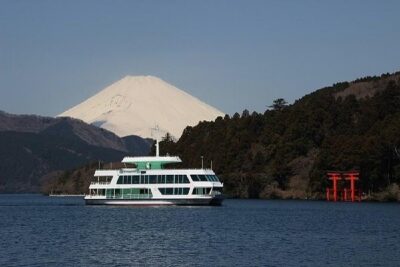
Mt Fuji & Hakone Cruise, Drum Show Bullet Train 1 Day from Tokyo
Read our review →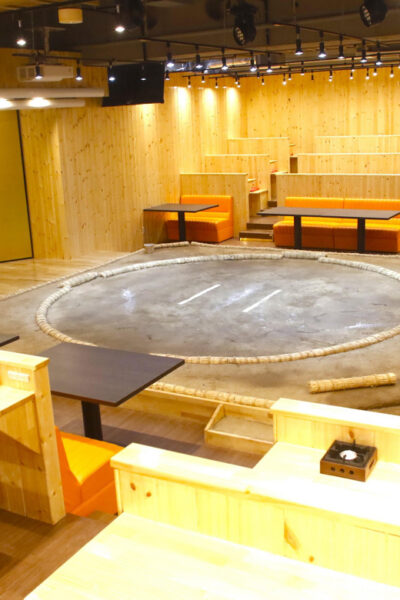
Sumo Show Experience with Chicken Hot Pot and a Photo
Read our review →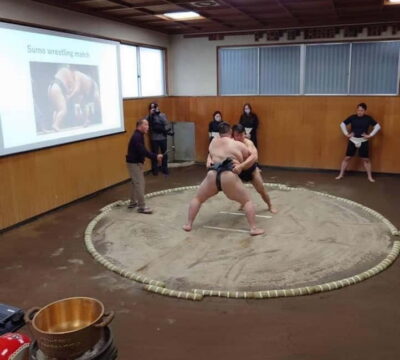
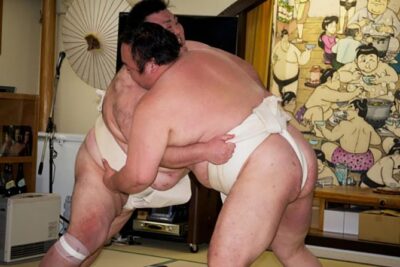
Tokyo Shinjuku Sumo Show & Experience with Photo
Read our review →
Mt Fuji & Hakone Cruise, Drum Show Bus 1 Day from Tokyo
Read our review →