Reviewed · SHOW
Traditional Japanese Music ZAKURO SHOW in Tokyo
The best part of the Zakuro Show is that you do not simply sit through a concert of unfamiliar sounds. Musicians bring the koto, shamisen, shakuhachi, and taiko close to you, then explain how each instrument works and why it matters in Japanese music. A host provides English translation, so the performance stays clear and welcoming.
I like the one-hour length, which fits neatly between sightseeing stops in Tokyo. I also like the range of music, from older Japanese pieces to a modern traditional work and even a Western hit arranged for Japanese instruments. The main drawback is simple: if you want a long evening concert, this may feel too short.
- Koto, shamisen, shakuhachi, and taiko appear on one small stage, giving you a quick tour of Japanese instruments.
- English commentary explains the music as you hear it, rather than leaving you to guess at its meaning.
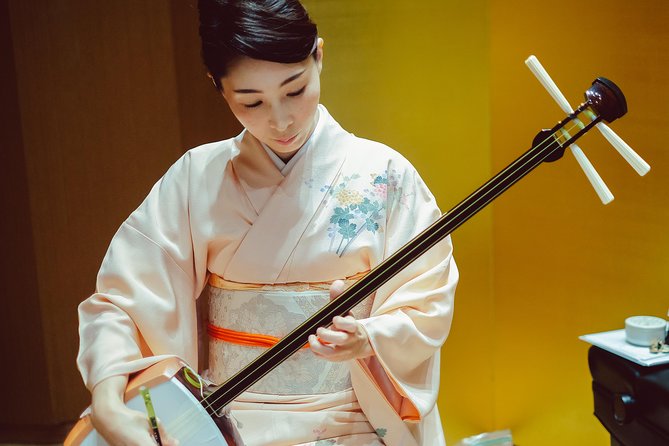
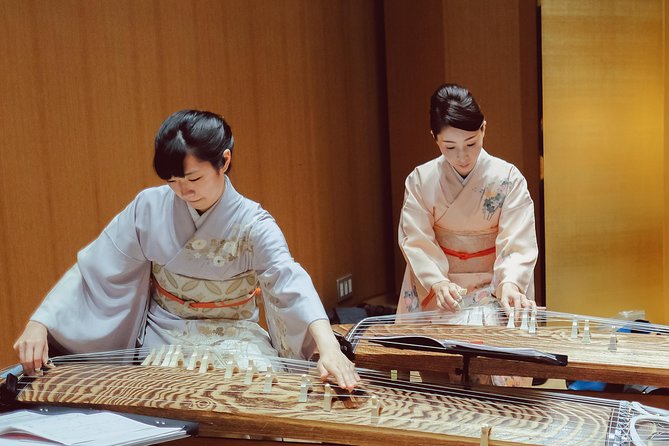
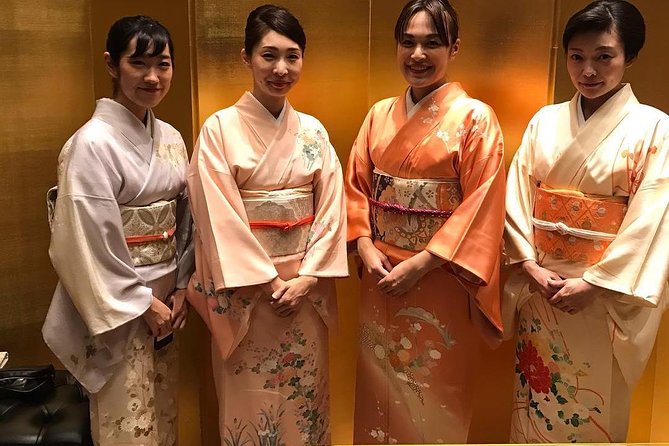
- Musicians perform in colorful kimono, adding a strong visual link to Japanese culture.
- The Omotesando setting is cozy and intimate, not a large hall where performers feel far away.
- The program mixes ancient and modern traditional music, then adds a Western song to show how these instruments can sound outside their usual setting.
- The ticket costs $39.64 per person, a reasonable price for a focused cultural performance lasting about an hour.
In This Review
- Why This Omotesando Concert Works for First-Time Listeners
- From Ancient Sounds to a Western Cover
- Meeting the Instruments One by One
- The koto
- The shamisen
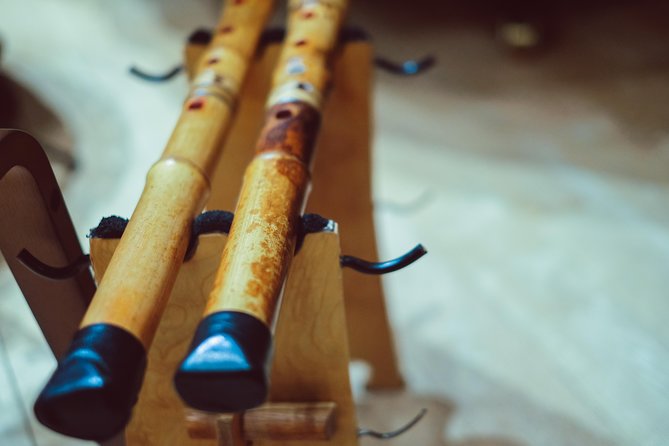
- The shakuhachi
- The taiko
- A Cozy Stage in Omotesando
- How the English Translation Shapes the Experience
- What the One-Hour Schedule Means for Your Day
- Is $39.64 Good Value?
- Who Will Enjoy the Zakuro Show Most?
- Booking and Cancellation Details to Keep in Mind
- Should You Book the Traditional Japanese Music Zakuro Show?
- FAQ
- Where does the Traditional Japanese Music Zakuro Show take place?
- How long does the Zakuro Show last?
- Which instruments are featured?
- Is the performance suitable for English speakers?
- Does the program include traditional and modern music?
- Is transportation available near the venue?
- Can most people participate?
- How much does the experience cost?
- Can I cancel for a full refund?
Why This Omotesando Concert Works for First-Time Listeners
Traditional Japanese music can be difficult to approach when you do not know the instruments or the musical forms. The Zakuro Show solves that problem by turning the concert into a guided introduction. Between pieces, the musicians discuss their instruments, playing methods, and place in Japanese culture.
That format matters. You hear the sound first, then receive enough background to listen more closely to the next piece. Instead of treating the music as a silent museum display, the show lets you meet the people who play it and hear them talk about their craft.
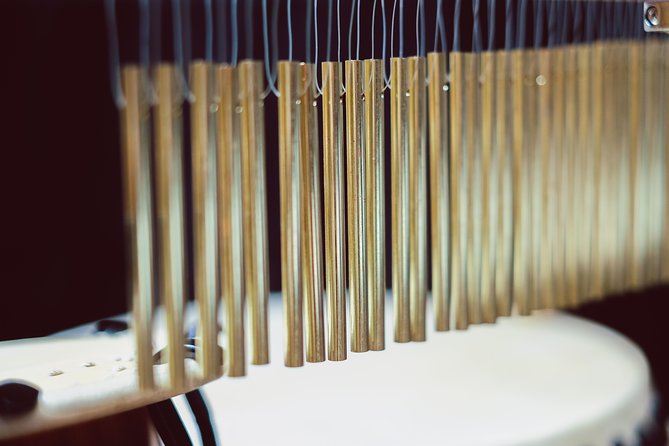
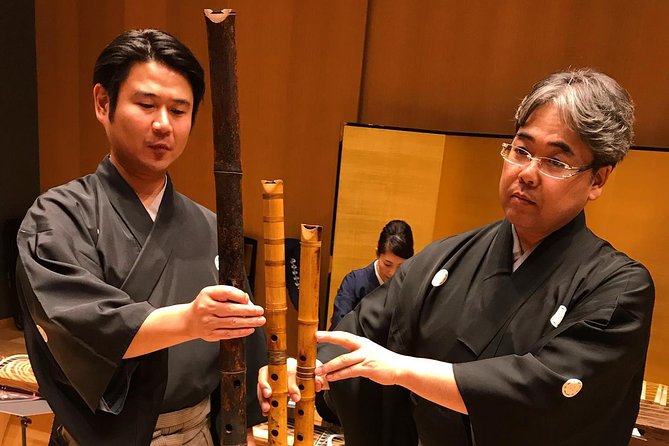
The stage features skilled musicians playing a broad group of wagakki, the Japanese word for traditional musical instruments. The koto offers a delicate, plucked sound. The shamisen brings a sharper, more percussive tone. The shakuhachi, a bamboo flute, can sound breathy and spare, while taiko drums provide weight and force.
You do not need a background in music to follow the program. The English interpretation makes the explanations useful for an international audience, and the dialogue keeps the hour from becoming a sequence of pieces with no context.
From Ancient Sounds to a Western Cover
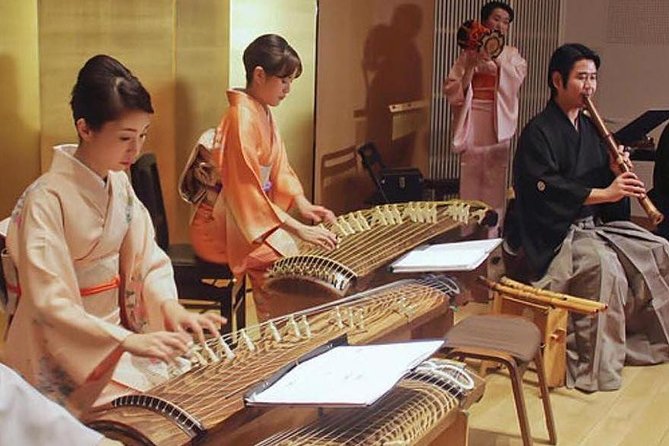
The program is carefully arranged to show more than one side of Japanese music. You can expect older traditional pieces alongside modern traditional music, giving you a sense that this is a living art rather than a frozen historical display.
One especially useful touch is the inclusion of a Western hit played on Japanese instruments. The exact song is not specified in the tour details, but one audience response refers to a version of a Nirvana song. That kind of choice gives your ears a familiar reference point. You can hear how a melody you may already know changes when played on koto, shamisen, flute, or drums.
This is also where the show becomes more than a standard cultural performance. The musicians are not only demonstrating what their instruments can do. They are showing how sound, arrangement, and technique change when music crosses traditions.
The range should suit you if you want both beauty and explanation. Some pieces may be soft and restrained, while others bring out the sharp attack of plucked strings or the physical power of taiko. Since the program lasts about an hour, it offers variety without asking you to commit an entire evening.
A few more Tokyo bookings worth comparing
- Mt Fuji & Hakone Cruise, Drum Show Bullet Train 1 Day from Tokyo
★ 4.0 · 7,413 reviews - Tokyo: Sumo Show Experience with Chicken Hot Pot and a Photo
★ 4.8 · 6,678 reviews - Tokyo: Sumo Show and Dining Experience
★ 4.8 · 2,742 reviews
Meeting the Instruments One by One
The explanations between numbers are one of the strongest parts of the experience. Each instrument receives attention, with discussion of its sound, technique, and cultural background. For a first visit to Japan, this helps you recognize details that might otherwise pass too quickly.
The koto
The koto is a Japanese harp-like zither played by plucking strings. Its tone can be light and clear, but it is capable of more forceful passages as well. Hearing it in the same program as drums and bamboo flute lets you notice how much range one instrument can have.
The shamisen
The shamisen is a three-stringed instrument with a distinctive, bright sound. It can support gentle melodies, but its firm attack gives traditional arrangements a strong rhythmic edge. The Zakuro format gives you a chance to see the instrument close enough to connect the musician’s hand movements with the sound.
Same corner of Tokyo, a completely different plan:
- Mt Fuji and Hakone 1-Day Bus Tour Return by Bullet Train
★ 5.0 · 26,383 reviews - 1-Day Tokyo Bus Tour
★ 5.0 · 14,250 reviews - Tokyo: TOKYO SKYTREE® Admission ticket
★ 4.5 · 11,192 reviews - Tokyo: teamLab Planets TOKYO Digital Art Museum Entry Ticket
★ 4.6 · 9,779 reviews
The shakuhachi
The shakuhachi is a bamboo flute. Its tone has a breathy quality that can feel very different from the clean sound of a Western flute. The explanations are useful here because the sound is tied closely to the player’s breath and technique.
The taiko
Taiko drums supply the most physical sound in the group. Their deep pulse changes the mood of a performance quickly, especially when set beside the softer tones of koto or shakuhachi. If you enjoy rhythm, the taiko portion may be one of the most memorable parts of the hour.
The value of the show is not that it gives you a full academic course in Japanese music. It gives you a practical starting point. Afterward, you will have names for the instruments and a better idea of what you are hearing.
A Cozy Stage in Omotesando
The Zakuro concert takes place in Omotesando, one of Tokyo’s best-known central areas. The setting is described as beautiful and cozy, which suggests a more intimate performance than you would get in a large theater.
That closeness helps this particular show. You are there to watch technique, not just listen to music from a distance. Seeing the instruments and musicians directly supports the explanations, especially when the host points out how an instrument is held or played.
Omotesando also makes the concert easy to add to a Tokyo day. The experience lasts about one hour and is near public transportation. You can place it between other plans without giving up half a day, though you should still allow time to reach the venue and find your seat.
The location is especially practical if your sightseeing already takes you through central Tokyo. You do not need to build a full day around the performance. That short format is one reason the $39.64 price can make sense, particularly for someone who wants a cultural activity but has a packed itinerary.
How the English Translation Shapes the Experience
The host translates the explanations into English during the show. This is not a minor detail. Without it, the concert could still be pleasant, but you would lose much of the cultural and technical information that makes the program worthwhile.
The translation is intended to make the event friendly for international audiences. Audience feedback gives the interpreter high marks for clarity, and several comments single out the explanations as a major strength. You can expect the dialogue to cover the instruments, the music, and the way these sounds fit into Japanese culture.
The presentation also includes interaction with the audience. That can make the room feel more personal than a formal concert, though the available details do not specify exactly what questions or activities will take place. Go expecting conversation and explanation, not a completely silent recital.
If you prefer music without spoken interruptions, this format may not be ideal. The explanations are central to the program, so the show is best understood as a cultural performance with music rather than a pure concert.
What the One-Hour Schedule Means for Your Day
The performance lasts approximately one hour. That makes it a good choice for a first introduction, a family itinerary, or a day when you want to add one planned indoor activity without losing time to a long production.
The short schedule also keeps the program focused. You get an overview of several instruments, a selection of traditional pieces, commentary, and a modern contrast. You will not hear every style of Japanese music, and you should not expect a full-length evening recital.
Some audience feedback suggests the hour can feel brief, especially when the music is especially appealing. I see that as both a benefit and a limitation. The format leaves you wanting more, but it also lowers the risk of choosing a performance that may be too specialized or too long for your group.
The show can work well near the beginning of a Japan trip, when you want basic cultural context before visiting museums, historic sites, or other performances. It can also make a thoughtful final activity because it offers a calm, focused look at Japanese culture without requiring a late night.
Is $39.64 Good Value?
At $39.64 per person, the Zakuro Show sits in a comfortable middle range for a one-hour cultural activity. You are paying for live music, several professional musicians, a purpose-built presentation, English interpretation, and access to a setting where the instruments can be seen up close.
The price makes the most sense if you value explanation as much as performance. A concert alone may be judged by its length and musical scale. Here, the commentary adds another layer, helping you understand what you hear rather than simply accepting it as an attractive but unfamiliar sound.
The value is also practical. You do not have to spend an entire evening at the venue, and the activity can fit into a broader Tokyo schedule. A mobile ticket makes entry easier, while booking confirmation is provided at the time of purchase.
On the other hand, you should compare the price with your own interests. If you already know traditional Japanese music well, the introductory explanations may cover familiar ground. If your main goal is a large, dramatic taiko spectacle, this intimate one-hour format may feel modest.
The high 4.9 rating from 67 reviews and 97 percent recommendation rate point to strong satisfaction, especially with the musicians and English explanations. Those numbers do not replace your own judgment, but they match the clearest strengths of the program.
Who Will Enjoy the Zakuro Show Most?
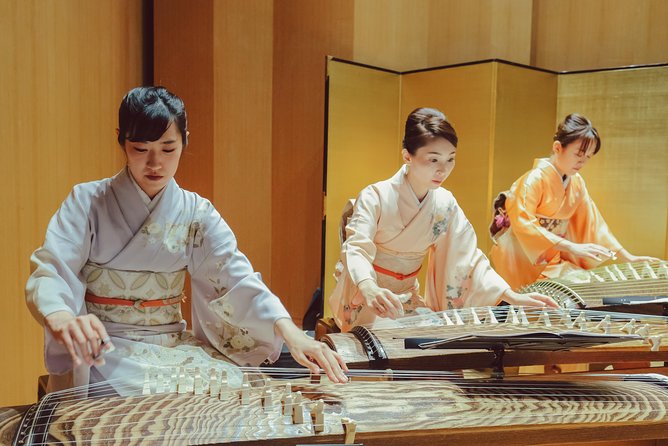
I would recommend this experience to you if you want a simple, approachable introduction to Japanese culture. It suits first-time visitors who may not know the difference between a koto and a shamisen, as well as music lovers who want to hear several traditional instruments in one sitting.
It should also work well for families, since the show is short and includes visual variety, spoken explanation, and changing instruments. Most people can participate, and the venue is near public transportation.
This is a good match for you if you enjoy:
- Live music with spoken background
- Small performance settings
- Cultural activities that fit into a tight schedule
- Seeing how instruments are played, not only hearing them
- A mix of traditional pieces and familiar modern music
- English-language support during a Japanese performance
You may want something else if you want a long concert, a large stage production, or a performance with no commentary. The Zakuro Show is designed to explain and introduce. Its strength is accessibility, not scale.
Booking and Cancellation Details to Keep in Mind
The experience is commonly booked about 33 days in advance, so I would not leave it until the last day of your Tokyo planning. That advance window may also help you fit the show around other fixed reservations.
You receive a mobile ticket, and confirmation comes at booking. The event is near public transportation, and most people can participate. The supplied details do not provide a specific accessibility breakdown, so contact the provider if you need information beyond that general statement.
Free cancellation is available when you cancel at least 24 hours before the local start time. Cancellations or changes made less than 24 hours before the experience are not refunded or accepted.
Should You Book the Traditional Japanese Music Zakuro Show?
Book it if you want an easy one-hour introduction to Japanese instruments, with clear English explanations and enough variety to keep the program moving. The strongest reasons are the close setting, the skilled musicians, the kimono presentation, and the way each piece receives context.
I would give it extra weight in a Tokyo itinerary filled with temples, shopping, and city views. This experience offers a different kind of connection to Japan, one based on sound, technique, and conversation.
Skip it if you want a full concert night or already have a strong background in Japanese music. For most first-time visitors, though, $39.64 buys a compact and well-explained cultural experience in a convenient part of Tokyo.
FAQ
Where does the Traditional Japanese Music Zakuro Show take place?
The concert is held in Omotesando, Tokyo, in a beautiful and cozy setting.
How long does the Zakuro Show last?
The performance lasts approximately one hour.
Which instruments are featured?
The program includes the koto, shamisen, shakuhachi flute, and taiko drums, along with other traditional Japanese instruments.
Is the performance suitable for English speakers?
Yes. The musicians provide explanations and dialogue during the show, with English translation for international audiences.
Does the program include traditional and modern music?
Yes. The program includes ancient and modern Japanese traditional music, along with a cover of a Western hit played on Japanese instruments.
Is transportation available near the venue?
The experience is near public transportation.
Can most people participate?
Yes. The additional information states that most travelers can participate.
How much does the experience cost?
The listed price is $39.64 per person.
Can I cancel for a full refund?
Yes, if you cancel at least 24 hours before the experience start time, based on the local time. Cancellations made less than 24 hours in advance are not refunded.
New on our Tokyo list
- Tokyo Spectacular View Day-Cruise in 90 Minutes★ 5.0 · 25 reviews
- From Tokyo: Mount Fuji & Hakone Full Day Private Tour★ 4.9 · 25 reviews
- Real Tokyo Runner Club : Daikoku Car Meet Night Tour with JDM Car★ 5.0 · 25 reviews
- 2.5 Hour-Guided Cycle Tour in the Central Tokyo★ 5.0 · 25 reviews
- Ramen Making from Scratch +Akihabara Tour –Cooking Class★ 5.0 · 25 reviews
- [Self-Drive] Tokyo & Daikoku Custom Car Driving Tour★ 4.9 · 25 reviews
- Tokyo: 2-Hour Night Bike Tour of the City’s Hidden Gems★ 4.9 · 25 reviews
- Samurai themed Entertainment show in Shinjuku★ 4.5 · 25 reviews
Show, compared.
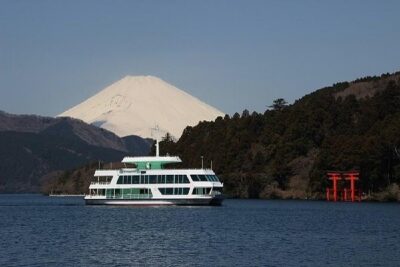
Mt Fuji & Hakone Cruise, Drum Show Bullet Train 1 Day from Tokyo
Read our review →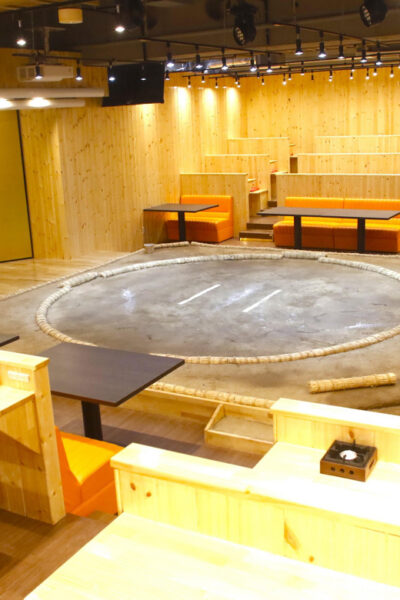
Sumo Show Experience with Chicken Hot Pot and a Photo
Read our review →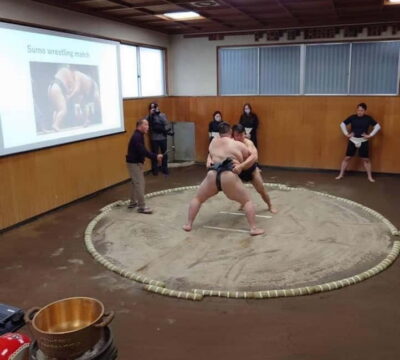

Tokyo Shinjuku Sumo Show & Experience with Photo
Read our review →
Mt Fuji & Hakone Cruise, Drum Show Bus 1 Day from Tokyo
Read our review →