
Reviewed · TSUKIJI & TOYOSU MARKET TOURS
Tsukiji Food and Toyosu Market with Government-Licensed Guide
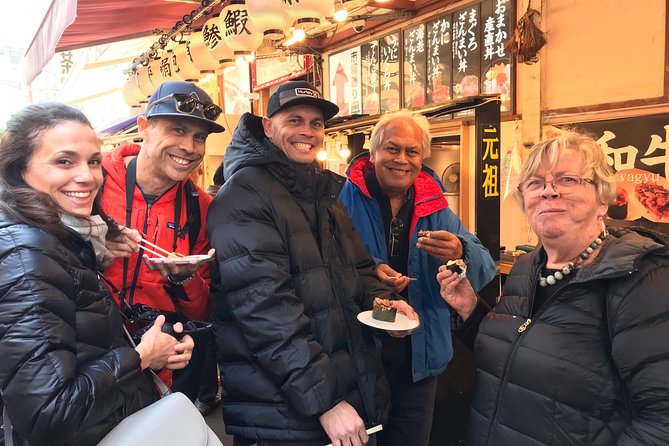
Toyosu is Tokyo’s modern wholesale market, while Tsukiji is the older, louder food quarter where you can actually browse stalls and eat as you walk. Seeing both in one morning gives you a useful before-and-after picture of Tokyo’s seafood trade, especially with a guide such as Toyo, Suzuki, Show, Koji, or Mina to explain what you are seeing. The contrast between the two markets is the main event.
I like the private format, since your guide can adjust the pace and steer you toward foods or shops that fit your interests. I also like the cultural stops at Namiyoke Inari Shrine and Tsukiji Hongwanji Temple, which keep the outing from becoming four straight hours of fish counters. The main drawback is that Toyosu can feel quiet and closed around midday, and the tour does not include the tuna auction.
In This Review
- At a glance: what makes this market tour useful
- Why seeing Toyosu and Tsukiji together works
- Starting at Toyosu Market
- The public transport ride across Tokyo Bay
- Tsukiji Outer Market: the best place to eat
- Namiyoke Inari Shrine and the waterfront story
- Tsukiji Hongwanji Temple and a quieter pause
- The guides make the difference
- What the $109.01 price really buys
- The tuna auction question
- Who will get the most from this tour
- Should you book it?
- FAQ
- How long does the tour last?
- Is this a private tour?
- Is an English-speaking guide included?
- Where does the tour start?
- Where does the tour end?
- Is hotel pickup included?
- Is transportation between Toyosu and Tsukiji included?
- Is food included in the price?
- Does the tour include the tuna auction?
- Can I cancel for a full refund?
At a glance: what makes this market tour useful
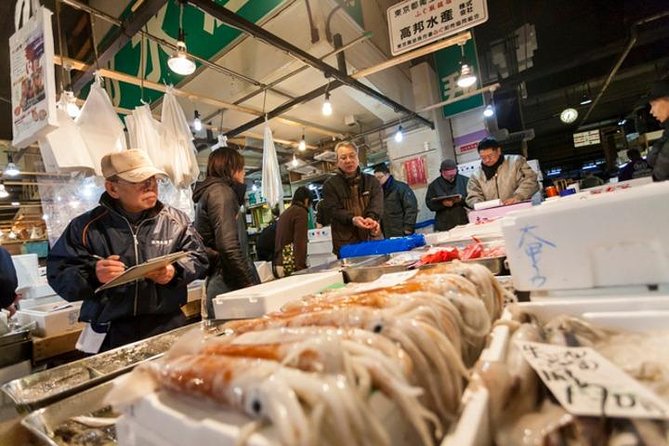
- Two very different markets: Toyosu is orderly and purpose-built, while Tsukiji’s outer market is crowded, lively, and better for eating.
- A private guide for your group: You can ask questions, change the pace, and focus on seafood, culture, shopping, or food.
- Licensed English-speaking guides: Guides such as Koji, Mami, Kazu, Lily, and Show have helped visitors understand both the markets and Japanese customs.
- Food stops are flexible: Your guide can point out sushi, tuna, crab, eel, sea urchin, wagyu, and other foods, but you pay for all food yourself.
- Public transport connects the markets: The guide organizes the route, but train or monorail fares are extra.
- Not a tuna auction tour: You may see auction viewing areas, videos, or explanations, but the auction itself requires a different experience.
Why seeing Toyosu and Tsukiji together works
Tokyo’s fish markets changed dramatically when the wholesale operation moved from Tsukiji to Toyosu in October 2018. Toyosu now handles the large wholesale business on a man-made island in Tokyo Bay. Tsukiji’s outer market remains a shopping and eating district, filled with food shops, small counters, seafood stalls, and kitchen stores.
On your own, it is easy to confuse the two roles. Toyosu is the place to understand how a large modern market operates. Tsukiji is the place to taste, browse, and squeeze through narrow lanes. A guide helps connect those dots instead of treating the stops as two random food neighborhoods.
The tour lasts about four hours. That is enough time for an introduction to Toyosu, a longer walk around Tsukiji, and short visits to the shrine and temple. It is not enough time for a leisurely meal, extended shopping, and every market building, so you should decide before starting what matters most.
The private setup improves the experience. If you want sushi, your guide can focus on food. If your family is more interested in Japanese religion and local history, the guide can give more attention to Namiyoke Inari and Hongwanji Temple. Families with teenagers have also used guides to customize the route around food and culture.
More market mornings in Tokyo:
- Tokyo Tsukiji Fish Market Food and Culture Walking Tour
★ 5.0 · 3,184 reviews - Tokyo: Tsukiji Fish Market Food and Walking tour
★ 5.0 · 1,724 reviews - Tokyo: Tsukiji Fish Market Guided Walking Tour
★ 4.9 · 1,397 reviews
Starting at Toyosu Market
The listed starting point is Toyosu Market at 6-6-1 Toyosu, Koto City. The formal meeting arrangement is on foot within a designated Tokyo area, and the stated meeting point is Toyosu. Some guides have met visitors at hotels or helped them from a nearby station, but you should confirm that directly before the tour rather than assume hotel pickup is included.
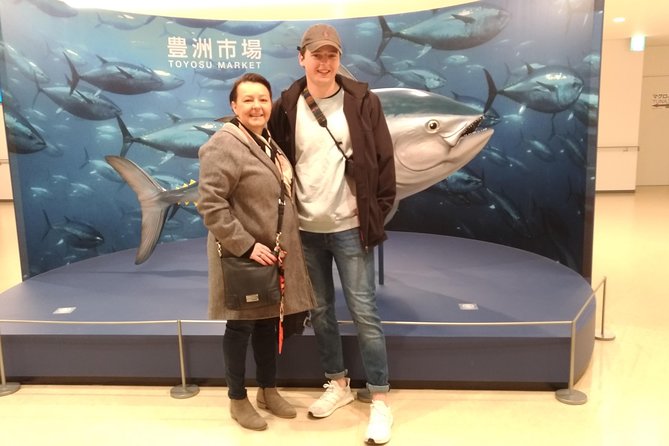
Toyosu is clean, spacious, and designed for wholesale work rather than casual wandering. You may see viewing areas connected with the auction facilities, market buildings, and displays that explain the tuna trade. One guide, Mio, used a replica of a tuna weighing more than 500 pounds to help explain the scale of the business. Another guide explained that the auction begins very early, well before a normal morning sightseeing schedule.
The tour’s Toyosu visit is listed at about one hour. That short stop makes sense if your goal is an overview, not a full market study. You can learn where the auction takes place and how the market functions, but do not expect rows of open-to-the-public seafood stalls like those at Tsukiji.
Timing matters here. One visit around noon found many stalls closed, leaving the new market less rewarding than the old one. I would choose an early start whenever possible. You will have a better chance of seeing the market while it feels active, and you can finish at Tsukiji with breakfast or lunch.
Toyosu’s restaurants are another reason to allow extra time after the tour. The area has eating and shopping options, though the tour price does not cover a meal. Some guides have also taken visitors to nearby newer food areas such as Senkyaku Banrai after the main market visit.
The public transport ride across Tokyo Bay
The trip between Toyosu and Tsukiji uses public transport arranged by your guide. Depending on the route, this can include a train or monorail, with the fare paid separately. The ride is not just a transfer. One couple especially enjoyed seeing Tokyo Bay and the city from the monorail.
This part of the outing is useful if Tokyo’s train system makes you nervous. Guides have helped visitors recharge Suica or other IC cards and get through confusing stations. Lily was praised for making the rail system easier to manage, while another guide led a family through Shinjuku Station during rush hour.
Still, remember that this is a walking tour, not a private-car tour. You will walk between meeting points, market areas, shrines, and the temple. Wear comfortable shoes and expect the day to involve public transport, stairs or station passages, and crowded lanes at Tsukiji.
Tsukiji Outer Market: the best place to eat
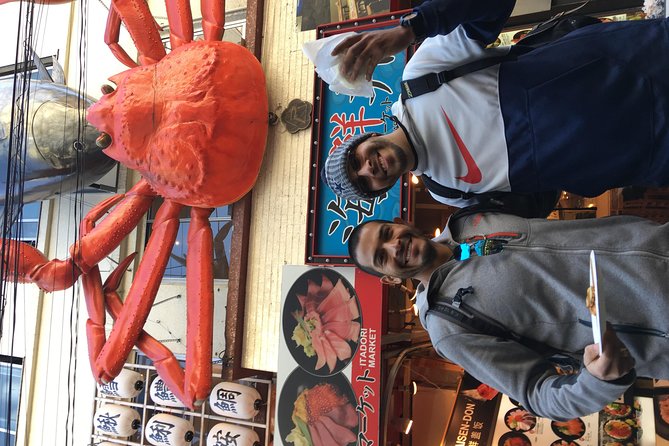
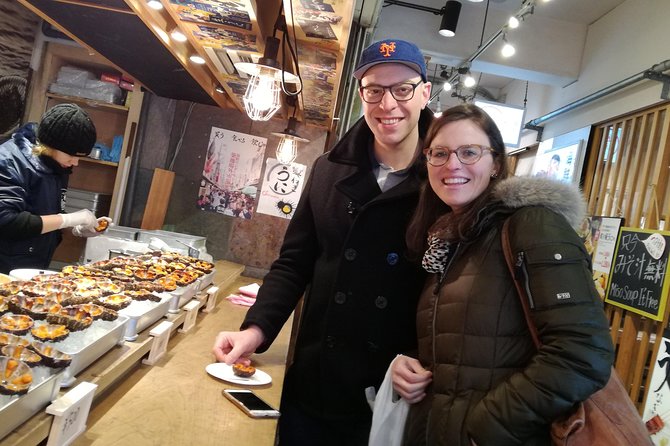
Tsukiji is where this experience becomes more hands-on. The outer market is packed with food shops, seafood counters, prepared snacks, sushi restaurants, and small vendors. It is much busier than Toyosu and can feel confusing on your first visit.
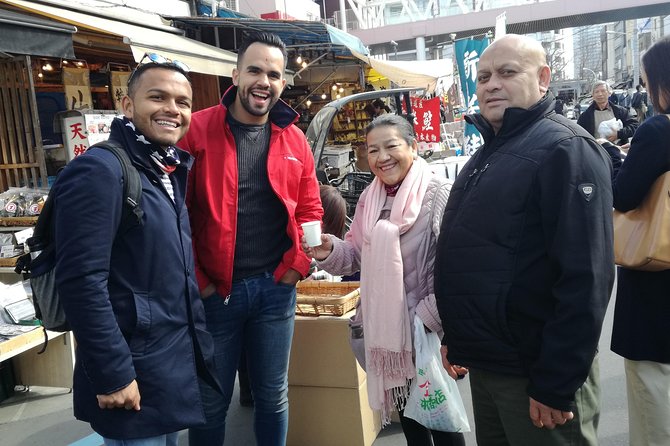
This is where a guide earns the fee. You can ask which stalls suit your appetite, find a particular food, and avoid spending your short visit wandering in circles. Guides have led visitors to tuna, crab, sea urchin, barbecued eel, sushi, street food, and wagyu. Mami took one group to a less touristy section for tuna and crab, while Koji guided another group to Daiwa Sushi.
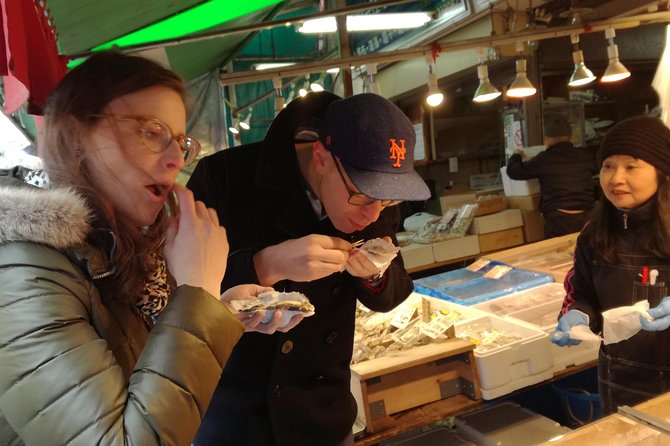
Food is not included, so bring cash and plan to pay as you go. The supplied details specifically point to cash as useful, especially if wagyu or several tastings are on your list. You should also remember that market food prices vary, and the $109.01 tour fee does not cover breakfast, lunch, drinks, transportation, or personal purchases.
The itinerary gives Tsukiji about two hours. That is a good amount of time for a guided overview and a few tastes, but it may not leave room for a full sit-down meal. One practical approach is to use the tour for orientation and sampling, then stay afterward for breakfast or lunch at your own expense.
If eating is your top reason for booking, schedule the tour early and finish at Tsukiji. One visitor found the timing ideal when the tour ended at the food court. A noon visit is less appealing because some Toyosu businesses may have closed and Tsukiji can be crowded.
A few more Tokyo bookings worth comparing
- Tsukiji Fish Market Guided Tour and Sushi Making with Pro Chef
★ 5.0 · 775 reviews - Tokyo: Tsukiji Fish Market Food and Culture Walking Tour
★ 4.7 · 757 reviews - Tsukiji Fish Market: Street Food & Culture Walking Tour
★ 5.0 · 669 reviews - Tsukiji Fish Market Small-Group Food Walking Tour
★ 5.0 · 621 reviews
Namiyoke Inari Shrine and the waterfront story
Namiyoke Inari Shrine gets about 15 minutes. It is a small but meaningful stop, dedicated in part to protecting reclaimed land from the waves. That detail gives you a better sense of Tsukiji as land created from the sea, not simply a market dropped into an ordinary city block.
The shrine also breaks up the food focus. Your guide can explain how Shinto practices connect with work, safety, the sea, and local communities. You will not spend long here, but the short visit adds context to the market district.
Because this is a compact stop, you should not expect a full temple or shrine tour. Its value comes from the story and location. If you are mainly interested in eating, 15 minutes is a reasonable trade for a bit of local culture.
Tsukiji Hongwanji Temple and a quieter pause
The final listed stop is Tsukiji Hongwanji Temple, with about 30 minutes. The temple is known for its unusual construction and gives the tour a Buddhist counterpoint to the Shinto shrine.
Some guides have included a short meditation or quiet pause here. That can be a welcome change after the noise and tight lanes of Tsukiji. You can ask about Japanese Buddhism, the building, and the role of temples in city life.
The temple stop is also a practical meeting point. The official information places the starting point at or near Tsukiji Hongwanji for some versions of the route, while the supplied meeting details list Toyosu as the start. Since guide routes can be customized, confirm your exact meeting location and direction before the day.
The guides make the difference
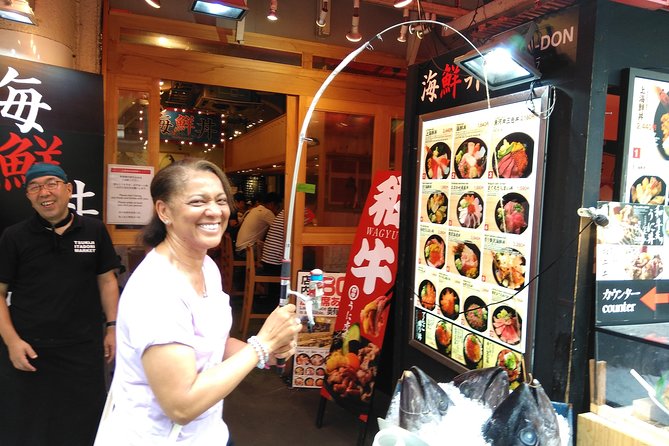
The experience depends heavily on the individual guide. The strongest feedback centers on warmth, patience, clear explanations, and the ability to adjust the outing. Names that appear repeatedly include Toyo, Yasuho Suzuki, Show, Koji, Shuji, Kazu, Mina, Mami, Lily, Hiro, Yoshii, and Kenji Kasama.
Show has used notes and illustrations to explain the market and Japanese culture. Koji has contacted visitors before the tour to learn what they wanted, helped with IC cards, and waited while they finished eating. Shuji has tailored outings for families with teenagers and helped visitors find souvenirs as well as food.
That flexibility matters more than a fixed script. You may want to compare sushi counters, understand the auction process, find a particular ingredient, or learn about the shrines. Tell the guide your priorities early. Since this is a private tour, the guide can spend less time on subjects that do not interest you.
The listed rating is 4.8 from 158 reviews, with 94 percent recommending the experience. That is a strong record, but there is one serious exception: a customer reported a guide no-show and received a refund. The operator apologized and requested direct contact. I would confirm the meeting point, guide contact, and pickup details the day before.
What the $109.01 price really buys
At $109.01 per person, this is not a cheap food walk. You still pay for transportation, food and drinks, entrance fees where applicable, and personal purchases. The listed admission for Tsukiji, Namiyoke Inari Shrine, and Hongwanji is free, while the Toyosu admission ticket is not included.
The price makes more sense for a private group that wants guidance rather than a simple market stroll. A good guide can save time, explain unfamiliar foods, help with public transport, and steer you through a district that can be hard to read at first glance. For two people or a family, the cost buys personal attention and flexibility.
It is less convincing if you only want to browse Tsukiji. You can visit the outer market without a tour, and Toyosu may feel quiet if you arrive late. The value is strongest when you want both markets explained, especially if this is your first Tokyo visit or you are uneasy ordering food and navigating trains.
Group discounts are offered, but the tour cannot combine separate tour groups. The private format means only your party participates, which is helpful for families, couples, and small groups with specific interests.
The tuna auction question
This tour is not the dedicated tuna auction experience. That distinction matters. The auction begins around 5:30 in the morning, and a separate product called Toyosu Market Morning Tuna Auction and Tsukiji Food Tour with Licensed Guide is intended for that purpose.
You may still learn how the auction works and visit a viewing area above the floor. Videos and displays can show the process when the live auction is not part of your schedule. Mio also explained the auction and pointed out a large tuna replica during one visit.
If seeing the actual auction is your main goal, book the specific auction tour instead and request it ahead of time. Do not book this four-hour market tour expecting a live tuna sale.
Who will get the most from this tour
I would recommend it to first-time Tokyo visitors who want food, local customs, and a practical introduction to the city’s market culture. It suits families particularly well because the private guide can adjust the pace and keep younger travelers interested with tastings, stories, and hands-on navigation.
It also works for visitors who want to eat at Tsukiji but do not know which stalls to choose. You can ask for sushi, eel, crab, sea urchin, tuna, meat, or other foods, then stay after the official tour for a fuller meal.
You may want something else if you are a serious market photographer, a very early riser determined to see the tuna auction, or someone who dislikes guided walking. Toyosu can be quiet, the two markets may feel repetitive, and four hours goes quickly once you include transit.
Book with realistic expectations. This is a guided introduction to two market districts, not a private restaurant crawl, a wholesale-business access pass, or a live auction guarantee.
Should you book it?
Book this tour if you want the old and new Tokyo fish markets explained together, with a private guide who can help you eat, shop, and use public transport. The strongest value comes from the human help: choosing the right stalls, understanding what you are seeing, and making sense of Tokyo’s food culture.
Skip it if you only want Tsukiji, need the tuna auction, or prefer to set your own food budget and route. If you do book, choose an early start, bring cash, wear good walking shoes, and confirm the meeting point. Then plan to stay at Tsukiji afterward for the meal the four-hour schedule may not allow.
FAQ
How long does the tour last?
The tour lasts approximately four hours.
Is this a private tour?
Yes. Only your group participates, and you cannot combine multiple tour groups.
Is an English-speaking guide included?
Yes. A licensed local English-speaking guide is included.
Where does the tour start?
The listed start point is Toyosu Market, at 6-6-1 Toyosu, Koto City, Tokyo. Some route details also refer to meeting at Tsukiji Hongwanji Temple, so confirm your exact meeting location before the tour.
Where does the tour end?
The listed end point is the Tsukiji Outer Market area in Tsukiji, Tokyo.
Is hotel pickup included?
The tour states that pickup and drop-off are on foot within a designated area of Tokyo. Some guides have met visitors at hotel lobbies, but you should confirm that arrangement before booking.
Is transportation between Toyosu and Tsukiji included?
No. Your guide organizes travel by public transport, but transportation fees are extra.
Is food included in the price?
No. Food, drinks, and personal expenses are not included. You can stay after the tour for breakfast or lunch at your own expense.
Does the tour include the tuna auction?
No. This is not the tuna auction tour. A separate Toyosu morning tuna auction experience is available for visitors who specifically want to see the auction.
Can I cancel for a full refund?
Yes, if you cancel at least 24 hours before the experience start time. Cancellations or changes made less than 24 hours in advance are not accepted for a refund.
More Shopping Tours in Tokyo
- Tokyo: Tsukiji Fish Market Sushi Making Class with Pro Chef
★ 4.9 · 506 reviews - Tokyo Food Tour Taste Fresh Delights at Tsukiji Market
★ 5.0 · 429 reviews - Tokyo Tsukiji Fish Market Tour and Sushi Making Lesson
★ 5.0 · 390 reviews - Tsukiji Fish Market: Street Food & Culture Walking Tour
★ 4.8 · 259 reviews
New on our Tokyo list
- From Tokyo: Mount Fuji & Hakone Full Day Private Tour★ 4.9 · 25 reviews
- Tokyo Spectacular View Day-Cruise in 90 Minutes★ 5.0 · 25 reviews
- Real Tokyo Runner Club : Daikoku Car Meet Night Tour with JDM Car★ 5.0 · 25 reviews
- 2.5 Hour-Guided Cycle Tour in the Central Tokyo★ 5.0 · 25 reviews
- Ramen Making from Scratch +Akihabara Tour –Cooking Class★ 5.0 · 25 reviews
- [Self-Drive] Tokyo & Daikoku Custom Car Driving Tour★ 4.9 · 25 reviews
- Tokyo: 2-Hour Night Bike Tour of the City’s Hidden Gems★ 4.9 · 25 reviews
- Samurai themed Entertainment show in Shinjuku★ 4.5 · 25 reviews
Tsukiji & Toyosu Market Tours, compared.
Tokyo Tsukiji Fish Market Food and Culture Walking Tour
Read our review →
Tokyo Sushi Making Class in Tsukiji with Professional Chef
Read our review →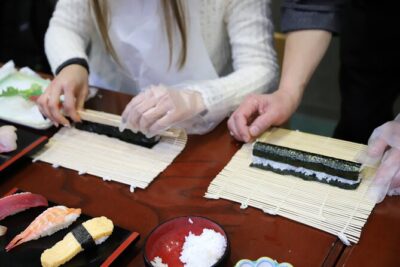
Tsukiji Fish Market Guided Tour and Sushi Making with Pro Chef
Read our review →Tsukiji Fish Market Food and Culture Walking Tour
Read our review →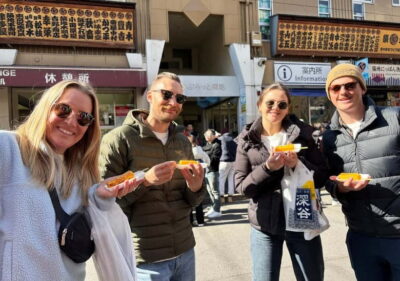
Tsukiji Fish Market: Street Food & Culture Walking Tour
Read our review →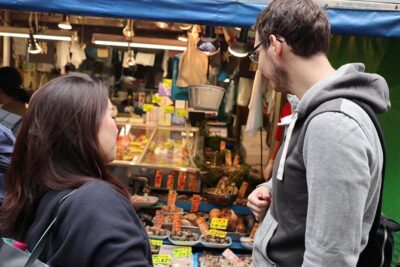
Tsukiji Fish Market Small-Group Food Walking Tour
Read our review →Browse the lists this tour appears in