
Reviewed · TEA CEREMONIES
【NEW】Shibuya Tea Ceremony Tokyo-Chaan
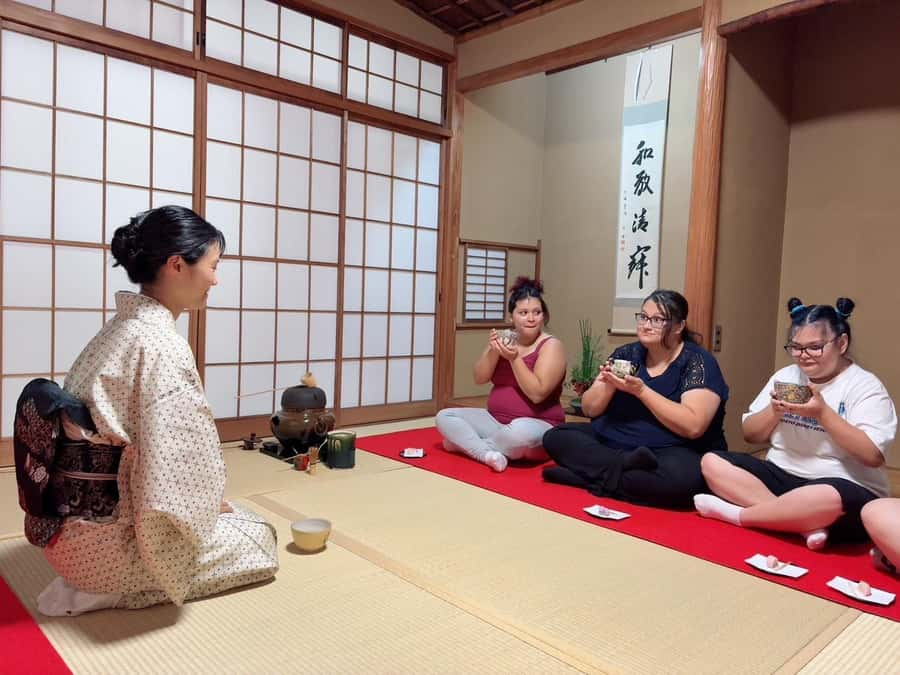
The best part of this Shibuya experience is that you do not just watch a tea ceremony. You learn the meaning behind it, see Otemae, the formal preparation of tea, and then make your own bowl of matcha with traditional utensils. Sakura and Kini lead the class in clear English, and each instructor has more than 10 years of tea ceremony experience.
I like the calm setting and the hands-on format. A traditional tatami room gives the class a proper sense of place, while making the tea yourself turns a quiet demonstration into something you will remember. The $18 price is also easy to justify for a cultural activity that includes matcha and seasonal sweets.
The main consideration is age: children under 4 cannot enter, and every child aged 4 or older needs a ticket. The experience also suits people who enjoy a peaceful, focused activity more than a fast-moving sightseeing stop.
In This Review
- Key points to know before booking
- What this Shibuya tea ceremony is really about
- Meeting Sakura and Kini in Dogenzaka
- The introduction: history before the tea
- Watching the Otemae tea demonstration
- Making matcha with traditional tools
- Seasonal sweets and the quiet tatami setting
- Is $18 a good value in Tokyo?
- Who should book this experience?
- Practical details for a smooth visit
- My recommendation: book it for a focused cultural hour
- FAQ
- Where does the Shibuya tea ceremony take place?
- Where does the activity end?
- Is the tea ceremony offered in English?
- What is included in the price?
- Can children participate?
- Can I cancel for a full refund?
Key points to know before booking
- You make your own matcha: After watching the ceremony, you use authentic tea tools to prepare and taste your own bowl.
- Sakura and Kini lead the experience: The Japanese instructors explain tea ceremony customs and history in English.
- The setting is a tatami room: Expect a traditional room rather than a modern café-style tasting.
- Seasonal sweets are included: A Japanese confection is served with the matcha to balance its strong flavor.
- The price is $18 per person: Entrance, matcha, and confections are included.
- The meeting point is in Dogenzaka: Go to the second floor of the Manji Building at 1-15-9 Dogenzaka, Shibuya.
What this Shibuya tea ceremony is really about
Tokyo gives you plenty of high-speed sightseeing. Shibuya gives you giant screens, crowded crossings, and streets that keep moving long after sunset. This tea ceremony offers the opposite: a small, quiet room where you slow down and pay attention to a few simple actions.
That contrast is part of the appeal. You are still in one of Tokyo’s best-known districts, but the activity asks you to set aside the rush for a while. The focus is not simply on drinking green tea. It is on how the tea is prepared, how the tools are handled, and how a host creates a respectful moment for the person receiving the tea.
The session is designed as an introduction, so you do not need prior knowledge of Japanese customs. The instructors explain the meaning and history of the ceremony before showing you the basic manners and steps. That makes this a useful first encounter with tea culture rather than an activity meant only for specialists.
You should expect a guided cultural lesson with participation built in. It is not described as a full-day program or a broad tour of Shibuya. The value comes from the quality of the small experience: traditional clothing, a tatami room, proper utensils, matcha, and sweets for one modest price.
More tea rooms worth booking:
- Matcha Making Class in Tokyo with Authentic Japanese Sweets Set
★ 5.0 · 744 reviews - Tokyo: Traditional Tea Ceremony with a Tea Master
★ 5.0 · 528 reviews - Tokyo: Matcha Making Experience with Mochi Sweets in Asakusa
★ 4.9 · 388 reviews
Meeting Sakura and Kini in Dogenzaka
The experience begins at the second floor of the Manji Building, 1-15-9 Dogenzaka, Shibuya-ku, Tokyo 150-0043. The Japanese address is 〒150-0043 東京都渋谷区道玄坂1-15-9 万字ビル 2F.
Because the activity takes place in a building rather than at a large landmark, give yourself enough time to locate the address and reach the second floor. The meeting point is also the ending point, so you do not need to arrange separate transport after the ceremony.
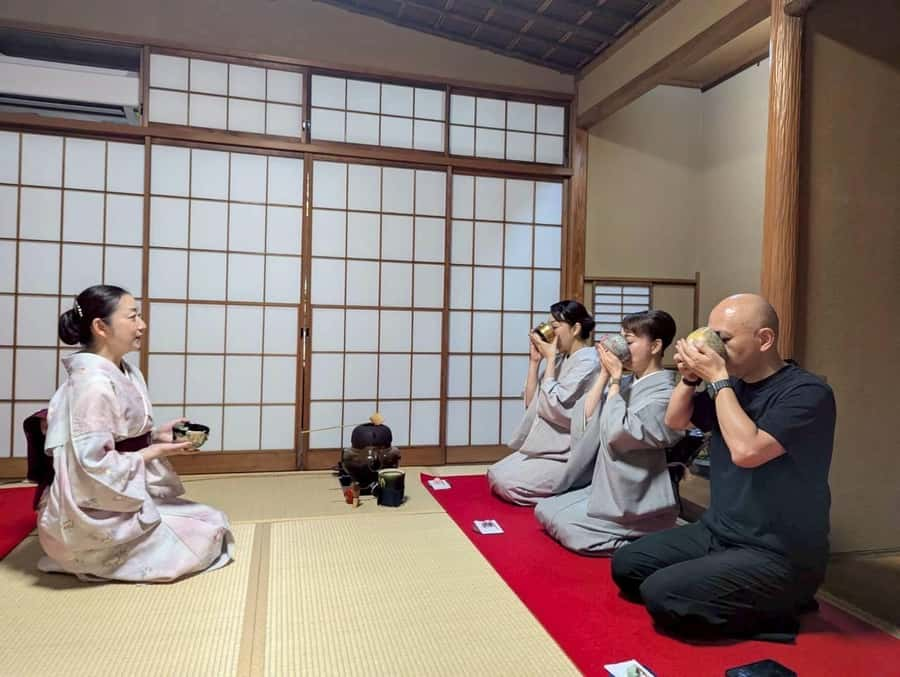
Your instructors wear traditional kimono and speak English fluently. Sakura and Kini are named hosts for the experience, and the teaching team has more than 10 years of tea ceremony experience per instructor. That matters because tea ceremony has many small movements and manners that are difficult to understand from a quick demonstration alone.
Clear English is especially useful here. You are not only learning to whisk powdered tea. You are learning why the host handles the bowl and utensils in a certain way, and why the guest responds with particular manners. Good explanations help you understand the purpose behind the actions instead of copying them blindly.
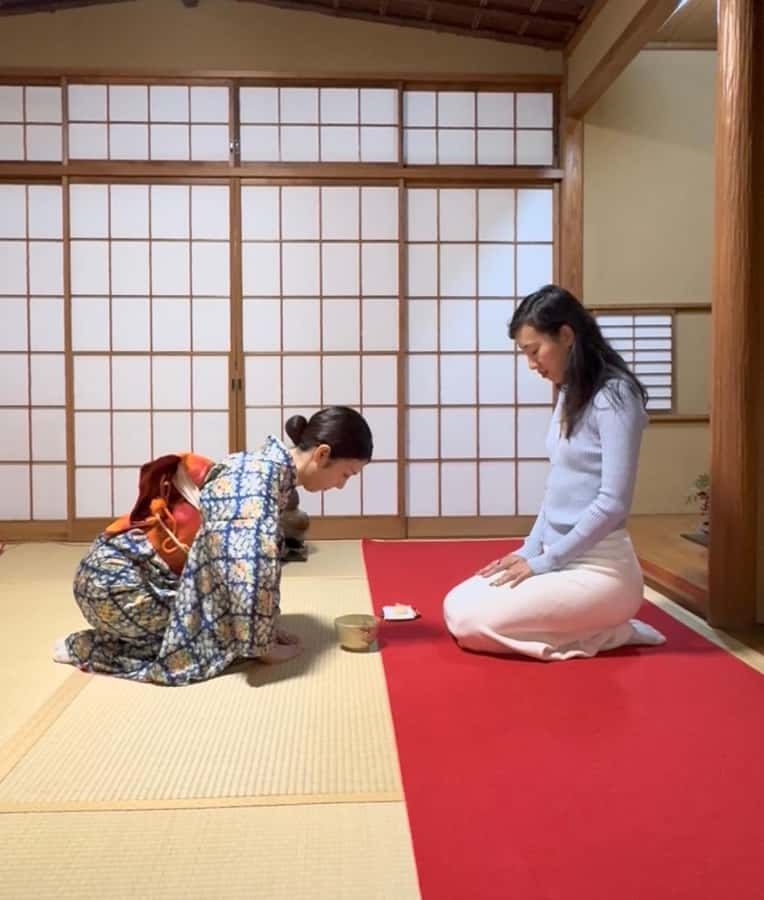
The welcome takes place in a traditional Japanese room. This is not just decoration. A tatami setting changes the feel of the activity and helps you understand why the ceremony values quiet attention, careful movement, and respect for the space.
The introduction: history before the tea
The opening portion explains the meaning and history of Japanese tea ceremony. This gives you a frame for what follows, so the formal movements do not feel like a string of unexplained rules.
You will also receive an introduction to the tools and basic etiquette used during tea service. The information is aimed at people who are new to the practice, which makes it suitable if this is your first tea ceremony in Japan.
I like this order. A demonstration can be beautiful, but without context it may remain only a performance. Here, the explanation helps connect the tools, gestures, and manners to the wider idea of hospitality in Japanese culture.
You should not expect an academic lecture. The experience is meant to lead you toward making and tasting matcha, so the history portion serves the practical lesson. If you want a long, highly specialized study of tea schools or ceremony traditions, this short introductory format may feel limited. If you want a clear cultural starting point, it makes good sense.
Watching the Otemae tea demonstration
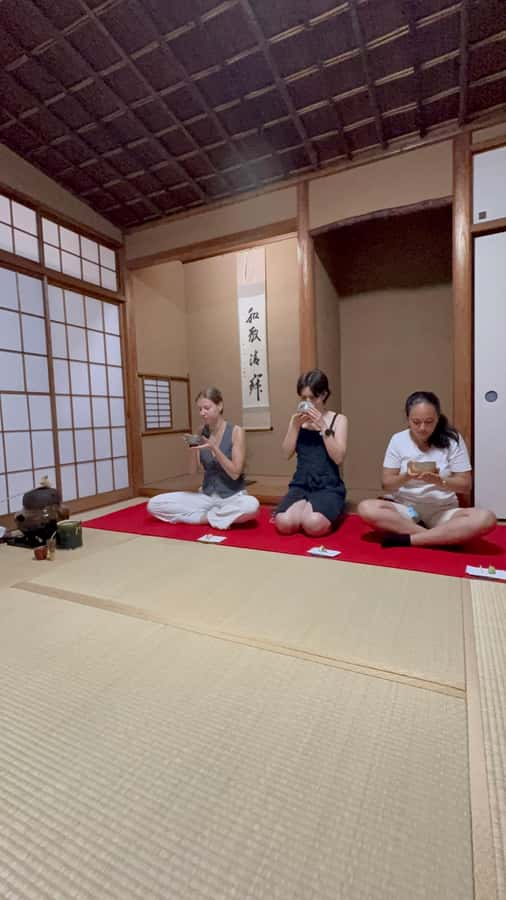
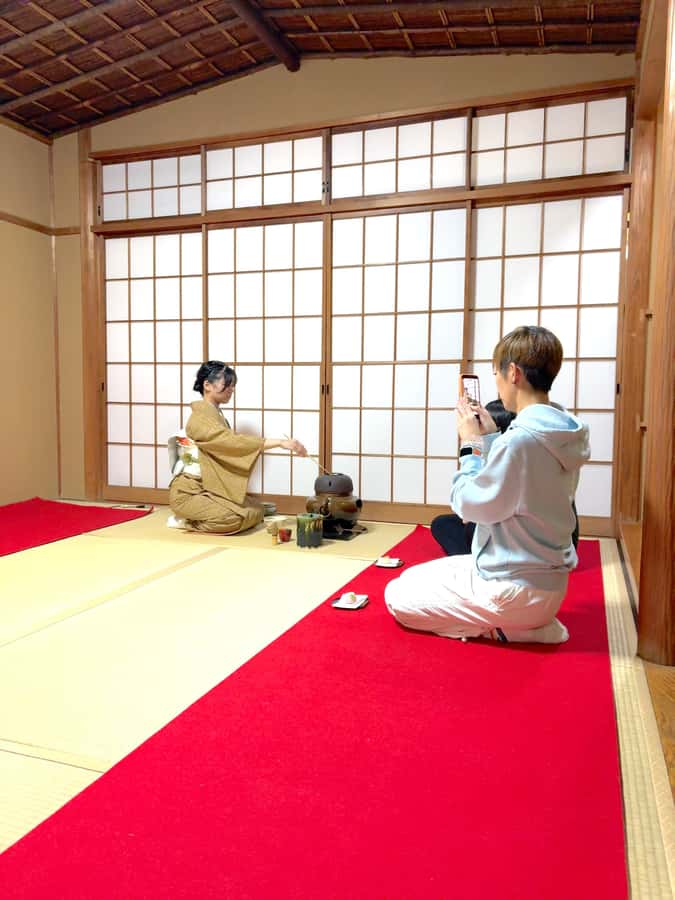
Next comes the live tea ceremony demonstration. The instructor prepares the tea while explaining how the tools are used and how the host serves the guest.
This is your chance to watch the rhythm of the ceremony before trying it yourself. Pay attention to the order of the actions, the way the utensils are placed, and the calm pace of the preparation. The demonstration gives you a useful visual guide for the hands-on part that follows.
The instructors also explain basic manners and etiquette. These details are important because tea ceremony is about more than the final drink. The way you receive the bowl, observe it, and take part in the exchange forms part of the experience.
The formal presentation may be the most peaceful section of the activity, but it may not suit everyone. If you prefer a very active class with constant movement, you may find the demonstration slow. I see that as a fair trade for an experience built around quiet concentration.
The tea itself also has a strong, distinct flavor. Matcha is powdered green tea, so you drink the tea leaves rather than filtering them out. The result is more intense than an ordinary cup of brewed green tea. The seasonal sweet served afterward helps balance that flavor.
More Shibuya plans:
- Official Street Go-Kart in Shibuya
★ 5.0 · 3,435 reviews - Tokyo: Street Kart Experience in Shibuya
★ 4.9 · 1,484 reviews - Shibuya Meltdown Nightlife Tour: All-You-Can-Drink Bar Hopping
★ 5.0 · 1,058 reviews - Shibuya Official Street Go-Kart in Shibuya Annex
★ 5.0 · 972 reviews
Making matcha with traditional tools
After watching the instructor, you take over. Using authentic tea tools and freshly ground matcha powder, you prepare your own bowl.
This hands-on step is where the experience earns its place on your Tokyo schedule. You are not simply shown a cultural custom and sent away. You take part in the central action, with the instructors guiding you through the process.
The tools give the activity a physical connection to Japanese tea practice. You handle the equipment, follow the preparation steps, and see how the powder becomes a finished bowl of tea. Even a simple result feels more meaningful when you have made it yourself.
Do not worry about producing a perfect bowl on your first attempt. The point is to learn the method and experience the care involved. The instructors can explain what to do and help you understand the basic movements in English.
The taste may surprise you. Matcha is concentrated and can be grassy or pleasantly bitter, depending on your palate. The seasonal Japanese confection is an important part of the tasting, not an afterthought. Its sweetness works with the tea and gives you a more balanced introduction to the flavor.
I especially like this combination of instruction and tasting. You learn about the ceremony, watch a polished demonstration, then test the process with your own hands. That progression makes the class easy to follow and gives you several ways to remember it.
Seasonal sweets and the quiet tatami setting
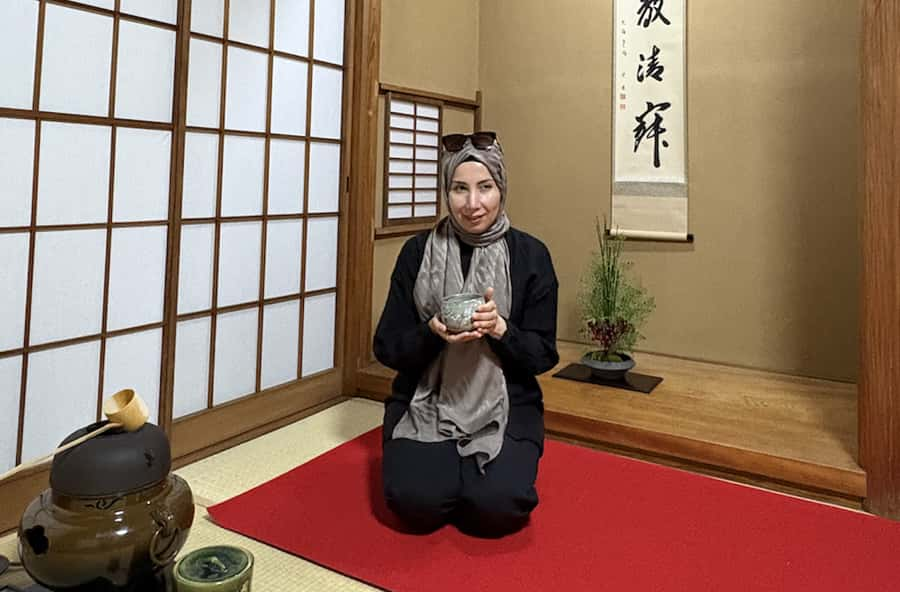
The tea is served with seasonal Japanese sweets. Since the exact confection changes, you should think of this as part of the seasonal character rather than a fixed menu item.
The sweet provides contrast with the matcha. Its role is not only to add dessert to the session. Japanese tea customs often pay close attention to balance, and the confection gives your palate a gentler entry point to the powdered tea.
The tatami room adds another layer to the tasting. Sitting in a traditional space, with instructors in kimono and proper tea tools in front of you, makes the activity feel grounded in Japanese practice rather than like a standard food sample.
The atmosphere is likely to appeal most to couples, solo visitors, families with older children, and anyone who wants a break from Tokyo’s busy streets. It can also work well as an introduction for first-time visitors who want cultural context without committing to a long or costly program.
Families should check the age rules before booking. Children under 4 are not allowed to participate. Children aged 4 and older must have their own tickets, even when accompanied by a ticketed adult. If you are traveling with a child under 4, contact the provider in advance, since entry may be refused.
Is $18 a good value in Tokyo?
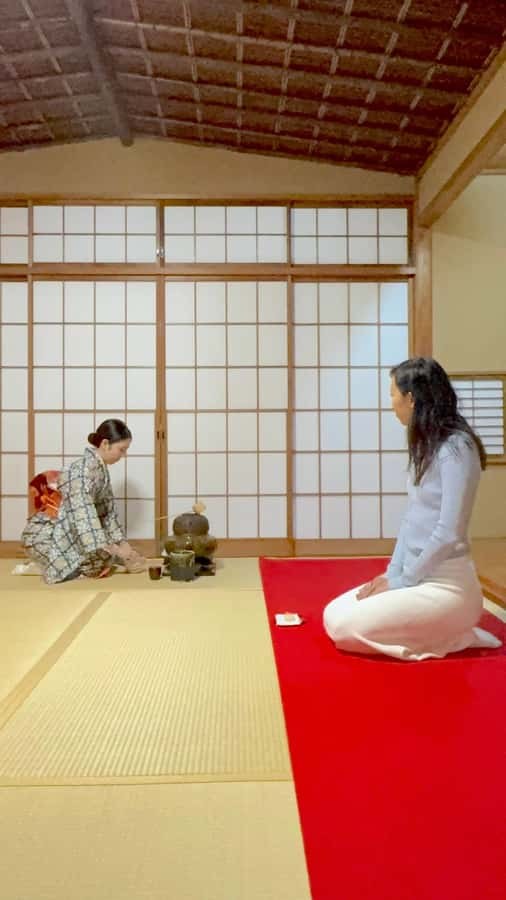
At $18 per person, this is a low-cost way to add a traditional Japanese activity to your itinerary. The price includes admission, matcha, and confections, so you are not paying an entry fee and then facing extra charges for the tasting.
The value comes from the combination of elements. You receive an English-language introduction, a live demonstration, instruction with traditional tools, your own matcha-making session, and a seasonal sweet. You also get the benefit of instructors with more than a decade of experience in tea ceremony.
A cheaper cup of green tea in Tokyo would not offer the same cultural lesson. On the other hand, you should not book this expecting a large tour, a full meal, or an extended historical course. It is a focused introduction, and its modest price reflects that.
For a first-time experience, I think the cost is sensible. You get something more substantial than a quick photo stop, but the activity does not require a major time or money commitment. The reserve-and-pay-later option also lets you hold a place without paying immediately, which is useful when your Tokyo schedule is still changing.
Cancellation is allowed up to 24 hours in advance for a full refund. Keep that deadline in mind when arranging a busy itinerary.
Who should book this experience?
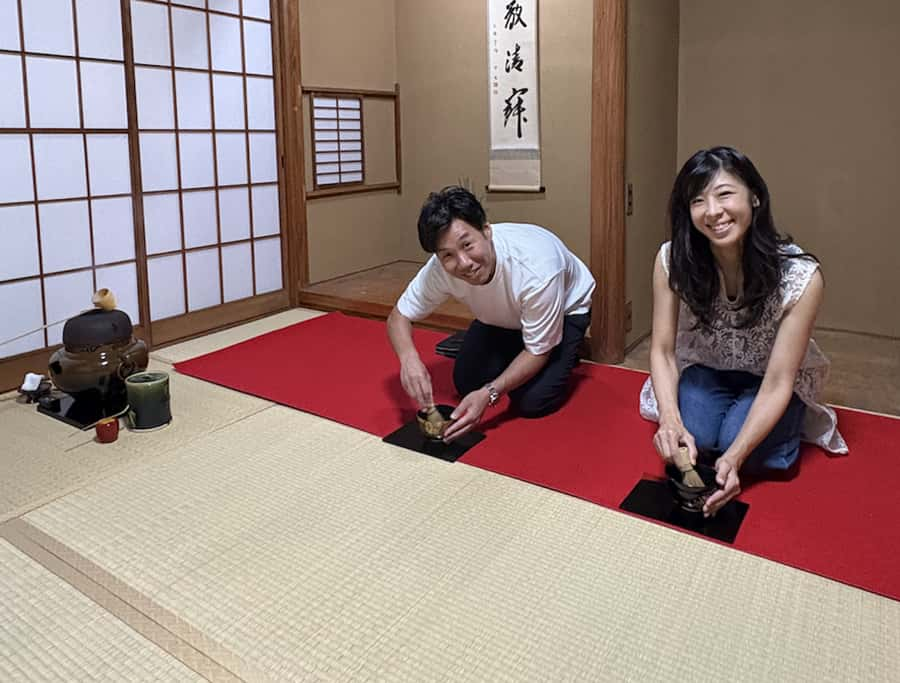
I would recommend it if you want a direct introduction to Japanese culture and prefer learning by doing. The English instruction makes it approachable, while the tatami room, kimono, tea tools, and sweets give the session a clear traditional setting.
It is a good fit for:
- First-time visitors to Japan who want cultural context
- People curious about matcha and Japanese tea manners
- Couples looking for a calm activity in Shibuya
- Solo visitors who enjoy structured, hands-on lessons
- Families with children aged 4 or older who can take part quietly
- Anyone seeking an affordable cultural activity between sightseeing stops
You may want to choose another activity if your priority is a long ceremony, a full meal, or a wide-ranging tour of Japanese tea traditions. The experience focuses on the basics and keeps the program centered on one room, one demonstration, and one tasting.
The calm pace is another factor. Some people will appreciate the chance to sit still in a traditional room. Others may find it less exciting than Tokyo’s more active attractions. I would place this firmly in the reflective, educational category.
Practical details for a smooth visit
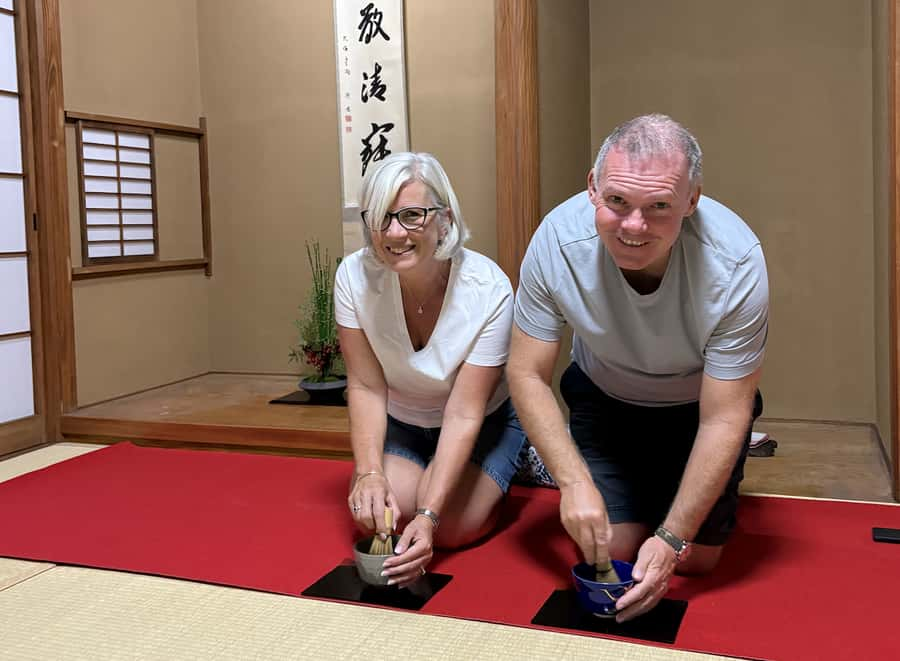
The meeting point is on the second floor of the Manji Building in Dogenzaka. Save both the English address and the Japanese address on your phone, since the Japanese version can help if you need to confirm the building locally.
The activity ends where it begins. That makes it easy to pair with other plans in Shibuya, though the exact duration is not specified. Avoid scheduling a tight reservation immediately afterward unless you have confirmed the timing directly.
English is the listed language. The instructors are Japanese, wear kimono, and explain the ceremony fluently in English. You can therefore expect the session to focus on both demonstration and explanation, not just silent observation.
Wear something that lets you sit comfortably in a tatami room and handle tea utensils without fuss. Specific seating arrangements are not provided, so if you have concerns about sitting on tatami, ask the provider before booking.
The tea contains caffeine, and matcha has a strong flavor. If you are sensitive to caffeine or unsure about powdered green tea, keep that in mind. The seasonal sweet is included and helps soften the taste, but it does not change the nature of the drink.
My recommendation: book it for a focused cultural hour
Book the Shibuya Tea Ceremony Tokyo-Chaan if you want an affordable, English-guided introduction that lets you participate rather than only watch. Sakura, Kini, and the experienced tea instructors give the session a personal teaching element, while the tatami room and kimono keep it rooted in Japanese tradition.
The strongest reasons to choose it are the hands-on matcha preparation, the clear explanations, and the seasonal sweet paired with the tea. At $18, it offers good value for a small but genuine cultural experience.
Skip it if you want a long formal ceremony, extensive tea history, or an activity built around sightseeing. For everyone else, especially first-time visitors who want to understand what makes Japanese tea ceremony special, this is a sensible Shibuya booking.
FAQ
Where does the Shibuya tea ceremony take place?
It begins on the second floor of the Manji Building at 1-15-9 Dogenzaka, Shibuya-ku, Tokyo 150-0043, Japan. The Japanese address is 〒150-0043 東京都渋谷区道玄坂1-15-9 万字ビル 2F.
Where does the activity end?
The experience ends back at the meeting point in the Manji Building.
Is the tea ceremony offered in English?
Yes. The Japanese instructors speak English fluently and guide you through the history, demonstration, etiquette, and matcha preparation.
What is included in the price?
The $18 price per person includes the entrance fee, matcha powdered green tea, and Japanese confections.
Can children participate?
Children under 4 cannot participate. Children aged 4 and older must have their own ticket. If you are accompanied by a child under 4, contact the provider in advance because entry may be refused.
Can I cancel for a full refund?
Yes. You can cancel up to 24 hours in advance for a full refund.
New on our Tokyo list
- Sumi-e Experience in a relaxing green tea shop in Tokyo★ 5.0 · 3 reviews
- Tokyo : Kamikaze Street Drift Ride★ 5.0 · 3 reviews
- Private Zen Meditation in English in Shinjuku, Tokyo★ 5.0 · 3 reviews
- Onsen Spa in Tokyo and Asakusa Bar Hopping with Local Guide★ 5.0 · 3 reviews
- Easy for everyone! Now you can play handmade mini shamisen and show off to everyone! Musical instruments, sweets and live music★ 5.0 · 3 reviews
- Tokyo: Private Tsukiji Street Food & Sake with Local Guide★ 5.0 · 3 reviews
- Mt Fuji Exploration Tour with Free Japanese Kusa Mochi from Tokyo★ 4.5 · 3 reviews
- Tokyo Tsukiji Fish Market Walking and Exploring Hidden Gems Tour★ 5.0 · 3 reviews
Tea Ceremonies, compared.

Matcha Making Class in Tokyo with Authentic Japanese Sweets Set
Read our review →
Matcha Making Experience with Mochi Sweets in Asakusa
Read our review →
Tea Ceremony Workshop in Tokyo by the Experienced Instrucor
Read our review →

Make Traditional Nerikiri Sweets & Matcha experience in Shibuya
Read our review →Browse the lists this tour appears in