
Reviewed · TEA CEREMONIES
Tokyo: Traditional Tea Ceremony with a Tea Master
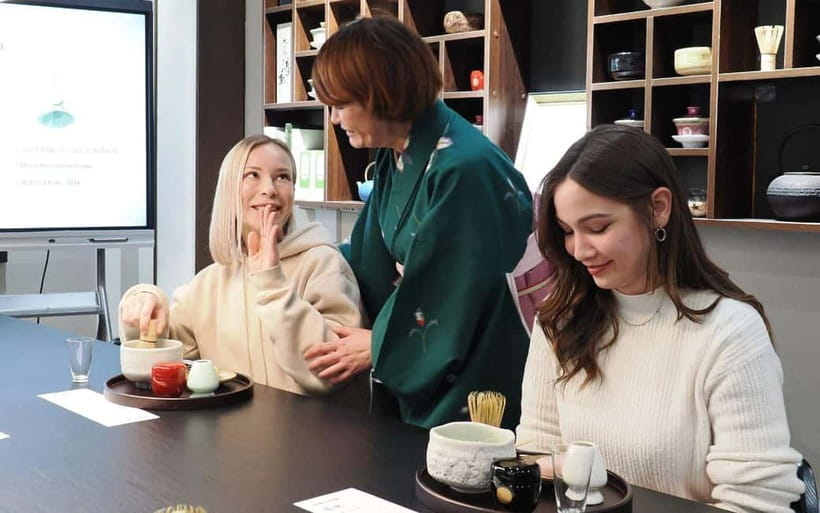
The most interesting part of this Tokyo tea ceremony is that you do not simply watch a formal ritual. You taste several distinct Japanese teas, learn why water temperature matters, and whisk your own matcha with traditional tools. The session is held at Ocharu, across from Tokyo University, with English instruction and a friendly, informal tone.
I like the thoughtful tasting sequence, from fruity Shizuoka wakocha to grassy Gyokuro and comforting Genmaicha. I also like the hands-on format: you learn the manners, then try the preparation yourself, instead of sitting quietly while someone else does all the work. The main consideration is that the green OCHARU sign can be surprisingly easy to miss, and the room is not suitable for wheelchair users.
In This Review
- Key points to know before booking
- Why this is more than a formal tea ceremony
- Finding Ocharu across from Tokyo University
- The opening cup of Shizuoka wakocha
- Gyokuro sencha and the taste of premium green tea
- Making matcha with traditional tools
- Genmaicha brings the tasting to a comfortable close
- How the teaching style affects the experience
- Is $38 a good value for an hour?
- Who should book this tea experience?
- Should you book the Ocharu tea ceremony?
- FAQ
- How long does the Tokyo tea ceremony last?
- How much does the experience cost?
- What teas will I taste?
- Do I get to make my own matcha?
- Are sweets included?
- Is the activity offered in English?
- Where does the tea ceremony take place?
- How do I find the meeting point?
- Is the experience suitable for wheelchair users?
Key points to know before booking
- Four Japanese tea styles in one hour: Taste wakocha, Gyokuro sencha, matcha, and Genmaicha, with explanations of origin, flavor, and preparation.
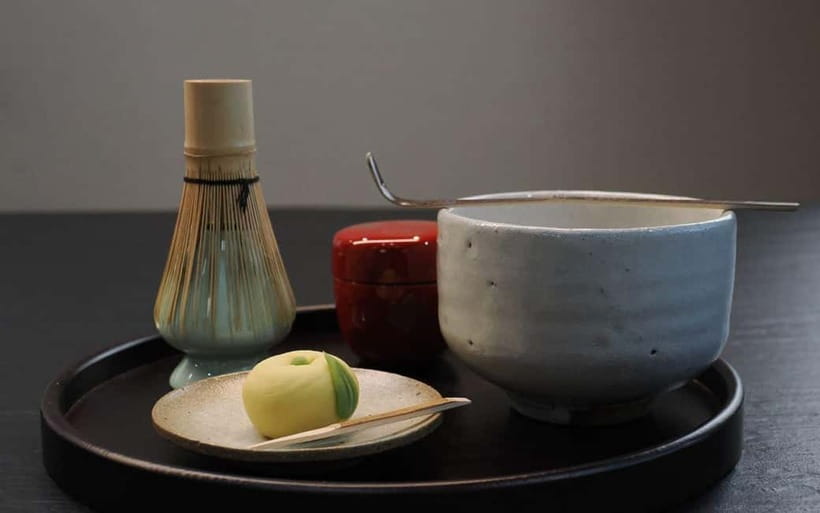
- Your own matcha lesson: Use a bamboo whisk and traditional utensils while the tea master guides each step.
- Seasonal sweets from Ougiya: Sample carefully made wagashi alongside the tea, including a look at how tea leaves themselves can be eaten.
- Across from Tokyo University: The location pairs easily with a visit to the university area and nearby zoo.
- A relaxed English-language class: Guides such as Shinichi-san and Aikiko have been praised for clear explanations, patience, and humor.
- Certificate and group photo included: You leave with a small keepsake, and some participants have had their names written in Japanese on the certificate.
Why this is more than a formal tea ceremony
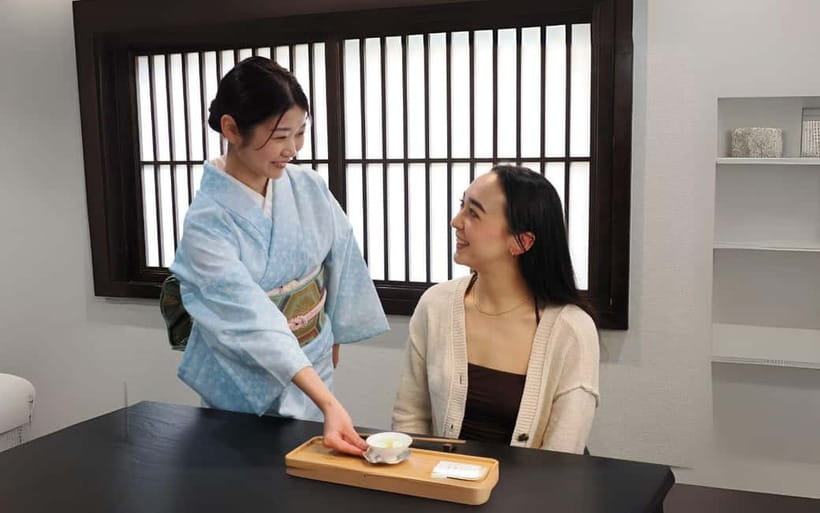
Japanese tea culture can be intimidating at first. You may have seen highly choreographed ceremonies where every movement appears fixed and solemn. This Ocharu experience gives you a friendlier starting point.
The emphasis is on understanding and tasting. The tea master explains the role of temperature, the difference between tea types, the regions where they are grown, and the customs around serving and drinking. You are encouraged to ask questions, and the atmosphere is casual enough for beginners who know little about tea.
That approach matters. A formal ceremony can be beautiful to watch, but you may leave without knowing why one tea tastes sweet and another tastes grassy, or why Gyokuro should be brewed differently from Genmaicha. Here, the sensory side and the cultural side are connected.
The experience has also worked well for mixed groups. One parent specifically appreciated that the guide made a special effort to involve a 10-year-old child. Even a non-tea drinker may find enough variety and activity to stay interested, though the main focus is still, naturally, tea.
More tea rooms worth booking:
- Matcha Making Class in Tokyo with Authentic Japanese Sweets Set
★ 5.0 · 744 reviews - Tokyo: Matcha Making Experience with Mochi Sweets in Asakusa
★ 4.9 · 388 reviews - Tokyo: Matcha and Kimono Experience
★ 4.7 · 219 reviews
Finding Ocharu across from Tokyo University
The Ocharu room is located directly across from Tokyo University in Honshu, giving you a useful landmark in a city where small venues can be hard to spot. Look for the building with the green OCHARU logo on the wall.
Here is the practical catch: the sign may be higher up than you expect. One participant walked past the building several times before realizing that the tea shop downstairs was the correct entrance. If you arrive near the location, check the tea shop rather than looking only at eye level for a doorway marked tea ceremony.
You should arrive five minutes early. That gives you time to check in, find the room, and settle before the welcome tea begins. The location also works well as part of a longer outing. After the session, you can explore the area around Tokyo University or continue toward the zoo.
The nearby shop and café add a useful extra touch. You can drink matcha downstairs and buy tea to take home. Tea accessories and specialty products are also available, and some participants have found themselves purchasing tea after learning how to taste the differences during the class. That is not part of the required experience, so you can simply enjoy the session and leave.
The opening cup of Shizuoka wakocha
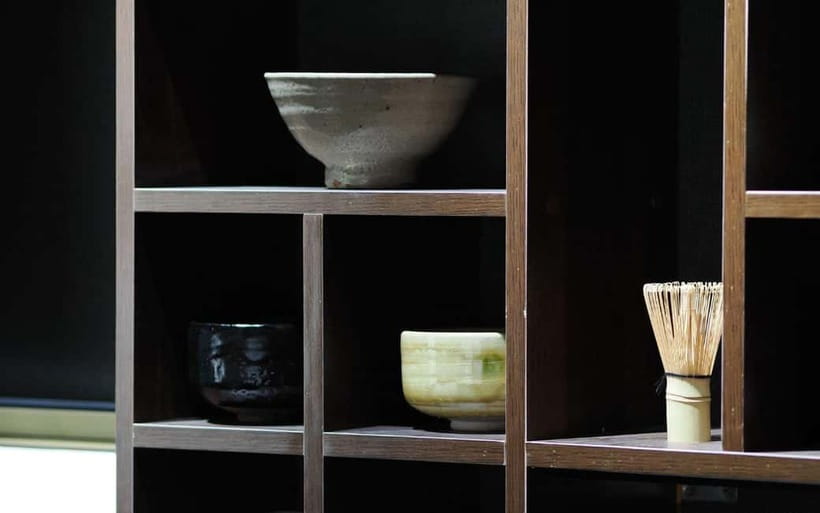
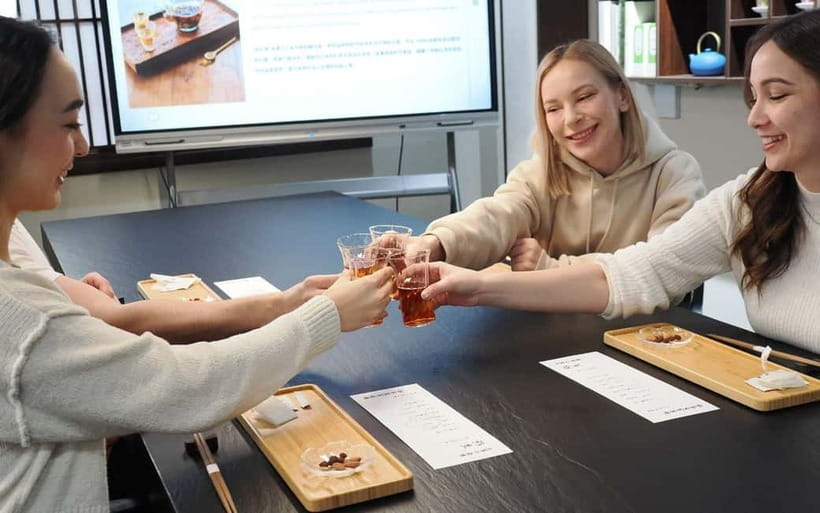
The ceremony begins with wakocha, Japanese black tea from Shizuoka, served with a traditional tea cake. Wakocha is not simply a Japanese version of a strong breakfast tea. It can show fruity and floral notes, making it a gentle introduction to the range of flavors ahead.
This first serving gives the tea master a chance to explain the basic rhythm of the session. You taste before receiving a long lesson, which makes the later details easier to understand. If you usually drink black tea with milk or sugar, try the wakocha plain first so you can notice its lighter character.
The accompanying cake is more than a snack. Japanese sweets are often chosen to balance tea, and the sweetness prepares your palate for astringent or savory notes in the leaves. This pairing also introduces the visual care given to Japanese confectionery without making the first few minutes feel overly formal.
I appreciate this opening because it does not rush straight into matcha. You get a broader picture of Japanese tea before focusing on the powdered green tea most associated with the ceremony.
Gyokuro sencha and the taste of premium green tea
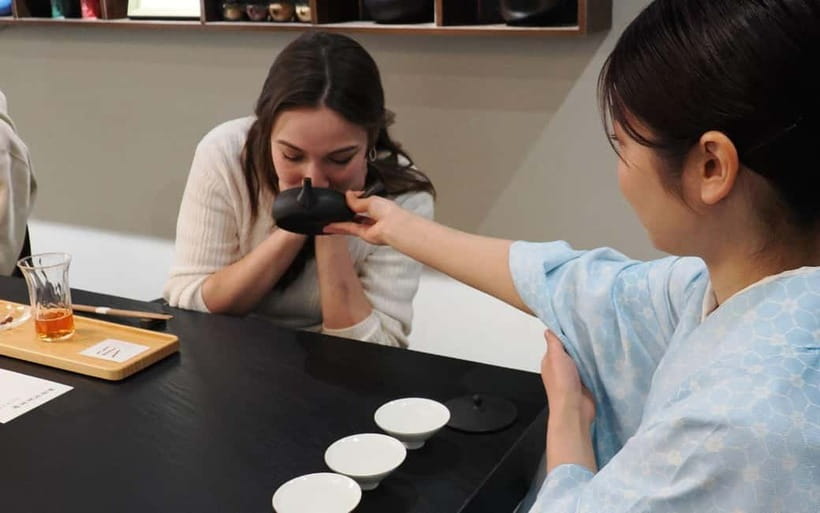
Next comes Gyokuro, a top-grade sencha. The tea master brews it for you and explains how it differs from other green teas. You also taste the leaves, an unusual detail that helps you understand how much flavor remains in the leaf after brewing.
Gyokuro is valued for its concentrated taste and smooth, savory character. The preparation is treated with care, and the water temperature is part of the lesson. This is one of the most useful details for anyone who buys Japanese tea at home. Boiling water is not always the best choice for delicate green tea, and the session shows how temperature affects bitterness and aroma.
The tea is served with seasonal wagashi from Ougiya, a confectioner with generations of experience. Wagashi can be small, but it carries a lot of meaning. Shapes, colors, and ingredients may reflect the season, and the sweetness offsets the vegetal edge of green tea.
You will not simply be told that the sweet is seasonal. You get to see and taste how the confection fits into the serving ritual. The portions are modest, which is helpful because the hour includes several teas and multiple tastes.
A few more Tokyo bookings worth comparing
- Mt Fuji and Hakone 1-Day Bus Tour Return by Bullet Train
★ 5.0 · 26,383 reviews - 1-Day Tokyo Bus Tour
★ 5.0 · 14,250 reviews - Tokyo: TOKYO SKYTREE® Admission ticket
★ 4.5 · 11,192 reviews - Tokyo: teamLab Planets TOKYO Digital Art Museum Entry Ticket
★ 4.6 · 9,779 reviews
Making matcha with traditional tools
The hands-on matcha section is the centerpiece for many people. After watching the tea master, you prepare your own bowl using traditional utensils and a bamboo whisk.
The basic action looks simple, but the result depends on small details. You learn how to handle the whisk, work the powder into the water, and create the right texture. The tea master guides you through the process, so you do not need prior experience or special skill.
This is where the ceremony becomes personal. Instead of only observing a polished performance, you feel the resistance of the whisk and see how the powder changes as you work. Your bowl may not look exactly like the instructor’s, and that is part of the value. You are learning by doing.
The etiquette lesson also helps. You learn how matcha is presented and how it is meant to be received and enjoyed. The explanations are generally calm and simple, with room for questions about Japanese customs and language. Guides have included Shinichi-san and Aikiko, and the teaching style can vary slightly by session, but the common thread is patient instruction.
One useful keepsake is the pair of chopsticks provided during the experience, which some participants have been allowed to keep. The certificate at the end may also be personalized with your name in Japanese.
Genmaicha brings the tasting to a comfortable close
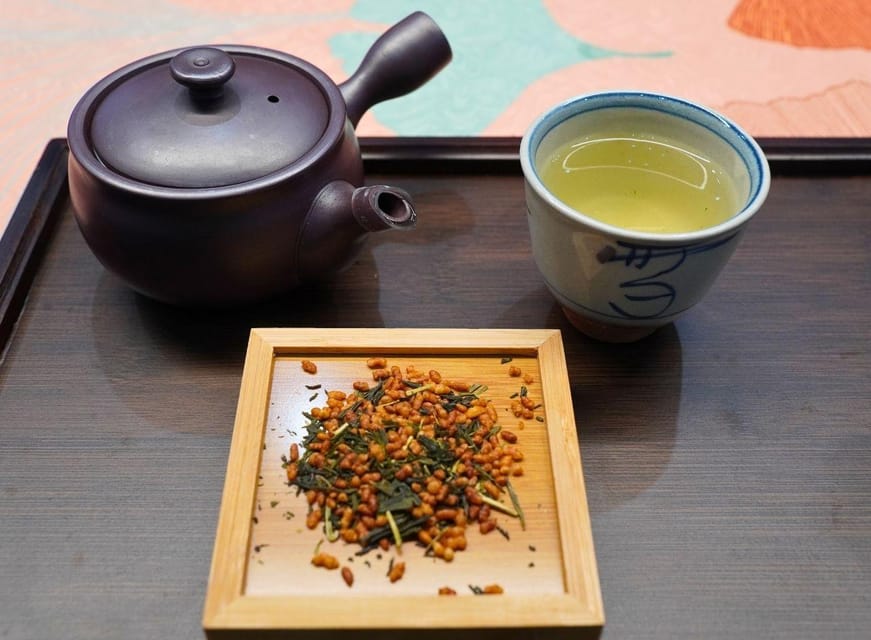
The final tea is Genmaicha, a blend of sencha and roasted rice from Niigata Prefecture. Compared with Gyokuro and matcha, it is usually more familiar and easygoing, with a warm roasted aroma.
Ending with Genmaicha is a sensible choice. After the concentrated flavor of matcha and the intensity of premium sencha, the roasted rice gives you a softer finish. It feels less like a final exam and more like a pleasant closing cup.
By this point, you have tasted four different styles and seen that Japanese tea is not one single flavor or ceremony. Wakocha can be fruity and floral. Gyokuro can be concentrated and savory. Matcha is powdered and whisked. Genmaicha brings roasted notes. The contrast makes the lesson memorable.
Some sessions have lasted closer to 50 minutes than a full hour, so keep that small variation in mind when planning your next activity. The listed duration is one hour, but the exact pace may depend on questions and group size.
How the teaching style affects the experience
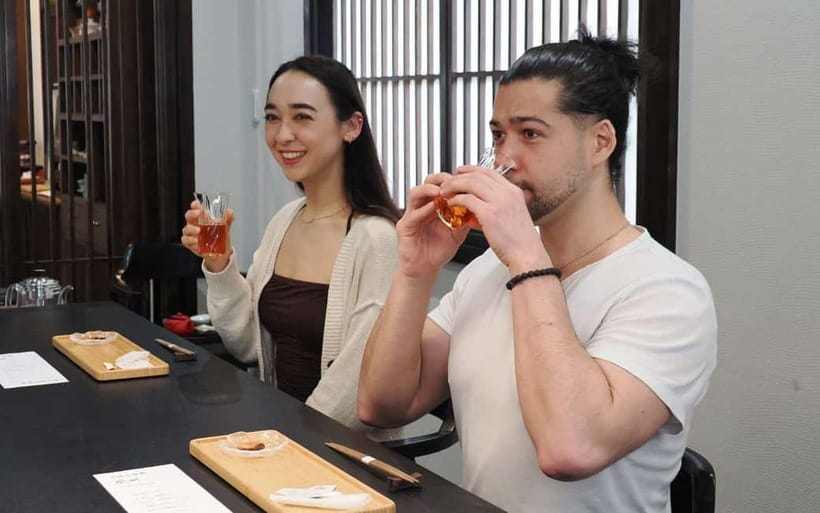
The strongest part of this activity is the tea master. The best sessions combine clear instruction with conversation, and that is the pattern you can expect here. Guides have been described as friendly, funny, polite, patient, and easy to talk with.
You may learn about tea-growing regions, the background of matcha, different water temperatures, and the customs surrounding a tea ceremony. You can also ask broader questions about Japan, food, language, or local life. That informal exchange keeps the hour from feeling like a memorized presentation.
English is the stated language. Most participants have found the explanations easy to follow, though one person found an instructor’s accent somewhat challenging. If you are not a confident English listener, do not be shy about asking the tea master to repeat a point. The activity is designed for international visitors, and the teaching style is patient.
The atmosphere is clean, calm, and relaxed rather than rigid. That is a plus for first-timers, couples, families, and anyone who wants cultural context without needing to know the rules beforehand. If you are specifically seeking a highly formal, silent Kyoto-style ceremony, this may feel too conversational.
Is $38 a good value for an hour?
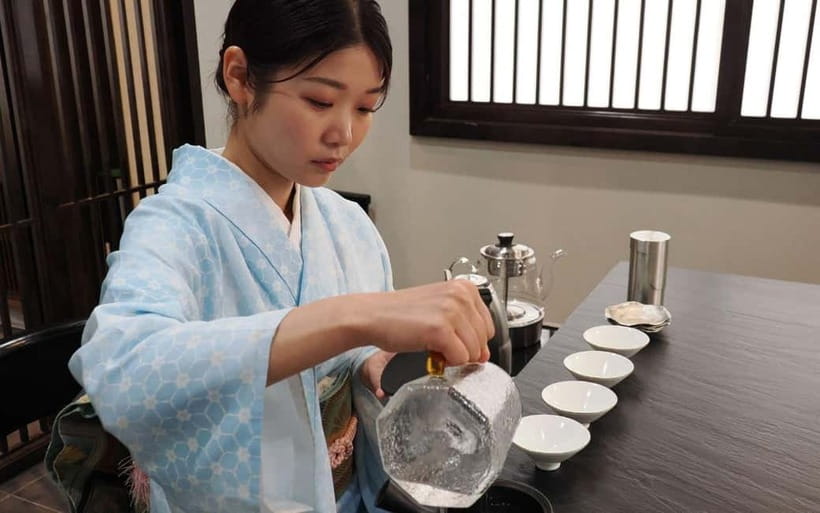
At $38 per person, I consider this a solid value for Tokyo, especially because the price includes more than a demonstration. You receive welcome tea and cake, a Gyokuro tasting with wagashi, a hands-on matcha session, a Genmaicha finale, access to the tea room, a certificate, and a group photo.
The value comes from variety and instruction. A simple tea tasting might give you several cups, but not necessarily the chance to prepare matcha or learn the etiquette behind it. A formal ceremony might provide atmosphere, but not much practical explanation. Ocharu combines both elements in a compact format.
The one-hour length is also useful in Tokyo. You do not need to give up half a day, and the location can fit into an outing around Tokyo University and the zoo. For a first introduction to Japanese tea, the cost is easier to justify because you get both a cultural lesson and a food-and-drink experience.
I would not book it solely for the certificate or photo. Those are pleasant extras. The main value is the chance to compare four teas and learn how preparation changes the flavor.
Who should book this tea experience?
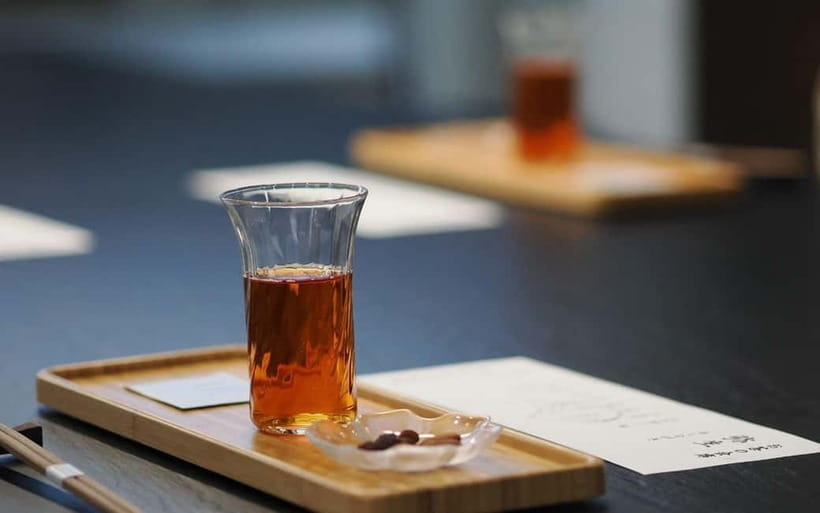
I would recommend it most strongly if you fall into one of these groups:
- You are trying Japanese tea for the first time and want clear explanations.
- You already drink tea and want to understand sencha, Gyokuro, matcha, and Genmaicha.
- You want a cultural activity that does not require a full day.
- You are traveling with a partner or child and prefer participation over passive sightseeing.
- You want to learn how to make matcha at home.
- You enjoy Japanese sweets and regional food traditions.
The experience is less suitable if you use a wheelchair, since the activity is specifically listed as not suitable for wheelchair users. It may also disappoint you if you want a strictly ceremonial performance with little conversation. This is a teaching session with a relaxed social tone.
For access, allow extra time if you are unfamiliar with the area. The green logo is the key clue, but it may be mounted high on the building. Reserve five minutes for early arrival, and consider pairing the visit with nearby Tokyo University or the zoo.
Cancellation is flexible: you can cancel up to 24 hours ahead for a full refund. You can also reserve now and pay later, which helps if your Tokyo schedule is still moving around.
Should you book the Ocharu tea ceremony?
Yes, if you want a compact, hands-on introduction to Japanese tea rather than a purely formal performance. I especially like the progression from wakocha to Gyokuro, matcha, and Genmaicha because it gives you a real sense of how varied Japanese tea can be.
Book it for the teaching, tasting, seasonal wagashi, and chance to whisk your own matcha. Treat the certificate and photograph as useful souvenirs, not the main reason to go. If you can find the OCHARU sign and do not need wheelchair access, this is a well-priced cultural stop that fits neatly into a Tokyo sightseeing day.
FAQ
How long does the Tokyo tea ceremony last?
The listed duration is one hour. One session was reported as lasting about 50 minutes, so allow roughly an hour while keeping a little flexibility in your schedule.
How much does the experience cost?
The price is $38 per person.
What teas will I taste?
You taste Shizuoka wakocha, Gyokuro sencha, matcha that you prepare yourself, and Genmaicha made with sencha and roasted rice from Niigata Prefecture.
Do I get to make my own matcha?
Yes. A tea master shows you how to use traditional tools and guides you as you whisk and enjoy your own matcha.
Are sweets included?
Yes. You receive a tea cake with the welcome wakocha and seasonal wagashi from Ougiya with the Gyokuro tasting.
Is the activity offered in English?
Yes. English instruction is provided, and English is the stated language for the activity.
Where does the tea ceremony take place?
It takes place in the Ocharu Tea Ceremony Room across from Tokyo University in Tokyo.
How do I find the meeting point?
Look for the green OCHARU logo on the building wall. The sign may be high up, so check carefully. The tea shop downstairs is also a useful clue.
Is the experience suitable for wheelchair users?
No. The activity is listed as not suitable for wheelchair users.
New on our Tokyo list
- From Tokyo: Mount Fuji & Hakone Full Day Private Tour★ 4.9 · 25 reviews
- Tokyo Spectacular View Day-Cruise in 90 Minutes★ 5.0 · 25 reviews
- Real Tokyo Runner Club : Daikoku Car Meet Night Tour with JDM Car★ 5.0 · 25 reviews
- 2.5 Hour-Guided Cycle Tour in the Central Tokyo★ 5.0 · 25 reviews
- Ramen Making from Scratch +Akihabara Tour –Cooking Class★ 5.0 · 25 reviews
- [Self-Drive] Tokyo & Daikoku Custom Car Driving Tour★ 4.9 · 25 reviews
- Tokyo: 2-Hour Night Bike Tour of the City’s Hidden Gems★ 4.9 · 25 reviews
- Samurai themed Entertainment show in Shinjuku★ 4.5 · 25 reviews
Tea Ceremonies, compared.
Matcha Making Class in Tokyo with Authentic Japanese Sweets Set
Read our review →
Matcha Making Experience with Mochi Sweets in Asakusa
Read our review →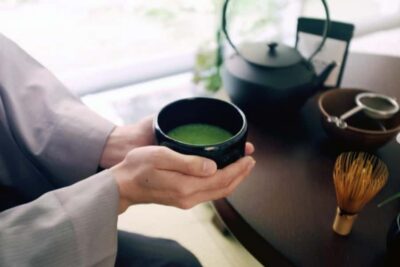
Tea Ceremony Workshop in Tokyo by the Experienced Instrucor
Read our review →

Make Traditional Nerikiri Sweets & Matcha experience in Shibuya
Read our review →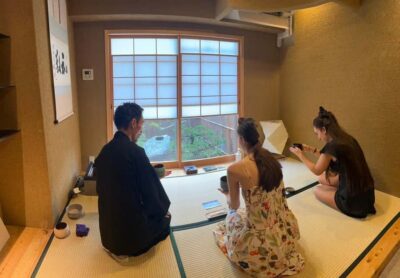
Tea Ceremony Experience in a Private Tea Room in Shibuya
Read our review →Browse the lists this tour appears in